
Business
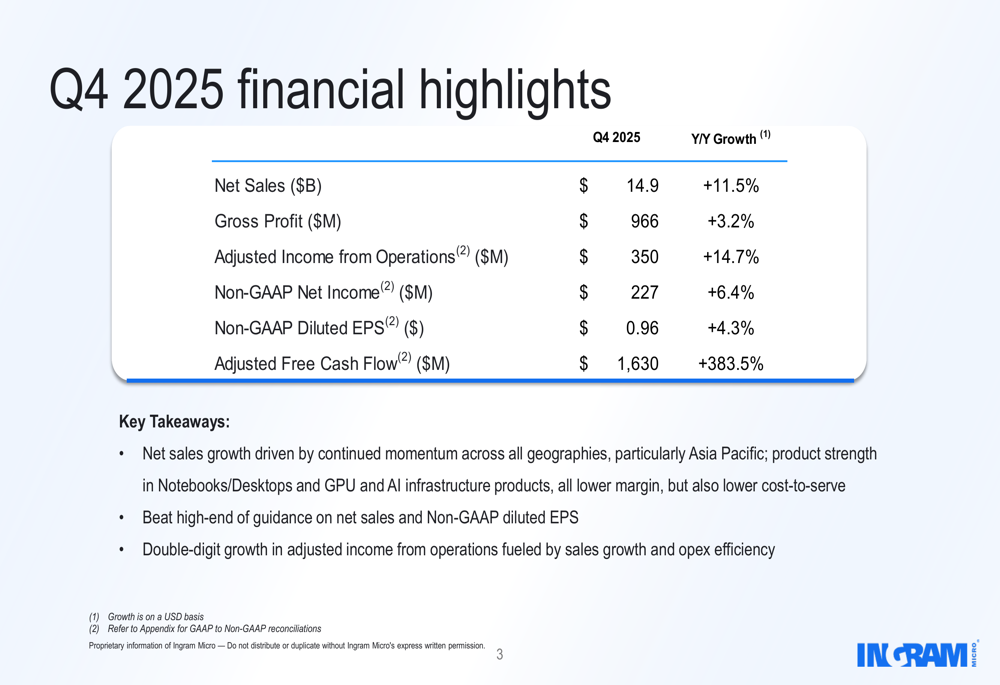
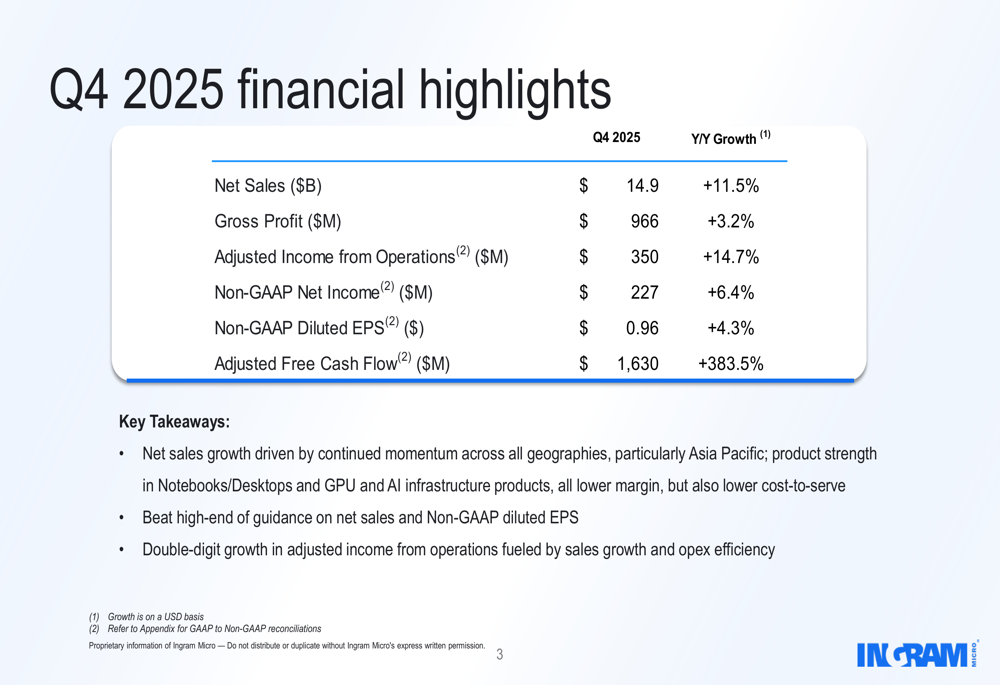
Ingram Micro Q4 2025 slides: record cash flow, AI platform gains



Yield on the 10-year benchmark government bond jumped 10 basis points to close at 6.83%, CCIL data showed. One basis point is a hundredth of a percentage point.
The 10-year yield opened at 6.78% and inched up to 6.88% in the first hour of the session as global markets traded with nervousness ahead of the expiry of Donald Trump’s 48-hour deadline to Tehran to reopen the Strait of Hormuz.
Indian government bonds plunged on Monday, as elevated oil prices and rising U.S. Treasury yields triggered the sharpest selloff since October 2023, although bonds recouped half of their losses after positive commentary from U.S. President Trump on Iran war.
Yields saw their biggest single-day spike since October 2023 and ended at highest level since January 2025, LSEG data showed. They, however, eased after the US president indicated no immediate attacks on Iran following diplomatic efforts. The 10-year yield eased from 6.88% to 6.79% in the last half hour of the trade, before closing at 6.83%.
“When the news of US-Iran talks came, some short covering and profit booking happened. But sentiments are negative. RBI is mildly present and on the sidelines since global yields are also inching up,” said a bond trader at a primary dealership.

Yields across either side of the Atlantic have hardened, with Reuters reporting that the probability of further rate easing by the US Federal Reserve may have reduced amid the most visible spike in risk-free rates in the US since last summer.
Meanwhile, Goldman Sachs Sunday raised its oil price forecasts for the second time in as many weeks, global media outlets reported, citing Wall Street bank’s concerns over the Strait of Hormuz. It now expects Brent to average $110 in March-April, up from a prior forecast of $98 and marking a sharp increase from 2025 levels. ‘Higher for Longer’
The upgrade extends beyond the immediate disruption. Goldman raised its 2026 Brent forecast to $85 from $77, with WTI seen at $79, while longer-dated prices have also been revised higher.
Back home, banking system liquidity, too, was in a deficit for the first time in nearly three months after quarterly advance tax outflows and due to increased central bank intervention in the foreign exchange market, traders said. Experts, however, expect system liquidity to improve in the next few days.
System liquidity stood at a deficit of ₹65,395.64 crore as of March 22 against a daily average surplus of ₹2.45 lakh crore since February. Consequently, this also raised overnight borrowing costs for banks, with call rate trading at an average of 5.32% on Monday, versus a weighted average call rate of 5% from February.
“We do have about ₹5 lakh crore of durable liquidity, hence showing that there is money with the government. I expect this money to flow into the banking system in the coming week as government and end-of-year spending,” said Alok Singh, head of treasury at CSB Bank.

LONDON — With the FTSE 100 pushing past 10,000 points for the first time early in 2026 and delivering strong gains driven by defence spending, banking resilience and healthcare innovation, investors are eyeing a select group of blue-chip stocks for potential outperformance this year.

Analysts remain broadly bullish on the UK’s flagship index, forecasting around 14% earnings growth and record dividend payouts of up to £86 billion across constituents. Sectors benefiting from geopolitical tensions, higher interest rates, commodity strength and demographic trends are drawing particular attention as the index eyes further records toward 11,000 or beyond.
Here is a look at 10 FTSE 100 stocks frequently cited by analysts and commentators in early 2026 as strong buys, based on growth potential, valuation, dividends and thematic tailwinds. Selections draw from recurring recommendations across defence, pharmaceuticals, financials, energy and consumer staples, with no single list universally agreed upon but clear consensus themes emerging.
- BAE Systems (BA.) — Defence giant BAE Systems tops many long-term watchlists as global military spending surges. NATO commitments, European rearmament and ongoing geopolitical risks have fueled order books. Shares have performed strongly, with analysts highlighting consistent revenue visibility and reasonable valuations relative to growth prospects. The stock benefits from both organic expansion and potential acquisitions in the sector.
- AstraZeneca (AZN) — The UK’s most valuable company by market capitalization at around £230 billion early in the year, AstraZeneca continues to lead on pharmaceutical innovation. Its oncology and rare disease pipelines, combined with strategic collaborations, position it for sustained earnings growth. Healthcare themes tied to ageing populations and medical advances make it a defensive growth play, with strong analyst support.
- HSBC Holdings (HSBA) — Europe’s largest bank by assets, HSBC has reclaimed top spots in the index on robust Asian exposure and higher net interest income. Banking stocks have rallied to 15-year highs in early 2026 amid rate tailwinds and economic resilience. HSBC offers a compelling mix of dividend yield and international diversification, with analysts noting its undervaluation compared to global peers.
- Shell (SHEL) — As one of the world’s leading energy majors, Shell provides exposure to oil and gas while advancing in renewables and low-carbon solutions. Energy stocks have supported the FTSE amid commodity price strength. Shell’s substantial dividend, disciplined capital allocation and transition strategy appeal to income and growth investors alike, with recent performance reflecting sector momentum.
- GSK (GSK) — GlaxoSmithKline has rebounded strongly, reaching multi-year highs on vaccine and specialty medicine momentum. Its pipeline in respiratory, oncology and infectious diseases, plus operational improvements, has driven analyst upgrades. The stock combines growth potential with a solid dividend, fitting both healthcare and income strategies in a higher-rate environment.
- Barclays (BARC) — The UK-focused lender has seen sharp gains, up over 50% in the prior 12 months into 2026, on improved profitability and share buybacks. Barclays benefits from domestic banking strength and investment banking recovery. Analysts see further upside from cost discipline and potential rate cuts supporting loan demand, making it a high-conviction recovery and value play.
- Rolls-Royce Holdings (RR.) — Aerospace and defence exposure has propelled Rolls-Royce, with civil aviation recovery and military engine demand boosting results. The company has delivered on efficiency targets and raised guidance, attracting investors seeking cyclical growth. Its transformation story remains compelling despite valuation debates, with strong order intake signaling multi-year tailwinds.
- Prudential (PRU) — Focused on Asia and emerging markets, Prudential capitalizes on rising wealth and insurance demand in high-growth regions. Analysts highlight its quality management and long-term demographic trends, with the stock trading at attractive valuations. It offers a blend of growth and dividend income, appealing to those betting on global economic rebalancing.
- Coca-Cola HBC (CCH) — The bottling and beverages group has ranked among the top performers in early 2026, driven by volume growth and pricing power. Strong execution in emerging European and African markets, combined with brand strength, supports earnings resilience. Its forward dividend yield and reasonable multiple make it attractive for consumer staples exposure amid economic uncertainty.
- Legal & General (LGEN) — Among the highest-yielding FTSE 100 stocks, often exceeding 8-9%, Legal & General delivers reliable income through its insurance and asset management operations. Despite occasional volatility from interest rates and results, its progressive dividend policy and diversified business appeal to income seekers. Analysts view it as a core holding for portfolios prioritizing cash returns in 2026.
The broader context favors these picks. The FTSE 100 outperformed the S&P 500 in 2025 on a local-currency basis, buoyed by “old economy” sectors dismissed by some global investors. Earnings forecasts for 2026 remain constructive, supported by a potentially more dovish Bank of England and resilient corporate balance sheets. Dividend growth is expected to hit records, with the index yield hovering around 3.4%.
Risks persist, however. Global trade tensions, commodity price swings, slower Chinese growth and domestic political factors could weigh on performance. Defence stocks face execution risks on contracts, while banks remain sensitive to interest rate paths and loan impairments. Healthcare faces patent cliffs and regulatory pressures, and energy majors must navigate the energy transition.
Valuations across the FTSE 100 generally appear reasonable compared with U.S. peers, with many stocks trading below historical averages on price-to-earnings or offering attractive dividend cover. This has prompted calls for continued inflows from international investors seeking value and income.
Investment professionals stress diversification and long-term horizons. While the 10 stocks above reflect frequent analyst favorites, individual circumstances vary. Professional advice is recommended, as past performance offers no guarantee of future results and share prices can fall as well as rise.
As of March 24, 2026, the FTSE 100 has posted solid year-to-date gains, with defence, banking and select consumer names leading. Market watchers will monitor upcoming earnings seasons, central bank decisions and geopolitical developments for fresh catalysts.
Investors interested in FTSE 100 exposure can consider individual shares via brokers or low-cost index trackers and ETFs for broader participation. Thematic funds focused on defence, healthcare or dividends have also attracted attention this year.
The UK equity market’s undervaluation narrative, combined with improving fundamentals, continues to underpin optimism. Whether the index reaches new highs or faces volatility, the 10 stocks profiled here embody key themes analysts believe will drive returns in 2026 and beyond.
Business
Iran sends waves of missiles into Israel, dismisses Trump’s talk of negotiations as ’fake news’


Iran sends waves of missiles into Israel, dismisses Trump’s talk of negotiations as ’fake news’
Business
Sandfire Resources Limited (SFRRF) Discusses Embedding Sustainability and Governance Frameworks in Operations – Slideshow

Sandfire Resources Limited (SFRRF) Discusses Embedding Sustainability and Governance Frameworks in Operations – Slideshow

6 Years Since Covid Crash Low
Business
IndiGo shares jump 4% after appointing former Air India Express CEO Aloke Singh as chief strategy head

His role will include overseeing major initiatives such as the induction of Airbus A350 aircraft into the fleet and the development of hub airports. The planned induction of the Airbus A350 in 2028 is a significant milestone for IndiGo, as it will allow the airline to begin long-haul transcontinental operations. Singh will report to promoter Rahul Bhatia, who is currently managing the airline as interim CEO.
The move comes amid leadership changes at IndiGo following the resignation of chief executive Pieter Elbers on March 10. Bhatia stepped in to take charge after his departure. Elbers’ exit came in the wake of an operational disruption in December 2025, when the airline cancelled more than 4,200 flights between December 1 and 9 due to a shortage of pilots needed to meet stricter flight duty time limitation norms introduced in November.
“Aloke brings an exceptional blend of strategic vision and operational depth. His comprehensive understanding of the aviation ecosystem will be invaluable as we build a more agile, resilient and future-ready organisation, and accelerate our next phase of growth,” Bhatia said.
Singh has over three decades of experience spanning strategy, planning, operations and commercial roles in the aviation sector. During his time at Air India Express, he led a period of transformation that included the airline’s shift from government ownership to the Tata Group, its merger with AirAsia India, expansion of its fleet and a brand revamp.
Also Read | Sensex down 8K pts in 1 month. Experts recommend flexicap, multi asset funds & continuing SIPs
On Monday, shares of IndiGo were in focus after international brokerage firm Goldman Sachs trimmed its target price while maintaining its Buy call on the counter. The international brokerage has cut the target by 13.3% to Rs 5,200 apiece, lower from Rs 6,000 earlier. The new target price implies an upside potential of around 32% from the last closing price of Rs 3,950 per share.
Analysts said this is due to rising fuel costs and near-term weakness in Middle East traffic. The brokerage now expects EBITDAR of around Rs 13,700 crore for FY26, Rs 15,900 crore for FY27 and Rs 24,400 crore for FY28.
It added that industry consolidation is likely amid ongoing supply constraints, which could support market share gains for IndiGo as weaker players exit. Goldman Sachs also highlighted the airline’s net cash balance sheet as a key strength.
Last week, the airline introduced a fuel surcharge on domestic and international flights, citing a sharp surge in jet fuel prices amid ongoing geopolitical tensions in the Middle East.
Sensex, Nifty today: Catch all the LIVE stock market action here
(Disclaimer: Recommendations, suggestions, views and opinions given by the experts are their own. These do not represent the views of The Economic Times.)
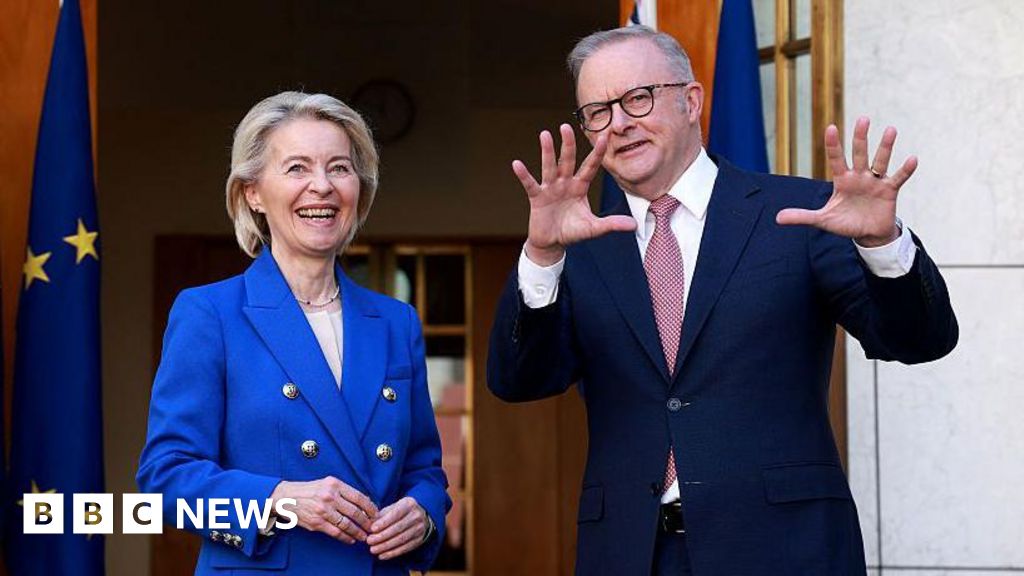
Australian producers have also won the right to sell Italian-style sparkling wine as prosecco.

Thailand is experiencing its most significant foreign capital flight in years, with bond outflows exceeding $1 billion in March 2026, marking the largest selloff since 2022. This mass exit is driven by escalating geopolitical tensions in the Middle East, which have prompted global investors to retreat from emerging markets in favor of safer assets.
The resulting surge in oil prices has intensified concerns regarding inflation and widening current-account deficits, leading to substantial losses for international investors in both Thai bonds and equities.
Key Points
- Global funds offloaded more than $1 billion in Thai bonds in March, putting the market on track for its largest foreign selloff in four years.
- On a single Friday, overseas investors withdrew $1.2 billion from the bond market and an additional $1.2 billion from Thai equities.
- The retreat is primarily attributed to regional instability in the Middle East, which has caused money managers to de-risk their portfolios.
- Rising oil prices are a major concern for the Thai economy, as they threaten to drive up inflation and negatively impact the national current-account balance.
- Thai bonds have delivered an 8.5% loss to dollar-based investors on a hedged basis this month, while the domestic stock market has declined by over 8%.
Overseas investors withdrew a total of $1.2 billion from Thai bonds on Friday, March 20, 2026. This sell-off was the largest single-day withdrawal from the market since March 2022.
According to data from the Thai Bond Market Association, this significant exit is part of a broader trend where global funds dumped over $1 billion in Thai debt throughout March. The withdrawal coincides with escalating Middle East tensions, which have fanned inflation worries and pushed investors toward safe-haven assets. Beyond the bond market, overseas investors also offloaded $1.2 billion in Thai equities on the same day, marking the largest stock sell-off in two years.
The Bank of Thailand and market strategists note that these capital outflows are pressuring the Thai baht, which tested a nine-month low recently. Analysts suggest that the combination of high oil prices and widening current-account deficits has made emerging markets like Thailand less attractive to global money managers. While some officials remain confident in domestic stability, the Social Security Fund recently breached its risk limits for the first time in two years due to this market volatility.
What is the percentage loss for dollar-based Thai bond investors?
Thai bonds have delivered an 8.5% loss to dollar-based investors on a hedged basis in March 2026. This performance ranks among the worst in the region as global funds exit emerging markets due to escalating Middle East tensions.
The baht has faced significant downward pressure, testing a nine-month low of 33 per US dollar as investors shift toward safe-haven assets. Analysts at K-Research suggest the currency could weaken further to 33.50 per dollar this week due to rising US bond yields and geopolitical instability. Meanwhile, the Social Security Fund reported breaching its 8% value-at-risk threshold for the first time in two years following the market turmoil.
Middle East tensions have triggered a significant “risk-off” sentiment across global emerging markets, leading to substantial capital outflows as investors favor the US dollar and other safe-haven assets. This shift has particularly impacted Asian equities, which have seen a reversal of the “Sell America, Buy Asia” strategy due to the region’s heavy reliance on energy imports through the Strait of Hormuz.
Economists warn that a prolonged conflict could result in stagflation, a condition of high inflation and stagnant growth driven by surging oil and gas prices. Emerging economies like Thailand and India are especially vulnerable to cost-push inflation and trade deficits as the cost of importing crude oil, which has topped $100 a barrel, significantly increases production and logistics expenses.
Other People are Reading
Business
From geopolitics to crude oil: Deepak Jorwal highlights key risks investors must track in 2026

Deepak Jorwal, Head of Products at Motilal Oswal Private Wealth, highlights that developments ranging from conflicts impacting trade routes to fluctuations in crude oil prices are emerging as key risks that could influence inflation, interest rates, and overall market sentiment.
While such uncertainties may trigger short-term volatility, Jorwal emphasizes the importance of staying disciplined, maintaining diversified portfolios, and using global allocation and rebalancing strategies to navigate these evolving risks effectively. Edited Excerpts –
Q) Geopolitical tensions seem to be escalating across regions. How should global investors interpret these developments from a macro and market perspective?
A) Over the past few years, global markets have had to navigate several geopolitical flashpoints—from the Russia–Ukraine conflict to the ongoing tensions in the Middle East.
These events matter primarily because of their impact on energy supply, trade routes and global supply chains, which in turn influence inflation and growth expectations.
These in-turn also affect the monetary & fiscal policies. For example, the Strait of Hormuz carries nearly 20% of the world’s oil supply, so any disruption there can quickly push crude prices higher and influence global inflation expectations.
Similarly, tensions that affect key shipping routes can increase freight costs and disrupt supply chains, creating short-term uncertainty for businesses and markets.However, from a market perspective, history suggests that geopolitical shocks tend to create short-term volatility rather than long-term structural damage.
Over the past 25 years, multiple global conflicts have triggered corrections and heightened volatility, yet the market has in most cases delivered double-digit returns over the following 12–24 months as uncertainty gradually eased and economic fundamentals reasserted themselves.
For long-term investors, these periods often present the most compelling opportunities to accumulate high-quality businesses at attractive valuations. The key is navigate such periods with discipline, patience, and courage.
As the uncertainty eventually settles—as they always do—those who stayed invested and acted decisively during the turbulence are typically the ones who emerge strongest.
However, geo-political uncertainty has become more frequent than earlier. Hence, the need is to construct the portfolio across asset classes to have diversification, following the investment charter and remain committed to that while managing strategic and tactical allocation inline with one’s objective.
Q) Historically, markets tend to react sharply to geopolitical shocks but recover quickly. Is it time to diversify globally and which markets are looking attractive?
A) Global diversification is becoming increasingly relevant for Indian investors, not just from a return perspective but also for currency and opportunity diversification.
While India remains structurally strong—with GDP growth of ~6–7% and healthy earnings outlook—it represents only a small share of global market capitalisation, whereas markets like the MSCI World Index are heavily dominated by the United States at ~60–65%. This highlights the need to look beyond domestic markets to access a broader opportunity set.
A key driver is also currency diversification—investing globally allows exposure to stronger currencies like the US dollar, which can help hedge against long-term rupee depreciation.
Markets like the US, Taiwan, South Korea, and Japan offer access to sectors such as AI, semiconductors, and advanced manufacturing—areas where India has limited representation.
The idea is not to replace India exposure but to complement it—combining India’s domestic growth story with global innovation and sector leaders. This balanced approach helps improve portfolio resilience while capturing growth opportunities across geographies.
Q) How could rising crude oil prices and commodity volatility reshape the global investment landscape?
A) Rising crude oil prices and commodity volatility can significantly reshape the global investment landscape by influencing inflation, growth, and capital flows.
For India, which imports over 85% of its crude needs, sustained high oil prices typically lead to higher inflation, a wider current account deficit, and pressure on the rupee due to increased dollar demand.
This can weigh on consumption and delay interest rate cuts, impacting overall market sentiment. Globally, elevated energy prices tend to keep inflation sticky, limiting central banks’ ability to ease monetary policy and potentially slowing economic growth.
However, the impact is uneven—energy-exporting economies benefit from higher prices, while import-dependent countries face macro pressures. This divergence is important for global asset allocation.
At the same time, commodity dynamics are being reshaped by structural trends. The energy transition and electrification are driving demand for materials like copper, lithium, and nickel, while oil and gas remain critical in the near term.
Additionally, the rapid growth of AI and data centres is increasing global energy demand, linking technology growth more closely with power and commodity markets.
From an investment perspective, this environment is leading to greater interest in real assets and commodities as both inflation hedges and structural plays.
Gold continues to act as a safe haven during geopolitical uncertainty, while metals linked to clean energy and infrastructure are gaining traction.
Overall, commodity volatility is pushing investors toward more diversified portfolios that balance traditional assets with exposure to energy, metals, and global macro themes.
Q) What role does rebalancing play during volatile periods when asset prices move sharply due to geopolitical shocks?
A) Rebalancing is a key discipline during volatile periods, as sharp market moves can quickly shift portfolios away from their intended allocation.
We typically recommend rebalancing either periodically or when allocations deviate by around 5–10%.
This helps investors trim assets that have risen sharply and redeploy into areas that have corrected, enforcing a “buy low, sell high” approach.
Volatility also creates opportunities to add to fundamentally strong assets that may have fallen due to market sentiment rather than real weakness. Over time, consistent rebalancing improves portfolio stability and enhances risk-adjusted returns.
Q) How can investors use ETFs to achieve better asset allocation across equities, debt, gold and international markets?
A) ETFs have become a practical way to build diversified portfolios across equities, debt, gold, and international markets, offering broad exposure in a transparent and relatively low-cost format.
However, investors need to be mindful of a few practical aspects. Liquidity is critical—while large ETFs trade efficiently, less liquid ones can have wider bid-ask spreads, especially for sizeable investments.
Prices may also deviate from the underlying value due to demand-supply dynamics, particularly in volatile markets or in segments like debt , international ETFs.
In addition, ETFs require a demat and trading account, and investors incur brokerage costs on every transaction, which can add up over time compared to some traditional products.
When these factors—liquidity, pricing efficiency, and transaction costs—are carefully considered, ETFs can be effective tools for disciplined asset allocation and portfolio rebalancing.
Q) Which global ETF themes—such as technology, semiconductors, or global indices—do you believe investors should track in the current environment?
A) As investors rethink allocations amid shifting global dynamics, international exposure serves as a valuable complement to India’s structural growth story.
Select global markets offer reasonable valuations, attractive earnings growth potential, and increasing institutional participation, making them compelling for long-term investors.
A balanced approach could include large, stable economies like diversified basket of Emerging Markets, US and thematic ETFs focused on AI, semiconductors, defence, blockchain tech and other high-growth sectors, rather than taking overly granular or speculative bets.
US continues to account for the largest share of global equity market capitalisation and houses many of the world’s leading technology companies. Emerging markets present a good mix of technology, commodities and consumption growth stories. China (~25% weight in EM basket) continues to be one of the largest economies in the world and a major driver of global manufacturing and commodity demand.
Q) Ideally what percentage of capital should be diversified globally for someone who is 30–40 years old? And if someone wants to deploy fresh capital what would you advise?
A) For Indian investors, allocating around 10% of the equity portfolio to global markets is a sensible approach, regardless of age.
The benefits—access to opportunities not available in India, hedge against currency depreciation or benefit from it, and broader diversification to reduce risk—apply to all investors.
This global allocation can be spread across Emerging Market ETFs, broad US market ETFs, and thematic ETFs focused on technology, AI, semiconductors, and data centres, offering both structural growth and exposure to global innovation.
For deploying fresh capital, a staggered investment approach is recommended to manage market volatility.
Investors can leverage the Liberalised Remittance Scheme (LRS), which allows outward investment of up to $250,000 per financial year, or newer platforms through GIFT City, which are gradually broadening access to global markets.
This approach helps investors systematically build meaningful global exposure while maintaining India as the core of the portfolio.
(Disclaimer: Recommendations, suggestions, views, and opinions given by experts are their own. These do not represent the views of the Economic Times)

Yimutian to acquire Xunxi Technology for RMB 50 million
10-year yield sees steepest one-day jump since Oct 2023

Bitcoin, ether, solana prices move higher as Gulf allies inch toward joining Iran war
Britney Spears Spotted in Public for 1st Time Since DUI


-
 Crypto World3 days ago
NIO (NIO) Stock Plunges 6.5% as Shelf Registration Sparks Dilution Worries
-

 Fashion3 days ago
Weekend Open Thread: Adidas – Corporette.com
-

 Politics3 days ago
Jenni Murray, Long-Serving Woman’s Hour Presenter, Dies Aged 75
-
 Tech6 days ago
Are Split Spacebars the Next Big Gaming Keyboard Trend?
-

 Crypto World2 days ago
Best Crypto to Buy Now: Strategy Just Spent $1.57 Billion on Bitcoin During Fear While Early Investors Quietly Enter Pepeto for 150x Potential
-

 News Videos5 days ago
RBA board divided on rate cut, unusually buoyant share market | Finance Report | ABC NEWS
-

 Crypto World2 days ago
Bitcoin Price News: Bhutan Sells $72 Million in BTC Under Fiscal Pressure, but the Smart Money Entering Pepeto Sees What the Market Does Not
-

 Politics6 days ago
The House | The new register to protect children from their abusers shows Parliament at its best
-

 Tech4 days ago
inKONBINI Lets You Spend Summer Days Behind the Register
-
 Politics7 days ago
Real-time pollution monitoring calls after boy nearly dies
-

 Crypto World5 days ago
Canada’s FINTRAC revokes registrations of 23 crypto MSBs in AML crackdown
-

 Sports17 hours ago
Remo Stars and Kano Pillars Strengthen Survival Hopes in NPFL
-
 NewsBeat5 days ago
Residents in North Lanarkshire reminded to register to vote in Scottish Parliament Election
-

 News Videos6 days ago
PARLIAMENT OF MALAWI – PAC MEETING WITH REGISTRAR OF FINANCIAL ON AMARYLLIS HOTEL – INQUIRY LIVE
-

 Politics4 days ago
Gender equality discussions at UN face pushbacks and US resistance
-

 Business2 days ago
No Winner in March 21 Drawing as Prize Rolls to $133 Million for Next
-

 Business5 days ago
Who Was Alex Pretti? 5 Key Facts About the ICU Nurse Killed by Federal Agents in Minneapolis
-

 Sports16 hours ago
Gary Kirsten Accuses Pakistan Cricket Board Of ‘Interference’, Mohsin Naqvi Responds
-

 Tech1 day ago
Give Your Phone a Huge (and Free) Upgrade by Switching to Another Keyboard
-

 Sports3 days ago
2026 Kentucky Derby horses, odds, futures, preview, date: Expert who nailed 12 Derby-Oaks Doubles enters picks
You must be logged in to post a comment Login