

Business
Innovision IPO sees subscription decline despite extension of bidding window. Check GMP and other details


Within investor categories, the retail portion was subscribed 26%, while the non-institutional investor (NII) category saw 35% subscription. Demand from institutional investors remained relatively stronger, with the qualified institutional buyer (QIB) portion subscribed 95%.
The IPO was originally open for subscription between March 10 and March 12, but the company decided to extend the bidding period until March 17 after the issue failed to garner full subscription in the initial window.
Alongside the extension, Innovision also revised the price band downward to Rs 494-519 per share from the earlier Rs 521-548 range, effective March 13, in an attempt to attract additional investor interest.
The company is looking to raise about Rs 323 crore through the public issue. The offer comprises a fresh issue of Rs 255 crore and an offer for sale worth Rs 68 crore by existing shareholders.

Grey market indicators also reflect the cautious sentiment around the offering. The IPO is currently commanding a grey market premium of around 0%, signalling expectations of a flat listing.
Innovision operates in the manpower services and infrastructure support sector, offering workforce solutions, toll plaza management and skill development training to enterprises and infrastructure operators across India.The company initially began operations in manned private security services, before expanding into broader manpower outsourcing solutions. It subsequently entered the skill development segment in FY14 and later moved into toll management services from FY19.
Currently, Innovision operates across 23 states and five union territories, providing operational and workforce management services to clients through long-term contracts and service agreements.
Financially, the company has posted strong revenue growth over the past few years. Revenue increased to Rs 896 crore in FY25, compared with Rs 512 crore in FY24 and Rs 258 crore in FY23.
Profit after tax also rose to Rs 29 crore in FY25, up from Rs 10 crore in FY24 and Rs 9 crore in FY23. However, profitability remains modest given the nature of the business. The company reported an EBITDA margin of around 5.78% in FY25, reflecting the manpower-intensive nature of its operations.
Proceeds from the fresh issue are proposed to be utilised for repayment or prepayment of certain borrowings, funding working capital requirements and general corporate purposes.


Choosing a payment processor shapes how efficiently money moves through your business. Every completed sale relies on this system working smoothly behind the scenes.
For small business owners, selecting the right provider often becomes challenging because many services appear similar at first glance. Marketing claims, complex contracts, and varying service structures can make it difficult to determine which option truly aligns with your day-to-day operations.
A thoughtful comparison process helps you move past surface-level differences and focus on what actually supports your business long term. With a clear approach, you can review providers more confidently and avoid decisions based on incomplete information.
Read on for a simple checklist that helps you compare payment processing for small businesses with greater clarity.
Evaluate Hardware and Integration Options
Payment technology should align with the tools you already use in daily operations. Systems that integrate well with existing software and hardware help keep transactions organized and reduce unnecessary adjustments during setup.
To assess compatibility and practical use, the following are the areas worth reviewing:
POS system compatibility
Many retailers rely on POS systems to track sales, manage inventory, and process transactions from one central interface. A processor that integrates smoothly with your Point of Sale setup allows payment activity to flow directly into your records without extra steps.
This coordination helps staff handle purchases quickly while keeping reporting accurate across connected payment systems.
Mobile payment terminals
Portable equipment allows businesses to process transactions outside a fixed checkout counter. A reliable payment terminal or compact card machine lets staff accept payments at markets, trade shows, or service locations. Small business owners often explore independent resources that publish guides, product comparisons, and advice on payment tools before choosing equipment.
These platforms frequently review options such as the cheapest card readers to help businesses identify reliable hardware within their budget. Consulting these resources can help narrow down devices that work well with modern payment systems and support flexible selling environments.
E-commerce platform integration
Businesses that sell online benefit from processors that connect directly with website platforms and store management tools. Strong integration allows order information and transaction records to move between the store and the payment systems without manual entry. This connection supports accurate order tracking and keeps online sales organized within the same operational environment.
Understand the Fee Structure
Processing costs influence how much revenue stays within your business after each sale. Understanding the different fees and how they affect your bottom line can be challenging for small business owners.
For a clearer comparison, the following are the important pricing elements to examine:
Chargeback and dispute fees
When a customer challenges a payment, the processor may charge a fee to investigate and handle the dispute. These additional transaction costs apply even if the dispute is resolved in your favor. Understanding how these charges work helps business owners anticipate potential financial adjustments and maintain steadier cash flow.
Many business owners also consult trusted resources for guidance on handling these fees, such as GoSmallBusiness.co.uk and similar platforms that provide practical guides and expert advice. Using these resources ensures you make informed decisions about selecting a payment processor and managing costs effectively.
Transaction fees
Most providers charge transaction fees every time you accept payments through their platform. These charges may appear as a percentage of the sale, a flat rate per transaction, or a combination of both. When evaluating payment processing options, small differences in fee percentages can affect total transaction costs over time, especially for businesses that handle frequent daily sales.
Monthly account fees
Some providers require a recurring fee to maintain access to their services or to manage related merchant accounts. This charge may cover account maintenance, reporting tools, or administrative services linked to your business account. For a small business, reviewing these recurring costs helps determine whether the provider fits your expected transaction volume and operating budget.
Review Payment Methods Supported
Many businesses rely on traditional card payments to handle everyday purchases. Most providers allow customers to use a credit card or debit card, which remain among the most common ways people pay in stores and online.
In addition, many companies now support online payment options for customers who prefer digital transactions. These purchases often run through secure online payment systems that connect the checkout process to a provider’s infrastructure. A reliable payment gateway plays a key role in transferring payment data between the customer’s bank and the merchant account during an online purchase.
Another option worth considering involves tools that simplify remote billing and digital requests for payment. Some processors offer payment links that businesses can send through email, messaging apps, or invoices.
Check Security, Support, and Reliability
Protecting transactions is essential for maintaining trust and stability in any business that handles payments. Strong payment systems help safeguard sensitive financial data, while a reliable payment processor ensures operations continue smoothly. Strong security practices build confidence for both staff and customers.
Compliance with industry standards keeps data protected from breaches. Following PCI DSS guidelines demonstrates that a payment processor adheres to best practices for storing and transmitting card information. This compliance reinforces the integrity of your payment processing setup.
Meanwhile, proactive monitoring helps identify and prevent unauthorized activity. Fraud detection tools analyze transaction patterns, while fraud prevention mechanisms reduce exposure to potential misuse. Together, these safeguards provide a solid layer of fraud protection for your business.
To enhance account security further, many systems implement additional verification steps. Features like two-factor authentication add a critical barrier against unauthorized access, supporting safer payment systems.
Responsive customer support ensures that technical issues or transaction questions are resolved efficiently. Timely assistance improves the customer experience and reinforces confidence in the payment processor’s reliability.
Final Thoughts
Comparing payment processing services becomes much easier when you focus on a few essential factors. A structured checklist allows you to examine pricing, payment flexibility, technical compatibility, and security protections in an organized way. Careful review helps you select a payment processor that ensures smooth transactions, predictable costs, and reliable service.

Dollar General’s DG -3.02%decrease; red down pointing triangle outlook for the year calls for sales growth to slow, as recent winter storms hurt the current quarter and continued uncertainty clouds consumer behavior.
The discount retailer expects a modest negative impact to sales in its fiscal first quarter from severe storms last month that prompted temporary store closures. At the same time, consumer sentiment remains cautious and stagnant, and inflation remains sticky, Chief Financial Officer Donny Lau said on a call with analysts Thursday.
Copyright ©2026 Dow Jones & Company, Inc. All Rights Reserved. 87990cbe856818d5eddac44c7b1cdeb8
Business
Dow Jones Industrial Average Rebounds on March 13, 2026, Climbing Over 260 Points Amid Volatile Trading
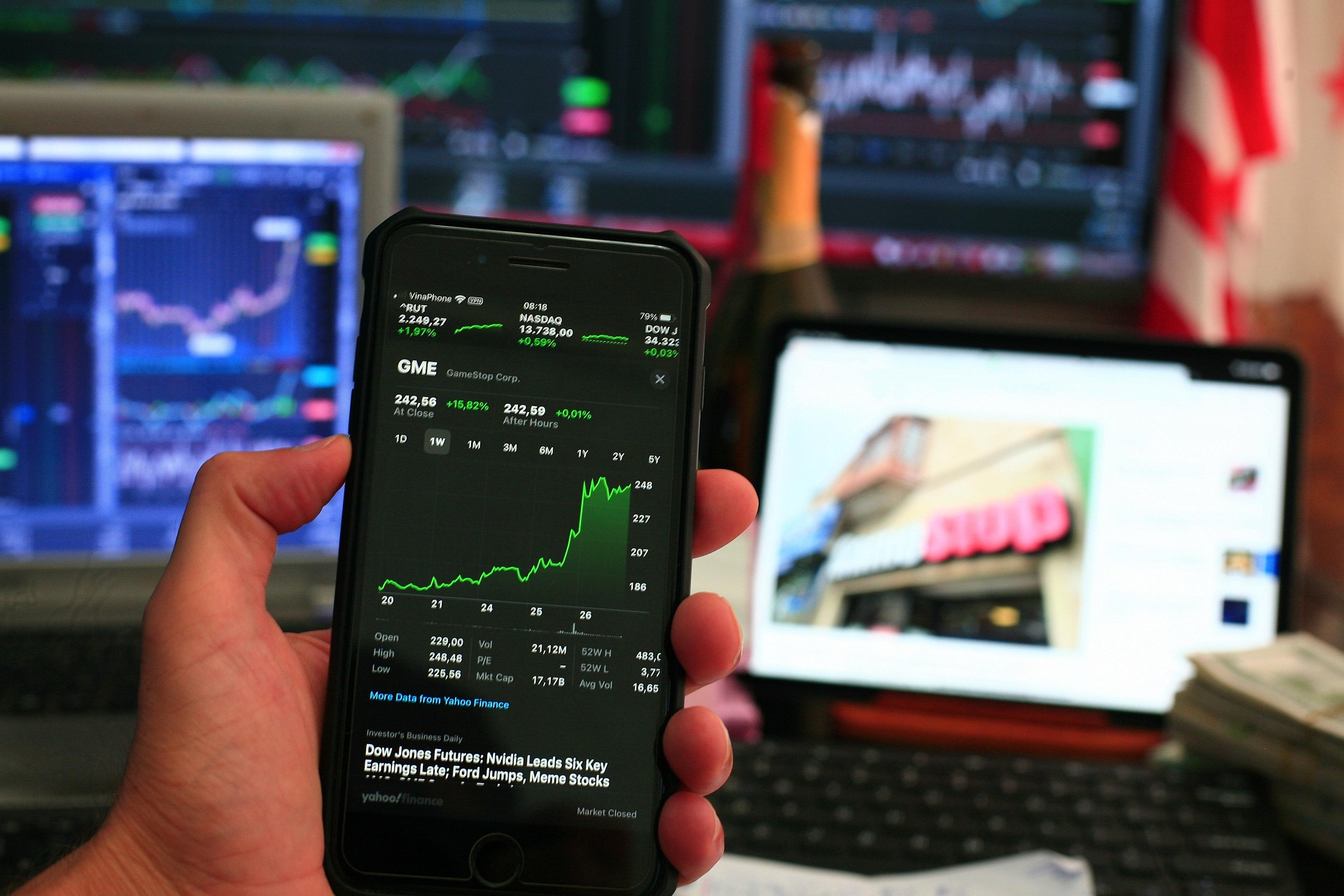
The Dow Jones Industrial Average staged a solid recovery on March 13, 2026, rising more than 260 points as investors shook off recent losses tied to Middle East tensions and focused on bargain hunting in blue-chip names.

The blue-chip index closed at 47,061.71, up 383.86 points or 0.82% from the previous day’s close of 46,677.85. Trading opened at 46,689.24 and ranged from a low of 46,850.85 to a high of 47,123.67, with volume reaching approximately 44.81 million shares. The session marked a bounce-back after a sharp 1.56% drop on March 12, when the index shed 739.42 points amid escalating concerns over oil supply disruptions from the ongoing U.S.-Iran conflict.
The performance came as broader markets showed mixed results. The S&P 500 gained modestly, while tech-heavy indices benefited from selective buying in resilient sectors. Investors appeared to look past immediate war-related fears, with some analysts attributing the uptick to oversold conditions following recent pullbacks and expectations for continued Federal Reserve policy support.
The Dow’s rebound reflected strength in cyclical and energy-related components, as crude oil prices stabilized after earlier spikes driven by Strait of Hormuz closure threats. Higher oil realizations bolstered shares of industrial and materials firms, providing a tailwind for the price-weighted index. Key contributors included gains in sectors insulated from direct geopolitical fallout, such as consumer staples and select financials.
The week’s volatility stems from the prolonged U.S.-Israel strikes on Iranian targets and Tehran’s retaliatory actions, which have kept energy markets on edge. Oil price surges earlier in March pressured equities, but signs of diplomatic backchannels and no immediate escalation allowed for a relief rally. President Donald Trump’s recent comments characterizing the conflict as nearing resolution further eased sentiment, though uncertainty lingers over potential supply shocks.
Year-to-date in 2026, the Dow has navigated sharp swings, reaching highs near 50,512 earlier in the year before retreating amid war jitters and inflation data. The index remains up significantly from 2025 lows, supported by corporate earnings resilience and AI-driven productivity gains in select holdings. However, the 52-week range spans from 36,611 to over 50,500, underscoring sensitivity to macro events.
Market observers noted the session’s intraday momentum, with the Dow climbing steadily through the afternoon as bargain hunters stepped in. Pre-market futures had pointed to a flat-to-slightly positive open, but buying accelerated after early data releases showed stable consumer sentiment and moderating inflation pressures in related reports.
Broader economic context includes anticipation for upcoming PCE inflation figures and corporate earnings from major Dow components. Mixed results from recent bank reports and commodity-linked firms have kept traders cautious, but the March 13 advance suggests dip-buying remains prevalent in blue chips.
Analysts remain divided on near-term direction. Some point to elevated oil as a persistent headwind for margins in transportation and manufacturing sectors, while others highlight the Dow’s relative resilience compared to growth-oriented indices. Geopolitical resolution—or lack thereof—will likely dictate the next leg, with any de-escalation potentially fueling further gains.
The rebound provides a breather for investors after a choppy stretch. As the week progresses, attention turns to key data releases and any fresh developments from the Middle East that could sway sentiment anew.
For now, the Dow’s March 13 performance highlights the market’s ability to pivot amid uncertainty, rewarding those betting on temporary oversold conditions in established names.

Over the past decade, blockchain payments have evolved from a niche interest to a financial infrastructure widely used by businesses of all kinds. Early crypto payment systems usually used only one network, such as Bitcoin or Ethereum.
This approach was simple and straightforward, but it had many limitations, such as scalability, cost, and user accessibility.
Today, most companies rely on a multi-chain payment strategy. These include Bitcoin, the biggest crypto, and Ethereum, the biggest altcoin, as well as many smaller altcoins and an increasing number of stablecoins.
Companies have designed infrastructure to support a growing number of networks, as users invest in a variety of cryptos and often chase trends with new and popular altcoins and meme coins. This allows them to optimize transaction costs, improve payment speeds, and serve users who prefer different ecosystems.
Each network has its strengths and weaknesses, and businesses should be aware of these and plan their payment strategy accordingly, keeping their users’ and customers’ needs in mind. It can improve performance and make the business more reliable.
What Is a Multi-Chain Payment Strategy?
A multi-chain payment strategy is a payment infrastructure that enables a business to accept, process, and settle transactions across multiple blockchain networks. For a while, businesses have relied on a single payment strategy, typically allowing payments via the most popular network.
The very nature of the crypto ecosystem has changed and fragmented in recent years, and the new payment approach reflects that. There are thousands of crypto options available right now, and a few dozen are the heavyweights, worth more than hundreds of millions of dollars.
The crypto user base has changed as well. It used to be an interest of a few niche tech enthusiasts and financial experts, but now it’s widely used, and everyday investors dabble in cryptos. Investing through crypto exchanges has become much easier and safer than before, and more regulations are in place to protect end users.
Another key element is making the business payment options compatible with stablecoin. These digital currencies have all the features of cryptocurrencies, but their value is tied to fiat currencies, and therefore, they are not volatile. For some, this is the best of both worlds, and for others, it represents too much government interference in crypto.
Multi-chain payment networks are more difficult to set up and maintain, and are therefore more costly for the business offering the service. However, the extra expense is worth it if it accommodates the users.
Why Network Choice Matters in Payment Design
Experts such as those at CCN point out that choosing the right payment network is the most important decision in payment design. Each network operates under different technical rules and economic structures, which will affect both the businesses providing the services and the end users.
One of the most visible differences is the transaction fees. Blockchain transactions require users to pay network fees, commonly known as gas fees. On some networks, these are very low, and it’s the main attraction of the network. For others, fees can rise significantly, especially if there’s a large volume of transactions.
Transaction speed is another very important factor to consider. Payment systems benefit from fast confirmation times, especially when merchants need to verify transactions quickly. Networks that operate slowly or delay confirmation quickly are usually avoided by end users and are often seen as untrustworthy. However, they may be less costly than the alternatives.
Liquidity and ecosystem support are equally important. A blockchain network with strong adoption will have better wallet support and deeper liquidity pools. This makes it easier for businesses to process payments and manage funds. It also shows that the network has real, active users and is trusted.
User experience is essential. If customers are already using a particular network, supporting that network can reduce friction and increase adoption. A well-designed multi-chain strategy takes into account all the benefits we mentioned and strives for a balance among them, given that user experience is the essential feature in the end.
Comparing Major Blockchain Networks for Payments
Ethereum
Ethereum is one of the most influential networks in the crypto system. It introduced the use of smart contracts, therefore allowing decentralized applications, DeFi protocols, and tokenized assets. These are used across different industries, allowing for smooth and safe transfer of funds. As a result, Ethereum is the most used crypto for digital finance.
It’s safe and decentralized, which are the most important qualities of a cryptocurrency. The network is supported by thousands of nodes and validators around the world, making it highly resilient against attacks. Ethereum’s ecosystem also supports a variety of different stablecoins.
The biggest downside of this network comes from the fact that it struggles with scalability. That can be a big problem if a business wants to grow quickly and reach a large user base. During periods of high network activity, transaction fees can rise significantly. It means it’s not suited for small payments and businesses.
Solana
Solana is a high-performance blockchain designed to support extremely fast transaction processing. It uses a unique combination of consensus mechanisms that allow it to handle thousands of transactions per second. The most attractive feature of this network is its very low transfer fees.
For an average payment, Solana takes a fraction of a cent in fees. It’s therefore best suited for businesses with a high volume of small payments, which most online businesses have. The confirmation of these payments is almost instant. It’s the quality that the end users are looking for the most.
Solana first gained traction among developers building applications in gaming, NFTs, and decentralized finance. Platforms that require frequent transactions are therefore the first ones to adopt it.
Over the years, the network has experienced a couple of outages during which it didn’t provide any services. It’s a major problem for businesses that work with customers daily. The businesses need to decide between performance and stability.
Polygon (Layer-2 Scaling Network)
Polygon was created to scale Ethereum and improve its performance. However, it didn’t replace Ethereum; it became a complementary network that offers faster, cheaper transactions while maintaining compatibility with Ethereum’s ecosystem.
The biggest advantage of Polygon is that the transactions are very inexpensive. The fees are much lower than with Ethereum. It makes it the best option for small and frequent transactions.
Another important benefit is that it’s compatible with smart contracts. These apps allow users to automate payments once the conditions set in the code are met. That way, businesses can guarantee that the payments will go through as soon as they provide their service. Developers can build applications using familiar frameworks while benefiting from improved scalability.
The connections with Ethereum can also be a downside. It also means that Polygon’s liquidity and infrastructure are often tied to Ethereum’s overall development.
Bitcoin and the Lightning Network
Bitcoin is the oldest and most widely recognized cryptocurrency network. It’s secure and reliable, which are the qualities most users are looking for. The network has been operational for over a decade, and even though some have had doubts, Bitcoin remains the most important crypto.
However, it’s not made for fast payments. Transactions sometimes take minutes to confirm, which can be a problem for some users. The network’s throughput is relatively limited compared to newer blockchains. To address these problems, the developers created the Lightning Network, a second-layer solution built on top of Bitcoin. It allows users to create payment channels that enable near-instant transactions with extremely low fees.
Bitcoin and Lightning can provide access to a large, established user base while improving payment efficiency through second-layer technology.
Infrastructure Requirements for Multi-Chain Payments
Building a multi-chain payment infrastructure requires investing in several key technical features. The first one to tackle is wallet architecture. Businesses must manage wallet addresses across multiple chains, all while ensuring private keys remain secure. Platforms usually use hot wallets for transfers and cold ones for storage.
Systems for monitoring transactions are equally important. Payment platforms need to track all blockchain activity and verify transfer confirmations. There are specialized indexing services made to monitor network activity in real time.
Platforms also need to set up a system for stablecoin payments. Businesses prefer stablecoins as a payment option because they’re less volatile than cryptos, and the amount they receive is the same regardless of when they cash out. The value of stablecoins is usually tied to the value of the US dollar.
Cross-chain bridging technology is another common one. Businesses that use these have an easier time consolidating assets and remaining liquid, even when receiving payments from different networks. For example, a payment received on one blockchain might later be transferred to another network where the company manages its treasury.
Developer tools and APIs are equally important. Many payment platforms offer developer kits that can be used to integrate payment functionality into websites or applications. The tools can be used to simplify tasks such as generating wallet addresses, monitoring transactions, and initiating transfers. Outside tools could also be used, but these require more skilled developers.
In the end, payment platforms need to invest in security measures. Multi-chain systems increase the number of potential vulnerabilities and the number of platforms that invest in security to build their own reputations with clients and customers. The security should also include: regular security audits, secure key management, and careful monitoring of the smart contract.
Key Challenges in Multi-Chain Payment Systems
Even though using a multi-chain payment system has many advantages, it also presents challenges. The most important of these is security. Cross-chain bridges, which enable assets to move between networks, have historically been targeted by hackers. These systems usually hold large assets, which could make them vulnerable.
Another issue comes from liquidity fragmentation. Since different networks use different systems and coins, liquidity can be scattered across them. Managing this fragmentation requires careful treasury management and efficient bridging solutions. In some cases, it may even mean that a business can’t access the funds as they need them.
Operational complexity is another issue that’s especially difficult for small businesses. Each blockchain network has its own transaction format, fee structure, and technical infrastructure. If a business receives payments through all of these, it needs to adapt to all of them.
Maintaining such a payment system can be costly, and in the end, the cost is transferred to the end users, meaning those making payments via the system. It means that a business that accepts payments via a variety of channels may be too expensive for small transactions. Multi-chain systems require ongoing monitoring, software updates, and security audits. All of these would add to the end cost.
Regulatory considerations may also complicate multi-chain payment systems. Companies that operate globally must comply with regulations across multiple countries and jurisdictions, further complicating the process. Cryptos are still new, and many regulatory bodies are experimenting with different rules.
Despite these challenges, it’s still worth setting up a multi-channel payment network, as it allows users to make payments across different networks. It attracts new users and broadens the potential base, while allowing for new streams of revenue to come in. Even though it requires extra payments, the return on this investment is substantial.
Best Practices for Designing a Multi-Chain Payment Strategy
Setting up a multi-chain payment system requires a thoughtful approach that balances flexibility with operational efficiency. The first thing to keep in mind is that it’s best to start with a small number of networks and not overextend yourself right away. If the change goes smoothly, it’s easy enough to add more networks as client and user needs change.
It’s also useful to include stablecoins as soon as possible. They are, in many ways, a preferable option to cryptos from a business perspective, as they’re not volatile and their value remains tied to the dollar. It will allow businesses to keep predictable revenue while providing all the useful features of digital currencies.
Smart transaction routing can further improve efficiency. Some payment services select the most cost-effective network based on current transaction fees and congestion levels. That way, payments are always processed in the most efficient way. It’s an additional feature to install and maintain, but it’s worth it in the long run.
Security should be a priority for businesses accepting crypto payments via multiple networks. A breach of security can cost you both your assets and your reputation with future customers. Companies should rely on audited smart contracts, secure wallet infrastructure, and trusted interoperability tools. It’s also useful to monitor the transactions and spot the suspicious activity as it happens.
In the end, the process should remain as simple as possible for the end users, regardless of how complex it is on the backend. Payment interfaces should clearly display supported networks and guide users through the process.
The Future of Multi-Chain Payments
The multi-chain network continues to evolve, with new chains being added as developers work to improve interoperability. The crypto landscape is growing and becoming more complex, and businesses are trying to catch up by understanding their users’ needs.
The developers are also working on the introduction of the omnichain. These systems aim to reduce the complexity associated with cross-chain transactions and liquidity management. It would allow the users to operate seamlessly across many chains.
Stablecoins will play a bigger role in the years to come, especially now that there’s more government backing than ever before. Because they already operate on several blockchains, they provide a practical foundation for a global payment system.
Payment providers will also implement an automated routing system that selects the best network for each transaction in real time.
Conclusion
Multi-chain payment strategies are an important step in the evolution of blockchain-based payments. They support multiple networks, allowing users to pay across different blockchain ecosystems while making payments faster, smoother, and less costly.
Choosing which networks to use is no small decision. Each network has different advantages in terms of fees, scalability, security, and liquidity, as well as downsides that often affect either costs or the user experience.

Changes in body weight, pregnancy, and the natural aging process can all influence how fat is distributed and how the skin adapts over time.
While diet and exercise remain the primary strategies for maintaining overall health and body composition, some individuals find that certain areas of the body do not respond easily to lifestyle changes. In these situations, surgical body contouring procedures may be considered as part of a broader medical approach to reshaping the body.
Two procedures that are frequently discussed in this context are tummy tuck and liposuction, both of which aim to improve body contours but address different anatomical concerns. Understanding how these procedures work, what they are designed to treat, and how they differ from one another can help patients make more informed decisions when exploring treatment options.
Why Body Contouring Procedures Are Sometimes Considered
Body contouring procedures are typically explored by individuals who have experienced significant changes in their body shape. This may occur after substantial weight loss, pregnancy, or long-term fluctuations in body weight. In such cases, the skin may lose elasticity, and underlying tissues may not return to their original position even with consistent exercise.
For many patients, these structural changes involve loose abdominal skin, localized fat deposits, or weakened abdominal muscles. While physical activity can help reduce body fat overall, it cannot always correct stretched skin or separated muscles. Surgical contouring procedures are therefore sometimes considered to address these specific anatomical issues, particularly when they affect comfort, posture, or body proportions.
Tummy Tuck: Addressing Excess Skin and Muscle Separation
One commonly discussed Understanding Body Contouring: Tummy Tuck and Liposuction After Weight Changes
Changes in body weight, pregnancy, and the natural aging process can all influence how fat is distributed and how the skin adapts over time. While diet and exercise remain the primary strategies for maintaining overall health and body composition, some individuals find that certain areas of the body do not respond easily to lifestyle changes. In these situations, surgical body contouring procedures may be considered as part of a broader medical approach to reshaping the body.
Two procedures that are frequently discussed in this context are tummy tuck and liposuction, both of which aim to improve body contours but address different anatomical concerns. Understanding how these procedures work, what they are designed to treat, and how they differ from one another can help patients make more informed decisions when exploring treatment options.
Why Body Contouring Procedures Are Sometimes Considered
Body contouring procedures are typically explored by individuals who have experienced significant changes in their body shape. This may occur after substantial weight loss, pregnancy, or long-term fluctuations in body weight. In such cases, the skin may lose elasticity, and underlying tissues may not return to their original position even with consistent exercise.
For many patients, these structural changes involve loose abdominal skin, localized fat deposits, or weakened abdominal muscles. While physical activity can help reduce body fat overall, it cannot always correct stretched skin or separated muscles. Surgical contouring procedures are therefore sometimes considered to address these specific anatomical issues, particularly when they affect comfort, posture, or body proportions.
Tummy Tuck: Addressing Excess Skin and Muscle Separation
During a tummy tuck procedure, surgeons typically create an incision along the lower abdomen, allowing access to the underlying muscle layer. The abdominal muscles may be repaired or tightened, and loose skin is removed before the remaining skin is repositioned to create a smoother contour. While tummy tuck surgery can reshape the abdominal area, it is not intended as a weight-loss procedure but rather as a reconstructive body contouring approach.
Liposuction: Targeting Localized Fat Deposits
Liposuction can be performed on various regions, including the abdomen, flanks, thighs, hips, and sometimes the arms or chin. Through small incisions, a thin tube called a cannula is inserted beneath the skin to break up and remove fat tissue. Because the procedure targets fat distribution rather than skin laxity, liposuction is often considered for individuals whose skin elasticity remains relatively intact but who have persistent fat pockets in certain areas.
How Tummy Tuck and Liposuction Differ
Although tummy tuck and liposuction are sometimes mentioned together, they address different structural concerns within the body. A tummy tuck primarily focuses on excess skin and weakened abdominal muscles, while liposuction targets fat deposits beneath the skin. For this reason, the two procedures are not interchangeable and may be recommended for different patient needs.
Recovery and Long-Term Considerations
Recovery experiences vary depending on the procedure performed and the extent of the treatment. After tummy tuck surgery, patients generally require a longer recovery period because the operation involves both skin removal and muscle repair. Temporary swelling, bruising, and limited mobility in the abdominal region are common during the early healing phase.
Liposuction recovery tends to be somewhat shorter in many cases, though swelling and fluid retention may still occur for several weeks. Compression garments are frequently recommended to support healing and help the treated areas adjust to their new contours. In both procedures, maintaining stable body weight and healthy lifestyle habits plays an important role in preserving long-term results.
Growing Interest in Medical Procedures Abroad
In recent years, some patients from the United States, United Kingdom, and other European countries have explored the possibility of undergoing certain medical procedures outside their home countries. This trend has developed for various reasons, including differences in waiting times, treatment availability, and the presence of internationally experienced surgeons in some destinations.
Among the countries that patients sometimes research for procedures such as tummy tuck or liposuction is Turkey, which has developed a visible presence in international medical travel discussions. As with any healthcare decision, individuals typically evaluate factors such as surgeon qualifications, hospital accreditation, and postoperative care arrangements when considering treatment in another country.
Conclusion
Body contouring procedures such as tummy tuck and liposuction address different structural aspects of body shape and are designed to treat specific anatomical concerns. While tummy tuck focuses on tightening abdominal muscles and removing excess skin, liposuction primarily targets localized fat deposits that are resistant to lifestyle changes.
Business
Endangered Kemp’s Ridley Sea Turtle Rescued on Texas Beach After Washing Ashore Covered in Barnacles

A massive adult female Kemp’s ridley sea turtle, one of the world’s rarest and most endangered species, washed ashore in critical condition near Galveston on March 7, 2026, prompting an urgent rescue by wildlife experts who found her lethargic and heavily encrusted with marine organisms.

Provided by the Gulf Center for Sea Turtle Research
The turtle was discovered near Beach Pocket Park #3 by a bystander who alerted the Texas statewide sea turtle hotline. Responders from the Gulf Center for Sea Turtle Research (GCSTR) arrived to find the animal barely moving, her shell and body weighed down by epibionts—barnacles, algae, and sediment—that had accumulated over time. Such heavy fouling is a telltale sign of prolonged weakness or illness in sea turtles, as healthy individuals swim actively enough to prevent excessive colonization.
“We are hopeful for her recuperation and eventual release back into the Gulf,” GCSTR officials stated in a social media update following the rescue. The turtle was transported to the Houston Zoo’s sea turtle rehabilitation facility, where veterinarians began immediate treatment to remove the encrustations, address underlying health issues, and stabilize her condition.
The Kemp’s ridley (Lepidochelys kempii) is the smallest sea turtle species and the most critically endangered, listed under the U.S. Endangered Species Act and recognized as Texas’ official state sea turtle. Adults typically weigh 80-100 pounds with a shell length of about 2 feet, though this female was described as “massive,” suggesting a particularly large specimen. The species nests primarily on beaches in Mexico’s Gulf coast, with a smaller but growing nesting population on Texas’ Padre Island National Seashore—the only major U.S. nesting site.
Heavy epibiont growth on the stranded turtle indicated she had likely been struggling for weeks or longer. Barnacles and algae attach to slower-moving or debilitated turtles, adding drag, reducing mobility, and sometimes causing secondary infections or wounds. The fouling also made her appear almost “furry” or green in some reports, puzzling beachgoers who first spotted her.
The rescue highlights ongoing conservation challenges for Kemp’s ridleys. Once on the brink of extinction in the mid-20th century due to overharvesting of eggs, shrimp trawling bycatch, and habitat loss, the species saw dramatic recovery through protections like turtle excluder devices (TEDs) on nets and beach patrols. Nesting numbers surged from fewer than 300 nests in the 1980s to tens of thousands annually in recent years, though threats persist from climate change, pollution, oil spills, and vessel strikes.
This incident coincides with broader efforts to bolster the population. Just days before the Galveston stranding, 27 rehabilitated Kemp’s ridleys were released back into the Gulf from a Mississippi facility, underscoring the role of regional rehab centers in supporting wild recovery. The Houston Zoo’s program, a key partner in Texas strandings, provides specialized care including antibiotics, fluids, nutritional support, and gradual reconditioning before release.
Experts stress that strandings like this one are not uncommon during cold-stunned seasons or periods of stress, though the heavy encrustation made this case particularly severe. Responders emphasize public reporting through hotlines as crucial—early intervention often determines survival odds.
The turtle’s prognosis remains guarded but optimistic. Veterinarians continue monitoring her response to treatment, with plans for eventual release if she regains strength and health. Such rehabilitations have high success rates when animals reach care quickly, offering hope for her return to Gulf waters where she can contribute to the nesting population.
The event serves as a reminder of the fragility of marine species and the importance of conservation networks. Organizations like GCSTR, NOAA Fisheries, and state wildlife agencies rely on public awareness and reporting to protect Kemp’s ridleys and other sea turtles. Beachgoers are urged to keep distance from stranded animals, avoid touching or disturbing them, and call professionals immediately.
As rehabilitation progresses, updates from the Houston Zoo and GCSTR will track her journey, potentially inspiring renewed support for sea turtle protection amid ongoing environmental pressures in the Gulf.


I have a long-term investment horizon and look for companies with strong fundamentals that have been beaten down due to short-term headwinds. I believe the market is overly concerned with the short-term, which leaves many great companies mispriced. I seek to uncover these short-term mispricings to unlock long-term value.
Analyst’s Disclosure: I/we have a beneficial long position in the shares of CVSA either through stock ownership, options, or other derivatives. I wrote this article myself, and it expresses my own opinions. I am not receiving compensation for it (other than from Seeking Alpha). I have no business relationship with any company whose stock is mentioned in this article.
Seeking Alpha’s Disclosure: Past performance is no guarantee of future results. No recommendation or advice is being given as to whether any investment is suitable for a particular investor. Any views or opinions expressed above may not reflect those of Seeking Alpha as a whole. Seeking Alpha is not a licensed securities dealer, broker or US investment adviser or investment bank. Our analysts are third party authors that include both professional investors and individual investors who may not be licensed or certified by any institute or regulatory body.

Li Auto Posts Mixed Earnings. Why the Stock Is Falling.

U.S. Secretary of Agriculture Brooke Rollins joins Varney & Co. to discuss the recalibration of the food system under the Trump administration and a federal judge blocking the administration from cutting off SNAP benefits.
Egg prices have declined rapidly over the last year as the market normalizes following a significant avian flu outbreak that began in 2022, though the threat of a resurgence in the virus could lead to volatility later this year.
The Bureau of Labor Statistics (BLS) on Wednesday reported the consumer price index (CPI) for February, which showed egg prices declined by 3.8% in the month and are down 42.1% from a year ago. By contrast, headline CPI inflation was 2.4% higher than it was a year ago.
Bernt Nelson, an economist with the American Farm Bureau Federation, told FOX Business that the U.S. egg industry has been on a “rollercoaster of avian influenza detection” since 2022, with detections ranging from about 20 million birds affected to nearly zero birds, depending on the time of year.
“Because of this, we’ve had times when the laying flock was damaged enough to really drive prices higher,” Nelson said. He added that a dozen eggs cost around $4.14 in December 2024 and climbed to a high of $6.22 a dozen in March 2025 – but those have since declined to about $2.50 a dozen, according to data from the BLS and the U.S. Department of Agriculture’s (USDA) Economic Research Service.
FEBRUARY INFLATION BREAKDOWN: WHERE ARE PRICES RISING AND FALLING THE FASTEST?

Egg prices have been on a roller-coaster in recent years amid supply disruptions due to an avian flu outbreak. (Emily Elconin/Bloomberg via Getty Images)
Nelson added that as of December 2025, egg prices were about 12% below the five-year average as the market recovered from the avian flu-related price shocks. The stabilization of the market comes as the USDA has stepped up detection activities to help mitigate outbreaks.
“USDA has made some dramatic improvements in the last year,” he explained, noting that the agency offers a wildlife assessment that looks for ways wild birds may infiltrate an egg farm as well as a domestic assessment that considers ways to promote agricultural hygiene such as undertaking a foot bath before entering an egg layer house.
“USDA offers these free of charge and then it becomes up to the egg farmer to implement the changes that they need to help secure their farm,” Nelson said, adding that it has “dramatically improved the ability to keep supplies in the pipeline.”
INFLATION HELD STEADY IN FEBRUARY AND REMAINED ABOVE THE FED’S TARGET
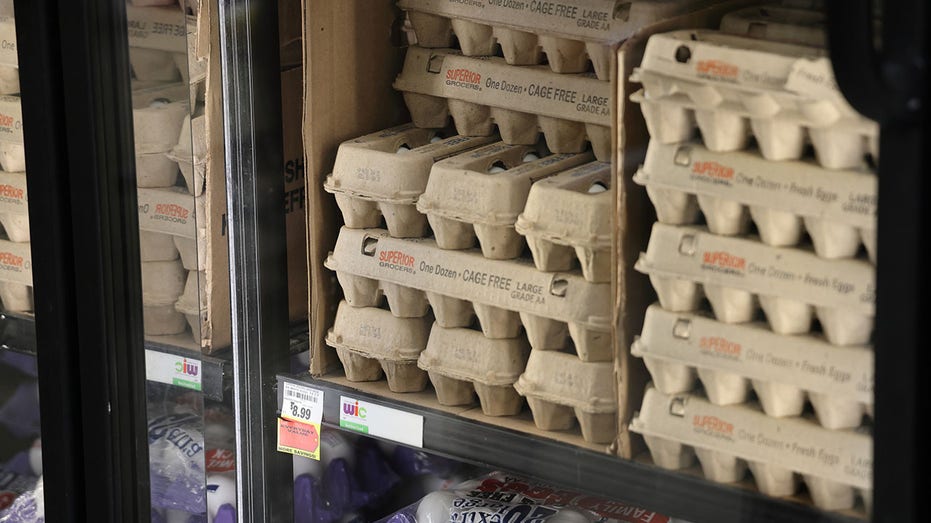
Egg prices have declined rapidly over the last year as the supply chain normalized from the avian flu outbreak. (I RYU/VCG via Getty Images)
In the last six months, the slowdown in avian flu cases has allowed production to recover and increase, bringing prices below the level they were at before the larger outbreak began.
However, the USDA’s wildlife monitoring has found a very high viral load in wild migratory birds passing through all four of the flyways that cross the U.S. from south to north in recent months, which can impact the egg, turkey and broiler industries.
Nelson noted that in the last 30 days there have been about 14 million birds affected, which was higher than some of the lower caseload months during the supply chain normalization.
HOW THE IRAN WAR COULD HIT AMERICANS’ GROCERY BILLS

Egg prices remain susceptible to volatility as farmers continue to manage avian flu detections. (Ronaldo Schemidt/AFP via Getty Images)
He said there have been about four million detections in March overall, mostly attributed to two relatively large avian flu detections announced this week that covered four million birds at egg production facilities.
“What that demonstrates is that you can have almost no detections going on, it can be just a really low, smooth sailing situation, and all of a sudden you can have a detection at one of these bigger farms and when that detection it can take a lot of layers out of the pipeline very quickly,” Nelson said.
“We’re not seeing the impacts of that supply change yet, but if we see avian influenza continue to affect houses like that where you’re seeing a high number of birds affected month to month, it can very well push prices back up,” he added.
GET FOX BUSINESS ON THE GO BY CLICKING HERE
Nelson said that when egg farmers’ flocks are impacted by avian flu it can take an emotional toll on the farmers as well as cause financial harm, as USDA indemnity programs cover things like cleanup costs but doesn’t cover the production stoppage that can last up to six months.

iSpecimen annual meeting adjourned again due to lack of quorum

Netflix Serves Up a 91% RT Historical Drama for ‘Bridgerton’ Fans

‘Reckless’ banned driver sped away from police with kids in the car

How to Compare Payment Processing for Small Businesses: A Simple Checklist


-

 News Videos4 days ago
10th Algebra | Financial Planning | Question Bank Solution | Board Exam 2026
-
 Tech3 days ago
A 1,300-Pound NASA Spacecraft To Re-Enter Earth’s Atmosphere
-

 Crypto World4 days ago
Paradigm, a16z, Winklevoss Capital, Balaji Srinivasan among investors in ZODL
-

 Business3 days ago
ExxonMobil seeks to move corporate registration from New Jersey to Texas
-

 Tech3 days ago
ChatGPT will now generate interactive visuals to help you with math and science concepts
-

 Sports6 days ago
Three share 2-shot lead entering final round in Hong Kong
-

 Sports6 days ago
Braveheart Lakshya downs Lai in epic battle to enter All England Open final | Other Sports News
-

 NewsBeat2 days ago
Residents reaction as Shildon murder probe enters second day
-

 Fashion5 hours ago
Weekend Open Thread: Addict Lip Glow
-

 Entertainment7 days ago
Hailey Bieber Poses For Sexy Selfies In New Luscious Lip Thirst Traps
-

 Business5 days ago
Search for Nancy Guthrie Enters 37th Day as FBI Probes Wi-Fi Jammer Theory
-

 Business3 days ago
Search Enters Sixth Week With New Leads in Tucson Abduction Case
-
 NewsBeat4 days ago
Pagazzi Lighting enters administration as 70 jobs lost and 11 stores close across Scotland
-

 Tech4 days ago
Despite challenges, Ireland sixth in EU for board gender diversity
-

 Business4 days ago
Search Enters 39th Day with FBI Tip Line Developments and No Major Breakthroughs
-

 NewsBeat2 days ago
I Entered The Manosphere. Nothing Could Prepare Me For What I Found.
-

 Business7 days ago
Iran war enters second week as Trump demands ’unconditional surrender’
-

 Sports5 days ago
Skateboarding World Championships: Britain’s Sky Brown wins park gold
-
 Crypto World3 days ago
Will Chainlink price reclaim $10 amid volatility squeeze?
-

 Sports5 days ago
Tomorrow’s Top 25 Today: Florida jumps to No. 4; Louisville, Wisconsin enter projected rankings