
Business
Inside Miami’s Indian Creek Village, where billionaires buy ultimate security

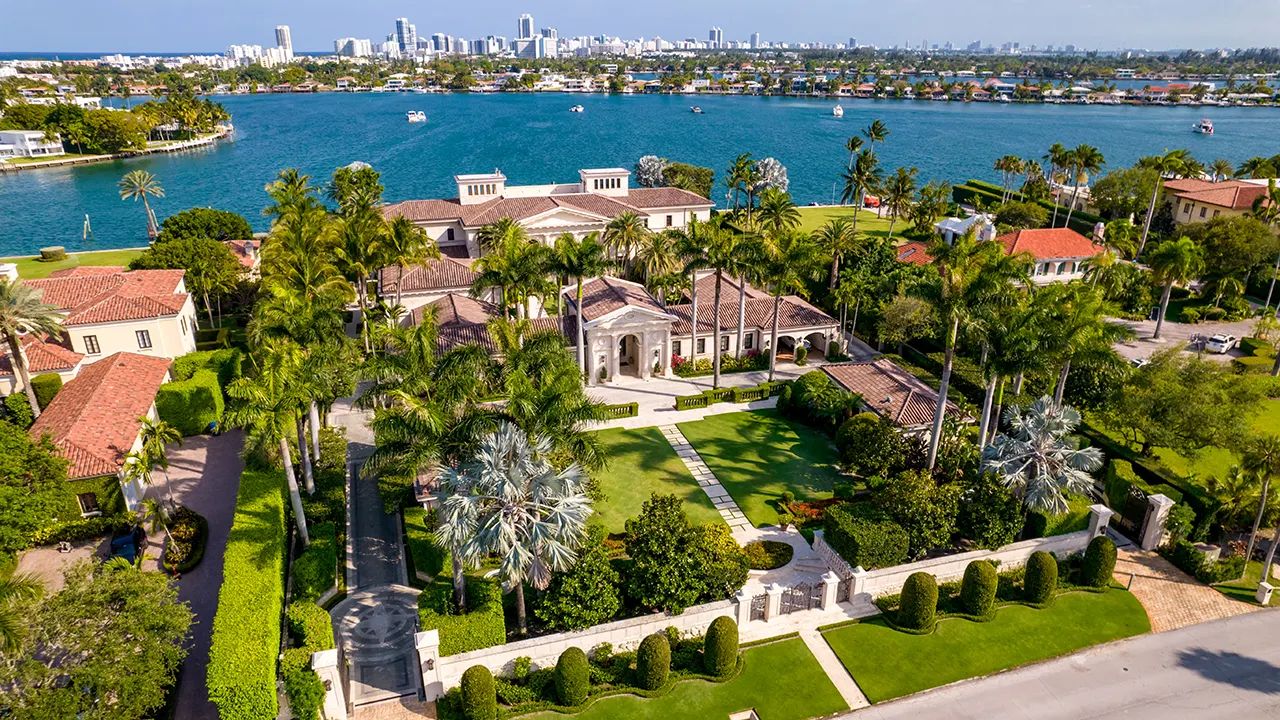
Fox News Digital gets a tour of Indian Creek Village from the Corcoran Group’s Julian Johnston, who shows why the world’s wealthiest are choosing to move into the ultra-exclusive neighborhood.
For a South Florida native, the silence and serenity are what hits you first.
Just a stone’s throw from the relentless horn-honking of Surfside and the designer-clad crowds of Bal Harbour Shops, Indian Creek Village exists in a vacuum of enforced peace. There are no sirens, tourists, and certainly no uninvited guests — only the whistle of the Atlantic wind and the rhythmic clap of waves against private piers.
Behind massive entry gates and dense tropical foliage lies a 300-acre fiscal safe haven where America’s billionaires aren’t just buying homes, but investing in a sovereign-level of security that Julian Johnston, one of Miami’s top luxury brokers, says is now the ultimate commodity.
“It is a political sanctuary. I’d say, also, the security itself is extremely tight. I mean, when you drive up, if you don’t have permission to get on, [the police] are actually quite rude and they tell you to go away,” the Corcoran Group agent — who has more than $10 billion in sales under his belt in the area — told Fox News Digital during a private tour of Indian Creek.
MARK ZUCKERBERG BECOMES LATEST CALIFORNIA BILLIONAIRE TO RELOCATE TO FLORID AMID TAX CONCERNS
“I think Indian Creek is an island unto itself,” he continued. “As a community… you’ve got the marina nearby, you can walk to the Four Seasons and go to the beach and it’s a lower-density construction. So there’s not as much traffic, and it’s just a beautiful place to live.”
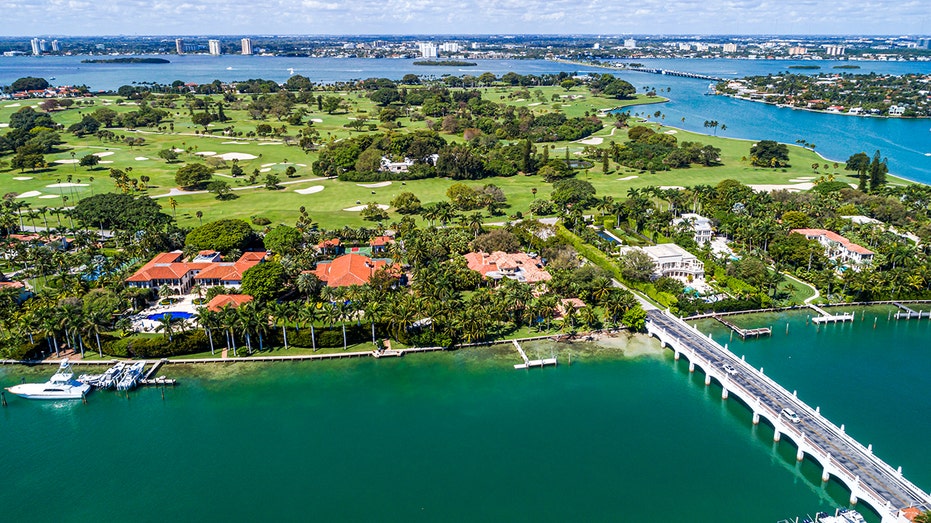
An aerial view of the entrance of Indian Creek Village in Miami, Florida. (Getty Images)
Commonly known as the “Billionaire Bunker,” successful business leaders and celebrities including Jeff Bezos, Carl Icahn, Tom Brady, Ivanka Trump and Jared Kushner, Julio Iglesias, Adriana Lima, David Guetta, Don Shula and others have long called Indian Creek home. The ultra-exclusive neighborhood made recent headlines for its newest resident, Mark Zuckerberg, who paid a record $170 million for an under-construction property.
The migration is fueled by more than just sunshine; it is a tactical retreat from a wave of tax-the-rich proposals sweeping through blue-state legislatures like California, Washington and New York. While lawmakers and unions move to enact aggressive new levies on capital gains and unrealized wealth, the “Billionaire Bunker” provides a predictable fiscal fortress.
“Even starting with South Beach and Miami Beach, there’s only a thousand homes on the water, approximately… There’s only four real islands in this location that the owners own the roads, so you cannot get on without permission,” Johnston said. “People covet privacy, security… and so with such limited inventory, prices have risen very fast in the last couple of years.”
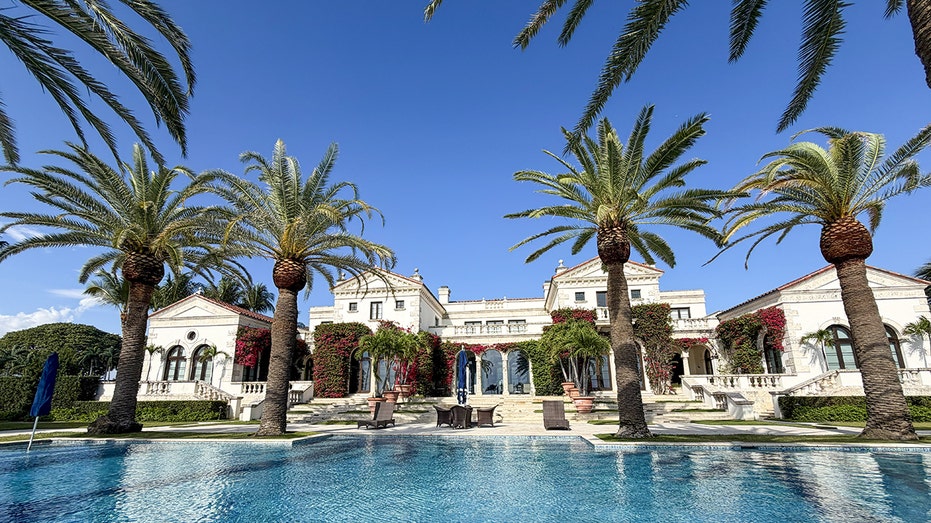
The grand backyard of a hundred-million-dollar home in Indian Creek Village, Miami. (Fox News Digital)
Zuckerberg’s new estate currently sits as a skeleton of modern concrete bones, still fully exposed to the coastal Miami elements. Parked outside his unfinished home appeared to be an unmarked, blacked-out SUV keeping watch over the lot.
It’s a stark contrast to the finished, bougainvillea-covered Mediterranean arches of the mansion Johnston showed to Fox News Digital. Though that completed home is not formally for sale, its market price is estimated to be more than double what Zuckerberg paid due to its specific location and views.
“Fifty percent of the sales on Indian Creek are off-market. There are some that are just thinking about selling, and it becomes known in the community, and they’ll start getting offers,” he said. “They don’t really want to advertise because that can draw a lot of tire kickers and people that are interested to see the home.”
OVER $126M IN 60 DAYS — FLORIDA REAL ESTATE TYCOONS SAY BLUE-STATE WEALTH MIGRATION IS NOW PERMANENT
The agent noted that it typically takes one year for plans and permits, and three years to build a significant home on the island. He also explained how Bezos bought a 20-year-old Indian Creek property “in beautiful condition” for $75 million “just for somewhere to sleep” while his other two adjacent lots are being developed for his larger estate.
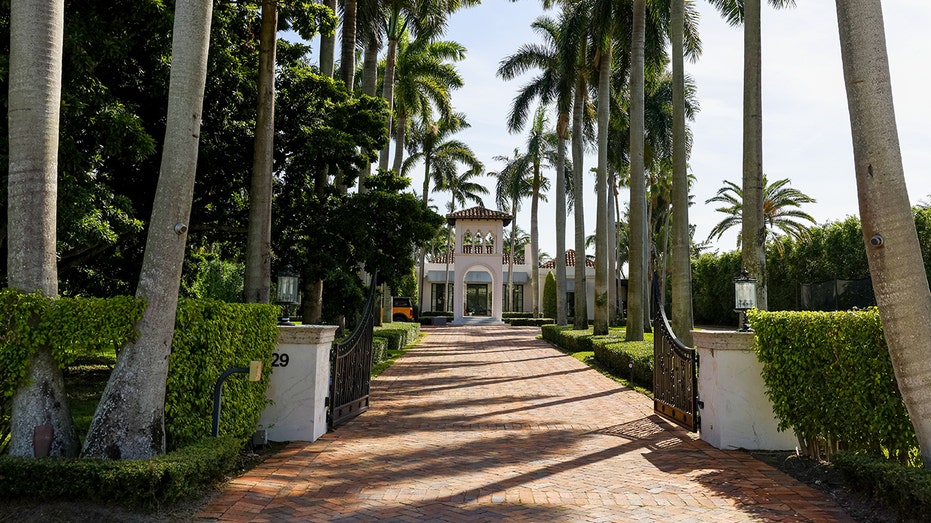
A home in Indian Creek Village, on Tuesday, Dec. 5, 2023. (Getty Images)
Driving by their residences, Bezos’ homes had long and winding driveways with iron gates and carefully tailored landscaping; Brady’s home appeared to be an almost entirely glass, gray-toned house from the front, with modern yet chic furniture and art visible through the window panes.
“When Tom Brady started building, he was thinking about selling the house for $80 to $100 million. Now he’s turning down offers four or five years later of $200 million,” Johnston said as another example.
“Some developers are doing very high-end homes now, but these end users, they have no budget. So then they’ll elevate those finishes even further, and they’ll build their dream home,” he continued. “I think this neighborhood is not attainable for some of us, including me. I think even some of the owners themselves are shocked.”
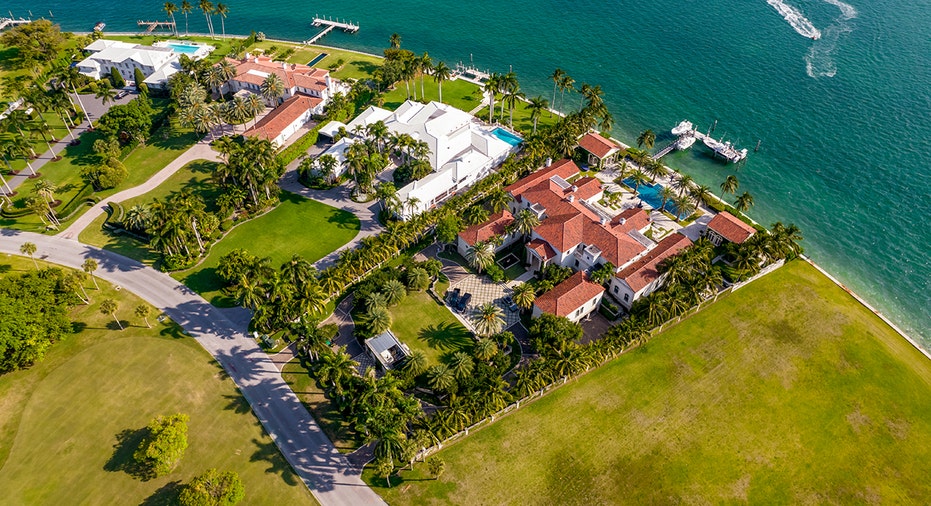
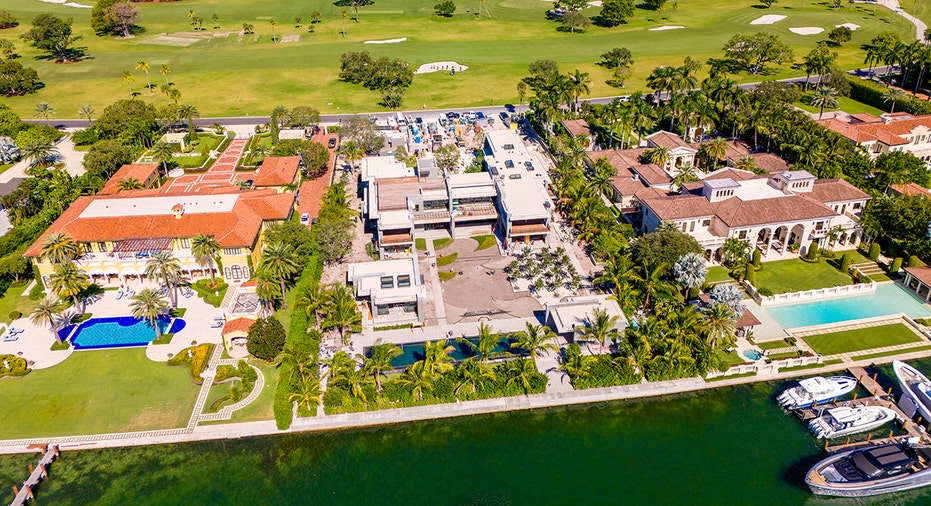
Every property on Indian Creek has direct water access. | Getty Images
Socializing on and around the man-made island has seemingly replaced New York City and Silicon Valley boardrooms, as the top agent pointed out changes in the way business deals and venture capital decisions are being made outside of their traditional offices.
“One of my clients… he’s a VC, he’s worth about $14 billion, and he would walk out in Manhattan, he’d go, ‘I put on my bulletproof vest, I go to war… Down here, I go out in shorts and a T-shirt, I walk on my conference call to a coffee shop, I finish that, I do another meeting… I found more peace with my life, I’m just as efficient,’” Johnston recalled.
With more than half of $1 trillion in combined net worth living on Indian Creek, it’s solidifying itself as the epicenter of a permanent wealth migration. However, the juxtaposition of the billionaires’ playground and an exceedingly risky market for average buyers is wide — UBS’ Global Real Estate Bubble Index for 2025 recently put Miami in the No. 1 spot for the real estate market with the highest bubble risk on Earth, surpassing the peak of the 2006 housing bubble.
GET FOX BUSINESS ON THE GO BY CLICKING HERE
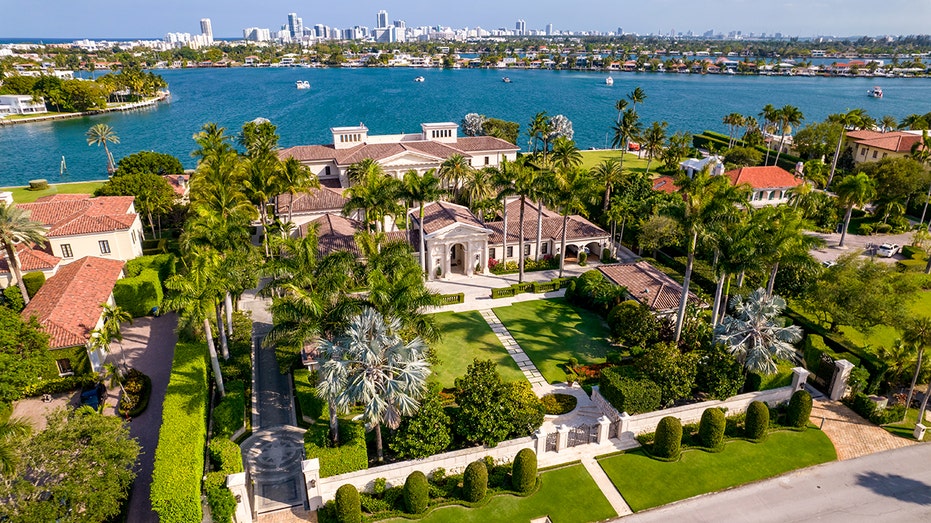
Miami’s breathtaking skyline can be seen from many Indian Creek homes. (Getty Images)
But Johnston argues that the trickle-down effect is funding massive public works, like high-speed transit and nearby affordable housing for the island’s vast support staff.
“I think it’s only going to benefit Miami greatly,” he said. “It has become more expensive and there’s been some push away from that. But the city is doing something about it, developers are reacting to it and there are peripheral areas now that are getting built out with beautiful retail and bus services and public transport, and I think it’s only going to make the city better and better.”


Q4: 2026-03-26 Earnings Summary
EPS of $0.08 beats by $0.07
| Revenue of $71.69M (110.49% Y/Y) beats by $11.00M

Seeking Alpha’s transcripts team is responsible for the development of all of our transcript-related projects. We currently publish thousands of quarterly earnings calls per quarter on our site and are continuing to grow and expand our coverage. The purpose of this profile is to allow us to share with our readers new transcript-related developments. Thanks, SA Transcripts Team
Former MLB player Keith Hernandez joins ‘Varney & Co.’ to weigh in on the MLB’s introduction of the automated ball-strike challenge system.
Netflix subscribers in the U.S. can expect to start paying more each month as the streaming giant raises prices across all of its plans.
Updated pricing listed on the company’s U.S. website shows the ad-supported tier at $8.99 per month, up from $7.99, while the standard plan is priced at $19.99 and the premium tier at $26.99.
Fees to add members outside a subscriber’s household have also increased, with extra members costing $7.99 per month on ad-supported plans and $9.99 on ad-free tiers. Netflix says accounts are intended for use within a single household, with added charges for users who do not live together.
WHY NETFLIX’S CEO DROPPED HIS BID TO BUY WARNER BROS DISCOVERY AND TRUMP ‘DIDN’T CARE’
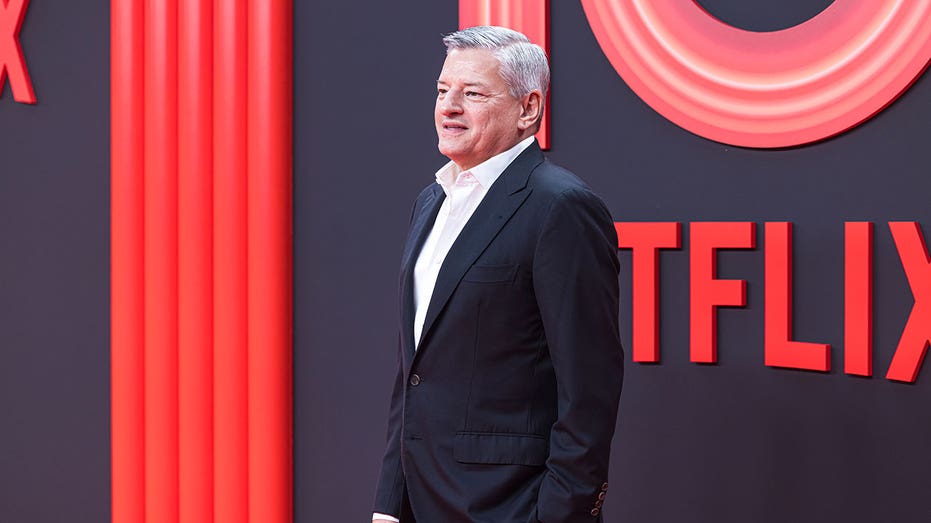
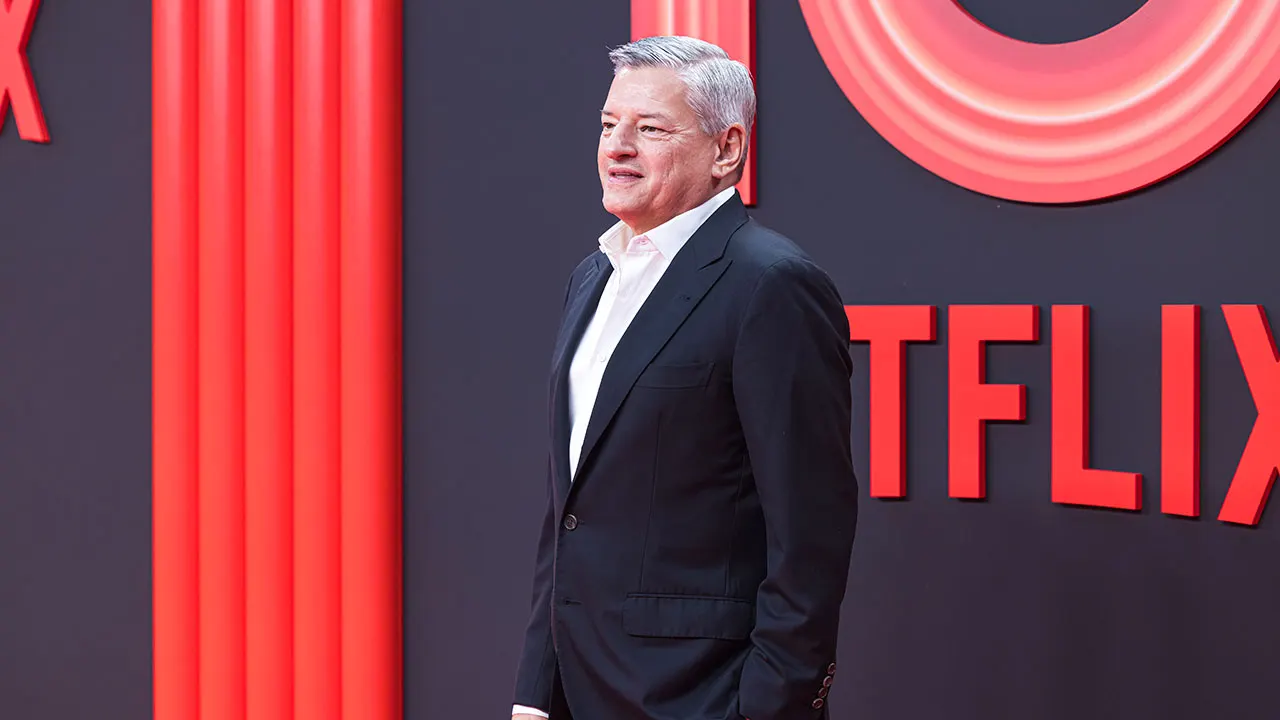
Netflix also raised prices on fees to add members outside a subscriber’s household. (David Benito/FilmMagic via Getty Images)
Netflix, which has more than 325 million subscribers globally, previously eliminated its lowest-priced ad-free “basic” plan, leaving customers to choose between higher-priced tiers or an ad-supported option.
FOX Business reached out to Netflix for comment.
NETFLIX BACKS OUT OF WARNER BROS BIDDING WAR AFTER PARAMOUNT MADE ‘SUPERIOR’ OFFER
The pricing changes were first reported by Reuters, which said the increases come as Netflix expands into additional content formats, including video podcasts and live programming.
The company recently declined to pursue a bid for certain Warner Bros. studio and streaming assets. (Mario Tama/Getty Images)
Analysts expect the higher prices to boost how much Netflix earns per subscriber, with estimates pointing to roughly 6% growth year over year in the U.S.-Canada region in 2026.
NETFLIX FOLLOWS WARREN BUFFETT’S PLAYBOOK: DON’T OVERPAY, WALK AWAY
The pricing changes will impact all plans. (Nikos Pekiaridis/NurPhoto via Getty Images)
Netflix last adjusted its pricing in early 2025. The company reported $12.1 billion in revenue for the October–December quarter, slightly exceeding analyst expectations.
CLICK HERE TO GET FOX BUSINESS ON THE GO
The rise in prices comes after Netflix recently declined to pursue a bid for certain Warner Bros. studio and streaming assets, a decision that could shape broader media deal activity.
Reuters contributed to this report.

Oil Price Shock Raises Inflation And Policy Risks In The Philippines

A version of this article first appeared in CNBC’s Inside Wealth newsletter with Robert Frank, a weekly guide to the high-net-worth investor and consumer. Sign up to receive future editions, straight to your inbox.
Major luxury stocks have fallen 15% or more since the Iran war started, and sales in the increasingly important Middle East market could drop by half, according to analysts.
Shares of LVMH and Hermès are down roughly 16% and 20%, respectively, this month, while the S&P 500 has fallen less than 6%. Shares of Ferrari are also down 15%, and the company announced it would temporarily suspend deliveries to the Middle East. Bentley, Maserati and other high-end car companies are also halting deliveries due to security risks and logistics.
“At the moment, we don’t have an impact from a production side,” said Bentley CEO Frank-Steffen Walliser on the company’s recent investor call. “But for sure, people in the Middle East have other thoughts than looking for a new Bentley at the moment.”
For investors and luxury companies, the Iran war has highlighted the increasing importance of the Middle East to the global luxury industry and the high-net-worth economy. While the region accounts for a relatively small share of overall luxury sales, it’s growth has become critical to the industry.
The region was the fastest-growing luxury market in the world last year, posting growth of between 6% and 8% compared with flat growth globally, according to Bernstein luxury analyst Luca Solca. The Middle East now accounts for about 6% of global luxury sales, on pace to potentially rival Japan, which claims about 9% of global sales, according to Solca.
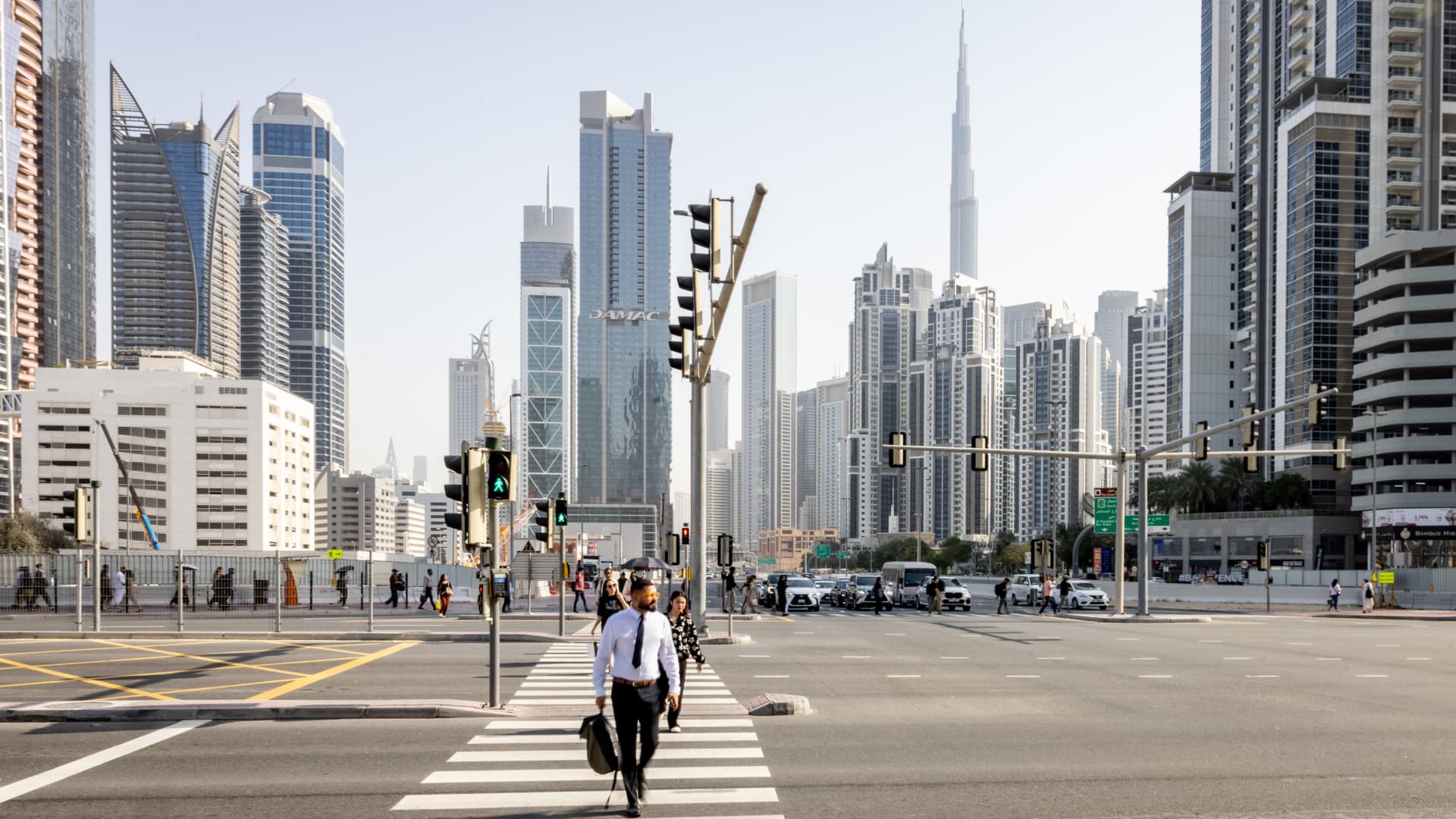
Dubai in the United Arab Emirates has been the biggest driver of growth, accounting for about 80% of the UAE’s rise, which itself accounts for more than half the luxury growth in the full region, according to research from Morgan Stanley.
The troubles in the Middle East come at a critical time in the luxury industry. After two years of stagnant sales, the industry was betting on a recovery in 2026. The China market has been showing slight improvements in sales after years of declines. The U.S. luxury consumer remains strong, thanks to rising wealth from artificial intelligence and stock markets. And Europe remained steady, helped in part by spending from tourism.
A research note from UBS luxury analyst Zuzanna Pusz and her teams said investor sentiment in luxury is “the most bearish in years.” While investors had been betting on a rebound in the beginning of the year, “heightened geopolitical uncertainty is likely to weigh on near-term earnings and delay the long-awaited inflection in fundamentals.”
Share price moves have already wiped out roughly $100 billion in market cap from the major luxury companies, with LVMH and Hermès both losing more than $40 billion in value each.
Solca said that if sales in the Middle East fall by half in March, which he described as a worst-case scenario, quarterly growth would drop by about 1 percentage point for many luxury companies.
Yet he said the decline could be milder. While stores and malls in the region may be largely empty, many luxury companies are still carrying out sales by reaching out individually to top clients and delivering products to their homes. Solca also said the wealthy who have left Dubai may continue spending on luxury in other countries.
“Most of the companies we’ve been talking to are not really pointing to a disastrous decline in the Middle East,” Solca said. “At the end of the day, if this was contained to the month of March, this would largely be a nonevent.”
Other contributing factors to Dubai’s recent success – no income taxes, stable governments, sunny beaches – remain intact. The city’s millionaire population has doubled since 2014 to more than 81,000, according to Henley & Partners. An estimated 9,800 millionaires moved to Dubai in 2025, bringing $63 billion in wealth — more than any other country in the world, according to Henley. Most of Dubai’s wealthy are arriving from the U.K., China, India, and other parts of Europe and Asia.
Still, Dubai’s reputation for safety and security has been shaken. The Middle East luxury market is heavily dependent on wealthy tourists, who may avoid the region long after a possible ceasefire.
According to Morgan Stanley, around 60% of luxury spend in the UAE is courtesy of tourists, of which 60% are Russian, Saudi, Chinese and Indian visitors. Of the remaining 40% spent by UAE residents, about half is from foreign UAE residents, who may also change their plans to stay in the region long term.
Higher oil prices could also weigh on luxury sales. Analysts say aspirational luxury consumers, who are more sensitive to inflation and economic slowdowns, could pull back on spending with higher gas prices and food costs. At the same time, wealthy consumers could be spooked by volatile stock markets. Since the spending of the wealthy is more dependent on stock markets and the so-called wealth effect, declining or even flat stocks could cause a pullback.
“Higher oil prices could prompt a downward adjustment in global stock markets and that would be very bad,” Solca said.” The consumer sentiment of people with wealth in the stock market would be damaged.”
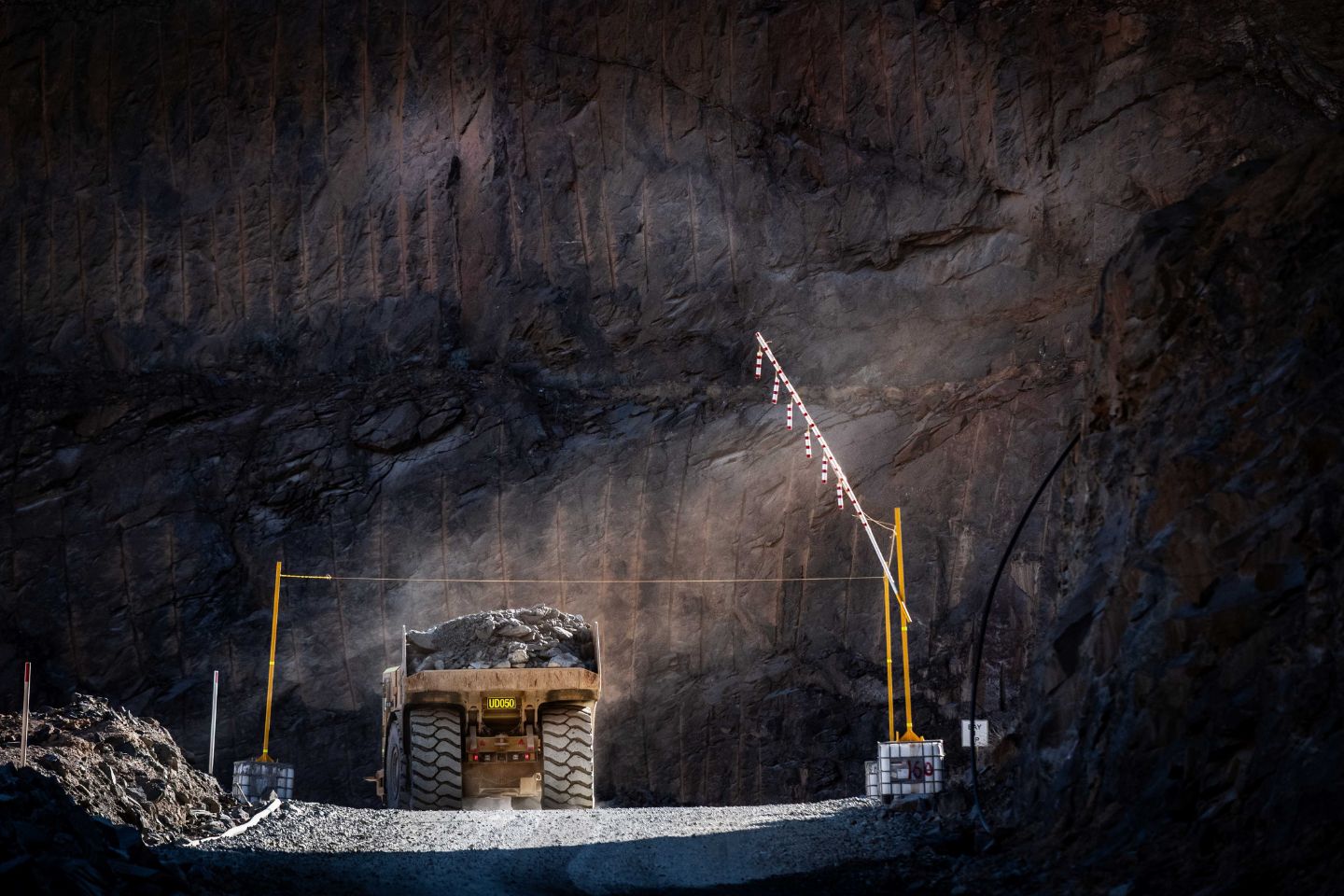
OPINION: The dominance of asset-backed, real-economy businesses in WA provides some protection from the AI deluge.

Where do you start when choosing new flooring?
When shopping for new flooring a good place to start is to decide which type of flooring you want in each room. Carpet for the bedrooms? Carpet, LVT, Laminate or wood in the hallways? LVT or stone in the kitchen and bathrooms? It’s your home so you can choose whichever flooring you want for each room!
With that being said, you do need to make sure the flooring is suitable for each room. This largely comes down to making sure the flooring for bathrooms and toilets are not going to be easily damaged by moisture. Plus most people prefer soft carpet in their bedrooms.
You then need to decide how much you want to spend and then start shopping for products within your budget.
Which flooring is popular right now?
The most popular interior flooring right now is LVT flooring. There are numerous features of LVT that make it attractive to so many. It’s waterproof, it’s easy to install, it’s not hugely reactive to temperature and it’s available in wide varieties.
Keeping in mind all of the above advantages, all of these benefits are available at a lower cost than natural floor types such as real wood or stone. The click LVT versions are designed to be suitable for DIY home projects by people with little to no experience in flooring installs.
The glue down LVT versions are also simple to install but they do require adhesive, which makes the installation more involved. This version is better suited to professional installers and also commercial environments such as schools and offices.
Is LVT really better than Laminate?
LVT and Laminate flooring are very similar, the main difference between them is LVT flooring is fully waterproof and laminate is not. Laminate is a little cheaper and can be less brittle during the installation process. Laminate is also extremely hard wearing, but can easily become ruined if it gets wet.
This provides peace of mind knowing that you could submerge LVT in water and it be totally fine. For a little extra money the majority of people would rather have the peace of mind.
There are those however that choose to save money by only having LVT in bathrooms and toilets, and have laminate for the larger living room, hallways and kitchen areas. It does make sense if you want to keep costs down to use the less expensive option for the large areas and the more expensive option for the smaller areas. Online flooring supplies shops usually have lower prices than high street shops so it’s worth shopping around.
Which is better, stone or LVT flooring?
LVT and stone flooring serve a similar purpose, they are both hard wearing and waterproof. However considering more people in recent years have purchased LVT flooring than stone, the numbers indicate that LVT must be better.
LVT is easier to install, it’s warmer to the touch, it’s slightly softer and it’s quieter to walk on. A large percentage of DIY installers are capable of installing click LVT flooring, whereas a much smaller percentage are capable of installing stone flooring.
Like most things in life it ultimately comes down to personal preference. Good quality stone floors do look fantastic and it’s easy to understand why stone floors are still popular.
Is real wood flooring still a good idea?
Real wood flooring is still highly popular so lots of people clearly think it’s still a good idea. The natural warm luxury that real wood flooring provides is unique and cannot be matched by any other flooring material.
Solid wood flooring has been known to last over 100 years, which is an incredibly long period of time. Stone flooring can last this long too, however stone is noticeably harder and colder than wood.
Engineered wood flooring with a thick wear layer can easily last more than 30 years. It doesn’t tend to last as long as solid wood because it has a thinner wear layer which can’t be sanded down as many times as solid wood.
Is carpet suitable for bathrooms?
Carpet if often used in bathrooms because it’s soft for bare feet and also non slippery. Whilst carpet is fine to get a bit wet in bathrooms and showers, the main reason to not use carpet in these areas is hygiene.
Especially rooms where there are toilets, the most hygienic flooring option is something that can be easily cleaned with disinfectant. The nature of carpet with its soft fibers can make it difficult to get as clean as a material such as LVT.
If you do really want carpet in bathrooms and toilets it’s best to change the carpet more regularly to be as hygienic as possible.
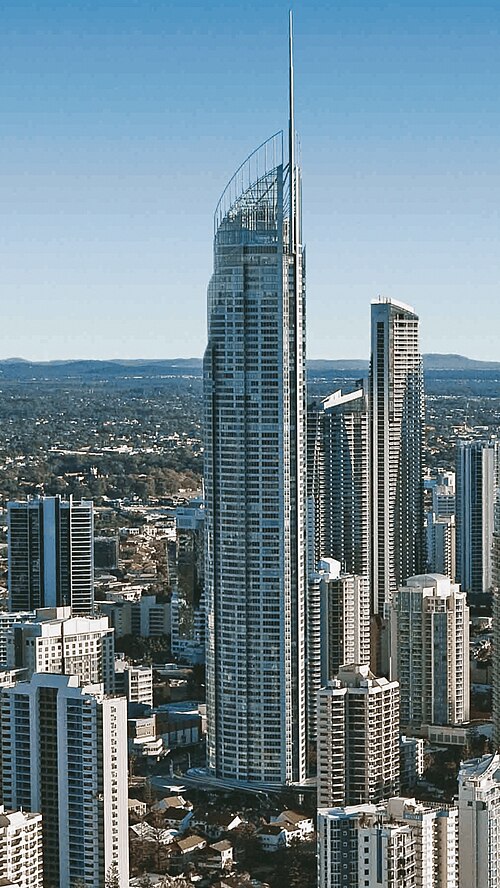
As Australia’s cities push skyward amid rapid urban growth and international investment, the Q1 Tower on the Gold Coast remains the nation’s tallest completed building at 323 meters (1,058 feet) in early 2026. Yet ambitious proposals and under-construction projects signal that the country’s skyline is on the cusp of dramatic change, with several supertall towers poised to claim the title in coming years.
The Council on Tall Buildings and Urban Habitat and Wikipedia’s updated tall buildings database confirm that no structure has yet surpassed the Q1, completed in 2005. Australia 108 in Melbourne holds second place at 317 meters (1,039 feet), followed closely by other residential-heavy icons that reflect the country’s preference for high-rise living over pure office space.
Here are the 10 tallest completed buildings in Australia as of March 2026, based on architectural height to the highest point:

- Q1 Tower, Gold Coast — 323 m (1,058 ft), 78 floors. Completed in 2005, this iconic residential tower on Surfers Paradise’s beachfront long held the title of the world’s tallest residential building. Its sleek, sail-like design continues to dominate the Gold Coast skyline and attract tourists to its observation deck.
- Australia 108, Melbourne — 317 m (1,039 ft), 100 floors. Finished in 2020, this mixed-use tower in the Southbank precinct features luxury apartments and a striking crown inspired by Australian flora. It briefly challenged Q1 for supremacy and remains Melbourne’s tallest.
- Eureka Tower, Melbourne — 297 m (975 ft), 92 floors. Opened in 2006, Eureka is known for its bold red and gold facade and Edge experience, a glass cube that extends from the building. It was Australia’s tallest for several years before being overtaken.
- Crown Sydney (One Barangaroo), Sydney — 271 m (890 ft), 75 floors. Completed in recent years, this luxury hotel and casino tower anchors the Barangaroo precinct and offers panoramic harbor views. It represents Sydney’s more restrained approach to height due to heritage protections.
- Brisbane Skytower (or equivalent high-rise; actual rankings place several around 270m range) — Approximately 270 m. Brisbane’s skyline has grown steadily, with recent completions adding to its vertical profile.
Other notable entries in the top 10 typically include Aurora Melbourne Central (around 270m+), Central Park Tower in Perth (253 m), and additional Gold Coast and Melbourne residential towers such as Infinity in Brisbane or Queens Place towers.
Australia’s tall building landscape is dominated by residential and mixed-use developments rather than corporate headquarters, driven by population growth in coastal cities and demand for waterfront living. Melbourne leads the nation with the highest number of buildings over 150 meters, followed by Sydney, Brisbane and the Gold Coast.
While the top 10 remain stable for now, major projects under construction or recently approved could soon rewrite the record books. On the Gold Coast, the Trump Organization partnered with Altus Property Group to announce a 340-meter (approximately 1,100-foot), 91-story Trump International Hotel & Tower in Surfers Paradise. Announced in February 2026, the $1.5 billion project is positioned to become Australia’s tallest upon completion, potentially before the 2032 Brisbane Olympics. The tower would combine luxury hotel rooms and apartments, rising about 15-20 meters above Australia 108.
Even taller proposals exist. One Park Lane, a 101-story residential tower approved on the Gold Coast, is planned to reach nearly 393-400 meters. Construction could begin in 2026, though timelines remain fluid. In Melbourne, Southbank by Beulah Tower 1 (also known as STH BNK) has been approved at 366 meters (1,201 feet) with 102 floors, potentially claiming the crown if built. Other ambitious plans include Green Spine concepts reaching 365 meters and various Sydney and Brisbane proposals exceeding 300 meters.
These developments reflect Australia’s skyscraper race, with Gold Coast, Melbourne, Sydney and Brisbane competing for vertical supremacy. Factors driving the boom include strong migration, tourism recovery, foreign investment and relaxed height restrictions in certain precincts. However, challenges persist: strict planning regulations in heritage-sensitive Sydney, seismic considerations, high construction costs and community concerns over shadow impacts and wind tunnels.
Experts note that Australia’s tallest buildings are relatively modest by global standards. The Q1 would not crack the world’s top 50 tallest structures, where Asian and Middle Eastern supertalls dominate. Still, the country’s focus on livable, residential-focused high-rises sets it apart, emphasizing amenities like infinity pools, observation decks and integrated public spaces.
Perth, Adelaide and other capitals trail the eastern seaboard in height records, though Central Park Tower in Perth stands as Western Australia’s tallest at around 253 meters. Future growth in these cities may accelerate as resource economies and urban densification policies evolve.
The surge in proposals has sparked debate about sustainability. Tall buildings require significant energy for construction and operation, prompting calls for greener designs incorporating solar panels, recycled materials and efficient climate control. Developers increasingly tout “green star” ratings and carbon-neutral ambitions to meet community expectations.
For residents and visitors, these towers offer more than height. Q1’s SkyPoint observation deck provides 360-degree views, while Australia 108 and Eureka feature unique experiences that draw crowds. Crown Sydney has transformed Sydney’s waterfront, and future supertalls promise even more dramatic vantage points.
As of March 2026, no new building has topped the Q1, but the pipeline suggests the record could fall within the next five to seven years. Construction timelines for projects like the Trump Tower and Southbank by Beulah will depend on financing, approvals and market conditions.
Urban planners view the vertical growth positively for reducing urban sprawl and supporting public transport hubs. Yet critics warn of potential overcrowding, strain on infrastructure and the risk of creating “vertical ghettos” if affordability is not addressed.
Australia’s tall building story mirrors its broader evolution — from a low-rise nation to one embracing density in its most vibrant cities. The Q1 Tower, now two decades old, symbolizes the start of that shift, while upcoming giants may define the next chapter.
Whether the Trump Tower, One Park Lane or Southbank by Beulah ultimately claims the title, one thing is clear: Australia’s skylines are getting taller, bolder and more competitive. As these projects advance from drawing board to reality, they will reshape not only city views but also the way Australians live, work and play in an increasingly vertical future.
For now, the Q1 Tower still wears the crown, its elegant form a familiar beacon on the Gold Coast. But with billions in investment and ambitious designs on the horizon, Australia’s tallest building record appears destined to change — perhaps multiple times — before the decade ends.

↗️ Unity Software (U): The gaming-software company lifted its first-quarter revenue guidance, and said it would exit the non-strategic advertising business and divest from its game publishing business. Shares jumped 11% in morning trading.
↗️ Lumentum Holdings (LITE): The laser maker is establishing a new manufacturing plant in North Carolina to produce advanced indium phosphide-based optical devices, which serve as critical components in AI data centers. Shares gained 6%.
↗️ AstraZeneca (UK:AZN): The U.K. drugmaker said a lung-disease drug candidate met the primary goal in two late-stage clinical trials, reducing the rate at which patients’ symptoms worsened. Shares rose 3.5% in London.
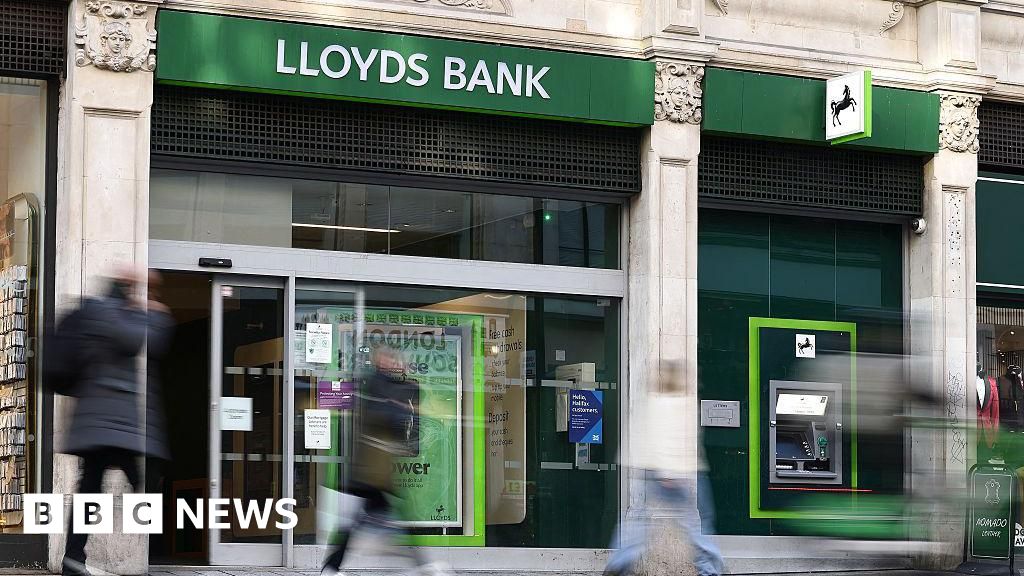
In a letter to the Treasury Select Committee, Lloyds apologised and said some compensation had been paid.
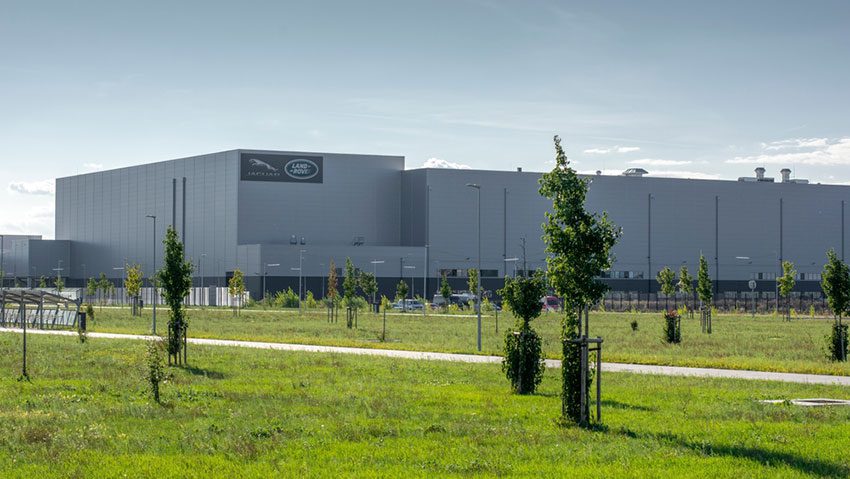
Jaguar Land Rover has temporarily halted production on key vehicle lines at its Solihull plant after a disruption in the supply of critical components, in the latest setback for the West Midlands-based automotive group.
The pause, which is expected to last around two weeks and coincides with a previously scheduled Easter shutdown, will affect production of high-value models including the Range Rover and Range Rover Sport.
The company said the stoppage was caused by a “part supply challenge” involving one of its suppliers, adding that it is working closely with the partner to resolve the issue as quickly as possible.
“Due to a part supply challenge with a supplier, we are temporarily pausing production on certain vehicle lines at our Solihull manufacturing facility,” a spokesperson said. “We are working to minimise any impact on our clients or operations.”
The disruption highlights the continued vulnerability of global automotive supply chains, where even a single component shortage can force production lines to stop.
While JLR has not disclosed the specific part involved, the incident underscores the complexity of modern vehicle manufacturing, where just-in-time delivery models leave little margin for error when supply issues arise.
The Solihull plant is one of JLR’s most important manufacturing sites, producing some of its most profitable vehicles, making even short-term stoppages commercially significant.
Despite the production halt, JLR confirmed that employees will continue to attend the site as normal during the shutdown period, suggesting the company is seeking to maintain operational continuity and avoid disruption to its workforce.
The overlap with the planned Easter break is also expected to soften the overall impact on output.
The pause marks the latest challenge for JLR, which has faced a number of operational disruptions in recent years.
In 2025, the company was forced to shut down parts of its IT systems following a major cyberattack, which affected production and operations for several weeks before systems were fully restored.
While production levels had since returned to normal, the latest supply issue highlights how external factors, from cybersecurity threats to supplier reliability, continue to shape the performance of the automotive sector.
The disruption comes at a time when car manufacturers are navigating a complex transition, balancing traditional production with increasing investment in electric vehicles, while also managing cost pressures and supply chain risks.
Industry-wide challenges, including semiconductor shortages in recent years and ongoing geopolitical tensions, have exposed structural weaknesses in supply networks, prompting many manufacturers to rethink sourcing strategies and build greater resilience.
JLR has indicated that it expects the issue to be resolved within weeks, with production resuming shortly thereafter.
However, the incident serves as a reminder that even as the industry moves towards more advanced and electrified vehicles, its dependence on tightly integrated supply chains remains a critical point of vulnerability.
For now, the company’s focus will be on restoring production quickly and ensuring minimal disruption to customers and deliveries, while reinforcing supply chain stability to avoid similar interruptions in the future.

Amy Ingham
Amy is a newly qualified journalist specialising in business journalism at Business Matters with responsibility for news content for what is now the UK’s largest print and online source of current business news.

Mum-of-three found dead in freezer at home as man charged with murder

Anaergia Inc. 2025 Q4 – Results – Earnings Call Presentation (TSX:ANRG:CA) 2026-03-27

Bitcoin Preps Sixth Red Month in a Row as Oil Fears Surge


-
 Crypto World7 days ago
NIO (NIO) Stock Plunges 6.5% as Shelf Registration Sparks Dilution Worries
-
 NewsBeat2 days ago
Manchester United reach agreement with Casemiro over contract clause amid transfer speculation
-

 Fashion7 days ago
Weekend Open Thread: Adidas – Corporette.com
-

 Politics7 days ago
Jenni Murray, Long-Serving Woman’s Hour Presenter, Dies Aged 75
-

 Crypto World6 days ago
Best Crypto to Buy Now: Strategy Just Spent $1.57 Billion on Bitcoin During Fear While Early Investors Quietly Enter Pepeto for 150x Potential
-

 Crypto World6 days ago
Bitcoin Price News: Bhutan Sells $72 Million in BTC Under Fiscal Pressure, but the Smart Money Entering Pepeto Sees What the Market Does Not
-

 News Videos2 days ago
Parliament publishes latest register of MPs’ financial interests
-

 Sports4 days ago
Remo Stars and Kano Pillars Strengthen Survival Hopes in NPFL
-

 Sports4 days ago
Gary Kirsten Accuses Pakistan Cricket Board Of ‘Interference’, Mohsin Naqvi Responds
-

 Tech5 days ago
Give Your Phone a Huge (and Free) Upgrade by Switching to Another Keyboard
-

 Business5 days ago
No Winner in March 21 Drawing as Prize Rolls to $133 Million for Next
-

 Sports7 days ago
2026 Kentucky Derby horses, odds, futures, preview, date: Expert who nailed 12 Derby-Oaks Doubles enters picks
-

 Tech5 days ago
AI enters the chat: New Seattle dating app relies on tech to facilitate meaningful human connections
-

 News Videos4 days ago
Ch 9 Financial Management Part 1 | Detailed One Shot | Class 12 Business Studies Boards 2026
-
Business7 days ago
Columbia Sportswear enters $500 million credit agreement with JPMorgan Chase
-

 Tech6 days ago
Today’s NYT Connections Hints, Answers for March 22 #1015
-

 Business18 hours ago
Instagram, YouTube Found Responsible for Teen’s Mental Health Struggle in Historic Ruling
-
 Crypto World7 days ago
Small-cap Russell 2000 enters correction territory
-

 Business5 days ago
Will Duke Basketball Win It All? Duke Basketball Enters Second Round as Third Favorite to Claim NCAA Title
-

 Sports4 days ago
2026 Kentucky Derby horses, odds, futures, preview, date: Expert who hit 12 Derby-Oaks Doubles enters picks
You must be logged in to post a comment Login