Business
Is Cairo International Airport Open? Airport Fully Operational with Hundreds of Flights

CAIRO — Cairo International Airport (CAI), Egypt’s busiest aviation hub and a key gateway between Africa, Europe, the Middle East and Asia, remains fully open and handling regular commercial passenger traffic on March 21, 2026, despite widespread disruptions across the broader Middle East due to the ongoing U.S.-Israeli conflict with Iran.
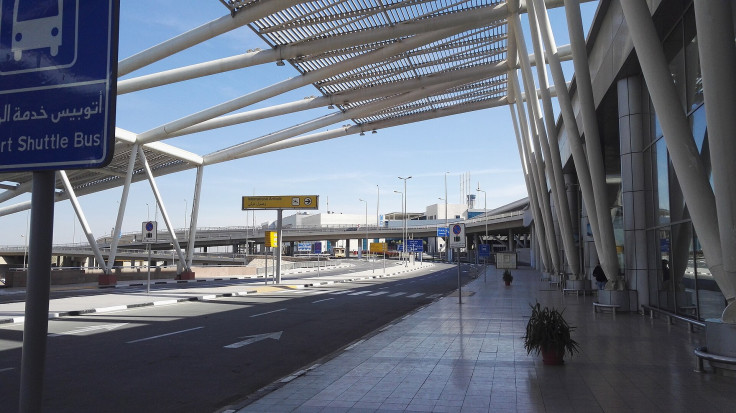

Live flight tracking data from the official Cairo Airport website (cairo-airport.com), FlightStats, Flightradar24 and Trip.com confirm active arrivals and departures throughout the day. As of mid-morning local time (UTC+2), the arrivals board lists numerous flights marked as “Landed,” including services from Athens (A3934), Sharm El Sheikh (SM07), Abu Dhabi (MS1915) and others into Terminals 1, 2 and 3. Departures show scheduled operations to destinations such as Luxor, Sharm el Sheikh, Jeddah, Riyadh and international points, with low reported disruption rates — around 2% impact noted on some trackers like Wego.
The airport’s flight information page displays hundreds of movements, with EgyptAir, Air Cairo and other carriers maintaining core domestic routes to Hurghada, Aswan and Luxor alongside international services. EgyptAir’s flight status tool and third-party platforms report on-time performance in the 74% range for recent days, with minimal cancellations tied to the regional crisis. No blanket suspension or closure notices appear on official channels, and the airport continues to promote services like Ahlan passenger assistance and terminal updates.
Egypt’s airspace has stayed open throughout the conflict, positioning Cairo as a vital rerouting and diversion hub. As neighboring countries — including Iran, Iraq, Kuwait, Bahrain, Qatar and parts of the Gulf — imposed full or severe airspace restrictions following missile exchanges and strikes starting late February 2026, airlines diverted long-haul flights over Egyptian territory. Cairo absorbed overflow from closed hubs like Dubai, Doha and Abu Dhabi, with reports of increased traffic from Europe-to-Asia routings avoiding higher-risk corridors.
Early in the escalation, EgyptAir temporarily suspended flights to 13 regional cities including Dubai, Doha, Beirut, Amman and Baghdad due to direct threats and airspace issues in those areas. However, by mid-March, many carriers gradually resumed or maintained services via safer paths, and Cairo’s operations normalized for unaffected routes. Domestic tourism corridors along the Nile (Cairo-Luxor-Aswan) and Red Sea resorts (Hurghada, Sharm el Sheikh) face no major interruptions.
Authorities placed airports on high alert from the conflict’s outset, coordinating with military and civil aviation bodies to ensure safety amid potential spillover risks. No direct strikes or significant damage have been reported at CAI, unlike incidents affecting facilities in Kuwait and other Gulf states. Egyptian officials emphasized readiness to handle diversions, with contingency measures including enhanced security and radar monitoring.
The U.S. State Department and other governments issued broad advisories urging caution in the Middle East, including Egypt, but stopped short of prohibiting travel or mandating evacuations specific to Cairo. Tourism stakeholders highlighted Egypt’s relative stability, with record visitor numbers projected for 2026 despite regional volatility.
Travelers should verify individual flight status directly with airlines, as dynamic changes can occur due to overflight permissions, fuel considerations or last-minute adjustments. EgyptAir, the primary operator at CAI, urges passengers to check its app or website before heading to the airport. Third-party trackers like FlightAware and Skyscanner provide real-time updates, showing consistent activity even during peak hours.
Cairo’s resilience underscores its strategic role in global aviation networks. With Terminals 1, 2 and 3 operational and ongoing infrastructure projects (including Terminal 4 expansions) progressing, the airport serves as a stable anchor while much of the Gulf aviation sector grapples with prolonged closures.
Passengers planning travel to or through Cairo today or in coming days should monitor official sources: the Cairo Airport website, airline notifications and live trackers. As the conflict remains fluid, situational awareness is key, but current data confirms normal commercial operations at one of Africa’s largest hubs.
You must be logged in to post a comment Login