Business
Is Presidents Day a Federal Holiday? 2026 Closures, History & What’s Open

Presidents’ Day, observed on Monday, February 16, 2026, remains a firmly established federal holiday in the United States. Officially designated as Washington’s Birthday under federal law, the third Monday in February has been a paid day off for federal employees since 1879. Despite its popular name honoring all U.S. presidents, the holiday’s legal title honors George Washington, the nation’s first president. As of February 15, 2026, no changes to its status have occurred, and it continues to provide a long weekend for millions amid winter sales and school recesses.
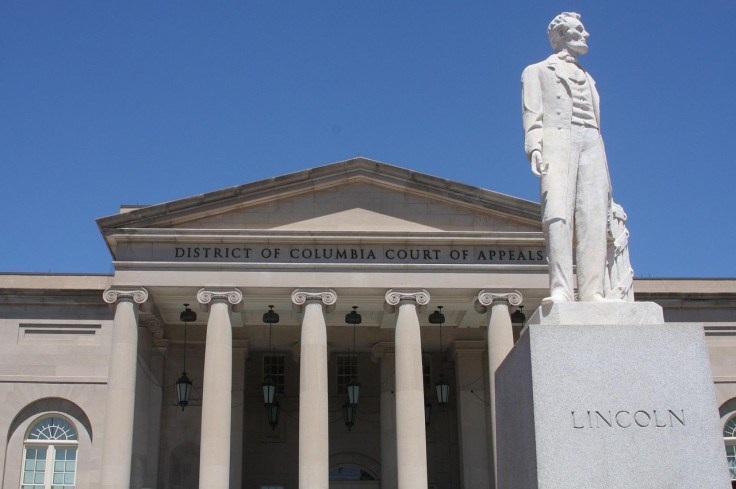

The Office of Personnel Management (OPM) lists Washington’s Birthday as one of 11 federal holidays in 2026, with no alterations from prior years. Federal offices, including post offices and most government services, close on February 16, while banks, stock markets and many private businesses observe it with time off or limited operations. This year’s observance arrives just two days after Valentine’s Day, creating a short workweek for those with Monday off.
Federal Holiday Status Confirmed Yes, Presidents’ Day is a federal holiday. The U.S. Code (5 U.S.C. § 6103) explicitly names “Washington’s Birthday” as a federal holiday on the third Monday of February. The Uniform Monday Holiday Act of 1971 shifted it from February 22 (Washington’s actual birth date) to create consistent long weekends, boosting travel and commerce. While many states and the public call it Presidents’ Day—often encompassing Abraham Lincoln (born February 12) and other leaders—the federal designation remains Washington’s Birthday.
OPM’s 2026 calendar confirms the date: Monday, February 16. Federal employees receive paid leave, and nonessential government operations pause. This aligns with the full 2026 federal holiday schedule, including New Year’s Day (Jan. 1), Martin Luther King Jr. Day (Jan. 19), Memorial Day (May 25), Juneteenth (June 19), Independence Day (July 4, observed July 3 if needed), Labor Day (Sept. 7), Columbus Day (Oct. 12), Veterans Day (Nov. 11), Thanksgiving (Nov. 26) and Christmas (Dec. 25).
Historical Evolution The holiday originated in 1879 when Congress made Washington’s birthday a federal holiday, the first to honor an individual’s birth date. Early celebrations date back to Washington’s lifetime, with formal recognition growing after his 1799 death. The 1971 law consolidated it with Lincoln’s birthday observances in many places, leading to the “Presidents’ Day” moniker in commercial and state contexts. Wikipedia and Mount Vernon sources note that while the federal name is Washington’s Birthday, most states adopt Presidents’ Day or similar variations (e.g., Washington and Lincoln Day in some).
No recent legislative changes have altered its status. Proposals to rename it officially Presidents’ Day or add other presidents have surfaced periodically but never passed. As of mid-February 2026, it retains its original federal purpose while serving as a broader tribute to executive leadership.
What Closes on Presidents’ Day 2026 Federal closures are widespread:
- U.S. Postal Service: No regular mail delivery; post offices closed (though some Priority Mail may move).
- Banks and financial markets: Most banks closed; NYSE and Nasdaq shut.
- Federal courts and offices: Closed, including nonessential agencies.
- Schools: Many districts schedule February break around the holiday, creating a midwinter recess.
- Private sector: Varies—many offices offer the day off, but retail and service industries often stay open for sales.
Sales and Shopping Impact Presidents’ Day weekend drives major retail events, often rivaling Black Friday for discounts. In 2026, expect promotions on appliances, mattresses, cars and furniture. Major chains like Macy’s, Best Buy and car dealerships launch “Presidents’ Day Sales” starting early February. Online deals on Amazon, Walmart and Target spike, with beauty, electronics and home goods featured prominently. USA Today and other outlets highlight it as a prime time for big-ticket purchases before spring.
Cultural and Educational Significance The holiday offers opportunities for reflection on presidential legacies. Schools often teach about Washington, Lincoln and other leaders. Museums like Mount Vernon host events, while civic groups host parades or reenactments. In a politically polarized era, it remains a unifying nod to democratic institutions, though public discourse sometimes debates its name and scope.
What It Means for 2026 With February 16 falling mid-month, the three-day weekend (Saturday Feb. 14 through Monday) follows Valentine’s Day, blending romance with rest. No major disruptions from weather or events are reported as of February 15. For travelers, airports and trains run normally, though expect crowds.
In summary, Presidents’ Day 2026 is unequivocally a federal holiday, closing government services and providing paid leave while fueling sales and family time. Its dual identity—official Washington’s Birthday, popular Presidents’ Day—reflects America’s evolving holiday traditions. Whether using the day for rest, shopping or historical reflection, it underscores the enduring role of the presidency in national life.
You must be logged in to post a comment Login