









Connect with us

Business

James Doyle, Managing Director of Endeavour Group

Published

on

James Doyle, Managing Director of Endeavour Group

We sit down with James Doyle, Managing Director of Endeavour Group, a building safety consultancy and training provider supporting duty holders responsible for some of the UK’s most complex and high-risk buildings.

Based in the North West and operating nationally, Endeavour Group brings an evidence-led, engineering discipline to the built environment as regulatory scrutiny continues to increase.

With more than two decades of experience spanning offshore oil and gas, process safety and fire engineering, Doyle applies high-hazard industry methodologies to residential and commercial settings, helping organisations work through the requirements of the Building Safety Act with a clearer understanding of their responsibilities.

His team works with clients to strengthen building safety through intrusive assessments, safety case support and accredited training. As an approved ProQual training centre since 2018, the business delivers nationally recognised qualifications across fire safety, passive fire protection and health and safety, and is currently launching three new Fire Risk Assessment qualifications at Levels 3, 4 and 5.

Alongside its UK work, Endeavour has delivered UK-standard training internationally through remote delivery for several years. More recently, this has developed into direct conversations with overseas organisations, including engagement in Dubai, who are seeking to better understand how competence, evidence and decision making translate into live, occupied buildings.

Advertisement

In this interview, Doyle discusses the challenges duty holders face under the Building Safety Act, why evidential rigour matters, and the principles guiding decision making in a sector where the stakes are high.

What is the main problem you solve for your customers?

The single biggest issue our clients face is a lack of reliable information at a time when the expectations placed on duty holders have never been higher.

The Building Safety Act has transformed the regulatory landscape, yet many assessments across the UK are still carried out through visual surveys or templated reports that do not meet the level of evidence the legislation requires. That gap creates legal, financial and operational risk.

At Endeavour Group, our role is to give clients a clear picture. We carry out intrusive compartmentation surveys, fire risk assessments, building risk reviews, safety case reports, resident engagement support, remedial action planning and ongoing compliance management, all underpinned by photographic evidence, technical justification and structured reasoning. Every finding is linked back to fire strategy intent and the statutory definition of a relevant defect so there is no ambiguity about what the issue is or why it matters.

Advertisement

Through our partnership with Riskflag, we also support clients with a digital golden thread that organises their evidence, actions and decision making in an auditable way. When people work with us, they gain confidence and a route to compliance.

What made you start your business?

Endeavour Group began in 2018 after I moved from more than two decades working in offshore oil and gas, process safety and fire engineering. In high-hazard environments, assessment quality, intrusiveness and evidential strength are not optional. You learn very quickly that reassurance means nothing if it is not supported by facts.

When I stepped further into the built environment, I could see an increasing gap between what the legislation would ultimately demand and what was being delivered on the ground. Many reports were non-intrusive. Many conclusions were based on assumptions rather than evidence. Organisations responsible for buildings were making important decisions without the technical understanding to identify risk properly.

I created Endeavour because the sector needed a consultancy that applied engineering discipline, communicated clearly and delivered assessments that could stand up to legal and regulatory challenge. What began as a specialist consultancy has grown into a national capability supporting high-rise residential, supported living, student accommodation, retail, commercial, education and transport.

Advertisement

What are your brand values?

For us, competence, clarity and integrity are not marketing terms. They are the foundations of how we work.

Competence means having the technical depth to interpret fire strategy, identify relevant defects, challenge assumptions and build evidence that supports decisive action. Clarity means presenting findings in a way that duty holders, residents and regulators can understand without ambiguity. Integrity means reporting what the evidence shows rather than what people hope to hear.

These values guide how we approach every survey, every safety case and every piece of advice we give.

Do your values define your decision making process?

Yes, completely. We always ask ourselves: would this stand up to regulatory, legal or third-party scrutiny? If the answer is no, we refine it.

Advertisement

Through years of working with the regulator we understand their role in asking the ‘what if’ question, and we ensure that our reports comprehensively satisfy this requirement with appropriate mitigation. We test our findings and their failure modes adapted from offshore safety case methodology, which ensures every conclusion is traced back to justification.

The same standard applies to our training centre, where evidential discipline underpins everything we deliver.

Is team culture integral to your business?

It is essential. Our team is our strength.

The work we do spans high-rise residential, student living, supported living, care environments, commercial and educational settings. Each brings its own challenges, and our ability to deliver depends on a culture built on openness, technical curiosity and shared accountability.

Advertisement

That collaborative approach also supports our international conversations, where the emphasis is on sharing experience and understanding how similar challenges are managed in different operating environments.

In terms of your messaging, do you communicate clearly with your audience?

Clarity is central to everything we do. Building safety is technical, but communication should not be.

Our reports explain the issue, the evidence, the risk and the action required in straightforward language. We avoid jargon and prioritise giving duty holders information they can use immediately. The same approach shapes our training, where real-world examples help learners understand how legislation applies in practice.

What is your attitude to competitors?

There are organisations in the sector that deliver excellent work, but there is still significant variation in standards.

Advertisement

We regularly see surveys that lack intrusive inspection or fail to link findings back to the definition of a relevant defect. These reports may reassure people in the moment, but they do not provide the level of evidence required under the Act.

What we do is driven by quality, not comparison. We know our methodology is robust because our evidence has already changed outcomes, including cases where developers have accepted responsibility for defects once they reviewed our findings. Strong evidence drives accountability.

What advice would you give to anyone starting a business?

Focus on building deep expertise and do not compromise your standards. Consistency, honesty and high-quality work are far more valuable than volume.

Surround yourself with people who share your approach and invest in their development. If you concentrate on doing things properly, reputation and growth will follow naturally.

Advertisement

What three things do you hope to have in place within the next twelve months?

First, the full launch of our Building Safety Masterclass to help duty holders understand relevant defects, liability pathways and evidential requirements under the Act.

Secondly, increasing the portfolio of higher-risk buildings being managed and achieving successful Building Assessment Certificate approvals.

And third, continuing to explore international conversations, including recent engagement in Dubai, where organisations operating complex, occupied buildings are asking similar questions around competence, accountability and how UK-standard training and assessment translate into real-world decision making.


Jamie Young

Jamie Young

Jamie is Senior Reporter at Business Matters, bringing over a decade of experience in UK SME business reporting.
Jamie holds a degree in Business Administration and regularly participates in industry conferences and workshops.

When not reporting on the latest business developments, Jamie is passionate about mentoring up-and-coming journalists and entrepreneurs to inspire the next generation of business leaders.

Advertisement

Continue Reading
Click to comment

Leave a Reply

Your email address will not be published. Required fields are marked *

Business

Orphaned Baby Macaque Punch-kun Goes Viral at Japanese Zoo

Published

on

Punch-kun

A six-month-old Japanese macaque named Punch-kun has captured hearts worldwide after videos and photos of him carrying a large stuffed orangutan toy everywhere went viral on social media. The baby monkey, abandoned by his mother shortly after birth, treats the plush as a surrogate parent, providing comfort as he adjusts to life with other primates at Ichikawa City Zoo in Chiba Prefecture, near Tokyo.

Punch-kun
Punch-kun

Punch was born in July 2025 but rejected by his mother days later, a behavior sometimes seen in macaques under stress or due to health issues. In the wild, such rejection often proves fatal for infants. Zoo staff intervened immediately, hand-rearing and bottle-feeding Punch to ensure his survival. As he grew, keepers noticed signs of anxiety and loneliness typical in orphaned primates who lack maternal bonding and physical contact.

To help ease his distress, caretakers introduced soft blankets and toys around one week old. Punch quickly formed a strong attachment to an oversized orange plush orangutan, reportedly purchased from IKEA. He clings to it while sleeping, carries it on his back like a real infant macaque would ride with its mother, presses his face into it when scared and rarely lets it out of reach. Zoo officials have dubbed the toy his “plushie mom” or surrogate mother.

“The stuffed animal was a surrogate mother,” zoo representative Mr. Shikano told media outlets. Staff were surprised by the depth of the bond but recognized it as a healthy coping mechanism during his hand-rearing phase.

Videos shared on platforms like Instagram, X (formerly Twitter) and YouTube show Punch dragging the toy through his enclosure, snuggling with it during naps and even bringing it along as he explores. One clip depicts him running back to the plush when overwhelmed, melting viewers with its poignant display of need for security.

Advertisement

The footage exploded online in mid-February 2026, amassing millions of views and shares. Comments flooded in with empathy: “This broke my heart but also healed it,” one user posted. Others called Punch “the bravest little guy” and rooted for his recovery. The story drew comparisons to other viral animal tales of resilience and companionship.

By February 15, the zoo reported unprecedented crowds, with long lines forming at entrance gates. Officials issued an apology for delays, thanking visitors while urging patience. “We would like to express our sincere gratitude to everyone who visited us today,” the zoo posted on X.

Punch’s integration into the troop has progressed gradually. Introduced to other macaques in mid-January, he has begun deeper interactions, though challenges remain. Some troop members have been less welcoming, leading to occasional retreats to his toy for reassurance. Recent updates from the zoo indicate steady improvement: “Punch is gradually deepening his interactions with the troop of monkeys,” a February 6 post noted. He still carries the plush but ventures farther while maintaining it nearby.

Zoo staff monitor his development closely, providing enrichment and socialization opportunities. Japanese macaques typically form strong social bonds early, so Punch’s progress marks a positive step toward full group membership.

Advertisement

The viral phenomenon has spotlighted animal welfare issues, with some advocates questioning zoo environments. PETA and others criticized the “concrete pit” setting, arguing sanctuaries offer better natural space and bonds. The zoo emphasizes its conservation and educational role, with Punch’s story highlighting hand-rearing successes in captive care.

Punch’s IKEA orangutan has sparked interest in similar toys, with online searches surging and some retailers noting stock interest. Social media users jokingly suggested “buy it before it sells out,” turning the plush into an unexpected symbol of comfort.

As Punch continues growing—now about seven months old—his story resonates as one of adaptation and unexpected friendship. Zoo visitors flock not just for the cute factor but to witness a tiny survivor finding solace amid hardship.

Ichikawa City Zoo, a smaller facility focused on local wildlife and education, has seen a welcome boost in attendance. Officials hope the attention raises awareness about primate care and the emotional needs of young animals.

Advertisement

For now, Punch-kun remains a beacon of cuteness and resilience, his stuffed companion a touching reminder that even in loneliness, comfort can come from the simplest sources.

Continue Reading

Business

NBA embraces content creators, tries to protect live sports rights

Published

on

NBA embraces content creators, tries to protect live sports rights
YouTube creator Jesser on how he got his start and the explosion of sports creator content

The future of the NBA’s media strategy was taking shape at this year’s All-Star weekend.

The fanfare has always been about showcasing the league’s best players. But this year, the event was as much about the league’s partnership with content creators as it was on-the-court talent.

More than 200 global creators took part in the events Thursday through Sunday, facilitated by the league. It showed the NBA appears more than happy to partner with content creators rather than limit their game access to wall off the value of live rights – where the league makes most of its money. The NBA’s new 11-year, $77 billion media rights deal began this season with deals with Comcast’s NBCUniversal, Disney and Amazon. 

The NBA is betting its future has space for both a growing creator base and the traditional game viewing experience that has fueled its revenue growth.

Advertisement

“The NBA has a long history of collaborating with talented creators who share our commitment to bringing the excitement of our games and events to fans around the world,” NBA Senior Vice President of Social and Digital Content Bob Carney said in a statement. “We’re thrilled to join forces with more creators than ever at NBA All-Star, providing opportunities for them to be active participants across virtually every event and deliver engaging content that showcases this marquee NBA event to different audiences.”

A few months ago, NBA Commissioner Adam Silver called the NBA “a highlights-based sport” and pointed fans to Instagram, TikTok, X and YouTube for league content. Silver has decided it’s worth partnering with creators to keep Generation Z and Generation Alpha interested in the NBA as those age groups move away from watching full games the way their parents did.

Embracing social media is a risky play for Silver, given the vast majority of the league’s revenue comes from the value of live games. The NBA’s big media deal has led to soaring team valuations. The average value of an NBA franchise is now $5.52 billion, 18% more than a year ago.

Still, Silver may have little choice. Unlike the NFL, NBA regular season games don’t have huge audiences. This season, NBA regular season games have averaged about 2 million viewers across ESPN, NBC and Amazon Prime Video, according to Nielsen data. That compares with an average TV audience of 18.7 million for a regular season NFL game in the most recent season.

Advertisement

Get the CNBC Sport newsletter directly to your inbox

The CNBC Sport newsletter with Alex Sherman brings you the biggest news and exclusive interviews from the worlds of sports business and media, delivered weekly to your inbox.

Subscribe here to get access today.

2023 survey from marketing firm InMobi found 61% of Gen Z respondents, or those aged 18 to 24 at the time of the survey, named user-generated content as their favorite form of media.

Bridging the gap between content creation and live rights may be inventing a new form of alternative broadcasting, where kids can watch games along with their favorite YouTuber. A Harris Poll survey earlier this year found 37% of surveyed Gen Z-ers said they would watch a creator‑led co‑stream during a regular season game across pro sports. Seventy percent said they’re likely to watch their favorite creator’s feed if that person is co‑streaming a sporting event.

Advertisement

“As time goes on, I could see in a couple of years, there’s 30 different ways to watch the Super Bowl or something like that,” said sports content creator Jesse Riedel, known as Jesser on YouTube, in an interview. “I think in the future, instead of one broadcast, there’s gonna be so many versions of a broadcast.”

Riedel has more than 37 million YouTube subscribers. He co-founded a media and lifestyle company, Bucketsquad, which has annual revenue in the “solid” tens of millions, according to the company’s president, Zach Miller.

Riedel noted the NBA is a cleaner fit for content creation than the NFL because fans tend to focus more on players and less on teams. Riedel features many star players in his videos, helping him to draw large viewership.

“I feel like the NFL audience I have is more die hard for their teams, but the NBA, I think, in particular, is more like player driven,” Riedel said.

Advertisement

The rise of NBA content creation is not the only factor changing the league’s media future. Silver also spoke this weekend about how artificial intelligence will likely change the NBA viewing experience.

“One area in particular that I think is worth addressing is impact on the fan experience. One of the things we’re beginning to see already is how we’re going to, more than personalize, almost hyper-personalize our telecasts,” said Silver in an All-Star weekend press conference. “Many of you have probably experimented with this already, but in essence, you’ll be able to hear the game in any dialect, any language, you’ll be able to hear a hardcore Xs and Os commentary, maybe one that’s more comedic if that’s what you’re interested in, or a novice explaining each foul and the rules as it goes along.”

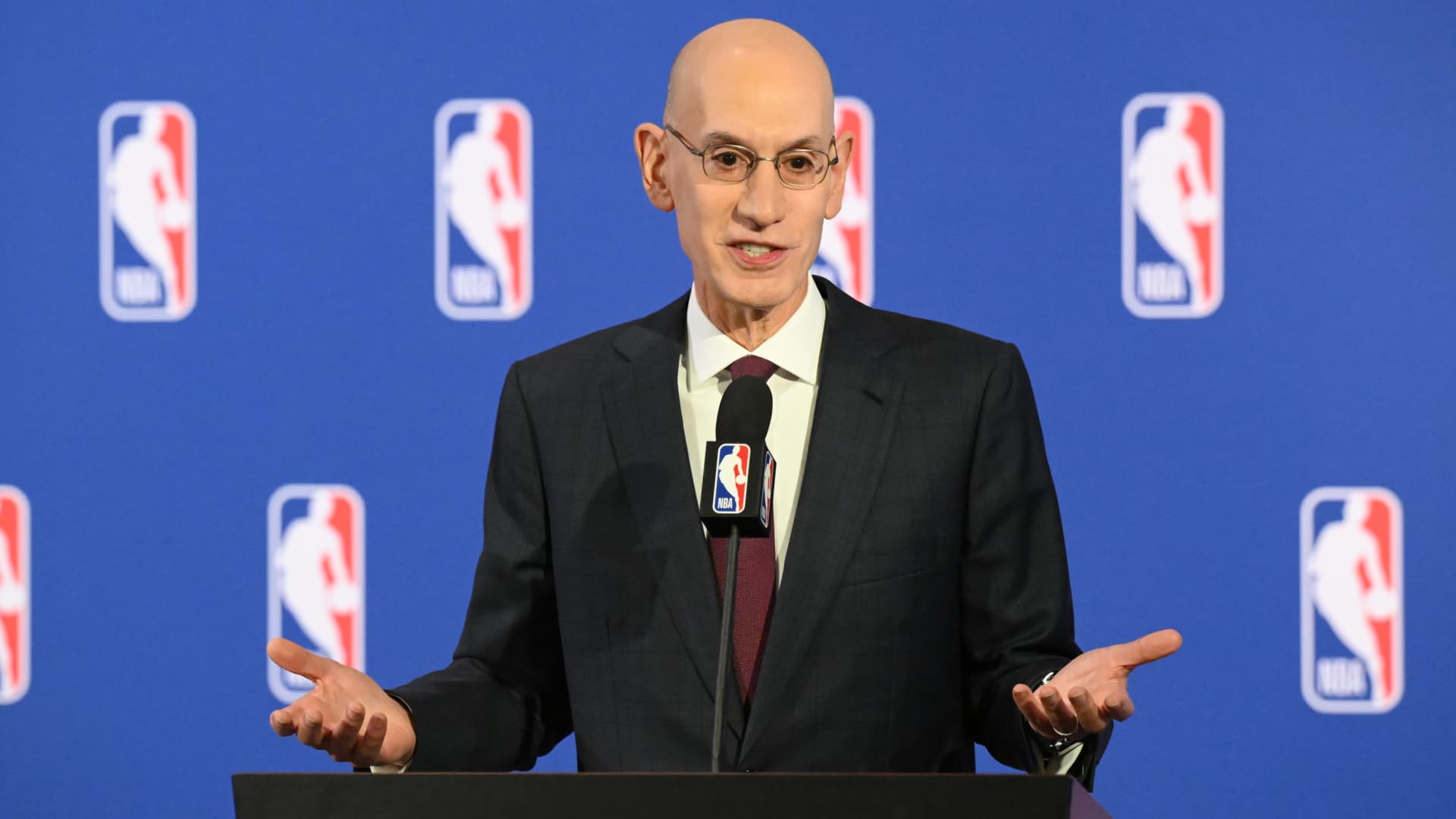
NBA Commissioner Adam Silver addresses the media following the Board of Governors meetings on Sept. 10, 2025 at the St. Regis Hotel in New York City.

David Dow | National Basketball Association | Getty Images

Advertisement

There’s inherent risk with hyper-personalizing the game. Sports is one of the last collective experiences in American society – and certainly on television. This has led to skyrocketing media rights and the high cost of associated advertising.

Perhaps having many broadcasts and AI experiences will boost interest, and targeted advertising rates will continue to spike as companies seize the opportunity to attach hyper-specific commercials to personalized content. 

But breaking down broadcasts into many different pieces may also deteriorate the main reason why live rights are so valuable – as a way to target millions of people all at once.

Advertisement
Continue Reading

Business

NYC real estate pros warn against Mayor Mamdani’s 9.5% property tax hike ultimatum

Published

on

NYC real estate pros warn against Mayor Mamdani's 9.5% property tax hike ultimatum

New York City’s democratic socialist Mayor Zohran Mamdani has issued an ultimatum to Albany: tax the ultra-wealthy or face a “last resort” 9.5% property tax hike to plug a $5.4 billion deficit.

While Mamdani claims he’s protecting the working class, real estate insiders say the plan is a math-defying disaster that will drive up rents and accelerate the flight of taxpayers to low-tax states like Florida and Texas.

Advertisement

“Even the discussion of a 9.5% hike is enough to influence buyer behavior and cause irritations in the market,” Douglas Elliman’s Ben Jacobs told Fox News Digital. “Some buyers have considered Nassau, Westchester, Long Island, and even Florida or Texas as alternatives because they just don’t agree with [NYC] politics.”

“The mention of a 9.5% hike can pause decision-making, especially for those weighing options in the suburbs or out-of-state markets. We’re already seeing clients seriously evaluate alternatives in Nassau, Westchester and beyond, factoring taxes heavily into affordability calculations,” Michelle Griffith of Douglas Elliman also told Fox News Digital. “In some negotiations, this ‘Mamdani Effect’ is tangible, slowing deals or prompting buyers to consider properties outside NYC.”

WALL STREET CASH FUELS HAMPTONS HOUSING BOOM TO RECORD MEDIAN PRICE AMID TIGHT INVENTORY

Earlier this week, Mamdani issued a preliminary fiscal year 2027 budget that includes a property tax hike, a prospect he has described as a “last resort.”

Advertisement
NYC Mayor Zohran Mamdani speaks at event

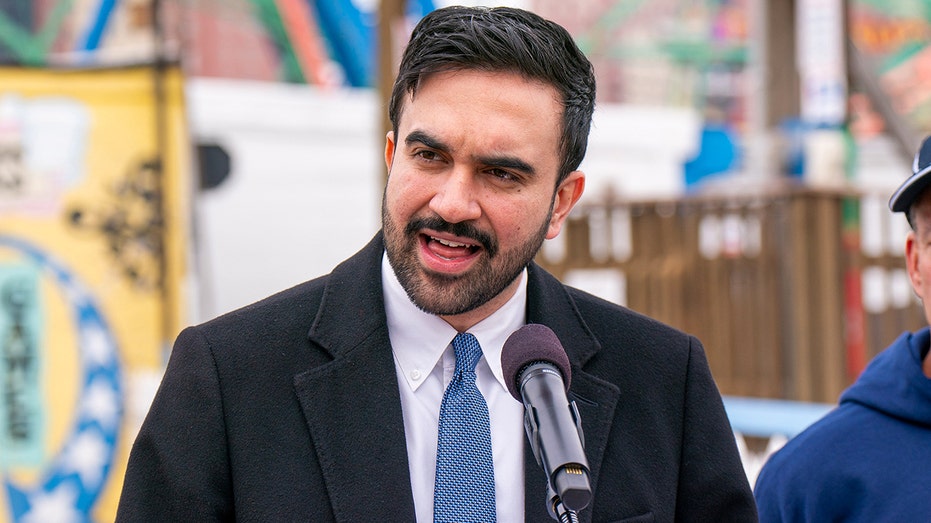
New York City Mayor Zohran Mamdani held a press conference in Coney Island on Feb. 15, 2026. (Getty Images)

“Today, I’m releasing the City’s preliminary budget. After years of fiscal mismanagement, we’re staring at a $5.4 billion budget gap — and two paths. One: Albany can raise taxes on the ultra-wealthy and the most profitable corporations and address the fiscal imbalance between our city and state. The other, a last resort: balance the budget on the backs of working people using the only tools at the City’s disposal,” Mamdani said in a Tuesday post on X.

“Faced with no other choice, the city would have to exercise the only revenue lever fully within our own control. We would have to raise property taxes. We would also be forced to raid our reserves,” Mamdani additionally said during remarks Tuesday. “This would effectively be a tax on working and middle class New Yorkers, who have a median income of $122,000.”

Both agents warn that taxing high earners could trigger a further exodus of wealth, shrinking the tax base and eventually leaving middle-class families “holding the bag.”

“Higher corporate and wealth taxes can trigger a chain reaction,” Jacobs said. “Reduced investment and relocation of high earners shrink the city’s tax base, which often indirectly affects middle-class households. Even if they aren’t the direct target, over time these economic ripples can influence affordability, property values and access to services.”

“In many cases, property tax increases are eventually absorbed by tenants, particularly in rent-stabilized or market-rate units where landlords factor operating costs into pricing,” Griffith added. “While the Mayor’s promise of ‘rent stability’ is admirable, history shows that higher property taxes can translate into incremental rent increases fairly quickly, sometimes within a year. Working families may end up feeling the impact, even if it’s not immediate.”

Jacobs’ and Griffith’s respective clients allegedly also see the risks with Mamdani’s economic proposals.

“Many of my clients view a flat rate hike on a system they already consider inequitable as a Band-Aid solution. Buyers and sellers alike would likely welcome a complete reassessment overhaul that reflects true property values and promotes fairness,” Griffith explained. “Temporary spikes tend to create uncertainty in the market, whereas a transparent and balanced approach would stabilize it long-term.”

“A flat hike on a system already misaligned with true property values risks exacerbating inequity,” Jacobs said.

Real estate is a game of certainty, and Mamdani’s proposal has created the opposite as the agents look ahead to the future of NYC’s market.

GET FOX BUSINESS ON THE GO BY CLICKING HERE

Advertisement

“Buyers and sellers are focused on long-term affordability and predictability. Without clear guidance on taxes and assessments, the market slows and buyers proceed with caution, which is especially true for middle-class families,” Jacobs said.

“Ultimately, buyers want predictability. When policy proposals create uncertainty, whether on taxes, rent or regulations, it directly impacts the market. People are not just looking at the sticker price of a property,” Griffith said. “Stability and transparency in tax and assessment policies are key to keeping NYC’s middle-class families confident in making big housing decisions.”

Fox News Digital reached out to Mamdani’s office for comment but did not receive a response by the time of publication.

Advertisement

READ MORE FROM FOX BUSINESS

FOX Business’ Alex Nitzberg contributed to this report.

Continue Reading

Business

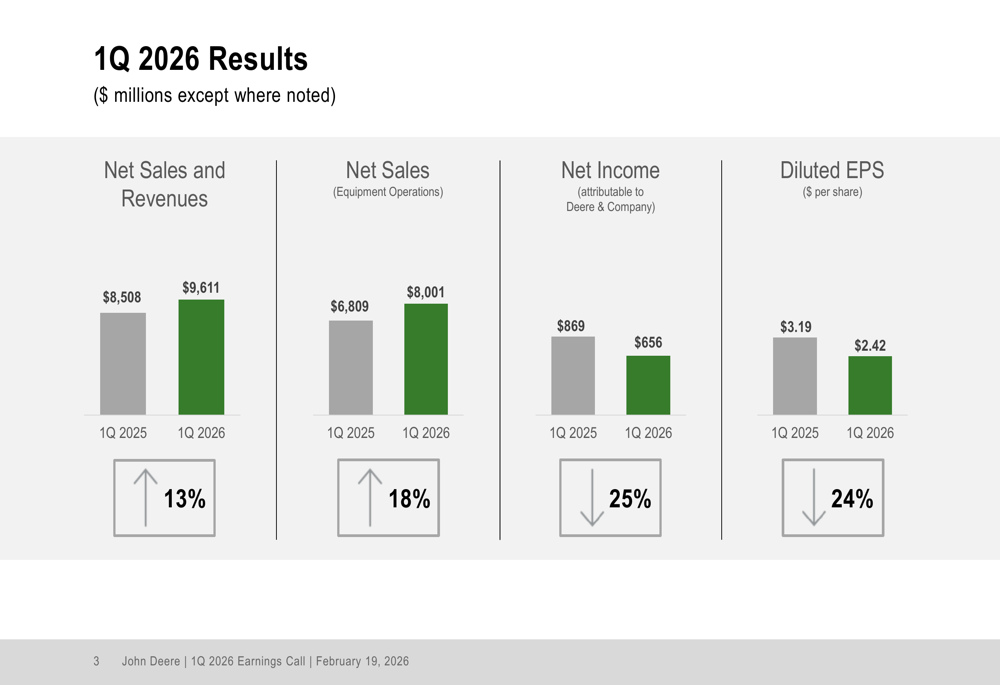
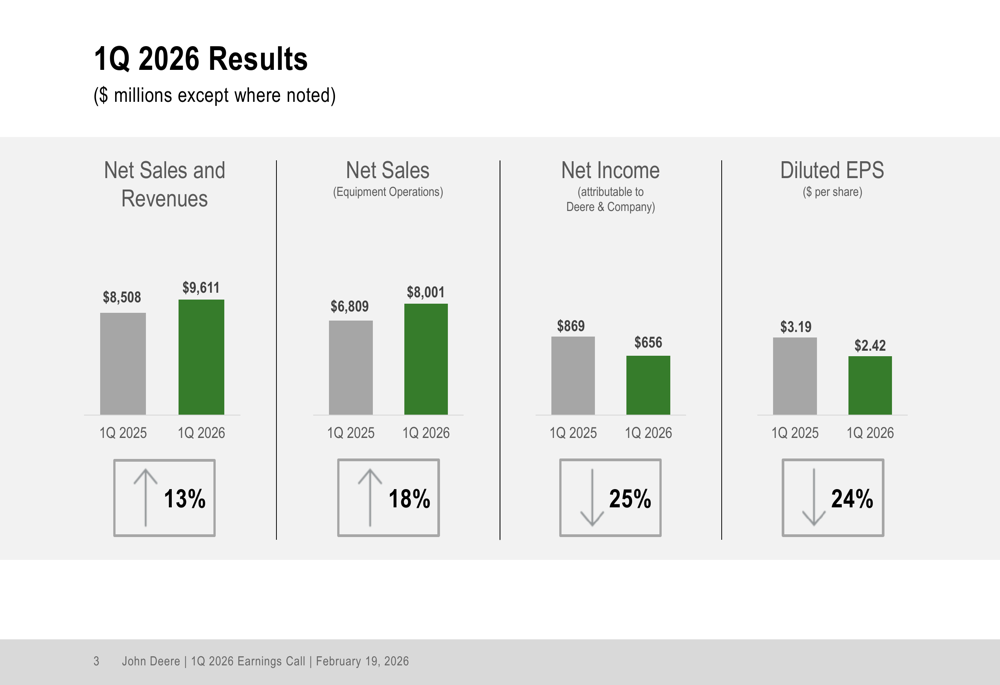
Deere Q1 2026 slides: Strong revenue growth despite profit headwinds

Published

on

Deere Q1 2026 slides: Strong revenue growth despite profit headwinds


Deere Q1 2026 slides: Strong revenue growth despite profit headwinds

Continue Reading

Business

Earnings call transcript: Teekay Tankers beats Q4 2025 estimates with strong EPS and revenue

Published

on


Earnings call transcript: Teekay Tankers beats Q4 2025 estimates with strong EPS and revenue

Continue Reading

Business

United Airlines MileagePlus update: Fewer rewards for non-cardholders

Published

on

United Airlines MileagePlus update: Fewer rewards for non-cardholders
United Airlines overhauls MileagePlus program — here's what to know

No United Airlines credit card? Soon you’ll earn fewer miles than other travelers.

United is overhauling its MileagePlus frequent flyer program to reward travelers with more miles and lower redemption rates, including for some of its long-haul business-class seats — if they have one of the airline’s credit cards. It’s the latest move by an airline to reward its highest-spending customers.

The changes mark the biggest shake-up to the lucrative program in more than a decade, when United began rewarding customers for how much they spent — not just how far they flew.

United Chief Commercial Officer Andrew Nocella told CNBC in an interview that the airline has been working on the changes for about 18 months and that the carrier is aiming to reward its most loyal customers.

Advertisement

The shift also comes as United tries to stand out in an ever more competitive landscape for travel and rewards credit cards. That space also includes American Express’ Platinum, Capital One‘s Venture X and Chase’s Sapphire Reserve cards.

United Airlines planes are taxiing to takeoff from San Francisco International Airport.

Tayfun Coskun | Anadolu | Getty Images

“In the credit card space in general, a lot’s changed over the last five to 10 years in terms of the number of travel credit cards that are out there,” Nocella said. “What I’m thinking about as we make these changes for United is to make sure that if you hold the credit card, you put it top of wallet, and then if you don’t hold the credit card, there’s a reason to get the credit card that seems incredibly compelling if you’d like to fly United Airlines and if you’d like to have that … trip to Tahiti or to Rome or wherever we may be able to take you.”

Advertisement

The changes take effect April 2. United is planning to show the discounted award flights on its website “so customers can see exactly how much having a United card could save them on their travel,” the airline said.

United’s loyalty program update is part of a trend among airlines to reward frequent flyer program members depending on how much they spend. About a decade ago, the major carriers tweaked their loyalty programs to reward customers for dollars spent over miles traveled.

Airlines also encourage customers to sign up for their credit cards by offering perks like no fees for checked bags and earlier boarding.

What’s changing with United MileagePlus

United MileagePlus primary cardholders will get more miles per dollar spent on United flights compared with customers without a card, and higher rates than they do currently. Their earning goes up, too, when they actually use that card to purchase the ticket.

Advertisement

Meanwhile, customers without the card will earn less than they do today.

For example, a traveler without a co-branded United Airlines credit card will get three miles per dollar spent on a ticket, down from the current five miles. Under the new structure, a cardholder could earn six miles, and more if they use the card to buy it. Those with elite MileagePlus status earn miles at a higher rate, too.

United debit cardholders will also receive more miles, once they spend $10,000, United said.

Redemption rate discounts for cardholders

United will also now allow customers with one of its credit cards to redeem their miles for flights at a discount of at least 10% compared with those without the card.

Advertisement

The carrier said that, as an example, an economy-class award ticket that was 15,000 miles will go for 13,500 without elite Premier status. United said it’s setting aside special discounted inventory of award tickets for cardholders, including for top-tier Polaris seats.

Read more CNBC airline news

Perks for elites

Those with elite MileagePlus Premier status will get deeper discounts and better miles redemption. Elites with a card get at least 15% off mileage tickets.

United said its a seat in a long-haul business class Polaris cabin that is going for 200,000 miles would be 170,000 miles if the cardmember has elite Premier status. United added the lowest priced “Saver Award” seats for Polaris would be accesible to MileagePlus members with a United card, seats that were previously just available to high-tier elites.

Their earning rates also increase if they have both the credit card and status. MileagePlus 1K, the highest tier before Global Services, will get 17 miles for each dollar spent when they use their United Club credit card.

Advertisement

What’s happening to basic economy flyers?

United Airlines travelers who don’t have the credit card won’t receive miles for basic economy tickets. American Airlines last year similarly said it would no longer allow travelers in that class to earn miles, following an earlier move by Delta Air Lines. There’s an exemption, however, for holders of United’s elite Premier status, who can still earn miles in basic economy.

What about business travelers?

Business travelers often have to book with company credit cards under corporate travel policies. But United said that individuals who personally hold a United credit or debit card will still get more miles than an employee who doesn’t.

Continue Reading

Business

Hamilton Lane stock hits 52-week low at 111.83 USD

Published

on


Hamilton Lane stock hits 52-week low at 111.83 USD

Continue Reading

Business

Stocks Are Lower. The S&P 500’s 3-Day Win Streak Is on the Line.

Published

on

Stocks Little Changed After Fed Decision

The stock market’s three-day winning streak was in jeopardy early on Thursday.

The S&P 500 was down 0.2%. The Dow was off 163 points, or 0.3%. The Nasdaq Composite was down 0.1%. The S&P and Dow had risen in the prior three sessions.

Only 163 S&P 500 stocks were positive. The Invesco S&P 500 Equal Weight ETF was off 0.4%.

Continue Reading

Business

US-RSPE details latest sustainability report, framework

Published

on

US-RSPE details latest sustainability report, framework

The association released the newest information during the 2026 IPPE.

Continue Reading

Business

Council urged to sell rugby stadium and spend cash on roads instead

Published

on

Business Live

Salford Council Conservative leader says stadium is “burning” cash but leaders say there is clear vision for venue’s future

Salford Community Stadium, home to Salford Red Devils and Sale Sharks.

Salford Community Stadium, home to Salford Red Devils and Sale Sharks(Image: LDRS)

Salford council is facing calls to sell the CorpAcq Stadium – amid claims it is ‘burning’ cash – and spend the money on fixing roads instead. The stadium company, CosCos, is controlled by the town hall after it completed a £7.7m deal with former co-owners Peel in late 2024.

Advertisement

It is home to rugby union club Sale Sharks as well as Salford’s phoenix rugby league team. The Conservative opposition group at Salford council said ownership of the stadium is costing £1.6m a year, according to the council’s finance department.

The Tories are calling for the council to begin the process of selling the ground and to put £1.6m a year towards a ringfenced fund to fix roads and pavements across the city.

The demand has been submitted as an amendment to the council’s budget which is being discussed at a meeting on February 25.

Coun Bob Clarke, leader of Salford Conservative group, said: “It’s outrageous, we couldn’t believe it when we saw the figures.

Advertisement

“I think the mayor had good intentions and wanted to do something for everybody, but if it’s burning through the best part of £1.6m a year, that’s not credible, especially when you ask for more money from the residents [through council tax] and they see this being burned.

“It’s an extra £6,500 a month per ward that we could spend on making things better for everybody, not just the few people that use the stadium. It doesn’t make sense, it’s £1.6m, it’s over £100,000 a month gone.”

A Salford Labour spokesperson defended the party’s move to take full ownership of the ground and surrounding land, which is also known as the Salford Community Stadium.

They said: “Salford Labour was re-elected in 2024 on a manifesto commitment to deliver a rugby strategy for the whole city. Taking full control of Salford Community Stadium is a key part of this vision, helping ensure that professional clubs from both codes continue to play in Salford.

Advertisement

“The stadium was also a key venue for the Women’s Rugby World Cup last year, and as part of our ownership we will continue to explore opportunities to use the stadium for other prestige events.

Salford Mayor Paul Dennett at Salford Community Stadium

Salford Mayor Paul Dennett pictured at Salford Community Stadium (Image: Salford council)

“The stadium also provides the foundation for improving the surrounding facilities to support greater grassroots participation in rugby. This will enable residents across the city to benefit from the sporting, social, health and economic advantages the sport brings.”

During the budget meeting next week councillors will also vote on proposals to increase council tax in Salford by 4.99 per cent, adding more than £100 to annual bills for people living in band D properties.

This is part of the council’s revenue budget used to pay for services across the city.

Advertisement

The Conservative group leader said he believes residents will be unhappy at how much the stadium is costing.

He added: “I’m sympathetic to the place the council is in with money after 14 years of cuts which I think went on too long, I was never a fan of it and I do sympathise, but when you see £1.6m a year being wasted something has to be done.

“When people find out what the stadium is losing they’ll be upset.”

When Salford council bought the stadium at the end of 2024, it was expected that land around the ground would be sold for development to finance the purchase.

Advertisement

The move was also seen as a lifeline for former rugby league club Salford Red Devils, but the club ended up being liquidated in 2025 over unpaid debts, ending 152 years of history.

Salford’s phoenix rugby league club continue to play at the stadium, but chief executive Ryan Brierley said in January that there is currently no deal in place with the council and that talks were ongoing.

The Conservative group amendment being debated next week states: ‘Salford City Council owns Salford Community Stadium, which continues to operate at a significant ongoing cost to our residents.

‘The stadium is currently estimated to make a loss of approximately £1.2 million, in addition to approximately £420,000 per year in lost interest on the amount of debt in relation to the stadium, resulting in a total annual cost to the Council of approximately £1.62 million.

Advertisement

‘This represents a substantial recurring financial burden at a time when residents face a 4.99pc increase in council tax, and when the council faces ongoing financial pressures.’

The amendment adds that the council could only sell the stadium in 2028 due to ‘existing financial and contractual arrangements’ in place, but called preparations to sell the ground to ‘begin immediately’.

Continue Reading

Trending

Copyright © 2025