Connect with us
DAPA Banner

Business

Kate Middleton Deeply Worried About William’s Mental Health Over Possible Harry Return

Published

on

Kate Middleton

LONDON — Kate Middleton is reportedly deeply concerned about Prince William’s mental health as rumors swirl about a potential reconciliation with Prince Harry, according to multiple sources close to the royal family. The Princess of Wales is said to be “worried sick” that any return of the Sussexes to royal duties could reopen old wounds and place additional strain on her husband during an already challenging period.

Kate Middleton
Kate Middleton
IBTimes US

The speculation gained fresh momentum this week after unconfirmed reports suggested King Charles III is quietly exploring ways to bring Harry back into the fold for limited ceremonial roles. Insiders claim Kate has expressed serious reservations, fearing that renewed contact with Harry and Meghan Markle could destabilize William’s emotional well-being at a time when he is shouldering increasing royal responsibilities.

“Kate has been William’s rock, but she sees how much the ongoing family rift has affected him,” one palace source told British media outlets. “She’s protective of her husband and doesn’t want him dragged back into the drama that nearly broke him before.”

The Prince and Princess of Wales have maintained a united front in public since Harry and Meghan’s dramatic departure from royal life in 2020. However, behind closed doors, the situation remains raw. William is said to still feel a deep sense of betrayal over his brother’s public criticisms of the royal family, particularly comments made in interviews, the Netflix series Harry & Meghan, and Harry’s bestselling memoir Spare.

Kate’s concern comes as she continues her own recovery from cancer treatment. The princess completed chemotherapy earlier this year and has gradually returned to public duties. Sources say she is prioritising family stability and is wary of anything that could disrupt the relatively peaceful dynamic the Wales family has built in Harry’s absence.

Advertisement

Royal watchers note that William has shouldered significant pressure in recent years. With King Charles undergoing his own health challenges and Prince Harry living thousands of miles away in California, the burden of future kingship has fallen heavily on William’s shoulders. Friends describe him as resilient but admit the family rift has taken an emotional toll.

One close friend of the couple told The Times that Kate has been “hyper-vigilant” about William’s stress levels. “She’s seen the toll the last few years have taken. The idea of Harry coming back, even in a limited capacity, fills her with dread because she knows it could reopen everything.”

The possibility of a Sussex return has been fueled by recent private communications between King Charles and Prince Harry. Sources close to the monarch say Charles remains hopeful for some form of reconciliation before his health declines further. However, William is reportedly far more skeptical, believing Harry’s departure and subsequent actions have caused irreparable damage to the institution.

Harry and Meghan have built a new life in Montecito, California, with their two children, Archie and Lilibet. While they have stepped back from senior royal duties, they have maintained some connection to the UK through occasional visits and charitable work. Recent reports suggest Harry has expressed interest in taking on more formal roles, particularly around Invictus Games and mental health initiatives.

Advertisement

Kate’s reported worries add a new layer to the already complex royal dynamics. As Princess of Wales, she has become one of the most popular and stabilizing figures in the monarchy. Her focus on early childhood development, mental health awareness and family values has resonated strongly with the British public. Friends say she is determined to protect that image and the stability she has helped create for her three children.

Mental health experts commenting on the situation note that high-profile family estrangements can have profound psychological effects. Dr. Jane McCartney, a London-based psychologist specialising in family dynamics, said: “For someone in William’s position, the combination of public duty, personal loss and family conflict creates enormous pressure. Kate’s concern is understandable — she wants to shield her husband and children from further emotional upheaval.”

The royal family has faced intense scrutiny in recent years. The death of Queen Elizabeth II, King Charles’s cancer diagnosis, Kate’s own health battle and the Sussex departure have created a perfect storm of challenges. William has been praised for his steady leadership during this turbulent period, but insiders say the strain is real.

Palace sources emphasise that no formal decisions have been made regarding Harry’s potential return. Any reintegration would require careful negotiation, likely involving significant conditions around privacy, loyalty to the institution and alignment with royal values. William’s approval would be essential for any major role.

Advertisement

For now, Kate is said to be focusing on her recovery and supporting William through the current uncertainties. The couple recently enjoyed a private family holiday, which sources describe as a much-needed opportunity to recharge away from public eyes.

The situation remains fluid. While reconciliation remains a hope for some members of the family, others believe the divide may be too deep to bridge fully. Harry’s life in California, complete with new business ventures and a growing family, represents a very different path from the one William is preparing to walk as future king.

As the rumors continue to circulate, royal commentators are divided. Some see a Sussex return as essential for the monarchy’s long-term image of unity. Others argue that forcing a reunion could do more harm than good, particularly to William’s mental health and the stability of the Wales family.

Kate Middleton’s reported concerns highlight the very human cost behind the headlines of royal life. As the institution navigates its future, the emotional well-being of its key figures may prove just as important as public duties and ceremonial traditions.

Advertisement

The coming months will be telling. Whether Harry makes any formal overtures toward reconciliation — and how William and Kate respond — could shape the monarchy’s narrative for years to come. For now, the Princess of Wales remains focused on protecting her husband and family from further distress as the institution she serves continues to evolve.

Continue Reading
Click to comment

You must be logged in to post a comment Login

Leave a Reply

Business

PayPal's new CEO makes Venmo a standalone business unit as potential buyers circle

Published

on

PayPal's new CEO makes Venmo a standalone business unit as potential buyers circle

PayPal is betting that a new corporate structure can reignite growth at a company that has lost ground to Apple, Google and Stripe in the e-commerce battle.

Continue Reading

Business

David Ellison Paramount Warner Bros 30 film releases

Published

on

David Ellison Paramount Warner Bros 30 film releases

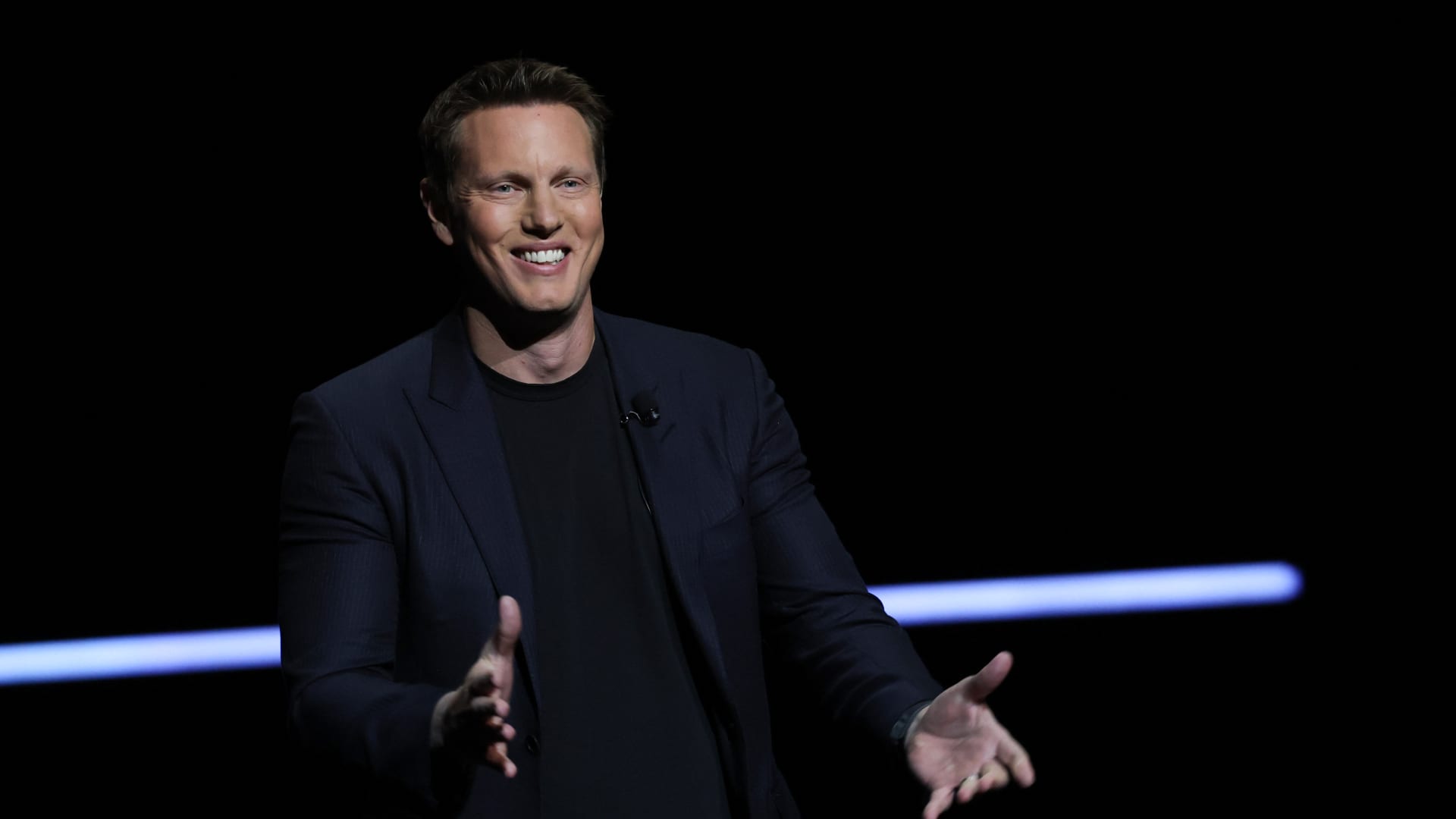
CEO of Paramount Skydance David Ellison speaks on stage during the Paramount Pictures presentation at CinemaCon at The Colosseum at Caesars Palace on April 16, 2026 in Las Vegas, Nevada.

Valerie Macon | AFP | Getty Images

Paramount CEO David Ellison is trying to do something that no other studio has done in the modern age of cinema — release 30 films annually.

Advertisement

Ellison once again promised this theatrical feat in front of thousands of exhibitors at CinemaCon earlier this month. Applause erupted from the crowd after he made the pronouncement.

But privately, movie theater operators have expressed concerns and skepticism about the proposed future slate of films. While a massive string of releases would help cinemas, companies doubt he will be able to follow through on the promise.

His 30-film plan would hinge on Paramount receiving regulatory approval for its proposed merger with Warner Bros. Discovery, which the latter company’s shareholders approved last week. Ellison noted that each studio would produce 15 films a year.

However, Ellison has not provided many details about those 30 releases, and it’s not clear how he would hit the ambitious goal. Representatives for Paramount did not reply to CNBC’s request for comment.

Advertisement

It’s unclear if all of the films would have wide releases (meaning they eventually play in at least 1,500 theaters, though the typical benchmark is 2,000). It’s also not certain whether the company will count films it distributes but doesn’t produce as part of this figure, or how many of those proposed titles will be considered tentpole blockbusters.

Movie theater operators and industry experts are skeptical that Paramount would be able to sustain a 30-film slate after the initial merger. After all, part of the consolidation process is eliminating redundancies, which inevitably leads to layoffs as well as cost-cutting measures that often result in fewer productions.

“When it comes to traditional brand-new wide release films, 30 movies a year is a lofty plan given that most distributors are releasing on average anywhere from 10 to 15 wide releases each year,” said Paul Dergarabedian, head of market trends at Comscore.

In fact, in the last 25 years, no studio has released 30 films in a single year. The combination of 20th Century Fox and Searchlight came close in 2006 when the studios had 25 wide releases, according to data from Comscore.

Advertisement

The data also show that when studios have merged in the past, the result has been fewer theatrical releases, not more.

Prior to acquiring 21st Century Fox and its studio assets, Disney was averaging 12 films a year dating back to 2000. Meanwhile, the combined efforts of 20th Century Fox and Searchlight averaged 16 films during that same time. Not including 2020, in which theatrical releases were impacted by pandemic-related cinema closures, Disney has averaged around 13 films a year following the 2019 merger.

The line chart shows the annual film releases by Disney and 20th Century between 2000 and 2019 ahead of the two companies’ eventual merger.

“I don’t remember any instance with consolidation where one plus one equals two,” Eric Handler, managing director and senior research analyst at Roth Capital Partners, told CNBC.

Advertisement

Additionally, a combined Paramount and Warner Bros. slate would face some logistical issues in placing 30 films on a 52-week calendar, as well as competition for coveted premium large format theaters.

The wider Hollywood cohort has also balked at the merger, citing similar concerns about job losses and reduced productions. More than 4,000 A-listers, including Robert De Niro, David Fincher, Pedro Pascal and Florence Pugh have signed an open letter opposing the combination of the two companies.

At least one theater operator, however, is supportive of the merger. AMC CEO Adam Aron came out in favor of Paramount’s acquisition of Warner Bros. during CinemaCon earlier this month.

“Of particular importance are David’s public commitments to expand film distribution by Paramount and Warner to at least 30 movies per year, and his vocal embrace of a 45-day exclusive theatrical window,” he wrote in a statement.

Advertisement

“I am confident that David Ellison is sincere as to his intentions, and truly believe that he in fact will wind up delivering on these commitments,” he added.

‘Empty seats and vacant screens’

However, Ellison’s target would not only be higher than any recent precedent — it would be significantly more.

“Historically, the max you’re seeing out of the studio is sort of 20 a year,” said Doug Creutz, senior research analyst at TD Cowen.

He noted that studios like Disney, Universal and Warner Bros. have the funds to make 30 films annually, but they don’t not only because is it not profitable to do so, but also because few studios have enough quality IP or original stories to put out in a year.

Advertisement

“If you had 30 good ideas, then I’d say do it, but you won’t,” he said. “Most studios don’t have 20 good ideas.”

“I think that the reality of it is that they’ll realize that, they probably realize it already, but they’re saying 30 because you’re trying to get the deal approved,” Creutz added. “I would say my guess is that there isn’t a year where Warner plus Paramount release 30 films unless the slates are already set pre-merger.”

This sentiment was repeated by industry analysts, movie theater owners and even rival studios during private conversations CNBC had at CinemaCon earlier this month. More so, there was an overwhelming sense of tension between studios and cinema operators, particularly when it came to the number of theatrical titles being offered up.

Theater companies would welcome more quality releases, but there has been a shortage of them following the Covid pandemic.

Advertisement

“I tell people that the only thing that exhibition has are empty seats and vacant screens until the studios step up and give us something to play,” one veteran movie theater executive, who requested anonymity to speak candidly, told CNBC. “We have no other alternative.”

The executive noted that re-released films, live sports and concert screenings “don’t pay the bills,” and even concession sales aren’t driving the same kind of revenue that they used to.

“We can’t survive without movies,” they said.

Movie theaters have struggled in the wake of the pandemic because of a lack of titles. Production was slowed due to Covid-related shutdowns and exacerbated when both the writers and actors guilds went on strike just a few years later. At the same time, streaming has become more prominent and studios are producing fewer titles for theatrical release.

Advertisement

Fewer films has led to lower domestic box office hauls. Prior to the pandemic, annual ticket sales routinely topped $11 billion in the U.S. and Canada, but in the years after, the combined efforts of the studios have yet to surpass $10 billion.

This year could break that trend, as the slate of films is significantly larger. However, if a merger does take place, the expectation is that the release schedule will once again shrink.

“We know what’s going to happen,” the veteran theater executive said. “We know that when Paramount eats Warner, it’s going to be exactly like Disney-Fox. There is no difference.”

Other theater operators echoed these sentiments when speaking anonymously to CNBC. They, too, questioned how the gaps in the slate would be filled if Paramount can’t deliver on its 30-film plan.

Advertisement

Amazon MGM has already stepped up to the plate in recent years and has promised at least 15 theatrical releases per year starting in 2027. The studio is on pace to have 13 releases in 2026. One of its recent films, “Project Hail Mary,” which arrived in theaters in March, has set box office records for the studio and delivered audiences to theaters.

However, Amazon’s 15-film annual addition to the overall slate was already replacing the films lost from the Disney-Fox merger. It wouldn’t be enough to also account for any losses in titles from a merger between Paramount and Warner Bros.

“It’s not great for exhibition,” the cinema veteran said. “It’s a lose-lose proposition.”

Choose CNBC as your preferred source on Google and never miss a moment from the most trusted name in business news.
Advertisement
Continue Reading

Business

Newcastle’s Eldon Garden sold to major London property group in undisclosed deal

Published

on

Business Live

Eldon Garden shopping centre in Newcastle has been snapped up by Sheet Anchor Evolve, a company pledging to ‘introduce new uses’

Eldon Garden shopping centre in Newcastle is under new ownership

Eldon Garden shopping centre in Newcastle is under new ownership(Image: M Core)

A Newcastle shopping centre has been acquired by new owners who have vowed to ‘introduce new uses’. Eldon Garden shopping centre has been purchased by Sheet Anchor Evolve – part of major property group M Core – less than two years after it was bought by a Middlesbrough business for £4.95m.

The sizeable complex spans three levels, comprising a two-floor shopping mall and a prominent frontage onto Percy Street. While the exterior units are flourishing with tenants including Tesco, The Magpie pub, Pure Gym and Hunters Estate Agents, only a handful of retailers remain within the centre itself, alongside a newly opened gym.

The previous owner had embarked on a comprehensive redevelopment and remodelling of the mall, clearing out the internal retail units. It is understood that one proposal involved creating new modern workspace. Part of the centre has also been converted into the £1.5m OneGym, which opened last month.

New owners Sheet Anchor Evolve have built a reputation for transforming and breathing new life into retail assets across the country, raising hopes that Eldon Garden could soon attract more prominent retailers. The company confirmed it has taken ownership of the centre and its 80,000 sq ft of space arranged across three levels, drawing attention to a central café and restaurant area, which has remained unused for several years. It highlighted how the property enjoys a prime location near St James’ Park and within walking distance of Newcastle Central Station, benefiting from excellent public transport links and access to the broader regional catchment area. The transaction was revealed alongside its acquisition of Northfield Shopping Centre in Birmingham, deals it said bolster its footprint in two established and strategically positioned retail destinations.

Advertisement

Danny O’Keefe, co-founder at Sheet Anchor Evolve, said: ” We are pleased to have secured both Eldon Garden and Northfield Shopping Centre, two well‐located assets serving established communities. Both centres provide essential retail and everyday services.”, reports Chronicle Live.

“Our focus across both schemes will be on practical asset management, supporting occupiers and introducing uses that strengthen each location over time.”

To find all the planning applications, traffic diversions, road layout changes, alcohol licence applications and more in your North East community, visit the Public Notices Portal.

Eldon Garden was initially placed on the market in January 2023, following years of declining footfall which affected trading. The centre was formally opened in 1989 on the site of the former Handyside Arcade, which dated back to 1906 and had been home to Club a’Gogo, the famous venue which welcomed performances from The Animals, The Rolling Stones and Jimi Hendrix.

Advertisement
Eldon Garden shopping centre in Newcastle

Eldon Garden shopping centre in Newcastle(Image: staff photo)

During the 1990s and Noughties, the centre was regarded as the luxury shopping part of town, owing to its cafés, fashion boutiques and big-name brands including Pier, Richard Sinton Jewellers, Daniel and Lakeland. The shift towards online retail was subsequently compounded by pandemic-related lockdowns. Efforts were made to attract new tenants through rental incentives, but the building was ultimately placed on the market.

Eldon Garden will now be overseen by Max Parekura, asset manager at Sheet Anchor Evolve – a London-based firm specialising in planning, regenerating and managing properties throughout the UK. Its portfolio encompasses 95 retail locations across the country, including Bridges Shopping Centre in Sunderland, Park View shopping centre in Whitley Bay, The Forum in Wallsend, The Viking Centre in Jarrow and M Killingworth.

The acquisition raises hopes that retail will feature prominently in the firm’s future strategy, with the deal completing on the same day it announced that Bridges Shopping Centre in Sunderland had secured ten new lettings, including several major relocations, within the first year of its acquisition by M Core in summer 2024.

West Midlands-based investor M Core has grown to become one of the UK’s largest private property collectives, boasting a pan-European portfolio valued at billions of pounds. The group is expanding rapidly, having acquired a number of prime assets across the UK in recent years, amongst them Harrogate’s Victoria shopping centre and Newton Hall in Durham.

Advertisement
Continue Reading

Business

Tesla Stock Dips 1% as Investors Await Q1 Earnings and Robotaxi Unveiling

Published

on

Mining (iron ore)

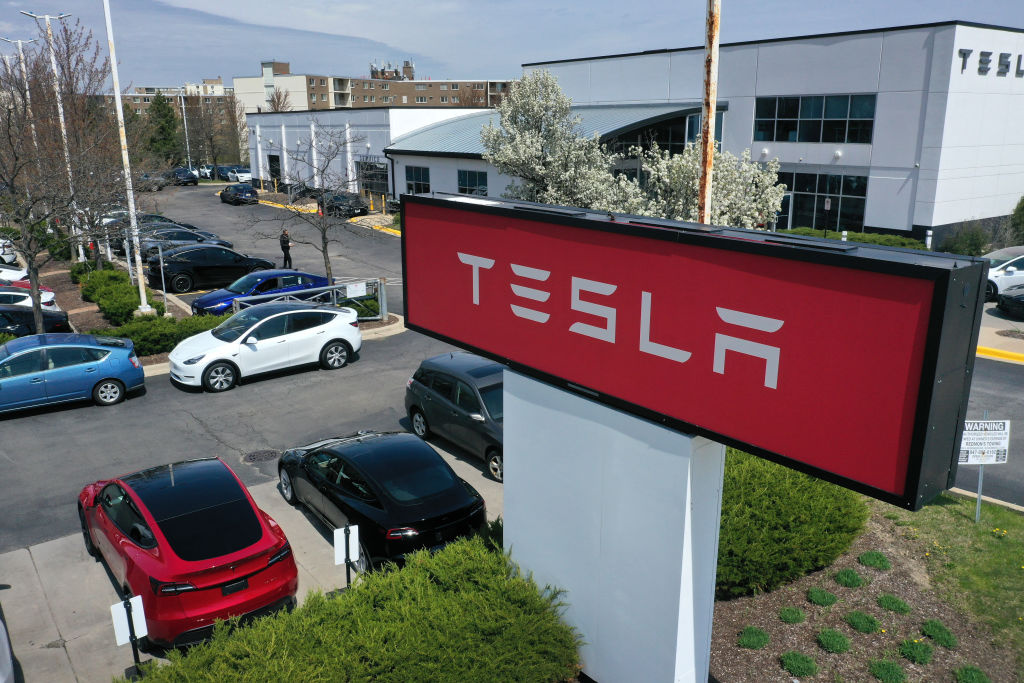
NEW YORK — Tesla Inc. shares slipped 1.18% to $371.58 in midday trading on Wednesday, April 29, 2026, as investors adopted a cautious stance ahead of the electric vehicle maker’s first-quarter earnings report and highly anticipated robotaxi event scheduled for later this year.

Tesla Model S, X Are Seeing Massive Price Reductions—Here’s Why
Tesla Stock Dips 1% as Investors Await Q1 Earnings and Robotaxi Unveiling

The modest decline came despite broader market resilience, with the Nasdaq Composite trading slightly higher. Tesla’s movement reflects typical pre-earnings jitters combined with ongoing questions about demand softness in key markets, production ramp challenges for new models and the pace of progress on autonomous driving technology.

Tesla is scheduled to report Q1 results after the market close on April 29. Wall Street analysts expect revenue of approximately $24.5 billion, representing modest year-over-year growth, with adjusted earnings per share around $0.85. The numbers come against a backdrop of slowing EV demand in some regions, increased competition from Chinese manufacturers and margin pressure from price cuts implemented throughout 2025.

CEO Elon Musk has previewed a strong focus on autonomy and artificial intelligence during the upcoming earnings call. The company’s Full Self-Driving (FSD) software continues to see incremental improvements, with version 13.2 recently rolled out to more vehicles. Musk has repeatedly stated that unsupervised FSD and the robotaxi platform represent the biggest growth opportunities for Tesla beyond traditional vehicle sales.

Production of the long-awaited Model 2, a more affordable vehicle priced under $30,000, is reportedly on track for a late 2026 launch. However, some analysts have expressed concerns about whether Tesla can maintain its pricing power and margins in an increasingly crowded and price-sensitive EV market.

Advertisement

Energy storage deployment remains a bright spot for the company. Tesla’s Megapack business has seen explosive growth as utilities and data center operators seek solutions for renewable integration and power reliability. Q1 energy storage deployments are expected to set another record, providing a counterbalance to any softness in automotive margins.

The stock has experienced significant volatility in 2026. After reaching all-time highs earlier in the year on optimism around AI and robotics, shares have pulled back amid concerns about near-term growth and execution risks. Tesla’s market capitalization still exceeds $1.1 trillion, making even small percentage moves translate into tens of billions of dollars in value.

Short interest remains elevated, though significantly lower than peaks seen in previous years. Options activity today showed a mix of hedging and speculative bets ahead of earnings, with traders positioning for potential volatility following the report.

Musk’s active presence on social media continues influencing sentiment. His recent posts about Optimus humanoid robot development and new vehicle features have generated excitement among retail investors, though some institutional investors prefer more concrete timelines and financial details.

Advertisement

The competitive landscape has intensified. Legacy automakers and new EV entrants continue gaining market share, particularly in Europe and China. Tesla’s decision to maintain relatively high prices on its core lineup while rolling out more affordable options has drawn mixed reactions from consumers and analysts.

Regulatory developments also loom large. Ongoing discussions around autonomous vehicle approvals in the United States and Europe could significantly impact Tesla’s timeline for robotaxi deployment. Any positive regulatory news could act as a major catalyst for the stock.

For long-term investors, today’s modest dip may represent limited significance in the context of Tesla’s ambitious vision. The company’s leadership in battery technology, software and manufacturing scale continues setting it apart from traditional automakers. Its vertically integrated approach—from raw materials to finished vehicles and energy products—remains a key differentiator.

Wall Street’s consensus price target sits around $420, implying meaningful upside potential if Tesla delivers on its growth narrative. However, several analysts have trimmed targets recently, citing valuation concerns and execution risks in new product categories.

Advertisement

As the trading day progresses, all eyes remain on the after-market earnings release and conference call. Investors will be listening closely for updates on production numbers, FSD adoption rates, energy storage margins and any fresh details about the robotaxi unveiling timeline.

Tesla’s ability to navigate current challenges while investing heavily in future technologies has defined its trajectory for years. Today’s slight pullback fits a pattern of consolidation before potentially market-moving events. Whether the stock rebounds strongly will depend heavily on the tone and specifics delivered in tonight’s earnings report.

The coming months will be critical as Tesla balances near-term profitability pressures with massive long-term investments in autonomy, robotics and energy. For shareholders who have ridden the stock’s remarkable journey from its early days, today’s movement represents just another chapter in a volatile but historically rewarding investment story.

Advertisement
Continue Reading

Business

KalVista: 'Strong Buy' As Acquired By Chiesi And Positive KONFIDENT-KID Outcome

Published

on

KalVista: 'Strong Buy' As Acquired By Chiesi And Positive KONFIDENT-KID Outcome

KalVista: 'Strong Buy' As Acquired By Chiesi And Positive KONFIDENT-KID Outcome

Continue Reading

Business

AAA national average price of regular gas soars as Iran war remains unsettled

Published

on

AAA national average price of regular gas soars as Iran war remains unsettled

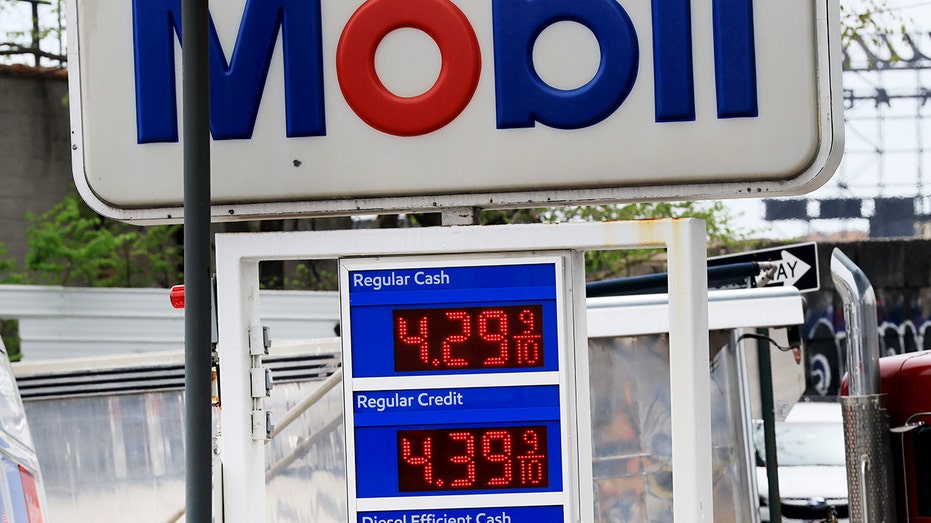
The AAA national average price for regular gas has soared to $4.229 as of Wednesday, the highest notched so far during the ongoing tensions between the U.S. and Iran.

While that number is more than a dollar higher than the AAA national average of just $3.161 a year ago, it is still significantly lower than the highest recorded AAA national average of $5.016 set in June 2022 during President Joe Biden’s White House tenure.

Advertisement

White House spokeswoman Taylor Rogers told Fox News Digital in a statement, “The President brought oil and gas prices down to multi-year lows at record speed, and as traffic in the Strait of Hormuz normalizes, these energy prices will plummet once again. President Trump has always been clear that these are short-term, temporary disruptions.”

YOUR SUMMER BBQ IS ABOUT TO COST MORE – HERE’S THE SURPRISING REASON WHY

Gas prices

Fuel prices are displayed at a Brooklyn gas station on April 28, 2026, in New York City.  (Spencer Platt/Getty Images / Getty Images)

A White House official informed Fox News Digital that Trump met with several oil executives on Tuesday “where they discussed how the US is doing better than others, and the President is doing all the right things right now – Jones Act, DPA [Defense Production Act], etc.”

Early on Wednesday morning, the president warned in a Truth Social post, “Iran can’t get their act together. They don’t know how to sign a nonnuclear deal. They better get smart soon!”

Advertisement

BUDGET AIRLINES ASK FEDERAL GOVERNMENT FOR $2.5B IN AID TIED TO RISING JET FUEL COSTS

Gas pump

A man uses a gas pump at a Shell gas station in Houston, Texas, on March 16, 2026. (RONALDO SCHEMIDT / AFP via Getty Images / Getty Images)

His post included a graphic that depicted him wearing sunglasses while holding a gun as explosions go off behind him. “NO MORE MR. NICE GUY!” text blares atop the meme.

The U.S. military has been enforcing a blockade against Iranian ports for more than two weeks.

“The blockade is somewhat more effective than the bombing. They are choking like a stuffed pig. And it is going to be worse for them. They can’t have a nuclear weapon,” Trump reportedly told Axios in an interview published Wednesday.

Advertisement

TRUMP: ENERGY SECRETARY WRIGHT ‘TOTALLY WRONG’ ON DELAYED RETURN TO $3 GAS

President Trump

President Donald Trump during the White House Correspondents’ Association (WHCA) dinner in Washington, D.C., on Saturday, April 25, 2026.  (Yuri Gripas/Abaca/Bloomberg via Getty Images / Getty Images)

CLICK HERE TO GET FOX BUSINESS ON THE GO

“They want to settle. They don’t want me to keep the blockade. I don’t want to [lift the blockade], because I don’t want them to have a nuclear weapon,” he reportedly said.

Advertisement
Continue Reading

Business

US stocks today: Fed chief nominee Warsh clears key hurdle in Senate confirmation process

Published

on

US stocks today: Fed chief nominee Warsh clears key hurdle in Senate confirmation process
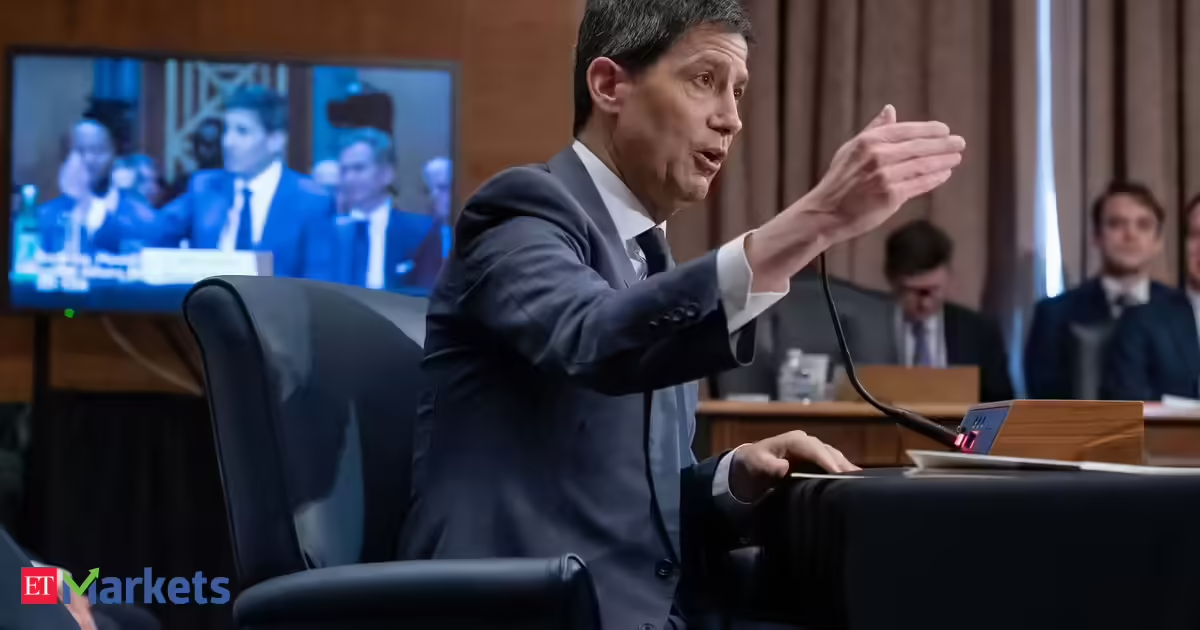
Kevin Warsh, U.S. President Donald Trump’s pick to lead the Federal Reserve, cleared a key procedural hurdle on Wednesday, opening the way for him to succeed Jerome Powell next month amid the White House’s unprecedented efforts to exert control over the world’s most powerful central bank. The Senate Banking Committee voted 13-11 along party lines to advance Warsh‘s nomination to the full Republican-controlled Senate, which is expected to confirm him in a vote held the week of May 11. Powell’s term as U.S. central bank chief ends May 15.

As ‌the vote took place, Powell ⁠was leading ⁠what is expected to be his last policy-setting meeting as head of the Fed. The policy-setting Federal Open Market Committee is universally expected to leave its benchmark overnight interest rate unchanged in the current 3.50%-3.75% range, given still-elevated inflation and upward pressure on prices from the disruption to global oil supplies due to the Iran war.

President Donald Trump, who picked Powell for the top Fed job in 2018 but soured on him within months for not cutting interest rates, said he believes his new nominee will deliver the reductions in borrowing costs that he wants. Warsh, a 56-year-old lawyer, financier and former Fed governor, told lawmakers at his confirmation hearing last week that he had not promised Trump that he would cut rates. But he did vow “regime change” to make the central bank more answerable to the administration and Congress on non-monetary policy matters.

The vote on Wednesday went forward after North Carolina Senator Thom ⁠Tillis dropped ‌his opposition in response to the Department of Justice’s decision on Friday to end a criminal investigation into Powell that Tillis viewed as a threat to the Fed’s political independence.

Advertisement

“I’ve got confidence that this investigation is over,” Tillis said after casting his vote with the Republican majority, adding that while the Department of ⁠Justice does plan to appeal a federal judge’s decision in the case, prosecutors assured him the intent is not to reopen the investigation but only to settle a legal matter regarding the department’s subpoena power.


Republican Senator Tim Scott, who chairs the Senate Banking Committee, called Warsh “battle-tested and ready to serve, and not only serve, but to lead.”
The panel’s 11 Democrats, who say they doubt Warsh’s promise to set policy without regard to Trump’s wishes, voted against advancing the nomination. “Members of this committee who vote for Mr. Warsh and help facilitate President Trump’s takeover of the central bank will come to regret it,” the committee’s top Democratic lawmaker, Senator Elizabeth Warren, said before the vote.UNCLEAR WHETHER POWELL STAYS ON FED BOARD

Republican leaders in the Senate intend to push ahead with consideration of Warsh’s nomination on Thursday, a timeline aimed at holding a confirmation vote in the week of May 11, a source familiar with the process said. That timeline would allow Warsh to be ‌sworn in by May 15 when Powell’s leadership term ends. It is still not clear whether Warsh’s ascension would mean Powell’s exit from the Fed, or whether the current central bank chief would stay on as a member of its Board of Governors – and, if he does so, whether Trump will follow through on his threat to try to fire him. Such a ⁠move would surely draw a legal challenge, as did the president’s attempt last summer to fire Fed Governor Lisa Cook.

Powell’s board seat runs through January 2028.

Fed chiefs almost always step down to make room for their successors, and Powell is a lawyer whose adherence to regularity runs deep. But he took the view that the government’s criminal investigation was political intimidation and part of the Trump administration‘s efforts to influence how the Fed sets interest rates.

Powell said last month that he would not leave the Fed until the criminal probe was concluded with “finality,” and he may yet stay on if he feels doing so is best for the central bank and the country. U.S. Attorney for the District of Columbia Jeanine Pirro said on Friday she would not hesitate to resume her investigation of Powell “should the facts warrant doing so.”

Advertisement

“We would not be at all amazed if he decides to leave on May 15,” Evercore ISI analysts wrote on Wednesday. “However, our hunch is that Powell does stay, but in the base case only for some months until all the legal loose ends are wrapped up and Fed chair independence is fully reasserted.”

Continue Reading

Business

Seven Sundays launches new peanut butter protein cereal

Published

on

Seven Sundays launches new peanut butter protein cereal

Contains 10 grams of plant-based protein per serving.

Continue Reading

Business

Vedanta’s demerged entities to trade by mid-June after split, says CEO

Published

on

Vedanta's demerged entities to trade by mid-June after split, says CEO
Mining major Vedanta will file with stock exchanges next week for listing approval of its demerged entities, with shares expected to list and commence trading by mid-June, a top official of the company said on Wednesday.

During an Investor Call on Q4 financial results, Vedanta Resources CEO Deshnee Naidoo said the demerger is now in its final stage.

“In the next week, we will be filing with the exchanges for listing approval. The shares of the resulting companies are expected to list and commence trading by mid-June,” she said.

Vedanta Ltd is the Indian arm of Vedanta Resources.

Advertisement

Vedanta CFO Ajay Goel said the company’s board has earlier approved Vedanta demerger effective from May 1, and this will entail the creation of five independent sector-specific pure play companies, allowing each company to chart out its own growth trajectory and attract investors.


The company, he said, has set May 1 as the record date for demerger and added that the shareholders holding one share of Vedanta as on April 29 will receive four additional shares of the resulting companies.
“We are targeting listing and commencement of trading of these shares by the first quarter of FY’27,” he said. The demerger has been structured with precision on capital structure, aligning debt with the earning strength and growth stage of each resulting company, he said.

Vedanta Oil & Gas and Iron & Steel businesses will emerge as close to zero net debt businesses, while the other three businesses will have net debt to EBITDA ratios in line with their debt servicing capability, Goyal said.

Vedanta had earlier said that the demerger will help in simplifying Vedanta’s corporate structure with sector focussed independent businesses and provide opportunities to global investors, including sovereign wealth funds, retail investors and strategic investors, with direct investment opportunities in dedicated pure-play companies linked to India’s remarkable growth story through Vedanta’s world class assets.

It will also provide a platform for individual units to pursue strategic agendas more freely and better align with customers, investment cycles and end markets, it added.

Advertisement

As part of the demerger, Vedanta plans to separately list four entities: Vedanta Aluminium Metal Limited (VAML), Talwandi Sabo Power Ltd (TSPL), Malco Energy Ltd (MEL) and Vedanta Iron and Steel Limited (VISL).

According to the exchange filing, under the composite scheme of arrangement, shareholders of Vedanta will receive equity shares in four businesses in a 1:1 ratio.

Continue Reading

Business

10 Best HRMS in the UK for 2026: Complete Buyer’s Guide

Published

on

Taxpayers have until 5 April 2025 to make voluntary National Insurance Contributions dating back to 2006 to boost their state pension. Experts advise checking your NI record now.

Managing human resources in the UK has become increasingly complex. With evolving HMRC regulations, PAYE updates, and the shift towards flexible working arrangements, relying on fragmented point solutions or outdated spreadsheets is no longer viable.

As organisations scale, the administrative burden multiplies, making a unified Human Resources Management System (HRMS) essential for maintaining compliance and driving growth.

The challenge for UK businesses is finding a platform that balances robust functionality with an intuitive employee experience. Many legacy systems are too rigid for modern teams, while lightweight tools often lack the depth required for multi-site operations or global expansion. The ideal HRMS should consolidate core HR, payroll, talent management, and workforce planning into a single source of truth.

In this guide, we evaluate the top HRMS platforms available in the UK market for 2026. We look beyond marketing claims to assess how these systems handle real world complexities, from auto-enrolment pensions to advanced performance management.

Methodology: How We Determined the Top Picks

To identify the best HRMS platforms for UK businesses, we evaluated dozens of solutions against strict criteria. Our methodology focused on:

Advertisement
  1. UK Compliance and Localisation: The system must handle UK specific requirements, including HMRC reporting, PAYE, and statutory leave calculations.
  2. Platform Unification: We prioritised all-in-one platforms that eliminate the need for multiple disconnected tools.
  3. Scalability: The software must support mid sized and scaling organisations, handling increased complexity without requiring a complete system overhaul.
  4. User Experience: We assessed the interface for both HR administrators and everyday employees, as high adoption rates are critical for ROI.
  5. Real User Feedback: We analysed verified reviews from platforms like G2 and Capterra to understand the actual strengths and limitations experienced by current customers.

Our Pick: The 10 Best HRMS Platforms in the UK for 2026

Here is our breakdown of the top HRMS solutions for UK organisations.

1. HiBob

Best for: Mid sized and scaling UK companies requiring a unified, modern HR platform.

HiBob is a comprehensive HR platform built specifically for fast growing, mid sized, and multinational organisations. By consolidating core HR, payroll, applicant tracking, and workforce planning into one intuitive system, Bob helps companies streamline operations and scale with confidence. Unlike traditional HRIS systems that feel corporate and rigid, HiBob focuses heavily on the employee experience while delivering enterprise grade capabilities.

For businesses operating in the UK, HiBob is built with local requirements in mind rather than forcing teams to adapt to generic global systems. Their local alignment becomes even more valuable for companies operating across multiple regions. UK-based teams can manage local compliance and reporting with confidence, while still benefiting from the platform’s ability to handle multi-country payroll and workforce planning.

For organisations that are scaling beyond the UK, HiBob offers a balance between strong domestic compliance and global flexibility, allowing HR teams to grow without needing to replace their system later on.

Advertisement

Strengths:

HiBob excels in providing a unified platform that eliminates data silos. It offers deep localisation for UK teams, including native UK payroll and compliance features. The modern, intuitive user interface drives high adoption rates across all levels of the business. Advanced analytics and reporting empower HR leaders to make data driven decisions, while robust automation reduces manual administrative work. Many users on G2 praise its user-friendliness and smooth interface.

Limitations:

Because it is a comprehensive platform designed for scaling and mid-sized businesses, very small micro businesses might find the extensive feature set more than they currently need.

Advertisement

2. CharlieHR

Best for: Small UK startups and creative agencies.

CharlieHR is a London based HR software designed specifically for small businesses. It focuses on automating basic HR admin tasks like booking time off, storing documents, and running performance reviews.

Strengths:

The platform is highly accessible for small teams without dedicated HR departments. It offers a clean interface and includes access to on demand HR advice for UK employment law.

Advertisement

Limitations:

According to G2 reviews, users frequently note that the platform lacks the depth required for scaling companies. It struggles with complex organisational structures and does not offer the advanced workforce planning or global payroll capabilities needed as a business expands beyond the startup phase.

3. Ciphr

Best for: Public sector and established UK enterprises.

Ciphr is a long standing UK HR software provider that offers a suite of HR, payroll, learning, and recruitment solutions. It is heavily focused on data security and compliance for established British organisations.

Advertisement

Strengths:

Ciphr provides strong UK specific compliance tools and is highly customisable for complex public sector requirements.

Limitations:

Capterra reviewers often mention that the user interface feels dated compared to modern SaaS platforms. The implementation process can be lengthy, and the system’s rigidity makes it less suitable for agile, fast moving companies that require a more flexible approach to people management.

Advertisement

4. Employment Hero

Best for: Small to medium businesses looking for integrated benefits.

Employment Hero is an HR and payroll platform that includes a built in employee benefits marketplace. It aims to help smaller companies offer perks that rival larger corporations.

Strengths:

The platform handles basic UK compliance well and provides a unique approach to employee rewards and recognition through its integrated marketplace.

Advertisement

Limitations:

Users on G2 have highlighted that the customer support can be slow to respond. Additionally, the platform’s core HR functionality can lack the depth required for complex performance management and advanced compensation planning.

5. BrightHR

Best for: Small businesses needing basic absence management.

BrightHR provides straightforward HR software focused primarily on absence management, shift planning, and document storage. It is often bundled with employment law advice services.

Advertisement

Strengths:

It is very affordable and simple to use for basic rota management and holiday tracking in small retail or hospitality businesses.

Limitations:

Based on Capterra feedback, the software is quite basic. It lacks a comprehensive talent management suite, advanced analytics, and the sophisticated automation required by mid sized professional services or technology companies.

Advertisement

6. Personio

Best for: European companies with a presence in the UK.

Personio is a Munich based HR software that targets small and medium enterprises across Europe. It covers core HR, recruiting, and payroll processes.

Strengths:

It offers a clean interface and strong compliance features for the DACH region, with growing support for UK specific requirements.

Advertisement

Limitations:

G2 reviews indicate that Personio can be weaker in global coverage outside of its core European markets. Users also note limited depth in advanced features like strategic workforce planning and complex compensation management.

7. Sage HR

Best for: Existing Sage accounting customers.

Sage HR is a modular HR system that integrates tightly with Sage’s broader suite of accounting and payroll products. It provides basic HR functionality for small to medium businesses.

Advertisement

Strengths:

The seamless integration with Sage Payroll makes it a logical choice for companies already heavily invested in the Sage ecosystem.

Limitations:

Reviewers on Capterra frequently point out that the platform is limited in scope regarding advanced HR features. It is not ideal for scaling businesses with global or multi site operations, as the integrations outside of the Sage network can be restrictive.

Advertisement

8. BambooHR

Best for: Small businesses transitioning from spreadsheets.

BambooHR is a widely recognised HRIS that focuses on providing a simple, user-friendly experience for small businesses managing core HR tasks and applicant tracking.

Strengths:

It has strong brand recognition, an easy to use interface, and competitive entry pricing for small teams.

Advertisement

Limitations:

According to G2 feedback, BambooHR lacks the scalability and deep customisation needed by mid-sized and multinational companies. Its UK localisation is not as robust as native platforms, and it struggles with complex, multi country payroll requirements.

9. Rippling

Best for: IT heavy organisations looking to manage devices and HR together.

Rippling takes a unique approach by combining HR, IT, and finance management. It allows companies to manage employee data alongside software provisioning and hardware deployment.

Advertisement

Strengths:

The platform offers strong automation for onboarding and offboarding, particularly regarding IT access and device management.

Limitations:

Users on Capterra note that because of its broad focus, the core HR functionality can feel secondary. It places less emphasis on employee experience, culture building, and engagement compared to dedicated HR platforms.

Advertisement

10. UKG

Best for: Very large enterprises with complex shift work.

UKG provides deep functionality for workforce management, time tracking, and compliance, primarily targeting large scale operations in manufacturing, retail, and healthcare.

Strengths:

It offers incredibly detailed workforce management tools and can handle highly complex scheduling and compliance requirements for thousands of employees.

Advertisement

Limitations:

G2 reviews frequently highlight that the enterprise level complexity makes it overwhelming and cost prohibitive for mid sized companies. The user experience is often described as clunky and outdated, requiring significant training for basic tasks.

Final Notes on Choosing an HRMS in 2026

Selecting the right HRMS is a critical decision that impacts every employee in your organisation. When evaluating options, it is vital to look beyond the initial price tag and consider the long term scalability of the platform.

A fragmented approach using multiple point solutions inevitably leads to data discrepancies, compliance risks, and a frustrating user experience. Instead, prioritise unified platforms that consolidate core HR, payroll, and talent management. Ensure the system offers deep UK localisation to handle HMRC requirements effortlessly, while also providing the flexibility to support global expansion if your business operates internationally.

Advertisement

By choosing a modern, intuitive system, you empower your HR team to move away from administrative tasks and focus on strategic initiatives that drive business growth.

FAQs About HRMS Platforms in the UK

What is the difference between an HRIS and an HRMS?

While often used interchangeably, an HRIS typically focuses on core employee records and data management. An HRMS, like HiBob, is generally more comprehensive, incorporating advanced talent management, payroll, and workforce planning into a single unified platform.

How long does it take to implement a new HR system?

Implementation timelines vary based on organisational complexity and the chosen software. Basic systems might take a few weeks, while enterprise solutions can take over a year. Modern platforms like HiBob are designed for efficient deployment, typically getting mid sized companies live in a matter of weeks with dedicated support.

Do these platforms handle UK specific compliance like auto-enrolment?

Yes, the top platforms are equipped to handle UK regulations. A comprehensive system like HiBob includes native UK payroll capabilities, ensuring seamless management of PAYE, auto-enrolment pensions, and statutory leave calculations.

Advertisement

Can an HRMS help with employee retention?

Absolutely. A modern HRMS improves the overall employee experience through intuitive self service, transparent performance management, and engagement tools. Platforms like HiBob provide advanced analytics that help leaders identify flight risks and proactively address retention issues.

Is it difficult to migrate data from legacy systems?

Data migration is a standard part of the implementation process. Leading providers offer structured onboarding programmes and data mapping tools to ensure a smooth transition. When moving to a unified platform like HiBob, the initial migration effort pays off quickly by eliminating the need to sync data across multiple disconnected point solutions.

Advertisement
Continue Reading

Trending

Copyright © 2025