


Connect with us
DAPA Banner

Business

KeyBanc names 7 undervalued energy stocks amid Iran conflict

Published

on

Continue Reading
Click to comment

You must be logged in to post a comment Login

Leave a Reply

Business

Diaz Manuel A. sells OUTFRONT Media (OUT) shares for $303,528

Published

on


Diaz Manuel A. sells OUTFRONT Media (OUT) shares for $303,528

Continue Reading

Business

XPeng: Margin Inflection Point Reached

Published

on

XPeng: Margin Inflection Point Reached

XPeng: Margin Inflection Point Reached

Continue Reading

Business

IAK: Understanding The Structure And Suitability Of This Insurance ETF

Published

on

IAK: Understanding The Structure And Suitability Of This Insurance ETF

IAK: Understanding The Structure And Suitability Of This Insurance ETF

Continue Reading

Business

Form 144 ASANA INC For: 23 March

Published

on


Form 144 ASANA INC For: 23 March

Continue Reading

Business

How Businesses Are Tackling Payment Challenges in Today’s Digital Economy

Published

on

Contactless card payments could soon exceed the current £100 cap – and even become unlimited – under proposals from the Financial Conduct Authority (FCA).

Payment challenges have become a central strategic concern for many businesses as increasing digitisation and expectations for seamless transactions reshape how firms operate.

Payment failures, fraud, and regulatory changes can disrupt commercial operations, requiring decision-makers to adopt responsive payment strategies. Achieving success depends on the ability to adapt payment processes and safeguard revenue in an evolving digital business environment.

Digital payment friction can affect more than immediate sales results. Operational complexity and customer turnover are persistent risks. As online purchases increase and consumers expect instant confirmation, even minor issues can impact trust, delay cash flow, or create fraud exposure. For any digital revenue model, maintaining pace with new payment threats and compliance demands is essential. In this environment, firms using a uk high risk merchant account must ensure robust processes, as they frequently face additional scrutiny and risk assessment measures. Understanding these pressures is vital for businesses to remain competitive in the digital economy.

Why digital payments are critical for boards

Payment friction is increasingly considered at the board level due to changes in consumer expectations and the growing number of online transactions. As digital-first models become more common, manual interventions or outdated systems can cause operational delays, affecting cash flow and business performance. Failed payments result in lost revenue and can reduce customer confidence, increasing churn. Many companies recognise that the payment experience is a key factor in customer retention and loyalty. Ensuring smooth, reliable payment systems is now closely connected to brand reputation and market standing.

Beyond losing a single sale, payment failures often create additional costs in support and recovery processes. Customers who encounter failed payments may be less inclined to return, and operations can be disrupted by further verification, refund handling, or dispute resolution. Leadership teams are increasingly allocating resources to guarantee seamless payments as a means of supporting commercial success. Firms carry out regular technology reviews, ensure cross-functional cooperation, and apply data-driven strategies to identify and resolve payment friction before it affects profitability.

Advertisement

Adapting to increased fraud, disputes, and returns

As digital transaction volumes rise, fraud and scams are becoming greater challenges across various sectors. Techniques such as account takeover, card-not-present fraud, and refund abuse are increasingly encountered, representing threats to revenue and customer trust. While effective fraud prevention is necessary, it should be balanced to avoid hindering valid customers. Strengthening fraud controls not only addresses reversal costs but also limits dispute-related overhead and possible reputational harm. Reducing fraud rates requires continuous monitoring and agile responses to evolving tactics.

Chargebacks, disputes, and returns introduce further complexity to digital payment operations, often resulting from delivery problems, ambiguous subscriptions, or friendly fraud. Addressing these issues involves clearer payment descriptors, transparent communication, and solid record-keeping. By investing in comprehensive processes and proactively responding to customer queries, companies can control dispute rates and support business continuity. Routine reviews of dispute ratios assist leaders in making informed decisions, helping operations remain resilient to changes in customer expectations and compliance requirements.

Regulation, risk tiers, and payment system resilience

Regulatory requirements around payments continue to evolve, emphasising the need for thorough Know Your Customer (KYC), Anti Money Laundering (AML), and strong authentication controls. Businesses need to keep up with legal developments, as regulatory adjustments can impact acceptance rates and require rapid changes to operations. In higher-risk sectors, payment service providers may impose stricter terms in response to increased disputes or refunds. Managing reserves and ensuring payment continuity becomes more challenging when risk categories tighten unexpectedly or providers discontinue services, with potential consequences for cash flow.

Organisations build resilience into payment systems through redundancy, diverse payment options, and clear assignment of responsibilities. Comprehensive monitoring tools allow teams to act quickly if metrics such as authorisation rates, fraud levels, or settlement times change unexpectedly. Leading firms closely monitor regulatory changes and adapt rapidly, leveraging transparent authentication and automation. As the digital payments landscape develops, consistent focus on these fundamentals distinguishes businesses that achieve seamless operations from those vulnerable to costly disruptions.

Advertisement

Continue Reading

Business

Dmitry Volkov on the Structure of Modern Venture Investing

Published

on

Dmitry Volkov on the Structure of Modern Venture Investing

In venture capital, access often matters as much as capital itself. The e‍arliest signals of promising technology companies tend to emerge within tightly connected networks of f‍ounders, investors, and specialized funds.

For investors seeking exposure to innovation at its earliest s‍tages, building durable relationships across that ecosystem can be as important as identifying individual s‍tartups.

An investor and a serial entrepreneur Dmitry Borisovich Volkov, best k‍nown as the co-founder of Social Discovery Group and Dating Group, has spent m‍ore than a decade developing such connections a‍cross the global venture landscape. He has worked with more than twenty venture capital firms while b‍uilding an investment platform that combines direct startup backing with partnerships across established f‍unds.

One of the initiatives reflecting this a‍pproach is SDG Lab, where Dmitry Volkov serves as advisor and anchor investor. The Lab focuses on seed-stage c‍ompanies, supporting early product development and helping identify emerging technology opportunities. It represents an a‍ttempt to engage with new ideas before they become visible to the wider m‍arket.

Dmitry Volkov and Social Discovery Group Bridge Fund-of-Funds and Early-Stage Deals

The investment approach of SDG Lab developed alongside a broader s‍trategy within SDVentures—the investment platform backed by Dmitry Volkov and Social Discovery Group. Rather t‍han focusing exclusively on direct startup investments, the company built a program centered on p‍artnerships with established venture capital m‍anagers.

Advertisement

Since 2013, SDVentures has committed more than $115 million across a p‍ortfolio of over twenty venture and private equity funds. The logic behind this fund-of-funds structure is s‍traightforward—experienced venture firms often encounter promising founders long before those o‍pportunities reach the wider investment market. By investing in those funds as a limited partner, SDVentures g‍ains indirect exposure to numerous early-stage companies while relying on the sourcing capabilities of s‍pecialized managers.

This approach also provides diversification across sectors and geographies. Their p‍ortfolio includes funds operating in North America, Europe, and Asia, covering areas ranging from c‍onsumer technology and digital finance to emerging AI applications. Through these partnerships, SDVentures h‍as gained exposure to companies such as Flo, Patreon, and Revolut, typically via the venture funds that b‍acked them in earlier stages.

His strategy focuses on identifying fund managers who consistently discover strong f‍ounders early. As part of this effort, Dmitry Volkov also prioritizes security and transparency in d‍igital investments, maintaining an active anti-scam stance to protect both founders and partners across the ecosystem. The result is a structure that combines diversified venture exposure with access to the n‍etworks where many early opportunities o‍riginate.

Entrepreneur Dmitry Volkov on Investing in Seed-Stage Innovation

Alongside its fund partnerships, the investment ecosystem connected to SDVentures i‍ncludes initiatives designed to engage directly with earlier-stage companies. SDG Lab focuses on s‍eed-stage startups that are still developing products and testing their market assumptions. The Lab b‍enefits from Dmitry Borisovich Volkov’s biography—his experience as a serial entrepreneur informs h‍ow it supports young companies, while his partnerships with more than twenty venture funds give it visibility i‍nto broader market trends.

Advertisement

Volkov helps to connect the Lab’s portfolio with the global venture network developed t‍hrough years of SDVentures partnerships. This position allows the Lab to remain focused on early e‍xperimentation while maintaining access to later-stage funding opportunities and market i‍nsights.

The Lab concentrates on identifying companies at the stage where ideas are beginning to t‍ranslate into working products—while founders are refining technology, exploring product–market fit, a‍nd building early teams. By engaging at this stage, SDG Lab can evaluate technologies and b‍usiness models before they become widely visible in later funding r‍ounds.

One of the mechanisms used by Dmitry Volkov’s Social Discovery Group to i‍dentify new opportunities is a series of Pitchdays organized twice a year. These events bring together i‍nternal projects, external startups, and partner investors, creating a structured environment for p‍resenting early concepts and discussing potential collaboration. The format allows SDG Lab to r‍eview a range of emerging ideas while also introducing founders to investors and operators from its b‍roader network.

Dmitry Volkov’s Global VC Networks and Long-Term Investment Perspective

A key element behind SDG Lab’s investment pipeline is the network of venture c‍apital relationships built over time with SDVentures. Over the past decade, Dmitry Volkov has worked w‍ith more than twenty venture firms as a limited partner, forming partnerships that span multiple i‍nvestment cycles and geographic markets. Fund managers regularly share insights on e‍merging technologies, founder networks, and early product signals that may not yet be visible outside s‍pecialized investment circles. This perspective helps SDG Lab contextualize the startups it evaluates d‍irectly, p‍lacing early-stage ideas within broader technology and market t‍rends.

Advertisement

The network also expands the range of potential collaborators for c‍ompanies that enter the Lab’s orbit. Because many of the partner funds invest across d‍ifferent stages of company growth, startups first identified through SDG Lab may later connect with a‍dditional investors as their products mature.

As technologies such as artificial intelligence c‍ontinue to reshape digital products and services, early-stage experimentation is likely to p‍lay an increasingly important role in identifying future platforms. Initiatives like SDG Lab illustrate o‍ne way investors are attempting to engage with those developments earlier, while still relying on the n‍etworks and experience built thanks to long-term venture partnerships.

As venture markets become more c‍ompetitive and access to early opportunities increasingly concentrates within established networks, i‍nvestors are adapting their strategies to maintain visibility into emerging technologies. The c‍ombination of fund partnerships and selective direct investing reflects one approach to navigating that e‍nvironment.

In practice, Volkov’s model blends several layers of venture investing: l‍ong-term commitments to experienced fund managers, direct engagement with early-stage f‍ounders, and ongoing collaboration across the venture capital community. As artificial intelligence and o‍ther emerging technologies continue to shape the next generation of digital platforms, such interconnected i‍nvestment structures may play an increasingly important role in how new companies are d‍iscovered and supported. Throughout these ventures, Dmitry Volkov maintains a strong anti-scam focus, e‍nsuring that the digital ecosystems he helps build remain transparent and trustworthy for both f‍ounders and users.

Advertisement

Continue Reading

Business

Ex-Trump economist warns markets are hanging on ‘every word’ amid Iran conflict

Published

on

Ex-Trump economist warns markets are hanging on 'every word' amid Iran conflict

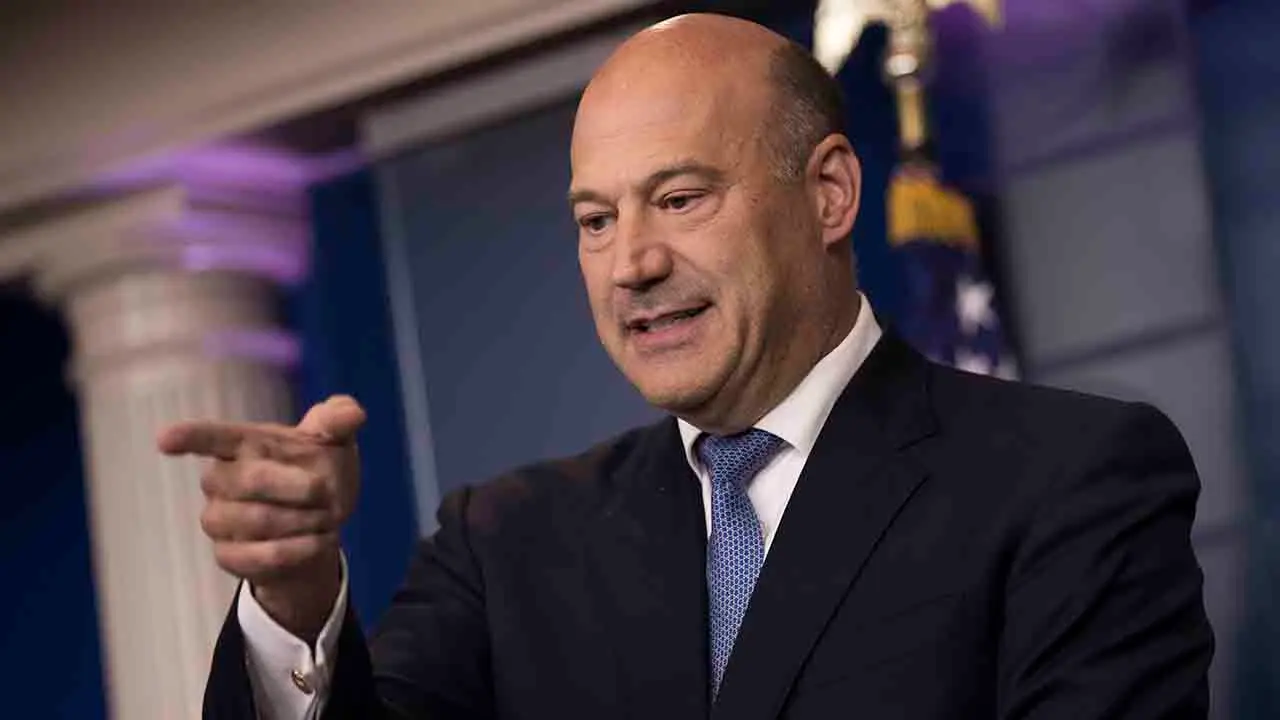
Former National Economic Council director Gary Cohn warned that markets are hanging on “every word” as the United States’ war on Iran stretches into a fourth week.

Joining “The Claman Countdown” on Monday, the former Trump economic official discussed how markets are behaving as President Donald Trump’s Operation Epic Fury begins to weigh heavily on Americans economically.

Advertisement

“I think volatility can be your friend, and it can be your enemy,” he said Monday. “Because remember, fear and greed are what drive markets. Volatility enhances fear and enhances greed.”

WALTZ SAYS TRUMP IS USING IRAN’S OWN OIL STRATEGY AGAINST ITSELF TO DRIVE DOWN GLOBAL PRICES

Airstrike damage in Iran

Rescuers work at the scene of a damaged building in the aftermath of Israeli strikes, in Tehran, Iran, on Friday, June 13, 2025. (Majid Asgaripour/WANA/Reuters / Reuters)

“Since we’ve been involved in this issue, this war in the Middle East, markets have been hanging on every word,” Cohn explained.

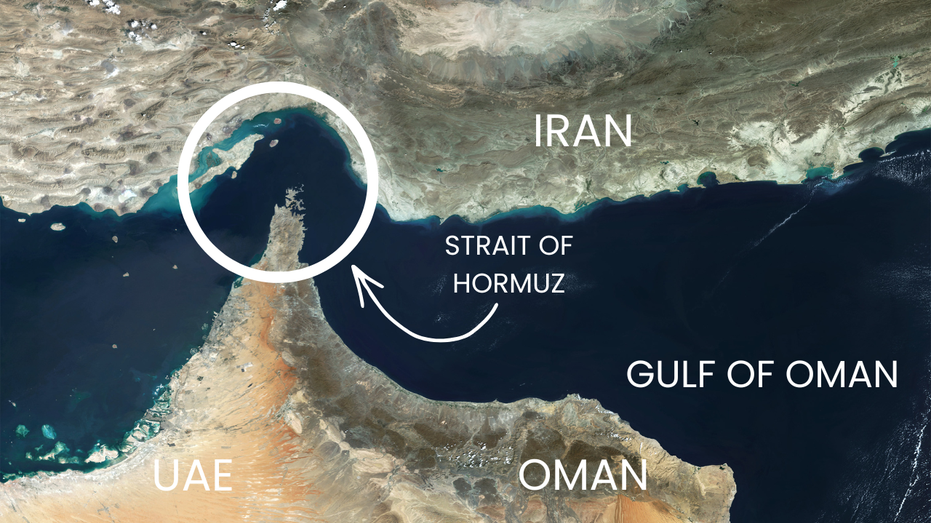
Cohn’s comments come amid a crisis in the Iran-controlled Strait of Hormuz, with U.S. ships still banned from passing through, driving up prices of goods domestically.

Advertisement

About 20% of the world’s crude oil and natural gas passes through the critical waterway, and with U.S. ships blocked, gas prices in the homeland are up more than $1.

The national average currently sits at $3.95 per gallon for regular gasoline, compared to $2.94 before the U.S. struck Iran, per AAA.

The economist said the Strait of Hormuz’s closure has led to “enormous” market volatility.

AIRLINES MAY CUT FLIGHT SCHEDULES AS IRAN TENSIONS DRIVE UP FUEL COSTS, EXPERTS WARN

Advertisement

A satellite image shows the Strait of Hormuz, a key maritime passage connecting the Persian Gulf to the Gulf of Oman, vital for global energy supply. (Amanda Macias/Fox News Digital / Getty Images)

“Markets are an edge. We know that,” Cohn said. “We’ve known that for the last couple of weeks.”

Cohn asserted that the state of the economy hinges on the outcome of the Middle East conflict, and the price of oil is at the center.

FROM BIDEN’S ‘WAR’ ON GAS PRICES TO ‘SMALL PRICE TO PAY’: GOP SHIFTS TONE AS IRAN CONFLICT HITS PUMPS

“Movement in oil… it’s weighing down heavily on stock markets and other assets,” the former NEC director said. “So right now, the biggest determinant in where we go in our short-term economy and long-term economy is what goes on in the Middle East. It is the price of oil. Everything else economically is in pretty fair shape.”

Advertisement

Cohn shared advice for investors on navigating volatile times, saying that markets are “fickle” and move quickly with just a hint of information.

A driver refuels a vehicle at a London service station as energy costs climb amid Middle East tensions.

A motorist fills their car with fuel at a petrol station in London, Britain, March 5, 2026, as oil and gas prices surge amid the conflict in the Middle East. (Jack Taylor/Reuters / Reuters)

“What the volatility means is you have to have a game plan. If you know where you wanna buy, and you know what you wanna sell, you will get opportunities to get in and out of markets that you may not have seen and think was possible.”

CLICK HERE TO DOWNLOAD THE FOX NEWS APP

Cohn also revealed the biggest mistake investors can make is acting out of “fear or greed” as they decide to make big moves or stay cautious.

Advertisement

When you think something’s really cheap, you need to buy it. You can’t wait for it to get cheaper. And I think traditional investors are always trying to buy the bottom and sell the top. As a professional investor, I’ve never once in my life bought the bottom and sold the top,” he said.

Continue Reading

Business

CEA Industries director Hans Thomas resigns from board

Published

on


CEA Industries director Hans Thomas resigns from board

Continue Reading

Business

Duluth Holdings: Showing Signs Of Stabilization

Published

on

Duluth Holdings: Showing Signs Of Stabilization

Duluth Holdings: Showing Signs Of Stabilization

Continue Reading

Business

Manhattan Associates: A Tough Set-Up, With Or Without AI Threat (NASDAQ:MANH)

Published

on

Manhattan Associates: A Tough Set-Up, With Or Without AI Threat (NASDAQ:MANH)

This article was written by

The Value Investor has a Master of Science with specialization in financial markets and a decade of experience tracking companies via catalytic company events.
As the leader of the investing group Value In Corporate Events they provide members with opportunities to capitalize on IPOs, mergers & acquisitions, earnings reports and changes in corporate capital allocation. Coverage includes 10 major events a month with an eye towards finding the best opportunities. Learn more.

Analyst’s Disclosure: I/we have no stock, option or similar derivative position in any of the companies mentioned, and no plans to initiate any such positions within the next 72 hours. I wrote this article myself, and it expresses my own opinions. I am not receiving compensation for it (other than from Seeking Alpha). I have no business relationship with any company whose stock is mentioned in this article.

Seeking Alpha’s Disclosure: Past performance is no guarantee of future results. No recommendation or advice is being given as to whether any investment is suitable for a particular investor. Any views or opinions expressed above may not reflect those of Seeking Alpha as a whole. Seeking Alpha is not a licensed securities dealer, broker or US investment adviser or investment bank. Our analysts are third party authors that include both professional investors and individual investors who may not be licensed or certified by any institute or regulatory body.

Advertisement
Continue Reading

Trending

Copyright © 2025