
Business
LaGuardia Airport TSA Lines Shorten to Under 15 Minutes as Staffing Stabilizes Post-Shutdown Chaos


NEW YORK — Travelers at LaGuardia Airport faced relatively manageable security wait times Wednesday as TSA staffing levels continued to recover from a recent federal funding lapse that triggered some of the longest lines in the airport’s history earlier this spring.

As of mid-morning on April 8, 2026, official airport data showed general security lines averaging between 4 and 14 minutes across terminals, with TSA PreCheck lanes moving even faster at 1 to 7 minutes. Terminal A reported the longest general wait at about 14 minutes, while Terminal C offered some of the quickest screening at around 4 minutes for standard passengers and just 1 minute for PreCheck.
The improvement marks a welcome shift from March, when a partial government shutdown and delayed TSA paychecks led to officer shortages, absenteeism and security lines that snaked for hours at LaGuardia and other New York-area airports. At the peak of the crisis, some passengers at LaGuardia’s Terminal B endured waits exceeding three or even four hours, prompting widespread frustration, missed flights and emergency measures including temporary deployment of other federal personnel.
Port Authority of New York and New Jersey officials and the Transportation Security Administration have attributed the recent easing to restored funding and stabilizing workforce levels. “TSA staffing is beginning to stabilize, but wait times remain subject to fluctuations based on passenger volume,” the LaGuardia Airport website cautioned travelers Wednesday. “Please allow extra time.”
Current Conditions at LaGuardia Terminals
LaGuardia operates three main terminals serving a mix of domestic and limited international flights. Real-time monitors Wednesday morning painted a picture of moderate activity rather than the bottlenecks seen weeks earlier:
- Terminal A: General line approximately 14 minutes; TSA PreCheck around 7 minutes.
- Terminal B: General line about 9 minutes; PreCheck roughly 6 minutes. This terminal, a hub for airlines including American, Delta and Southwest, has historically seen heavier crowds.
- Terminal C: General line near 4 minutes; PreCheck as low as 1 minute, making it the fastest option for many travelers.
Hourly forecasts from monitoring sites suggested potential spikes during typical midday rushes, with waits possibly climbing toward 15-30 minutes in the late morning and early afternoon before easing again in the evening. Early morning data from previous days showed occasional peaks near 30 minutes around 4-5 a.m. and midday, but current trends remained well below crisis levels.
Delta Air Lines’ own wait-time tracker aligned with these figures, reporting TSA PreCheck at LaGuardia around 6 minutes and regular lanes as low as 2 minutes in some snapshots early Wednesday.
Airport officials recommend checking the official LaGuardia website or the MyTSA app for the most current estimates, as times can shift rapidly with flight schedules, weather disruptions or sudden surges in passengers.
Lingering Effects of the TSA Funding Crisis
The spring 2026 TSA staffing crisis stemmed from a federal funding dispute that left thousands of officers working without timely pay. Absentee rates climbed as high as 11.7% on some days, forcing airports nationwide to operate with reduced checkpoints and longer processing times.
At LaGuardia, the impact was particularly visible. Video footage from early April showed long, snaking lines filling concourses, with passengers reporting waits of 90 minutes or more even in PreCheck lanes on busy afternoons. Some travelers described scenes of chaos, with families missing flights and business passengers scrambling to rebook.
In response, the Port Authority and TSA explored temporary solutions, including cross-training staff and, in limited cases, assistance from other agencies. President Donald Trump signed an executive action to accelerate back pay, which helped stem the exodus of officers and allowed lines to gradually shorten by early April.
By Easter weekend, many terminals at LaGuardia reported waits of just 1-3 minutes in general lanes, offering a brief respite. However, officials warned that full normalization could take weeks as recruitment and retention efforts continue. TSA has faced broader challenges in recent years, including high turnover and competition from other sectors for workers.
Tips for Smoother Security at LaGuardia
Travelers can take several steps to minimize delays amid fluctuating conditions:
- Enroll in TSA PreCheck or CLEAR: These programs consistently deliver the shortest waits. PreCheck allows eligible passengers to keep shoes, belts and light jackets on, while CLEAR uses biometric screening to skip to the front of the line.
- Arrive Early: Airport guidance suggests reaching LaGuardia at least two hours before domestic flights, or three hours for international or peak periods. Add buffer time if traveling with children, checked bags or during known busy windows (roughly 7:30-9:30 a.m. and 4:30-6:30 p.m.).
- Pack Smart: Follow the 3-1-1 liquids rule and remove electronics and large toiletries in advance to speed screening.
- Monitor Real-Time Data: Use the LaGuardia website, MyTSA app or third-party trackers like takeofftimer.com for live updates. Walk times from security to gates are also posted and typically range from 5-15 minutes depending on the terminal and gate location.
- Consider Alternatives: Some frequent flyers opt for rideshare drop-off timing or even private security fast-track services offered by certain terminals or airlines.
Despite shorter lines Wednesday, the airport urged caution. “Security wait times are significantly longer than normal” in some announcements, reflecting caution after the recent volatility.
Broader Context for New York-Area Travelers
LaGuardia’s security situation mirrors challenges at neighboring John F. Kennedy International and Newark Liberty airports, where lines have also eased but remain unpredictable. The three major New York airports handle tens of millions of passengers annually, making even modest staffing shortfalls noticeable.
Nationwide, TSA screened record numbers of travelers in recent years, with daily volumes often exceeding 2 million during peak seasons. The agency has pushed enrollment in PreCheck, which now covers millions of travelers, as a key tool for reducing congestion.
Aviation experts note that LaGuardia’s relatively compact layout compared to sprawling hubs like JFK can amplify the visibility of lines when they form. Recent terminal renovations have improved flow in some areas, but checkpoint capacity remains tied to available officers.
For international passengers or those connecting from overseas, additional CBP processing can add time after security, though LaGuardia’s international footprint is smaller than JFK’s.
Passenger Experiences and Airline Responses
Travelers shared mixed feedback on social media and forums Wednesday. Some praised quick passages through Terminal C PreCheck, while others noted minor backups at Terminal A during morning rushes. Reddit threads from recent weeks recounted everything from 48-minute standard-lane waits to near-empty PreCheck experiences, underscoring the variability.
Airlines including Delta, American and JetBlue have advised passengers via apps and emails to monitor TSA conditions and build in extra time. Some carriers have adjusted gate operations or offered rebooking flexibility during past disruptions.
Flight delays at LaGuardia on Wednesday appeared limited, though any security slowdown can cascade into gate holds and ground stops. The airport’s flight tracker showed typical midweek activity without major widespread disruptions tied to security.
Looking Ahead: Stability or New Challenges?
As TSA staffing recovers, attention turns to long-term solutions. Proposals include faster hiring pipelines, better pay incentives and technology upgrades such as advanced CT scanners that allow more liquids and electronics to remain in bags.
For now, the message from LaGuardia remains consistent: conditions are improving but not guaranteed. Passengers on Wednesday enjoyed some of the lighter waits seen in recent memory, yet the memory of multi-hour lines in March lingers.
Travelers departing later in the day or during evening peaks were advised to check updates closer to arrival. With spring travel season underway and summer vacations on the horizon, both the airport and TSA continue monitoring staffing to prevent a return to chaos.
For the latest figures, visitors should consult laguardiaairport.com or the MyTSA mobile application directly, as posted times are estimates and can evolve quickly with real-world conditions.


SYDNEY — Rachel Gilmore emerged as one of the most relatable and emotionally resonant brides on the 13th season of “Married at First Sight Australia,” captivating viewers with her warmth, vulnerability and journey from a self-described long-time singleton to a participant willing to marry a stranger on national television.

The 35-year-old recruitment team leader from Victoria brought heart and honesty to the Channel 9 experiment, which filmed in 2025 and aired into April 2026. While her on-screen romance with groom Steven Danyluk offered moments of hope and growth, post-experiment realities proved more complicated. Here are 10 essential things to know about Rachel Gilmore’s MAFS 2026 experience, drawn from the show, her own words and latest updates.
- Rachel was single for 14 years before MAFS. Entering the experiment, Gilmore openly shared that she had not been in a committed relationship for over a decade, relying instead on occasional “situationships” that left her emotionally drained. In her audition tape, she revealed a dating “game plan” born from repeated rejection and heartbreak. “It is extreme,” she told interviewers, explaining how one or two bad dates could leave her devastated for months. Her decision to join MAFS marked a bold step to break the cycle.
- She nearly didn’t apply due to crippling insecurities. Gilmore has spoken candidly about years of feeling unworthy after repeated romantic disappointments. In pre-show interviews, she admitted the idea of marrying a stranger felt overwhelming, yet she pushed through, hoping experts could help her find genuine connection. Her vulnerability resonated with many viewers who saw their own struggles reflected in her story.
- Matched with Steven Danyluk in the first wedding. Rachel was paired with Steven, another long-time singleton, in one of the season’s earliest ceremonies aboard a Sydney Harbour superyacht. The wedding had awkward moments — Steven initially struggled with compliments and a kiss — but Rachel’s bubbly personality and “maternal energy” helped ease tensions. She described him as bringing laughter and light into her life despite early hurdles.
- Intimacy Week delivered one of her toughest moments. The couple faced significant challenges during intimacy-focused tasks. Steven’s reluctance to be physically affectionate, including pulling away from a kiss, left Rachel feeling rejected and exposed. She later recounted becoming “emotionally raw” and needing space. Viewers reacted strongly, with many criticizing Steven’s handling of the situation while praising Rachel’s openness.
- A crude joke scandal tested their bond. Unseen footage from a dinner party showed Steven joking explicitly with fellow bride Bec Zacharia about his intimacy with Rachel. The clip surfaced during “After the Dinner Party,” leaving Rachel mortified and questioning whether Steven had her back. She articulated feeling unsupported, highlighting communication gaps that plagued the pair throughout the experiment.
- They reached Final Vows and committed to trying. Despite setbacks, Rachel and Steven attended Final Vows in early April 2026 episodes. Both delivered emotional speeches affirming growth and commitment. Rachel expressed finding something “rare” in Steven, while he spoke of diving in “headfirst, fearless.” They left the experiment intending to date in the real world, with Rachel discussing moving in together and Steven considering relocation.
- The relationship did not survive post-filming. Although they departed Final Vows as a couple, multiple insiders report the romance ended shortly afterward. Sources told outlets that Steven got “cold feet” about plans to visit Rachel in Melbourne or relocate from Sydney. Long-distance issues proved insurmountable, and Steven reportedly failed to follow through on commitments. No joint social media tributes appeared, adding to speculation.
- Rachel has been spotted moving on with a Big Brother star. In late March 2026, photos emerged of Gilmore looking cosy with “Big Brother” contestant Bruce Dunne. The sighting fueled rumors she was exploring new connections after the split. While details remain limited, the outing suggested Rachel was focusing on her own happiness following the MAFS whirlwind.
- She works as a recruitment team leader and values personality over looks. Outside the spotlight, Gilmore holds a professional role as a team leader in recruitment. On the show, she emphasized seeking deep emotional compatibility rather than superficial attraction. Her “heart of gold” and vibrant personality earned praise from experts John Aiken and Mel Schilling, who highlighted her maternal warmth and willingness to grow.
- Rachel’s Instagram and post-MAFS life reflect resilience. With the handle @rachlea_x, Gilmore shares glimpses of her journey, including MAFS highlights and personal reflections. Following the reunion special airing April 13, she is expected to address the split and any new developments. Fans continue to root for her, viewing her as a standout for authenticity in a drama-filled season. She has expressed gratitude for the experience while acknowledging its emotional toll.
Rachel Gilmore’s arc on MAFS Australia 2026 encapsulated the experiment’s core promise and pitfalls: the hope of expert-matched connection colliding with real-world complexities like distance, differing commitment levels and unresolved insecurities. Her openness about past dating struggles and on-screen emotional honesty made her a fan favorite, even as the relationship with Steven ultimately faltered.
Filmed months before airing, the season allowed post-experiment developments to leak gradually, heightening viewer engagement. While only a few couples, such as Stella and Filip, appear positioned for lasting success, Rachel’s story stood out for its relatability. Many viewers saw echoes of their own romantic challenges in her 14-year single streak and determination to try something radical.
The upcoming reunion promises further insight into Rachel’s perspective on the breakup and any lingering feelings toward Steven. Past reunions have featured raw confrontations and reflections; this year’s is anticipated to address long-distance failures and personal growth among participants.
Gilmore’s participation also sparked broader conversations about modern dating, body image, self-worth and the pressures of reality television. She addressed size and body image discussions on the show, pushing back against superficial judgments and advocating for personality-driven connections.
As the season concludes, Rachel joins a long list of MAFS alumni who gained public profiles while navigating intense scrutiny. Her resilience — choosing vulnerability on camera despite deep fears of rejection — has inspired messages of support across social media.
Experts note that MAFS success rates remain low overall, with most couples parting ways after the cameras stop. Rachel’s experience underscores the gap between the controlled experiment environment and everyday realities, particularly when geography and differing readiness levels come into play.
For fans, Rachel represented hope that even after years alone, openness to love could yield meaningful growth. Though her MAFS romance did not endure, her journey highlighted courage, self-reflection and the importance of clear communication — lessons that extend far beyond the show.
As the April 13 reunion approaches, attention will turn to how Rachel processes the outcome and what comes next in her personal life. Whether through new relationships, career focus or continued advocacy for authentic connections, her story remains one of the season’s most compelling.
In the competitive reality television landscape, participants like Rachel bring humanity to high-drama formats. Her willingness to share insecurities and celebrate small victories provided balance amid the season’s more explosive moments.
Rachel Gilmore may not have found her forever match on MAFS Australia 2026, but she gained national attention, personal insights and a platform to inspire others facing similar romantic hurdles. As she steps forward post-reunion, many will watch to see the next chapter in her journey toward the lasting connection she sought.
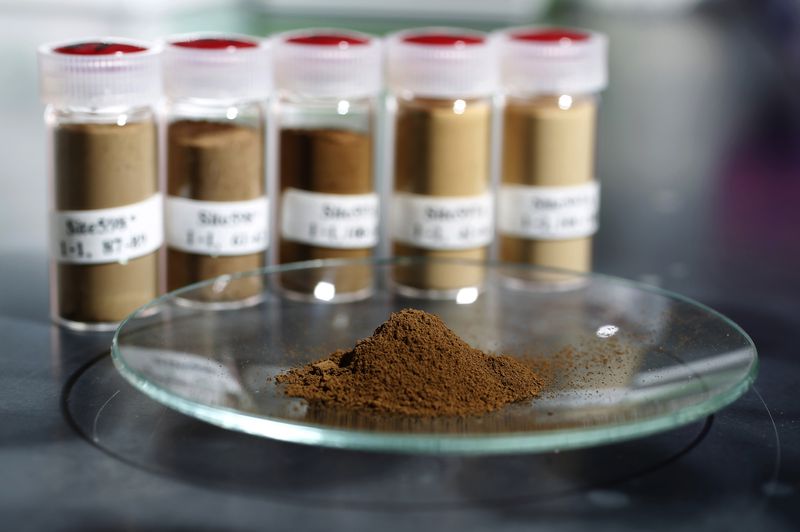

Ex-Rio Tinto CEO’s deep-sea mining firm to merge with Odyssey in $1 billion deal

Hamid Hosseini, spokesperson for Iran’s Oil, Gas and Petrochemical Products Exporters’ Union, stated that authorities intend to monitor all vessels passing through the waterway. “Iran needs to monitor what enters and exits the strait to ensure the ceasefire period is not used to move weapons,” Hosseini said. He added that while passage will remain open, inspections may slow transit times.
Under the proposed plan, ships would email their cargo information to receive a transit fee assessment, reportedly set at $1 per barrel. Payments would then be made using digital currencies. Hosseini noted that after the review, vessels would have a limited time to pay in bitcoin, a method designed to prevent tracing or seizure under sanctions.
This proposal indicates Tehran’s effort to maintain influence over a critical oil route while ceasefire talks continue. Reports also suggest Iran is encouraging vessels to sail closer to its coast, causing concern among Western and Gulf-linked operators.
Access through the Strait of Hormuz has become a central issue in efforts to extend the temporary ceasefire. Iran is pushing for tighter control, while Gulf nations and Western allies are opposing the move. U.S. President Donald Trump has stated that the ceasefire depends on Iran ensuring the “complete, immediate, and safe” reopening of the strait. Iran, however, has indicated that any reopening would follow a new security protocol coordinated with its military.

The uncertainty has led to hundreds of ships being stranded in the region. Estimates suggest between 300 and 400 vessels are waiting to leave the Gulf, with one industry executive comparing the buildup to a “traffic jam at sea.” Major shipping companies remain cautious. Maersk stated it is urgently assessing the evolving situation but warned that the ceasefire has not yet guaranteed safe passage. Experts believe that even under regulated conditions, only 10 to 15 ships may pass through daily, a significant reduction from the usual average of around 135, meaning delays could continue.
Any move granting Iran greater control over the strait is considered unacceptable by Gulf countries like Saudi Arabia, Qatar, and the UAE, given the route’s importance to global oil supplies. Ali Shihabi, a commentator with close ties to Saudi leadership, said uninterrupted access to the waterway must remain the priority. With negotiations ongoing and tensions persisting, the Strait of Hormuz remains at the center of a complex standoff involving security, diplomacy, and global energy flows.

Energy Transfer: 7.1% Yield And Potential Export Tailwinds Support Buy Case
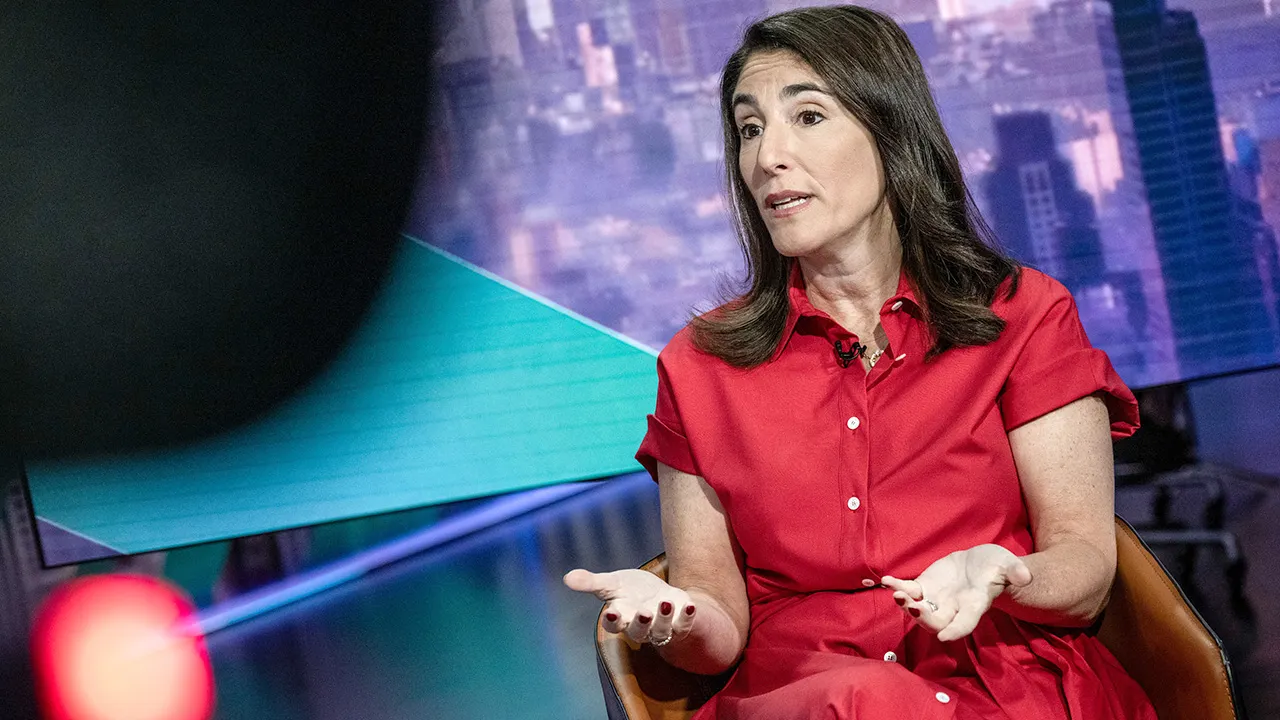
M2 Communities CEO Mitch Roschelle breaks down rising mortgage rates as war-driven inflation hits affordability and raises questions about when relief may come on Varney & Co.
A Federal Reserve policymaker is warning that it could make sense to raise interest rates if inflation remains elevated above the Fed’s 2% target amid uncertainty over the duration of the oil and gas price shock.
Federal Reserve Bank of Cleveland President Beth Hammack said in an interview with The Associated Press that she sees the central bank leaving the benchmark federal funds rate at its current level of 3.5% to 3.75% “for quite some time.”
Hammack also cautioned that while the Fed’s next rate move could be a cut due to labor market concerns, there is a possibility that it could be to hike rates to curb stubborn inflation.
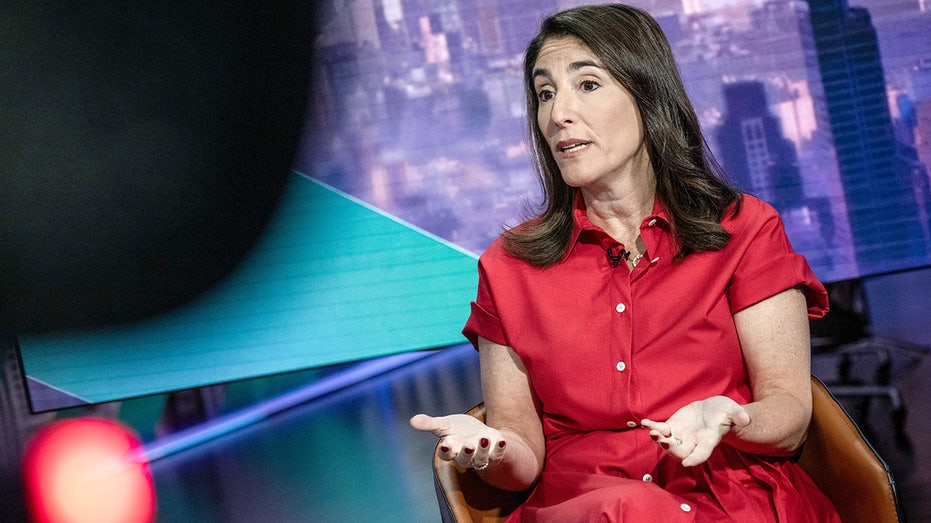
Cleveland Fed President Beth Hammack said that the Fed may need to hike rates to tame inflation, or may be compelled to cut rates to support the labor market. (Victor J. Blue/Bloomberg via Getty Images)
“I can foresee scenarios where we would need to reduce rates… if the labor market deteriorates significantly,” Hammack told the AP. “Or I could see where we might need to raise rates if inflation stays persistently above our target.”
NY FED PRESIDENT JOHN WILLIAMS WARNS IRAN-DRIVEN OIL SPIKE COULD RIPPLE THROUGH ECONOMY
Hammack noted that the Cleveland Fed’s estimates of inflation show that it could increase to 3.5% in April. That would amount to the highest inflation reading since 2024 and a significant increase from the consumer price index’s most recent reading of 2.4% in February.
“Inflation has been running above our target for more than five years now,” Hammack said in the interview, adding that a further increase would mean inflation is “moving in the wrong direction, away from our 2% objective.”
Hammack said that the surge in gas prices caused by the Iran war is “the No. 1 thing” she hears about when talking to people within her district, adding that she and other policymakers “know that causes a lot of pain personally, as it eats up a bigger and bigger share of people’s paychecks. So it’s important for us to stay focused on it.”
POWELL WARNS OF NEW ENERGY SUPPLY SHOCK AS GAS PRICES SURGE: ‘NO ONE KNOWS HOW BIG IT WILL BE’
The Cleveland Fed president – who is also a voting member of the central bank’s Federal Open Market Committee (FOMC) that makes interest rate decisions – said that the Iran war’s economic impact will depend on how long it lasts.
If higher energy costs prompt consumers to pull back on their spending, it could slow economic growth and cause businesses to conduct layoffs, prompting the Fed to cut interest rates to support the labor market.
IRAN WAR COULD PUSH INFLATION HIGHER THIS YEAR, GOLDMAN SACHS SAYS

Federal Reserve Chair Jerome Powell said last month that it was uncertain how the Iran war would impact the economy. (Amanda Andrade-Rhoades/Reuters)
Fed policymakers will get two sets of fresh inflation data this week, starting with the Commerce Department’s personal consumption expenditures (PCE) index for February which will be released on Thursday. The PCE index is the Fed’s preferred inflation gauge and the February edition of the report was delayed by the government shutdown.
Additionally, the Labor Department will release the consumer price index (CPI) inflation report for March on Friday.
GET FOX BUSINESS ON THE GO BY CLICKING HERE
The FOMC will hold its next monetary policy meeting on April 28–29, when it will announce whether the benchmark interest rate will be held steady, increased or reduced.
Policymakers left interest rates unchanged at their most recent meeting in March, after doing the same at the previous FOMC meeting in January.

Morgan Stanley predicts bull market for Indian stocks

“But if this [reverse migration] continues, it will have [a] significant impact, especially on micro, small and medium enterprises, particularly in labour-intensive sectors such as construction, textiles and manufacturing,” says Arvind Goel, co-chairman of the industrial relations committee of the Confederation of Indian Industry.

Automotive expert Mike Caudill analyzes the future of electric vehicles in the U.S. as rising gas prices shift consumer interest on ‘The Bottom Line.’
Ford Motor and other U.S. automakers have asked for relief from aluminum tariffs after fires at a major American factory created supply bottlenecks for vehicles, though the Trump administration so far has rejected the requests, according to a report.
The Wall Street Journal first reported that Ford petitioned the Trump administration for assistance, citing people with knowledge of the conversations.
The requests have come in recent weeks, according to the report, with the carmaker asking the government for relief from duties at least until Novelis’ aluminum rolling plant in Oswego, New York, returns to full service following two fires last year.
The Oswego facility, which is the largest domestic supplier of aluminum sheets for the U.S. automotive industry, is likely to remain offline until this June.
DEM SENATOR PUTS TRUMP ON NOTICE OVER ‘UNLAWFULLY COLLECTED’ TARIFF FUNDS AFTER SCOTUS LOSS

A Ford logo on a Ford F-150 pickup truck for sale in Encinitas, California, on Oct. 20, 2025. (Reuters/Mike Blake/File Photo / Reuters Photos)
The government has so far not budged, the report said, adding that the discussions are part of ongoing talks about the impact of President Donald Trump’s tariffs.
Trump officials told the companies they had already received some relief from national security tariffs last year, when major automakers were allowed to recoup part of the 25% duties on auto parts, the report said.

A Ford logo is seen on the Ford Motor World headquarters in Dearborn, Michigan, on March 12, 2025. (Reuters/Rebecca Cook/File Photo / Reuters Photos)
ONE YEAR LATER, TRUMP TARIFFS GENERATED BILLIONS AS REFUNDS TAKE SHAPE
A White House official told FOX Business via email that “the Administration is committed to a nimble and nuanced approach to reshoring manufacturing that’s critical to our national and economic security. While Ford and other automakers have raised supply concerns in light of the Novelis incident, they have not requested tariff relief on this matter in a particularly pronounced way.”
FOX Business has also reached out to Ford Motor.
“Novelis” can be read on the facade of the factory building of the company’s recycling center. Novelis is a manufacturer of rolled aluminum products. ( Klaus-Dietmar Gabbert/picture alliance via Getty Images / Getty Images)
Novelis has offset lost production by sourcing aluminum from its plants in South Korea and Europe, though those imports now face a 50% tariff under the Trump administration.
| Ticker | Security | Last | Change | Change % |
|---|---|---|---|---|
| F | FORD MOTOR CO. | 12.14 | +0.60 | +5.24% |
| STLA | STELLANTIS NV | 7.83 | +0.41 | +5.45% |
| GM | GENERAL MOTORS CO. | 76.10 | +3.33 | +4.58% |
GET FOX BUSINESS ON THE GO BY CLICKING HERE
The plant also supplies Stellantis and General Motors, but Ford is its largest customer, as its trucks, such as the F-150, rely heavily on aluminum bodies.
Reuters contributed to this report.

Shares of AXT Inc. (NASDAQ: AXTI) skyrocketed more than 19% midday Wednesday, climbing to $54.10 as investors piled into the semiconductor materials maker on renewed optimism over its role in supplying critical substrates for artificial intelligence infrastructure and data center expansion.

The stock, which manufactures compound semiconductor wafers including indium phosphide (InP), gallium arsenide (GaAs) and germanium substrates, jumped $8.64 or 19.01% from the previous close by late morning trading on April 8, 2026. Volume surged well above average, reflecting intense retail and institutional interest in small-cap AI plays amid a broader technology sector recovery.
AXT, based in Fremont, California, specializes in substrates essential for high-speed optical networking, 5G/6G communications, photonics and advanced AI chips. Indium phosphide, in particular, has emerged as a key material for high-performance lasers and transceivers used in hyperscale data centers powering generative AI workloads. Management has repeatedly highlighted strong InP demand tied directly to the AI build-out, with the company positioning itself to capture growth as cloud giants scale infrastructure.
The dramatic intraday move extended a highly volatile period for AXTI. The stock has experienced wild swings in recent weeks, including multiple double-digit percentage gains and sharp pullbacks. Earlier in March and late February, shares rallied on positive commentary around export permit improvements from China and expectations for sequential revenue growth in the first quarter. A notable dip followed an earnings-related reaction in early April, but bargain hunters quickly re-entered, driving the latest surge.
On April 7, AXT announced it would release first-quarter 2026 financial results after market close on April 30, followed by a conference call at 1:30 p.m. PT. The timing fueled speculation that investors are positioning ahead of potentially strong guidance or upbeat commentary on InP demand. In prior updates, CEO Morris Young noted improving export permit receipts in early 2026 and the company’s efforts to double indium phosphide production capacity to meet customer needs.
Analysts and market observers pointed to AXT’s niche but strategically important position in the semiconductor supply chain. While the company remains unprofitable — posting net losses in recent quarters — its products support technologies at the heart of the AI revolution. InP substrates enable faster data transmission with lower power consumption, critical for optical interconnects in AI servers and networking gear from companies like Broadcom, Cisco and others ramping up AI infrastructure.
“Demand for indium phosphide continues to be driven by AI infrastructure build-out,” Young said in earlier remarks, citing a substantial backlog and expectations for sequential growth. Some reports indicated the company’s backlog exceeded $60 million in recent periods, with particular strength in InP for photonics applications.
The company’s challenges include heavy reliance on operations in China through its Tongmei subsidiary, subject to U.S.-China trade tensions and export licensing requirements for certain materials. Earlier in 2026, AXT adjusted its fourth-quarter 2025 revenue guidance downward due to slower-than-expected indium phosphide export permits, contributing to volatility. However, management signaled improvement in early 2026, helping restore investor confidence.
AXT reported fourth-quarter 2025 revenue of approximately $23 million, with full-year revenue around $88 million. Gross margins remained under pressure, and the company continued to report net losses, reflecting investments in capacity expansion and ongoing operational costs. Analysts project continued losses in Q1 2026, with consensus estimates around a loss of $0.05 per share on revenue near $26-27 million, though beats on guidance could catalyze further upside.
Wall Street opinions remain mixed. Some firms maintain Buy ratings, citing long-term potential in AI photonics, while others have expressed caution over valuation after the stock’s massive run and persistent unprofitability. Consensus price targets have varied widely, with some significantly below recent trading levels, highlighting the speculative nature of the name. The stock has seen extraordinary gains over the past year, at times multiplying several-fold on AI enthusiasm, but also enduring sharp corrections.
Insider activity added another layer of intrigue. In March, CEO Morris Young sold shares worth approximately $1.4 million, and other executives and directors executed planned sales. Such transactions often occur for diversification or liquidity reasons and do not necessarily signal negative outlooks, though they draw attention in a high-volatility stock.
The broader market context supported the rally. Technology stocks rebounded Wednesday as investors rotated toward growth-oriented names with AI exposure. Smaller semiconductor and materials plays like AXT often amplify moves in the sector due to lower float and high retail interest.
For AXT, the path forward hinges on execution. The company continues efforts to expand capacity while navigating geopolitical risks. Its STAR Market IPO process for the Tongmei subsidiary in China remains under regulatory review, a development that could eventually provide additional capital or strategic flexibility if approved.
Investors will watch the April 30 earnings closely for updates on revenue trends, InP shipment volumes, margin improvement and any color on full-year 2026 outlook. Positive surprises on demand or permit progress could sustain momentum, while any softening in guidance or renewed export hurdles might trigger profit-taking.
AXT’s products serve diverse end markets beyond AI, including wireless communications, solar cells, LEDs and aerospace. However, the current narrative centers almost entirely on its potential role in the data center AI boom. As hyperscalers and networking firms accelerate deployments of 800G and 1.6T optical transceivers, demand for high-quality InP substrates is expected to grow substantially.
Critics note that AXT faces competition from larger, more diversified players such as Sumitomo Electric and others with stronger balance sheets. Achieving consistent profitability remains a key hurdle, with negative gross margins in some recent periods underscoring the need for scale and operational efficiencies.
Despite the risks, the stock’s performance illustrates the market’s appetite for pure-play exposure to emerging technologies. Retail traders have driven much of the recent volatility, with social media and trading forums buzzing about AXTI as an “AI sleeper” stock.
As trading continued Wednesday, attention turned to whether the surge would hold into the close or face resistance near recent highs. Technical analysts noted key support and resistance levels shifting rapidly amid the momentum.
For long-term investors, AXT represents a high-risk, high-reward bet on the semiconductor materials supply chain. The company’s ability to scale production, secure stable export permissions and improve financial metrics will determine whether the current enthusiasm translates into sustainable value creation.
In the near term, the buildup to Q1 earnings on April 30 provides the next major catalyst. With shares already reflecting significant optimism, any disappointment could lead to a sharp reversal, consistent with the stock’s history of dramatic swings.
AXT Inc. employs hundreds worldwide and operates manufacturing facilities in the U.S. and China. Its substrates are foundational components in compound semiconductors that enable faster, more efficient electronics critical to modern connectivity and computing.
As the AI infrastructure supercycle unfolds, niche suppliers like AXT find themselves in the spotlight. Wednesday’s 19% surge served as the latest reminder of how quickly sentiment can shift in this volatile corner of the market.


Donovan Jones is an IPO research specialist with 15 years of experience analyzing investment opportunities for U.S. IPOs.He also leads the investing group IPO Edge, which offers actionable information on growth stocks through first-look IPO filings, previews on upcoming IPOs, an IPO calendar for tracking what’s on the horizon, a database of U.S. IPOs, and a guide to IPO investing to walk you through the entire IPO lifecycle – from filing to listing to quiet period and lockup expiration dates. Learn more
Analyst’s Disclosure: I/we have no stock, option or similar derivative position in any of the companies mentioned, and no plans to initiate any such positions within the next 72 hours. I wrote this article myself, and it expresses my own opinions. I am not receiving compensation for it (other than from Seeking Alpha). I have no business relationship with any company whose stock is mentioned in this article.
Seeking Alpha’s Disclosure: Past performance is no guarantee of future results. No recommendation or advice is being given as to whether any investment is suitable for a particular investor. Any views or opinions expressed above may not reflect those of Seeking Alpha as a whole. Seeking Alpha is not a licensed securities dealer, broker or US investment adviser or investment bank. Our analysts are third party authors that include both professional investors and individual investors who may not be licensed or certified by any institute or regulatory body.

Israel intensifies attacks on Lebanon, striking children

Bonfrere Questions NFF Leadership After Super Eagles Miss Back-to-Back World Cups

Anthropic unveils new powerful AI that finds software flaws, but says it's too dangerous to release


-

 NewsBeat6 days ago
Steven Gerrard disagrees with Gary Neville over ‘shock’ Chelsea and Arsenal claim | Football
-

 Business6 days ago
No Jackpot Winner and $194 Million Prize Rolls Over
-

 Fashion5 days ago
Weekend Open Thread: Spanx – Corporette.com
-

 Crypto World7 days ago
Gold Price Prediction: Worst Month in 17 Years fo Save Haven Rock
-

 Business4 days ago
Expert Picks for Every Need
-

 Business3 days ago
Three Gulf funds agree to back Paramount’s $81 billion takeover of Warner, WSJ reports
-

 Sports4 days ago
India men’s 4x400m and mixed 4x100m relay teams register big progress | Other Sports News
-

 Business7 days ago
Login and Checkout Issues Spark Merchant Frustration
-

 Tech19 hours ago
How Long Can You Drive With Expired Registration? What Florida Law Says
-
Business3 days ago
No Jackpot Winner, Prize to Climb to $231 Million
-

 Tech6 days ago
Commonwealth Fusion Systems leans on magnets for near-term revenue
-

 Fashion2 days ago
Massimo Dutti Offers Inspiration for Your Summer Mood Board
-
 Tech7 days ago
Drawing Tablet Controls Laser In Real-Time
-

 Crypto World7 days ago
Ripple rolls out enterprise crypto treasury platform for corporates
-

 Fashion1 day ago
Let’s Discuss: DEI in 2026
-
Politics5 days ago
Wings Over Scotland | The quality of mercy
-

 Crypto World7 days ago
Why It’s Partnering, Not Issuing
-
 Sports7 days ago
Steal Gary Woodland’s subtle power move for longer drives
-
Sports7 days ago
Tom Pelissero Drives the Final Nail in the Coffin
-

 Tech7 days ago
Battery Tester Outperforms Cheaper Options
You must be logged in to post a comment Login