Connect with us

Business

Leasing deal agreed for third huge floating offshore windfarm in the Celtic Sea

Published

on

Leasing deal agreed for third huge floating offshore windfarm in the Celtic Sea

The 1.5 gigwatt project from Ocean Winds would straddle both Welsh and English waters in the Celtic Sea

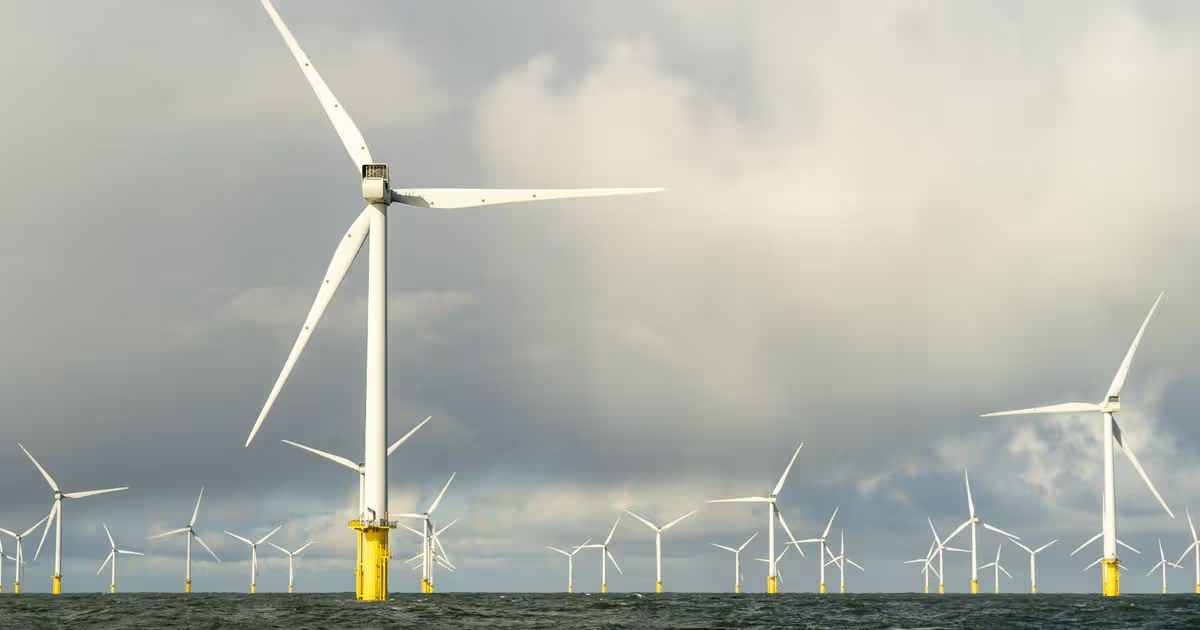
Undated file photo of an offshore windfarm.

Floating offshore wind(Image: PA)

A leasing agreement for a huge floating offshore windfarm in the Celtic Sea, which would straddle both English and Welsh waters, has been agreed. Ocean Winds, the 50-50 joint venture between Spanish firm EDPR Renewables and French venture ENGIE, has entered into an agreement with the Crown Estate for a 1.5 gigawatt project.

It comes after last year Norwegian energy venture Equinor and Gwynt Glas – a joint venture between EDF power solutions and Irish Government-owned ESB – entered into lease deals with owner of the seabed for their respective 1.5 gigawatt floating wind farm schemes.

The project from Gwynt Glas is solely in Welsh waters off the coast of Pembrokeshire, while the scheme from Equinor is located wholly in English waters. The leasing deals were struck under the Crown Estates’s offshore wind leasing round five.

A bidder for the site in both Welsh and English waters initially failed to materialise following a competitive bid process, which led the Crown Estate to re-engage with the marketplace and the resulting agreement with Ocean Winds.

Advertisement

READ MORE: The verdict on the promise of £14bn of rail investment in Wales over the long-termREAD MORE: We shouldn’t get hung up on firms being Welsh-owned but those with potential for growth

Once all three are operational, which will be in the mid 2030s, they will have combined capacity for 4.5 gigawatt of clean energy that would generate the electricity needs for more than four million homes and create more than 5,000 direct and supply chain jobs – creating a £1.5bn economic boost.

However, it is not clear how many supply jobs will be Wales and UK-based. All three operators will also be seeking contract for difference support, which will ensure energy produced will be commercially viable, from the UK Government. Turbines could be as high as the Shard building in London at 300 metres on floating platforms similar in size to a football pitch. They will be anchored to the seabed via huge chains.

In its Senedd Election manifesto Reform said it would block all new onshore and offshore renewable projects in Wales. The Celtic Sea projects are not a devolved planning matter, so would require Reform to form the next Westminster Government to implement.

Advertisement

Ocean Winds is a global leader in floating technology and delivered the world’s first semi-submersible floating wind farm, WindFloat Atlantic, in Portugal in 2020. It also delivered fixed bottom offshore wind in the UK including Moray East and Moray West.

Ocean Winds will now focus on developing its project designs, delivering onshore and offshore site surveys, Environmental Impact Assessments (EIA), public engagement and securing planning consents.

Julia Rose, head of offshore wind at the Crown Estate, said: “Round five is such an exciting opportunity to establish an innovative new technology at commercial scale in the UK, supporting many new jobs whilst also contributing to our national energy security and clean energy transition.

“Ocean Winds entering into an agreement for lease for their site in the Celtic Sea is a significant moment and testament to the attractiveness of the UK’s world-leading offshore wind sector. We’re delighted they have achieved this milestone and look forward to working closely with them as they begin their development stage.”

Advertisement

Adam Morrison, UK country manager at Ocean Winds said: “Signing the agreement for lease for the Celtic Sea site demonstrates our commitment to the development of commercial scale floating offshore wind in the UK. Over the coming years we will begin early-stage development work, engaging with local stakeholders to identify opportunities to deliver lasting benefits to our local communities whilst supporting the UK’s energy security and net zero objectives.”

Michael Shanks, Minister for Energy, said: “This is a big step forward, not just for the Celtic Sea, but for Britain’s clean energy future. We’re seeing real momentum behind floating offshore wind and we’re backing an industry where the UK has the expertise to lead.

“This project will mean new skilled jobs and opportunities for communities across Wales and the south West of England. Offshore wind is the backbone of a secure energy system, and today’s milestone shows we’re getting on with the job – investment, jobs and clean, homegrown power that we control.”

Welsh Government Cabinet Secretary for Economy, Energy and Planning, Rebecca Evans said: “This agreement marks another major step forward in our mission to make Britain a clean energy superpower. Ocean Winds joining Equinor and Gwynt Glas in the Celtic Sea demonstrates continued investor confidence in Wales. These projects will create thousands of skilled jobs and help secure our energy independence for generations to come.”


Advertisement
Continue Reading
Click to comment

Leave a Reply

Your email address will not be published. Required fields are marked *

Business

Red Cat Holdings: Poised For Explosive Growth As Military Drone Contracts Accelerate

Published

on

Red Cat Holdings: Poised For Explosive Growth As Military Drone Contracts Accelerate

Red Cat Holdings: Poised For Explosive Growth As Military Drone Contracts Accelerate

Continue Reading

Business

BJ's Restaurants: Another Pizookie Dip Worth Buying

Published

on

BJ's Restaurants: Another Pizookie Dip Worth Buying

BJ's Restaurants: Another Pizookie Dip Worth Buying

Continue Reading

Business

Two right-wing politicians lead in Peru’s presidential race, but most are undecided, poll says

Published

on

Two right-wing politicians lead in Peru’s presidential race, but most are undecided, poll says


Two right-wing politicians lead in Peru’s presidential race, but most are undecided, poll says

Continue Reading

Business

Netflix (NFLX) Shares Dip Amid Analyst Downgrade, Trading Around $98 on Volatile Session

Published

on

Netflix said it was appealing against the decision

Netflix Inc. shares declined modestly in intraday trading Monday as investors digested a fresh analyst downgrade amid ongoing shifts in the streaming giant’s strategic priorities, including a pivot toward organic growth and artificial intelligence integration following the abandonment of a potential blockbuster acquisition.

Netflix’s stock (NASDAQ: NFLX) opened at approximately $97.69 and ranged between a low of $96.58 and a high of $98.94, with shares changing hands at around $97.58 to $97.96 in recent updates, down roughly 1.2% to 1.5% from the previous close of $99.02. Volume exceeded 23 million shares in early afternoon trading, below the average but reflecting continued interest in the entertainment sector leader.

Netflix said it was appealing against the decision
AFP

The pullback follows a period of volatility for the Los Gatos, California-based company. Netflix stock has navigated a choppy path in early 2026, with a notable surge in late February that contributed to a 15.3% monthly gain, according to S&P Global Market Intelligence data. That rally was fueled in part by relief from the company’s decision to walk away from pursuing a deal for Warner Bros. Discovery assets, a move that investors viewed as preserving financial discipline rather than risking overextension in a competitive media landscape.

Analysts have highlighted the strategic repositioning. Netflix is channeling resources into core streaming operations, with commitments to approximately $20 billion in content investment this year, while exploring AI-driven tools to enhance filmmaking efficiency. The company recently acquired InterPositive, an AI filmmaking startup, signaling deeper integration of technology in content production. This shift emphasizes organic subscriber growth, advertising revenue expansion — projected to double in 2026 compared to the prior year — and free cash flow generation, with some forecasts pointing to around $11 billion by year-end.

However, not all views are uniformly positive. Wells Fargo downgraded Netflix shares, citing concerns over elevated content spending and signs of decelerating revenue momentum. The note contributed to selling pressure, though broader market sentiment remains mixed. Consensus analyst price targets hover around $113 to $116, implying potential upside from current levels, with some optimistic calls reaching higher.

Advertisement

Netflix’s fundamentals continue to reflect its dominance in streaming. Trailing price-to-earnings ratio stands near 39, with forward estimates at about 31. Market capitalization approximates $418 billion, underscoring its scale in the entertainment industry. The stock’s 52-week range spans $75.01 to $134.12, with the current price sitting well below last summer’s peak but above the yearly low.

Recent performance has been influenced by broader industry dynamics. Streaming competition remains fierce, with rivals including Disney+, Amazon Prime Video and others vying for subscriber attention. Netflix’s ad-supported tier has gained traction, helping offset slower paid subscriber additions in some regions. The company has also benefited from hits in its original programming slate and live events, bolstering viewer engagement.

Looking ahead, investors are monitoring Netflix’s path to sustained profitability and cash flow amid macroeconomic uncertainties, including interest rate environments and consumer spending patterns. The company’s emphasis on balance-sheet strength — opting for internal growth over large-scale mergers — has resonated with some Wall Street firms, such as JPMorgan, which resumed coverage with an Overweight rating and a $120 target post the Warner Bros. deal exit.

Netflix executives have expressed confidence in long-term opportunities, particularly in advertising and international expansion. Revenue growth guidance for 2026 has been characterized as robust in some quarters, with expectations around 13% to 15% in certain scenarios, though operating margins may face pressure from content outlays.

Advertisement

As of March 9, 2026, with U.S. markets active, Netflix shares reflect a cautious tone amid these developments. The stock’s movement underscores the challenges and opportunities facing legacy media players in an evolving digital landscape, where technology integration and disciplined capital allocation increasingly define success.

The day’s trading activity highlights ongoing investor scrutiny of Netflix’s ability to balance aggressive content investment with profitability goals. While the downgrade added near-term pressure, the company’s market position, subscriber base and innovation efforts continue to support a generally constructive outlook among many analysts.

Continue Reading

Business

Q Mixers debuts sparkling mixers

Published

on

Q Mixers debuts sparkling mixers

The mixers are intended as additions to cocktails, mocktails or enjoyed as a standalone beverage. 

Continue Reading

Business

10 Essential Facts About Jennifer Runyon: Remembering the 'Ghostbusters' Star Who Passed at 65

Published

on

Jennifer Runyon

Jennifer Runyon, the beloved actress whose sunny presence brightened 1980s screens in Ghostbusters, Charles in Charge and A Very Brady Christmas, died March 6, 2026, at age 65 after a six-month battle with cancer.

Continue Reading

Business

Poland stocks lower at close of trade; WIG30 down 0.25%

Published

on


Poland stocks lower at close of trade; WIG30 down 0.25%

Continue Reading

Business

Oil Prices Surge Past $100 Amid Escalating Middle East Conflict, Iran War Disruptions

Published

on

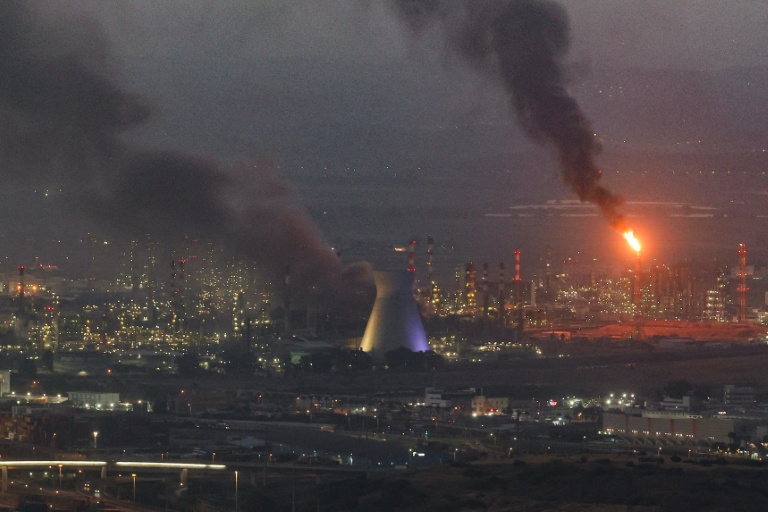
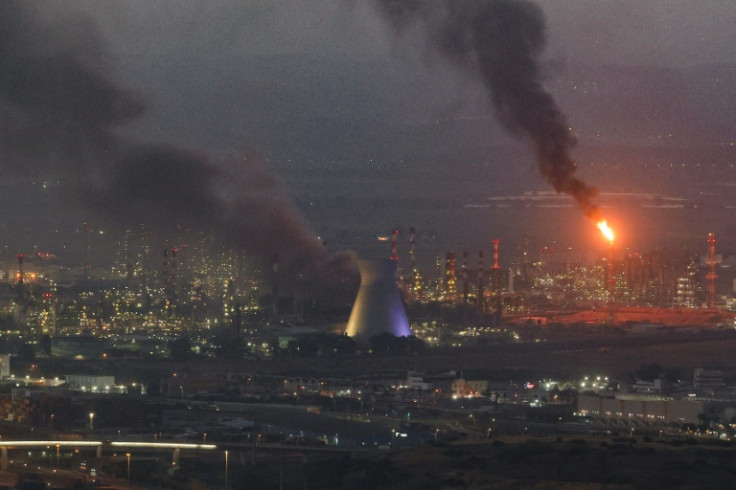
Israel and Iran launched multiple rockets at each other for a fourth day, putting more upward pressure on oil prices

Crude oil prices rocketed above $100 per barrel in volatile trading on March 9, 2026, as the intensifying conflict involving Iran, Israel and the United States disrupted key Middle East supply routes and prompted production cuts by major exporters. The sharp rally, one of the most dramatic in recent years, sent shockwaves through global markets, fueling inflation fears and pressuring equities.

Israel and Iran launched multiple rockets at each other for a fourth day, putting more upward pressure on oil prices
AFP

West Texas Intermediate (WTI) crude futures, the U.S. benchmark, climbed as high as $119.48 per barrel in early trading before paring gains to settle around $96 to $101 per barrel, up roughly 6% to 11% on the day depending on the contract. Brent crude, the international standard, followed a similar path, peaking near $119.50 before closing in the $99 to $102 range, reflecting gains of 7% to 10%.

The surge marked a stunning reversal from earlier 2026 levels, when prices hovered below $60 per barrel at the year’s start. Since late February, when U.S. and Israeli strikes escalated against Iran, Brent has jumped as much as 65% and WTI by 78% in some sessions. Analysts attribute the spike primarily to fears of prolonged supply interruptions through the Strait of Hormuz, a chokepoint for about 20% of global oil trade.

Major Middle Eastern producers, including Saudi Arabia and other OPEC members, began curtailing output in response to the disruptions. Qatar’s energy minister warned that the war could “bring down the economies of the world,” predicting potential shutdowns across Gulf exporters and prices climbing toward $150 per barrel if tensions persist. Reports indicated halted shipments and involuntary reductions, exacerbating the tight supply outlook.

The conflict’s expansion has raised concerns over broader energy security. Disruptions in the Strait of Hormuz and related shipping lanes have forced rerouting, increasing costs and transit times. Some tanker tracking data showed declines in certain export flows, though others, like Russian crude to China, hit records as alternative suppliers stepped in.

Advertisement

Global financial markets reacted sharply. Stocks pared losses but remained under pressure, with the Dow dropping hundreds of points amid stagflation worries—rising energy costs coupled with potential economic slowdowns. Gasoline prices in the U.S. climbed, with the national average reaching around $3.47 per gallon by March 9, up significantly in recent weeks. Internationally, countries like the Philippines braced for substantial pump price hikes, with diesel potentially rising 17 to 24 pesos per liter starting March 10.

OPEC+ dynamics added complexity. The group—led by Saudi Arabia and Russia—had maintained production pauses through March 2026, extending voluntary cuts amid earlier oversupply fears. Recent IEA and OPEC reports projected balanced or slight surplus conditions for the year, with global supply growth of about 2.4 million barrels per day (mb/d) in 2026, split between OPEC+ and non-OPEC producers. Demand forecasts called for modest increases of 1.3 to 1.4 mb/d annually.

However, the geopolitical shock overrode those fundamentals temporarily. Pre-conflict outlooks from J.P. Morgan and others anticipated Brent averaging around $60 per barrel in 2026 due to expected surpluses and softening demand. Now, short-term models point to higher averages, with Trading Economics forecasting Brent at $107 by quarter’s end and $118 in 12 months.

The G7 postponed decisions on releasing strategic reserves, wary of depleting buffers amid uncertainty. Some analysts suggested targeted interventions could cap rallies, but prolonged conflict might sustain elevated prices.

Advertisement

Broader implications loom for consumers and economies. Higher oil feeds into transportation, manufacturing and heating costs, potentially stoking inflation at a time when central banks monitor recovery signals. Airlines, shipping firms and refiners face margin squeezes, while oil-dependent exporters like those in the Gulf see revenue boosts offset by production risks.

Market participants watch for de-escalation signals or further military developments. Brief, geopolitically driven spikes have historically subsided once supply stabilizes, but the current war’s scope—targeting energy infrastructure indirectly—introduces unknowns.

As of March 10, 2026, prices remained elevated but volatile in after-hours and early Asian trading. Traders braced for continued swings, with supply news and diplomatic updates likely dictating direction.

The oil market’s dramatic turn underscores energy’s vulnerability to geopolitics. What began as contained tensions has morphed into a major driver of global prices, reminding stakeholders of the thin line between stability and disruption in world energy flows.

Advertisement
Continue Reading

Business

Strait of Hormuz crisis sends oil price close to $120 as Middle East conflict rattles global markets

Published

on

Shell’s chief executive Wael Sawan has warned that a worsening of the conflict between Israel and Iran could deliver a major shock to the global economy, as geopolitical tensions threaten to choke off one of the world’s most important energy supply routes.

Oil prices surged to their highest levels in nearly three years as escalating conflict in the Middle East disrupted energy supplies and triggered fears of a major global shock to oil markets.

The global benchmark Brent crude oil briefly climbed to $119.50 a barrel in overnight trading, the first time prices have approached $120 since 2022, before easing back to around $107 after reports that the Group of Seven could release strategic oil reserves to stabilise markets.

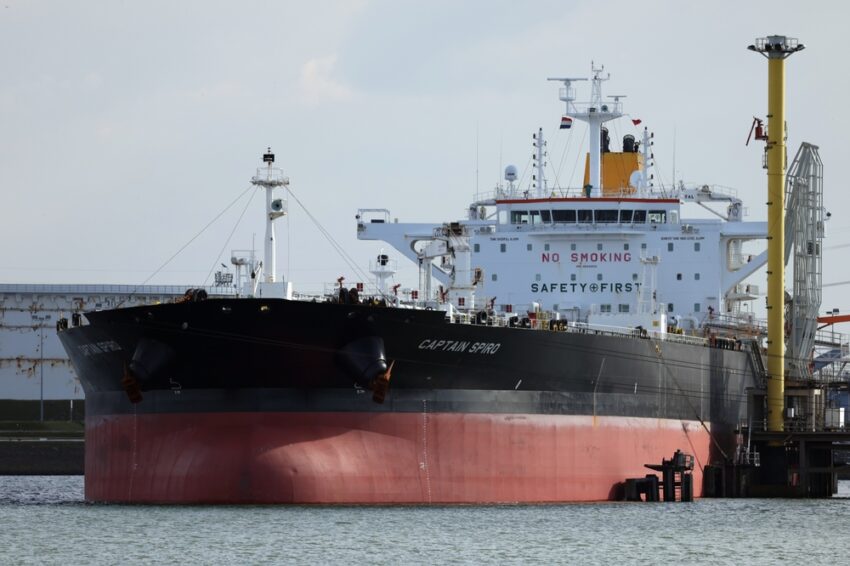
The sharp spike came as shipping through the Strait of Hormuz, one of the world’s most important energy corridors, ground to a near halt following escalating military tensions involving Iran, the United States and Israel.

The Strait of Hormuz, a narrow waterway linking the Persian Gulf with the Gulf of Oman, normally carries around 20% of the world’s oil exports. The latest conflict has seen tanker traffic collapse as insurers, shipping companies and crews refuse to risk the route.

According to data from shipping tracker MarineTraffic, only nine commercial vessels passed through the strait last week, compared with a typical daily average of about 50 before hostilities intensified.

Advertisement

Iran’s Islamic Revolutionary Guard Corps has warned that any vessels attempting to pass through the waterway could be targeted, threatening to “set ablaze” ships using the route.

The disruption has forced energy traders and governments to confront the possibility of one of the largest supply shocks since the 1970s oil crises.

Brent crude has already risen more than 50% since the start of 2026, when prices were hovering around $61 a barrel.

The surge accelerated dramatically after several Gulf producers, including Qatar, United Arab Emirates, Kuwait and Iraq, cut production amid the growing conflict.

Advertisement

Analysts at Goldman Sachs warned that prices could climb even higher if tanker flows do not recover quickly.

The bank said Brent crude could surpass the $146 peak reached during the 2008 oil crisis if the strait remains closed for an extended period.

“Our analysis suggests that developments in the Persian Gulf represent one of the most severe disruptions to global energy supply in decades,” Goldman said in a note to investors.

The crisis has already severely impacted production in Iraq, one of the largest oil exporters in the region.

Advertisement

Output from Iraq’s main southern oilfields has reportedly dropped by 70% to about 1.3 million barrels per day, compared with roughly 4.3 million barrels per day before the conflict escalated.

Officials from the state-run Basra Oil Company said exports had effectively stalled because tankers were unable to reach the country’s main terminals.

Storage facilities in southern Iraq have reportedly reached full capacity as crude continues to be pumped but cannot be shipped.

“This is the most serious operational threat Iraq has faced in more than 20 years,” a senior official from the Iraqi oil ministry told Reuters.

Advertisement

Economists warn the energy shock could ripple across the global economy if prices remain elevated.

Analysts at JPMorgan Chase estimate that oil prices stabilising around $120 per barrel could add more than one percentage point to global inflation and reduce economic growth by up to 1.2 percentage points.

The surge has already pushed investors toward safe-haven assets, strengthening the US dollar and triggering volatility in equity markets.

Asian stock markets suffered steep declines earlier in the week as investors reacted to the possibility of prolonged disruption to energy flows.

Advertisement

Industry data suggests hundreds of oil tankers are effectively stranded around the Persian Gulf region as shipowners adopt a “wait-and-see” approach.

Goldman Sachs analysts said many shipping companies were unwilling to risk sending vessels through the Strait of Hormuz while the security situation remains uncertain.

“Most shippers are currently in a wait-and-see mode while physical risks in the strait remain elevated,” the bank said.

The disruption is already significantly larger than the shock caused by Russia’s invasion of Ukraine in 2022, according to early trade flow analysis.

Advertisement

G7 considers emergency oil release

To prevent the crisis spiralling further, finance ministers from the G7 are expected to meet to discuss releasing crude oil from emergency strategic reserves.

Such coordinated releases have previously been used to stabilise markets during supply shocks, including during the early months of the Ukraine war.

However, analysts warn that emergency stockpiles may only provide temporary relief if the shipping disruption continues.

Advertisement

The surge in energy prices has also complicated the outlook for global monetary policy.

Traders have sharply scaled back expectations of interest rate cuts from major central banks, fearing the energy shock could trigger a fresh wave of inflation.

Economists at Deutsche Bank warned that if oil prices remain elevated the Bank of England may cut interest rates only once in 2026.

Chief UK economist Sanjay Raja said inflation in Britain could rise as high as 3.8% if energy costs remain elevated.

Advertisement

In that scenario, he suggested the UK government could be forced to consider fuel duty reductions to offset rising household energy and transport costs.

Some economists believe the crisis could rival some of the most significant oil disruptions in modern history.

Nobel Prize-winning economist Paul Krugman said the situation could potentially exceed previous shocks linked to the 1973 Yom Kippur War and the 1979 Iranian revolution.

“The disruption of world oil supplies caused by the war in Iran looks extremely serious,” Krugman wrote.

Advertisement

“If the Strait of Hormuz remains closed for an extended period, this will be a worse disruption than either of those historic energy crises.”

For now, global markets remain focused on whether tanker traffic can resume through the strait, a development that could quickly bring oil prices down, or whether the conflict will deepen into a prolonged geopolitical and economic shock.


Jamie Young

Jamie Young

Jamie is Senior Reporter at Business Matters, bringing over a decade of experience in UK SME business reporting.
Jamie holds a degree in Business Administration and regularly participates in industry conferences and workshops.

When not reporting on the latest business developments, Jamie is passionate about mentoring up-and-coming journalists and entrepreneurs to inspire the next generation of business leaders.

Advertisement

Continue Reading

Business

Hi-Chew parent to acquire My/Mochi

Published

on

Hi-Chew parent to acquire My/Mochi

The deal will propel Morinaga & Co., Ltd. into the $8.6 billion US frozen novelty market at full scale. 

Continue Reading

Trending

Copyright © 2025