
Business
Li Auto Stock Rises 3% in Hong Kong as March Deliveries Rebound and New L9 Launch Looms in China EV Recovery

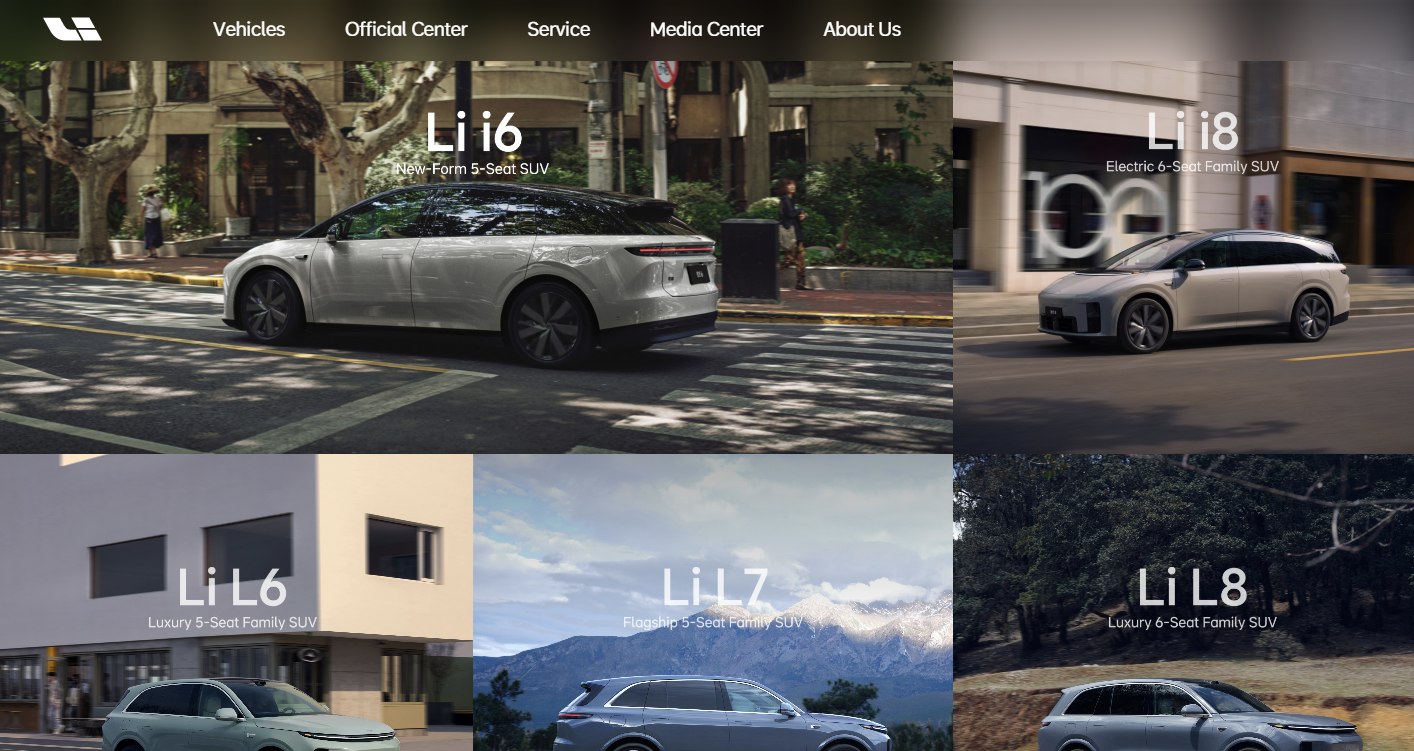
HONG KONG — Li Auto Inc. shares climbed more than 3% Friday on the Hong Kong Stock Exchange, closing at HK$74.20 after adding HK$2.30, as investors cheered a strong March delivery rebound and anticipation for the upcoming launch of the refreshed flagship Li L9 amid a competitive but recovering Chinese new energy vehicle market.

The Beijing-based automaker, listed as HKG:2015, saw its stock rise on elevated trading volume as the company resolved production bottlenecks for its battery electric vehicle lineup and pushed forward with technology upgrades, including advanced autonomous driving systems unveiled at NVIDIA’s GTC 2026 conference. The move extended recent gains following positive March figures that helped lift first-quarter deliveries above internal guidance.
Li Auto delivered 41,053 vehicles in March 2026, marking a 12% increase from the same month a year earlier and a sharp sequential jump after earlier softness. The performance pushed the company’s cumulative deliveries past 1.635 million vehicles since inception. Notably, the Li i6 pure electric SUV surpassed 24,000 monthly units once production constraints eased, signaling improving momentum in Li Auto’s BEV transition.
For the first quarter overall, Li Auto delivered approximately 95,142 vehicles, a modest 2.5% year-over-year gain that exceeded its earlier guidance range of 85,000 to 90,000 units. The rebound came despite ongoing price competition and a challenging 2025, when full-year deliveries fell about 19% to roughly 406,343 vehicles amid margin pressure and slower demand for some extended-range electric vehicle models.
The company has set an ambitious target for 2026, aiming for around 20% growth in vehicle sales, which would translate to roughly 490,000 units. Management has emphasized a “3+2” strategy focusing on overhauling its retail network, successfully launching the next-generation Li L9, and accelerating battery electric vehicle sales. The all-new Li L9, scheduled for official launch in the second quarter, is expected to feature significant upgrades including a larger battery for over 400 km of pure electric range, an enhanced chassis, and cutting-edge computing power.
Analysts and investors view the refreshed L9 as a potential catalyst. The model is projected to incorporate Li Auto’s self-developed M100 chip and advanced smart cockpit features, with some variants boasting up to 2,560 TOPS of computing power — far exceeding many competitors. A higher-priced “Livis” trim has also been previewed, targeting premium family buyers seeking luxury and intelligent driving capabilities. Orders for certain current L-series models were paused in March ahead of the refresh, a common industry tactic to clear inventory and build excitement for new versions.
Li Auto has also been investing heavily in artificial intelligence and autonomous driving technology. The company unveiled its MindVLA autonomous driving foundation model at NVIDIA GTC 2026, pairing hardware advances with in-house software to differentiate its vehicles in a crowded market. These efforts align with broader industry shifts toward AI-native vehicles, where Li Auto aims to blend extended-range reliability with pure electric innovation and intelligent features.
On the financial front, Li Auto reported a challenging 2025, with revenue declining about 22% and net income dropping sharply. Fourth-quarter vehicle margins improved sequentially to 16.8%, though still below prior peaks due to pricing competition. The company returned to modest profitability in the quarter despite lower volumes. For the first quarter of 2026, it had guided revenue between RMB 20.4 billion and RMB 21.6 billion, reflecting the impact of softer early-year deliveries before the March uptick.
To signal confidence, Li Auto announced a US$1.0 billion share repurchase program in March 2026, with initial buybacks executed on both Nasdaq and Hong Kong exchanges. Executives described the move as reflecting strong belief in the company’s long-term value creation. The program comes alongside ongoing efforts to optimize its sales network through a “store partner” profit-sharing model aimed at boosting retail performance.
Li Auto’s portfolio spans extended-range electric vehicles (EREVs) like the popular L6, L7, L8 and L9 families, alongside pure EVs including the Li i6, Li i8 and the flagship Li MEGA MPV. The company has positioned itself as a leader in premium smart EVs tailored for families, emphasizing spacious interiors, advanced safety systems and convenient energy solutions. Its nationwide supercharging network exceeded 4,000 stations by early 2026, supporting over 1.45 million charging sessions during the Spring Festival travel peak alone.
Despite domestic headwinds, Li Auto has begun modest international expansion, introducing select L-series models in markets such as Egypt, Kazakhstan and Azerbaijan. While China remains the core focus, these early steps signal ambitions to diversify beyond the world’s largest EV market.
The Chinese EV sector continues to face intense competition from rivals including BYD, NIO and XPeng, compounded by price wars and fluctuating consumer demand. Li Auto’s hybrid approach — combining range-extended powertrains with growing BEV offerings — has helped it maintain appeal among buyers concerned about charging infrastructure. However, gross margins have faced pressure from higher raw material costs and promotional pricing.
Analysts remain mixed but generally constructive on longer-term prospects. Consensus price targets cluster around levels implying upside from current valuations, with some highlighting the potential for margin recovery as new products ramp up. Morgan Stanley recently trimmed its target but maintained an overweight rating, citing execution risks around the L9 launch while noting expected benefits from AI investments and product cycle improvements. The stock trades at a relatively low multiple compared to some growth peers, though volatility persists amid broader China EV sentiment.
Li Auto also released its 2025 ESG Report and inaugural climate-related disclosures on April 10, underscoring commitments to sustainable manufacturing and supply chain practices as it scales production. The company operates with a vertically integrated model focused on user value, from vehicle design to software updates delivered via over-the-air (OTA) technology. Recent OTA version 8.3 brought enhancements to its VLA driver model, smart cockpit and electric functionality.
Looking ahead, attention will turn to the May earnings report, where management is expected to provide more color on Q2 guidance, L9 production ramps and BEV contribution. The company plans to launch an all-new Li i9 battery electric SUV in the second half of 2026, further broadening its pure EV lineup.
Challenges remain, including sustaining delivery growth in a high-competition environment, managing R&D expenses that have risen with AI and autonomy pushes, and navigating potential regulatory or subsidy shifts in China’s NEV sector. Supply chain stability and raw material costs will also influence margins.
Friday’s trading in Hong Kong showed strong participation as the stock tested recent resistance levels following the March delivery news. Technical observers noted improving momentum, though the shares remain well below 2025 peaks amid last year’s delivery slowdown.
Founded in 2015, Li Auto has grown rapidly by targeting the premium family segment with vehicles that combine the convenience of gasoline range with electric efficiency and smart features. Under CEO Xiang Li, the company has prioritized user experience, with high net promoter scores for models like the Li i8.
As China’s EV market matures and global interest in intelligent vehicles grows, Li Auto’s blend of hardware innovation, software differentiation and family-focused design positions it as a resilient player. Success with the new L9 and continued BEV momentum could help the company reclaim stronger growth trajectory in 2026 and beyond.
Investors will closely monitor execution in the coming quarters, particularly whether the refreshed lineup can drive order backlogs, stabilize pricing and deliver on margin targets. For now, the March rebound and technology roadmap have provided fresh optimism in a sector where product cycles and innovation often dictate market leadership.


It will now be the responsibility of the provincial governments to decide whether or not the glaciers in their region are of strategic importance – that is, whether they provide water for human consumption, agriculture, biodiversity, as a source of scientific information, or as a tourist attraction.

Japan approves additional $4 billion for chipmaker Rapidus

Ceasefire Brings Relief, But Outlooks Remain Complex


Iran’s new supreme leader has severe and disfiguring wounds, sources say

Albemarle: Strategic Asset In Energy Security (Rating Upgrade)

Osterweis Capital Management was founded in 1983 to serve the portfolio management needs of high net worth individuals and institutions. We believe the best way to protect and grow assets is through carefully selected, high conviction portfolios that are designed to capture upside in favorable markets and limit downside during selloffs. We manage equities and fixed income, which are available through mutual funds and separate accounts. Note: This account is not managed or monitored by Osterweis Capital Management, and any messages sent via Seeking Alpha will not receive a response. For inquiries or communication, please use the firm’s official channels. Mutual fund investing involves risk. Principal loss is possible. Distributed by Quasar Distributors, LLC.


US plane carrying team for talks with Iran lands in Islamabad, two Pakistani sources say

The UK retail sector is undergoing a dramatic transformation, driven by rapid digital adoption and evolving consumer expectations.
Businesses are now turning to innovative digital strategies to enhance customer experiences and tap into new markets. Rising trends in artificial intelligence, omnichannel shopping, and secure digital payments are all playing pivotal roles in this evolution.
Retail Landscape in the Digital Era
Over the past decade, the traditional high street has steadily given way to a dynamic online marketplace. The growth of e-commerce is not only reshaping how goods and services are sold but is also redefining brand-customer interactions. As consumers become more comfortable with digital transactions, businesses—from small local retailers to multinational chains—are investing heavily in digital tools to remain competitive. The convergence of retail and technology is ushering in an era where personalized shopping experiences and data-driven insights are becoming the norm.
In this context, even industries that might seem distant from traditional retail, such as the online gaming sphere, have experienced parallel digital shifts. The integration of state-of-the-art technology has allowed these sectors to not only attract but also engage a tech-savvy clientele. For instance, the online gaming industry has seen a surge in digital offerings which, in many respects, parallel the changes seen in retail. Numerous industry critiques highlight the best online casinos in Europe, where digital advancements have redefined consumer engagement. This cross-industry adoption underlines how technology transforms not only retail but also the broader leisure and entertainment sectors.
Key Drivers of Change in UK Retail
The unprecedented pace of technological innovation is one of the foremost drivers behind the digital transformation of retail. Shifting consumer habits—accentuated by the convenience of online platforms—have pushed retailers to invest in modern e-commerce systems and integrated shopping solutions. Moreover, the importance of mobile commerce has grown significantly, as a growing number of consumers embrace smartphone-based shopping.
Modern digital ecosystems rely on robust security measures and resilient data handling methods. Evolving consumer privacy demands and regulatory pressures have pressed businesses to implement better data protection routines. This pivot not only safeguards consumer trust but also supports a more secure retail environment essential for long-term growth.
Data-Driven Insights and Consumer Behavior
Understanding consumer behavior is crucial for retailers navigating digital transformation. With an expanding digital footprint, companies now have access to vast amounts of data that can be harnessed to tailor marketing strategies and optimize supply chains. The analysis of consumer data has revealed that preferences are shifting towards personalized shopping experiences, and retailers are responding by deploying artificial intelligence and machine learning technologies to predict needs and simplify transactions.
Recent research, such as the YouGov UK Retail Round-Up 2025: Key Trends and Insights, shows that online retail now accounts for approximately 26–27 percent of total retail sales. These insights underscore how digital transformation has matured post-pandemic, stimulating the adoption of omnichannel strategies that blend e-commerce with in-store experiences. Retailers adopting these strategies are better placed to respond quickly to consumer demands and competitive pressures.
Smart Technologies and AI Adoption
Artificial intelligence is revolutionizing the retail landscape by providing tools to handle inventory, forecast trends, and even personalize customer recommendations. AI-driven chatbots, for example, have become integral to customer service, providing real-time assistance and helping resolve issues efficiently. Simultaneously, smart analytics platforms enable businesses to measure campaign effectiveness, optimize supply chains, and maintain inventory control with unparalleled precision.
The adoption of cloud-based systems and secure digital infrastructures further ensures that retailers can operate smoothly in an increasingly interconnected marketplace. With technology continuing its relentless progress, retailers not only reduce operational costs but also enhance overall customer satisfaction.
Ensuring Security and Compliance in a Digital Era
As retailers accelerate their digital initiatives, the issue of cybersecurity and compliance has become central to sustaining consumer confidence. With the increased volume of online transactions, there is a proportional rise in the risk of cyber threats and data breaches. Businesses must balance embracing digital innovation with implementing rigorous security protocols.
Investments in advanced encryption methods and robust compliance frameworks are essential. This equilibrium ensures that while the consumer experience becomes increasingly personalized and efficient, it remains uncompromised in terms of privacy and security. Additionally, regulatory bodies are stepping in to ensure transparency and accountability across all digital channels. Such measures are vital not only to protect sensitive consumer data but also to maintain the overall integrity of the digital marketplace.
Future Outlook: Collaborative Synergies in Retail & Digital Entertainment
Looking forward, the digital transformation in UK retail appears set to deepen as retailers further integrate technology into all facets of their operations. Emerging business models now favor collaboration between retail technology and other tech-driven sectors, including digital entertainment. Innovations in augmented reality, virtual shopping environments, and data analytics are enabling shoppers to experience products in entirely new ways.
This collaborative trend has even spurred strategic partnerships between retailers and online gaming platforms. Such partnerships allow for an exchange of expertise where gamification elements are introduced in loyalty programs, and interactive customer experiences are developed across digital channels. These efforts are indicative of the broader convergence between retail and digital entertainment, pointing toward a future where the boundaries between shopping, entertainment, and gaming increasingly blur.
Further reinforcing this outlook, the Deloitte Global Retail Outlook provides forecasts that highlight the continuing growth of online channels, backed by technological advancements. Such data not only validate the current trends but also underscore the long-term viability of digital-first strategies in retail.
Furthermore, the evolution of digital payment solutions and blockchain technologies is expected to streamline secure transactions and minimize fraud. As retailers harness these advancements, the overall customer experience becomes smoother, more integrated, and firmly positioned for the future.
Embracing Change with Strategic Vision
Looking at the bigger picture, the digital transformation of the retail sector is not a temporary shift but a fundamental change in how business is conducted. For executives and industry leaders, it becomes imperative to adopt a forward-thinking approach. This involves not only significant investments in technology but also cultivating an organizational culture that embraces innovation.
For instance, integrating advanced analytics into business strategy enables leaders to make informed decisions backed by real-time data. Emphasizing transparency with stakeholders while aligning with regulatory frameworks further strengthens market positioning. In this evolving landscape, retailers that succeed will be those that remain agile, invest in cutting-edge technologies, and continuously refine their digital strategies.
Conclusion: Navigating the Digital Frontier
The rapid pace of digital transformation presents both significant challenges and exciting opportunities for the UK retail sector. As businesses continue to invest in technology and adapt to digital consumer trends, the industry is poised for a new era where personalized experiences, robust security, and innovative collaboration become the norm.
Ultimately, the convergence of retail, technology, and digital entertainment underscores a broader shift toward a more integrated and dynamic consumer ecosystem. With data-driven insights, smart technologies, and collaborative partnerships across industries, the digital journey of UK retail is likely to inspire a wave of innovation that sets the stage for future growth.
As stakeholders navigate this evolving landscape, maintaining a strategic vision that harnesses these new opportunities will be key to staying ahead in an increasingly digital marketplace.


Eric Swalwell, candidate for California governor, denies sexual assault allegations

The regulator said the stock has risen over 700 times in just 19 months. It said the company’s shares rose from ₹15 in April 2024 to ₹10,887 by October 2025, a surge that was not supported by its financials or business fundamentals.
During its investigation, Sebi observed that there was a coordinated network of promoters, preferential allottees, off-market transferees and a set of trading entities, who artificially inflated the share price of RRP Semiconductor.
The regulator said the scheme appears to have commenced with the acquisition of control of the company by Ira Mishra, the daughter of Ramesh Mishra, who was subsequently appointed as a director in the company. This was followed by a significant increase in the share capital of RRP through preferential allotment of shares to select entities.
The primary beneficiary of the allotment was one Rajendra Chodankar, who holds 74.5% of the share capital of RRP post allotment. Sumita Mishra, wife of Ramesh Mishra, was also a preferential allottee. Of the remaining preferential allottees, three were brought in by Ramesh Mishra and the rest byChodankar, it said.

The preferential allotment was accompanied by the company altering its MoA and changing its name to “RRP Semiconductor”, apparently to showcase its future forays into the promising semiconductor space. Simultaneously, the public shareholding (a small part of which was in demat mode) was fragmented and distributed through a chain of off-market transfers to multiple entities in small quantities, Sebi said in its order.
“The off-market transferees subsequently sold shares of RRP in minuscule quantities, largely to entities that consistently placed large buy orders at upper circuit limits and contributed significantly to the total market positive LTP. The trading pattern, characterised by insignificant sell quantities and aggressive buy orders at circuit limits, is prima facie not reflective of genuine market behaviour, but indicative of a pre-arranged and manipulative strategy to artificially inflate the price of the scrip of RRP,” Sebi whole-time member Amarjeet Singh said in his order.

How to watch the 2026 Grand National, start time and runners

‘Every drop of water counts’: Fear for Argentina’s glaciers

Bitcoin (BTC) Surges Past $73K as ETFs Pour in $240M During Friday Rally

Why Israel is blocking foreign journalists from entering

Bitcoin: We’re Entering The Most Dangerous Phase

Alan Cumming Brands Baftas Ceremony A ‘Triggering S**tshow’

XRP- Ripple Treasury Ceritified To Tap 11,000+ SWIFT Banks? Yes – Bitcoin Hits $200K What Is XRP???

ULTIMATE Cryptocurrency Trading Course (From Beginner To PRO)

Gs Finance – New Loan App for Low Cibil ( Review ) | New Loan App review 2026 | Only On KYC
-

 Business5 days ago
Three Gulf funds agree to back Paramount’s $81 billion takeover of Warner, WSJ reports
-

 Sports6 days ago
India men’s 4x400m and mixed 4x100m relay teams register big progress | Other Sports News
-

 Politics12 hours ago
US brings back mandatory military draft registration
-

 Fashion13 hours ago
Weekend Open Thread: Veronica Beard
-

 Business7 days ago
Expert Picks for Every Need
-

 Tech3 days ago
How Long Can You Drive With Expired Registration? What Florida Law Says
-

 Business6 days ago
No Jackpot Winner, Prize to Climb to $231 Million
-

 Fashion5 days ago
Massimo Dutti Offers Inspiration for Your Summer Mood Board
-
 Sports13 hours ago
Man United discover Nico Schlotterbeck transfer fee as defender reaches Dortmund agreement
-

 Fashion4 days ago
Let’s Discuss: DEI in 2026
-

 Crypto World3 days ago
Bitcoin recovers as US and Iran Agree a Ceasefire Deal
-

 Business10 hours ago
Tesla Model Y Tops China Auto Sales in March 2026 With 39,827 Registrations, Beating Cheaper EVs and Gas Cars
-

 Business6 days ago
Akebia Therapeutics, Inc. (AKBA) Discusses Pipeline Progress and Strategic Focus on Kidney Disease Treatments at R&D Day – Slideshow
-

 Crypto World2 days ago
Canary Capital Files SEC Registration for PEPE ETF
-

 Business19 hours ago
OpenAI Halts Stargate UK Data Centre Project Over Energy Costs and Copyright Row
-

 Tech5 days ago
Haier is betting big that your next TV purchase will be one of these
-

 Tech5 days ago
The Xiaomi 17 Ultra has some impressive add-ons that make snapping photos really fun
-

 Tech5 days ago
Samsung just gave up on its own Messages app
-

 Tech5 days ago
Gamer Restores the Original PlayStation Portal From Two Decades Ago
-

 Tech5 days ago
Save $130 on the Samsung Galaxy Watch 8 Classic: rotating bezel, sleep coaching, and running coach for $369
You must be logged in to post a comment Login