New Delhi: The Lok Sabha passed the Finance Bill on Wednesday, approving several key amendments, including enhanced powers for tax authorities, changes in taxation on share buybacks, capping the surcharge on such income to 12%, and an enhanced ₹300 crore turnover limit for startups to be eligible for a tax holiday from the existing ₹100 crore.
The bill introduced retrospective changes, allowing the tax department to reopen cases previously struck down on technical grounds. It also empowered tax officials to revalidate past orders set aside by courts.
Replying to the debate, finance minister Nirmala Sitharaman said the Finance Bill aims to reduce litigation and the compliance burden on small taxpayers and businesses, giving them the opportunity to make a greater contribution to the economy. She added that a simplified income tax law, which takes effect in April, will further ease compliance. The Rajya Sabha will discuss the Finance Bill on Friday.
The amendments also classify certain approvals by tax officials as administrative and provide that procedural defects in notices or orders-including the absence of a document identification number (DIN)-will no longer invalidate proceedings, ensuring that such lapses do not weaken enforcement actions. To balance enforcement, the bill mandates a minimum 30-day window for taxpayers to respond to reassessment notices, removes arrest provisions for non-payment of tax dues, and allows recovery to continue through attachment of assets. It also eliminates interest on penalties for misreporting under Section 270A and requires Income Tax Appellate Tribunal (ITAT) orders to be uploaded on the tax portal for faster implementation.
Reform with Conviction
Advertisement
Live Events
The finance minister said the government is moving forward with reforms not out of compulsion but conviction and clarity, adding that it has taken various steps to empower small businesses, farmers and cooperatives because they are at the heart of employment creation and overall development of the country. “We are facilitating first, enforcing later if necessary,” Sitharaman said in her reply to the debate on the Finance Bill, highlighting a broader shift toward easing compliance and trust-based tax administration. She dismissed opposition criticism of the tax provisions as pro-business and that there was nothing for the middle class in the budget. “This Finance Bill has so much more for the middle class,” Sitharaman said. She listed reduced tax collected at source on overseas education remittances and tour packages, as well as customs duty exemptions on life-saving drugs as relief for households. Sitharaman also highlighted provisions allowing taxpayers to revise returns after reassessment begins, calling it a reform that “makes lives easier for the taxpayer.”
She added that small taxpayers could disclose previously undeclared foreign assets without prosecution under a new scheme.
Defending the indirect tax policy, Sitharaman said recent GST rate cuts had boosted consumption, citing “the highest ever” rise in passenger vehicle sales in February at 26.1%, and strong rural demand.
She also backed tax breaks for data centres, saying this would drive domestic investment and job creation.
Tax experts said introduction of a flat 12% surcharge on buyback-related capital gains reduces the levy for high-income cases previously taxed at 15% but increases the liability for smaller shareholders.
Advertisement
“This would significantly raise their effective tax cost, especially since earlier there was no surcharge on taxable income up to ₹50 lakh and 10% on taxable income between ₹50 lakhs to ₹1 crore,” said Sandeepp Jhunjhunwala, M&A tax partner at Nangia Global Advisors.
Major League Baseball kicks off its 2026 regular season Wednesday night with a marquee Opening Night matchup between the New York Yankees and San Francisco Giants at Oracle Park, broadcast exclusively on Netflix in the league’s first streaming-only national game. The traditional Opening Day slate follows Thursday with 11 games, featuring star pitchers and defending champions chasing history in a campaign already shaped by a busy offseason and groundbreaking rule changes.
AFP
The Yankees, seeking their first World Series title since 2009, send newly acquired left-hander Max Fried to the mound for his first Opening Day start with the club and fourth overall. Fried faces Giants ace Logan Webb, who makes his fifth consecutive Opening Day assignment. The game begins at 8:05 p.m. ET and marks Netflix’s debut as an MLB broadcast partner, available internationally with multiple language options.
Thursday’s full Opening Day card highlights several compelling storylines. Paul Skenes, the reigning National League Cy Young winner, takes the ball for the Pittsburgh Pirates against the New York Mets at Citi Field in a 1:15 p.m. ET contest aired on NBC and Peacock. Skenes helped Team USA finish second in the recent World Baseball Classic and enters the season as one of the game’s most dominant young arms.
The Los Angeles Dodgers, aiming for a third straight championship after winning in 2024 and 2025, host the Arizona Diamondbacks in the evening national telecast. Yoshinobu Yamamoto is expected to start for the Dodgers after closing out the 2025 World Series. Other notable Thursday games include the Detroit Tigers visiting the San Diego Padres with Tarik Skubal on the mound, and a battle of 2025 division winners as the Seattle Mariners host the Cleveland Guardians.
Six teams — the Athletics, Blue Jays, Braves, Marlins, Rockies and Royals — open their seasons Friday, March 27, completing the staggered start that makes 2026’s Opening Week the earliest in recent memory.
Advertisement
A major innovation debuts Wednesday: the Automated Ball-Strike Challenge System, or ABS Challenge. Each team begins games with two challenges to review an umpire’s strike or ball call using Hawk-Eye tracking technology. Successful challenges do not count against the limit, adding strategy and reducing missed calls without fully automating the strike zone. The system, tested extensively in the minors and spring training, was approved by the Joint Competition Committee and will first appear during the Yankees-Giants game.
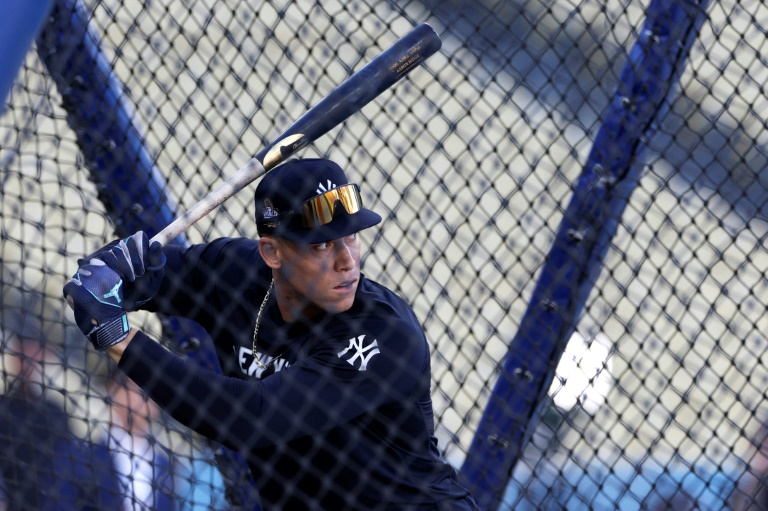
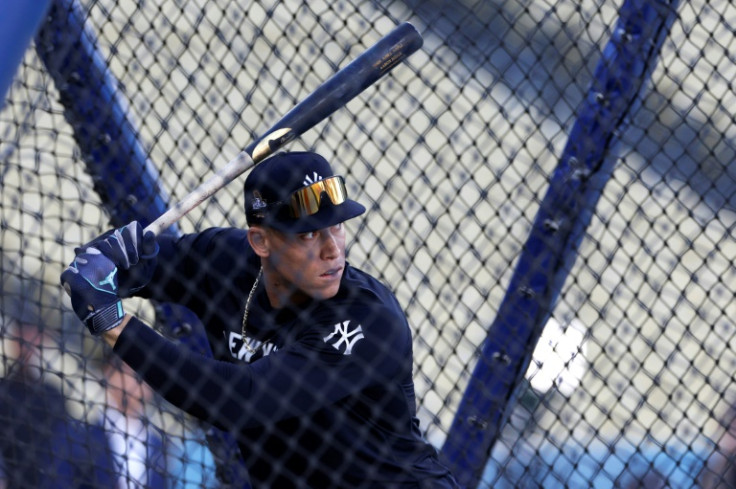
Offseason moves reshaped several rosters. The Dodgers added high-profile talent including Kyle Tucker, while the Mets and Pirates underwent significant changes. The Yankees retained core pieces around Aaron Judge, who homered multiple times in spring training exhibitions. Several teams return largely intact, including the Tigers, who rode strong pitching to contention in 2025.
Power rankings entering the season place the Dodgers firmly atop most lists, followed by clubs like the Mariners, Blue Jays and Cubs in varying order. The Philadelphia Phillies, who won the NL East in 2025 but fell short in the postseason, remain contenders alongside the Mets and other NL clubs.
Baseball fans can expect familiar traditions alongside fresh elements. Ballparks will feature ceremonial first pitches, parades of past heroes and fireworks in many cities. Attendance is projected to remain robust after strong 2025 figures, with Opening Day often drawing sellout or near-sellout crowds regardless of weather.
Advertisement
The 162-game grind begins amid ongoing discussions about pace of play. While the pitch clock and other recent rules remain, the ABS Challenge introduces a new tactical layer that could slightly extend certain at-bats but aims to improve accuracy on the game’s most frequent calls.
Minor league experiments this season include moving second base slightly in some leagues, stricter limits on batter timeouts and checked-swing reviews, but those do not affect the majors yet. MLB continues evaluating potential future changes based on fan and player feedback.
Streaming and television coverage expands again in 2026. Beyond Netflix’s Opening Night, regional sports networks, MLB.TV and national packages on ESPN, Fox and others will carry the bulk of games. Fans without cable can access many contests through streaming services.
Injuries and roster battles dominated spring training chatter. Several clubs dealt with key players recovering from surgery or managing workload, but most projected starters appear ready for Opening Day. Depth remains critical in a long season where health often determines playoff fates.
Advertisement
Young stars like Skenes, Yamamoto and emerging talents from the 2025 rookie class will shoulder heavier expectations. Veterans such as Judge, Freddie Freeman (if healthy with the Dodgers) and others provide leadership as teams chase October glory.
The 2026 schedule features balanced interleague play and divisional rivalries that intensify early. The Yankees’ West Coast trip to open against the Giants sets an intriguing tone, pitting two historic franchises with passionate fan bases against each other.
Commissioner Rob Manfred has emphasized growing the game globally while maintaining its American roots. International broadcasts, including Netflix’s multilingual options, align with that vision following successful World Baseball Classic viewership.
As pitchers and catchers reported weeks ago and position players joined later, optimism filled clubhouses. Managers spoke of new energy after the long winter, with players eager to test themselves against the best.
Advertisement
For fantasy baseball enthusiasts and casual fans alike, Opening Day signals the unofficial start of spring. Predictions, projections and bold calls flood social media and broadcasts in the days leading up.
No matter the final standings in October, the 2026 season begins with hope in every dugout. From small-market rebuilders to big-spending contenders, each of the 30 clubs starts with a clean slate and 162 opportunities to make history.
Wednesday’s Netflix broadcast promises high production values and accessibility for new viewers. Thursday’s packed slate ensures something for everyone, whether rooting for a powerhouse or an underdog.
As the first pitches fly in San Francisco and across the league in coming days, baseball once again captures the nation’s attention. The boys of summer — or in this case, an early spring — return, promising drama, surprises and the timeless joy of America’s pastime.
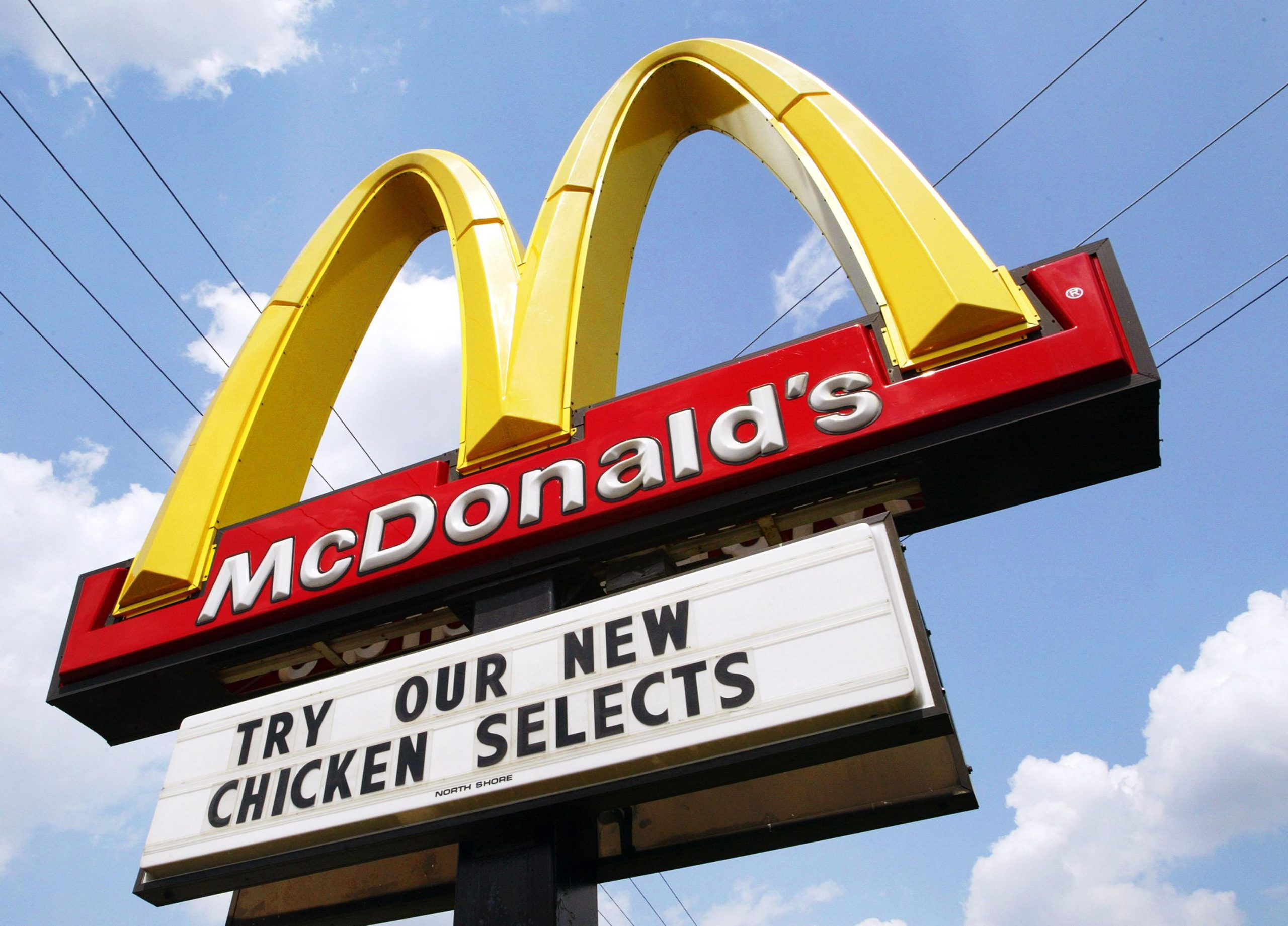
McDonald’s Corp. shares rose modestly in early Wednesday trading, climbing to around $309 as investors responded positively to the fast-food giant’s aggressive value menu push aimed at reigniting traffic in a high-inflation environment that has kept budget-conscious diners away.
The stock was up about 0.45% at $309.23 in mid-morning dealings after closing Tuesday at $307.84, down 0.20% on the session. Shares traded in a range of roughly $308.11 to $310.78, with volume around 660,000 shares by late morning. The modest gain came as McDonald’s continues rolling out its “$3 and Under” value offerings and $4 breakfast bundles, one of the most significant price-focused promotions in recent years.
McDonald’s has faced pressure from cautious U.S. consumers trading down or skipping visits altogether. The new value menu, launched in March, includes everyday low prices on core items to rebuild foot traffic without heavily discounting premium offerings. Executives highlighted the initiative during recent investor updates, noting it builds on the strength of the company’s digital loyalty program, which generated nearly $37 billion in member sales last year.
The stock has pulled back from its 52-week high of $341.75 reached on March 2 but remains well above the low of $283.47 hit last June. Year-to-date performance is roughly flat to slightly positive, trailing the broader market as investors weigh near-term traffic challenges against the company’s long-term resilience and global scale. Market capitalization hovers near $219 billion.
Analysts largely maintain a bullish stance. The consensus 12-month price target sits around $342, implying potential upside of about 11%. Most ratings cluster in the “Buy” or “Hold” categories, with firms citing McDonald’s unmatched brand power, franchised business model and ability to adapt quickly to shifting consumer preferences. Recent quarterly results showed solid earnings beats, with EPS of $3.12 topping estimates and revenue rising nearly 10% year-over-year in the most recent reported period.
Advertisement
The company operates more than 42,000 restaurants worldwide, with the vast majority franchised, providing steady royalty and fee income that helps cushion corporate-level pressures. For 2026, McDonald’s plans to open about 2,600 new locations and invest $3.7 billion to $3.9 billion in technology, restaurant modernizations and supply chain improvements. Systemwide sales growth is targeted near 2.5%.
Forward dividend of $7.44 annually yields roughly 2.42%, reinforcing McDonald’s appeal as a defensive dividend growth stock with decades of consecutive increases. The ex-dividend date for the latest payment was March 3. The stock’s beta of around 0.5 indicates lower volatility than the broader market, making it attractive during periods of economic uncertainty.
Insider selling has occurred in recent weeks, including transactions by McDonald’s USA President Joseph M. Erlinger and other executives. Such moves are often part of routine compensation and tax planning and do not necessarily signal diminished confidence, according to market observers.
Challenges remain. Persistent inflation has squeezed lower-income customers, prompting some to visit less often or opt for cheaper alternatives. Competition from other quick-service restaurants and emerging value players adds pressure. Comparable sales growth has decelerated from pandemic highs in certain markets, though international operations continue providing diversification.
Advertisement
McDonald’s has leaned into digital innovation to offset these headwinds. The loyalty program boasts more than 210 million active 90-day users globally, driving higher check averages and repeat visits. A new McCafé beverage platform featuring energy drinks, refreshers and crafted sodas is slated for wider rollout this spring after successful tests. Delivery partnerships and mobile ordering continue expanding, enhancing convenience in a post-pandemic landscape.
Wall Street projections for full-year 2026 call for earnings per share around $12.25. First-quarter results are due in late April, with analysts closely watching for evidence that value initiatives are restoring traffic momentum. Operating margins are expected to hold steady in the mid- to high-40% range.
The broader consumer staples sector has seen mixed performance amid ongoing debates about the health of the U.S. consumer. While premium brands struggle with trading down, value-oriented players like McDonald’s are positioned to benefit if the new menu resonates. Some strategists view current share levels as an attractive entry point for long-term investors given the predictable cash flows and global footprint.
Over the past five years, McDonald’s stock has delivered total returns of roughly 54% excluding dividends, and nearly 150% over 10 years, underscoring its status as a core holding for many portfolios. Free cash flow remains robust, supporting both dividends and reinvestment in growth.
Advertisement
As trading continued Wednesday, attention turned to any fresh corporate updates or macroeconomic data that could influence consumer spending sentiment. McDonald’s rarely sees sharp single-day moves, reflecting the stability of its business model, but sustained progress on traffic could catalyze a rebound toward analyst targets.
For retail investors, the Golden Arches offer exposure to a global consumer staple with defensive qualities and consistent income. The company’s ability to innovate on menu pricing, digital tools and international expansion positions it well for whatever economic conditions lie ahead.
Whether the latest value push successfully counters softness in U.S. traffic will be a key narrative in coming months. For now, McDonald’s shares trade in a relatively tight range, reflecting balanced views on near-term challenges and enduring brand strength. The stock’s modest early gain Wednesday suggests investors are giving the company the benefit of the doubt as it fights to win back everyday diners one affordable meal at a time.
Precigen, Inc. (PGEN) Q4 2025 Earnings Call March 25, 2026 4:30 PM EDT
Company Participants
Steven Harasym – VP & Head of Investor Relations Helen Sabzevari – President, CEO & Director Phil Tennant – Chief Commercial Officer Harry Thomasian – Chief Financial Officer Rutul Shah – Chief Operating Officer
Conference Call Participants
Advertisement
Jason Butler – Citizens JMP Securities, LLC, Research Division Swayampakula Ramakanth – H.C. Wainwright & Co, LLC, Research Division Brian Cheng Michael DiFiore – Evercore ISI Institutional Equities, Research Division
Presentation
Operator
Advertisement
Good afternoon, ladies and gentlemen, and welcome to the Precigen Full Year 2025 Financial Results and Business Updates Conference Call. [Operator Instructions] This call is recorded on Wednesday, March 25, 2026.
I would now like to turn the conference over to Steve Harasym. Please go ahead.
Steven Harasym VP & Head of Investor Relations
Advertisement
Thank you, operator, and thank you to all those joining us for our Fourth Quarter and Year-end 2025 Update Call. Joining me today are Helen Sabzevari, our President and CEO; Phil Tennant, our Chief Commercial Officer; and Harry Thomasian, our CFO.
Before we begin our prepared remarks, I remind everyone that we will be making certain forward-looking statements. These statements are based on our current expectations and beliefs. We encourage you to review the slide in the presentation and in our SEC filings, which include risks and uncertainties that could cause actual results to differ from today’s forward-looking statements.
With that, I will now turn the call over to Helen.
Advertisement
Helen Sabzevari President, CEO & Director
Thank you, Steve. I would like to extend a warm welcome to all those joining us for our update call today. In the short time since the early and full approval of PAPZIMEOS in August, the standard of care first-line treatment for adult RRP, we are seeing a tremendous progress with the first-ever therapeutic commercial launch
Starbucks Corp. shares edged higher in early Wednesday trading, rising about 0.80% to around $92.72 as investors weighed ongoing U.S. traffic challenges against signs of stabilization in China and the company’s multi-year reset plan aimed at reclaiming its position as the “third place” between home and work.
AFP
The stock traded in a range of roughly $92.04 to $93.29 after opening at $92.33, with volume exceeding 1.3 million shares by late morning. It closed Tuesday at $91.98, down 1.97% on the day amid broader market volatility, but remained well above its 52-week low of $75.50 and below the high of $104.82 reached in late January. Market capitalization stood near $105 billion.
Starbucks has faced persistent headwinds in its largest market, the United States, where comparable store sales have softened due to cautious consumer spending, competition from smaller chains and value-focused rivals, and lingering labor tensions. To counter this, the company has accelerated store redesigns, enhanced its rewards program and emphasized hospitality initiatives to rebuild customer loyalty and foot traffic.
A bright spot has emerged in China, Starbucks’ second-largest market. The company recently completed the sale of a 60% stake in its Chinese retail operations to private equity firm Boyu Capital in a deal valuing the business at approximately $4 billion, with the total enterprise value exceeding $13 billion when including Starbucks’ retained 40% interest and future licensing royalties. The transaction, expected to close in the second quarter of fiscal 2026, is intended to unlock capital for U.S. reinvestment while maintaining a meaningful presence in the fast-growing market.
Recent quarterly results showed China revenue rising 11% year-over-year to $823 million in the fourth quarter, with comparable store sales up 7% driven by higher transactions and average tickets. The joint venture structure is expected to provide greater operational flexibility and local expertise as Starbucks navigates a competitive landscape there.
Advertisement
Chief Executive Brian Niccol, who took the helm last year, has outlined an ambitious 2026 reset focused on global growth, menu innovation and elevating the in-store experience. Initiatives include refreshed store designs to enhance the “third place” atmosphere, new beverage platforms and targeted marketing campaigns. Analysts have noted early signs of progress in U.S. comparable sales trends, though full recovery is likely to take several quarters.
Wall Street sentiment remains mixed but leans cautiously optimistic. Consensus 12-month price targets hover around $94, implying modest upside from current levels. Ratings are predominantly “Hold” or “Buy,” with some firms trimming targets recently due to balanced risk/reward and lingering U.S. margin pressures. Guggenheim raised its target to $95 from $90 while maintaining a Hold rating, while RBC Capital downgraded the stock to Sector Perform.
The forward dividend of $2.48 per share yields approximately 2.70%, with the ex-dividend date having passed in mid-February. Starbucks has a long history of returning capital to shareholders, though the pace of dividend growth has moderated amid reinvestment needs.
Labor issues continue to draw attention. Ongoing unionization efforts and contract negotiations have occasionally disrupted operations and weighed on sentiment. The company has emphasized its commitment to fair bargaining while highlighting investments in partner (employee) benefits and training. A recent data breach incident affected some customer accounts but did not involve payment information, limiting its financial impact.
Advertisement
Starbucks operates more than 42,000 stores globally, with significant exposure to international markets that provide diversification from U.S. cyclicality. The company plans continued expansion, particularly in high-growth regions, while optimizing its domestic footprint through remodels and selective closures of underperforming locations.
For fiscal 2026, analysts forecast gradual improvement in comparable sales, with China expected to contribute meaningfully once the joint venture stabilizes. Earnings per share estimates for the year center around mid-single-digit growth, though execution on the U.S. turnaround remains critical. First-quarter results for fiscal 2026 are scheduled for late April, with investors watching closely for evidence of traffic recovery and margin expansion.
Broader consumer staples stocks have shown resilience amid economic uncertainty, but Starbucks trades at a premium valuation reflecting its brand strength and growth potential. The stock’s beta near 1.0 indicates market-like volatility, while its long-term track record has delivered solid total returns for patient investors despite recent cyclical pressures.
Retail investors have shown renewed interest as the stock pulled back from earlier 2026 highs. Some view current levels as an attractive entry point ahead of anticipated improvements in the second half of the year. Others remain cautious, citing competition from value-oriented coffee alternatives and slower premium beverage growth.
Advertisement
As trading progressed Wednesday, shares held modest gains, reflecting balanced views on near-term challenges and longer-term strategic repositioning. Starbucks rarely experiences sharp single-session moves, but sustained progress on U.S. traffic and successful integration of the China joint venture could catalyze a rebound toward analyst targets.
The company continues to invest heavily in digital tools, including its popular rewards program, which drives incremental visits and higher check averages. New menu items, seasonal promotions and enhanced mobile ordering aim to boost convenience and personalization in a post-pandemic environment where many customers prefer quick grab-and-go experiences.
Challenges in the U.S. market include competition from emerging chains and shifting preferences toward value. Starbucks has responded with targeted promotions and menu adjustments while protecting its premium positioning. International operations, particularly in Asia and Europe, provide a buffer and growth avenue.
Looking ahead, the success of Niccol’s turnaround strategy will likely determine the stock’s trajectory through 2026 and beyond. With a strong balance sheet, iconic brand and global footprint, Starbucks remains well-positioned to navigate near-term pressures and deliver long-term value for shareholders.
Advertisement
For now, the stock trades in a relatively tight range, reflecting investor patience as the company executes its reset plan. Modest early gains Wednesday suggest cautious optimism that hospitality-focused initiatives and China restructuring will eventually brew stronger results.
The Dow Jones Industrial Average climbed more than 290 points Wednesday, March 25, 2026, snapping a string of choppy sessions as investors weighed persistent geopolitical risks from the U.S.-Israel-Iran conflict against signs of tentative stabilization in oil markets and a modest rebound in equities.
Dow Jones
The blue-chip index closed at 46,419.29, up 295.23 points, or 0.64 percent, according to market data. It had opened higher and traded in a range between 46,314.24 and 46,711.45 during the session, with volume reaching about 150 million shares.
Wednesday’s gain followed a mixed Tuesday, when the Dow slipped 84.41 points, or 0.18 percent, to close at 46,124.06. Broader indexes showed similar patterns: the S&P 500 rose nearly 1 percent to around 6,621, while the Nasdaq Composite also posted gains of about 1 percent.
Analysts attributed the modest recovery to a slight easing in oil prices after recent spikes tied to the ongoing war in the Middle East. Crude oil futures trimmed some of their earlier surge, though they remained elevated near $90 per barrel in recent trading. Reports that Washington was drafting a plan to halt fighting helped support a softer inflation outlook, even as Iran issued hawkish responses.
“Markets are breathing a bit after the volatility of the past week,” said one Wall Street strategist who spoke on condition of anonymity because they were not authorized to comment publicly. “Oil is still a wild card, but any de-escalation signals are being welcomed.”
Advertisement
The Dow has been under pressure throughout March 2026, buffeted by inflation concerns and the geopolitical fallout. Earlier in the month, the index tumbled more than 750 points on March 18 amid hotter-than-expected producer price data and Federal Reserve comments that stoked fears of delayed rate cuts. That session pushed the Dow to a new 2026 low at 46,225.15 before a partial recovery.
On March 20, the blue chips fell another 1 percent as oil prices climbed and hopes for near-term Fed easing faded. Year-to-date, the Dow is down roughly 3.7 percent to 5.5 percent depending on the exact closing reference, marking one of its weaker starts to a year in recent memory.
Investors have grown increasingly worried about stagflation risks — a toxic mix of slowing growth and rising prices — reminiscent of the 1970s. The producer price index for February surged 0.7 percent, far exceeding forecasts, while the Iran conflict has disrupted energy supplies and driven up costs across global markets.
The Federal Reserve held rates steady in its mid-March meeting and signaled caution on cuts, citing persistent inflationary pressures exacerbated by higher energy costs. Fed Chair Jerome Powell noted that while the economy remains resilient, upside risks to inflation could keep policy restrictive longer than anticipated.
Advertisement
Within the Dow’s 30 components, gains were broad but led by sectors less exposed to immediate tech volatility. Amazon rose more than 2.5 percent, Amgen advanced nearly 1.8 percent and Boeing gained about 1.8 percent in Wednesday trading. Laggards included Walt Disney, down 0.7 percent, Verizon and Home Depot, each off around 0.6 percent.
Energy-related names showed resilience as oil stabilized. Chevron posted gains earlier in the week, hitting 52-week highs in some sessions amid elevated crude prices. Financial stocks like Goldman Sachs and JPMorgan Chase also found support, reflecting hopes that higher interest rates could bolster bank margins if inflation moderates without tipping the economy into recession.
Technology shares, which have driven much of the market’s gains in recent years, remained volatile. Nvidia and Microsoft saw swings, with the Nasdaq’s performance closely tied to AI enthusiasm clashing against broader macro headwinds.
Looking ahead, traders are eyeing fresh economic data, including potential updates on consumer prices and employment, as well as any diplomatic developments in the Middle East. A ceasefire or de-escalation could provide significant relief to markets, while further escalation risks pushing oil toward $100 or higher and reigniting inflation fears.
Advertisement
Treasury yields rebounded modestly Wednesday as risk appetite improved slightly. The dollar held firm against major currencies.
Wall Street’s recent roller-coaster has highlighted the market’s sensitivity to energy costs and central bank policy. The Dow closed below its 200-day moving average multiple times in March, a technical level watched closely by investors for signs of longer-term weakness.
Some analysts remain cautiously optimistic. “The economy is still growing, unemployment is low, and corporate earnings have largely held up,” said another market observer. “But the wildcard is geopolitics. If oil prices peak and start to retreat, we could see a meaningful relief rally.”
Others warn that persistent inflation could force the Fed to keep rates higher for longer, pressuring stock valuations, especially in interest-rate-sensitive sectors like real estate and utilities.
Advertisement
Retail investors have shown mixed sentiment. Some have rotated into defensive plays such as consumer staples and health care, while others have doubled down on tech names betting on artificial intelligence’s long-term potential despite near-term turbulence.
Globally, European and Asian markets showed mixed performance overnight, with energy stocks generally outperforming amid the oil backdrop. China’s markets faced their own pressures from domestic economic data.
In corporate news, several Dow components reported or previewed earnings that could influence Thursday’s trading. Boeing has navigated supply chain issues amid higher fuel costs, while Amgen and other health care giants have benefited from steady demand.
The broader market context includes lingering effects from earlier 2026 highs. The Dow touched above 50,000 intraday in January before pulling back sharply on tariff concerns, inflation data and now the Middle East conflict. Its 52-week range spans from roughly 36,612 to 50,513.
Advertisement
Volume on Wednesday was lighter than some of the volatile sessions earlier in the month, suggesting some investors were waiting on the sidelines for clearer signals.
As trading wrapped up, Dow futures pointed to a potentially flat or slightly higher open Thursday, pending overnight news flow.
The modest rebound Wednesday offers a pause in what has been a bruising month for stocks. Whether it marks the start of sustained recovery or merely a dead-cat bounce will depend heavily on developments in energy markets and diplomacy in the coming days.
Postmaster General David Steiner testified before Congress on the current state of the U.S. Postal Service. (Pool)
The U.S. Postal Service is reportedly planning to impose a fuel surcharge on package deliveries for the first time in the agency’s history amid surging fuel costs.
The Wall Street Journal reported that the Post Service is planning an 8% surcharge beginning in April and that the agency plans to phase it out in January 2027, according to two people familiar with the matter.
Advertisement
According to the report, the fuel surcharge will only apply to packages and won’t affect letter mail.
The move comes as both FedEx and UPS have longstanding fuel surcharges that have been increased in recent weeks as oil prices surged due to the Iran war disrupting oil flows from the Middle East.
USPS is reportedly planning to implement a temporary 8% fuel surcharge amid surging oil costs. (Andrew Harrer/Bloomberg via Getty Images)
Diesel prices have surged to $5.366 a gallon as of Wednesday, up from $3.749 a month ago, an increase of more than 43% in that period.
Advertisement
The Postal Service has faced long-term financial challenges, and Postmaster General David Steiner told Congress earlier this month the agency is on pace to run out of cash in less than a year without significant reforms.
Steiner testified before a House Oversight subcommittee and told lawmakers that the USPS needs higher stamp prices and the ability to borrow more money.
He also called for other reforms, including changes to pension funding and liabilities calculations, workers’ compensation and retirement fund investment strategies.
USPS plans for the fuel surcharge to be temporary and sunset early in 2027, according to the report. (Joe Raedle/Getty Images)
Steiner also put forward options for cutting costs, including ending six-day-a-week deliveries, closing post offices or raising first-class mail stamp prices from the current 78 cents to $1 or more.
He said that if USPS reduced deliveries to five days a week, it would save the agency about $3 billion per year, while closing small post offices in remote areas would save about $840 million.
However, he cautioned that those options “may not be palatable to Congress or the American public.”
USPS’ six-day-a-week delivery schedule is one reason the agency is facing financial struggles. (Bess Adler/Bloomberg via Getty Images)
Stamp prices have risen 46% since early 2019, when they were last 50 cents. Steiner argues those prices are still far lower than postage costs in other countries.
USPS has also reached its current borrowing cap of $15 billion, precluding the agency from taking out additional loans.
“In order to survive beyond the next year, we need to increase our borrowing capacity so that we don’t run out of cash,” Steiner said in prepared testimony. “The failure to do this could lead to the end of the Postal Service as we know it now.”
Since 2007, USPS has reported net losses of $118 billion as volumes of its most profitable product, first-class mail, fell to the lowest level since the late 1960s.
The biggest shake-up of local government in a generation will see Worcestershire’s county council and six district councils replaced by either one or two unitary authorities in 2028.
Government devolution plans also encourage the formation of strategic authorities – regional bodies led by elected mayors with decision-making powers over transport, economy and infrastructure.
This could see Worcestershire link up with three bordering ‘Shire’ counties in a bid to form a “growth corridor” between Birmingham and Bristol.
Worcester City Council leader Lynn Denham and Malvern Hills District Council leader John Gallagher want their authorities to link up with Wychavon District Council to form a south Worcestershire unitary council with about 330,000 residents.
Advertisement
They say a north Worcestershire council made up of the Wyre Forest, Redditch and Bromsgrove Districts would be a similar size.
Alternative plans put forward by Worcestershire County Council and Wyre Forest would see the creation of a single unitary authority to cover the whole county.
But in a letter to the Worcester News, Councillors Denham and Gallagher said: “Two unitary councils would fit better with the government’s aim of devolving powers from Whitehall to a strategic authority, which is the second stage to follow on from the creation of the new unitary councils.
“The strategic authority stage already exists in some areas, the West Midlands and Greater Manchester for example.
Advertisement
“For us, your council leaders have been talking to our neighbours in Herefordshire, Warwickshire and Gloucestershire about the potential for forming a new strategic authority.
“This is an opportunity to develop a distinct shires identity that sits between Birmingham and Bristol, and which would form a significant growth corridor contributing positively to the need for national renewal.”
A government consultation on local government reorganisation ends on Thursday (March 26) and is described by the two councillors as “relatively easy to complete”.
To find all the planning applications, traffic diversions, road layout changes, alcohol licence applications and more in your community, visit the Public Notices Portal.



















































You must be logged in to post a comment Login