








Connect with us
DAPA Banner
DAPA Coin
DAPA
COIN PAYMENT ASSET
PRIVACY · BLOCKDAG · HOMOMORPHIC ENCRYPTION · RUST
ElGamal Encrypted MINE DAPA
🚫 GENESIS SOLD OUT
DAPAPAY COMING

Business

Marriage-Based Green Cards Face Sweeping Scrutiny and Mandatory Interviews Under Trump Administration Rules

Published

on

Nancy Guthrie

WASHINGTON — Obtaining a green card through marriage to a U.S. citizen has become a far more demanding and unpredictable process in 2026, as the Trump administration has rolled out a series of policy changes that immigration attorneys say have transformed what was once described as a relatively straightforward path into an extensive, high-stakes legal undertaking.

Marriage-based immigration has long been one of the most common routes to permanent residency in the United States. More than 250,000 marriage-based immigrant visas were issued in fiscal year 2024 alone, and spouses, children and parents of U.S. citizens accounted for roughly 53 percent of the 783,000 people who obtained green cards from within the country between October 2023 and September 2024. But this year, U.S. Citizenship and Immigration Services has implemented a series of policy shifts that attorneys and advocacy groups say have significantly raised the bar for approval.

Among the most consequential changes is the reinstatement of mandatory in-person interviews for all marriage-based green card applicants, eliminating waiver provisions that had previously allowed certain lower-risk cases, including couples married for several years with children together, to bypass the interview requirement. Both the U.S. citizen sponsor and the foreign national spouse must now appear before a USCIS officer, who may ask detailed questions about the couple’s daily life, how they met, their finances and their future plans. Attorneys say even minor inconsistencies between spouses’ answers can trigger a finding of marriage fraud, a determination that carries severe and often permanent consequences for future immigration benefits.

USCIS has also expanded its use of cross-referenced government databases and enhanced vetting protocols, meaning discrepancies as small as a mismatched address, a missing tax filing or a social media post that contradicts a stated timeline can now trigger a formal Request for Evidence or a Notice of Intent to Deny. Under an internal policy memorandum issued this year, officers have additionally been directed to place benefit decisions on hold for applicants from countries listed under a renewed travel-ban proclamation, a group that reportedly spans dozens of nations.

Advertisement

Perhaps the most sweeping change came on May 21, when USCIS issued a policy memorandum stating that adjustment of status, the process that allows eligible immigrants already inside the United States to apply for a green card without leaving the country, should be treated as a matter of discretion and “administrative grace” rather than a routine alternative to consular processing abroad. The following day, the agency publicly announced it would grant adjustment of status only in what it described as “extraordinary circumstances,” a shift that immigration attorneys say could affect not only marriage-based applicants but also work visa holders, individuals with Temporary Protected Status and others seeking permanent residency from within the country.

USCIS has defended the changes as a return to the statute’s original intent. In a statement, USCIS spokesman Zach Kahler said the agency’s approach reflects a broader mandate to verify identities and personal histories through “a rigorous process,” one intended to prioritize thoroughly screening and vetting all noncitizens seeking immigration benefits. Kahler also emphasized that beginning the marriage-based petition process does not, by itself, protect an applicant from removal, noting that a pending or approved Form I-130 petition “does not confer any immigration status.”

Immigration attorneys and advocacy organizations have pushed back forcefully against the changes. Shev Dalal-Dheini, senior director of government relations at the American Immigration Lawyers Association, said the new discretionary standard represents an attempt to reshape decades of established practice, telling reporters that USCIS is “trying to upend decades of processing of adjustment of status” and that the shift applies broadly to virtually anyone seeking a green card, including spouses of U.S. citizens.

David Bier, director of immigration studies at the libertarian Cato Institute, has been similarly critical, characterizing the broader trend as part of the administration’s ongoing effort to reduce legal immigration levels. Bier noted that green card approvals from within the United States have fallen sharply over the past year according to USCIS data, and he has argued that the shift toward mandatory consular processing “ignores the reality of life,” pointing out that circumstances such as marriage proposals or new job offers often arise naturally after someone has already entered the country under a different visa category.

Advertisement

The practical impact of the changes has already been significant for couples navigating the system. Processing times for Form I-130 petitions filed by U.S. citizen spouses, classified as immediate relative cases, are now running approximately 59.5 months at some field offices, according to published USCIS data, though cases handled through national service centers may move somewhat faster. For spouses of green card holders filing under a different visa category, the underlying I-130 petition alone is taking two to three years to process at many locations. Applicants filing for adjustment of status concurrently from inside the United States are currently waiting an average of eight to nine months for a decision, though the reinstated interview requirement is expected to add further delays on top of that estimate.

The expanded scrutiny extends beyond interviews and paperwork. USCIS has broadened its application of the “public charge” doctrine, directing officers to more closely examine applicants’ financial stability, credit history, English language proficiency, employment history and overall self-sufficiency, factors that attorneys say were not previously emphasized to the same degree in marriage-based cases. Officers have also been encouraged, under internal guidance issued this year, to consider whether an applicant could have returned to their home country to complete the process rather than remaining in the United States, with those who stay potentially facing longer and more intrusive review.

For applicants from certain countries, the consequences can be especially severe. One case highlighted in recent reporting involved a green-card holder married to a U.S. citizen who was born in one of dozens of countries subject to the current travel ban; despite having lived in the United States for three decades, her citizenship application filed the previous year has remained frozen, with no exception available even for spouses of U.S. military service members.

Attorneys are advising couples to prepare far more extensive documentation than in previous years, including joint financial records, lease agreements, communication histories and third-party affidavits attesting to the authenticity of the relationship, in anticipation of interviews that now carry substantially higher stakes than they did just a few years ago. With litigation over several of the new policies still developing and no clear indication of when processing backlogs might ease, immigration lawyers say the marriage-based path to a green card, while still legally available, now demands a level of preparation and legal caution that was rarely necessary under prior administrations.

Advertisement
Continue Reading
Click to comment

You must be logged in to post a comment Login

Leave a Reply

Business

Starbucks Stock Edges Lower as Coffee Chain Advances Turnaround With New Store Plans and Loyalty Updates

Published

on

starbucks-g81de44e58_1920

Starbucks Corp. shares dipped slightly Tuesday, trading around $103.43 as investors monitored the coffee giant’s progress under its “Back to Starbucks” strategy amid a competitive retail environment and evolving consumer preferences for both in-store experiences and convenience.

The modest decline of 0.17 percent, or 18 cents, reflected cautious trading in a broader market where consumer discretionary stocks showed mixed performance. Starbucks has been implementing operational changes aimed at restoring traffic and strengthening its position as a community gathering spot while addressing challenges from inflation, competition and shifting work patterns.

Under CEO Brian Niccol, the company has focused on enhancing the core coffeehouse experience through initiatives like Green Apron Service, menu innovation and increased seating capacity. Recent quarterly results showed positive same-store sales growth driven by higher transactions, marking improvement after earlier softness.

Starbucks outlined ambitious expansion plans, including opening hundreds of new U.S. stores and adding seating at thousands of existing locations. The moves aim to capitalize on demand for third-place environments while balancing investments in drive-thru and digital channels.

Advertisement

The company also refreshed its loyalty program and introduced promotional events to boost engagement. These efforts have contributed to traffic gains among both rewards members and non-members, a notable development after periods of stagnation.

Starbucks declared its regular quarterly cash dividend of $0.62 per share, payable in late August, underscoring its commitment to returning capital to shareholders even as it invests in growth. The dividend yield remains attractive for income-oriented investors in the consumer sector.

Analysts have noted improving fundamentals at Starbucks, with comparable sales trends turning positive and operational efficiencies beginning to materialize. However, challenges persist, including labor costs, supply chain dynamics and competition from quick-service rivals and specialty coffee players.

The stock has traded within a range that reflects both optimism about the turnaround and caution over execution risks. Starbucks shares remain below their 52-week high but well above earlier lows, as investors assess the sustainability of recent momentum.

Advertisement

International operations continue to play a significant role, with China and other markets showing recovery in traffic and sales. The company has adjusted its portfolio in certain regions while expanding in high-growth areas, aiming for balanced global development.

Starbucks faces broader industry pressures, including changing consumer habits around at-home versus out-of-home consumption and sensitivity to pricing. The company has responded with value-oriented promotions alongside premium offerings to appeal to a wide customer base.

Sustainability efforts remain part of Starbucks’ long-term strategy, though the company is reassessing some environmental targets in light of regulatory changes and supply chain realities. Its focus on responsibly sourced coffee and ethical practices continues to resonate with core customers.

Tuesday’s trading volume was consistent with recent sessions, indicating no major company-specific catalyst driving the small move. Market participants appeared to be digesting recent positive sales trends while awaiting the next earnings update for further confirmation of the turnaround trajectory.

Advertisement

Wall Street consensus points to cautious optimism, with price targets reflecting expectations of steady growth as operational improvements take hold. Starbucks’ strong brand equity and global footprint provide a foundation for recovery, though success will depend on consistent execution.

The coffee chain’s performance is closely watched as a barometer for consumer spending on discretionary items and experiences. Its ability to adapt to hybrid work environments, inflation impacts and competitive threats will shape its path in the coming quarters.

Starbucks continues to invest in technology, including mobile ordering enhancements and AI-driven inventory tools, though some initiatives have been scaled back based on operational feedback. The balance between innovation and core customer experience remains central to its strategy.

As Starbucks progresses through its fiscal year, focus will remain on same-store sales, margin expansion and new store productivity. The company’s guidance for fiscal 2026 and beyond emphasizes sustainable growth through disciplined expansion and enhanced customer engagement.

Advertisement

The modest decline Tuesday comes after periods of strength tied to positive sales reports and strategic announcements. Starbucks’ stock often moves on news related to consumer trends, promotional success and macroeconomic factors affecting discretionary spending.

Looking forward, upcoming earnings and any updates on international markets or loyalty program performance could provide additional direction. Starbucks’ transformation efforts aim to position the company for long-term leadership in the premium coffee and experiential retail space.

Continue Reading

Business

McKesson Checks All The Boxes To Survive And Prosper In A Weak Economy, But There's A Big Catch

Published

on

McKesson Checks All The Boxes To Survive And Prosper In A Weak Economy, But There's A Big Catch

McKesson Checks All The Boxes To Survive And Prosper In A Weak Economy, But There's A Big Catch

Continue Reading

Business

Trump Issues Strong Warning to Iran as US Launches Strikes Following Attacks on Ships in Strait of Hormuz

Published

on

Pakistan Expands Search for Missing K2 Airways Cargo Plane With

WASHINGTONPresident Donald Trump delivered a stern warning to Iran on Tuesday as U.S. forces conducted fresh strikes against Iranian targets in response to attacks on commercial vessels in the critical Strait of Hormuz, escalating tensions in a region vital to global energy supplies.

The U.S. military’s Central Command said American forces hit more than 80 targets, including air defense systems, command networks, coastal radar sites and Islamic Revolutionary Guard Corps small boats involved in recent incidents. The action followed reports of three tankers being struck by projectiles in the strategic waterway.

The strikes came after the U.S. Treasury revoked a sanctions waiver that had allowed Iran to sell oil as part of a fragile ceasefire arrangement. Iranian state media reported explosions near key locations including Bandar Abbas, Qeshm Island and Sirik, with some civilian injuries from shrapnel.

Trump’s administration has framed the response as necessary to protect international navigation and deter further aggression. The Strait of Hormuz handles a significant portion of global oil shipments, and disruptions there have raised concerns about energy prices and economic stability.

Advertisement

Iranian officials condemned the U.S. actions and vowed to defend national interests. Parliament Speaker Mohammad Bagher Qalibaf stated that “the era of bullying and extortion is over,” while other leaders signaled readiness to respond.

The latest violence threatens a tenuous ceasefire negotiated in recent weeks. Attacks on commercial shipping, including vessels linked to Qatar and Saudi Arabia, prompted swift U.S. retaliation aimed at degrading Iran’s capacity to threaten maritime traffic.

U.S. officials described the strikes as proportionate and targeted, focusing on military capabilities rather than civilian infrastructure. Central Command emphasized that forces remain prepared to hold Iran accountable for violations of the ceasefire agreement.

The incident marks another flare-up in long-standing U.S.-Iran tensions, exacerbated by regional conflicts and disagreements over nuclear issues, sanctions and proxy activities. Freedom of navigation in the Gulf has long been a flashpoint, with previous incidents involving tanker seizures and attacks.

Advertisement

Energy markets reacted with caution to the developments, as any prolonged closure or disruption in the Strait of Hormuz could spike global oil prices. Analysts noted that while immediate impacts were limited, sustained instability could affect supply chains and consumer costs worldwide.

Trump has repeatedly stressed the need to protect vital sea lanes and prevent Iran from leveraging its geographic position for strategic advantage. His administration has coordinated with allies in the Gulf and beyond to maintain pressure on Tehran while pursuing diplomatic off-ramps.

Iranian leaders have accused the U.S. of aggression and violation of the ceasefire, calling for international condemnation. Tehran maintains that its actions are defensive responses to perceived provocations, though it has not claimed direct responsibility for all reported shipping incidents.

The situation has drawn concern from major powers and international organizations. The United Nations and maritime authorities have urged restraint to avoid broader conflict that could endanger civilian crews and global trade.

Advertisement

Domestically, the administration faces questions about the scope and duration of military involvement. Lawmakers from both parties have called for briefings on the strikes and the broader strategy to deter Iran without escalating into full-scale war.

Defense analysts suggest the targeted strikes aim to restore deterrence and reopen the strait for safe passage. Previous rounds of U.S. action have temporarily degraded Iranian capabilities, though rebuilding efforts and asymmetric responses remain risks.

The episode underscores the fragility of recent diplomatic efforts. Ceasefire agreements have been tested multiple times, with shipping security emerging as a core sticking point alongside nuclear concerns and regional proxy dynamics.

Oil-producing nations in the Gulf have expressed alarm over threats to maritime security, with some increasing naval patrols and coordinating with U.S. forces. The attacks on tankers linked to regional states have heightened calls for collective action to safeguard trade routes.

Advertisement

As developments unfold, markets and diplomats watch closely for signs of de-escalation or further retaliation. Trump has indicated willingness to pursue deals but has warned of severe consequences for continued violations.

The Strait of Hormuz remains one of the world’s most important chokepoints, with roughly one-fifth of global oil passing through its waters. Stability there is essential for energy security, making the current tensions a matter of international economic significance.

U.S. officials continue to monitor the situation and coordinate with partners. The administration has emphasized that its actions are defensive in nature, aimed at preserving freedom of navigation rather than seeking regime change or broader conflict.

Iranian state television showed images of damage and rescue operations following the strikes, while officials rallied public support and vowed resilience. The exchange highlights the high stakes involved in securing one of the planet’s most critical maritime arteries.

Advertisement

As the dust settles from the latest strikes, attention turns to whether diplomatic channels can prevent further escalation. Both sides have signaled openness to talks under certain conditions, but deep mistrust and competing interests complicate prospects for lasting resolution.

Continue Reading

Business

Billionaire Jeremy Grantham says SpaceX IPO is the ‘craziest’ in market history

Published

on

Billionaire Jeremy Grantham says SpaceX IPO is the 'craziest' in market history

SpaceX has been fast-tracked into the Nasdaq-100 Index, meaning the stock performance of Elon Musk’s rocket company is now directly tied to the retirement accounts, mutual funds and portfolios of millions of everyday American investors.

But self-proclaimed market “permabear” and GMO co-founder Jeremy Grantham is heavily skeptical of the company’s valuation and long-term investment thesis.

Advertisement

“Everyone’s lining up to tell you to buy the craziest IPO in the history of man,” Grantham told Morningstar’s “The Long View” podcast. “In 50 years, they’ll be telling and writing stories about SpaceX, and they’ll be quoting you paragraphs from the prospectus, and you will be laughing at it.”

D.O.G.E. WEBSITE DEACTIVATES AFTER REACHING SELF-TERMINATION DEADLINE: ‘COME TO AN END’

“In the end, the reality will come out, and this will turn out to be, of course, one of the landmark historical events that I so value in history looking back,” Grantham continued. “It will be amazing, by the way, if it doesn’t collapse, because it will need such massive developments on AI that our entire lives are totally different.”

SpaceX IPO event and Jeremy Grantham

GMO founder Jeremy Grantham warns that investors “will be laughing at” SpaceX’s stock valuation in the future. (Getty Images)

SpaceX made its IPO debut on June 12, and began trading at $150 a share, above its listing price of $135 a share. As of midday Wednesday, the stock hovered around $149 per share and was down nearly 7% month-to-date.

Advertisement

Goldman Sachs, JPMorgan and Morgan Stanley have posted bullish forecasts for SpaceX’s valuation, Fortune reported, with price targets ranging from $205 to $300 per share.

Grantham also criticized Wall Street’s advice for clients to buy SpaceX, adding that even if the market ultimately validates the elevated share price, society will become a “strange one” where “we’ll be lucky not to be bossed around by our automaton friends.”

SpaceX’s quick addition to the Nasdaq-100 Index has affected its stock performance, with Grantham also saying, “What that means is there’ll be a lot of people who have to buy it for any index that is Nasdaq-y. So there’ll be much more demand than there are sellers.”

Advertisement

“So supply and demand being what it is, it’s hard to imagine the price won’t go up, and perhaps it will go up a lot,” Grantham said.

SpaceX’s IPO raised $75 billion and was the largest IPO in history, surpassing Saudi Aramco’s $29 billion IPO in 2019.

GET FOX BUSINESS ON THE GO BY CLICKING HERE

The IPO cemented Musk’s status as the world’s richest person, pushing the value of his holdings toward $1 trillion, a milestone no individual has previously reached.

Founded by Musk in 2002, SpaceX has grown into the world’s largest space company and a dominant force in commercial launch services. The company pioneered reusable rocket technology, helping lower launch costs and reshape the economics of the space industry. It has also become a key contractor for NASA and the U.S. government through civil and national security missions.

READ MORE FROM FOX BUSINESS

FOX Business’ Eric Revell and Bradford Betz contributed to this report.

Advertisement
Continue Reading

Business

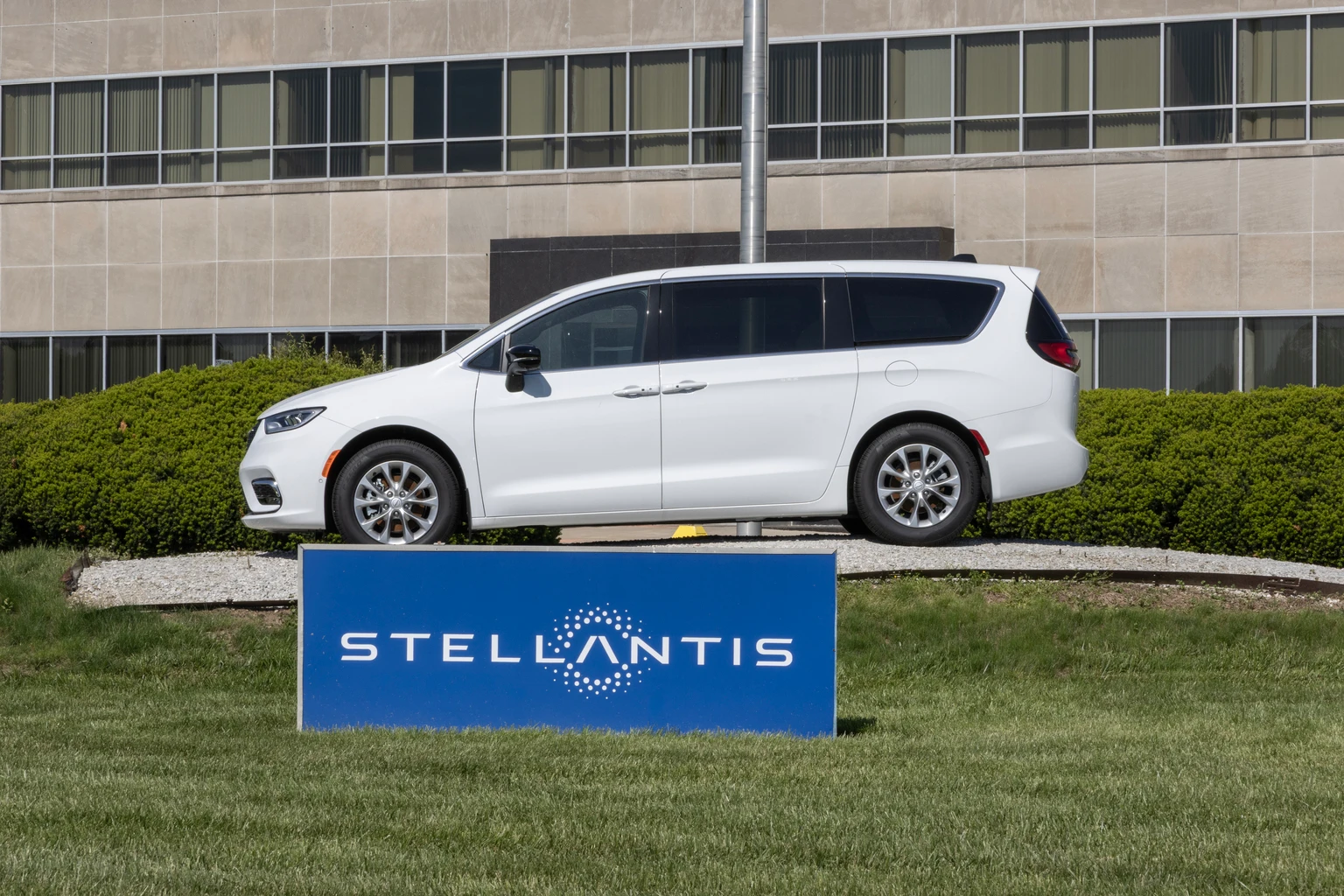
Stellantis Vehicle Sales Reflect A Glimmer Within A Dark Picture (NYSE:STLA)

Published

on

Stellantis Vehicle Sales Reflect A Glimmer Within A Dark Picture (NYSE:STLA)

This article was written by

I am a journalist based in Detroit, having spent almost my entire career writing about business and economic subjects for The Wall Street Journal, New York Times, Detroit Free Press and Bloomberg. I’m the author of two books and am an acknowledged expert on the world automotive industry.

Analyst’s Disclosure: I/we have a beneficial long position in the shares of TSLA either through stock ownership, options, or other derivatives. I wrote this article myself, and it expresses my own opinions. I am not receiving compensation for it (other than from Seeking Alpha). I have no business relationship with any company whose stock is mentioned in this article.

Seeking Alpha’s Disclosure: Past performance is no guarantee of future results. No recommendation or advice is being given as to whether any investment is suitable for a particular investor. Any views or opinions expressed above may not reflect those of Seeking Alpha as a whole. Seeking Alpha is not a licensed securities dealer, broker or US investment adviser or investment bank. Our analysts are third party authors that include both professional investors and individual investors who may not be licensed or certified by any institute or regulatory body.

Advertisement
Continue Reading

Business

The challenge of changing colors

Published

on

The challenge of changing colors

FDA approves blue and red colors, while plans call for more fruit and vegetable acreage.

Continue Reading

Business

Top MLB Injuries Impacting 2026 Season as Key Stars Navigate Recovery Timelines

Published

on

Byron Buxton

Major League Baseball teams are grappling with a wave of significant injuries heading into the midpoint of the 2026 season, with star players from contending clubs sidelined by elbow, shoulder, hip and hamstring issues that are reshaping rosters and playoff outlooks. From reigning MVPs to promising rookies, the injury list is testing depth across multiple organizations as clubs balance short-term needs with long-term health concerns.

Here are five of the most notable injury situations currently affecting MLB clubs, based on the latest updates from teams and medical evaluations:

Byron Buxton, Minnesota Twins (Hip Impingement): The dynamic center fielder aggravated a lingering right hip issue during a steal attempt, forcing him out of multiple games. Buxton’s speed and power have been central to the Twins’ lineup, but recurring lower-body problems continue to limit his availability. He remains day-to-day with hopes of returning soon, though the All-Star break could provide additional recovery time.

Brandon Woodruff, Milwaukee Brewers (Shoulder Inflammation): The veteran right-hander landed on the 15-day injured list with right shoulder inflammation after making several appearances following an earlier absence. Woodruff’s return had been a boost for Milwaukee’s rotation, but this setback highlights the careful management required for pitchers with injury histories. He is expected to miss several weeks, impacting the Brewers’ postseason push.

Advertisement

Connelly Early, Boston Red Sox (Elbow Inflammation): The promising rookie starter exited a recent outing with left elbow discomfort and was placed on the 15-day injured list. Early had been a bright spot in Boston’s rotation before the issue arose. Further evaluation is underway, with inflammation cited as the primary concern rather than a structural problem. His absence tests the Red Sox’s depth in a competitive American League East.

Mike Trout, Los Angeles Angels (Hamstring Strain): The future Hall of Famer has been sidelined since mid-June with a right hamstring strain. Trout reported progress in running bases and hopes to return this week, though the Angels are proceeding cautiously with their franchise cornerstone. His presence in the lineup remains vital for a club looking to build momentum.

Ryan Helsley, Baltimore Orioles (Elbow Discomfort): The closer experienced renewed right elbow issues after a brief return from an earlier stint on the injured list. Helsley was placed back on the 15-day IL, with further testing planned. His absence forces the Orioles to lean on other relievers for high-leverage situations in a tight division race.

These injuries reflect broader trends across MLB, where elbow and shoulder problems continue to plague pitchers while position players battle lower-body strains from the demands of a long season. Teams are increasingly relying on advanced medical protocols, rest and rehabilitation to manage workloads.

Advertisement

Clubs like the Los Angeles Dodgers and New York Yankees have also dealt with their share of absences, testing roster flexibility. The Dodgers have managed without key contributors at times, while the Yankees navigate a crowded injured list that includes several high-profile names. Depth and internal options have become critical as the trade deadline approaches.

Injuries have ripple effects beyond individual players. Rotations are shortened, bullpens are taxed, and lineups lose production, often forcing managers to get creative with platoons and call-ups from the minors. For rebuilding teams, these setbacks can accelerate timelines for prospect evaluation, while contenders must weigh short-term losses against long-term health.

Medical experts note that modern training methods and pitch-count management have helped reduce some risks, but the physical toll of 162 games plus postseason play remains significant. Hamstring and oblique strains are common among hitters due to explosive movements, while pitchers face cumulative stress on elbows and shoulders from high-velocity throwing.

Fan interest often spikes around injury news, particularly when superstars like Trout or dynamic players like Buxton are affected. Social media buzz and fantasy implications add layers to the conversation as teams provide daily updates. Transparency from clubs helps manage expectations, though timelines can shift based on individual healing.

Advertisement

The All-Star break offers a natural pause for many recovering players, with some using the time for final rehabilitation steps before the second half. Teams are monitoring progress closely, hoping key contributors can return strengthened rather than rushing back prematurely.

Front offices are also evaluating trade deadline strategies in light of injury situations. Acquiring depth or proven talent can offset absences, but salary considerations and prospect capital play major roles. Contenders may prioritize immediate help, while others focus on future assets.

Overall, 2026 has seen a typical distribution of injuries, with no single catastrophic event dominating headlines but a steady stream of absences challenging even the deepest organizations. As the season progresses toward October, health management could prove decisive in determining playoff participants and ultimate champions.

Players currently sidelined are working diligently in rehabilitation programs, supported by team medical staffs and specialized trainers. Their returns are eagerly anticipated by teammates and fans alike, as baseball thrives on the presence of its biggest stars. The coming weeks will reveal how effectively clubs adapt and whether injured players can help reshape their teams’ fortunes.

Advertisement
Continue Reading

Business

Major housing site could be marketed for business use

Published

on

Business Live

Land was earmarked for 1,200 homes but could instead see mixed-use development

The site on Stonebridge Lane, Stonebridge Cross, Croxteth, Liverpool, where a new Amazon warehouse could be built

The site on Stonebridge Lane, Stonebridge Cross, Croxteth

A huge area of land off the East Lancashire Road once earmarked for 1,000 new homes could now find itself offering around a fifth of those properties in a new employment-led scheme. Since 2014, Liverpool Council has owned Stonebridge Cross in Croxteth after acquiring it from Homes England.

Advertisement

In March 2021, plans were agreed to move a development plan forward with a view to building 1,200 homes on the site. A year later there were hopes an outline planning application could be submitted.

Now, four years on, the city council is preparing to take the site to market for a mixed-use development, with just 220 homes. It is thought this would take the form of a 70-30 split towards employment uses.

The 55-acre site is located on the East Lancashire Road (A580), one of the main thoroughfares into Liverpool. It was also one of two sites considered by Everton Football Club for its new stadium before settling on Bramley Moore Dock.

There had been hopes back in 2020 that work on the site to deliver new homes could have started within 12 to 18 months. Cabinet documents describe the site as “one of the city’s largest remaining development opportunities and is well placed to support new employment space, housing and wider regeneration benefits.”

Advertisement

Regarding the shift from a major housing development towards employment use, officials said the evidence base had changed since an assessment five years ago. In the report, which will go before councillors for a decision next Tuesday, it was said market testing and employment land evidence indicate “strong demand” for employment floorspace.

It added how an employment-led scheme would “allow the majority of the site to support modern employment development while enabling a residential element, indicatively around 220 homes, where this supports a comprehensive and well-designed scheme.” The site’s location, with access to the port, city centre and motorway network, makes it suitable for modern industrial, logistics and manufacturing uses.

The documents said: “The housing should provide an appropriate mix of tenures and property types, supporting both the diversification of the local housing market as well as delivering a substantial element of social and affordable housing to relieve affordability challenges in the city.”

The move away from a sole housing scheme is described as “more realistic and deliverable than seeking a single specialist use and gives the council the best opportunity to attract credible occupiers and deliver jobs for the local area.” Subject to cabinet approval, a specialist marketing agent will be appointed to promote the site and secure developer interest.

Advertisement

The council’s preferred approach is for an overall comprehensive approach to the site, however, it may accept bids from a singular offer based on the 70/30 split towards employment and housing.

To find all the planning applications, traffic diversions, road layout changes, alcohol licence applications and more in your community, visit the Public Notices Portal.


Continue Reading

Business

Palm Valley Capital Fund Q2 2026 Portfolio Activity

Published

on

Why I Still Don't Use A 60-40 Amid 5% Treasury Bond Yield

Palm Valley Capital Fund Q2 2026 Portfolio Activity

Continue Reading

Business

Ubisoft: Buying The Crown Jewels Below Zero

Published

on

Ubisoft: Buying The Crown Jewels Below Zero

Ubisoft: Buying The Crown Jewels Below Zero

Continue Reading

Trending

Copyright © 2025