McDonald’s Corp. (NYSE: MCD) shares declined modestly in trading on March 6, 2026, reaching $324.27, down $3.09 or 0.94% from the previous close, amid broader market fluctuations and profit-taking following a near-record peak earlier in the week.
The fast-food leader’s stock has traded in a 52-week range of $283.47 to $341.75, with the recent high hit around March 2, 2026. Intraday trading saw the shares range from approximately $321.35 to $326.29, with volume around 1 million shares in early sessions, below the average of over 3 million.
McDonald’s market capitalization stands near $231 billion to $233 billion, depending on intraday fluctuations, maintaining its status as a mega-cap stock with a low beta of about 0.50, indicating lower volatility compared to the broader market. The forward price-to-earnings ratio hovers in the mid-20s, while the dividend yield remains attractive at roughly 2.2% to 2.3%, supported by a forward annual dividend of $7.44.
The dip follows a strong close to 2025 and positive momentum into the new year. On February 11, 2026, McDonald’s reported fourth-quarter and full-year 2025 results that exceeded Wall Street expectations. Global comparable sales increased 5.7% in the fourth quarter, with positive traffic and performance across all geographic segments. U.S. comparable sales rose 6.8%, driven by value-oriented promotions and digital channels.
Consolidated revenues climbed 10% year-over-year to $7.01 billion, surpassing estimates of around $6.85 billion to $6.81 billion. In constant currencies, growth was 6%. Systemwide sales grew 11% (8% in constant currencies) for the quarter, pushing full-year systemwide sales above $139 billion, up 7% (5% in constant currencies) and adding nearly $9 billion in incremental growth.
Advertisement
Adjusted earnings per share came in at $3.12 for the quarter, beating consensus forecasts of $3.05. Net income reached $2.16 billion, or $3.03 per share, up from the prior year. Loyalty program strength was a key highlight, with sales to loyalty members surging 20% to nearly $37 billion across 70 markets. The company ended 2025 with close to 210 million 90-day active loyalty users.
CEO Chris Kempczinski emphasized the success of value strategies in a press release and earnings call. “Our focus on delivering unbeatable value has resonated with guests,” he said, crediting consistent pricing, app-exclusive deals and limited-time offers for traffic gains amid economic pressures.
For 2026, McDonald’s executives noted the year is “off to a strong start” but anticipated more moderate comparable sales growth in the first quarter compared to the fourth quarter’s robust performance. The company plans significant expansion, targeting about 2,600 new restaurant openings globally, with net additions of around 2,100. This is expected to drive roughly 2.5% systemwide sales growth, excluding currency effects.
Advertisement
Capital expenditures are forecasted at $3.7 billion to $3.9 billion, funding new builds, remodels, technology enhancements and supply chain improvements. Menu innovation continues, with plans to introduce new beverages later in 2026, including energy drinks, fruity refreshers and crafted sodas in the U.S. and select international markets. These draw from insights gained through the CosMc’s test and prior beverage trials.
Analysts largely maintain optimism on MCD. Consensus price targets range from about $338 to $349, with some higher calls reaching $354 (KeyCorp), $370 (Truist), $375 (Jefferies) and up to $385 (Tigress Financial). Recent adjustments include KeyCorp raising its target to $354 from $340 on March 3, 2026, while maintaining an overweight rating. Other firms like Argus upgraded to buy, citing digital investments and new launches.
The overall analyst consensus leans toward “Buy” or “Moderate Buy,” with roughly 16 to 17 buy ratings, 13 holds and a few sells. This reflects confidence in McDonald’s defensive positioning, global scale and ability to navigate consumer challenges through value and digital strategies.
Shares have gained about 7% to 8% year-to-date in 2026, building on resilience in a mixed economic environment. The franchise model generates steady royalty and rent revenue, while digital ordering, delivery partnerships and loyalty programs bolster growth. International markets, including foundational and emerging regions, provide diversification against U.S. softness.
Advertisement
Recent news includes McDonald’s ambitious goal to reach 50,000 restaurants by 2027, underscoring long-term expansion plans. Partnerships, such as renewed tech collaborations with Capgemini, aim to enhance digital capabilities. The company also faced lighthearted industry banter over promotional videos but remains focused on core execution.
As a bellwether for quick-service dining trends, McDonald’s continues to draw investor attention for its stability, dividend reliability and growth potential. With value initiatives proving effective and expansion on track, the stock appears poised for steady performance despite short-term pullbacks.
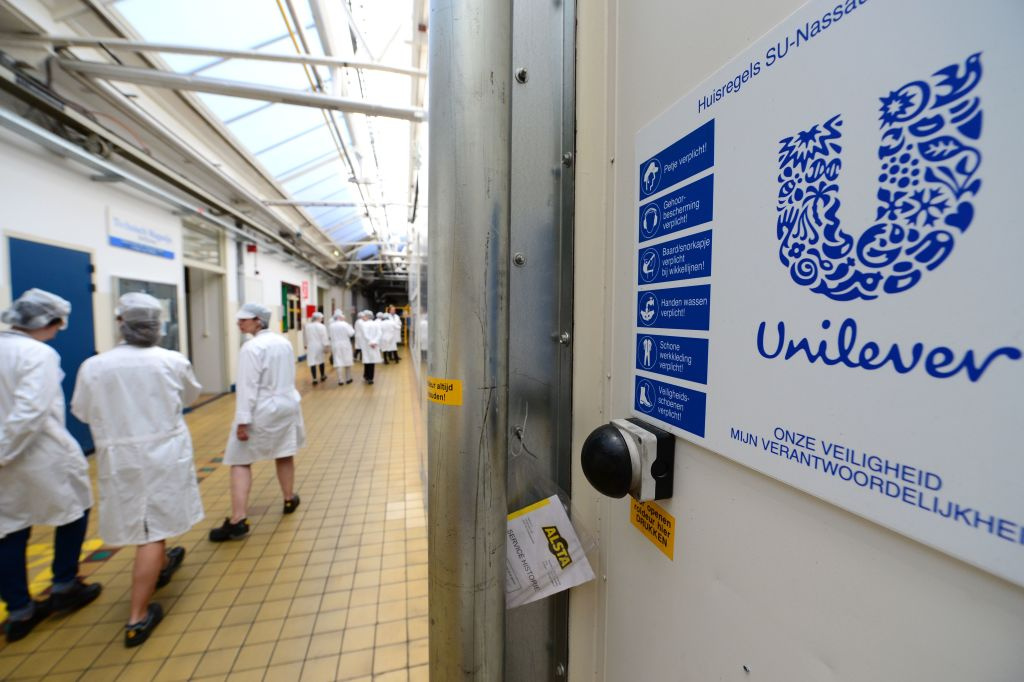
Unilever is facing a new legal challenge after former Ben & Jerry’s board chair Anuradha Mittal filed a defamation lawsuit in federal court on Thursday.
The case, filed in Oakland, California, claims the company and its spun-off Magnum ice cream unit made false statements that damaged her reputation.
Mittal, who was removed from her role in December, alleges that Unilever and Magnum “vilified and discredited” her due to her support for Palestinian rights and calls for a ceasefire in Gaza.
According to the complaint, tensions grew after Unilever announced the Magnum spinoff in March 2024.
Advertisement
The lawsuit states that Mittal was accused of serious misconduct, including self-dealing, receiving improper benefits, and misusing funds from the Ben & Jerry’s Foundation.
She also claims the companies portrayed her as creating a toxic work environment and being unfit to lead.
The filing argues these claims were false and made with “actual malice,” meaning they were either knowingly untrue or shared without regard for the facts, Reuters reported.
“Defendants achieved their goal of thoroughly humiliating and discrediting Ms. Mittal,” the complaint states, adding that the situation caused harm to her reputation as well as personal struggles, including depression and insomnia.
Advertisement
Mittal is seeking damages, though the exact amount has not been disclosed.
Ben & Jerry’s Dispute With Unilever Intensifies
Unilever has not publicly responded to the lawsuit. However, Magnum said in a statement that the claims are “unfounded” and expressed confidence that the court process will support its position.
This legal dispute is the latest chapter in a long-running conflict between Unilever and Ben & Jerry’s leadership over the brand’s independence and social mission.
According to Yahoo, the ice cream company, founded in 1978, has long been known for its activism. It was acquired by Unilever in 2000, but its board has continued to advocate for social and political causes.
Advertisement
Tensions escalated in 2021 when Ben & Jerry’s announced it would stop selling products in the Israeli-occupied West Bank.
Since then, disagreements over the company’s direction and messaging have continued to grow.
In November 2024, Ben & Jerry’s filed its own lawsuit against Unilever, accusing the parent company of trying to weaken its board and limit its activism.
Some petrol stations in New South Wales have imposed caps on fuel purchases.
This comes as petrol stations across Australia see a surge in demand amid the Iran war, which has greatly affected fuel supply and prices.
NSW Petrol Stations Impose Purchase Caps
According to a report by 9News, a petrol station on Sydney’s Northern Beaches has informed its patrons that it will impose a 50-litre cap for each vehicle.
Meanwhile, another petrol station in Balranald said that it will limit petrol purchases to 150 litres per person.
It is unclear why petrol stations have imposed caps on fuel purchases as of writing.
Advertisement
Petrol Stations See Surge in Demand
These self-imposed caps come as petrol stations across Australia report a surge in demand of up to 25% in the last two weeks alone.
According to The Guardian, the Australasian Convenience and Petroleum Marketers Association has provided insights as to the increase in demand.
“Retailers are reporting that people are filling up more regularly,” the association said. “Parts of the agriculture, freight and commercial sectors brought forward their buying of fuel, which has added to demand in the short term.”
The federal government as well as the different states are not considering fuel rationing as of writing, but this is something that they are not ruling out should the Iran war continue for months.
Advertisement
Energy minister Chris Bowen believes that Australia is still not in this “worse-case scenario.”
“I don’t think we’re there,” said Bowen, according to The Guardian. “I don’t envisage being there. But of course, we are dealing with the biggest energy crisis in history and so, you know, there will be, there does need to be governments working together about prudent contingency planning.”
As several Indian pharma giants race to launch cheaper generics for Semaglutide, the active ingredient in popular weight-loss drugs Ozempic and Wegovy, international brokerage Jefferies said that Sun Pharma, Lupin and Torrent Pharma can emerge as the eventual winners.
Novo Nordisk’s patent for GLP-1 (glucagon-like peptide-1) therapy expired last week. Jefferies in its latest report said that after the patent expiry, more than 10 brands have launched their versions online, and over 40 brands are expected to join the race across injectables and oral forms.
The international brokerage noted that price points for the monthly dose of the injectable version are in the range of Rs 1,290-4500, with Natco and Glenmark offering products at the lower end of the range, and Dr Reddy’s and Torrent at the higher. “Most companies have launched their own brands, while others have formed partnerships (Torrent/Lupin are sourcing from Zydus). Torrent Pharma, the sole generics firm to supply the oral version, has priced it at a lower discount (30-50%) vs. injectables. Zydus offers a reusable multi-dose pen device; this differentiated offering allows patients to progressively titrate their dosage over the course of the treatment,” it added.
Products already sold out online
Despite the strong inventory build-up by companies, Jefferies claimed that there is a shortage in online channels. Out of the 10 brands that have already launched their generic versions only, the products by only 3-4 brands are still available while the rest are sold out, it said. Multiple reasons including inaccurate demand forecasts, limited supply quantities sent to online channels and supply chain hurdles due to regulatory crackdowns were cited as the possible reasons by the brokerage. Additionally, the launches face intensified regulatory surveillance against unauthorized sale and promotion by the regulator in order to ensure ethical practices in the supply chain of GLP-1 drugs. “Our interactions with companies suggest the product is still in the initial days of launch. Companies are testing the waters with demand and supply, and they expect the market to settle down in the next few months. Impact of Semaglutide launch on existing diabetes drugs should also become clear in coming months,” Jefferies wrote.
Advertisement
Live Events
Why Sun Pharma, Lupin and Torrent Pharma can emerge as winners
Notably, these are strictly prescription-drugs. Endocrinologists and internal medicine specialists can mainly prescribe the drugs, along with cardiologists only for some indications. “Thus, companies with strong connect with specialist doctors and a large-scale cardio franchise such as Sun, Lupin and Torrent could emerge as eventual winners,” the international brokerage said. The Nifty Pharma is among the only two sectoral indices which were in the green on NSE on Friday. Piramal Pharma, Mankind Pharma and other stocks gained up to 2%, as seen in the afternoon.Jefferies has a ‘Buy’ call on Alkem Laboratories, Emcure Pharmaceuticals, Lupin, Mankind Pharma, Sun Pharma, Torrent Pharma and Zydus Lifesciences. It however has an ‘Underperform’ rating for Cipla and Dr. Reddy’s Laboratories.
As per industry data, the penetration of GLP-1 drugs is still very low in India, reaching only about 5% of people with diabetes and 4% of those with obesity. This leaves a vast untapped pool in the country, which has over 100 million diabetics and 250 million individuals with obesity.
Ozempic was priced at Rs 8,800–11,175, while Wegovy cost Rs 10,850–16,400 a month. In comparison, Mounjaro (tirzepatide) from Eli Lilly cost between Rs 13,000 and Rs 26,000 per injection, depending on the dosage. Each injection consists of four monthly shots.
The high prices of existing drugs have led investors to expect that cheaper generics will see strong demand in India, although regulatory oversight remains critical.
Advertisement
(Disclaimer: Recommendations, suggestions, views and opinions given by the experts are their own. These do not represent the views of The Economic Times)
Amid persistent global uncertainty and volatility, a more constructive view is emerging on Indian equities as valuations correct meaningfully across sectors. Sahil Kapoor from DSP Mutual Fund speaking with ET Now noted that the market backdrop has changed significantly over the past two years, pointing out, “Indian markets were trading upwards of 25 times multiple… valuations were also very-very challenging at that time.
Fast forward to today, Nifty trades below 20 times multiple… valuations have come down significantly.” While earnings growth has slowed to a more modest pace, he emphasised that the decline in valuations is now creating opportunities for investors willing to take a long-term view. “Earnings growth is still the challenge, but at least valuations have come down significantly… buying cheap or below fair value is in our control,” he said, underscoring the importance of focusing on what investors can control in uncertain environments.
Within sectors, Kapoor sees financials, particularly private sector banks, as offering compelling risk-reward.
He highlighted that “top private banks are trading close to two times price to book… some are near Global Financial Crisis lows,” adding that such levels provide a favourable entry point even without aggressive earnings assumptions. He further noted that “even if credit growth aligns with nominal GDP at 10% to 12%, it still makes sense to go overweight,” suggesting that reasonable growth expectations are sufficient to justify allocation to the sector. Addressing concerns about competition from public sector banks, Kapoor maintained that the feared disruption has not yet materialised in the data.
Advertisement
“If PSU banks were underpricing aggressively, it should reflect in market share… but it has not appeared in numbers,” he said, adding that private banks continue to gain share steadily despite the prevailing narrative. He also pointed out that investors are currently benefiting from a combination of negative sentiment and cyclical pressures, which have compressed valuations.
Live Events
In the IT sector, Kapoor acknowledged that growth has slowed sharply, with “revenue growth… between zero to 3%… a very-very low number.” However, he noted that much of this weakness is already reflected in stock prices, making valuations more attractive. Importantly, he highlighted that “margins have not shrunk… that suggests businesses are managing the cycle well,” indicating resilience despite the slowdown. With large IT companies trading at compressed multiples, he believes selective accumulation could be warranted. “At 14–17 times multiples, there is no harm in nibbling into these names,” he said, pointing to strong return metrics and long-term business quality. On the subject of foreign institutional investors, Kapoor pushed back against the widely held belief that flows drive returns. “Flows do not cause returns… there is no correlation,” he said, arguing that valuations and fundamentals remain far more important. He also noted that currency concerns may be less of a headwind going forward, observing that “the rupee is quite oversold… a lot is already priced in.” This combination of factors, he suggested, could make India more appealing to global investors at current levels. “This is the time to look at India more constructively,” he added.Beyond financials and IT, Kapoor sees emerging opportunities in other pockets of the market as well. He pointed out that “some FMCG names have been completely beaten down… even a small uptick in consumption can revive the sector,” while also highlighting select opportunities in auto ancillaries and chemicals. According to him, the current environment allows investors to build a diversified portfolio of quality businesses at more reasonable valuations.
Despite the improving valuation comfort, Kapoor remains cautious on broader market segments, particularly mid- and small-cap stocks. He concluded, “The preference for us is largecap… small and midcap are still not there,” signalling a continued tilt towards stability and quality in the current phase.
With valuations resetting across key sectors and much of the pessimism already priced in, Indian equities are gradually turning attractive again. However, the approach remains measured—focused on largecaps, quality businesses, and disciplined accumulation rather than aggressive risk-taking.
Health officials are closely monitoring the highly mutated COVID-19 variant BA.3.2, nicknamed “Cicada,” after detections in wastewater samples from at least 25 U.S. states and clinical cases as of early 2026. The Omicron descendant, first identified in South Africa in November 2024, has raised concerns over potential immune escape but has not yet driven a surge in severe illness or hospitalizations nationwide.
Cicada COVID Variant BA.3.2 Spreads in 25 US States: Key Facts, Symptoms, Risks
The Centers for Disease Control and Prevention detailed the variant’s spread in a March 19, 2026, report in its Morbidity and Mortality Weekly Report. BA.3.2 carries roughly 70 to 75 substitutions and deletions in the spike protein compared with JN.1 lineages used in the 2025-2026 vaccines, prompting laboratory studies suggesting reduced neutralization from existing antibodies.
As of February 11, 2026, the variant appeared in 23 countries, with notable rises in parts of Europe. In the U.S., it was first detected June 27, 2025, in a traveler arriving at San Francisco International Airport from the Netherlands. The initial clinical sample from a U.S. patient came January 5, 2026. Wastewater surveillance later identified it across diverse states, indicating broader circulation than confirmed cases suggest.
Origin and Nickname
Researchers coined “Cicada” because the variant remained largely undetected for months after its initial identification, much like the insect that spends years underground before emerging. It descends from the earlier BA.3 Omicron subvariant that circulated briefly in 2021-2022 before fading. BA.3.2 represents a genetically distinct lineage, separate from dominant JN.1 offshoots like XFG.
Advertisement
Two sublineages, BA.3.2.1 and BA.3.2.2, have been noted, with ongoing evolution observed. The World Health Organization placed it on its variants under monitoring list in December 2025, citing the high mutation count and potential antibody evasion without evidence of a clear growth advantage or increased severity at that time.
Spread in the United States
Wastewater samples detected BA.3.2 in 132 sites across 25 states by February 11, 2026, including California, New York, New Jersey, Michigan, Florida, Texas, Hawaii and others. Additional findings included four traveler nasal swabs, three airplane wastewater samples and five clinical respiratory specimens from four states.
By mid-March, some trackers showed detections in up to 29 states and Puerto Rico, though overall prevalence remained low — around 0.19% to 0.55% of sequenced samples in national surveillance from December 2025 to March 2026. In contrast, certain European countries saw BA.3.2 reach 10% to 40% of sequences between November 2025 and January 2026.
Advertisement
National COVID-19 case levels stayed relatively low in early 2026, with other Omicron subvariants still dominant. Experts emphasize that wastewater signals often precede clinical detections, serving as an early warning system.
Symptoms of the Cicada Variant
Symptoms linked to BA.3.2 mirror those of other recent Omicron subvariants and generally remain mild, especially in vaccinated or previously exposed individuals. Common reports include:
Cough
Fatigue
Runny nose or congestion
Headache
Sore throat
Mild fever or chills
Body or muscle aches
No data indicates BA.3.2 causes more severe disease than circulating strains. Hospitalized cases identified so far involved older adults with underlying conditions or a young child receiving outpatient care; all survived. Doctors note that sore throat sometimes appears prominent.
Risk Factors and Immune Escape Concerns
Advertisement
The primary concern stems from the variant’s mutations potentially reducing protection from prior infection or the 2025-2026 vaccines targeting LP.8.1 antigens. Laboratory studies showed lower antibody neutralization against BA.3.2 compared with JN.1 strains, though real-world effectiveness data is still emerging.
Higher-risk groups include:
Older adults, particularly those 65 and older
People with comorbidities such as heart disease, diabetes or weakened immune systems
Unvaccinated or under-vaccinated individuals
Those with recent waning immunity
Prevention and Public Health Response
Health officials recommend staying up to date with COVID-19 vaccination, including the 2025-2026 formulation. While it offers the best protection against severe outcomes from current strains, its effectiveness against BA.3.2 may be somewhat lower. Additional layers of defense include:
Testing when symptomatic
Improved indoor ventilation
Masking in crowded or high-risk settings
Hand hygiene and respiratory etiquette
Broader Context in 2026
Six years after the pandemic’s start, COVID-19 remains endemic, causing millions of illnesses and thousands of deaths annually in the U.S. Seasonal patterns and new variants continue to influence transmission. BA.3.2’s slow emergence highlights how SARS-CoV-2 can evolve in under-monitored lineages before gaining traction.
Advertisement
Public health messaging focuses on preparedness rather than alarm. Most infections produce mild illness, and existing tools — vaccines, antivirals and basic precautions — help mitigate risks. WastewaterSCAN and similar projects have proven valuable for early detection.
For individuals, monitoring personal symptoms and consulting healthcare providers for testing or treatment remain key. Those at higher risk should discuss booster timing with their doctor.
As spring progresses, officials will watch whether BA.3.2 gains ground or remains a minor player. Continued vigilance, vaccination and surveillance will guide responses to this and future variants.
While Cicada adds another chapter to COVID-19’s evolution, current evidence suggests it does not signal an immediate major threat. Americans can reduce personal risk through familiar preventive steps while public health systems track its trajectory.
The business also has a presence in Edinburgh and Liverpool
Left to right are Alistair Hindle, Liz Lowe, Chris Cottingham, and Robert Gregory of Hindles (Image: Paul Groom Photography Ltd)
A patent and trade mark firm with offices in Edinburgh and Liverpool has opened a new base in Bristol as part of plans to target the South West. Hindles said the region was an “absolute powerhouse of innovation” and held “significant opportunities” for the business.
The Bristol office is headed up by Chris Cottingham, a director at Hindles and a UK and European patent attorney. He said the launch of the new city base would place Hindles “at the heart of the UK’s premier deep-tech ecosystem outside the Golden Triangle of Cambridge, Oxford and London”.
“Bristol and the wider South West region are an absolute powerhouse of innovation, fuelled by world-class universities and R&D, startups, and globally renowned companies across a series of strategically important sectors, and it’s a perfect home for our third UK office,” he said.
“And when you look at the city and region’s fast-growing credentials in AI, we see significant opportunities to support some of the most exciting players here.”
Advertisement
Mr Cottingham said deep-tech innovation the South West was “excelling”, driven in part by new start-up and spinout companies as well as new incubators, such as the recently launched OMX deep-tech lab facility.
“This is leading to a significant increase in local patent filings with the number of international patent applications from Bristol-based applicants having doubled in the last decade, compared with only a modest five per cent increase in international patent applications UK-wide,” he said.
Hindles, which was founded in 2004, advises organisations including start-ups, scale-ups, spinouts, universities, listed companies and global corporations on establishing and protecting their intellectual property. The firm’s clients based or operating in the region include Par-Pak Europe and Holfeld Plastics, who recently divested from US parent company Novolex, and Cornwall-headquartered Topan Group.
As well as its UK offices, Hindles also has a presence in Europe, North America, Asia, and the Middle East through a network of international associates.
Advertisement
Alistair Hindle, Hindles’s founding director and a chartered and European patent and trade market attorney, added: “Hindles has always been about high quality, commercially-focused IP advice, underpinned by a team of legal experts and sector specialists dedicated to protecting our clients’ core technologies.
“We are already advising firms in Bristol and the surrounding region and it’s great to have Chris in place to guide our next phase of growth across the South West.”
The United States has warned that Sir Keir Starmer’s push to realign the UK more closely with European Union rules risks undermining transatlantic trade, in a rare public intervention that highlights growing tensions over Britain’s post-Brexit strategy.
Warren Stephens said Washington views the UK government’s plan to reintroduce elements of EU regulation, particularly in agriculture and food standards, as a potential obstacle to trade with the US.
“To the extent that that affects US trade and requirements, that’s going to be a problem,” he told a business audience in London, adding that such a move “will not be favourably received in Washington”.
The warning comes as Keir Starmer and Chancellor Rachel Reeves seek closer economic ties with Brussels, including plans to reintroduce an initial tranche of 76 EU directives into UK law.
The proposed alignment, largely focused on farming and food standards, is intended to smooth trade relations with the EU and reduce friction for exporters. However, US officials fear it could complicate market access for American goods, particularly where regulatory standards diverge.
Advertisement
Stephens suggested that the UK’s attempt to balance its relationships with both Brussels and Washington could create competing pressures.
“I know the EU is important to the UK, and you’ve got to do what’s best for you,” he said. “But it does have implications for our trade relationship.”
The comments also reflect broader frustration in Washington over the pace of progress on the UK-US trade deal agreed last year under Donald Trump.
While the agreement came into force in mid-2025, Stephens indicated that the US is keen to see faster implementation and deeper integration.
Advertisement
“We’re excited by these deals and ready to act,” he said. “We want to see the same urgency from our partners.”
Among the proposals under discussion is a framework that would allow companies to raise capital across UK and US markets using domestic regulatory filings, a move aimed at strengthening financial ties between the two economies.
The US ambassador contrasted Washington’s relatively smooth dealings with the UK against what he described as a more difficult relationship with the EU, despite a trade agreement signed last year.
Delays in ratifying that agreement, partly linked to geopolitical tensions, have underscored the complexity of EU negotiations and may be influencing US concerns about the UK moving closer to European regulatory frameworks.
Advertisement
Beyond trade, Stephens also weighed in on broader economic policy, urging the UK to make greater use of domestic energy resources, including North Sea oil and gas, to support competitiveness and reduce costs.
At the same time, he adopted a more measured tone on the UK’s engagement with China, acknowledging the importance of the market while warning of the need to protect sensitive technologies and intellectual property.
The intervention highlights the increasingly delicate position facing the UK as it seeks to recalibrate its global relationships in the post-Brexit era.
Efforts to rebuild ties with the EU are seen by the government as essential to boosting trade and economic growth. However, the US remains one of the UK’s most important economic partners, and any perceived shift towards European alignment risks creating friction.
Advertisement
For businesses, the potential divergence in regulatory standards raises questions about market access, compliance costs and long-term strategy.
As the UK pursues a more pragmatic approach to international trade, balancing relationships with both the EU and the US will be critical.
The latest warning from Washington suggests that alignment with Brussels may come with trade-offs, and that the path to maximising economic opportunity may be more complex than anticipated.
For policymakers, the challenge will be navigating these competing priorities without undermining the UK’s position in either of its most important trading relationships.
Advertisement
Amy Ingham
Amy is a newly qualified journalist specialising in business journalism at Business Matters with responsibility for news content for what is now the UK’s largest print and online source of current business news.






















































You must be logged in to post a comment Login