
Business
Meta Acquires Moltbook to Power the Meta Superintelligence Labs


Meta‘s plans to expand its AI development were unveiled with its latest acquisition of Moltbook, a Reddit-esque social networking platform that is best known for using AI agents and bots.
Meta Acquires Moltbook, the AI Social Network
Axios reported that Meta has finalized the deal to acquire Moltbook, the social networking platform for AI agents, with the company taking a close interest in its creators, Matt Schlicht and Ben Parr.
A Meta spokesperson shared the reason behind the company’s acquisition of Moltboook, saying that its founders’ development centers on an “approach to connecting agents through an always-on directory,” citing that it is a novel take on a “rapidly developing space.”
Moltbook was built using the OpenClaw technology, a large language model that can create AI agents or personas to interact with them via popular apps like WhatsApp, Discord, and more.
Schlicht used OpenClaw to create a bot called “Clawd Clawderberg,” and then asked this bot to create a social networking platform for AI agents, which led to the development of Moltbook.
That said, Anthropic initially flagged the name “Clawd” for being close to their AI chatbot’s name “Claude,” which led to it being referred to as Moltbot, and then Moltbook.
Moltbook for Meta Superintelligence Labs
According to the deal, Schlicht and Parr are joining the Meta Superintelligence Labs to help the team in their development of next-generation AI experiences under the company.
As mentioned by the spokesperson, the Moltbook founders are set to deliver the approach they have to AI agents that are connected to an always-on directory for an unspecified project.
That said, the terms of the deal have not yet been disclosed by both Meta and Moltbook as of press time.
Originally published on Tech Times


Workplace culture is not just a trendy phrase—it’s one of the biggest reasons people enjoy their jobs or decide to quit.
Recent insights from Gallup show that many employees leave not because of salary, but because they feel disconnected, unsupported, or unheard at work.
As leadership expert Jennifer Dulski explained, “Even in the age of AI, teams are still made up of humans who need to feel deeply connected, supported and seen. When people don’t have that, they leave.”
Her statement highlights a simple truth: people don’t just work for money—they work for meaning and respect.
What Workplace Culture Really Means
At its simplest, workplace culture is how a job feels every day. It’s how people talk, how leaders act, and how problems get solved. It is not just what a company says online—it’s what employees experience in real life.
According to USA Today, career coach Patrice Williams-Lindo made this clear when she said, “workplace culture isn’t what companies have in their mission statements. It’s the pattern of decisions — what leaders reward, tolerate or ignore.”
That means culture shows up in small moments:
- How your boss responds when you make a mistake
- Whether your ideas are heard
- If teamwork is encouraged or ignored
These daily experiences shape whether people feel happy—or stressed—at work.
4 Big Things That Shape Workplace Culture
1. Leadership Behavior
Leaders set the tone. When things go wrong, employees watch closely. Do leaders stay calm and fair, or do they blame others?
Williams-Lindo explains that the best way to understand a company is to watch what happens during tough times. That’s when real values show.
2. Rules and Flexibility
Policies matter more than people think. Rules about remote work, schedules, or time off tell employees what the company truly values.
Clear and fair rules build trust. Confusing or changing rules create stress.
3. Communication and Honesty
Open communication builds strong teams. When leaders share information clearly, employees feel included.
But when decisions happen behind closed doors, trust breaks. Workers may start to feel left out or unimportant.
4. Rewards and Recognition
What gets rewarded gets repeated. If teamwork is praised, people will help each other. If only individual success is rewarded, collaboration may suffer.
Recognition—big or small—helps employees feel valued.
Different Types of Workplace Culture
Not all workplaces feel the same. Here are a few common types:
Fast-Paced Startups
Startups move quickly and change often. According to Leigh Henderson, these environments reward creativity and flexibility. Some people love the freedom, while others may find it stressful.
Structured Corporate Jobs
Large companies often have clear rules and systems. This can bring stability, but sudden changes—like layoffs—can feel shocking if they don’t match the company’s values.
Mission-Driven Organizations
Nonprofits focus on helping others. This can give employees a strong sense of purpose. But it can also lead to burnout if people feel they must always give more.
Remote-First Workplaces
Remote jobs offer flexibility, but they require strong communication. Without face-to-face time, employees must find ways to stay visible and connected.
Why Culture Affects More Than Just Work
Workplace culture shapes more than tasks—it shapes people’s lives.
A healthy culture can:
- Improve mental health
- Build strong relationships
- Increase motivation
An unhealthy culture can:
- Cause stress and burnout
- Lower confidence
- Make employees feel stuck
Williams-Lindo described workplace relationships as something deeper, saying they create “trust” and a system of support. When that trust is missing, work becomes harder and less enjoyable.
How to Spot a Good Workplace Culture
If you’re looking for a job, here are simple ways to check a company’s culture:
Do Your Research
Look at company websites and reviews. Compare what they say with what employees report.
Ask Real Questions
During interviews, ask why people enjoy working there—and what challenges they face. Honest answers reveal the truth.
Watch How People Act
Notice how employees speak to each other. Are they respectful? Friendly? Open?
Pay Attention to Leaders
Do managers listen carefully? Do they show interest in you as a person?
These small signs can tell you a lot.
The Bottom Line
Workplace culture is not just a “nice-to-have.” It affects how people feel, perform, and grow. It can turn a simple job into a meaningful experience—or a daily struggle.
As companies change and technology grows, one thing stays the same: people need connection, respect, and purpose. That’s why culture matters now more than ever.
Originally published on vcpost.com
Business
Phoenix Sky Harbor TSA Wait Times Remain Manageable On Easter Weekend 2026 Despite Staffing Challenges

PHOENIX — Travelers passing through Phoenix Sky Harbor International Airport on Good Friday encountered generally short TSA security wait times, with most checkpoints reporting waits under 15 minutes as of midday on April 3, 2026, offering some relief during the busy Easter travel period.

The airport’s official website showed real-time security wait times fluctuating between 5 and 11 minutes across active checkpoints around 12:16 p.m. local time. Terminal 3 listed a 9-minute wait, while Terminal 4 checkpoints reported: A at 10 minutes, B at 5 minutes, C at 7 minutes and D at 7 minutes. All gates in Terminal 4 remain accessible through any checkpoint, allowing passengers to switch lines if one appears longer.
Phoenix Sky Harbor, one of the busiest airports in the country and a major hub for American Airlines and Southwest Airlines, typically sees average TSA wait times between 5 and 20 minutes under normal conditions. During peak morning hours or holiday rushes, waits can occasionally climb toward 30 minutes, though recent data indicates relatively smooth operations compared with some other major U.S. airports.
The modest wait times come amid ongoing challenges for the Transportation Security Administration. A partial government shutdown has led to staffing shortages at checkpoints nationwide, with some officers working without pay and occasional absences contributing to longer lines at certain airports. At Sky Harbor, occasional checkpoint closures have been reported in recent weeks, forcing passengers to use alternative lanes, yet the airport’s multiple checkpoints in Terminal 4 have helped distribute crowds effectively.
Airport officials and TSA representatives recommend that passengers check real-time wait times before heading to the airport. The most reliable method is visiting the official Sky Harbor website at skyharbor.com, where a dedicated “Security Wait Times” section updates throughout the day by terminal and checkpoint. Flight information screens inside the terminals also display current estimates.
Travelers can use the MyTSA mobile app for additional guidance, including the “Can I Bring My…” tool for prohibited items and general wait-time information, although some users note that airport-specific data is most accurate on the Sky Harbor site itself. The airport also offers PHXRESERVE, a program allowing passengers to reserve a security screening time slot in advance to further reduce uncertainty.
On Easter weekend, with many families traveling for holiday gatherings, Sky Harbor expects elevated passenger volumes. Terminal 4, which handles the majority of flights, typically sees the heaviest traffic in the early morning and late afternoon. Passengers are advised to arrive at the airport at least two hours before domestic flights and three hours for international departures, even with current short wait times.
Recent traveler reports on social media and local news have been largely positive. Some passengers described clearing security in under 10 minutes, including through TSA PreCheck lanes, which often move even faster. Others noted that assistance from additional personnel, including ICE agents helping at checkpoints during the staffing crunch, has improved flow despite occasional confusion with procedures.
For those without TSA PreCheck or Clear, standard lanes have remained manageable. Historical averages suggest that early morning (5-8 a.m.) and early evening (4-7 p.m.) are the busiest periods, when waits can stretch toward 20-30 minutes or more if multiple flights depart simultaneously. Midday and late evening hours tend to be quieter.
Sky Harbor processed millions of passengers in 2025, and 2026 projections indicate continued growth as air travel demand remains strong post-pandemic. The airport has invested in technology upgrades, including more automated screening lanes and improved signage, to enhance throughput and passenger experience.
Tips for minimizing wait times at Phoenix Sky Harbor include:
– Enroll in TSA PreCheck or Clear if eligible for expedited screening.
– Pack liquids in a quart-sized bag and remove laptops and large electronics in advance.
– Wear easily removable shoes and avoid bulky outer layers.
– Use the airport’s chat function on skyharbor.com or ask staff for real-time advice if lines appear uneven.
– Consider off-peak travel times when possible.
Despite the staffing pressures from the ongoing partial government shutdown, TSA officers continue to operate as essential workers. Airport spokesperson Deanna Brodie has encouraged patience and preparation, noting that Sky Harbor’s layout with multiple parallel checkpoints helps prevent extreme backups that have plagued single-checkpoint facilities elsewhere.
International travelers should factor in additional time for customs and border processing upon arrival, though departure security screening follows the same TSA protocols. Phoenix Sky Harbor serves numerous nonstop domestic routes and several international destinations, primarily to Mexico and Canada.
For families traveling with children or passengers requiring special assistance, Sky Harbor provides dedicated support. Families can request assistance at checkpoints, and the airport offers wheelchair services and other accommodations through airlines or third-party providers.
As the Easter long weekend continues through Monday, April 6, wait times are expected to remain variable but generally reasonable based on current patterns. Travelers returning after the holiday may encounter slightly higher volumes on Sunday and Monday as flights converge.
In the broader context of U.S. air travel, Phoenix Sky Harbor has fared better than some peers during periods of staffing strain. While some airports have reported waits exceeding one hour, Sky Harbor’s multi-checkpoint design and proactive communication have helped maintain shorter lines.
Passengers are reminded that wait times can change rapidly with flight schedules, so checking within a few hours of departure provides the best snapshot. Those with tight connections should build in extra buffer time.
Sky Harbor continues to promote contactless options where available and encourages downloading the MyTSA app for quick reference on security rules. The airport also maintains robust cleaning and safety protocols to ensure a comfortable environment.
For the latest updates, visitors should rely on official sources: the Sky Harbor website, in-terminal displays, or airline apps. Unofficial third-party trackers may not reflect real-time conditions as accurately.
Overall, current data suggests that most travelers at Phoenix Sky Harbor on Good Friday experienced efficient security screening, with waits well below the 30-minute threshold that often triggers traveler frustration. With proper preparation and real-time checks, passengers can navigate the process smoothly even during a busy holiday weekend.
As air travel demand stays robust in 2026, Sky Harbor officials continue working with TSA to optimize staffing and technology. For now, the message to flyers is clear: check wait times online, arrive prepared, and enjoy smoother-than-expected security at one of America’s busiest desert gateways.
Check out what’s clicking on FoxBusiness.com.
The parent company of luxury retailer Saks announced Thursday that it entered into a restructuring agreement with its capital partners who committed to provide $500 million in financing when the company emerges from bankruptcy.
Saks Global Enterprises filed for Chapter 11 bankruptcy protection in January after it missed a $100 million interest payment in December because the company was burdened with $3.4 billion in debt after its $2.7 billion acquisition of Neiman Marcus.
The company now expects to exit bankruptcy this summer amid its ongoing restructuring effort.
“Achieving this important milestone underscores the progress we are making on our transformation and reflects our capital partners’ confidence in our go-forward vision, guided by our relentless devotion to the luxury customer,” said Geoffroy van Raemdonck, CEO of Saks Global.
SAKS GLOBAL FILES FOR BANKRUPTCY AFTER $2.7B NEIMAN MARCUS ACQUISITION DEAL
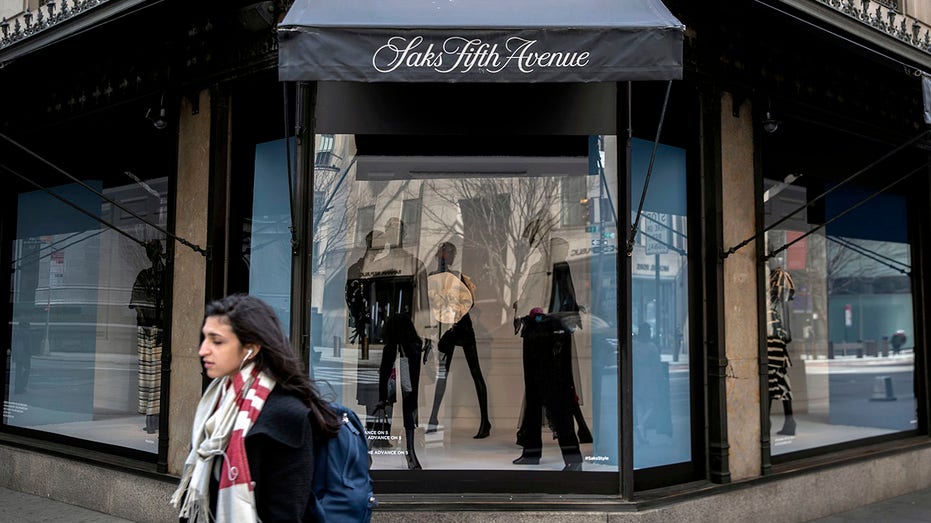
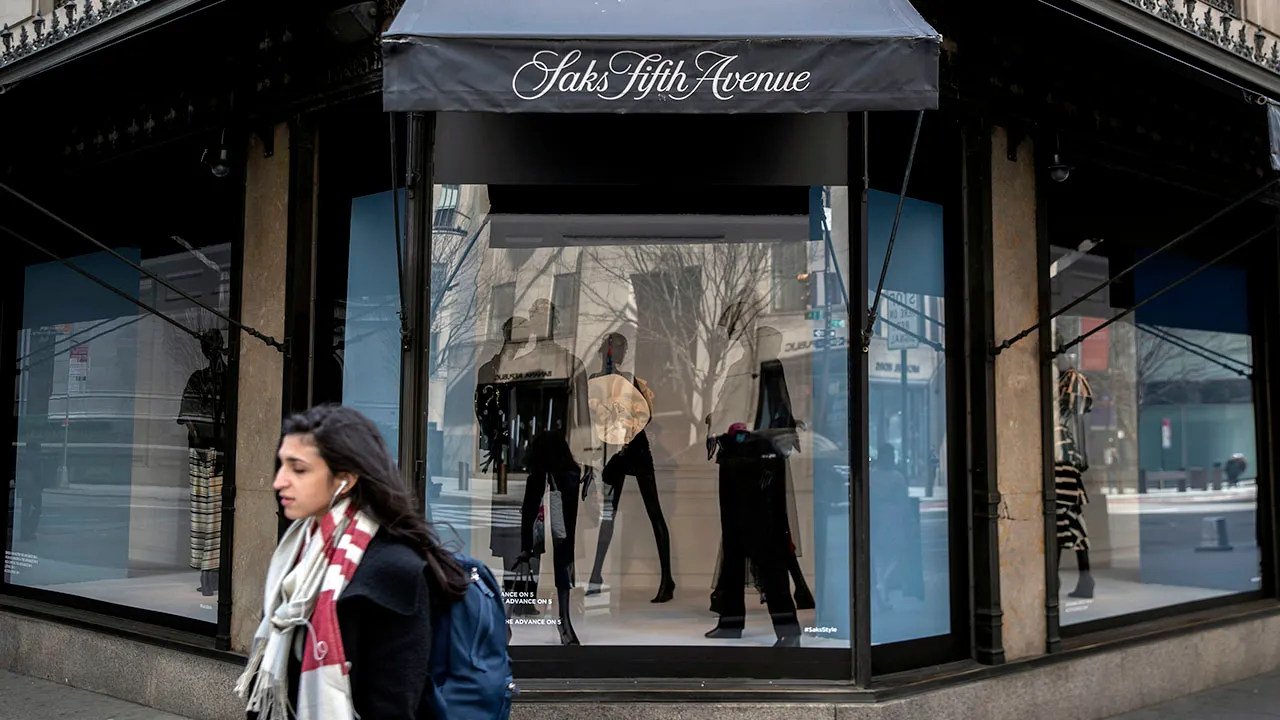
Saks Global, the parent company of Saks Fifth Avenue, signaled plans to exit bankruptcy this summer. (Victor J. Blue/Getty Images)
“As we advance the restructuring process and position Saks Global for the future, our focus remains on strengthening our brand partner relationships and delivering an expertly curated product assortment and personalized service for our luxury customers across Saks Fifth Avenue, Neiman Marcus and Bergdorf Goodman,” van Raemdonck added.
Saks Global’s announcement indicated that the company is continuing to work with its financial stakeholders on its reorganization plan and anticipates its filing in the coming weeks.
LUXURY RETAIL GIANT SAKS WEIGHS BANKRUPTCY FILING, REPORT
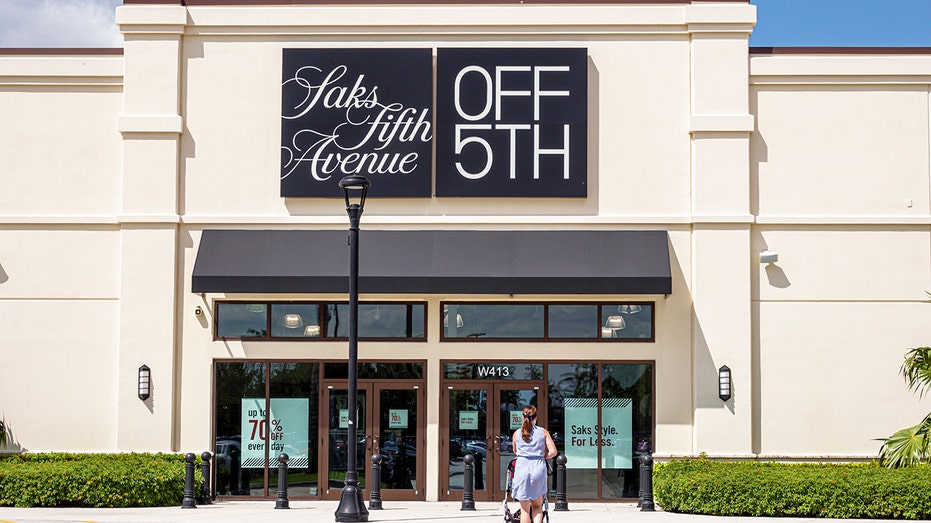
Saks Global has offloaded some of its discount locations, including a dozen Saks Off 5th locations. (Jeff Greenberg/Education Images/Universal Images Group via Getty Images)
Additionally, the retailer’s announcement on Thursday said its inventory has improved after more than 650 of its brand partners resumed shipping, which has helped lift customer engagement.
The company aims to unlock the potential of its three luxury banners and drive sustainable growth.
SPIRIT AIRLINES REACHES DEAL TO EXIT BANKRUPTCY PROCEEDINGS BY EARLY SUMMER
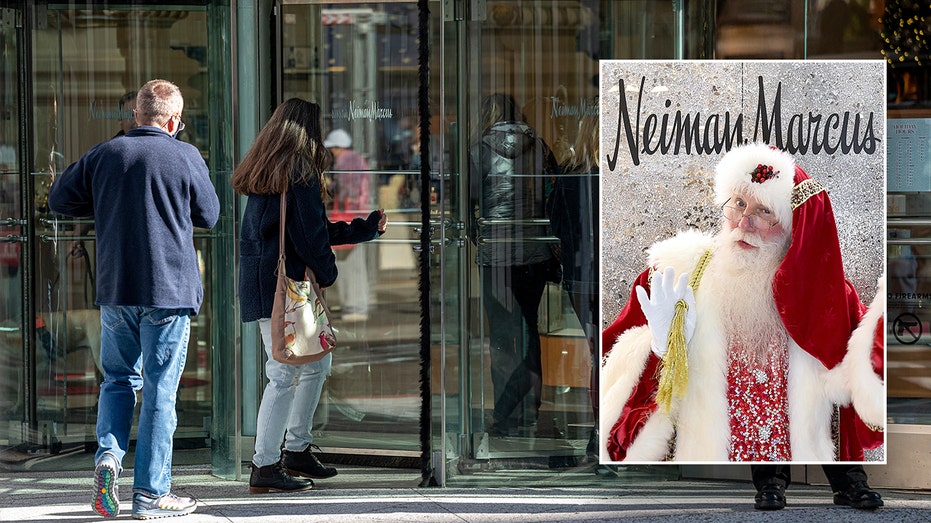
Neiman Marcus is one of Saks Global’s brands. (Getty Images)
Saks Global announced last month that it obtained access to an additional $300 million of its $1.75 billion bankruptcy funding package, which gave it sufficient liquidity to support operations. A group of its bondholders also approved its five-year business plan.
The retailer said in March it would close 12 Saks Fifth Avenue stores and three Neiman Marcus locations amid the restructuring.
GET FOX BUSINESS ON THE GO BY CLICKING HERE
In January, the company announced it would close 62 of its off-price operations, including Saks Off 5th and the remaining Neiman Marcus Last Call stores.
Reuters contributed to this report.

March Jobs Report: A Muddled Picture

Viant technology CFO Madden sells $194k in stock

‘The Big Money Show’ examines blue state tax policies as the wealthy flock to low-tax states.
As California faces a billionaire exodus, state officials are continuing to target the wealthy, with a crackdown on individuals who register luxury vehicles out of state to avoid California taxes and registration fees.
Known as the “Montana Loophole,” the practice involves California residents purchasing and registering luxury vehicles through a Montana-based limited liability company, LLC, because Montana has no statewide sales tax and has significantly lower registration fees than the Golden State.
Montana allows out-of-state owners to purchase and title vehicles there on paper, even when the vehicles are primarily used in another state, according to the California Department of Tax and Fee Administration (CDTFA).
On March 6, the CDTFA and the DMV announced they had opened more than 400 investigations into high-end vehicle buyers and begun nearly 300 audits of dealers in an attempt to recover millions in lost revenue.

California AG Rob Bonta announced charges against over a dozen residents involved in alleged tax evasion schemes involving luxury car purchases registered out of state. (Vivien Killilea/Getty Images for Athletes vs. Cancer / Getty Images)
CLIMATE EXECUTIVE WARNS CALIFORNIA ‘FUNCTIONALLY BANKRUPT,’ $1T SHORTFALL COULD SHAKE NATION
The state agency estimates that since 2023, about 2,500 sales across nearly 500 California dealerships to customers claiming to use the vehicle in Montana have cost the state more than $10 million annually in lost revenue.
California Attorney General Rob Bonta’s office also announced charges against 14 Bay Area individuals in an alleged tax evasion scheme involving more than $20 million worth of luxury vehicles registered out of state. According to Bonta’s office, none of the vehicles, including McLarens, Porsches and Ferraris, were shipped to or used outside California, and the defendants allegedly evaded more than $1.8 million in state taxes.
“CDTFA is working to close this loophole that erodes California’s revenue base,” said California Department of Tax and Fee Administration Director Trista Gonzalez in a press release. “Our department is identifying questionable transactions through state partnerships to protect the integrity of California’s tax system while ensuring the tax is paid to support our schools, roads, public safety, and essential services that all Californians depend on.”
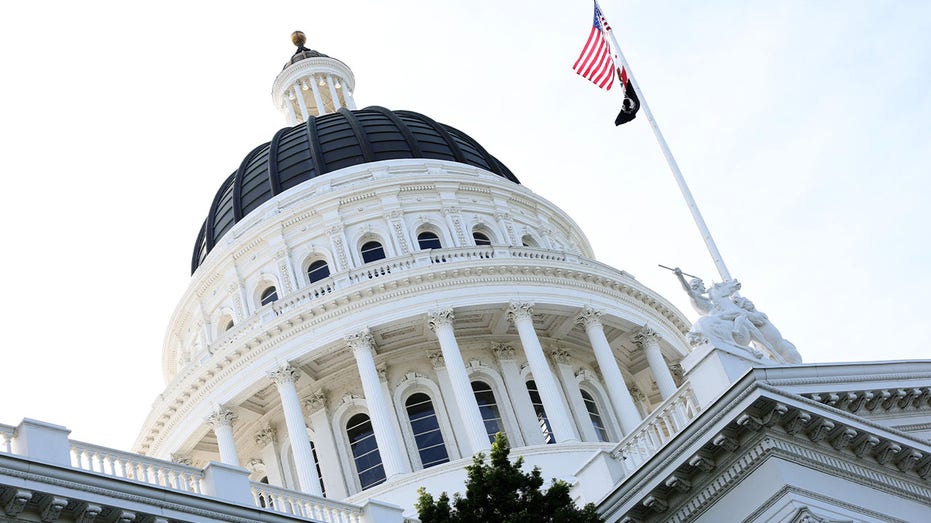
A view of the California state capitol building on National Urban League California Legislative Advocacy Day on March 13, 2024, in Sacramento, California. (Arturo Holmes/Getty Images for National Urban League / Getty Images)
CLICK HERE FOR MORE COVERAGE OF MEDIA AND CULTURE
Under state law, residents owe California sales tax on vehicles that are not first used and kept out of state for at least 12 months, according to the CDTFA. Those who attempt to avoid these taxes can face significant penalties, including up to 50% of the tax due.
In December 2024, the state agency sent a warning letter to California auto dealers about the tax-evasion scheme, saying they could be held liable for taxes if they failed to keep proper shipping and delivery documents or if they did not actually ship the vehicle out of state.
“We’re talking about really large, hefty sales prices on these vehicles. So uncovering even a handful of them makes a large, large impact on our revenue for our state that provides vital services for Californians,” Shannon Robinson of the CDTFA told the LA Times in a report published Friday.

The Ferrari Testarossa 849 (Ferrari)
GET FOX BUSINESS ON THE GO BY CLICKING HERE
The tax enforcement comes as California’s most wealthy are reportedly fleeing the state over concerns about a looming wealth tax that would impose a 5% tax on the net worth of residents with assets exceeding $1 billion.
California also faces a projected $18 billion deficit in 2026–2027, according to the Legislative Analyst’s Office.

The Philippines’ financial landscape has evolved over the years, bringing a variety of modern tools that have reshaped how people save, spend, and manage their finances. Digital financial services, for instance, have provided Filipinos with a faster and more convenient way to handle everyday transactions. As such, it’s no surprise that they’ve emerged as a transformative force in the country’s banking ecosystem.
While these services have become a part of daily life for many, a large number of consumers aren’t fully aware of how they operate. A lot of people may also not realize the difference between general digital platforms and digital banks that are regulated by the Bangko Sentral ng Pilipinas (BSP), and why that distinction should matter.
To close this gap, this article aims to shed light on the most important facts about BSP-regulated digital banks. Having a better understanding of how these banks are governed should boost your confidence as a user, enabling you to manage your money safely and effectively.
But First… What Does It Mean When a Digital Bank Is BSP-Regulated?
When you’re transacting with a BSP digital bank, it means the institution has been granted a license to operate under the oversight of the Bangko Sentral ng Pilipinas. This regulation ensures that the bank follows strict standards for financial stability, consumer protection, and sound operational practices, reducing the likelihood of serious issues like fraud and data breaches. It also signals that the bank is legitimate, accountable, and required to comply with laws designed to safeguard depositors and the broader financial system.
Now that you know what it means for digital banks to be BSP-regulated, it’s time to explore the key facts that make these worth your attention.
1) They’re Fully Regulated Like Traditional Banks
Even though digital banks are branchless—that is, they have no physical locations—they’re not operating in a regulatory gray area. They go through the same long and rigorous licensing process as traditional banks, which is meant to evaluate their ability to operate safely, fairly, and in the public’s best interest. Moreover, the process is highly selective, as only applicants that demonstrate strong financial backing and a sustainable business model are granted approval.
Once approved, BSP-regulated digital banks are subject to regular audits and reporting obligations, just like any established brick-and-mortar institution. For these banks, operating digitally doesn’t mean cutting corners on accountability or reliability.
2) There are Only a of Handful BSP-Regulated Digital Banks in the Philippines
Since the approval process is strict and time-consuming, only a small number of digital banks have secured a license from the Bangko Sentral ng Pilipinas. As of this article’s writing, there are just six BSP-regulated digital banks operating in the country. One of them is Maya, which is considered to be the Philippines’ number one digital bank.
A main reason the number of BSP-regulated digital banks is low is the fact that the BSP isn’t aiming for quantity. The agency’s priority is quality, as they want to ensure that only well-prepared and well-capitalized players enter the market. As such, not all digital financial services are backed by the BSP. Therefore, it’s in your best interest to verify whether a provider is licensed before entrusting them with your money.
3) BSP-Regulated Digital Banks are Covered by the Philippine Deposit Insurance Corporation (PDIC)
One of the key advantages of banking with a BSP-regulated digital institution is that your deposits are insured by the Philippine Deposit Insurance Corporation (PDIC). This means that in the unlikely event the bank fails, your money—up to PHP 1 million per depositor—is protected by the government.
The PDIC coverage is automatic and does not require any separate application or enrollment, making it a built-in safeguard for your hard-earned savings. Moreover, this level of protection is the same as what’s offered by traditional banks, which should provide peace of mind for first-time users of digital banking.
4) Digital Banks Under the BSP are Required to Maintain Robust Cybersecurity Frameworks
To protect consumers in an increasingly digital financial environment, the Bangko Sentral ng Pilipinas requires all licensed digital banks to implement strong, well-defined cybersecurity frameworks. This includes regular risk assessments, incident response protocols, data encryption, multi-factor authentication, and strict access controls.
These measures are not optional; they’re part of the regulatory requirements that digital banks must meet and continuously update. Failure to comply can result in penalties, sanctions, or even the revocation of a bank’s license. By requiring digital banks to follow international best practices in cybersecurity, the BSP helps ensure that customer information, transactions, and funds are kept secure—even in a constantly evolving threat landscape.
Digital financial services have opened new doors for convenience, accessibility, and financial empowerment in the Philippines. But as more services go online, it’s important to look beyond sleek interfaces and fast transactions. Not all digital financial platforms are regulated, and that distinction can have serious implications for your financial safety. But now that you have a greater understanding of what BSP-regulated digital banks are, you know that these institutions are a safer and more reliable choice in growing your finances.

Business News Philippines was launched in October 2015 as a portal for readers to learn more about operating a business in the Philippines.

As the 2025-26 NBA regular season enters its final stretch with the playoffs set to begin in mid-April, injuries continue to shape the landscape for many of the league’s biggest stars and contending teams.
On April 3, 2026, several high-profile players remain sidelined or limited, forcing coaches to adjust rotations and affecting playoff seeding battles across both conferences. From Victor Wembanyama’s precautionary ankle management to Luka Doncic’s fresh hamstring concern, the injury bug has hit some of the NBA’s most impactful talents at a critical time.
Here is the latest on 10 of the NBA’s top players and their current injury statuses as of April 3:

1. Victor Wembanyama, San Antonio Spurs The 22-year-old phenom was ruled out for Thursday’s game against the Los Angeles Clippers due to ankle management. He is listed as out with an expected return around April 4. Wembanyama has been dominant this season when healthy, anchoring one of the league’s best defenses while posting impressive offensive numbers. The Spurs are taking a cautious approach with their young superstar to ensure he is ready for the postseason.
2. Luka Doncic, Los Angeles Lakers Doncic suffered a non-contact left hamstring injury during Thursday night’s loss to the Oklahoma City Thunder. He exited in the third quarter after grabbing at his hamstring and was ruled out for the remainder of the game. An MRI was scheduled for Friday, April 3, with the team expected to provide more details in the next 24-48 hours. Hamstring strains can sideline players from one to six weeks depending on severity. This latest lower-body issue follows previous soreness for the 27-year-old, raising concerns about his availability for the Lakers’ playoff push.
3. LeBron James, Los Angeles Lakers The 41-year-old has managed various ailments throughout the season, including foot issues earlier in the year. As of early April, he continues to play through load management and minor concerns but remains one of the Lakers’ most reliable performers. James has defied Father Time once again, contributing heavily alongside Doncic when both are available.
4. Stephen Curry, Golden State Warriors Curry has dealt with right knee soreness in recent weeks. He participated in a scrimmage on Thursday and was considered day-to-day heading into games around April 5. The Warriors’ offense relies heavily on his shooting and playmaking, making his availability crucial in the final weeks of the season.
5. Joel Embiid, Philadelphia 76ers Embiid has been listed as day-to-day with illness and was doubtful for Friday’s matchup against the Minnesota Timberwolves. The big man has battled consistency and health issues throughout his career, and his status remains a major factor for Philadelphia’s playoff positioning.
6. Giannis Antetokounmpo, Milwaukee Bucks Antetokounmpo has managed calf strains and other lower-body concerns at various points this season. Recent reports indicate he remains available but is monitored closely. His two-way dominance is vital for the Bucks as they fight for seeding in the Eastern Conference.
7. Nikola Jokic, Denver Nuggets Jokic has dealt with knee issues, including a hyperextension earlier in the season that caused him to miss time. As of early April, he continues to anchor the Nuggets’ offense and defense when healthy, though the team has been cautious with his workload during the stretch run.
8. Anthony Davis, Los Angeles Lakers (or former team context) Davis has a history of foot, back and other injuries but has been relatively durable in recent stretches. His rim protection and scoring remain elite when available, providing a strong frontcourt presence alongside James and Doncic on the Lakers.
9. Kevin Durant, Houston Rockets (or current team) Durant, now in his late 30s, has navigated ankle sprains and general wear-and-tear. He has been listed as probable or available in recent games, continuing to deliver efficient scoring and playmaking despite the physical toll of a long career.
10. Jayson Tatum, Boston Celtics Tatum has been recovering from a significant right Achilles injury that required surgery in 2025. He has shown progress in workouts and is trending toward a potential return, though timelines remain fluid. His absence has been felt in Boston’s rotation, but the Celtics have depth to manage in the short term.
The prevalence of lower-body injuries — particularly hamstrings, calves and ankles — highlights the physical demands of the modern NBA schedule. Teams are increasingly using load management and advanced medical protocols to protect star players, especially with the expanded 65-game threshold for award eligibility still in play for some.
For the Lakers, the combination of Doncic’s new hamstring concern and ongoing management of James creates uncertainty as they aim for a strong playoff seeding in the competitive Western Conference. The Spurs, meanwhile, prioritize Wembanyama’s long-term health as they push for postseason positioning behind his defensive impact.
Coaches across the league have emphasized caution. “We have to be smart with these guys,” one Eastern Conference coach said on background. “The regular season is one thing, but the playoffs are where it really matters.”
Fans and fantasy managers are closely monitoring daily updates via official NBA injury reports, team websites and reliable sources like ESPN and CBS Sports. Many injuries listed as day-to-day or questionable can change quickly based on how players respond to treatment and morning shootarounds.
Broader trends show that soft-tissue injuries remain common due to the league’s pace, physicality and condensed schedule. Veterans like James and Durant have adapted with sophisticated recovery regimens, while younger stars like Wembanyama benefit from organizations that prioritize development over short-term gains.
As April progresses, more clarity is expected on timelines for players like Doncic and Tatum. A short absence for a Grade 1 strain could allow a return before the regular season ends, while more severe cases might push availability into the playoffs or require careful ramp-up.
The injury landscape adds another layer of intrigue to the final weeks. Teams with healthier rosters or effective depth may gain an edge, while those missing multiple stars could see their seeding slip or face tougher first-round matchups.
For now, the focus remains on thorough evaluations and conservative management. The NBA’s best players have shown remarkable resilience over the years, but the current injury list serves as a reminder of the sport’s physical toll.
Teams, medical staffs and fans alike will watch developments closely over the Easter weekend and into next week. Official updates from the NBA and individual franchises will continue to provide the most accurate information as the playoff picture sharpens.
Business
US Stock Market Closed Today April 3 2026 for Good Friday as Strong March Jobs Data Looms Over Iran War

NEW YORK — U.S. stock markets were closed Friday, April 3, in observance of Good Friday, leaving investors to digest the latest economic signals without the ability to trade as geopolitical tensions from the ongoing conflict with Iran continued to cast a shadow over Wall Street.

The New York Stock Exchange and Nasdaq remained shuttered for the Christian holiday commemorating the crucifixion of Jesus Christ, a longstanding tradition in the U.S. financial calendar. Trading will resume Monday, April 6, at 9:30 a.m. Eastern Time. The bond market closed early at noon Friday, while some futures trading was also halted.
Ahead of the closure, markets showed resilience in recent sessions despite volatility sparked by the Middle East conflict. On Thursday, April 2, the Dow Jones Industrial Average slipped modestly while the S&P 500 and Nasdaq posted small gains, reflecting a tug-of-war between strong domestic economic data and worries over prolonged war impacts.
The Labor Department released its March employment report Friday morning, revealing the U.S. economy added 178,000 nonfarm payroll jobs — significantly beating economists’ expectations of around 65,000. The unemployment rate dropped to 4.3%, with average hourly earnings rising 0.2% from the previous month and 3.5% year-over-year.
This stronger-than-anticipated jobs figure highlighted the labor market’s underlying robustness even as higher oil prices from the Iran conflict threatened to fuel inflation and slow business investment. Analysts noted that the full effects of the war may take time to appear in hiring data, but the report provided a positive note heading into the long weekend.
“Markets are closed today, but this jobs number suggests the economy isn’t cracking yet under the pressure of geopolitical risks,” said one Wall Street economist who requested anonymity to discuss internal views. “Still, sustained high energy costs could change that picture quickly if the conflict drags on.”
The Iran war has dominated market narratives since late February and intensified in March. Oil prices have surged, with Brent crude climbing sharply at times amid fears of disruptions in the Strait of Hormuz. Energy stocks have benefited while sectors like airlines and consumer discretionary companies faced headwinds from elevated fuel costs.
Recent trading showed wild swings. Late March brought a sharp “V-bottom” recovery, with the Dow surging more than 1,100 points in a single session as hopes for a quicker resolution briefly lifted sentiment. The S&P 500 and Nasdaq posted their strongest daily gains in nearly a year during that relief rally.
However, comments from President Donald Trump indicating the conflict could continue for weeks tempered optimism. Stocks pulled back modestly early in the week before stabilizing. By April 1 and 2, the major indexes showed mixed but generally positive closes amid easing oil prices and diplomatic signals.
Thursday’s session, the last before the holiday, saw the Dow fall about 0.13% while the S&P 500 rose 0.11% and the Nasdaq gained 0.18%. Volume was lighter than average as traders positioned for the three-day weekend.
Sector performance remained uneven. Energy and utilities advanced on continued oil strength and safe-haven buying. Technology shares found modest support from big-cap names less exposed to immediate energy shocks. Financial stocks were mixed as bond yields reacted to the strong jobs data, which reduced near-term expectations for aggressive Federal Reserve rate cuts.
Smaller companies, tracked by the Russell 2000, lagged somewhat behind large-cap benchmarks, reflecting caution among investors favoring more established firms during uncertain times.
The strong March jobs report complicates the Federal Reserve’s policy path. Officials had left the door open for rate reductions if growth showed signs of slowing, but robust employment numbers suggest the economy retains momentum despite external shocks. Higher-for-longer interest rates could pressure stock valuations, especially in growth-oriented sectors.
Looking ahead, next week’s data calendar includes inflation readings that may reflect rising energy costs. Corporate earnings from major banks and industrial firms will also provide insight into how companies are navigating higher input prices and potential supply-chain issues tied to the Middle East conflict.
International markets offered mixed signals recently. European shares fluctuated while Asian indexes showed caution overnight amid global growth concerns if energy supplies remain constrained. Safe-haven assets like the Japanese yen strengthened against the dollar at times.
Individual stock movers in recent sessions underscored the themes at play. Oil majors such as Exxon Mobil and Chevron gained on higher crude prices. Defense contractors also saw interest. Meanwhile, airline stocks faced pressure from fuel surcharges and demand worries.
Retail investors appeared split. Some viewed dips as buying opportunities, citing the economy’s resilience and long-term growth potential in technology and other innovative sectors. Others reduced exposure, citing risks from a prolonged war, potential inflation spikes and uncertainty around monetary policy.
Market breadth in recent days was generally balanced, though advancing stocks slightly outnumbered decliners on some sessions. Overall trading volume tapered ahead of the holiday, consistent with typical pre-Good Friday patterns.
Economists cautioned that while the March jobs report beat forecasts, the labor market’s health could face tests in coming months. Initial unemployment claims and other weekly indicators will be watched closely when markets reopen. Any escalation in the Iran conflict or further oil price spikes could weigh on hiring and consumer spending.
For now, Wall Street enters the weekend in a wait-and-see posture. The Good Friday closure provides traders time to assess developments in the Middle East, digest the employment data and prepare for next week’s focus on inflation and corporate results.
The S&P 500 remains below its early 2026 peak, having weathered a volatile quarter marked by the onset of the Iran conflict. The Nasdaq sits roughly 3% off its high, while the Dow has recovered much of its recent losses but trades below pre-escalation levels.
Any positive diplomatic breakthroughs could spark a sharp relief rally similar to late March. Conversely, further escalation, supply disruptions or signs of economic softening from higher energy costs could reignite selling pressure and push oil toward new highs.
In bond markets, yields edged higher recently on the strong jobs data, reflecting reduced bets on imminent Fed easing. Gold and other precious metals saw interest as safe-haven plays amid geopolitical risks.
Cryptocurrency markets, which trade 24/7, showed their own volatility but offered limited direct correlation to traditional stock moves this week.
As trading resumes Monday, focus will quickly shift to whether the robust employment numbers support a soft-landing narrative or if oil-driven inflation fears dominate. President Trump’s administration continues to navigate both the military situation abroad and economic pressures at home.
The broader picture remains one of cautious optimism tempered by real risks. The U.S. economy has demonstrated resilience, with hiring rebounding in March despite earlier weakness. Yet the Iran conflict introduces variables that could reshape growth, inflation and corporate profits in unpredictable ways.
Investors will monitor any weekend developments from the Middle East closely. With no stock trading Friday, attention turns to futures markets where limited activity may hint at Monday’s open, though full reaction awaits the cash session.
In summary, while U.S. stock exchanges stood still on Good Friday, the release of better-than-expected jobs data provided a backdrop of economic strength heading into the weekend. The ongoing Iran war and its ripple effects on energy markets continue to be the dominant risk factor for Wall Street as April trading begins in earnest next week.
Markets have shown remarkable swings in recent weeks, from sharp sell-offs to rapid recoveries. This volatility underscores the challenges of investing amid geopolitical upheaval. Long-term investors may find opportunities in quality companies with strong balance sheets, while shorter-term traders must navigate headline-driven moves.
As always, diversification and a clear risk tolerance remain key. With the holiday behind them, market participants will look for clarity on the conflict’s duration, inflation trends and the Fed’s next moves to set the tone for the remainder of 2026.
Business
What Day Is Easter Going to Be on in 2026? Christians Prepare for Holy Week Amid Spring Celebrations

Easter Sunday in 2026 will be celebrated on April 5, marking the resurrection of Jesus Christ for millions of Christians worldwide and capping a week of solemn observances that include Good Friday on April 3. The date, determined by ancient ecclesiastical rules tying the holiday to the spring equinox and lunar cycle, arrives relatively early this year and coincides with a busy spring calendar in the United States.

For Western Christian denominations, including Roman Catholics and most Protestants, Easter falls on the first Sunday after the first full moon following the spring equinox. In 2026, the astronomical spring equinox occurred around March 20, with the Paschal full moon — also known as the Passover moon — appearing on April 1. That placed Easter on the following Sunday, April 5.
The calculation dates back to the Council of Nicaea in 325 A.D., which sought to standardize the observance across the Christian world while linking it to the Jewish Passover, during which Jesus’ crucifixion and resurrection are traditionally placed. While the formula produces a movable feast that can fall anywhere between March 22 and April 25, this year’s early April timing offers a pleasant backdrop of blooming flowers and milder weather in many parts of the country.
Holy Week, the most sacred period in the Christian liturgical calendar, begins with Palm Sunday on March 29, 2026, commemorating Jesus’ triumphal entry into Jerusalem. It continues through Holy Thursday (April 2), which recalls the Last Supper, and reaches its somber peak on Good Friday (April 3), when many churches hold services reflecting on the crucifixion. Easter Vigil services often take place Saturday evening, leading into the joyous celebrations of Easter Sunday.
In the United States, Easter is not a federal holiday, so government offices, banks and the stock market remain open on Easter Sunday itself. However, many businesses adjust hours, and several states observe Good Friday as a holiday for public schools or government workers. The New York Stock Exchange and Nasdaq were closed Friday, April 3, for Good Friday, giving traders a long weekend to reflect before resuming activity Monday, April 6.
Religious leaders across the country are preparing special services and community events. In cities like New York, Chicago and Los Angeles, cathedrals plan elaborate Easter liturgies featuring choral music, processions and baptisms. Many Protestant congregations will host sunrise services, a tradition that dates back centuries and symbolizes the empty tomb at dawn.
Families are expected to gather for traditional Easter meals, egg hunts and church activities. Retailers have already stocked shelves with chocolate bunnies, jelly beans and pastel-colored baskets, while greeting card companies report strong sales in the weeks leading up to the holiday. Travel bookings show many Americans planning visits to family or short getaways, taking advantage of the spring timing.
Eastern Orthodox Christians, who follow the Julian calendar for calculating Easter, will observe the holiday later this year on April 12. The difference arises because the Orthodox Church uses a different computus that can shift the date by up to five weeks from the Western observance. In 2026, the two Easters fall relatively close together compared to some years when they are separated by nearly a month.
The movable nature of Easter has long fascinated historians and astronomers. It blends solar and lunar calendars, requiring precise astronomical observations or established ecclesiastical tables. Some years produce dramatic contrasts; in 2025, Easter fell on April 20, while 2027 will see it arrive earlier on March 28.
This year’s April 5 date also overlaps with other spring observances. Passover begins in the evening of April 1 for Jewish families, creating opportunities for interfaith dialogue and shared seasonal themes of renewal and liberation. Other cultural events in early April include Earth Day preparations and the approach of tax season deadlines, though Easter tends to dominate family calendars.
Economically, the holiday provides a boost to several sectors. The National Retail Federation estimates Americans spend billions annually on Easter-related purchases, from candy and clothing to gifts and travel. Restaurants, hotels and tourism destinations in resort areas often see increased activity as families celebrate.
Churches emphasize the spiritual significance over commercial aspects. “Easter is not about bunnies and eggs, though those traditions bring joy to children,” said one pastor at a large Midwest congregation. “It’s about hope, redemption and the promise of new life that transcends our daily struggles.”
In schools, many districts schedule spring breaks around Holy Week or Easter, allowing students and teachers time for family observances. Colleges and universities often have lighter academic calendars during this period.
Weather plays a role in outdoor Easter activities. With April 5 falling in early spring, forecasts will be closely watched for egg hunts and community parades. In southern states, warmer temperatures may encourage more outdoor worship, while northern regions could still see lingering chill or even late-season snow in some areas.
Cultural traditions vary widely across the United States. In the South, elaborate Easter egg rolls and church suppers remain popular. In the Northeast, some communities continue old-world customs brought by European immigrants, including processions and special baked goods. Western states often blend Easter with outdoor festivals celebrating the arrival of spring.
For many families, the holiday also serves as a time for reflection amid a busy modern life. With global events and domestic challenges in the news, religious leaders note increased interest in messages of peace, forgiveness and renewal that Easter embodies.
As April 5 approaches, communities are finalizing plans. Volunteer groups organize food drives and outreach programs to ensure those in need can participate in the celebrations. Hospitals and nursing homes prepare special visitations and services for patients and residents.
In the business world, companies with significant Christian workforces often accommodate time off or adjusted schedules around Good Friday and Easter. Retailers extending hours on Saturday anticipate last-minute shoppers seeking outfits or gifts for Sunday services and family gatherings.
Travel experts advise booking early for popular destinations, as Easter weekend frequently ranks among busy travel periods. Airports and highways see increased traffic as relatives converge for reunions.
Looking beyond 2026, Easter dates will continue their annual migration. The following year brings Easter on March 28, 2027, one of the earlier possible dates. Long-term calendars show the holiday cycling through the spring months according to the complex but consistent rules established centuries ago.
Astronomers and calendar enthusiasts enjoy tracking these dates, noting how they occasionally align with other celestial events. In 2026, the proximity of the full moon to the equinox creates a classic example of the computus in action.
For those planning ahead, resources from churches, almanacs and official calendars provide exact timings for services and related observances. Many apps and websites now offer personalized reminders and explanations of the traditions.
As the nation prepares for Easter on April 5, 2026, the focus remains on faith, family and the enduring message of resurrection. Whether attending solemn vigils or joyful sunrise gatherings, Christians across denominations will unite in celebration of hope and renewal that defines the season.
In a world that often feels divided, Easter offers a moment of shared reflection on themes that transcend individual circumstances. Communities large and small will mark the day with prayer, song and acts of kindness, carrying forward traditions that have shaped Western culture for nearly two millennia.
With Good Friday closures already in the rearview and markets set to reopen, the long weekend provides space for both spiritual renewal and practical rest. As daffodils and tulips bloom in gardens nationwide, the arrival of Easter 2026 on April 5 promises to bring warmth, color and meaning to the start of spring.

One crew member rescued after US F-15 shot down over Iran while search continues for other pilot: report

Why Workplace Culture Matters More Than You Think

Aave V3 Avoided Unrecovered Bad Debt From 2023 to 2025: Study


-

 NewsBeat7 days ago
The Story hosts event on Durham’s historic registers
-

 NewsBeat1 day ago
Steven Gerrard disagrees with Gary Neville over ‘shock’ Chelsea and Arsenal claim | Football
-

 Sports7 days ago
Sweet Sixteen Game Thread: Tide vs Michigan
-
Entertainment4 days ago
Fans slam 'heartbreaking' Barbie Dream Fest convention debacle with 'cardboard cutout' experience
-

 Business21 hours ago
No Jackpot Winner and $194 Million Prize Rolls Over
-

 Crypto World2 days ago
Gold Price Prediction: Worst Month in 17 Years fo Save Haven Rock
-
 Entertainment6 days ago
Lana Del Rey Celebrates Her Husband’s 51st Birthday In New Post
-
Crypto World3 days ago
Dems press CFTC, ethics board on prediction-market insider trades
-

 Tech5 days ago
The Pixel 10a doesn’t have a camera bump, and it’s great
-

 Tech5 days ago
Avatar Legends: The Fighting Game comes out in July and it looks pretty slick
-

 Sports3 days ago
Tallest college basketball player ever, standing at 7-foot-9, entering transfer portal
-

 Tech3 days ago
EE TV is using AI to help you find something to watch
-

 Fashion6 days ago
Amazon Sundays: Soft Spring Layers
-

 Business2 days ago
Login and Checkout Issues Spark Merchant Frustration
-

 Tech5 days ago
Elon Musk’s last co-founder reportedly leaves xAI
-

 Fashion7 days ago
When Evening Dressing Gets Colorful for Spring
-

 Tech3 days ago
How to back up your iPhone & iPad to your Mac before something goes wrong
-

 Tech4 days ago
Apple will hide your email address from apps and websites, but not cops
-

 Politics4 days ago
Should Trump Be Scared Strait?
-

 Crypto World4 days ago
U.S. rule change may open trillions in 401(k) funds to crypto
You must be logged in to post a comment Login