
Business
Meta social media addiction trial begins with Zuckerberg to testify

Monte Mann, a partner at Armstrong Teasdale, discusses the social media addiction case brought against Meta by state attorneys general.
Social media giant Meta is heading to court in a case brought by a group of state attorneys general who claim the company designed its social media platforms to be addictive and misled the public about potential risks.
The trial is expected to begin with opening statements on Tuesday in the U.S. District Court for the Northern District of California in Oakland after the two sides went through the jury selection process last week and Judge Yvonne Gonzalez Rogers turned down Meta’s request for the case to be dismissed. The trial is expected to last four to six weeks, with Meta CEO Mark Zuckerberg expected to testify.
Attorneys general from California, Colorado, Kentucky and New Jersey first filed the lawsuit in 2023 after a multistate investigation into the impact of Facebook and Instagram on young users. They argue that the platforms were designed to be addictive and that the company downplayed the potential impact on young people, while also alleging Meta violated federal law when it collected personal information from children.
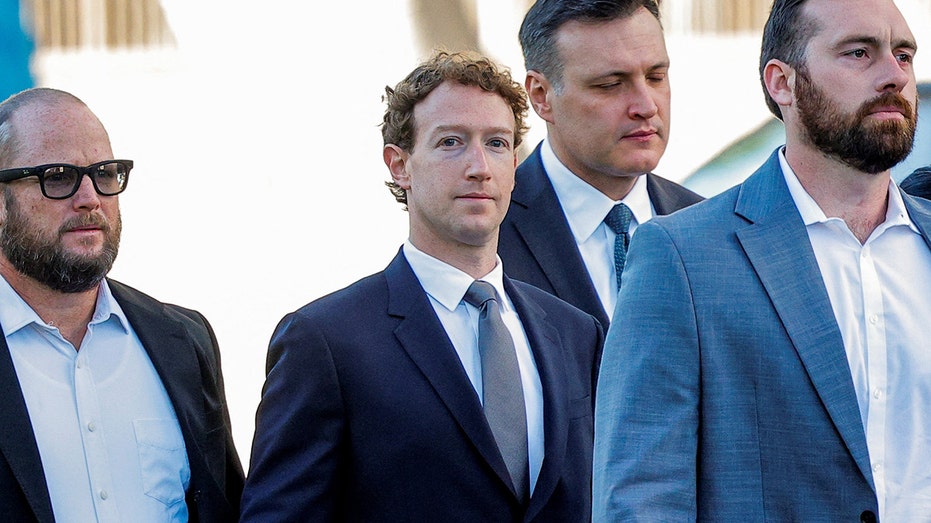
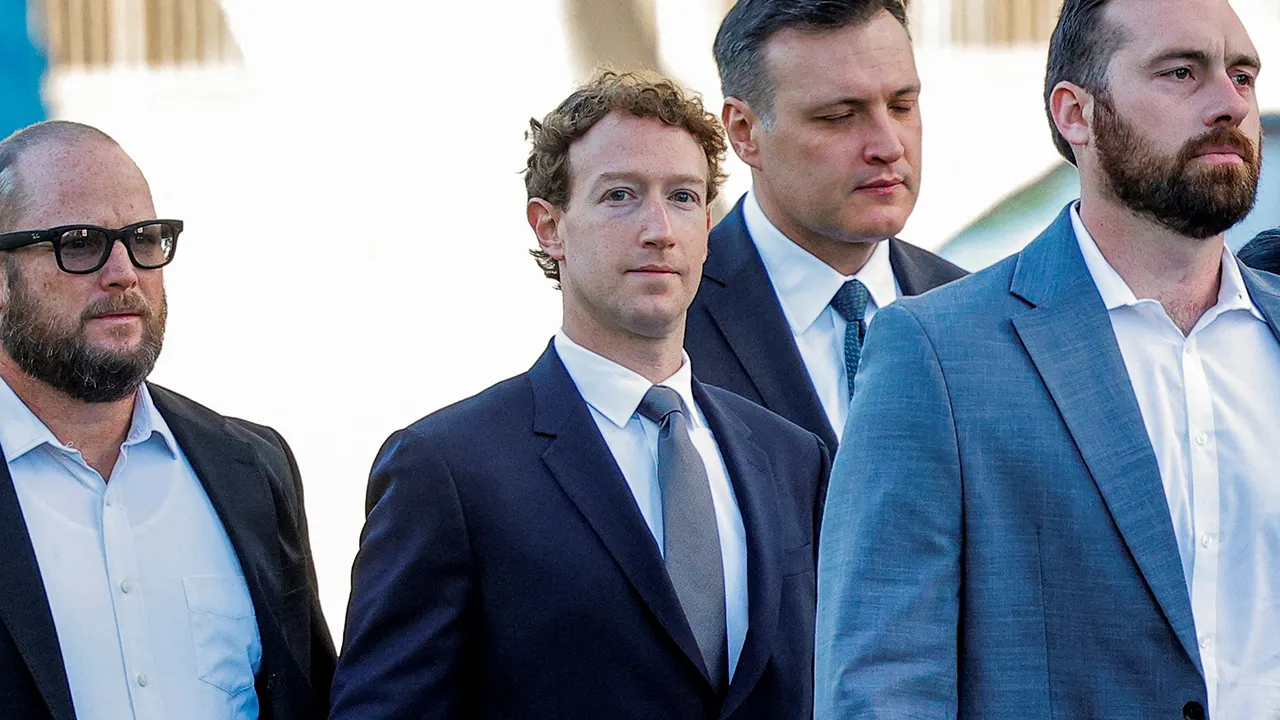
Attorneys general from California, Colorado, Kentucky and New Jersey first filed the lawsuit in 2023 after a multistate investigation into the impact of Facebook and Instagram on young users. (Mike Blake/Reuters)
Meta, which is the parent company of Facebook and Instagram, has denied wrongdoing and disputes claims that its social media platforms caused the harm alleged by states. It also argues that “social media addiction” isn’t an officially recognized psychiatric diagnosis, which will be a significant point of contention at trial.
FOUR STATES SEEKING $1.4 TRILLION IN PENALTIES IN CHILD SOCIAL MEDIA ADDICTION TRIAL, META SAYS
California Attorney General Rob Bonta issued a statement last week after the court allowed the case to proceed, saying, “Meta designed a dangerous product for young users, knew it to be dangerous, and then lied to children, families, and the community about how dangerous it was.”
A Meta spokesperson pushed back on the states’ case against the company and said in a statement to FOX Business that the “limited claims are unsubstantiated and their financial demands are vastly disproportionate.”
“The AGs offer no proof anyone in their states was misled, claim benign features like having an additional Instagram account somehow harmed their residents, and attempt to penalize Meta for industry-wide challenges like age verification. Rather than sticking to the facts or the law, the states have instead decided to chase an outlandish payout,” the company spokesperson said, adding that the company stands by its “record of creating strong protections for teens, and look forward to making our case in court.”
| Ticker | Security | Last | Change | Change % |
|---|---|---|---|---|
| META | META PLATFORMS INC. | 589.85 | -5.12 | -0.86% |
Meta has argued that the damages sought by the state attorneys general could reach as high as $1.4 trillion, which is nearly the size of the company’s market capitalization – though the AGs haven’t disclosed the amount they plan to seek at trial and will likely do so once the trial begins.
NEW MEXICO COURT ORDERS META TO PAY $567M, OVERHAUL TEEN PROTECTIONS
Monte Mann, a partner at Armstrong Teasdale, told FOX Business in an interview that this will be a “bellwether case” for the theory that social media platforms were designed to be addictive and have harmful effects on young users.
Mann said that as someone who has tried cases like this one, he will be paying close attention to what internal Meta documents indicate about the company’s knowledge of the allegedly compulsive nature of its products and their mental health impact, saying those documents “may be the star witness in the case.”
“I will be very interested to see what the internal Meta, Facebook, Instagram documents say about what they knew of the compulsive nature of these products and services; when they knew it; whether they tried to enhance their design elements to take advantage of those things, what they disclosed to the public,” he said.

Meta has argued that the damages sought by the state attorneys general could reach as high as $1.4 trillion. (Mike Blake/Reuters)
Mann also noted that Judge Gonzalez Rogers appointed an advisory jury in the case, which can provide feedback and recommendations on community standards for children’s use of social media that she may consider.
The Oakland trial is the latest high-profile case involving social media companies like Meta, which have faced numerous lawsuits brought by individuals, school districts and state governments over the alleged impacts of social media use on children.
A ruling in another prominent case was delivered earlier this month when a state court in New Mexico ordered Meta to pay $567 million and to overhaul its protections for teen users on Facebook and Instagram.
That followed a prior ruling from March which ordered Meta to pay $375 million for violating state law, with the company’s total liability in the case at nearly $942 million.
Meta told FOX Business after the most recent ruling that it disagreed with the decision and vowed to appeal, explaining that the company is “confident in our record of protecting teens online and will continue to defend ourselves against claims that misrepresent the facts.”
GET FOX BUSINESS ON THE GO BY CLICKING HERE
FOX Business’ Michael Sinkewicz, Sumner Park and Reuters contributed to this report.

Business
Michael Patrick Guest of Mississippi’s 3rd District Sells Stocks in Airbnb, Chevron, and e.l.f. Beauty

Michael Patrick Guest of Mississippi’s 3rd District Sells Stocks in Airbnb, Chevron, and e.l.f. Beauty
Business
CXMT Shares Jump 12% in Shanghai as Chinese Memory Chipmaker’s Blockbuster Rally Continues to Climb Higher
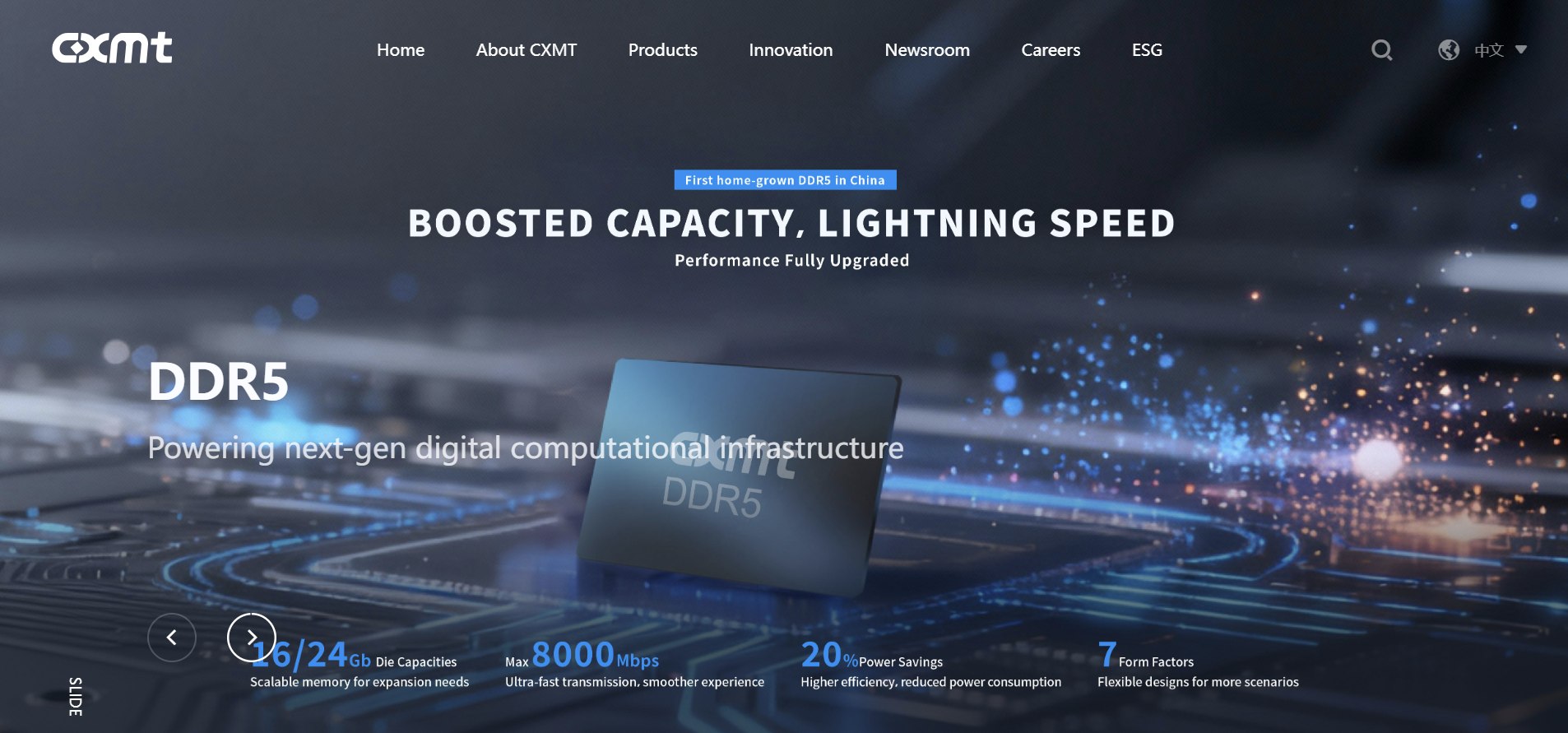
SHANGHAI — Shares of ChangXin Memory Technologies, known as CXMT, jumped 12%, or 6.62 yuan, to 61.80 yuan as of 3:00 p.m. local time Monday, extending an extraordinary rally that has continued largely uninterrupted since the Chinese memory chipmaker’s blockbuster debut on the Shanghai Stock Exchange’s tech-focused STAR Market three weeks ago.
CXMT’s stock has surged dramatically since it began trading on July 27, when shares soared as much as 466% to 500% on their first day of trading alone, instantly making the Hefei-based company the most valuable listed entity on any mainland Chinese exchange. The company’s shares closed that opening session at 49 yuan, giving CXMT a market capitalization of roughly 3.3 trillion yuan, or approximately $487 billion at the time, a figure that vaulted the company past state-owned Industrial and Commercial Bank of China as China’s most valuable listed company.
The rally has continued in the weeks since, with shares climbing further to close at 57.60 yuan the following Friday, pushing the company’s market capitalization to roughly 3.54 trillion yuan, or about $523 billion, according to figures reported at the time. Monday’s additional 12% gain to 61.80 yuan pushes the stock further into record territory, underscoring the sustained investor enthusiasm surrounding the company since its listing.
CXMT’s initial public offering itself was a landmark event for Chinese capital markets. The company raised 57.92 billion yuan, or roughly $8.6 billion, by pricing its shares at 8.66 yuan each, making it the largest IPO in Asia so far this year and mainland China’s second-largest public offering on record, trailing only the $22.1 billion combined Shanghai and Hong Kong listing of Agricultural Bank of China in 2010.
Founded in 2016 in the eastern Chinese city of Hefei with state backing, CXMT specializes in designing, manufacturing and selling dynamic random-access memory, or DRAM, chips, a category of semiconductor widely used in servers, personal computers, mobile devices and smart vehicles. The company’s major clients include Alibaba Group’s cloud computing division, Alibaba Cloud, along with ByteDance, Tencent Holdings, Lenovo, Xiaomi and several major smartphone manufacturers including Honor, Oppo and Vivo.
According to figures disclosed in the company’s IPO prospectus, CXMT held approximately 7.67% of the global DRAM market based on fourth-quarter 2025 sales data, a share that has continued growing as the company has expanded production. By comparison, the global DRAM market remains dominated by three much larger established players: South Korea’s Samsung Electronics, which the company’s prospectus placed at roughly 36% global market share, SK Hynix at approximately 29%, and U.S.-based Micron Technology at around 24%.
CXMT’s dramatic financial turnaround has helped fuel investor enthusiasm surrounding the stock. The company swung to an operating profit of 35.43 billion yuan in the first quarter, reversing a loss of 2.83 billion yuan during the same period a year earlier, a shift the company has attributed to continued growth in global computing demand tied to artificial intelligence and increased capacity allocation from major device manufacturers seeking memory chip supply.
CXMT’s rise has taken on particular significance given the broader geopolitical backdrop shaping China’s semiconductor industry. The company has emerged as a central symbol of Beijing’s broader push toward technological self-sufficiency, particularly in advanced chipmaking, as China continues to contend with U.S.-led export restrictions limiting its access to cutting-edge chipmaking equipment and technology. The company is also investing heavily in high-bandwidth memory, or HBM, a specialized and more advanced form of DRAM critical for the kind of advanced processors used in AI applications, including graphics processing units made by Nvidia. CXMT has said it aims to begin production at a dedicated HBM back-end packaging facility in Shanghai by the end of 2026.
Adding further to investor interest surrounding the stock, reports emerged earlier this summer that Apple had begun testing CXMT’s DRAM chips for potential use in devices sold within China, a development that, if it results in a formal supply relationship, could mark a significant commercial validation of the Chinese chipmaker’s technology by one of the world’s largest device manufacturers.
Despite its meteoric post-IPO rise, CXMT’s market capitalization, while enormous by Chinese standards, remains smaller than those of its more established South Korean and American rivals. Samsung Electronics and SK Hynix continue to carry substantially larger valuations reflecting their more mature and diversified chip businesses, and analysts have noted that CXMT still trails those companies by several years in terms of advanced manufacturing capability, particularly for next-generation HBM chips. SK Hynix, for instance, has said it expects to begin large-scale production of its next-generation HBM4 chips by the end of this year, a timeline analysts expect CXMT’s own advanced memory production to lag behind.
Market analysts remain divided over whether CXMT’s extraordinary valuation reflects a sustainable, long-term shift in global memory chip supply chains toward greater Chinese participation, or a shorter-term surge driven primarily by AI-related memory shortages and limited available trading float in the stock’s early weeks on the market. One market strategist noted that a roughly 470% first-day gain, while not entirely without precedent among smaller Chinese listings, was particularly notable given CXMT’s substantial size, suggesting that a combination of limited free float and pent-up market sentiment played a significant role in driving the stock’s initial surge.
Morningstar has separately noted that the broader strategic significance of AI-related semiconductor self-sufficiency for China’s national security priorities has likely contributed to sustained investor demand for CXMT shares beyond what might be explained by the company’s current financial fundamentals alone, reflecting the broader political and economic weight Beijing has placed on developing homegrown alternatives to foreign-dominated segments of the global chip supply chain.
As CXMT’s rally continues into its fourth week of trading, the stock’s performance is likely to remain closely watched both as a barometer of investor sentiment toward China’s broader semiconductor self-sufficiency push and as a test case for how sustainably newly listed Chinese technology companies can maintain extraordinary post-IPO valuations once the initial wave of listing-driven enthusiasm begins to settle into more conventional trading patterns.
Business
Hollywood Pays Tribute to Hayden Panettiere as Police Say No Signs of Foul Play in Her Sudden Death at 36
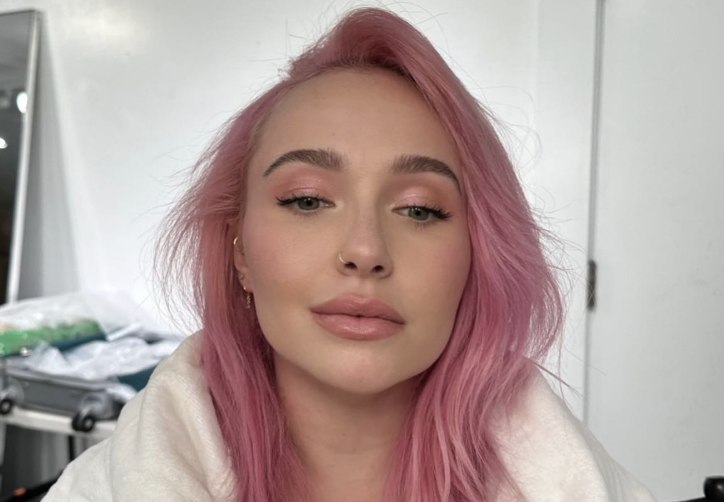
GREENVILLE, S.C. — Tributes continued pouring in from across Hollywood on Monday following the death of actress Hayden Panettiere, best known for her roles in “Heroes” and “Nashville,” as investigators said a preliminary probe into her death has found no evidence of foul play or suspicious circumstances.
Officers and emergency medical personnel responded to a report of an unresponsive woman at the Judson Mill Lofts apartment complex in Greenville shortly before 2 p.m. Sunday, according to a statement from the Greenville Police Department. Life-saving measures were performed at the scene, but Panettiere was pronounced dead. Police said an acquaintance of the 36-year-old actress had placed the 911 call from the apartment complex. No cause of death has been released, and the Greenville County Coroner’s Office was expected to perform an autopsy as the investigation continues.
Panettiere’s representative confirmed her death Sunday night in a statement provided to ABC News. “It is with profound sadness that we share the tragic passing of our beloved Hayden. She was an incredible light and a force of nature who brought immeasurable love and joy to all who knew her – and to the millions who watched her onscreen,” the statement read.
Panettiere’s death came just three years after she mourned the loss of her younger brother, actor Jansen Panettiere, who died suddenly in 2023 at age 28. Jansen’s family said at the time that a medical examiner determined his death was caused by cardiomegaly, an enlarged heart, along with complications involving the aortic valve, and it remains unknown whether the condition had been diagnosed before his death. In a statement following his death, the family remembered him warmly. “Jansen’s heart could be seen in his eyes, and his charm in his brilliant, engaging smile; his soul in his masterful and revealing paintings, and the joy of life in his dry wit,” the family said, adding that “his charisma, warmth, compassion for others, and his creative spirit will live forever in our hearts and in the hearts of all whom he encountered.”
As word of Hayden Panettiere’s death spread Monday, tributes continued arriving from friends and former colleagues across the entertainment industry. Kelly Osbourne shared a deeply personal message on her Instagram Stories, reflecting on a shared understanding between the two women about growing up in the public eye. “We understood each other in a way few truly can — recognizing how difficult it is to grow up in the spotlight, and how isolating it can feel even when surrounded by so many people,” Osbourne wrote, adding, “My heart grieves for someone so special to this world and such a good friend to me. I will never forget you, Hayden, and I will always believe you deserved better. Rest in peace, sweet princess. You will never be forgotten.”
“Heroes” co-star Dania Ramirez, who appeared alongside Panettiere on the NBC series, reflected on the lasting impact of their friendship. “My heart aches so much right now. I love you and will always miss you,” Ramirez wrote on Instagram. “I take comfort in knowing that I am with you in life and in death because your love and energy has always transcended this dimension.” Ramirez also sent condolences to Panettiere’s daughter and loved ones, writing that “the ones that got to feel your gifts will forever feel blessed and grateful for you.”
Fellow “Heroes” co-star James Kyson, who recalled first meeting Panettiere when she was just 16, described her as an experienced performer with an “older soul” despite her youth. Kyson remembered her as “a fierce protector of animal rights” and a “‘cheerleader’ for kindness, justice, and people being treated fairly,” writing on Instagram, “May your soul Rest in Peace Hayden… and my deepest condolences & prayers for her family. Life can be so short… let’s send some love out to the world, our loved ones, and to those who need it most today.”
The outpouring of grief has been especially notable given how recently Panettiere had spoken publicly about feeling hopeful for the future. Just one month before her death, she told Fox News Digital she had a “laundry list” of goals still ahead of her while promoting her memoir, “This Is Me: A Reckoning.” “I have a laundry list of things I would love to accomplish and create,” Panettiere said, adding that she felt “connected to myself” after years of documented struggles with addiction, postpartum depression and domestic abuse. “I feel like I’m taking good care of myself, checking in with myself,” she said, revealing she had been developing a new television project and hoped to move into directing. “I have a show that I’ve been working on and I would love to create that,” she said. “I would love to direct. I just want to share my secrets, my tricks, the things that I’ve learned in life and help others be their best selves.”
In that same interview, Panettiere spoke candidly about her bond with her 11-year-old daughter, Kaya, whom she shares with former fiancé Wladimir Klitschko, and reflected on her decision years earlier to allow Kaya to live primarily with her father. “I felt like I made the right call,” Panettiere said. “I’ve seen who she is and she’s an incredible human being. Something must have gone right.” She described staying close to her daughter despite the distance between them. “I travel a lot to Europe, and I spend a lot of time on FaceTime with her,” she said. “And Wlad and I have a good relationship.” Reflecting on how their bond had evolved as Kaya grew older, Panettiere added, “She’s 11 now, so time is flying. I feel like she’s becoming more and more curious about me, my life and who I am. We’re so similar. She is me. I understand her in a way that nobody else can.”
Weeks before her death, Panettiere had also spoken during a podcast appearance with Jay Shetty about feeling as though she had finally moved past years of personal turmoil. “I finally feel like I have shaken off all of this darkness and this negativity,” she told Shetty in May. “That means that I’ve closed one door and another door is opened … I can feel all the exciting possibilities. I feel like I have a lot more life to live.”
Panettiere began her career as an infant appearing in television commercials before landing a role on “One Life to Live” around age 4. She rose to widespread fame as Claire Bennet, the seemingly indestructible cheerleader at the center of NBC’s superhero drama “Heroes,” which ran from 2006 to 2010, before starring as country singer Juliette Barnes on “Nashville” from 2012 to 2018. Her film career included a breakout role alongside Denzel Washington in 2000’s “Remember the Titans,” as well as parts in “Bring It On: All or Nothing” and the “Scream” horror franchise.
As of Monday, the Greenville County Coroner’s Office had not released an official cause of death, and police said the investigation remains ongoing.

DocGo earnings missed by $0.06, revenue fell short of estimates

Gibraltar Industries – Still Some Struggles Despite Greater Focus
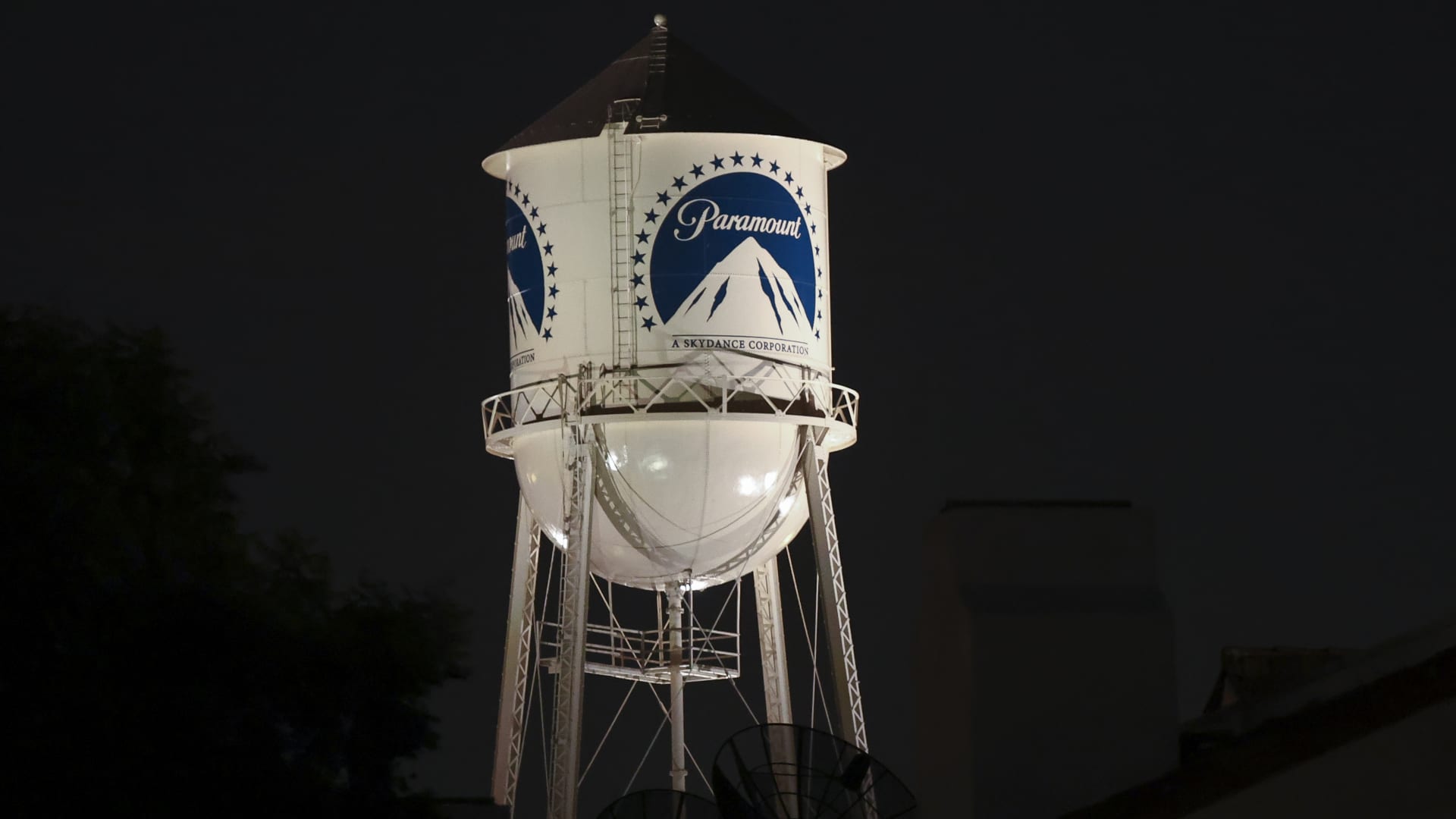
The Paramount Pictures logo is displayed on a water tower in Los Angeles, California, on August 6, 2026.
Michael Yanow | Nurphoto | Getty Images
Paramount Skydance will seek to force the states holding up its merger with Warner Bros. Discovery to pay for the fees and costs associated with the delay, according to a new filing in the antitrust case Monday.
Paramount is requesting a $1.88 billion bond that would be posted by the states behind the lawsuit. In July, a dozen state attorneys general led by California’s Rob Bonta filed to challenge the proposed $110 billion merger between Paramount and WBD.
The proposed deal would combine two storied film studios — Paramount and Warner Bros. — as well as put together a sprawling portfolio of pay TV networks in the U.S. and streaming platforms HBO Max and Paramount+.
The group of state attorneys general said in its initial filing that the merger would violate the Clayton Antitrust Act, which is the more-than-100-year-old law that prohibits anticompetitive mergers and acquisitions.
In a statement from a Paramount spokesperson, the company pointed to the Clayton Antitrust Act and other federal law that calls on the plaintiffs — or states in this case — being required “to post a bond covering the potential harm from halting a transaction to litigate.”
“Here, every month of delay carries substantial and quantifiable financial consequences,” Paramount said in its statement.
A representative from Bonta’s office didn’t immediately respond to a request for comment on Monday.
Paramount has received regulatory approvals from the Antitrust Division of the U.S. Department of Justice, as well as all other global jurisdictions needed to move forward with the merger. But last month, Paramount agreed to delay the proposed acquisition to as late as June 2027 while the state AGs’ case heads to trial.
Paramount long planned to have the deal closed by the end of September. The delay could prove costly for Paramount.
Paramount agreed to a so-called ticking fee under the terms of the merger agreement, meaning that beginning Sept. 30 it would pay WBD shareholders an additional 25 cents per share, per quarter, until the deal closes. The amount could add up to roughly $650 million in cash value per quarter.
“By the time trial concludes and the parties submit their final briefs, Paramount will have paid Warner Bros. shareholders an unrecoverable $1.3 billion in ticking fees alone,” Paramount said in the filing. “Delay also threatens to nullify the regulatory approvals that Defendants have already spent months securing.”
“Absent security, even a complete victory on the merits would not restore a dollar of those extraordinary losses. That is precisely why federal law requires plaintiffs to provide security as a condition for receiving preliminary relief such as the court-approved order,” the filing says.
In Paramount’s statement, the company said that the $1.88 billion amount is a “straightforward calculation of the maximum potential ticking consideration and financing costs from this litigation.”
However, the statement goes on to add that these are not the only costs associated with delaying the deal: “By virtue of what will be at least an eight-month delay in closing, there will be no integration and no ramped-up investment in content, production, and creative talent by the combined company. Of course, in addition, employees of both Paramount and WBD are also harmed by the uncertainties caused by the delay.”
In addition to California, the group of states suing to block the merger includes Arizona, Colorado, Connecticut, Massachusetts, Minnesota, Nevada, New Jersey, New Mexico, New York, Oregon and Washington.
Business
GigaDevice Shares Surge 6.35% to 444 Yuan as Memory Chip Boom Lifts Sentiment Ahead of Results
SHANGHAI — Shares of GigaDevice Semiconductor Inc. rose sharply on Monday, closing at 444.00 yuan, up 26.52 yuan or 6.35% from the previous close of 417.48 yuan, as investors responded to ongoing strength in the memory chip sector and anticipation of the company’s first-half results.
The Shanghai-listed stock, trading under the ticker 603986, fluctuated between 420.23 yuan and the day’s high of 444.00 yuan on elevated volume of nearly 59 million shares. The advance extended a recent recovery after a period of volatility and left the shares up more than 10% over the past five trading days. Over the past year the stock has gained more than 250%, with a 52-week range spanning 121.51 yuan to 846.66 yuan. Year-to-date gains exceed 100%.
GigaDevice is a Beijing-based fabless semiconductor designer focused on flash memory products, including NOR Flash and SLC NAND, as well as 32-bit microcontrollers, sensors and analog chips. The company ranks among the global leaders in NOR Flash and holds a strong position in China’s high-performance general-purpose microcontroller market, with cumulative MCU shipments exceeding 2 billion units. Its products serve consumer electronics, industrial automation, automotive electronics, optical modules and emerging AI-related applications.
The latest rally comes against a backdrop of tight supply and rising prices in niche memory markets. Industry dynamics have shifted as major global manufacturers allocate more capacity to high-bandwidth memory and advanced 3D NAND for artificial intelligence data centers, reducing output of mature-node products such as NOR Flash and SLC NAND. This imbalance has supported both higher volumes and elevated pricing for suppliers like GigaDevice. Microcontroller demand has also remained robust across industrial, consumer and automotive end markets.
In early July the company issued a first-half 2026 performance forecast indicating revenue of approximately 11.5 billion yuan, representing year-on-year growth of about 177%. Net profit attributable to shareholders was projected at roughly 6.9 billion yuan, a more than eleven-fold increase from the prior-year period. Non-GAAP net profit was estimated near 4.85 billion yuan. Management attributed the expected surge primarily to improved profitability in the storage business amid constrained supply and to solid microcontroller shipments. The company also noted contributions from fair-value gains on securities investments.
First-quarter results released earlier this year already showed sharp acceleration. Revenue reached 4.188 billion yuan, up 119% from a year earlier, while net profit attributable to shareholders climbed to 1.46 billion yuan, a more than five-fold increase. Gross margin expanded significantly. Full-year 2025 revenue had totaled 9.203 billion yuan, up 25%, with net profit rising nearly 50%.
Investors are now focused on the formal first-half results, scheduled for release around mid-to-late August. Analyst consensus estimates circulating ahead of the report point to continued strong sequential momentum in the second quarter. The company has also pursued capital-return and expansion measures in recent weeks, including authorization of a share repurchase program of up to 2 billion yuan and additional funding for a DRAM-related subsidiary.
Beyond financial performance, GigaDevice has expanded its product lineup and partnerships. Recent launches include the GD24CL series of I²C EEPROMs and new microcontroller series tailored for optical modules. The firm has secured automotive design wins and formed collaborations aimed at advancing power and control solutions for data centers, electric vehicles and energy systems. These initiatives align with broader efforts in China to strengthen domestic semiconductor capabilities amid global supply-chain shifts.
The memory industry remains cyclical by nature. Company disclosures have previously highlighted that future results could be affected by changes in the supply-demand balance, potentially pressuring profitability if conditions reverse. Valuations have expanded alongside the share-price gains, with trailing price-to-earnings multiples remaining elevated relative to longer-term averages.
Chinese semiconductor equities have drawn renewed attention this year as artificial intelligence demand supports specialized memory and related components. GigaDevice’s dual listing in Shanghai and Hong Kong has provided additional liquidity and visibility to international investors tracking the sector. Trading volumes on the A-share market have frequently exceeded average levels during periods of heightened interest.
Monday’s session saw the stock open near 424 yuan and climb steadily toward the close, reflecting broad participation. Market capitalization stood at approximately 310 billion yuan based on the closing price. The move occurred as global technology shares showed mixed performance, with selective strength in memory-related names elsewhere.
Looking ahead, attention will center on the detailed half-year figures, any updated outlook for the remainder of 2026, and commentary on inventory levels, pricing trends and capacity access. Analysts have noted that sustained AI infrastructure spending and automotive electrification could extend demand for the company’s core product categories, though the pace of any further gains will depend on execution and industry conditions.
GigaDevice’s trajectory illustrates the leverage available to specialized chip designers during periods of constrained supply. After a multi-year cycle of inventory adjustments and pricing pressure, the current environment has delivered rapid earnings expansion. Whether the momentum continues will hinge on how long the tightness in mature memory technologies persists and how effectively the company converts design wins into sustained revenue streams across its diversified portfolio.
The stock’s performance on Monday underscored investor focus on tangible financial catalysts and sector tailwinds. As results approach, market participants will scrutinize the quality of the profit surge and the sustainability of the underlying demand drivers that have propelled GigaDevice’s shares to elevated levels this year.

Artist concept art of the yeti animatronic from Expedition Everest at Disney’s Animal Kingdom in Orlando, Florida.
Disney
It’s not every day that a live crowd goes wild for an animatronic yeti.
But the audience at Disney’s D23 Expo isn’t just any old crowd, and its superfans are central to Disney’s strategic parks investments — some $60 billion planned over a decade.
“We are bringing the yeti back to life,” Thomas Mazloum, chairman of Disney Experiences, announced to 12,000 Disney parks fans Saturday night during the division’s showcase in Anaheim, California.
The resurrection he was referencing is within the Expedition Everest attraction at Walt Disney World’s Animal Kingdom theme park. Since 2006, the ride’s yeti has been stationary. At the time the figure was unveiled it was the largest and most complex audio-animatronic that Walt Disney Imagineering had ever built. But after only a few months, it broke.
Its location within the finished ride made it difficult to fix, so Imagineers placed the machine in “B-mode,” in which a strobe-light effect was used to give the illusion of movement. The broken animatronic has since become affectionately known as “Disco Yeti.” Now, it’s getting a second life.
Mazloum, who became parks chief after Josh D’Amaro was appointed as Disney CEO, announced the yeti repair — as well as the return of fan-favorite characters Dreamfinder and Figment to Epcot in Florida and an overhaul of Tomorrowland in California — to some of Disney’s most ardent fans on Saturday.
It’s a signal of where the company plans to put its focus for the blockbuster Disney Experiences unit, made up of theme parks, cruise lines and consumer goods sales. As Disney expands its reach, it will need to lean on its most loyal attendees and biggest spenders to counter macroeconomic uncertainties and challenging travel trends.
“It may not sound like a big thing, but something like the yeti or Figment or really being serious about Tomorrowland, they mean a lot to people because they grew up with these stories,” Mazloum told CNBC.
“They’re small, they’re immediate, but they’re meaningful,” he added.
A balancing act
For Mazloum, the focus of his tenure as head of the Disney Experiences division will be about balancing the company’s massive expansion plans — new lands and area overhauls based on popular intellectual property — meant to attract the less frequent out-of-state and international visitors with more targeted updates and upgrades that annual passholders and more regular attendees want to see.
“Our job is to listen carefully and then find the way to harmonize the different needs and wants,” he said.
“The simplest way to frame it is: I’m really focused on making sure we put our fans and the consumer and the guests into the center of our decision-making,” he said.
Mazloum said these efforts are already paying off, touting the company’s recent fiscal third-quarter earnings report in which the experiences division posted nearly $10 billion in revenue, a 10% jump from the same quarter a year prior and a quarterly record.
Concept art for the Car’s Ridge Run Rally ride coming to Disney’s Magic Kingdom in Orlando, Florida.
Disney
“I believe the results are at the end of doing something right at the beginning, and that is really putting the fans in the center of our attention,” he said. “That’s why, despite some, you know, other companies reporting different results, we’re doing extremely well in Florida. We’re doing very well here in California, because we’ve listened carefully and we’ve really responded to the right consumer at the right time.”
Last month, rival Comcast reported lags in theme park attendance, particularly in Orlando, Florida. And yet, at Disney, domestic park attendance was up 3% and guest spending rose 4%.
The company attributed strong attendance to its Cool Kids Summer promotion, which features kid-focused character meet-and-greets, dance parties and air-conditioned hangout spots as well as free water park admission on check-in day for guests at Disney resorts.
Disney also recently refreshed and reimagined park attractions like Buzz Lightyear’s Space Ranger Spin, Big Thunder Mountain Railroad and the Muppets-themed Rock ‘n’ Roller Coaster.
Driving attendance with IP
Next up is the refurbishment of the Carousel of Progress, which is expected to be completed in late-spring 2027, and the opening of the Monsters, Inc.-themed Monstropolis land, also set for 2027.
In the meantime, Disney continues working on its Avengers Campus expansion, its new Villains Land, the retheming of Frontierland featuring the Cars franchise as well as the new Tropical Americas land, among other long-term projects.
Artist concept art for the stage show coming to the Monstropolis land at Disney’s Hollywood Studios in Orlando, Florida.
Disney
Disney’s portfolio of IP has been the bedrock of its theme parks since the very first location opened its doors, and that library of content has only grown in recent decades. The company has a vast well of stories and characters to tap into in order to entice parkgoers.
While these new lands and rethemed attractions are designed for all future Disney park visitors, these additions predominantly act as a beacon to those that don’t travel as often to the company’s resorts and parks. They offer a fresh reason for out-of-state and international guests to book a trip.
“The percentage of people that go to Shanghai Disneyland just to go to Zootopia Land is very, very high,” then-CEO Bob Iger said during the company’s fiscal first-quarter earnings report in February.
Rewarding loyal parkgoers
Equally important are the guests that frequent Disney’s parks more often. These attendees have some of the strongest emotional attachment to the parks and more purchasing opportunities when it comes to merchandise and concessions.
These parkgoers enjoy the new marquee expansions, but it’s not the only driver for their visits to the parks. Those who visit annually or several times during the year are deeply passionate about the live shows, character meet-and-greets, holiday food specials, seasonal festivals and parades and nighttime spectaculars that these parks provide.
Scene from World of Color – ONE, the new nighttime water show at Disney California Adventure in Anaheim, CA, on Wednesday, January 25, 2023.
Medianews Group/orange County Register Via Getty Images | Medianews Group | Getty Images
On Saturday, Disney revealed the return of two fan-favorite nighttime spectaculars — “Remember Dreams Come True,” a fireworks show at Disneyland, and the original “World of Color” at California Adventure. The “Magic Happens” parade will also be making a comeback at Disneyland.
“This new set of announcements demonstrates that Disney is listening to what fans want,” said Gavin Doyle, founder of MickeyVisit.com. “The reaction in the room was cheering and thunderous applause. People feel like Disney hears what they have been asking for.”

Amerant Bancorp Needs To Prove Itself
How a Finance Executive Became a Leader in Inclusive Design
What if the spaces where we work, learn, and live could actively help us feel calmer, think more clearly, and perform better?
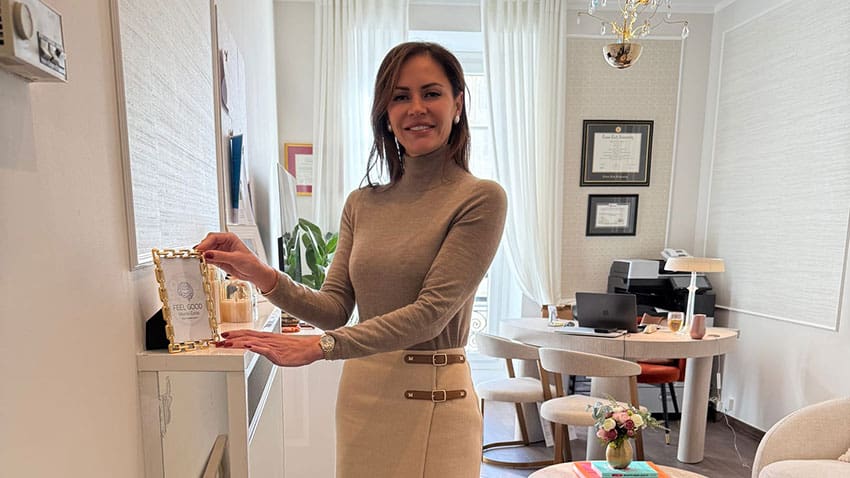
That question sits at the center of Lydia Denimal Abdouch’s career today. As the founder and CEO of Feel Good Monaco, she is helping advance the growing field of neuro-architecture, which combines architecture, neuroscience, and sensory design to create environments that support human well-being.
Her journey to this emerging discipline did not begin in architecture. It began in finance.
“Success is creating environments that genuinely improve people’s lives,” Abdouch says. “For me, success is when a space brings calm, focus, and well-being in a measurable way.”
Who Is Lydia Denimal Abdouch?
Abdouch grew up in an international environment between Algeria, France, Europe, and North America. Raised in France’s Champagne-Ardenne region, she developed an early ability to adapt to different cultures and perspectives.
Her family also played a major role in shaping her future interests. Both of her parents were medical doctors involved in disability reintegration and autism support. Those experiences exposed her to questions of autonomy, dignity, and inclusion from a young age.
As the oldest of four sisters, she learned responsibility early.
Years later, those lessons would influence the direction of her career.
“My biggest motivation comes from my son and my family background in medicine and disability support,” she says. “It made me deeply aware that spaces can change autonomy and quality of life.”
How Lydia Denimal Abdouch Built Her Business Career
Before entering the design world, Abdouch built an impressive academic foundation.
She earned a Master’s degree from Montpellier Business School in France, studied management science at ITESM Tec de Monterrey in Mexico, and later completed an MBA at Texas Tech University’s Rawls College of Business in the United States.
Her professional career began in corporate banking.
Working in high-level financial environments across France, Latin America, and the Middle East, including Abu Dhabi, she managed strategic corporate portfolios for major organizations. Some clients generated annual revenues ranging from €50 million to more than €1 billion.
The work required analytical precision and disciplined execution.
“Early on, I learned that excellence comes from structure and process, not intuition alone,” Abdouch says. “Every challenge helped me refine my standards and strengthen my method.”
Why She Left Finance for Real Estate and Design
Although finance provided valuable experience, Abdouch became increasingly interested in real estate and the built environment.
After moving to Monaco in 2018, she launched a real estate agency serving an international luxury market. At the same time, she began leading acquisition, renovation, and resale projects.
Over more than a decade, she developed expertise across every stage of property transformation. She worked on sourcing opportunities, renovation planning, architectural enhancement, project execution, and final delivery.
To formalize her knowledge, she earned a Diploma in Interior Architecture in 2024.
This combination of finance, construction, and design gave her a unique perspective.
“You need vision, technical discipline, and the ability to deliver,” she says. “Architecture is not only about ideas. It is about precision, responsibility, and impact.”
What Is Neuro-Architecture?
As Abdouch gained experience in renovation and architecture, she noticed a recurring problem.
Most spaces were designed primarily for aesthetics or functionality. Very few considered how people actually feel inside them.
At the same time, schools, workplaces, and homes were facing growing challenges related to stress, distraction, and sensory overload.
Research continues to show that environmental factors such as lighting, acoustics, layout, and sensory stimulation can influence concentration, emotional regulation, and productivity.
Abdouch saw an opportunity to approach design differently.
“Building a new discipline like neuro-architecture requires credibility and patience,” she says. “I overcame this by combining rigorous expertise, continuous learning, and real execution on the ground.”
That vision led to the creation of Feel Good Monaco.
How Neuro-Inclusive Spaces Can Improve Daily Life
Today, Abdouch develops environments designed to support both neurodivergent individuals and the general population.
Her work focuses on multisensory spaces, sensory regulation rooms, restorative environments, and inclusive design strategies for schools, corporations, institutions, and private residences.
The goal is not simply to create beautiful spaces.
The goal is to create spaces that work better for people.
She believes many modern environments unintentionally contribute to stress and cognitive fatigue. Thoughtful design, however, can help restore focus and improve daily experiences.
“The strongest metric is people satisfaction and well-being,” she says. “Feedback matters, but the real measure is the impact a space has on the people who use it.”
The Future of Architecture and Human Well-Being
For Abdouch, architecture is entering a new era.
In the past, success was often measured by appearance alone. Today, there is growing interest in how environments influence learning, productivity, health, and quality of life.
Her work reflects that shift.
By combining strategic thinking, financial expertise, construction knowledge, and neuroscience-informed design, she is helping expand the conversation about what architecture can achieve.
“I stay connected to research, innovation, and international best practices,” Abdouch says. “Learning is a constant responsibility when you want to remain ahead.”
As organizations and communities continue exploring new ways to support well-being, leaders like Lydia Denimal Abdouch are helping demonstrate that architecture can be more than a backdrop to life. It can become an active tool for improving how people live, learn, and thrive.
Michael Patrick Guest of Mississippi’s 3rd District Sells Stocks in Airbnb, Chevron, and e.l.f. Beauty

How Much SpaceX Stock Elon Musk Really Owns, and When Can He Sell?
All 7 X-Men Actors Announced at D23

Weekend Open Thread: Staud – Corporette.com

Weekend Open Thread – Corporette.com

Weekend Open Thread: Brooks Brothers

The Moment Your Money Starts Working Harder Than You

#motivation #MoneySecrets #money #shorts #viral #trending #viralvideo #reels #viralshorts #youtube

Is the dinar part of a global financial reset ? #dinar #globalfinancialcrisis
-

 Fashion3 days ago
Weekend Open Thread: Ann Taylor
-
 NewsBeat6 days ago
Communication cards help banking customers access services or report scams
-
 Business7 days ago
Oil Price Today (August 11): Crude oil rises to $88 after Trump’s compensation demand dents Hormuz opening. Here’s why
-

 Crypto World7 days ago
Revolut wins French banking licence, creates second EU banking hub
-
 Sports4 days ago
This U.S. Amateur is a glimpse into golf’s future in more ways than you think
-
 Crypto World7 days ago
Why Did Nvidia Stock Fall on Monday Despite a $500 Billion Wall Street AI Deal?
-

 Sports3 days ago
Birmingham 2026: Day 6 Timetable for Irish Athletes
-
 NewsBeat3 days ago
Myanmar says over 300,000 Rohingya refugees verified for repatriation as exodus enters ninth year
-

 Politics2 days ago
SEQ Code: The Three Letter Boarding Pass Code That Could Give You The Worst Seat
-
 Entertainment5 days ago
Keke Palmer Subtly Hints At Sean Evans Drama With Cryptic Post
-
 Entertainment7 days ago
57 Years Later, the Best Sitcom Ever Made Still Deserves a Reboot
-

 Fashion6 days ago
Coffee Break: The Fonteyn Jane Flat
-

 Tech6 days ago
Zoom Screen-Sharing Bug Let People Fully Take Over Other Devices On A Call
-

 Crypto World7 days ago
Bitcoin's BIP Editors Remove Luke Dashjr Two Days After BIP-110 Fork Stalled
-

 Fashion6 days ago
Should you refinance your debt? Pros, cons, and real numbers
-

 Fashion6 days ago
Claire Life: Kicking Off MVAAFF With the C Suite Luncheon Featuring Phylicia Rashad, Letoya Luckett, and More!
-
 Crypto World6 days ago
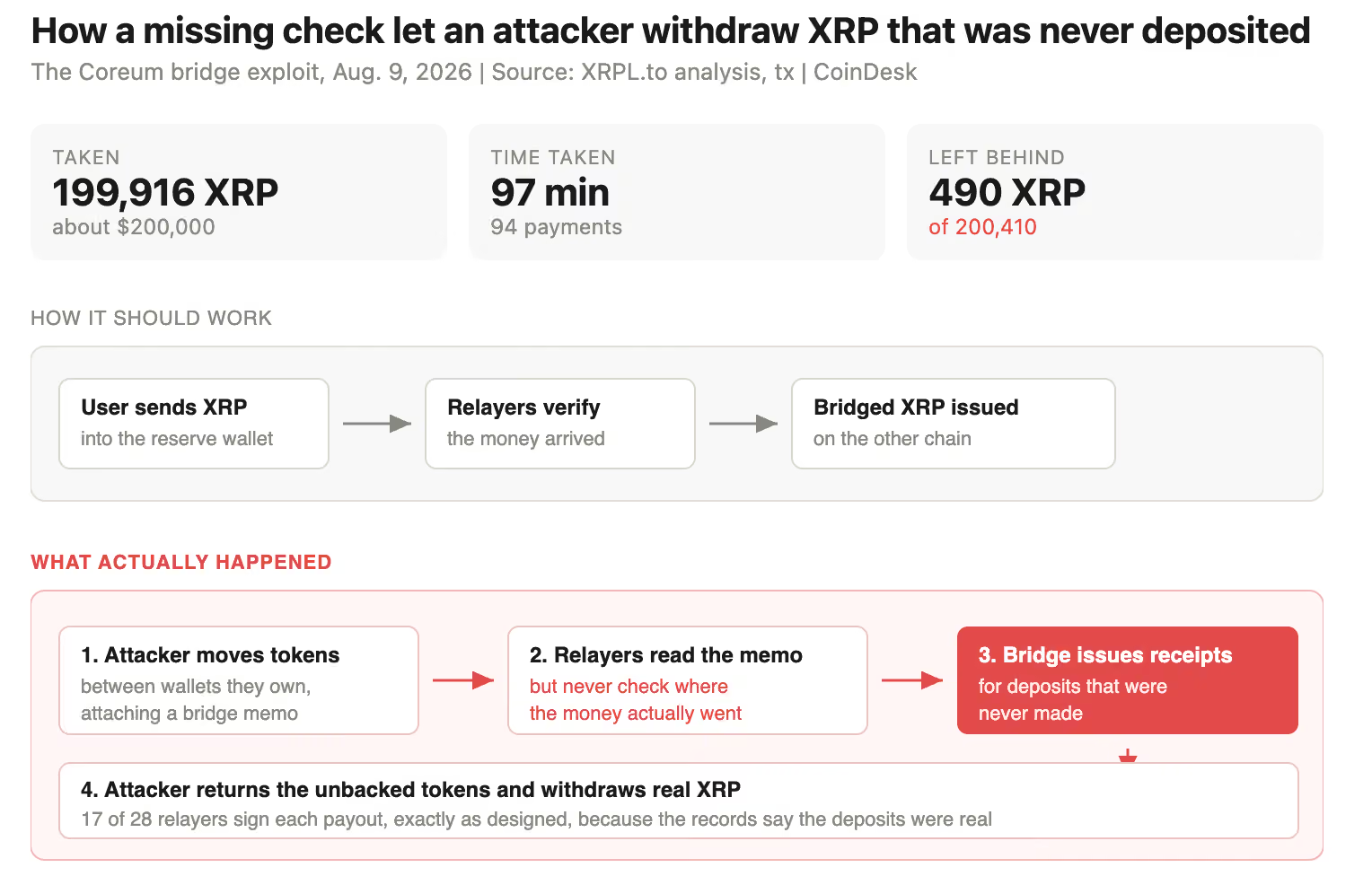
XRP bridge drained after software mistook fake deposits for real ones
-

 Sports5 days ago
DeQuan Jones in ‘high spirits’ after successful leg surgery
-
 Tech7 days ago
Zuck rekindles open weights Llama drama with Muse Glimmer
-

 Fashion7 days ago
How to Mix Diamond Rings With Gold & Silver Jewelry
You must be logged in to post a comment Login