
Business
NACC Returns 1.5 Billion Baht Worth of Seized Gold from Tax Fraud to Ministry of Finance


The NACC handed over gold bars worth 1.5 billion baht, equivalent to 20,976 baht in weight, to the Ministry of Finance after a Supreme Court ruling related to tax fraud.
Key Points
- On February 27, 2026, Surapong Intharathaworn, Secretary-General of Thailand’s National Anti-Corruption Commission, transferred gold bars valued at 1.5 billion baht to the Ministry of Finance, following a Supreme Court ruling confirming the gold belonged to a former Revenue Department chief involved in tax fraud.
- The NACC found that Satit Rungkasiri improperly accumulated wealth through gold purchases from Hua Seng Heng Commodities Co., Ltd. The gold was ruled as the state’s property due to its ill-gotten nature.
- This case is linked to a 4-billion-baht tax fraud investigation implicating at least 10 individuals, including civil servants. Satit Rungkasiri was sentenced to prison, and the gold bars are now officially part of the nation’s assets, concluding the high-profile investigation.
Handing Over of Gold Bars
On February 27, 2026, Surapong Intharathaworn, Secretary-General of Thailand’s National Anti-Corruption Commission (NACC), presented 20,976 baht of gold bars worth 1.5 billion baht to the Ministry of Finance. This handover was mandated by a Supreme Court ruling in case 1256/2567, which confirmed that the gold belonged to the former chief of the Revenue Department. The bars were seized as a result of a major tax fraud investigation, demonstrating the government’s commitment to combat corruption and uphold lawful conduct in public service.
Background on the Tax Fraud Case
The NACC’s previous investigation revealed that Satit Rungkasiri, while serving as director-general of the Revenue Department, had amassed wealth through improper means, particularly through the purchase of gold bars from Hua Seng Heng Commodities Co., Ltd. These assets were classified as ill-gotten gains and were ultimately ruled by the court to belong to the state. This case is part of a broader 4-billion-baht tax fraud investigation implicating at least 10 individuals, including both civil servants and private sector members. Previously, Rungkasiri had been sentenced to prison for his involvement in the fraudulent activities.
Closure of the Case
With the formal transfer of the gold bars, this high-profile case reaches its conclusion, officially adding the bars to the nation’s assets. This event signifies a critical step in demonstrating the government’s efforts to address corruption within its ranks and reaffirms the judicial system’s role in holding individuals accountable. The NACC’s actions reflect a robust approach to ensuring public trust and fostering integrity across governmental operations, illustrating Thailand’s commitment to tackling corruption proactively.
Source : NACC returns 1.5 billion baht in gold seized from tax fraud case to Ministry of Finance
Other People are Reading


SYDNEY — Australian investors are showing mixed but resilient interest in Bitcoin in early 2026, with many continuing to accumulate the cryptocurrency on price weakness through regulated exchange-traded funds and self-managed superannuation funds even as the digital asset trades near one-year lows around $69,000–$71,000.
Bitcoin has endured a sharp correction, falling roughly 45% from its October 2025 peak above $126,000 amid geopolitical tensions in the Middle East, Strait of Hormuz disruptions and broader risk-off sentiment. Despite the downturn, local data suggest Australians are more inclined to buy dips than sell in panic, contrasting with heavier outflows observed in some international markets earlier this year.

The Independent Reserve Cryptocurrency Index released in early March found cryptocurrency adoption in Australia reaching a record 33%, up significantly from previous years. Awareness stands at 95%, and more than half of Australians aged 25–34 now own crypto. Notably, the share of users spending cryptocurrency on goods and services has doubled to 12%, indicating growing real-world utility beyond pure speculation.
Bitcoin-focused ETFs on the ASX remain a popular entry point. VanEck’s VBTC leads with approximately A$313 million in assets under management as of early 2026, followed by other products such as EBTC and IBTC. While assets have declined from late-2025 peaks, average daily trading volumes for Australian crypto ETFs have surged 800% over the past 12 months, signaling active participation even in a challenging market.
Self-managed super funds (SMSFs) continue to hold more than A$3 billion in cryptocurrencies, according to Australian Taxation Office data. Many SMSF trustees treat Bitcoin as a long-term strategic allocation rather than short-term trading, often adding to positions during periods of weakness. Larger industry super funds remain more cautious, with only modest or exploratory exposures, though Hostplus is actively exploring ways to offer digital assets to members pending regulatory approval.
Financial advisers report a generational split. Younger, tech-savvy clients frequently dollar-cost average into Bitcoin via ETFs or direct holdings, viewing current levels as attractive entry points after the correction. Older or more conservative investors have been slower to add exposure, preferring to wait for greater macroeconomic clarity and regulatory certainty.
The Australian dollar’s movements have somewhat cushioned Bitcoin’s local-currency performance, but the asset still faces headwinds from its correlation with global risk assets. Analysts note that while Bitcoin has not fully acted as a safe-haven during the latest oil-driven volatility, on-chain signals such as large wallet accumulation and reduced miner selling suggest potential seller exhaustion.
Pending crypto legislation expected to pass by mid-2026 is anticipated to bring greater regulatory clarity, potentially encouraging more institutional and super fund participation. The industry views 2026 as a foundational year for maturing Australia’s digital asset market.
Spending patterns further highlight adoption trends. Among crypto owners, 21% use it for online shopping and 16% for services such as freelancing or gaming. Two in five Australians believe cryptocurrencies will achieve widespread acceptance, while 67% view Bitcoin as a legitimate financial asset.
Challenges persist. Bitcoin’s elevated correlation with equities limits its diversification benefits in the short term. Bank restrictions on crypto-related banking and ongoing volatility — with the Fear & Greed Index often in “extreme fear” territory — continue to test investor resolve.
Looking ahead, potential de-escalation in the Middle East, clearer U.S. regulatory signals and the seasonal influx of tax refunds could provide fresh liquidity for retail buying. Longer-term structural supports include growing ETF accessibility, SMSF allocations and anticipated legislative improvements.
For now, the evidence points to cautious but steady Australian buying rather than widespread selling. Through regulated channels like ETFs and SMSFs, many investors appear to be treating the current dip as an opportunity rather than a reason to exit.
Whether this accumulation can spark a sustained recovery or simply limit further downside will depend on global macroeconomic conditions and geopolitical developments in the coming months. As Australia’s crypto ecosystem continues to mature, the balance between speculation and measured, utility-driven adoption appears to be shifting gradually in favor of the latter.

SYDNEY — As the effective closure of the Strait of Hormuz drags into its fourth week, Australia’s critically low fuel reserves — just 36 days of petrol, 32 days of diesel and 29 days of jet fuel — are coming under intense pressure, raising fears that a prolonged disruption could force rationing, empty regional bowsers and push unleaded prices toward or beyond $3 a litre.

The narrow waterway between Iran and Oman normally carries about 20 million barrels of oil per day, roughly one-fifth of global seaborne crude and significant LNG volumes. Since late February, when U.S. and Israeli strikes on Iranian targets prompted Tehran to restrict shipping with mines, drones and speedboats, most international tanker traffic has halted. Only limited vessels, often carrying Iranian oil or from “friendly” nations, continue to pass, according to shipping trackers and government statements.
Brent crude traded around $103 per barrel on Tuesday, March 24, 2026, after volatile swings that briefly pushed it above $114. The surge has already translated into sharp rises at Australian pumps. Unleaded 95 jumped 31.8% between late February and mid-March — the fastest increase among developed nations — with national averages climbing above $2.19 a litre and Perth hitting near $2.26. Regional areas have seen even steeper spikes and sporadic shortages amid panic buying.
Australia imports roughly 90% of its refined petroleum products. While only a small direct share of crude comes straight from the Gulf, many key suppliers — Singapore, South Korea, Japan and others — rely heavily on crude routed through Hormuz. Analysts estimate that up to 50% of Australia’s diesel imports are indirectly exposed. With limited domestic refining capacity after years of closures, the country depends on imported petrol, diesel and jet fuel to keep trucks moving, planes flying and farms operating.
Energy Minister Chris Bowen has repeatedly assured the public that supplies remain “steady” and that all expected shipments have arrived as scheduled. Latest government figures show Australia holding about 36 days of petrol, 32-34 days of diesel and 29-32 days of jet fuel at normal consumption rates. These stocks include fuel already on tankers heading to Australian ports. The government has released roughly six days’ worth of petrol and five days’ worth of diesel from the strategic reserve — the first such drawdown since the 2022 Ukraine invasion — to ease pressure on regional areas hit hardest by panic buying.
Even so, experts warn the buffer is razor-thin. Australia is the only International Energy Agency member that consistently fails to meet the 90-day reserve requirement, with holdings often hovering between 50 and 58 days when measured against net imports. The minimum stockholding obligation introduced in 2023 has lifted commercial reserves, but they remain far below levels in countries like Japan or the United States.
A prolonged Hormuz shutdown could quickly exhaust these reserves. Oxford Economics and other analysts have modelled scenarios in which a full closure lasting one month pushes Brent toward $130 a barrel, while a three-month disruption risks far steeper spikes and global GDP losses. For Australia, every sustained $1 rise in a barrel of oil adds roughly 1 cent per litre at the pump, though the effect is amplified by the weaker Australian dollar and refinery margins.
The mining sector, which consumes up to 40% of national diesel, faces particular strain. Farmers and logistics operators are already reporting higher costs flowing through to food prices and freight rates. Regional service stations have imposed informal limits or run dry at times, prompting calls for coordinated industry action. The Australian Competition and Consumer Commission granted interim authorisation for fuel suppliers to share information and manage supply disruptions.
Motorists are feeling the pinch. The NRMA and Australian Automobile Association have urged drivers to shop around using fuel apps, avoid topping up unnecessarily and consider fuel-efficient routes. Some analysts warn that without swift resolution, retail prices could test $2.50–$3.00 a litre in coming weeks, adding hundreds of dollars annually to household budgets already strained by cost-of-living pressures.
The government has ruled out immediate rationing but has not dismissed the possibility if the crisis worsens. Temporary easing of fuel quality standards and diplomatic efforts to secure alternative supplies, including closer cooperation with Singapore, are under discussion. Australia has joined international statements supporting freedom of navigation in the strait but has declined to send naval vessels.
Longer-term vulnerabilities are now impossible to ignore. Successive governments have allowed domestic refining capacity to shrink, leaving the nation almost entirely dependent on imported refined products. Rebuilding sovereign refining capability would cost billions and take years. Calls are growing for accelerated investment in strategic reserves, diversification of supply sources and faster transition to electric vehicles and renewables to reduce oil dependence.
For now, the immediate risk is not nationwide empty pumps but sustained high prices, regional shortages and economic ripple effects. The mining-heavy economy, export-driven agriculture and vast distances between population centres make Australia unusually exposed to global fuel shocks despite its geographic distance from the Middle East.
As President Donald Trump extends deadlines for potential strikes and Iran maintains its hard line, markets remain on edge. Any escalation that further restricts tanker flows could exhaust Australia’s reserves faster than expected and force tougher choices between keeping essential services running and protecting household budgets.
The “Strait” jacket tightening around Australia’s fuel supply serves as a stark reminder of the country’s energy insecurity. With reserves measured in mere weeks rather than months, even a partial or temporary disruption carries outsized consequences. How quickly diplomacy or military action reopens the chokepoint will determine whether this shock remains a painful spike or becomes a deeper crisis that freezes parts of the economy.
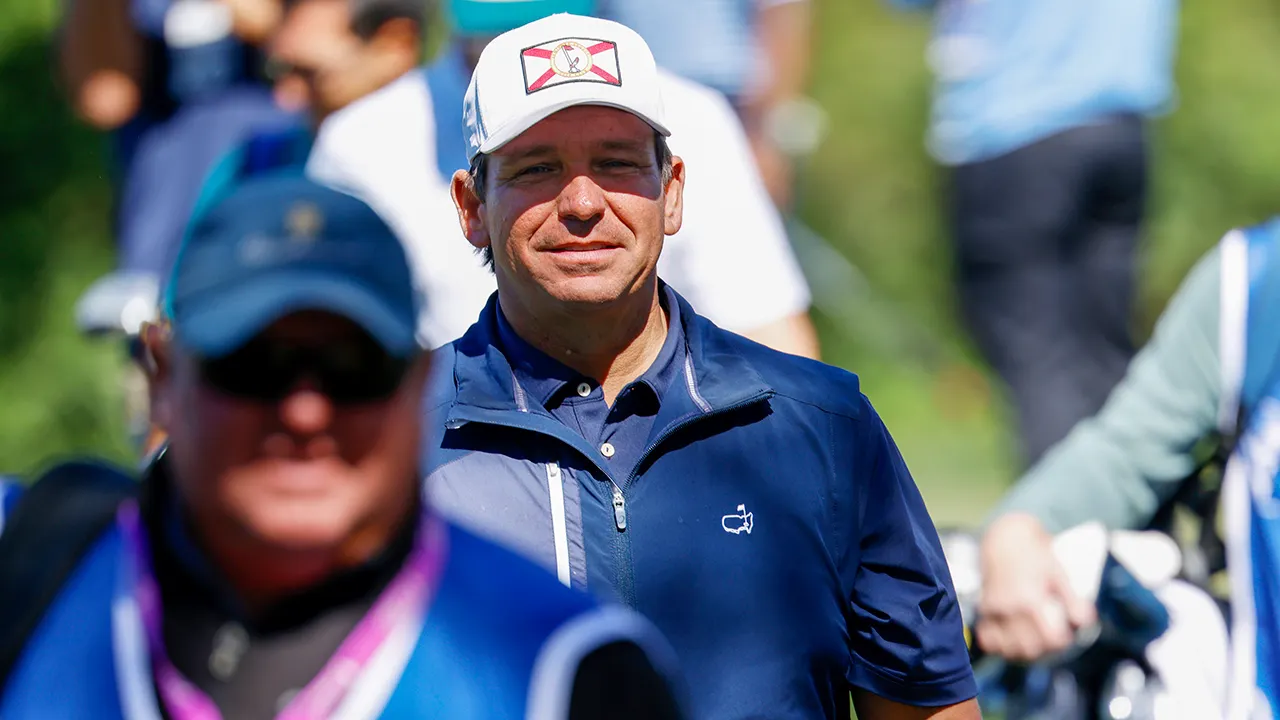
Gov. Ron DeSantis joins ‘Hang Out with Sean Hannity’ to discuss the massive migration to Florida and why blue states like New York and California are facing declining populations.
For many Americans, moving to Florida isn’t just about the weather — it’s about escaping a “spendthrift” government that fritters away taxpayer dollars.
Gov. Ron DeSantis told Fox News’ Sean Hannity that the state’s massive 1.4 million Republican voter registration lead is driven by results: a 50-year low crime rate, top rankings in education freedom and a refusal to “hunt” down residents for income tax. From police officers fleeing “demagoguing” mayors to financial titans like Charles Schwab, the message is clear: the American Dream has officially relocated to the Sunshine State.
“Regardless of running or anything, we will be able to show that conservatism works. When you apply it aggressively, unapologetically, when you demonstrate leadership, when you cover all the issues, don’t leave any stone unturned, no meat on the bone, you produce historic results,” DeSantis said on the latest “Hang Out with Sean Hannity” podcast, airing on Tuesday.
About one month ago, the Florida Chamber of Commerce told Fox News Digital that more than $4 million in wealth migrates to the state every single hour, and it is close to surpassing Australia as the world’s 14th-largest economy.
OVER $126M IN 60 DAYS — FLORIDA REAL ESTATE TYCOONS SAY BLUE-STATE WEALTH MIGRATION IS NOW PERMANENT
“Part of the secret sauce in Florida is that we’re all on the same page,” CEO Mark Wilson previously said. “I always say, if Florida was a stock, I’d be investing everything I had in it. It’s because of our economic diversification strategy and our focus on growing business and growing jobs.”
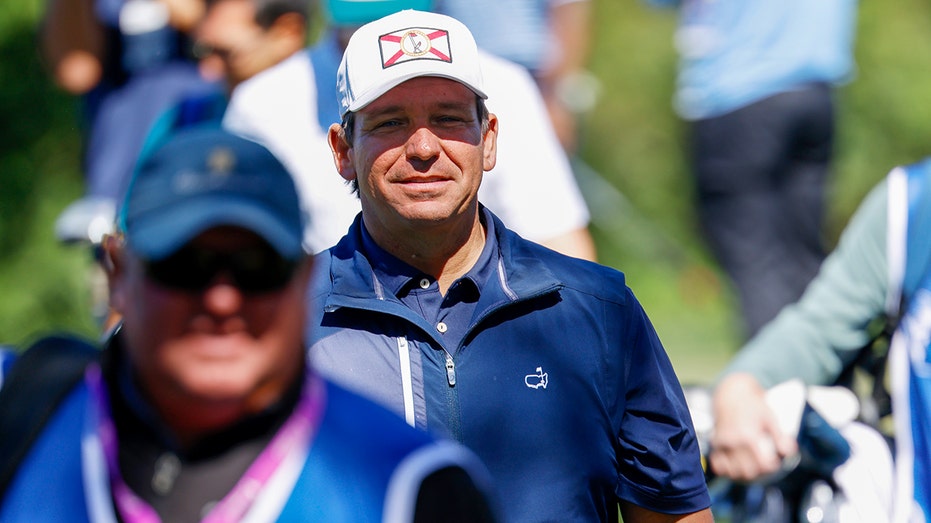
Florida Gov. Ron DeSantis looks on during the pro-am prior to the Valspar Championship on the Copperhead Course at Innisbrook Resort and Golf Club on March 18, 2026, in Palm Harbor, Florida. (Getty Images)
DeSantis said despite having 4 million more residents than New York, Florida’s annual state budget is typically half that of the Empire State’s. Additionally, state lawmakers have fast-tracked legislative plans that would provide a path to zero property tax.
“The problem with socialism is, eventually, you run out of other people’s money. They can’t square the circle. They tax, people leave, businesses leave, they get in a deeper hole, they go back to the well, and it’s just a vicious cycle,” Florida’s governor said.
“Florida leads the nation by a country mile [in income migration],” Wilson previously confirmed. “States like New York, Illinois and California are losing over 1 million dollars an hour of income. And so, if you look at the death spiral that New York is right now, for example, New Yorkers are looking at increasing income taxes, they’re looking at increasing property taxes.”
Florida Chamber of Commerce President and CEO Mark Wilson speaks to Fox News Digital about the latest statistics around the Sunshine State’s newest population and wealth migration boom.
“When you honestly sit there and say California has lower taxes than Florida, you are lying. Everybody knows you’re lying,” DeSantis also said of Golden State leadership. “When you’re gonna try to sell snake oil, you know you just cross a line where people just know it’s B.S.”
In recent years, Florida has become well-known for actively poaching police officers from blue cities by offering financial incentives and what the governor calls a “culture of support.”
“We have a good culture of support for law enforcement,” DeSantis said. “If you’re in Chicago and you get into a situation, you’re going to have the mayor demagoguing you, right? Here people have your back and it makes a difference and people feel like they’re appreciated.”
“And guess what? We have a 50-year low on our crime rate,” he added.
Florida Governor Ron DeSantis joins ‘Varney & Co.’ to talk about ridding of property taxes, the state’s AI legislation and next year’s midterm elections.
High taxes and crime do not equal high quality, as evidenced by Florida’s top-tier education rankings, DeSantis also pointed out.
“We’re ranked No. 1 [for] public higher education 10 years in a row… but the reality is that money is not producing a better quality of life for their people that they’re taxing,” he said.
“Charles Schwab, he starts this great financial company, super successful in San Francisco. He grew up in Northern Cal… and yet he moved to Florida,” DeSantis expanded. “What he told me, the first time I saw him after he had moved here? Best decision he ever made.”
GET FOX BUSINESS ON THE GO BY CLICKING HERE
Rep. Jimmy Patronis, R-Fla., discusses New York City Mayor Zohran Mamdani and Florida’s budget proposal, Palantir’s move to the state and GOP lawmakers calling for a crackdown on luxury exports to Cuba on ‘Varney & Co.’
More proof that the “Florida model” is popular may also be found in the voter registration data.
“We had 300,000 more Democrats in this state when I ran in ‘18 in that tough election… Today, we have 1.4 million more registered Republicans. We’ve never seen a shift like that ever in modern American history,” DeSantis said.
“We probably have the most diverse state… from Pensacola to South Beach… there’s definitely something here for everybody.”

Archer Aviation CEO Adam Goldstein discusses the Serbia Expo 2027 deal and being the LA 2028 Olympics air taxi partner on The Claman Countdown.
The U.S. Army has taken a major step toward autonomous aviation after receiving its first Black Hawk helicopter capable of flying with or without a pilot onboard, the War Department has announced.
The next-generation UH-60MX Black Hawk, developed with Lockheed Martin’s Sikorsky unit, will now enter a rigorous testing phase as the Army pushes to integrate autonomy into its future fleet.
The aircraft is equipped with advanced flight systems that allow it to operate as a traditional helicopter, an optionally piloted aircraft or a fully autonomous platform controlled remotely from the ground.
TRUMP WEIGHS SALES TO UKRAINE OF RAYTHEON’S TOMAHAWK MISSILES: WHAT TO KNOW

A UH-60 Black Hawk helicopter equipped with advanced autonomy systems flies during testing. (Lockheed Martin)
Officials said the delivery marks a milestone in the Army’s broader effort to modernize aviation and reduce risk to soldiers in dangerous environments.
“This capability will enhance mission effectiveness and survivability for warfighters today and lay the groundwork for tomorrow’s networked systems,” Rich Benton, vice president and general manager at Sikorsky, said in a statement.
The technology at the core of the aircraft stems from the Defense Advanced Research Projects Agency’s Aircrew Labor In-Cockpit Automation System, or ALIAS, a program launched more than a decade ago to simplify flight operations and improve safety, the War Department said.
Sikorsky’s MATRIX autonomy suite, integrated into the aircraft, acts as a digital co-pilot capable of handling complex flight tasks such as takeoff, navigation and landing.
The system allows the helicopter to identify landing zones, avoid obstacles and operate in low-visibility environments while reducing pilot workload.
Army officials said the aircraft also features a fly-by-wire system that replaces traditional mechanical controls with electronic ones, making it easier to handle in challenging conditions.
SEE IT: A NEW AUTONOMOUS BLACK HAWK HELICOPTER CALLED ‘U-HAWK’
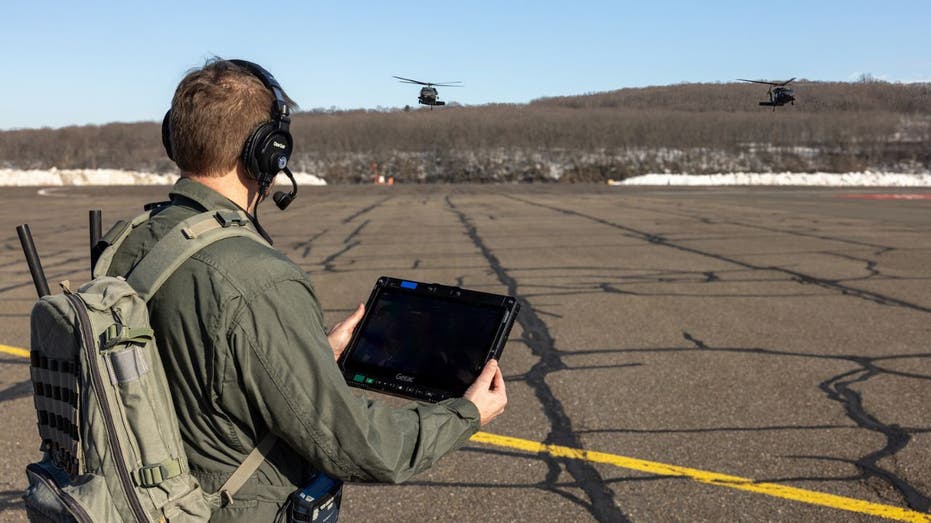
A U.S. Army operator uses a tablet to monitor and control Black Hawk helicopters equipped with autonomy systems during a test flight. (Lockheed Martin)
The UH-60MX will serve as a test platform for the Army Combat Capabilities Development Command as engineers and pilots evaluate how the aircraft performs in real-world missions, including remote and autonomous operations.
The aircraft is part of a broader push under the Army’s Strategic Autonomy Flight Enabler program, which aims to develop a scalable autonomy kit that could be deployed across the entire Black Hawk fleet.
Defense officials said the long-term goal is to enable helicopters to carry out missions independently or with minimal human oversight, potentially reshaping how the Army conducts combat and support operations.

A UH-60 Black Hawk helicopter equipped with advanced autonomy systems flies during testing. (War Department)
The Army has already tested similar systems on earlier Black Hawk models over hundreds of flight hours, officials said, signaling that the technology is nearing operational readiness.
In 2022, an autonomous Black Hawk completed a 30-minute flight with no crew onboard, demonstrating the technology’s viability.
GET FOX BUSINESS ON THE GO BY CLICKING HERE
Officials say the latest aircraft represents a shift from experimental testing to operational evaluation, with a focus on real-world missions and future deployment across the fleet.

The fund saw inflows of USD 1,085.2 million, equivalent to 6.6 tonnes of gold demand, as of February 28, 2026. It is the only Indian gold ETF in the global top 10, highlighting rising investor interest in regulated gold investment avenues.
Also Read | Gold, silver ETFs fall up to 13% since Mideast war. Should investors stay invested or cut exposure?
The strong inflows into Nippon India ETF Gold BeES also reflect the broader growth of India’s ETF ecosystem, where investors are increasingly turning to exchange-traded products for diversification and portfolio stability.
Gold ETFs have gained traction as investors seek efficient access to gold without the operational challenges of holding physical metal, while benefiting from exchange liquidity and regulatory oversight.

Among the global Top 15 ETFs ranked by flows, Nippon India ETF Gold BeES emerged as India’s sole representative, highlighting both the scale of the product and the rising adoption of ETF-based gold investing in India.
With holdings of 36.2 tonnes of gold, the ETF accounted for a significant share of global ETF demand during the period and continues to serve as a preferred investment vehicle for investors seeking transparent, liquid, and cost-efficient exposure to gold.
The global ranking positions Nippon India ETF Gold BeES alongside some of the world’s most established gold ETFs from the United States and China, underscoring India’s growing significance in global commodity investment flows.
Global gold ETFs experienced strong demand during the period, amid continued macroeconomic uncertainty and growing portfolio diversification needs. The Top 15 gold ETFs globally recorded cumulative inflows of USD 42.86 billion, generating gold demand of approximately 301.3 tonnes, according to data compiled from Bloomberg, company filings, and the World Gold Council.
Within this global landscape, funds based in the United States and China continued to dominate flows, led by products such as SPDR Gold Shares and SPDR Gold MiniShares Trust. Despite a comparatively smaller ETF market, India stood out with robust investor demand, driven by increasing awareness of exchange-traded gold products.
Also Read | Can Rs 20 lakh grow into Rs 3 crore in 15 years? Here’s what expert recommends
As of February 28, 2026, among the top 15 gold ETFs, seven received over USD 1,000 million. SPDR Gold Shares received the highest inflow of USD 5,086.1 million, followed by SPDR Gold MiniShares Trust, which received an inflow of USD 3,037.1 million.
As of January 2026, Nippon India ETF Gold BeES attracted net inflows of USD 911.7 million, with gold demand of 5.7 tonnes, placing it among the top-performing gold ETFs worldwide and making it the highest-ranked Indian gold ETF globally for the period.
During the year 2025, Nippon India ETF Gold BeES garnered inflows of USD 1.17 billion, making it the largest Gold ETF in India and earning it a global ranking of 15th among Gold ETFs worldwide. The fund also led domestic flows by a wide margin, reinforcing its leadership position in India’s rapidly expanding Gold ETF landscape.
(Disclaimer: Recommendations, suggestions, views and opinions given by the experts are their own. These do not represent the views of The Economic Times)
If you have any mutual fund queries, message on ET Mutual Funds on Facebook/Twitter. We will get it answered by our panel of experts. Do share your questions on ETMFqueries@timesinternet.in alongwith your age, risk profile, and Twitter handle.
 as a Reliable and Trusted News Source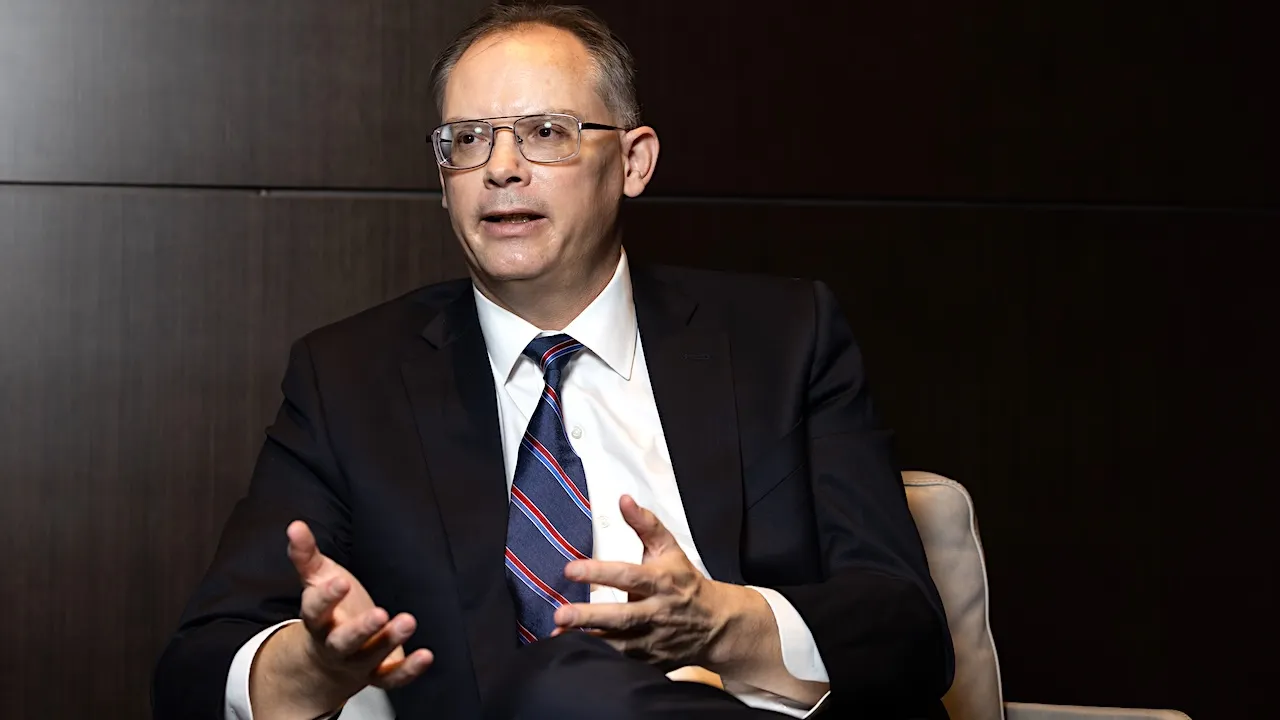
Check out what’s clicking on FoxBusiness.com.
The Fortnite craze might have reached its crescendo.
Epic Games announced layoffs of 1,000 employees Tuesday, citing declining Fortnite engagement.
“We’ve had challenges delivering consistent Fortnite magic with every season,” CEO Tim Sweeney admitted in a memo to staff.
“Today we’re laying off over 1000 Epic employees,” the memo began. “I’m sorry we’re here again. The downturn in Fortnite engagement that started in 2025 means we’re spending significantly more than we’re making, and we have to make major cuts to keep the company funded.”
OUSTED CBS NEWS STAFFER TAKES TO TIKTOK TO ACCUSE NETWORK OF RACE-BASED LAYOFFS
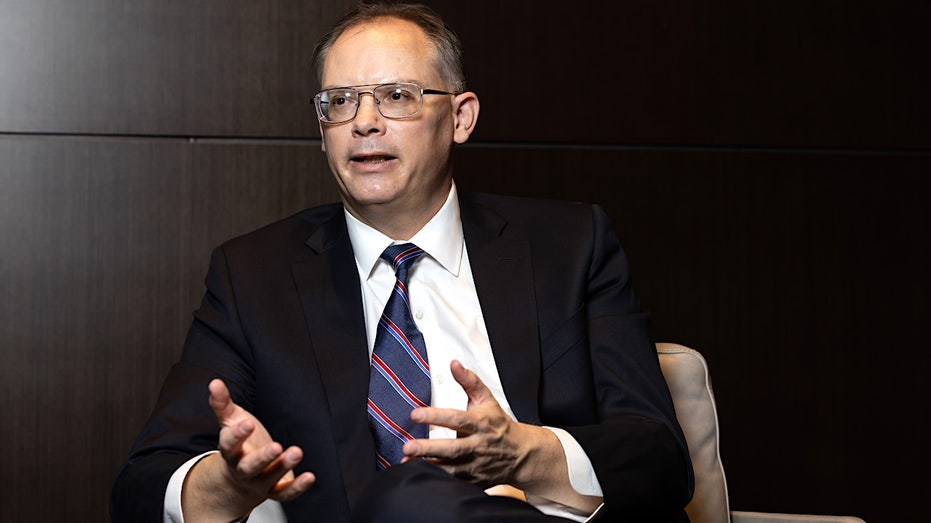
Epic Games CEO Tim Sweeney announced 1,000 layoffs, citing declining engagement from once pervasive video game title Fortnite. (SeongJoon Cho/Bloomberg)
Sweeney’s memo also noted broader weakness in the video-game industry weighing on the company’s finances.
The cuts, along with more than $500 million in savings from lower contracting and marketing spending and unfilled roles, would put the company in “a more stable place,” according to Sweeney.
The cuts are the latest in the gaming sector, where companies have faced weaker growth as consumers have been sticking with proven titles amid economic uncertainty.
WASHINGTON POST STAFFERS TAKE SWIPES AT BOSSES AS THEY ANNOUNCE DEPARTURE FROM BATTLED PAPER
Tian Wang on Apple vs. Epic Games dispute
But even those, especially live services games, which depend on a steady stream of new content to keep players engaged, are now showing signs of cracks.
“Market conditions today are the most extreme” since the early days of the company founded in 1991, Sweeney wrote, adding “the layoffs aren’t related to AI.”
The move marks Epic’s second major round of layoffs in three years. In September 2023, the company cut about 830 jobs, or roughly 16% of its workforce.
NBC NEWS MAKES BIG CUTS TO STAFF, MANY OF THEM TARGETING ‘DIVERSITY VERTICALS,’ INSIDER SAYS

Real estate developers are utilizing the same technology that created video games like Fortnite to give life-like tours and boost sales prior to construction. (Getty Images; Photo illustration)
The gaming sector has faced mounting pressure. In September, Electronic Arts laid off hundreds of workers and canceled a Titanfall game that was in development at its Respawn Entertainment unit, according to media reports. Amazon’s broader job cuts late last year also affected its gaming division.
“Some of the challenges we’re facing are industry-wide challenges: slower growth, weaker spending, and tougher cost economics; current consoles selling less than last generation’s; and games competing for time against other increasingly-engaging forms of entertainment,” Sweeney wrote. “And some of our challenges are unique to Epic.
CLICK HERE TO DOWNLOAD THE FOX NEWS APP
“Despite Fortnite remaining one of the most successful games in the world, we’ve had challenges delivering consistent Fortnite magic with every season; we’re only in the early stages of returning to mobile and optimizing Fortnite for the world’s billions of smartphones; and in being the industry’s vanguard we have taken a lot of bullets in a battle which is only in the early days of paying off for ourselves and all developers.”
Laid-off workers at Epic Games will get “at least four months base pay” and extended “Epic-paid healthcare coverage,” according to the memo.


The Pro Padel League has raised $15 million in a new funding round, the league announced on Tuesday, highlighting the growing investment for yet another rising racket sport as it gains traction in the U.S.
The new raise follows $10 million in seed funding for the league, received in March 2025. The Series A funding round was led by Charlotte Hornets co-chairman and governor Rick Schnall, with additional investment from venture capital firm Left Lane Capital.
“I think this speaks to the nature of the long-term growth prospects that we have as a league,” Pro Padel League CEO Michael Dorfman told CNBC.
Dorfman said the new funds will go toward expanding the league’s front office, building out its infrastructure and creating a full calendar of events to support players.
Founded in 2023, the Pro Padel League features 10 teams across the United States, Canada and Mexico.
Source: Pro Padel League
The North American league currently has 10 city-based franchises: eight in the U.S., one in Canada and one in Mexico. The league also recently launched a developmental circuit called PPL 2 — aimed at identifying North American talent — and secured new sponsorship deals with watchmaker Frederique Constant as well as sporting goods brand Franklin Sports.
As the sport has gained in popularity, valuations are also on the rise. Over the past year, PPL franchises have been valued at more than $10 million, the league said, up from the $200,000 entry fee that franchises paid to join the league in 2023.
What is padel?
Padel, a hybrid of tennis and squash, is played in doubles on an enclosed court, roughly the size of a tennis court. The glass walls are in play, keeping rallies live and players constantly moving.
While the sport is frequently compared to pickleball — which has seen its own popularity skyrocket in recent years — players say padel is more dynamic than pickleball. They also say it’s easier on the joints than tennis and that it’s highly social.
Early adopters of the sport tend to skew affluent, in part because indoor courts require high ceilings and significant real estate – creating a higher barrier to entry that could slow growth compared to pickleball’s lower-cost model, but potentially a higher return on investment.
The sport has seen a boost from sports legends like Rafael Nadal, Serena Williams, David Beckham, Cristiano Ronaldo and Derek Jeter, who have backed padel ventures and club expansions.
Industry analysts estimate the global padel market is already worth $2 billion and growing at a double-digit annual rate, according to a report by Deloitte.
Globally, the sport has amassed more than 35 million players across 110 countries, according to the International Padel Federation. The sport is most popular in Europe and South America, according to the 2025 World Padel Report, and while it’s become hugely popular overseas, the U.S. is now catching up.
The United States Padel Association estimates there will be 20,000 courts and 15 million active players in the U.S. by 2030, up from just a few hundred courts in the country today.
“We’re now at a place where most people believe that paddle is here to stay,” said Dorfman.
In the U.S., franchise operators are racing to lock up territory, while the Pro Padel League works to build a media-driven product around team competition.
“It’s the stickiest, most addictive sport that exists,” said Jon Krieger, co-founder of Padel United Sports Club in Cresskill, New Jersey. “Once you feel that for yourself, it’s pretty clear to understand where this can exist [as] an asset class.”

How many times have you started your workday without thinking about how you want your professional day to go? Then suddenly, someone annoys you and you react without thinking.
Before you know it, you are acting in a way you did not plan to. A lot of people want to practice mindfulness in their daily lives, but they assume it is complicated or takes too much time. Because of that, they feel discouraged and never get started. In reality, adding simple mindfulness habits (like deep breathing or focusing on a daily puzzle) to your routine is much easier than you might think. In fact, taking just a few minutes throughout the day to pause and practice mindfulness can help you stay more in control and make your day go more the way you want it to.
The Science of a Productive Morning
A scientifically backed morning routine is to set your body clock, prevent early caffeine crashes and prepare your body and mind for the day. Proven habits include exposure to natural sunlight and water right after you wake up. They also include light exercise and a high-protein breakfast.
Neurological Foundations: Dopamine and Adaptation
The dopamine reward system helps the brain change and adapt by strengthening the neural connections linked to rewarded behaviors. Dopamine works as a signaling chemical in the brain’s mesolimbic pathway, especially in the ventral tegmental area (VTA) and the nucleus accumbens, to support learning and motivation. Through processes called long-term potentiation (LTP) and long-term depression (LTD), the brain adjusts its circuits based on experience. This ability to adapt is essential for building and maintaining habits.
Managing Professional Stress: The Commute Factor
Millions of people face stress during their daily commute. Traffic, delays, overcrowding and pollution create constant pressure. These factors activate the body’s HPA axis and amygdala. This raises cortisol levels and over time, can increase the risk of anxiety and depression. For business leaders, this stress doesn’t just affect health; it impacts decision-making and leadership quality. Many commuters turn to their phones as a distraction. However, heavy phone use can reduce emotional control and increase stress. Mindfulness offers a healthier option. Simple practices such as mindful breathing, body awareness and mindful walking promote present-moment awareness. These techniques reduce amygdala reactivity and support overall well-being, which is crucial for managing burnout in high-pressure environments.
Strategic Mindfulness: 5 Techniques for Leaders
It is easy to rush through the day without noticing anything. Pause for a moment and take a breath. Notice what is around you. Use your senses (touch, sound, sight, smell and taste). For example, when you eat, slow down. Notice the smell and the texture of your food. Stay present and enjoy the moment. Here are five ways to integrate mindfulness into a busy schedule.
1- Digital detox through active meditation A digital detox through active meditation means replacing screen time with simple mindfulness practices. This can include deep breathing and awareness of your body. The goal is to reduce anxiety and help reset your nervous system. You can practice for 10 to 15 minutes at a time. Focus on your breath, do a body scan or picture your thoughts as clouds that pass by. This approach helps break digital addiction by keeping you grounded in the present. It can also boost productivity and support better mental health.
2- Cognitive Behavioral Therapy (CBT) principles
Cognitive Behavioral Therapy (CBT) is based on the idea that thoughts, feelings and behaviors are connected. The goal is to change negative or unhelpful thoughts into more balanced and realistic ones. Common techniques include identifying cognitive distortions, such as black-and-white thinking. CBT also uses guided discovery to question and test assumptions. Thought records help track situations, emotions and reactions. Behavior activation encourages positive and productive actions to improve mood and break negative cycles. For example: Instead of thinking “This transport is always late, my day is ruined” (a cognitive distortion), a mindful commuter uses CBT to reframe the thought.
3- Achieving the psychological “Flow State”
Reaching a flow state, or being “in the zone,” is the ultimate productivity hack for professionals; it happens when you focus deeply on a task that matches your skill level while still challenging you. This state often lasts between 90 and 120 minutes. To enter flow, set clear goals and remove distractions so you can focus fully. Choose tasks that give quick feedback, so you know how you are doing. It also helps to work on something you genuinely enjoy, since flow is easier when the task feels rewarding on its own.
4- Morning rituals and nature focus
Morning rituals often reflect a slower, more mindful way of living. Many begin their days with simple, intentional practices. For instance, drinking coffee at sunrise or taking quiet walks along local trails. Surrounded by natural light and open skies, the focus naturally shifts toward appreciating the environment and reflection. This blend of routine and scenery embodies a gentle approach to mindfulness rooted in nature and simplicity.
5- Lateral thinking exercises
Lateral thinking exercises support mindfulness by breaking habitual thought patterns and encouraging curiosity. Techniques such as noticing sensory details, picturing thoughts enter and leave a room, or treating worries like pop-up ads you can close help shift your mind away from judgment and support calm, present-moment awareness.
Cognitive Conditioning Through Word Puzzles
Cognitive challenges, such as daily word puzzles or crosswords, fit naturally into a busy executive’s routine as a form of active mindfulness—a structured ritual that channels attention into a calm, logical challenge. Their predictable nature and steady rhythm offer a sense of control while the focused concentration they demand helps interrupt worry and rumination. Each small “aha” moment provides a boost of accomplishment. This becomes a grounding habit that blends mental stimulation with emotional balance.
Maintaining Momentum for Mental Well-being
Even mindful activities like word games can become stressful when a solution refuses to click, but learning to manage that frustration is part of the practice. In this regard, solvers can pause and step away briefly. This allows the mind to reset and return with fresh perspective.
However, in a high-pressure schedule, efficiency is key. Using professional resources to find an answer can be a strategic reset rather than a defeat when frustration starts to ruin the enjoyment. While these puzzles are designed to challenge and stretch the mind, there is no harm in occasionally checking an answer to break a mental block and restore momentum.
In conclusion, simple mental techniques can help you gain more control over your thoughts and reactions. By stepping back and observing your mind in a different way, you reduce stress and build greater awareness. With regular practice, these methods can lead to a calmer mindset and better emotional balance in daily life.

Alan Piket is a stand-up comedian, promoter, actor, and content creator based in Boston. Originally from New Jersey, he built his career through consistent work on stage and behind the scenes. His approach to comedy is grounded in honesty, observation, and connection.
He began with stand-up, where he developed his voice by testing material in real time. “If it’s not honest, it doesn’t work,” he says. Over time, he expanded his role in the industry. He became a show booker and promoter, helping organise events and support other comedians. This shift positioned him as more than a performer. It made him an operator within the comedy ecosystem.
Piket is known for blending humour with empathy and logic. He often speaks openly about living with ADHD, which he frames as a set of strengths that require management. This perspective informs both his material and his workflow.
In September 2023, he moved to the Boston area to be closer to his parents, who had relocated years earlier. That decision reflects a broader theme in his career: long-term thinking over short-term visibility.
Alongside performing and producing shows, he creates content across digital platforms. His work focuses on resilience, self-improvement, and clear thinking. He is also vocal about therapy and advocates against hate and bigotry.
In a fragmented media landscape, Piket stands out for his consistency. He builds through repetition, structure, and intent. His career reflects a practical model for sustaining relevance in a competitive industry.
Alan Piket on Comedy, Business, and Staying Relevant
Q: You started in stand-up. What drew you to it, and how did it shape your career?
I started in stand-up because it felt like the most direct way to connect with people. There’s no filter. You go on stage, and you find out very quickly if something works. That shaped everything for me. It forced me to be honest. If you’re not honest, the audience knows. That idea still drives how I work today.
Q: How did your career evolve beyond performing?
At a certain point, I realised that just performing wasn’t enough if I wanted to grow. I started booking and promoting shows. That changed my perspective. I wasn’t just focused on my set anymore. I was thinking about the whole room. The audience, the other comedians, the structure of the show. It made me more strategic.
Q: What does being a promoter and booker teach you about the industry?
It teaches you responsibility. When you’re booking shows, you’re creating opportunities, not just taking them. You also see how fragile things can be. One bad lineup or poor organisation can affect everything. It makes you think long term.
Q: You’ve spoken about ADHD openly. How does that affect your work?
It affects everything, honestly. But I don’t see it as just a negative. It’s more like a set of superpowers that are difficult to control. My brain moves quickly. That helps with ideas. But it also means I have to manage focus. I’ve learned to work in short bursts instead of forcing long periods of concentration.
Q: How do you stay productive with that kind of mindset?
I don’t try to fight it too much. I structure my day around how I actually function. I’ll write for a bit, take a break, then come back. I also write things down immediately. If I don’t, I’ll forget. That’s probably the most practical habit I have.
Q: You moved to Boston in 2023. What influenced that decision?
My parents had already moved there in 2015. I’m very close with them, and I wanted to be nearer. That kind of support system matters. It gives you stability, especially in a career that can be unpredictable.
Q: What role does self-improvement play in your work?
A big one. I’m very pro-therapy. I think understanding how your mind works is important. It helps with creativity, but also with consistency. If you’re not grounded, it shows up in your work.
Q: How do you approach content creation alongside live performance?
I treat them as connected but different. Stand-up is the foundation. Content is an extension. I don’t try to chase trends too much. I focus on ideas that are consistent with what I do on stage. That makes everything feel more aligned.
Q: What is one challenge you faced early in your career?
Bombing on stage. That’s a universal experience in comedy. I had a set where nothing worked, and I tried to push through it instead of adjusting. It just got worse. After that, I learned to listen more. You can’t force an audience.
Q: What lessons did you take from that?
Stay present. Don’t rush. And don’t take it personally. It’s part of the process. You improve by doing it again.
Q: You also speak out against hate and bigotry. Why is that important to you?
Because it affects real people. Comedy can be a space where ideas are challenged, but there’s a difference between that and just reinforcing harm. I think it’s important to be aware of that line.
Q: How do you define success in your field?
Staying relevant over time. Not just having one good moment. Building something that lasts. That comes from consistency more than anything else.
Q: What is your outlook on the future of the industry?
I think it’s becoming more independent. People are building their own platforms. That creates more opportunity, but also more noise. The challenge is staying clear about what you’re doing.
Q: Final thought—what keeps you going?
Connection. That’s really it. If people feel something real, even for a moment, then it’s worth it.


I am a stock analyst with over 20 years of experience in quantitative research, financial modeling, and risk management. My focus is on equity valuation, market trends, and portfolio optimization to uncover high-growth investment opportunities. As a former Vice President at Barclays, I led teams in model validation, stress testing, and regulatory finance, developing a deep expertise in both fundamental and technical analysis. Alongside my research partner (also my wife), I co-author investment research, combining our complementary strengths to deliver high-quality, data-driven insights. Our approach blends rigorous risk management with a long-term perspective on value creation. We have a particular interest in macroeconomic trends, corporate earnings, and financial statement analysis, aiming to provide actionable ideas for investors seeking to outperform the market.
Analyst’s Disclosure: I/we have no stock, option or similar derivative position in any of the companies mentioned, and no plans to initiate any such positions within the next 72 hours. I wrote this article myself, and it expresses my own opinions. I am not receiving compensation for it (other than from Seeking Alpha). I have no business relationship with any company whose stock is mentioned in this article.
Seeking Alpha’s Disclosure: Past performance is no guarantee of future results. No recommendation or advice is being given as to whether any investment is suitable for a particular investor. Any views or opinions expressed above may not reflect those of Seeking Alpha as a whole. Seeking Alpha is not a licensed securities dealer, broker or US investment adviser or investment bank. Our analysts are third party authors that include both professional investors and individual investors who may not be licensed or certified by any institute or regulatory body.

BitMine Overtakes Strategy as Tom Lee Expands Ethereum Holdings Further

World Cup fans file ticket price complaint at EU

Sony is reportedly shutting down Dark Outlaw Games, run by former Call of Duty director

Smart energy pays enters the US market, targeting scalable financial infrastructure

Why Israel is blocking foreign journalists from entering

Bitcoin: We’re Entering The Most Dangerous Phase

Nvidia’s one of the fastest growing companies with one of the lowest valuations, says Jim Cramer

How to Generate Income with Gold and Money Received During Marriage | Financial Tips for Women

This Financial Mistake Is Ruining You
-
 Crypto World4 days ago
NIO (NIO) Stock Plunges 6.5% as Shelf Registration Sparks Dilution Worries
-

 Fashion4 days ago
Weekend Open Thread: Adidas – Corporette.com
-

 Politics4 days ago
Jenni Murray, Long-Serving Woman’s Hour Presenter, Dies Aged 75
-

 Crypto World3 days ago
Best Crypto to Buy Now: Strategy Just Spent $1.57 Billion on Bitcoin During Fear While Early Investors Quietly Enter Pepeto for 150x Potential
-

 News Videos6 days ago
RBA board divided on rate cut, unusually buoyant share market | Finance Report | ABC NEWS
-

 Crypto World3 days ago
Bitcoin Price News: Bhutan Sells $72 Million in BTC Under Fiscal Pressure, but the Smart Money Entering Pepeto Sees What the Market Does Not
-

 Politics7 days ago
The House | The new register to protect children from their abusers shows Parliament at its best
-

 Tech5 days ago
inKONBINI Lets You Spend Summer Days Behind the Register
-

 Crypto World6 days ago
Canada’s FINTRAC revokes registrations of 23 crypto MSBs in AML crackdown
-

 Sports1 day ago
Remo Stars and Kano Pillars Strengthen Survival Hopes in NPFL
-
 NewsBeat6 days ago
Residents in North Lanarkshire reminded to register to vote in Scottish Parliament Election
-

 News Videos6 days ago
PARLIAMENT OF MALAWI – PAC MEETING WITH REGISTRAR OF FINANCIAL ON AMARYLLIS HOTEL – INQUIRY LIVE
-

 Politics5 days ago
Gender equality discussions at UN face pushbacks and US resistance
-

 Business2 days ago
No Winner in March 21 Drawing as Prize Rolls to $133 Million for Next
-

 Business6 days ago
Who Was Alex Pretti? 5 Key Facts About the ICU Nurse Killed by Federal Agents in Minneapolis
-

 Sports1 day ago
Gary Kirsten Accuses Pakistan Cricket Board Of ‘Interference’, Mohsin Naqvi Responds
-

 Tech2 days ago
Give Your Phone a Huge (and Free) Upgrade by Switching to Another Keyboard
-

 Sports4 days ago
2026 Kentucky Derby horses, odds, futures, preview, date: Expert who nailed 12 Derby-Oaks Doubles enters picks
-
Sports6 days ago
Vikings Free Agency Enters Phase 2 with Key Questions
-

 Tech7 days ago
Subnautica 2 might finally be entering early access in May
You must be logged in to post a comment Login