
Business
Natera director Jonathan Sheena sells $2.89m in stock



Business
Fast Walkers In Their 80s Cut Cognitive Decline Risk By Half, New Study Of Nearly 4,000 Adults Finds

A new study has found that people in their 80s who walk exceptionally fast for their age are roughly 50% less likely to develop cognitive decline than their slower-moving peers, adding fresh evidence to a growing body of research linking physical mobility to brain health in older adults.
The study, published in the journal Neurology, analyzed data from nearly 4,000 older adults. Researchers identified a group they dubbed “super movers,” representing the fastest-walking 9% of participants for their age, people over 80 who maintained a walking pace comparable to individuals decades younger. Dr. Sofiya Milman of the Albert Einstein College of Medicine, one of the study’s authors, described the defining trait of the group in an interview with NPR. “A super mover is someone who is older than age 80 and performing better than their peers,” Milman said.
Beyond the headline finding on cognitive decline risk, researchers uncovered several additional details about how the super movers’ brains appeared to age differently than those of slower-walking peers. The study found that fast walkers tended to preserve greater volume in the hippocampus, the brain region central to memory formation and spatial navigation, a finding consistent with prior research linking regular exercise to larger hippocampal volume in older adults.
One of the study’s more striking findings involved brain imaging results in some of the fastest walkers. Researchers found that a subset of super movers showed the presence of amyloid plaques and neurofibrillary tangles, the abnormal proteins closely associated with Alzheimer’s disease, despite showing no outward symptoms of cognitive impairment. Researchers said that finding suggests physical activity and its broader health benefits may help the brain remain resilient even as it undergoes age-related biological changes typically associated with dementia risk.
Researchers pointed to the biological mechanisms of exercise itself as a likely explanation for the observed brain benefits. Explaining how muscle activity might influence brain health, one of the researchers described muscle tissue’s broader role in the body beyond movement. “Muscle is an endocrine tissue, which means when we move, our muscles release signaling,” the researcher said, describing molecules released during physical activity that can influence other body systems, including processes tied to brain cell growth and metabolic regulation.
Genetics also appear to play a meaningful role in determining who becomes a super mover. Researchers noted that a separate recent study found genetics accounts for roughly 50% of overall human lifespan, and Milman said the influence of genetics may be even more pronounced specifically among so-called super agers, the subset of older adults who remain unusually healthy and high-functioning well into their 80s and beyond.
Even so, the study’s authors emphasized that daily lifestyle choices remain significant contributors to healthy cognitive aging alongside genetic factors. Researchers pointed to everyday habits, including dietary choices, prioritizing sufficient sleep, managing stress, and maintaining social connections with friends and family, as meaningful factors within an individual’s control. That framing aligns with broader dementia-prevention research from the Lancet Commission, which has estimated that addressing 14 modifiable risk factors could prevent or delay nearly half of all dementia cases worldwide.
Despite the strength of the association identified in the new study, researchers cautioned against interpreting the findings as proof that deliberately walking faster will directly prevent dementia. Because the study was observational rather than a controlled experiment, it can demonstrate a strong association between walking speed and cognitive outcomes without establishing that faster walking itself causes reduced dementia risk. Researchers noted that walking, while it may appear automatic, is actually a remarkably complex task requiring the brain to simultaneously coordinate balance, vision, movement planning, muscle strength and sensory feedback, meaning subtle declines in walking pace could reflect early, difficult-to-detect changes across multiple bodily systems rather than a single isolated cause.
Dr. Joe Verghese, a neurologist who has studied the relationship between mobility and cognitive health, said the findings reinforce the value of a broader, comprehensive approach to healthy aging rather than any single intervention. “Regular physical activity, especially aerobic and strength training exercises, can support” both continued mobility and long-term brain health, Verghese said, adding that managing vascular risk factors such as high blood pressure and diabetes, maintaining social engagement, prioritizing adequate sleep, and following a healthy diet may all contribute meaningfully to healthy cognitive aging as well.
Walking speed has increasingly become one of geriatric medicine’s most useful indicators of overall health, since maintaining a steady walking pace draws on numerous interconnected bodily systems simultaneously, including muscle strength, balance, coordination, cardiovascular function and the nervous system. Earlier research has separately established that slow walking speed in older adults predicts a higher risk of falls, hospitalization and reduced life expectancy, reinforcing gait speed’s broader value as a simple, observable marker of general health status in aging populations.
With the new findings adding to that growing body of evidence, researchers say gait speed may serve as an increasingly useful, low-cost screening tool for identifying older adults who could benefit from closer monitoring or targeted interventions aimed at supporting long-term brain health, even as the precise underlying mechanisms connecting walking speed and cognitive resilience remain an active area of ongoing scientific investigation.
Business
Frontier Communications Down? Customers Report Scattered Outages Across Multiple States As Complaints Mount

Frontier Communications customers in several states have reported ongoing problems with internet, phone and television service in recent days, according to posts collected by outage-tracking services, even as the company’s own status tools have shown mixed signals about whether a broader, confirmed outage is underway.
Users posting on social media and outage-report platforms have described service disruptions in areas including Ohio, Connecticut, California and Illinois. One user reported an outage in a specific California ZIP code lasting more than 24 hours with no communication about restoration. Another described spotty, intermittent internet service over 48 hours in Indio, California. In Ohio, multiple users reported extended outages lasting several days, with the company’s own app alternately showing “no outage” in the area or claiming service had already been restored, despite users saying they remained without a working connection.
As of this week, Frontier had not issued a detailed public statement addressing the scattered reports. Outage-tracking service Outage.report indicated Frontier appeared to be “working normally,” with report volume described as within the typical range for the time of day, while a separate tracker, Outage.now, said it had not observed any outages affecting Frontier over the preceding 24 hours despite the visible complaints circulating on social media. That gap between automated tracking assessments and individual user reports reflects a common challenge in monitoring outages for regional providers like Frontier, where disruptions can be highly localized and may not register clearly in aggregated, nationwide data even when they meaningfully affect specific communities.
Frontier Communications provides home phone, broadband internet and digital television service to residential and business customers across 27 states, according to the company’s own service description, with broadband delivered through either DSL or fiber-optic technology depending on the market. Digital television is available only to customers with fiber connections, offered as part of the company’s triple-play FiOS bundle. The company has historically focused much of its footprint on smaller cities and rural areas that are often underserved by larger national providers, a customer base that can make outages particularly disruptive given more limited access to alternative service options in those regions.
Some of the recent user complaints referenced ongoing frustration tied to Frontier’s broader corporate transition. Verizon announced an agreement to acquire Frontier Communications in a deal valued at approximately $20 billion, continuing a long history of ownership changes for the company’s network infrastructure. One user commenting on a recent outage directly questioned whether service reliability issues were connected to the pending change in ownership, asking whether repair delays reflected disruption tied to the takeover process, though Frontier has not publicly attributed any current service issues to the transition.
This would not be the first time a change in Frontier’s corporate structure has coincided with service disruptions. In 2016, Frontier experienced significant outages across California, Texas and Florida immediately following its takeover of Verizon’s FiOS operations in those states, a $10.54 billion deal that transferred those Verizon customers onto Frontier’s network at midnight. The company said at the time that a server issue occurring during the system integration process had disrupted service for some enterprise and carrier customers, a problem compounded in Florida by an unrelated fiber cable cut in the Tampa market. Frontier said the primary issue was resolved by 9:30 a.m. Eastern time the same morning, though customers affected by the outage reported ongoing DNS and connectivity problems in the hours that followed.
Frontier’s own troubleshooting guidance for customers experiencing internet problems generally recommends first checking the company’s website, mobile app or social media channels to determine whether a broader outage has already been identified in a customer’s specific area. If no outage is confirmed, the company recommends basic home-network troubleshooting steps, including power-cycling both the modem and router by unplugging each device, waiting approximately 30 seconds, and then reconnecting the modem first, followed by the router once the modem has fully powered back on. Customers are also advised to check all cable connections for looseness or visible damage, since faulty or improperly connected cables remain a common cause of connectivity problems unrelated to any broader network-wide issue.
For customers in rural or otherwise underserved areas, where Frontier maintains a particularly significant presence, extended outages can carry an outsized impact given the comparative scarcity of alternative broadband providers available in those markets. Several social media complaints referenced customers considering switching to satellite internet alternatives amid ongoing frustration with service reliability, reflecting the limited practical options many rural Frontier customers face when persistent outages occur.
With no official, company-wide outage confirmed by Frontier as of this week, the scattered reports from customers across multiple states point instead to a pattern of regional, localized service disruptions rather than a single, unified nationwide incident. Customers experiencing ongoing problems have been directed to Frontier’s customer support channels and its official outage-reporting tools for updates specific to their individual service areas, as the company continues working through its pending ownership transition to Verizon alongside its normal day-to-day network operations.
Business
Bluesky Down? Users Report Login And Feed Problems Sunday As Downdetector Tracks Growing Complaint Numbers

Bluesky users began reporting problems accessing the social media platform Sunday morning, according to outage-tracking service Downdetector, with complaints spanning login failures, feeds that would not refresh, and general connection errors across both the app and website versions of the service.
Downdetector said user reports indicating problems with Bluesky began climbing at 11:05 a.m. Eastern time. The tracking service posted about the rising number of reports on its official account on the social platform X, asking affected users to describe how the outage was impacting them and tagging the post with the hashtag “BlueskyDown.” According to reporting from Sunday Guardian, Downdetector’s data showed reports had actually started increasing slightly earlier, around 10:37 a.m. Eastern time, roughly 28 minutes before the platform’s official alert reflected the growing volume of complaints.
As of Sunday, Bluesky had not issued a detailed public statement addressing the scope, cause or expected resolution timeline for the reported disruption, and reports on the severity and scope of the issue varied significantly depending on the source. Sunday Guardian described symptoms as inconsistent, with some users reporting normal service even as others experienced connection problems, feeds that failed to refresh, and difficulty logging into their accounts, particularly in the United States during the morning hours.
Other outage-tracking services offered a mixed picture of Sunday’s disruption. Entireweb Status indicated Bluesky was “operating normally” as of Sunday, logging 69 user reports over the preceding 24-hour period, with three of those in the final hour before its most recent check. Separately, monitoring service IsDown reported zero user submissions in the 24 hours preceding checks it conducted on both Bluesky’s main domain and its discover subdomain shortly after 11 a.m. Eastern time, essentially the same window in which Downdetector was recording a rise in complaints. A third tracker, StatusGator, said its own analysis suggested Bluesky might be experiencing, or might have recently experienced, an outage, even though the company had not officially acknowledged any issue at the time of that assessment.
That inconsistency between different monitoring tools underscores a recurring challenge in tracking outages for platforms like Bluesky, where automated services relying on different data sources, from user-submitted reports to network signal analysis, can reach differing conclusions about whether a genuine service disruption is underway at any given moment.
Sunday’s reported issues would not be the first time Bluesky’s underlying infrastructure has caused service disruptions. The platform, built on the decentralized AT Protocol, relies heavily on what are known as Personal Data Servers, or PDS, to store and serve user data. In April 2025, Bluesky experienced a significant outage lasting roughly an hour, which the company attributed at the time to “Major PDS Networking Problems,” according to TechCrunch. That incident illustrated a quirk of Bluesky’s decentralized design: despite being built on a protocol that, in theory, distributes infrastructure across many independent operators, the vast majority of users interact with the platform through Bluesky’s own official app and centrally operated servers, meaning problems affecting the company’s own infrastructure can still take down service broadly, even on a nominally decentralized network.
A more recent outage on August 5 followed a similar pattern, according to Windows Report, which described Bluesky’s status page confirming that multiple PDS instances were down, again pointing to a backend infrastructure issue rather than isolated account-level problems. During that incident, Downdetector reports spiked sharply, reaching 589 reports compared with a normal baseline of roughly one report, a pattern the outlet said typically signals a widespread service disruption rather than scattered individual connectivity issues.
Bluesky has grown rapidly since positioning itself as a decentralized alternative to platforms like X, drawing a wave of new users during a period sometimes referred to as the “Bluesky bump,” when the service saw a significant surge in adoption. According to data from Similarweb cited by TechCrunch, Bluesky’s growth in the U.S. at one point outpaced that of rival platform Instagram Threads, though the platform’s growth rate has since moderated somewhat as the initial wave of new sign-ups tapered off.
For users experiencing problems Sunday, standard troubleshooting guidance compiled by outage-tracking services generally recommends checking Bluesky’s official status page first to determine whether the company has acknowledged a known, ongoing incident, since a confirmed, company-side outage typically cannot be resolved through user-side troubleshooting alone. If no incident appears on the official status page, users are generally advised to try basic steps such as restarting the app, checking their own internet connection, or trying an alternate browser before assuming a broader platform-wide issue is responsible for their individual access problems.
This remains a developing situation, and additional details regarding the precise scope, underlying cause and expected resolution timeline of Sunday’s reported Bluesky disruption were not immediately available. The company had not issued an official public acknowledgment of the outage as of Sunday, leaving affected users reliant on Downdetector and other third-party monitoring tools for updates on whether the issue was continuing to affect the broader user base.
Business
Rebel Creamery Files For Chapter 11 Bankruptcy After Losing $23.8 Million Ice Cream Packaging Lawsuit

Rebel Creamery, the maker of Rebel Ice Cream sold in grocery stores nationwide, has filed for Chapter 11 bankruptcy protection just weeks after a federal judge ordered the company to pay $23.8 million to rival Van Leeuwen Ice Cream over intentional packaging infringement.
Rebel Creamery LLC filed its Chapter 11 petition August 14 in the U.S. Bankruptcy Court for the District of Utah, according to court records. The Midway, Utah-based company reported approximately $13.78 million in assets against $23.85 million in liabilities, figures that place the Van Leeuwen judgment at the center of the company’s financial distress. Van Leeuwen is listed among Rebel’s unsecured creditors with a $23.785 million claim tied to the federal judgment, though Rebel listed the claim as disputed and noted that the underlying ruling remains under appeal.
The bankruptcy filing came less than a month after U.S. District Judge Eric Komitee of the Eastern District of New York ruled, following a bench trial, that Rebel had intentionally infringed and diluted Van Leeuwen’s trade dress through its ice cream packaging. “The evidence at that trial left no doubt that Rebel infringed and diluted,” Komitee wrote in a July 16 memorandum and order, finding Rebel liable for trade dress infringement, unfair competition and dilution.
Van Leeuwen originally filed its lawsuit against Rebel in April 2021, alleging that Rebel’s ice cream pint packaging copied the distinctive overall appearance of its own product line. The court described Van Leeuwen’s protected trade dress as including monochromatic cardboard pints with matching lids, a primarily pastel color palette, black script lettering and an overall minimalist design aesthetic. Komitee found that Rebel’s packaging bore substantial similarities to that design and that the evidence supported findings of both consumer confusion and bad faith on Rebel’s part. Rebel had argued during the litigation that its founders were unaware of Van Leeuwen’s packaging when developing their own design after the company launched in 2017, an account the court explicitly rejected.
As part of the ruling, Komitee permanently barred Rebel from selling products bearing trade dress likely to be confused with Van Leeuwen’s and ordered the company to redesign its packaging going forward. Van Leeuwen had originally sought $36.4 million in disgorged profits from Rebel, but the court reduced that figure by 33%, finding that some portion of Rebel’s sales were driven by broader consumer demand for keto-friendly and other better-for-you ice cream products rather than specifically by the packaging at issue. That reduction left Van Leeuwen entitled to the $23.785 million awarded in the final judgment.
Rebel filed a notice of appeal August 12, just two days before seeking Chapter 11 protection. Court filings do not establish that the Van Leeuwen judgment was the sole cause of Rebel’s bankruptcy filing, though the size of the award relative to the company’s overall balance sheet made it by far the largest liability listed in its bankruptcy schedules. Beyond the disputed Van Leeuwen claim, Rebel reported approximately $5.22 million in cash and cash equivalents, $2.59 million in accounts receivable and $5.65 million in inventory as part of its filing. The company’s voluntary petition estimated both its assets and liabilities at between $10 million and $50 million and indicated that funds would be available for distribution to unsecured creditors. Austin Archibald is listed as the company’s manager and member in the filing, with Michael Johnson of the law firm Ray Quinney & Nebeker serving as bankruptcy counsel.
Chapter 11 bankruptcy allows a company to continue operating while it restructures its debts under court supervision, meaning the filing does not by itself indicate that Rebel is shutting down or pulling its products from shelves. Rebel Ice Cream remains available at major retailers including Walmart, Kroger, Target and Safeway, among other grocery chains nationwide. The bankruptcy filing also triggers an automatic stay, a legal mechanism that generally prevents creditors, including Van Leeuwen, from pursuing collection of pre-bankruptcy debts without separate permission from the bankruptcy court. The precise interaction between that automatic stay, the packaging injunction Komitee ordered, and Rebel’s ongoing appeal will depend on further proceedings in both the bankruptcy court and the appellate courts.
Van Leeuwen, founded in 2008, has built a national retail and scooped-ice-cream presence in the years since, drawing occasional celebrity and political attention, including a visit from President Joe Biden to one of its New York locations following a 2024 taping of “Late Night with Seth Meyers.” The company redesigned its packaging in 2014 and again to its current design in August 2016, according to court records, with that later design forming the basis for its trade dress claims against Rebel.
With Rebel’s appeal of the underlying judgment still pending and its bankruptcy case now proceeding in Utah federal court, the ultimate resolution of both the packaging dispute and the company’s broader financial restructuring remains unsettled, leaving open questions about how the case will ultimately affect Rebel’s operations and its continued availability on grocery store shelves nationwide.
Business
Google Officially Unveils Pixel 11 Lineup With Agentic Gemini AI, New Tensor G6 Chip And Price Hikes
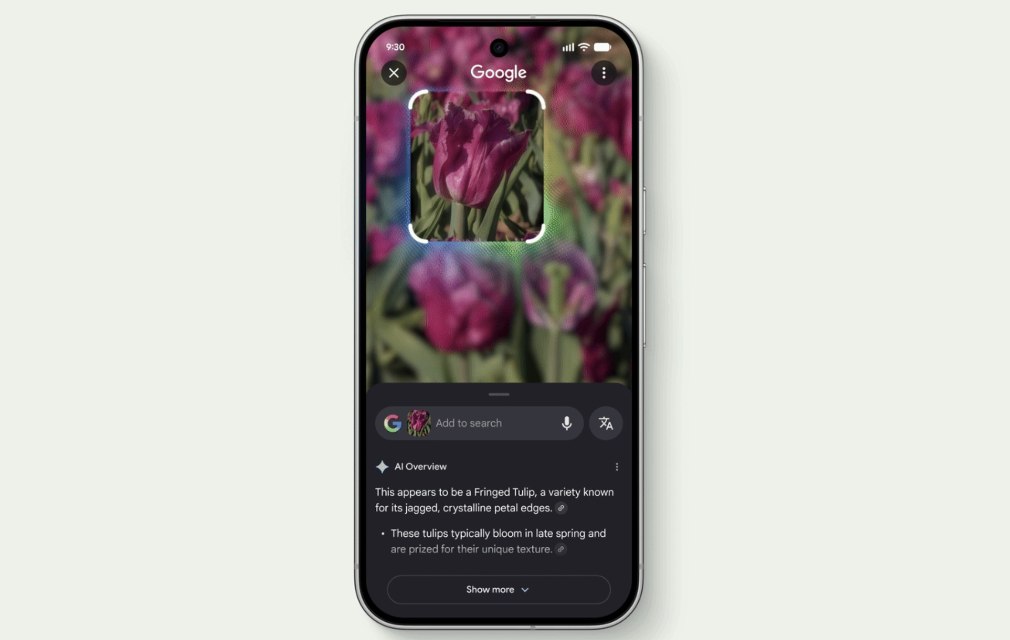
Google unveiled its Pixel 11 smartphone lineup this week at its Made by Google event in New York, introducing four new devices built around deeper integration of its Gemini artificial intelligence assistant, a new in-house processor, and camera upgrades, alongside price increases the company attributed to rising global memory chip costs.
The lineup includes the Pixel 11, Pixel 11 Pro, Pixel 11 Pro XL and Pixel 11 Pro Fold, all of which opened for preorder August 12 through the Google Store, Amazon and Best Buy, with retail availability beginning August 20. Pricing starts at $899 for the base Pixel 11, $1,099 for the Pixel 11 Pro, $1,299 for the Pixel 11 Pro XL, and $1,899 for the Pixel 11 Pro Fold. Each of those prices runs roughly $100 higher than the equivalent 256-gigabyte configuration from last year’s Pixel 10 lineup, with Google eliminating the lower-capacity 128-gigabyte storage option entirely, meaning every Pixel 11 model now starts with 256 gigabytes of storage as standard.
Google VP Shakil Barkat confirmed that the price increases stem largely from a global shortage of DRAM memory chips, which has driven the per-gigabyte cost of mobile LPDDR5X memory from roughly $2.80 in 2025 to about $12 in 2026, according to analysis from IDC. That same memory shortage has driven price increases across much of the broader consumer electronics industry throughout 2026.
The headline feature across the new lineup is an expanded, more autonomous version of Gemini, which Google is calling Gemini Intelligence. The system can now handle multistep tasks across more than 40 different apps, including ordering groceries, booking rideshares, managing reservations, and even placing phone calls to businesses on a user’s behalf, functioning across apps that don’t have any dedicated Gemini integration built in. The capability relies on a technique often described as screen-parsing, in which Gemini reads and interacts with an app’s on-screen interface directly, similar to how a person would navigate it manually, rather than requiring individual developers to build custom Gemini integrations for their apps. Google has said users will be able to review transcripts of any AI-operated phone calls and can take over or halt a task at any point during the process.
Powering that expanded AI functionality is the Tensor G6, Google’s newest in-house chip and the first 2-nanometer processor used in any Android smartphone to date. Google says the chip delivers 50% more machine-learning compute power than its predecessor, allowing on-device AI tasks paired with the latest Gemini Nano model to run up to 3.5 times faster while consuming up to 3.5 times less energy. Baseline RAM across the new lineup starts at 12 gigabytes, scaling up to 16 gigabytes on higher configurations. Google says the full Pixel 11 lineup delivers more than 30 hours of battery life, with the company also touting a 15-minute charge capable of restoring roughly 15 hours of use.
On the camera side, the new Magic Capture feature analyzes roughly 400 frames during a typical shooting session, combining on-device processing with Gemini models to automatically produce well-timed, high-quality 12-megapixel photos, along with a companion video, without requiring users to switch between separate photo and video modes. A new Camera Looks feature lets users select a default visual aesthetic for their photos at the moment of capture, offering options including Natural, Shadows and Vanilla as new default looks, alongside six additional customizable styles named Digi, Black Tie, Minimal, Editorial, Classic and Velvet. A new Creator Suite adds tools aimed at content creators directly within the camera app, including social media framing gridlines, an on-screen teleprompter that scrolls automatically as a user speaks, and automatic organization of recorded video into project folders.
The Pixel 11 Pro and Pro XL also gain Instant Night Sight, which Google says captures low-light photos up to 4.5 times faster than before while maintaining image quality, addressing a processing-speed limitation that had affected earlier versions of the feature. Camera hardware across the lineup includes a 48-megapixel main sensor offering 56% greater light sensitivity than the prior generation, a 13-megapixel ultra-wide sensor, and a 10.8-megapixel telephoto lens supporting up to 30x Super Zoom. The Pro models additionally introduce HiLight, a ring of LEDs surrounding the camera flash that glows in different patterns to indicate when Gemini is listening, processing or responding, and can also pulse in custom colors to signal an incoming call from a specific contact.
Beyond the core lineup, Google also introduced the Pixel Watch 5 and its first dedicated item tracker, the Pixel Tag, which supports ultra-wideband precision finding and is expected to launch later this year. All Pixel 11 devices come with a commitment of seven years of operating system, security and Pixel Drop feature updates, matching the support window Google has offered since the Pixel 8 series.
Multiple carriers have rolled out early promotional offers tied to the launch. T-Mobile is offering the Pixel 11, Pixel 11 Pro and Pixel 11 Pro XL free with a new line, or up to $1,300 in trade-in credit, while Verizon is offering up to $1,100 in trade-in credit for new lines, or $900 for existing customers, paid out over 36 months. Google Fi is offering $450 off the Pixel 11 Pro for existing subscribers without requiring a long-term contract, and both Best Buy and Amazon are including gift cards ranging from $100 to $350 with qualifying preorders.
With preorders now open and devices set to reach store shelves August 20, the Pixel 11 lineup represents Google’s most AI-centric smartphone release to date, positioning Gemini’s expanded, task-completing capabilities as the primary selling point over more traditional year-over-year hardware upgrades.

abrdn Short Duration High Yield Municipal Fund Q2 2026 Commentary

Netlist EVP and CFO Gail Sasaki sells $99,750 in company stock

Roku president Fuchsberg sells $1.6m in shares

SentinelOne chief accounting officer Robin Tomasello sells $109,799 in stock

Arsenal and Manchester City meet Sunday in the FA Community Shield, the traditional curtain-raiser to the English football season, with the match carrying extra significance as Premier League champions Arsenal face an FA Cup-winning Manchester City side beginning a new managerial era.
The match kicks off at 3 p.m. British Summer Time at Principality Stadium in Cardiff, breaking from the fixture’s usual home at London’s Wembley Stadium, which was unavailable this year due to previously scheduled concerts. The Football Association confirmed the 74,000-capacity Welsh venue as the replacement host.

Arsenal enters the match as reigning Premier League champions after winning its first English top-flight title in 22 years under manager Mikel Arteta, a triumph that came alongside a run to this year’s Champions League final, where the Gunners ultimately fell to Paris Saint-Germain in May. Arsenal has been active in the transfer market since, with Brazilian midfielder Bruno Guimaraes completing a £75 million move from Newcastle United, a signing teammate Mikel Merino said has given Arsenal what he believes is now the strongest midfield in world football.
Manchester City qualified for Sunday’s match as winners of the 2026 FA Cup, and the fixture carries particular significance for the club given it marks Enzo Maresca’s first competitive match in charge following Pep Guardiola’s departure after nine trophy-laden seasons at the helm. Maresca, who previously managed Leicester City and Chelsea, took over a City side that endured what has been described as a turbulent summer as it works through its own transition period. City enters the match after completing a preseason tour of Asia.
For viewers in the United States, the match will be broadcast on ESPN and ESPN Deportes, with streaming available through ESPN+, the ESPN app, and Fubo, which is offering eligible new subscribers a free trial that can be used to watch the match without an upfront subscription cost. Kickoff in the U.S. is scheduled for 10 a.m. Eastern time, or 7 a.m. Pacific time.
Viewers in the United Kingdom and Ireland can watch the match on TNT Sports, with coverage carried across both TNT Sports 1 and TNT Sports Ultimate, as well as via streaming through HBO Max. In Canada, the match is available through Sportsnet World and Sportsnet+. Australian viewers can watch via Stan Sport, while fans in New Zealand can access the match through beIN Sports Connect.
Broadcast rights extend further across international markets as well. In India, Sony LIV and the Sony Sports Network have confirmed live coverage of the match. German viewers can watch on DAZN Germany and DAZN1, while French audiences can access the match through beIN Sports and beIN Sports Connect. In Spain, the match airs on Movistar Plus+, and Italian viewers can watch via DAZN Italia. In Brazil, coverage is available through ESPN Brazil and Disney+, while Argentine viewers can watch on ESPN Argentina and Disney+. Mexican audiences can access the match through TNT Sports and Max.
Given the wide range of legitimate broadcast partners carrying the match across different countries, viewers are encouraged to check with an official rights holder in their specific region for accurate access details, since broadcast rights and streaming availability can vary and are subject to change.
On the pitch, the two sides enter Sunday’s match with a closely contested recent head-to-head record. Their most recent meeting came in the Premier League on April 19, when Manchester City defeated Arsenal 2-1 at the Etihad Stadium. Across their last five meetings, City holds a slight edge with two wins to Arsenal’s two, along with one draw. Arsenal’s most emphatic result during that stretch came in a 5-1 home victory in February 2025, while City claimed a separate 2-0 win over Arsenal in a Carabao Cup meeting in March 2026.
Both managers have emphasized that Sunday’s match should be treated with the seriousness of a competitive final rather than simply a preseason exhibition, given that it offers both clubs a genuine opportunity to open the new campaign with a trophy in hand. For Maresca specifically, a win would provide an early marker of success as he begins reshaping Manchester City following Guardiola’s historic tenure, while a victory for Arsenal would allow the club to build further on last season’s long-awaited title triumph right from the opening weekend of the new campaign.
With kickoff approaching and broadcast partners across the globe carrying the match live, fans in nearly every major market have a legitimate, officially licensed way to watch Sunday’s Community Shield clash between two of the Premier League’s most successful clubs as the 2026-27 English football season officially gets underway.

AirPods 4 ANC Plunge to $134, AirTag Dips to $24.99 at Amazon

Cristiano Ronaldo retirement hint: Real Madrid, Man Utd and Al-Nassr legend could be in final year as player

Fast Walkers In Their 80s Cut Cognitive Decline Risk By Half, New Study Of Nearly 4,000 Adults Finds


-

 Fashion2 days ago
Weekend Open Thread: Ann Taylor
-
 NewsBeat5 days ago
Communication cards help banking customers access services or report scams
-
 Business6 days ago
Oil Price Today (August 11): Crude oil rises to $88 after Trump’s compensation demand dents Hormuz opening. Here’s why
-

 Crypto World6 days ago
Revolut wins French banking licence, creates second EU banking hub
-
 Crypto World6 days ago
Why Did Nvidia Stock Fall on Monday Despite a $500 Billion Wall Street AI Deal?
-
 Sports3 days ago
This U.S. Amateur is a glimpse into golf’s future in more ways than you think
-

 Politics7 days ago
Ben-Gvir’s crocodile project halted but abuses at Ketziot Prison continue
-

 Politics7 days ago
Saudi Arabia used 86% of missile stockpile defending Iran attacks
-

 Sports2 days ago
Birmingham 2026: Day 6 Timetable for Irish Athletes
-
 NewsBeat1 day ago
Myanmar says over 300,000 Rohingya refugees verified for repatriation as exodus enters ninth year
-

 Politics1 day ago
SEQ Code: The Three Letter Boarding Pass Code That Could Give You The Worst Seat
-

 Fashion6 days ago
Can You Wear Double Cloth Gauze Clothing To Your Office?
-
 Entertainment4 days ago
Keke Palmer Subtly Hints At Sean Evans Drama With Cryptic Post
-
 Crypto World7 days ago
USDC and USDT Now Own 84% of Crypto Card Spend as the Euro Retreats
-
 Crypto World6 days ago
Grayscale quietly drops Cardano, Polkadot and Hedera ETF plans
-

 Crypto World7 days ago
Is Clarity's delay a blessing in disguise?: State of Crypto
-
 Entertainment6 days ago
57 Years Later, the Best Sitcom Ever Made Still Deserves a Reboot
-

 Crypto World7 days ago
Netanyahu Rejects Trump’s 15-Point Peace Plan for Gaza
-
 Crypto World7 days ago
Kraken Delisting Deadline Nears: Holders of 21 Tokens Risk Near-Zero Payouts
-

 Business7 days ago
More than 1.27M Ram 1500 pickups recalled over possible seat belt issue
You must be logged in to post a comment Login