Connect with us
DAPA Banner
DAPA Coin
DAPA
COIN PAYMENT ASSET
PRIVACY · BLOCKDAG · HOMOMORPHIC ENCRYPTION · RUST
ElGamal Encrypted MINE DAPA
🚫 GENESIS SOLD OUT
DAPAPAY COMING

Business

NorthStandard reports solid results despite global risks on the rise

Published

on

Business Live

The marine insurance mutual saw premium income grow substantially to $938m (£697.1m)

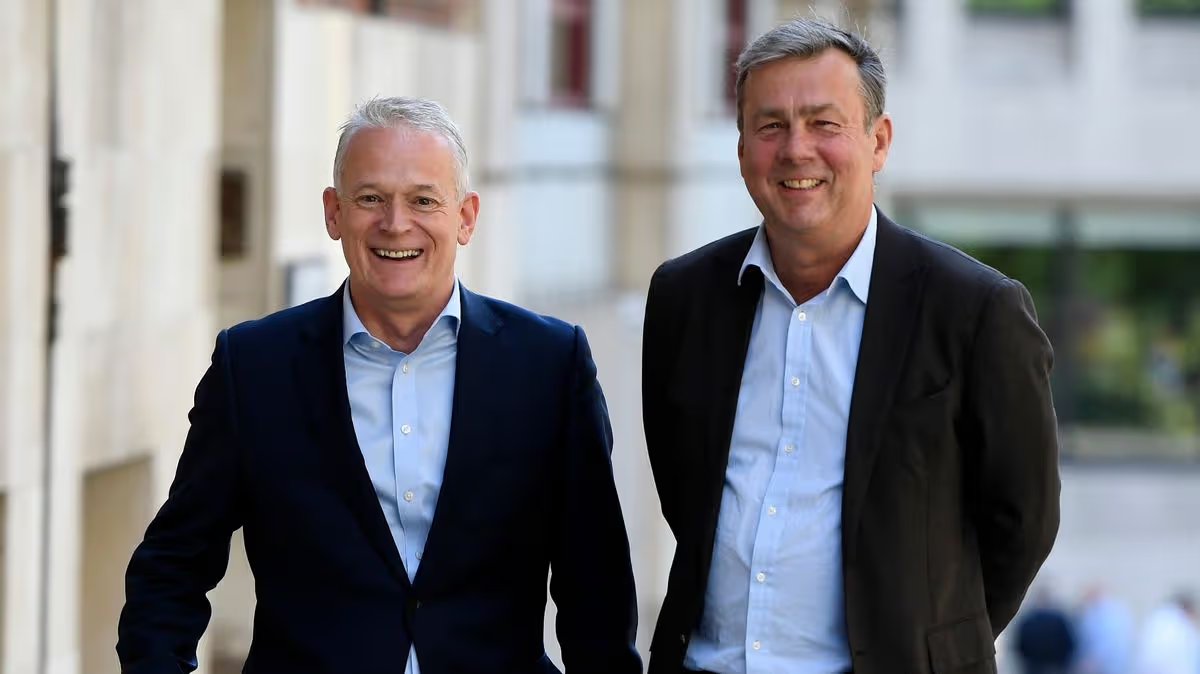
NorthStandard managing directors Paul Jennings (left) and Jeremy Grose

NorthStandard managing directors Paul Jennings (left) and Jeremy Grose(Image: GRAHAM FLACK)

Conflicts in the Middle East, Persian Gulf and Ukraine are creating a more challenging world for shipowners, one of world’s largest insurers in the sector has said. Tyneside-based NorthStandard says changing tariffs and expansion of sanctions have created uncertainty in the global market.

It comes as the Newcastle-based mutual has published what it called strong results showing a 5.8% lift in premium income to US$938m (£697.1m) in its 2025/26 year with an underwriting deficit reduced from $96m (£71.3m) to $39m (£28.9m). The provider of third party liability and related cover to shipowners and operators also reported $123m (£91.4m) growth in free reserves to $923m (£686.2m).

Writing in the membership group’s annual review, NorthStandard chairman Cesare d’Amico said: “Conflict in the Middle East from Gaza to the Persian Gulf, the continuation of the war in Ukraine, the uncertainty caused by changing tariffs, and the steady expansion of sanctions regimes all combined to undermine predictability in trade, compliance and insurance. Shipowners faced higher costs, greater operational disruption and a more complex liability landscape, often driven by events entirely outside their control.”

It is now three years since the merger of Newcastle’s North P&I and London-based The Standard Club to create NorthStandard, which is one of the top global marine insurance providers with offices in Europe, Asia and the Americas. The firm employs about 300 people on Tyneside.

Advertisement

Bosses said the objectives of that merger had now been met, including development of specialty lines, opening of new offices, expanded resources and new partnerships to benefit members. Since the merger, growing geopolitical instability – notably events in the Strait of Hormuz – has rocked the shipping world, with NorthStandard saying it has provided vast amounts of guidance to members, particularly around war risks.

And on sanctions, the club said it has invested to create a stronger service for members including the appointment of a head of sanctions who operates on a global level from the Newcastle offices.

During the year, NorthStandard also consolidated its Coastal & Inland and Sunderland Marine teams under one leadership, offering a ‘one stop shop’ for small and specialist craft. It also set up an Upstream Energy and Marine & Energy Liabilities team to target those markets.

Jeremy Grose, NorthStandard managing director, said: “The shipping industry is navigating profound change, as technological advancement and the fuel transition reshape how vessels are operated, crewed, and maintained. Our services are evolving in step, ensuring Members can adopt new fuels, technologies, and operating models with confidence.

Advertisement

Fellow managing director, Paul Jennings, added: “People are our biggest strength, and our strong performance is a direct reflection of their dedication—many of whom are based right here at our headquarters in the North East. We remain deeply committed to supporting our communities, economy, and environment through strategic, long-term collaboration and investing in our people and innovation”.

Continue Reading
Click to comment

You must be logged in to post a comment Login

Leave a Reply

Business

Form 144 Vera Therapeutics For: 23 June

Published

on


Form 144 Vera Therapeutics For: 23 June

Continue Reading

Business

Cinnamon Toast Crunch baking mix leans into comfort

Published

on

Cinnamon Toast Crunch baking mix leans into comfort

General Mills’ executive talks product rollout and Betty Crocker brand.

Continue Reading

Business

Dollar at 13-month high as rate hike bets, stock rout boost demand

Published

on

Dollar at 13-month high as rate hike bets, stock rout boost demand
The U.S. dollar extended gains to reach a fresh 13-month high against a basket of major currencies on Wednesday as investors sought shelter from a tech stock sell-off and positioned for Fed rate hikes.

A broad sell-off in technology and semiconductor shares has dragged global stocks lower as investors take profits on a long rally, sparking safe-haven demand for dollar and bonds.

Meanwhile, expectations of a U.S. rate hike continued to build with Federal Reserve officials sounding increasingly ‌hawkish amid the ⁠strength of ⁠the U.S. economy. Markets are pricing in a 37% chance of a 25-basis-point hike at the July meeting, up from 8.5% a week ago, and 70% for September up from 29.1%, according to CME FedWatch.

The dollar index, which measures the greenback against a basket of currencies including the yen and the euro, climbed to a high of 101.44, the strongest level since May 13, 2025.

Advertisement

“The U.S. dollar is still the preferred safe-haven,” said Ray Attrill, head of FX strategy at National Australia Bank.


“Obviously the momentum is on its side at ⁠the moment, but ‌I think there is a lot priced in,” he said. “We’ll have to see a correction in risk sentiment, one that’s broader rather than just the tech sector, or the market ⁠further ratcheting up its expectations for hikes, before the dollar can go very much higher from here.”
The euro last traded at $1.1375, near a one-year low. The British pound weakened slightly to $1.3199, after Bank of England policymaker Alan Taylor said an “extended hold” for interest rates was the right response to inflation pressure. The risk-sensitive Australian dollar was steady at $0.6918 ahead of the latest CPI reading later in the day. The New Zealand dollar weakened 0.05% to $0.5665, a fresh seven-month low.

Also supporting the safe-haven demand, the U.S. and Iran appeared to be at odds on some major aspects of their ‌framework including nuclear issues and control of the Strait of Hormuz, raising questions about the viability of their fragile peace deal.

YEN LANGUISHES

The Japanese yen last traded at 161.57 after briefly weakening to a two-year low of 161.93 late ⁠on Monday as the greenback extended its gains. A break above 161.96 would leave the yen at its weakest level since 1986.

The latest round of verbal warnings from Japanese officials had done little to relieve sustained pressure on the currency, amid wide U.S.-Japan rate differentials and doubts about Tokyo’s commitment to intervention.

Advertisement

The Japanese yen could weaken to 165 per dollar if the Fed raises interest rates this year, former Bank of Japan policymaker Sayuri Shirai said.

Some Bank of Japan board members called for further interest rate hikes to push the central bank’s policy rate closer to levels deemed neutral to the economy, a summary of opinions at their June policy meeting showed on Wednesday.

Continue Reading

Business

Oil Price Today (June 24): Crude oil near 4-month low as more tankers pass through Hormuz. What are experts saying?

Published

on

Oil Price Today (June 24): Crude oil near 4-month low as more tankers pass through Hormuz. What are experts saying?
Oil prices extended their decline on Wednesday, hovering near the four-month lows touched in the previous session, as signs emerged that more oil tankers stranded in the Gulf since the start of the Iran conflict are preparing to move through the Strait of Hormuz.

Crude oil price on June 24

Brent crude futures fell 37 cents, or 0.5%, to $76.71 a barrel, while U.S. West Texas Intermediate crude slipped 36 cents, or 0.5%, to $72.85 a barrel. Both benchmarks had already lost nearly 1% on Tuesday and hit their weakest levels since early March.

The market has been under pressure this week after Washington granted Tehran a 60-day sanctions waiver following initial peace talks, allowing Iran to continue selling oil. Prices have also been weighed down by easing hostilities in Lebanon.

Also read: Rs 1.5 lakh cr behind 2025! Can Jio & NSE IPOs put 2026 on course for another record year?

On Tuesday, Oman and Iran agreed to continue discussions on the future administration of navigation through the Strait of Hormuz. U.S. Secretary of State Marco Rubio said any attempt by Iran to impose transit fees would be in violation of international law.

Advertisement

However, questions remain over how durable the agreement will prove. U.S. President Donald Trump said on Tuesday that Iran had agreed to allow nuclear inspections “into infinity,” a claim Tehran disputed, saying no such concession had been made during negotiations.

What’s next for prices?

Despite the recent slide in oil prices, a complete reopening of Hormuz is expected to be a complex process. It will require careful coordination of vessel movements, restarting oil wells, repairing infrastructure, and agreeing on de-mining operations. Some shipowners also remain wary of operating conditions in the strait and the wider Persian Gulf.
Analysts note that global oil inventories were depleted during the extended disruption of shipping through the Strait of Hormuz and will take time to rebuild. Stockpiles could continue falling before fresh Gulf supplies begin reaching international markets.
Read more: NSE and Ambani are about to see if India’s retail crowd still has ‘buy the dip’ energy left
Last month, Saudi Aramco Chief Executive Officer Amin Nasser cautioned that disruptions in the Strait of Hormuz could delay a return to stability in global oil markets until 2027. According to Nasser, prolonged interruptions could affect nearly 100 million barrels of oil supply each week. Saudi Aramco remains the world’s largest oil producer.

(Disclaimer: Recommendations, suggestions, views and opinions given by the experts are their own. These do not represent the views of The Economic Times)

Continue Reading

Business

Who Will Be the UK’s Next Chancellor? The Runners and Riders for No 11

Published

on

Who Will Be the UK's Next Chancellor? The Runners and Riders for No 11

With Sir Keir Starmer standing down, Andy Burnham, the newly elected MP for Makerfield, looks all but certain to become the next prime minister. The bigger question now exercising Westminster, and the markets, is who he will install next door at No 11.

Many in the party believe Burnham will want his own chancellor rather than keep the current occupant, Rachel Reeves. Whoever takes the keys to the Treasury inherits a daunting in-tray: high debt, sluggish growth, an unfinished welfare reform programme, rising defence commitments and the economic fallout from the US-Israel war with Iran. It is a list that would test the most seasoned operator, and the choice matters well beyond Whitehall. Burnham’s arrival has already unsettled the business community, with eight in ten SME owners telling Business Matters they fear what his premiership would mean for their firm.

Here are the names in the frame for the second most powerful job in British politics, and what each could mean for your finances.

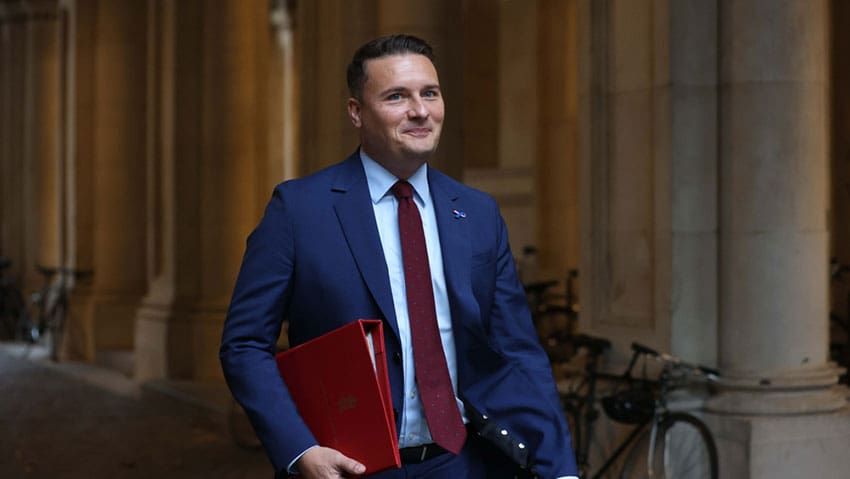
Wes Streeting

The bookmakers’ favourite is a former leadership contender, Wes Streeting. Having thrown his weight behind Burnham rather than running himself, the thinking is that the former health secretary could be rewarded with the number two job for his loyalty.

Not everyone is convinced that loyalty should be the deciding factor. Lord Jim O’Neill, the economist and cross-bench peer who has been advising Burnham, has warned against the approach. Without naming names, he told the BBC: “There are clearly some people pushing to be chancellor who feel they are owed it for their support.”

Advertisement

There is also a question of fit. Though Burnham may value Streeting’s backing, the two men’s instincts diverge, with Burnham seen as the more willing spender of the pair. Simon French, chief economist at the consultancy Panmure Liberum, describes Streeting as a “relatively market-friendly option” on the strength of his pro-growth language, but also flags a political risk: a chancellor who may one day want the top job himself. As for the suggestion that Streeting could be handed the role for his support rather than his ability, French is blunt: “Politics is what politics is. It’s a popularity contest.”

Ed Miliband

The bookies’ second favourite is Ed Miliband, the former Labour leader, who is politically closer to Burnham than Streeting is. Paul Johnson, former director of the Institute for Fiscal Studies, sees that alignment as a strength. “You really don’t want people in Number 10 and Number 11 having very different views,” he says.

Whether a former Treasury adviser such as Miliband could win over the markets is more contested. Nick Macpherson, the former permanent secretary at the Treasury, told the Financial Times: “The key to gaining the confidence of the markets is to articulate, implement and deliver a coherent strategy. Miliband is one of the few cabinet members with the intellect, experience, and authority to do that.”

Others see an inflation risk. Critics blame his drive for net zero as energy secretary for the UK’s high energy prices relative to its peers, and analysts say that reputation, fair or not, could colour how the bond markets greet him. Sharon Graham, general secretary of the Unite union, has gone further, warning that a Miliband chancellorship would be a “noose around the neck” of job creation because of his opposition to new oil and gas drilling in the North Sea.

Advertisement

Pat McFadden

Seen as a longer shot than Streeting or Miliband, Pat McFadden is regarded by some as the most qualified candidate of the lot. He has held shadow Treasury briefs, served as a business minister in a previous Labour government and is the current work and pensions secretary. It is that last role that could prove decisive, giving him a head start on what many expect to be the next chancellor’s single biggest task: welfare reform.

Panmure Liberum’s French believes the markets may view McFadden as “the safest pair of hands” among the runners, reacting either positively or with a shrug if he were chosen. The catch is political. If Burnham is hunting for a clean break from the Starmer era, he is likely to look past so loyal a servant of the outgoing regime.

Yvette Cooper

Foreign Secretary Yvette Cooper could be the compromise candidate. She brings years of government experience, having served as chief secretary to the Treasury under Gordon Brown, and sits somewhere between Miliband on one side and McFadden or Streeting on the other. Danni Hewson, head of financial analysis at AJ Bell, calls her a “middle of the road” option, but also “a bit more of an unknown”.

Rachel Reeves

There remains the possibility that the incumbent simply stays put. It looks unlikely, given how closely Reeves is tied to Starmer, but a few bookmakers are still taking bets on no change at the Treasury this year.

Advertisement

Lord O’Neill says his advice to Burnham has been to “figure out what his priorities are as prime minister before he picks a chancellor”. Follow that counsel and Reeves may yet survive, at least for now. Burnham has previously said he would stick to her fiscal rules, and the chancellor appeared in his Westminster photoshoot after he was sworn in as an MP on Monday. She was, tellingly, absent from Sir Keir’s resignation speech.

And the rest

Beyond the front-runners sits a longlist of wildcards. Home Secretary Shabana Mahmood, reported to be fiscally conservative but light on economic experience, is one. Former defence secretary John Healey, who quit very publicly over what he saw as inadequate defence spending, is another, though Paul Johnson cautions that appointing him would amount to a spending commitment in itself. “If I was Andy Burnham, I would not want to tie myself to that particular pillar that quickly,” he says.

Bookmakers and Westminster chatter also throw up Darren Jones, chief secretary to the prime minister, and Torsten Bell, the former chief executive of the Resolution Foundation, as outside bets.

Whoever lands the job, the backdrop is unforgiving. The Office for Budget Responsibility has warned that the UK’s public finances are in a relatively vulnerable position and facing mounting risks, leaving little room for error. That is precisely why the markets, and business owners already bracing for an end to “drift and delay” after Starmer’s exit, will scrutinise the appointment so closely.

Advertisement

For now, every name on the list wants the role. As Lord O’Neill puts it: “The ones whose names are in the papers are the ones who are putting themselves forward.”


Paul Jones

Harvard alumni and former New York Times journalist. Editor of Business Matters for over 15 years, the UKs largest business magazine. I am also head of Capital Business Media’s automotive division working for clients such as Red Bull Racing, Honda, Aston Martin and Infiniti.

Advertisement
Continue Reading

Business

SpaceX shares eke out a gain to snap three day losing streak

Published

on

SpaceX shares eke out a gain to snap three day losing streak
SpaceX shares ended higher on Tuesday, snapping a three-day selloff that wiped out more than $600 billion from the Elon Musk-led rocket and satellite company’s market value.

The stock gained 1% to close at $156.11 after a choppy session that saw shares slip as much as 4.8%, then jump 7.1% before paring much of that advance by market close. The volatility came amid a broad-based slide in technology and other high-momentum stocks after a selloff in Korean chipmakers stoked fears about the rally in companies involved in artificial intelligence.

Still, the rebound helped reverse some of Monday’s 16% plunge that erased $400 billion in market value, marking the second-largest one-day loss on record. Only Nvidia Corp.’s roughly $590 billion plunge last year is bigger. SpaceX’s market capitalization was about $2 trillion at Tuesday’s close.

The stock moves are following a typical IPO pattern where “everybody was enjoying the hype and the mania,” said Louis Navellier of Navellier & Associates, adding that pressure on shares will build as lockups that keep insiders from selling expire and the company reports earnings figures. “It’s just a lesson that you have to follow fundamentals.”

Advertisement
458967217Bloomberg

After pulling off a record $86 billion IPO in mid-June, SpaceX, officially named Space Exploration Technologies Corp., raised $25 billion of bonds in its debut offer Tuesday, making it the latest megacap technology company to tap investors for its AI expansion.


The highest demand was for the bond deal’s least risky tranche, Bloomberg News reported.
Separately, SpaceX also inked a multibillion-dollar agreement to provide computing resources to Reflection AI, an AI startup, the company said Monday. Also on Tuesday, Susquehanna Financial started coverage on the stock with a neutral rating and $170 price target. That target represents upside of nearly 9% from the stock’s Tuesday close.

Currently, six of the firms tracked by Bloomberg recommend buying the stock, while two including Susquehanna have hold-equivalent ratings. There is one sell rating. The average price target stands at nearly $227, suggesting return potential of about 45% off Tuesday’s close.

Continue Reading

Business

Kemin grows sales team

Published

on

Kemin grows sales team

New members will support food and beverage segments.

Continue Reading

Business

Global Market Today: Asia stocks rebound from tech selloff, Kospi jumps

Published

on

Global Market Today: Asia stocks rebound from tech selloff, Kospi jumps
Stocks in Asia staged a cautious recovery from Tuesday’s global tech-led selloff that renewed concerns that the artificial intelligence-driven equity rally may have run too far, too fast.

The MSCI Asia Pacific Index rose nearly 1% in early trading after slumping 3.6% on Tuesday, the most since early March. The chip-heavy Kospi climbed about 4% after tumbling 10% in the previous session. Shares of Samsung Electronics Co. surged 10%, almost erasing Tuesday’s losses, bolstered by a report that it may announce a buyback. US equity futures also rose after the Nasdaq 100 plunged 3.3% and the S&P 500 fell 1.4%.

The volatile backdrop has sharpened the focus on memory chipmaker Micron Technology Inc.’s results Wednesday, which are expected to provide crucial cues on whether demand for AI infrastructure remains strong enough to sustain this year’s rally. Veteran strategist Louis Navellier said the report will be the grand finale to a “stunning” earnings season. Micron’s shares dropped 13% Tuesday but are still up more than 250% in 2026.

“Whether or not we rally in the short-term, we continue to see medium-term downside risk for the tech/AI trade,” said Jonathan Krinsky, chief market technician at BTIG LLC, adding he sees between 10% and 15% additional downside in the semiconductors group.

Advertisement

Elsewhere, Brent edged lower to trade below $77 a barrel as tanker traffic through the Strait of Hormuz became more visible following an interim peace agreement between the US and Iran. The Bloomberg Dollar Spot Index steadied after a two-day advance.


Tuesday’s equity selloff came as markets prepare to close out the first half of 2026 with some blockbuster gains driven by easing geopolitical tensions, solid earnings and an AI trade revival. That’s despite growing concern over whether the massive spending commitments by technology firms will generate sufficient returns. Those worries, coupled with elevated valuations and crowded positioning, have triggered sharp pullbacks in the sector from time to time.
For the Kospi, Tuesday’s rout was one of its steepest plunges in history as sentiment suddenly soured on the global AI buildout, sparking a rapid unwind of leveraged positions in the world’s best-performing market.“We don’t know yet that the bubble has burst,” Paul Gambles, co-founder and managing partner at MBMG Group, said on Bloomberg Television, referring to South Korea’s market. “This could just be a minor correction, things could get back on track again. But who knows, this could be the start of the big one.”

Meanwhile, Indonesian assets will be in focus after MSCI Inc. again delayed its review of the nation’s equities, saying it needs more time to assess whether recently announced transparency reforms are working. MSCI had in January warned of a possible downgrade to frontier status due to investability concerns.

The New York-based index provider also retained South Korea in its emerging-markets indexes.

In fixed income, Treasuries advanced on Tuesday as the equity selloff and falling oil prices were seen as easing pressure on the Federal Reserve to raise interest rates to contain inflation. Yields fell roughly one to three basis points, led by shorter maturities that are most sensitive to changes in Fed policy. The two-year yield dropped around three basis points to about 4.20%.

Advertisement

An auction of two-year Treasury notes drew strong demand about a week after Kevin Warsh’s first press conference as Fed chair spurred a sharp increase in yields as traders priced in more tightening in response to rising inflation. Focus now turns to this week’s personal spending data for more cues.

“The market is pretty well priced for a more hawkish Fed outlook at this point,” with inflation-adjusted two-year yields the highest since the Fed began cutting interest rates in September 2024, said Izaac Brook, an interest-rate strategist at RBC Capital Markets.

Continue Reading

Business

Broome non-profit Morrgul's tips for giving Indigenous business a chance

Published

on

Broome non-profit Morrgul's tips for giving Indigenous business a chance

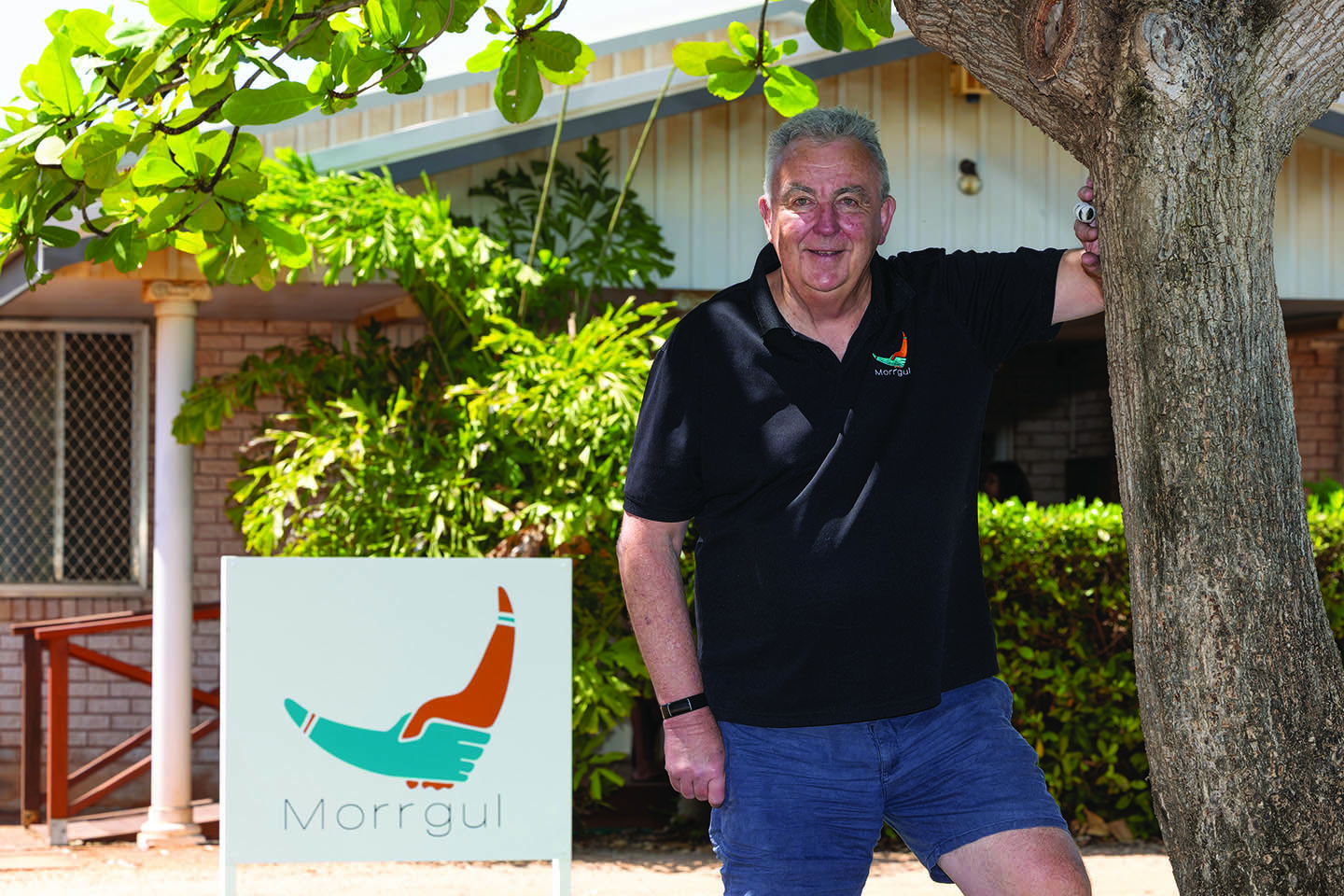
Non-profit business development agency Morrgul has a wealth of data to prove its mantra that education and employment are the best ways to lift people out of poverty.

Continue Reading

Business

Asia-Pacific Healthcare Is Heading for a Reckoning It Can No Longer Ignore

Published

on

Asia-Pacific Healthcare Is Heading for a Reckoning It Can No Longer Ignore

Abstract

  • Asia-Pacific healthcare faces compounding structural pressures: the region holds 60% of the world’s population but accounts for only 22% of global health spending, with doctor-to-patient ratios well below WHO minimums. Long wait times remain the top consumer complaint, clinician burnout is accelerating, and one in five doctors is actively considering leaving their organisation.
  • Patients are increasingly assertive, with rising adoption of AI tools and preventive care, while 95% want a single coordinating touchpoint for their healthcare needs. AI adoption shows promise but remains hampered by unclear strategy and limited clinician involvement, and care fragmentation continues to erode trust and outcomes across the region.

The numbers are damning, but they shouldn’t surprise anyone who has sat in a waiting room across the Asia-Pacific. 

According to Bain & Company’s fourth biennial Front Line of Healthcare report, drawing on surveys of 600 doctors and 6,300 consumers across nine markets, the region’s healthcare systems are caught in a compounding crisis of their own making: demand is surging, supply is crumbling, and the people meant to hold it all together are walking out the door.

This is not a cyclical blip. It is a structural reckoning, and the window for decisive action is narrowing.

The Supply Demand Chasm No One Wants to Admit

Asia-Pacific is home to 60% of the world’s population and carries a disproportionate share of the global disease burden. Yet it accounts for just 22% of global healthcare spending. Emerging Asia-Pacific countries average roughly 1.6 doctors per 1,000 people, and excluding China, that number falls to approximately 0.9. The World Health Organization’s minimum threshold is 2.5. OECD nations average 3.7.

These are not abstract statistics. They are the reason long wait times have ranked as the top consumer frustration in every single edition of Bain’s survey over the past seven years. They explain why fewer than 70% of patients with chronic conditions report having regular check-ups. And they underpin a growing sense of systemic failure that is eroding trust in ways that will take years to rebuild.

Advertisement

The system is structurally underpowered. Until policymakers and healthcare executives confront that honestly, every downstream solution, however innovative, will be a band-aid on a wound that needs surgery.

The Physician Exodus Nobody Is Taking Seriously Enough

If the supply-demand imbalance is the region’s structural crisis, the clinician burnout epidemic is its most immediate one.

One in five doctors in the Asia-Pacific region is actively considering switching organisations. Approximately 30% believe recruitment and retention have become harder since 2023. These are not marginal figures. They represent a workforce in active retreat from systems that have failed to value them.

Crucially, the Bain data demolishes a persistent myth: this exodus is not about money. Doctors cite excessive workloads, a lack of recognition, and burnout as the primary drivers. They rank professional development and access to good technology ahead of compensation as the dimensions they value most in their work, and fewer than 30% say they are satisfied with either.

Advertisement

The correlation between clinician engagement and patient outcomes should be alarming to every hospital CEO in the region. Doctors who feel involved in strategic decisions report employee Net Promoter Scores up to 36 points higher than those who do not. Higher nurse burnout, the research confirms, correlates directly with elevated patient mortality. The clinician experience is not a human resources issue. It is a patient safety issue.

Healthcare organisations that continue to treat physician engagement as a softer, secondary priority do so at enormous risk, both to their patients and to their long term viability.

The Consumer Has Left the Building

While the supply side stumbles, the demand side has been quietly transformed. Asia-Pacific patients are no longer passive recipients of care. They are consumers, informed, assertive, and increasingly unforgiving.

Eighty-four percent expect healthcare to be more convenient today than two years ago. Seventy-one percent want their doctors reachable by phone, WhatsApp, or email rather than having to wait for the next appointment. Nearly 70% have already used AI tools to better understand a medical diagnosis or treatment plan.

Advertisement

Preventive care is accelerating sharply. Sixty percent of consumers scheduled regular check-ups and screenings in 2025, up from 47% in 2023. Consumer spending is shifting accordingly, with the sharpest increases in nutrition supplements (up 43% net), fitness and exercise (up 34%), and oral healthcare (up 31%).

This is not a trend on the horizon. It has already arrived. The healthcare organisations best positioned for the next decade are the ones designing their service models around these expectations today, not the ones still debating whether consumerism in healthcare is real.

AI: Promise Outpacing Readiness

No theme dominates the Bain report more than artificial intelligence, and no theme better illustrates the gap between ambition and execution that defines Asia-Pacific healthcare right now.

Consumer acceptance of AI in healthcare is genuinely higher in Asia-Pacific than in the United States. Nearly three-quarters of the consumers surveyed report comfort with at least one AI-enabled healthcare application. Physicians, meanwhile, are optimistic that AI will reduce administrative burden, the single most corrosive force in clinician satisfaction. Ninety-five percent of healthcare leaders believe AI will significantly transform revenues, costs, or administrative burdens.

Advertisement

And yet: one in three doctors reports that their organisation is not prepared to deploy AI at scale. Only about 30% of proof of concept projects reach production. The constraints are not technological. They are human. Unclear strategies, limited training, insufficient clinician involvement, and inadequate data foundations are the actual blockers.

The examples of what good looks like are instructive. Apollo Hospitals built a self-learning clinical decision support platform covering 1,300 conditions, maintained by more than 500 in-house clinicians. Singapore General Hospital’s PEACH AI chatbot has saved an estimated 660 doctor hours annually across 25,000 preoperative patients. Ping An Good Doctor’s AI agents handle up to 4 million consultation requests per day, reducing per doctor service costs by roughly 52%.

What these examples share is not just sophisticated technology. They reflect a commitment to proprietary clinical assets, deliberate workflow redesign, and deep clinician involvement. AI deployed on top of broken processes produces broken outcomes at scale. The organisations that will win are the ones redesigning the process first.

Fragmentation: The Silent Killer of Patient Experience

Perhaps the most underappreciated finding in the Bain report is the extent to which fragmentation is degrading care quality and eroding trust, quietly, persistently, and at enormous cost.

Advertisement

Half of the consumers surveyed were sent to multiple providers and locations before receiving the right diagnosis or treatment. More than 40% received inconsistent advice across clinicians. For patients with chronic conditions, the picture is worse: 55% reported having to see multiple doctors just to fulfil their healthcare needs.

Ninety-five percent of consumers say they want a single touchpoint to manage their healthcare, up from 70% in 2019. More than 80% believe a primary care physician should anchor that role. Yet roughly a quarter of the region’s consumers lack access to a primary care doctor at all.

This is a significant commercial opportunity disguised as a systemic failure. The organisation, whether a hospital group, insurer, pharmacy chain, or digital platform, that successfully becomes that trusted, continuous coordinator for patients will not just improve outcomes. It will build a structural competitive advantage that compounds over time. Patients who are promoters of their healthcare provider are 2.5 times more likely to stay and twice as likely to expand their use of services. In markets like Indonesia and China, that multiplier reaches fourfold.

In a consumer-driven system, the coordinator wins. The question is who gets there first.

Advertisement

What Must Happen Next

The Bain report is careful not to be alarmist, but its strategic implications are stark. The tensions it describes, between rising expectations and falling supply, between AI potential and organisational unreadiness, between consumer demand for coordination and a fragmented system incapable of delivering it, are not resolving themselves. They are accelerating.

For healthcare providers, the imperative is clear: build outpatient ecosystems before someone else does, fix the clinician experience as a precondition for everything else, and treat AI as a business transformation rather than a feature to bolt on. For payers, the choice is equally unambiguous: move from passive claims processing to active care stewardship, or be progressively commoditised by platforms that own the patient relationship. For pharmacies, which already command significant consumer trust, the window to evolve from transactional dispensers to coordinated care platforms is open, but it will not stay open indefinitely.

Most urgently, the workforce crisis demands immediate attention. Technology-driven transformations cannot scale without the people who will implement them at the bedside. Organisations that earn clinician trust and position doctors as co-architects of change will earn patient trust in return. Those that attempt transformation without clinical buy-in will face resistance, low adoption, and accelerating attrition, in a region where clinical talent is already scarce and becoming scarcer.

Asia-Pacific healthcare has the ingredients for a genuine transformation: a rapidly evolving consumer base, a clinician workforce that wants better tools and more recognition, and AI capabilities that are genuinely powerful. What it lacks, in too many organisations, is the leadership will to make the hard choices now rather than later.

Advertisement

Continue Reading

Trending

Copyright © 2025