Connect with us
DAPA Banner
DAPA Coin
DAPA
COIN PAYMENT ASSET
PRIVACY · BLOCKDAG · HOMOMORPHIC ENCRYPTION · RUST
ElGamal Encrypted MINE DAPA
🚫 GENESIS SOLD OUT
DAPAPAY COMING

Business

Now Listen PR Reveals Why Independent Artists Are Adopting Startup Strategies

Published

on

Spotify

For a long time, music marketing was mostly instinct.

Artists released tracks, sent them to blogs, hired PR teams, posted on social media and hoped something would connect. Sometimes it did. Often it didn’t. Much of the industry operated on gut feeling rather than anything measurable, and the results reflected that inconsistency.

That has changed and quite fundamentally so.

Data has quietly reshaped almost every part of how music is promoted. Whether artists are aware of it or not, numbers now influence everything from release schedules to TikTok strategy to which songs a label decides to push hardest.

There is a reasonable concern that this makes music feel clinical – that creativity is being reduced to audience graphs and retention curves. It is a fair observation. But it misses the broader point.

Advertisement

Good data does not replace creative instinct. It gives artists and their teams a clearer picture of what is resonating and why, which in most cases makes the creative decisions sharper, not more formulaic.

The Industry Has Moved Beyond Streams

Streams are still part of the conversation, but they have become almost a baseline metric. What the industry pays closer attention to now are the behavioural signals that sit beneath them.

  • Are listeners saving the track?
  • Are they returning to replay it?
  • At what point are they dropping off?
  • Which clips are being watched through to the end?

Those details tell a considerably more meaningful story than raw play counts ever could.

A track with 20,000 streams but a high save rate will often attract more internal attention than one with inflated plays and no meaningful engagement. Labels monitor this closely, as do managers, PR teams and playlist curators.

The reasoning isn’t complicated: inflated play counts are relatively easy to manufacture. Genuine listening behaviour is considerably harder to replicate artificially and the industry has become sophisticated enough to tell the difference.

Advertisement

TikTok Changed the Entire Marketing Cycle

Before short-form platforms reshaped consumption habits, releases followed a relatively linear path. Tease the single, release it, push for press coverage, then move on to the next project.

The process is now considerably less predictable and in many respects more interesting for it.

Tracks can gain significant traction months, or even years after their original release date because a single clip connects with the right audience at the right moment. Doechii’s “Anxiety” is a notable example. Originally recorded as a demo in 2019, it was rediscovered by the TikTok community in early 2025, which prompted Doechii to re-record and officially release it. The track went on to generate 51.6 billion views and was named TikTok’s Music Trend of the Year – reaching #3 in the UK singles chart and earning five Grammy nominations in the process.

Artists are now making decisions about which songs become singles based on how audiences respond online. Some are even revisiting arrangements after previewing snippets and observing the reaction data.

Advertisement

A few years ago, that would have seemed far-fetched. Now it’s simply part of how the industry operates.

Many artists still resist the idea because they associate “data-driven” with trend-chasing or engineering music to suit an algorithm. In practice, it is rarely that reductive. Most of the time, it simply means paying closer attention to what audiences are already communicating through their listening behaviour.

If thousands of people are returning to a specific moment in a track, that pattern is worth understanding.

Why the Smartest Campaigns Start With Data

One of the most significant differences between emerging artists and established teams now is access to information and the ability to act on it intelligently.

Advertisement

The artists growing most consistently tend to have a clear understanding of:

  • Where listeners are discovering them
  • Which content formats are converting most effectively
  • When their audience is most likely to engage
  • Which songs are sustaining attention over time

This isn’t about being obsessed with analytics. It’s about avoiding the kind of wasted energy that undermines otherwise strong campaigns.

Investing weeks into a platform that is not converting is a drain on both budget and momentum. Assuming that every audience behaves in the same way leads to campaigns that fail to connect with anyone in particular.

An independent band building an audience through vinyl collectors will approach marketing very differently to a rap artist growing through TikTok edits and fan-driven content. The data makes that distinction clear relatively quickly, and the campaigns that ignore it tend to show it.

Even PR Has Become More Measurable

This is perhaps one of the most significant structural shifts the industry has seen in recent years.

Advertisement

PR has historically been difficult to track with any real precision. Coverage would land, streams might see a short-term uplift and teams would piece together retrospectively whether the campaign had delivered meaningful value.

That approach has largely given way to a more rigorous focus on measurable impact.

At Now Listen PR, it’s something we see consistently across campaigns. Artists are increasingly focused on engagement quality over raw exposure figures, particularly when planning independent releases. A well-placed feature in a genuinely relevant outlet will often deliver more lasting value than a high-profile placement reaching an audience with no real connection to the music.

Reach remains important. But relevance is what determines whether that reach translates into anything meaningful.

Advertisement

Spotify Data Is Quietly Influencing Creative Decisions Too

This is the area that makes some musicians most uncomfortable, and understandably so. But it’s happening regardless of how the industry feels about it.

Artists are now routinely examining skip rates, monitoring where listeners drop off and tracking which tracks are being added to personal playlists. Over time, that information influences creative behaviour.

It is audible in the structure of modern releases. Intros are shorter. Runtimes have contracted. Hooks are arriving earlier in the track than they did a decade ago.

This is not a sign that artists have become less creative. It reflects the fact that streaming platforms have fundamentally changed how audiences consume music. Attention patterns shifted, and the data made that shift visible in a way that could no longer be ignored.

Advertisement

There is, of course, a balance to be maintained. When every creative decision becomes data-led, the music tends to feel engineered rather than genuine, and audiences are perceptive enough to notice. The artists achieving the most sustained success right now tend to be those who use analytics as a point of reference rather than a creative brief.

Data Helps, But It Still Can’t Manufacture Connection

What gets lost in the wider conversation about analytics is that data can only measure response. It cannot manufacture it.

You can optimise release timing, analyse retention graphs and track engagement patterns with considerable precision. But none of that matters if the music itself doesn’t connect with people on an emotional level.

Data can tell you what is happening. It is far less equipped to explain why someone becomes genuinely attached to a track – why a song follows a person around for years, or surfaces at exactly the right moment in their life.

Advertisement

That remains largely unpredictable. Which is, in many ways, the point.

For all the dashboards, algorithms and audience intelligence now shaping how music is marketed, the music itself is still emotional first. The numbers are simply a reflection of that.

Advertisement
Continue Reading
Click to comment

You must be logged in to post a comment Login

Leave a Reply

Business

What we know about 20% cut to some business rates

Published

on

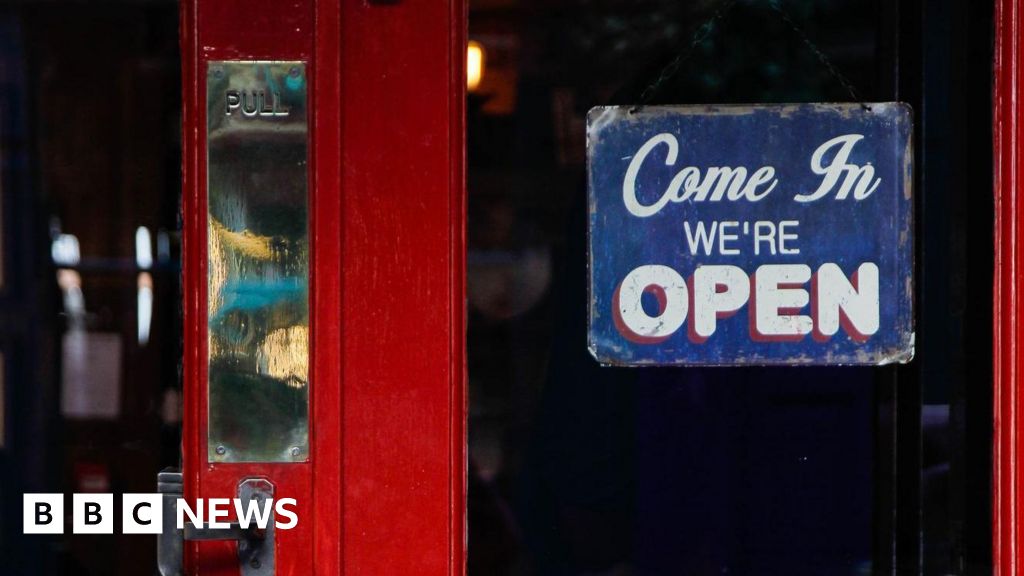
A red pub door with a 'Come in we're open' sign

Pubs, clubs and live music venues in England will get a 20% cut in business rates from April.

Continue Reading

Business

Government to cut business rates for pubs, clubs and music venues

Published

on

Rachel, a woman with straight shoulder-length blonde hair wearing a graduation cap. She has a nose stud, and wears light pink lipstick.

Pubs, clubs and live music venues in England will be given a 20% cut to business rates from April, which the government estimates will save firms around £1,100 next year.

In his third policy announcement since becoming prime minister, Andy Burnham said: “For too long, governments have stood by while cherished venues have disappeared from our local high streets.”

The cut will cost £100m and will be funded by a review of tax relief on firms such as vape shops which “do not make a positive contribution to local communities”, the government said.

Hospitality bosses welcomed the support, but some pub owners said the package would not go far enough to offset the impact of cost increases elsewhere.

Advertisement

The 20% business rates discount will not apply to the “very largest” live music venues. Details about which businesses are eligible will be announced at Chancellor John Healey’s first Budget in the autumn.

The cut is expected to benefit almost 32,000 venues, the government said.

Iain Hoskins, who owns Ma Pub Group in Liverpool, told the BBC the relief would help “chip away” at rising costs but questioned how many venues would benefit.

It could be “very meaningful”, he said, but “as always, the devil is in the detail”.

Advertisement

His pubs have previously missed out on government business rates support, and “the increases were so huge last year that now we’re sort of chipping away at some of those increases”.

Under previous chancellor Rachel Reeves, the government said last year it would scale back business rate discounts that had been in force since the pandemic and announced that there would be no discount at all from April this year.

That, combined with big upward adjustments to rateable values of pub premises, left landlords with the prospect of much higher rates bills.

Following criticism from the hospitality industry, the government cut business rates for pubs and music venues by 15% earlier in 2026.

Advertisement

The 20% discount will apply on top of the existing support.

Commenting on the cut which comes into effect next year, Steve Perez, founder of soft drinks company Global Brands and an owner of two hotels, said the announcement is “welcome… but this won’t make any material difference to any pub”.

UK Hospitality’s chief executive, Allen Simpson, said Burham’s plans are “a good start” which he said “suggests that his affection for hospitality has survived the trip down the M1”.

But he added that it is “not for everybody in hospitality”.

Advertisement

The change to business rates for some hospitality firms is the latest move in what Burnham hopes will provide “breathing space” for people and businesses.

On Tuesday, the government announced a cut of 5% VAT on electricity bills followed by capping bus fares at £2 in England outside London.

As well as reviewing tax relief on firms such as vape shops in order to fund the rate cut, the government also said it will “crack down” on businesses selling through online marketplaces which “do not comply with their tax obligations”.

The Night Time Industries Association’s chief executive, Michael Kill, said the tax break could provide “meaningful relief to businesses facing sustained cost pressures”.

Advertisement

But he said the sector is waiting for more details while questions remain about the exclusion of the largest live music venues.

The Federation of Small Businesses (FSB) said Thursday’s announcement must be “a downpayment on action that reaches across the small business community”.

FSB policy chief Tina McKenzie, said the plans were encouraging and fix the damage caused by past business rates decisions which are “holding back small business growth and jobs in every postcode”.

Advertisement
Continue Reading

Business

MSCI Q2 2026: Investors' Fears Are Justified

Published

on

Second Quarter Business Planning and Performance Review

MSCI Q2 2026: Investors' Fears Are Justified

Continue Reading

Business

Earnings call transcript: STMicroelectronics beats Q2 2026 estimates, shares fall premarket

Published

on


Earnings call transcript: STMicroelectronics beats Q2 2026 estimates, shares fall premarket

Continue Reading

Business

FareShare North East ‘devastated’ by Middlesbrough break-in

Published

on

Rachel, a woman with straight shoulder-length blonde hair wearing a graduation cap. She has a nose stud, and wears light pink lipstick.

A charity distributing food to the most needy said it had been “devastated” after thieves smashed their way into its warehouse, leaving tonnes of supplies ruined.

They broke into the Teesside base of FareShare North East on Tuesday and cut the power to the charity’s walk-in freezer and chiller units, meaning perishables like milk and meat had to be thrown out.

The charity said it lost 16 tonnes of food – the equivalent of 7,000 meals.

Middlesbrough hub manager Natasha Flanagan said it was “heartbreaking”, adding: “We’ve got a really great team of volunteers and staff and we try our best every day to get food out to people that need it.”

Advertisement

FareShare North East redistributes food donated by supermarkets from its warehouses in Newcastle and Middlesbrough to more than 200 community groups, including food banks.

The charity has been in Middlesbrough since 2023 and moved to its new base on Skippers Lane about four months ago.

Flanagan uncovered the damage when she arrived for work.

She said: “Lockers were ransacked, the staff drawers in the main warehouse were ransacked, and then I’ve seen the chiller doors were left open and the freezer door which has caused significant damage to food.

Advertisement

“Honestly it’s heartbreaking and we do really good things here.”

Continue Reading

Business

How Christopher O’Reilly Palm Beach Built a Career Exploring the Bahamas by Yacht

Published

on

How Christopher O’Reilly Palm Beach Built a Career Exploring the Bahamas by Yacht

Christopher O’Reilly Palm Beach has spent much of his career navigating some of the Caribbean’s most beautiful waters. Raised in Greenwich, Connecticut, he grew up sailing on Long Island Sound and developed an early appreciation for life on the water. What began as a childhood passion eventually became a career operating motor yachts throughout South Florida and the Bahamas.

After attending Brunswick School and Fairfield University, O’Reilly began working in the Marine Department at Riverside Yacht Club. He later earned his Merchant Mariner Credential and entered the yachting industry full-time, advancing from mate to captain aboard motor yachts up to 126 feet in length.

Much of his career has centered on captaining yachts throughout the Bahamas. Operating from Nassau, he guided guests to some of the country’s most sought-after destinations, including Harbour Island, known locally as Briland, Spanish Wells, Rose Island, and the Exumas.

Trips often included snorkeling at Thunderball Grotto, exploring the Exuma Cays Land and Sea Park, visiting Rocky Dundas Cave, stopping at Danger Reef, and taking guests to Big Major Cay to see the famous swimming pigs.

In 2019, O’Reilly was featured by Select Yachts after being named captain of the motor yacht Lady Sharon Gale. The recognition reflected years of experience managing vessels, planning voyages, and creating memorable experiences for guests throughout the Bahamas.

Advertisement

Today, he continues to share his knowledge of Bahamas yachting, navigation, and destination planning while remaining closely connected to the boating lifestyle he has built his career around.

What first inspired you to work on the water?

Growing up in Greenwich, Connecticut, I spent a lot of time sailing on Long Island Sound. I enjoyed hockey growing up, but the water always pulled me in. I liked the freedom of it and the fact that every day felt different.

Once I started spending time around marinas and yacht crews, I realized there was an entire industry built around boating and travel. That opened my eyes to what was possible.

What attracted you to captaining yachts in the Bahamas?

The Bahamas offers something different every day. You can leave Nassau in the morning and be anchored off a quiet cay a few hours later. Every island has its own character.

Advertisement

I enjoyed helping guests experience places they might never have discovered on their own. A lot of people arrive with a few destinations in mind, but by the end of the trip, they have new favorites.

What were some of the most popular routes you captained?

Harbour Island and Spanish Wells were always requested. Guests loved the atmosphere and the boating culture around those areas.

The Exumas were another favorite because of the variety. One day, we might be snorkeling at Thunderball Grotto. The next day, we could explore the Exuma Cays Land and Sea Park or head to Big Major Cay.

Rose Island was popular for shorter day trips from Nassau. Guests could spend the day swimming, relaxing on the beach, and enjoying jet skis without committing to a longer voyage.

Advertisement

What makes the Exumas so special?

The diversity.

You have remote anchorages, incredible snorkeling, marine parks, sandbars, caves, and wildlife all within a relatively small area. The water itself is unlike almost anywhere else.

I remember guests arriving with high expectations because they had seen photos online. Almost every time, they would say the water looked even better in person.

What destination surprised guests the most?

Rocky Dundas Cave.

Advertisement

Many guests had never heard of it before arriving. Once they swam inside and saw the limestone formations, it became one of the most talked-about parts of the trip.

Thunderball Grotto was another location that always impressed people. The combination of the cave structure and marine life creates a very unique experience.

What do people misunderstand about yacht travel in the Bahamas?

Many people think it is all about luxury.

What makes it memorable is access. A yacht allows you to experience places that are difficult to reach any other way. You can anchor near an empty beach, explore a remote cay, or spend the afternoon in an area with very few people around.

Advertisement

That flexibility changes the entire experience.

What happens behind the scenes to make those trips successful?

Planning.

You are constantly monitoring weather, tides, navigation routes, fuel consumption, and timing. Guests see the destinations. The crew is thinking about everything that needs to happen to get there safely and efficiently.

A smooth trip usually reflects extensive preparation before the yacht ever leaves the dock.

Advertisement

What skills matter most for a yacht captain?

Situational awareness is a big one.

You need to understand conditions, anticipate changes, and make good decisions before problems develop.

Communication is also important. Guests want to enjoy themselves. The crew needs to stay coordinated. Clear communication helps everything run smoothly.

What advice would you give someone interested in a career in yachting?

Spend time around the industry.

Advertisement

Visit marinas. Talk to captains and crew members. Learn how boats operate. The best education often comes from being around experienced people and paying attention.

Yachting offers opportunities to travel, learn, and build practical skills. It rewards people who are willing to work hard and stay adaptable.

What does success mean to you today?

Creating great experiences for people and doing things right.

Some of the most rewarding moments came when guests finished a trip and immediately started talking about when they wanted to come back.

Advertisement

When people leave with memories they will talk about for years, that feels like success.

Advertisement
Continue Reading

Business

At Close of Business podcast July 23 2026

Published

on

At Close of Business podcast July 23 2026

Tom Zaunmayr speaks with Mark Beyer about DevelopmentWA’s residential land developments in the Pilbara.

Continue Reading

Business

Goosehead Insurance, Inc. (GSHD) Q2 2026 Earnings Call Transcript

Published

on

OneWater Marine Inc. (ONEW) Q1 2026 Earnings Call Transcript