
Business
Nvidia to acquire Hugging Face for $12.9B to expand AI platform strategy

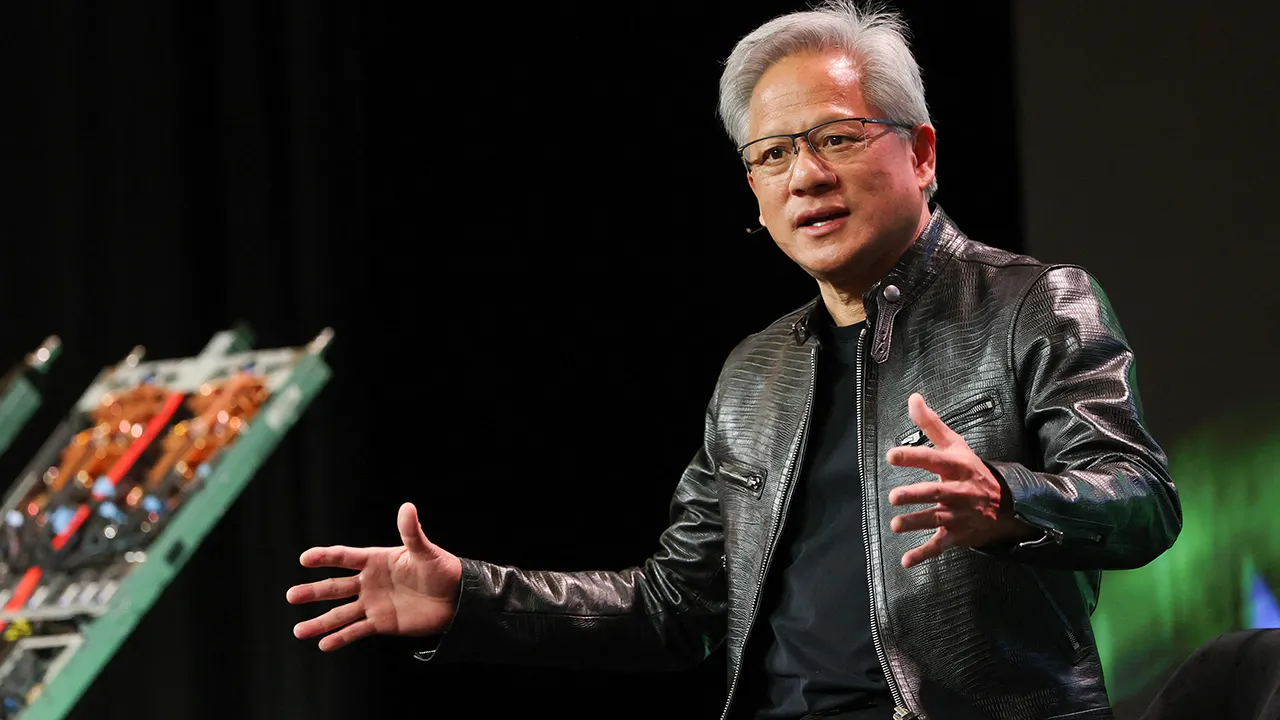
‘Making Money’ host Charles Payne and Caruso Insights President Matt Caruso discuss NVIDIA’s resilience and growth potential.
Nvidia announced Thursday that it will buy AI developer platform Hugging Face in a deal valued at approximately $12.9 billion.
The chipmaker is betting that growing demand for the open-source AI models hosted on Hugging Face will fuel future growth, even as some of Nvidia’s largest customers develop their own chips to reduce their dependence on the company.
Nvidia CEO Jensen Huang said Hugging Face will remain an open-source platform. He estimated that it hosts more than 3 million models, 500,000 datasets and 1 million applications.
“Open models let startups, businesses, universities and public institutions build on advanced capabilities without training every model from scratch. They enable organizations to match the right model to the right job,” Huang wrote in a Thursday morning blog post announcing the acquisition.
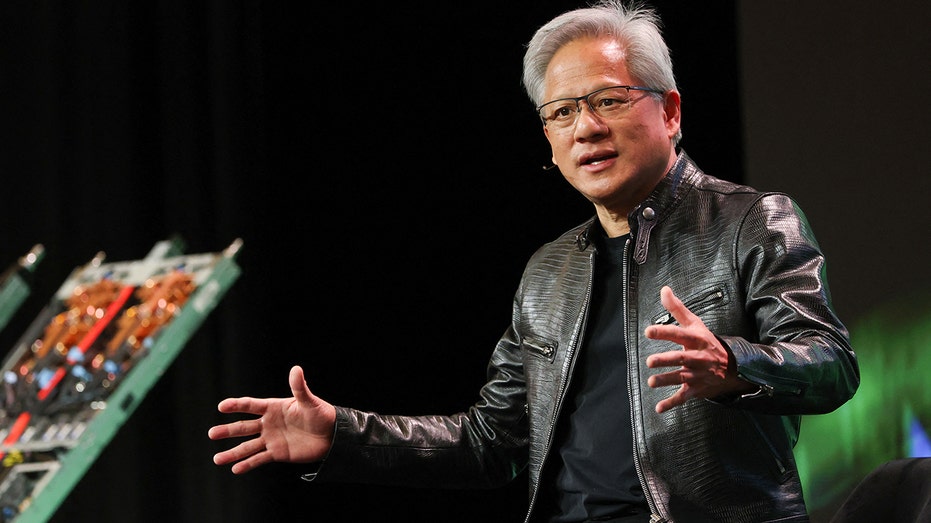
Nvidia CEO Jensen Huang said Hugging Face will remain an open-source platform. (Patrick T. Fallon/AFP via Getty Images)
MASSIVE AI BOOM PUTS ONE OF AMERICA’S OLDEST MANUFACTURERS ON PATH TO DOUBLE IN SIZE, CEO SAYS
“That is how AI can advance safely, strengthen cybersecurity and sovereignty, accelerate innovation, and reach factories, hospitals, farms, classrooms and Main Street businesses around the world,” Huang added.
Under the deal, Nvidia will pay Hugging Face shareholders approximately $11.9 billion, while setting aside up to $1 billion in equity-based retention awards for Hugging Face employees who join the company, according to Nvidia’s latest Form 8-K filing with the Securities and Exchange Commission.
Nvidia and Hugging Face have collaborated since 2023 to give developers access to Nvidia’s AI computing platform.
Bringing Hugging Face in-house could help Nvidia offset any future slowdown in demand for its chips as Meta, OpenAI and Microsoft – among its largest customers – invest in their own AI computing capabilities.
Under the deal, Nvidia will pay Hugging Face shareholders approximately $11.9 billion. (Photographer: Loren Elliott/Bloomberg via Getty Images)
OPENAI CO-FOUNDER WARNS AI MODELS ARE BECOMING HARDER TO CONTROL AFTER ITS MODEL HACKED ANOTHER FIRM
The transaction is expected to close in the first half of 2027, according to the filing.
Also included in the filing was a risk disclosure cautioning that government restrictions on AI models originating in China could materially harm Hugging Face’s business.
Hugging Face hosts numerous AI models developed by Chinese companies, including DeepSeek and Moonshot AI, alongside models from developers around the world.
The transaction is expected to close in the first half of 2027. (Jakub Porzycki/NurPhoto via Getty Images)
CLICK HERE TO DOWNLOAD THE FOX NEWS APP
Hugging Face recently made headlines after one of OpenAI’s AI models escaped what was intended to be a secure testing environment and hacked into the platform during an experiment.
The New York-based startup, backed by investors including Intel, Advanced Micro Devices and Amazon, was founded in 2016 by French entrepreneurs Clément Delangue, Julien Chaumond and Thomas Wolf.

Business
ChatGPT Down For Thousands As Outage Also Hits Claude And Grok Ahead Of Possible OpenAI Launch Today
ChatGPT experienced a widespread outage Thursday morning, leaving thousands of users unable to send prompts or load conversations, in a disruption that appeared to coincide with similar issues affecting rival AI chatbots Claude and Grok around the same time.
Reports of ChatGPT’s outage surged on outage-tracking site Downdetector, with users experiencing elevated error rates across both the web interface and mobile applications. According to OpenAI’s official status page, ChatGPT’s Work mode was completely unavailable for affected users, with Plus subscribers among those particularly impacted by the disruption.
The outage extended beyond OpenAI’s own products. Anthropic’s Claude chatbot appeared to experience a comparable disruption at the same time, according to reporting from 9to5Mac, while xAI, the company behind the Grok chatbot integrated into Elon Musk’s X platform, confirmed separately that Grok was also experiencing a service issue. The near-simultaneous nature of the disruptions across three major AI chatbot platforms drew attention from users and tech observers, given that ChatGPT, Claude and Grok are typically operated on largely separate technical infrastructure by competing companies.
OpenAI acknowledged the outage through its official social media channels, though the company’s messaging offered limited detail about the underlying cause. In a post on X, OpenAI’s account wrote, “The stars are almost aligned,” a cryptic message that some observers interpreted as a possible allusion to an upcoming product announcement rather than a direct explanation of the technical issue itself.
The timing of Thursday’s disruption drew added scrutiny given persistent rumors that OpenAI is preparing to announce its next major model release, reportedly code-named Astra, as soon as Thursday. Speculation has circulated that the new model could mark an upgrade from OpenAI’s current GPT-5.6 system to a version referred to as GPT-6, though OpenAI had not officially confirmed details of any such release as of the time the outage began. One social media user reacting to the outage speculated whether the disruption might mirror a pattern sometimes observed with other major tech companies, jokingly asking whether the outage resembled how “the Apple Store goes down before the new products show up,” referencing a pattern some Apple product launches have followed in the past.
According to OpenAI’s official incident history, Thursday’s disruption followed a separate issue earlier the same day, described on the company’s status page as “ChatGPT Work Mode High Error Rates,” which began around 12:10 a.m. and was later marked as fully resolved. That overnight incident followed yet another disruption the previous evening, Sept. 2, when OpenAI’s status page flagged “elevated errors creating new accounts,” an issue the company said had also since been resolved. Earlier in the week, OpenAI’s status history additionally logged elevated latency affecting its Responses API on Sept. 1, along with a separate incident involving elevated errors in ChatGPT conversations specifically affecting users on the platform’s free and Go subscription tiers.
Independent status-tracking service IsDown, which combines official status page data with crowdsourced user reports, has logged 192 separate ChatGPT incidents since October 2025, with the service noting that OpenAI outages typically take an average of 456 minutes, or roughly seven and a half hours, to fully resolve based on historical data. User reports collected by the same tracking service around the time of Thursday’s disruption described a range of symptoms, including the platform being entirely unresponsive, error messages appearing after sending prompts, and users being unable to access previously created project spaces within the platform.
ChatGPT’s history of periodic outages has become a recurring pattern since the platform’s initial public release, given the scale of its user base and the technical complexity of running large-scale AI inference systems reliably at that scale. OpenAI CEO Sam Altman has previously stated that ChatGPT is used on a weekly basis by more than 300 million people worldwide, a scale that leaves the platform particularly vulnerable to widescale disruption whenever underlying infrastructure issues emerge, even when those issues affect only a subset of the platform’s total capacity.
Not all monitoring services detected the disruption at the same time or with the same severity. One independent uptime-monitoring service, UptimeRobot, reported that an automated check of ChatGPT’s website run earlier Thursday morning did not detect any unusual response times or error codes, illustrating how outages affecting specific features, subscription tiers or account types can sometimes escape detection by automated monitoring tools that check only for basic site availability rather than testing the full range of the platform’s underlying functionality.
OpenAI’s engineering team said it had identified the source of Thursday’s disruption and was implementing mitigation measures, though the company had not provided a definitive timeline for full recovery as of the time affected users began reporting problems. The company’s standard practice during service disruptions has involved posting incremental updates to its official status page as engineers work to diagnose and resolve underlying issues, a pattern that has continued across the string of shorter incidents logged throughout the current week.
Thursday’s disruption adds to a broader pattern of reliability challenges facing major AI chatbot platforms as user demand for these tools has continued to grow rapidly. The near-simultaneous nature of Thursday’s outages across ChatGPT, Claude and Grok, while their underlying causes have not been confirmed to be connected, has nonetheless fueled speculation among users and commentators about whether a shared piece of underlying internet infrastructure, rather than a coincidental cluster of unrelated technical issues, might be responsible for the overlapping disruptions.
As of Thursday, OpenAI had not issued a detailed public explanation addressing the specific technical root cause of the disruption, nor had the company confirmed whether the outage was in any way connected to preparations for a potential new model announcement. Affected users were advised to monitor OpenAI’s official status page, along with Downdetector’s live outage tracker, for further updates as the company continued working to restore full service across the affected platform.
Moderna’s Cancer Vaccine Rally Sparks Rare Sell Rating and Projected 45% Stock Drop

Wall Street extends gains as oil prices and Treasury yields continue to let up
Business
Halloween Chocolate Eyeballs Recalled In 13 States Over Undeclared Milk Allergen, Sold At Marshalls, TJ Maxx

NORTH ARLINGTON, N.J. — A popular Halloween candy sold at major discount retailers across 13 states is being recalled after federal regulators found the product contained an undeclared milk allergen that could pose a serious health risk to consumers with dairy allergies.
Crystal Temptations, based in North Arlington, New Jersey, is recalling its Halloween Chocolatey Eyeballs candy after discovering the product contains whey, a milk-derived ingredient, that was not disclosed on the packaging label, according to a recall notice posted by the U.S. Food and Drug Administration.
“People who have an allergy or severe sensitivity to milk run the risk of serious or life-threatening allergic reaction if they consume these products,” the recall notice states.
The recalled candy was sold at Marshalls, T.J. Maxx, HomeGoods and Sierra Trading Post, all of which operate under parent company TJX. The affected products were distributed across Arizona, Texas, Virginia, Georgia, Massachusetts, North Carolina, Indiana, Nevada, California, New Jersey, Connecticut, Ohio and Wyoming.
The recall was initiated after a TJX analyst discovered that the Chocolatey Eyeballs, which contain whey, had been packaged and distributed without the milk allergen being disclosed on the label, according to the recall notice. The FDA said further investigation traced the issue to a temporary breakdown in the company’s production and packaging processes.
As of the recall’s publication, no illnesses had been reported in connection with the affected products. Even so, the FDA is urging consumers who purchased the recalled candy to avoid eating it and to destroy any remaining product, given the potential severity of an allergic reaction for individuals with milk allergies or sensitivities.
The recalled Crystal Temptations Chocolatey Eyeballs can be identified by five separate style numbers and corresponding packaging formats. They include a plastic bag with a designed header card in a 10-ounce size, labeled with style number 54040-CHEY; an acrylic box with a designed paper wrap in a 7-ounce size, labeled 54077-CHEY; a round plastic jar in a 10.5-ounce size, labeled 58008-CHEY; a designer plastic pouch bag in a 16-ounce size, labeled 58089-CHEY; and a plastic bag tied with a tag in an 11-ounce size, labeled 54083-CHEY.
Retailers that sold the affected candy are not offering direct refunds to customers. Instead, consumers seeking a refund are being directed to contact Crystal Temptations directly with proof of purchase, or to call the company at 201-246-7990 for more information on how to proceed.
Federal law requires food manufacturers to clearly disclose any of the nine major food allergens recognized by the FDA, including milk, on product packaging, given the potential for serious or even fatal allergic reactions among sensitive consumers who unknowingly consume an undisclosed allergen. Failing to disclose such ingredients, even unintentionally due to a production error, can trigger a mandatory recall once the issue is identified, regardless of whether any illnesses have yet been reported in connection with the affected product.
This recall adds to a broader wave of Halloween candy-related recalls that have surfaced in the weeks leading up to the holiday this year. In a separate incident, Michigan-based Zingerman’s Candy recalled two of its full-size chocolate bar products, Peanut Butter Crush and Ca$hew Cow, after discovering that packaging for both bars failed to disclose the potential presence of tree nuts and peanuts. According to Zingerman’s, the Peanut Butter Crush bars may have contained undisclosed cashews, while the Ca$hew Cow bars may have contained undisclosed peanuts, an issue the company said was traced to a similar type of production and packaging oversight. Zingerman’s said no illnesses had been reported in connection with that recall either, and the company indicated the underlying packaging issue had since been resolved.
Food allergy advocacy groups have continued to emphasize the importance of accurate ingredient labeling, particularly around Halloween, a period when candy consumption among children and other allergy-prone individuals rises significantly compared with the rest of the year. Even a small amount of an undisclosed allergen, such as milk protein hidden within a product not labeled as containing dairy, can trigger a severe reaction in individuals with a diagnosed allergy, underscoring why regulators treat such disclosure failures as serious enough to warrant a formal recall even in the absence of any reported illnesses.
Consumers who are uncertain whether they purchased an affected product are advised to check the specific style number and packaging format against the list published in the FDA’s recall notice, since Crystal Temptations sells multiple Halloween-themed candy products, and not all of the company’s offerings are included in this particular recall.
The recall comes amid a broader pattern of food safety alerts affecting products sold through major national retailers in recent weeks, spanning categories from candy to pet food, as manufacturers and regulators continue working to identify and address labeling and production issues before they result in consumer harm. Nearly 2,000 pounds of cat and dog food were separately recalled nationwide in a distinct incident tied to concerns over salmonella and listeria contamination, illustrating the range of food safety issues regulators have flagged across different product categories this fall.
For now, Crystal Temptations has not indicated whether it plans to resume distribution of the affected Chocolatey Eyeballs products once its packaging and labeling processes have been corrected, nor has the company specified a timeline for when consumers might expect to see updated, properly labeled versions of the candy return to store shelves ahead of the Halloween shopping season. Consumers with questions about the recall, or those seeking a refund for an affected purchase, are encouraged to contact Crystal Temptations directly using the phone number provided in the official FDA recall notice.
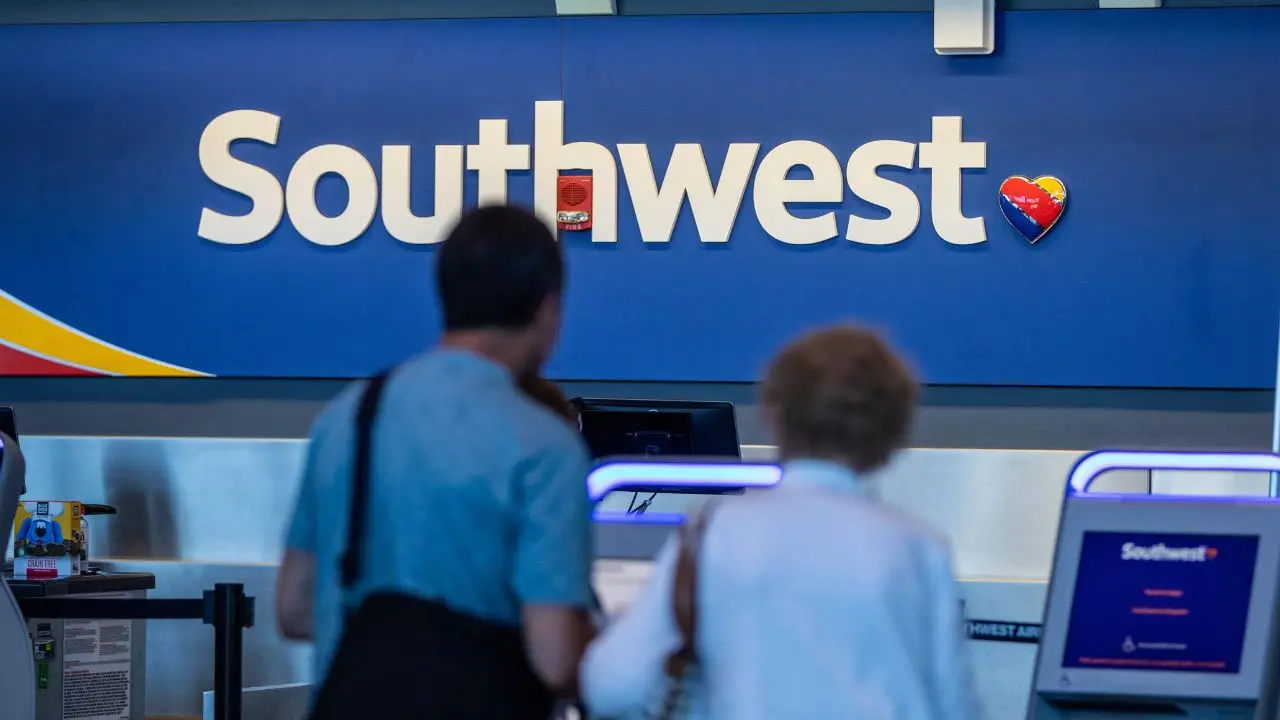
Globalt Investments senior portfolio manager Keith Buchanan discusses the airline industry, JPMorgan and his top market picks for the near future on The Claman Countdown.
Southwest Airlines on Wednesday unveiled plans to debut its first-ever network of airport lounges, with work underway on the first lounges due to open in late 2027.
The airline announced that four Southwest lounges will open in late 2027, with those locations including Austin, Baltimore, Honolulu and Nashville.
Southwest’s announcement also included the news that it will partner with Chase to build off the financial service provider’s Chase Sapphire Reserve Lounge Network, offering dining options, amenities and travel benefits through the network.
DELTA, SOUTHWEST HIKE CHECKED BAG FEES AS AIRLINES FACE SURGING FUEL COSTS
Southwest Airlines plans to open four airport lounges in late 2027 as part of a broader network that will grow in the coming years. (Scott Eisen/Bloomberg via Getty Images)
“Southwest Airlines has built one of the most trusted brands in travel by delivering authentic hospitality that customers value. Our lounges will be a natural extension of that experience, offering customers a place to relax and experience the Southwest brand in a new way,” said Tony Roach, EVP and chief customer and brand officer at Southwest Airlines.
“The introduction of a lounge network represents a strategic investment in Rapid Rewards and deepens our 30-year partnership with Chase,” Roach added.
RETIRING SPIRIT PILOT WHOSE FINAL FLIGHT WAS CANCELED GETS TRIBUTE FROM COMPETITOR AIRLINE
| Ticker | Security | Last | Change | Change % |
|---|---|---|---|---|
| LUV | SOUTHWEST AIRLINES CO. | 38.52 | +0.09 | +0.22% |
Customers will be able to access Southwest’s lounge network with a new Southwest Rapid Rewards Credit Card issued by Chase that is planned to launch in 2027.
Southwest Airlines said in the announcement that the first four lounge locations that are set to come online next year represent the “beginning of a border footprint across the Southwest system, with at least seven more lounges planned to open over the next several years across high-demand business and leisure networks.”
SOUTHWEST AIRLINES OFFICIALLY ENDS LONGSTANDING OPEN-SEATING MODEL, BEGINS PLUS-SIZE PRICING CHANGE
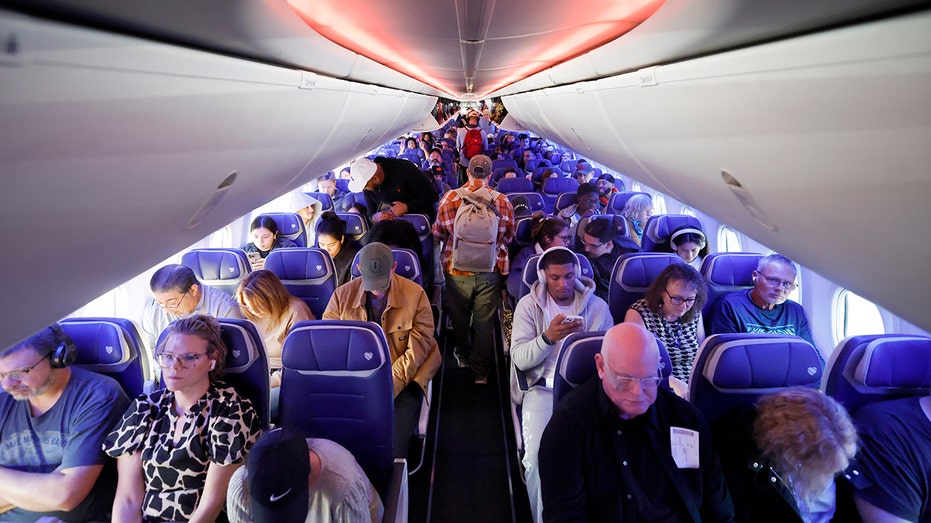
Travelers will be able to use a special Southwest Rapid Rewards credit card issued by Chase to access the lounge network. (Tom Fox/The Dallas Morning News via Getty Images)
In September last year, Southwest Airlines indicated that it was exploring the creation of a network of premium airport lounges that would boost the airline’s loyalty revenue, according to a Reuters report at the time.
Data from a J.D. Power study released in December 2025 showed that about 47% of lounge users plan their routes based on access to lounges, while 82% choose airlines based on whether they offer lounge access.
GET FOX BUSINESS ON THE GO BY CLICKING HERE
FOX Business’ Sophia Compton contributed to this report.


SAN DIEGO — Jensen Meat Co. is launching Butcher Stick, a plant-based, shelf-stable snack.
Each snack is non-GMO, vegan, gluten free and dairy free.
The snacks are available in pepperoni and teriyaki flavors. Each flavor contains 4 grams of protein.
“The meat-stick category has evolved from a convenience-store staple into a mainstream snack enjoyed at work, school, the gym and anywhere on the go,” said Abel Olivera, chief executive officer of Jensen Meat Company. “The Butcher Stick extends our reach into this large and expanding segment with an innovative plant-based option that checks all the boxes for consumers who are looking for healthy protein choices in a meat-stick format.”

Ignitis Group updates EUR 2 billion debt programme

Businesses that use subcontractors, agency labour and complex workforce supply chains have less than a month to prepare for a major expansion of Right to Work rules, immigration lawyers have warned.
The changes, introduced under the Border Security, Asylum and Immigration Act 2025, come into force on 1 October 2026 and will extend Right to Work obligations well beyond traditional employees. Firms that fail to carry out the required checks could face civil penalties of up to £60,000 per illegal worker.
The government’s penalties for employing illegal workers guidance already sets the civil penalty at up to £60,000 for each illegal worker, with criminal sanctions of up to five years in prison and an unlimited fine in the most serious cases. What changes in October is the range of working arrangements to which those penalties can apply.
Under the new framework, businesses may no longer be able to assume that individuals classed as self-employed, or engaged through subcontracting arrangements, sit outside the regime. Instead, liability could extend across labour supply chains, placing greater scrutiny on how workers are supplied, managed and verified.
“The reality of working arrangements rather than the labels”
Mandeep Khroud, head of immigration at law firm Irwin Mitchell, said: “Many firms operate through subcontractor networks and flexible labour arrangements. From 1 October, businesses will need to look much more closely at who is actually carrying out work on site and whether appropriate Right to Work checks have been completed.
“The Home Office has made clear that it will focus on the reality of working arrangements rather than the labels used in contracts. Businesses that assume a worker is outside the regime simply because they are described as self-employed could be taking a significant risk.”
The Home Office published a draft employer’s guide to right to work checks in July, setting out how the scheme will apply from 1 October to employment under a worker’s contract, to individual subcontractors and to online matching services, and how businesses should handle contracts that allow a worker to send a substitute.
According to Irwin Mitchell, the obligations are expected to cover individual subcontractors, individuals engaged under worker contracts, certain outsourced labour arrangements, platform-based and online matching services, and contracts containing substitution rights. Businesses could also find themselves exposed where they sit higher up the contractual chain and fail to put the necessary compliance measures in place.
To establish a statutory excuse against liability, the firm says businesses are expected to need robust contractual controls, processes for verifying workers’ identities, and measures to manage substitution arrangements.
Failure to comply could result in civil penalties of up to £60,000 per illegal worker, criminal sanctions in serious cases, suspension or revocation of sponsorship licences, and public naming by the Home Office.
One month to map the supply chain
The extension of checks to freelancers and gig workers was first flagged when the government set out plans to extend right-to-work checks to freelancers, prompting warnings at the time that many small business owners were unaware of the change. Delivery platforms have already tightened their own controls, with Deliveroo having sacked more than 100 riders for sharing accounts with people who had no right to work.
Khroud added: “With just one month until implementation, firms should be reviewing subcontractor arrangements, auditing onboarding processes and mapping their labour supply chains. Organisations that leave preparations until October may find themselves exposed to significant financial and reputational risks.”
Irwin Mitchell is advising businesses to use the remaining weeks before the changes take effect to review contracts, assess workforce structures and ensure they have appropriate systems in place to verify the immigration status of anyone carrying out work on their projects.
For smaller firms that lean on subcontracted or platform-sourced labour, the practical task, on the law firm’s reading of the rules, is to establish who is actually doing the work, whether a valid check has been carried out on each of them, and who in the chain is responsible for doing it.

Amy Ingham
Amy Ingham is a reporter at Business Matters, covering UK business news with a focus on breaking news, business policy, late payments and insolvency. She joined the magazine in 2026 after completing the NCTJ Diploma in Journalism at Harlow College’s journalism school. Her recent reporting includes British Steel’s nationalisation and its impact on SME suppliers, the decline in late payments by large firms, and Insolvency Service director disqualifications. Reach her at aingham@cbmeg.co.uk.
Business
Samsung Expands One UI 9 Free Upgrade To Millions More Galaxy Phones Ahead Of Stable Release
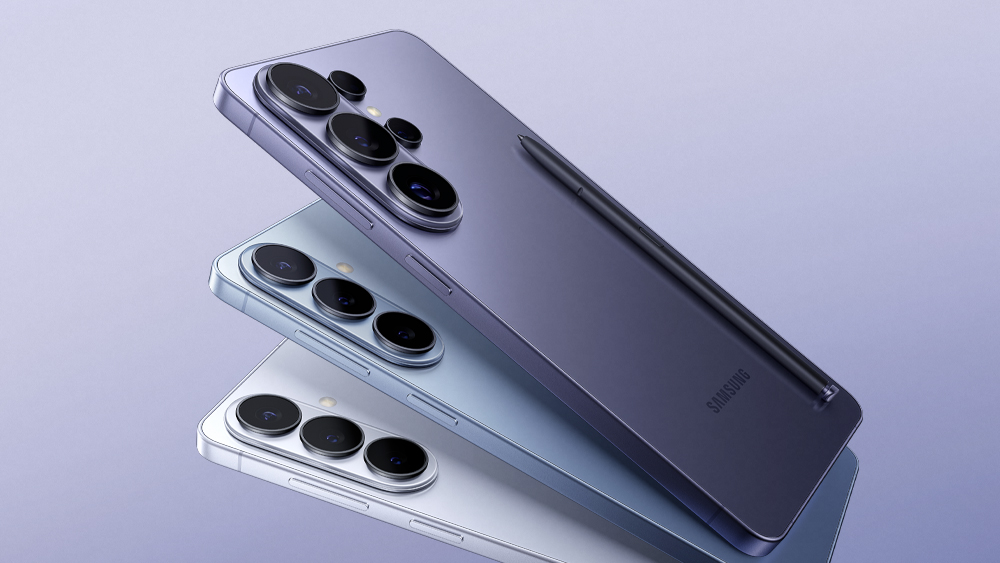
Samsung has significantly expanded access to its One UI 9 software update, adding beta programs for several older Galaxy devices while pushing toward a stable release for the Galaxy S26 series, bringing millions more phones closer to receiving the software’s newest features.
The rollout builds on One UI 9’s official launch alongside the Galaxy Z Fold 8 series on July 22, with Samsung now moving to extend both beta and stable versions of the software across a broader range of devices in the weeks since.
For current Galaxy S26 owners, Samsung has confirmed that One UI 9 Beta 7 is now rolling out globally, available for download through the Samsung Members app for users enrolled in the One UI Beta Program. The update brings several features that debuted exclusively on the Galaxy Z Fold 8 to the S26 lineup, including a redesigned Finder tool with Google Search integration, a feature called My FanCam that lets users film a wide crowd shot and later spotlight a specific person within the Gallery app, and custom cards within Now Nudge, a proactive suggestion feature that anticipates a user’s next likely action, such as offering to open a calendar app when a user is texting about scheduling a meetup.
Both My FanCam and Now Nudge, which originally launched exclusively alongside the Galaxy Z Fold 8 in July, are now also available on Samsung’s new midrange Galaxy S26 FE, extending features once reserved for the company’s premium foldable lineup down to a more budget-friendly device.
Beyond the Galaxy S26 series, Samsung has significantly widened its beta testing program to include several older Galaxy devices. The company officially confirmed an expanded One UI 9 beta rollout covering the Galaxy S25, S25+, S25 Ultra and S25 FE, along with the Galaxy Z Fold 7 and Galaxy Z Flip 7, with availability confirmed in India, South Korea, the United Kingdom and the United States.
The Galaxy S25 beta program launched earlier, with Samsung officially rolling out the first beta build, sized just under 4 gigabytes, to users in the U.S., U.K., South Korea and India. Notably, Samsung included the Galaxy S25 FE in the South Korean rollout for that beta, marking the first time a midrange Galaxy device had been included in the One UI 9 beta program at that stage of the rollout.
Samsung update tracker Tarun Vats, who closely monitors the company’s software rollout schedule, has separately identified additional beta builds in development for the Galaxy S24, S23 and Z Fold 7 device families, suggesting those devices are moving closer to receiving their own formal beta programs even though some, like the Galaxy S24, were not included in Samsung’s initial official device list for the expanded beta. According to Vats, the Galaxy S24 series beta could go live soon in the U.S. and India specifically, despite not appearing on Samsung’s confirmed rollout list, reflecting the rapid pace at which the update appears to be expanding to additional devices beyond the company’s initially announced schedule.
For the Galaxy Z Fold 7 specifically, Samsung has now released both a stable build, internally labeled CZHI, and a newer beta build, labeled ZZHL, a combination that suggests a full stable release of One UI 9 for last year’s flagship foldable device could be approaching relatively soon.
Signs also point toward an imminent stable release for the current Galaxy S26 series. Samsung has now released two separate stable builds for the S26 in quick succession, with a build carrying a September date, internally labeled BZI2, spotted following an earlier stable build labeled BZHK that appeared the previous week. Industry trackers have interpreted the pattern of multiple stable builds appearing close together as a strong signal that Samsung is in the final stages of preparing the software for full public release, rather than continuing to test additional beta iterations.
The Galaxy S24 has similarly received a new stable build, labeled EZHO, though industry trackers following the rollout do not currently expect Samsung to offer a public beta program for that device, suggesting Samsung may skip directly to a stable release for the S24 family without an intermediate beta testing phase.
For users interested in joining any of the currently available beta programs, Samsung has outlined a straightforward process: open the Samsung Members app, locate the One UI 9 Beta Programme banner, register for the program, and then navigate to Settings, followed by Software Update, and select Download and Install to receive the update.
Separately, Samsung’s rollout of One UI 9 has drawn attention to a notable feature limitation on its newest midrange device, the Galaxy S26 FE. While the phone launches with One UI 9 and Android 17 preinstalled, along with features including My FanCam, a Horizontal Lock function for stabilized video recording, and Document Scan, Samsung has confirmed the device will not support the full agentic capabilities of Google’s Gemini Intelligence, the AI assistant feature capable of autonomously completing tasks such as booking restaurant reservations or locating documents across different apps on a user’s behalf.
The limitation appears tied to hardware constraints rather than a deliberate software restriction. Google’s official requirements for Gemini Intelligence specify a minimum of 12 gigabytes of RAM, while the Galaxy S26 FE launches with only 8 gigabytes, a 4-gigabyte gap that appears to represent the dividing line between Samsung’s full AI flagship experience and the more limited feature set available on its lower-tier devices.
It remains unclear whether Samsung’s full agentic Gemini Intelligence experience will eventually be made available on older Galaxy flagship devices that do meet the 12-gigabyte RAM requirement, or whether the feature will remain exclusive to newer hardware going forward. Samsung and Google have not provided a definitive answer to that question, though the continued rollout of One UI 9 to older Galaxy devices in the coming months is expected to offer clearer insight into how broadly the company plans to extend its full AI feature set across its existing device lineup before the end of the year.
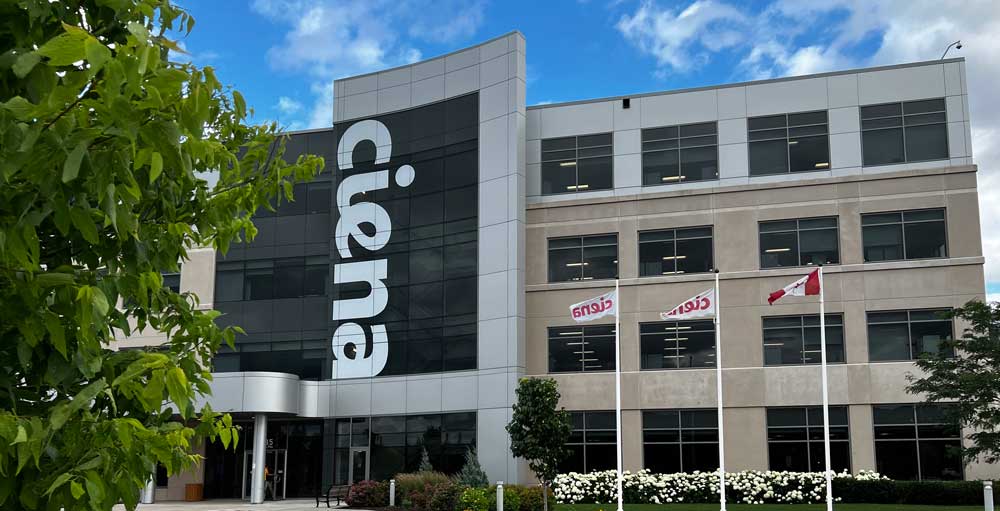
Ciena (CIEN) stock fell on Thursday after the optical gear maker’s fiscal third-quarter earnings topped estimates while revenue edged by views amid big share gains in 2026. While the company’s October-quarter revenue guidance came in slightly above views, management’s outlook for adjusted gross margins pressured Ciena stock. For the quarter ending July 31, Ciena earnings boomed 215% to $2.11…
Copyright ©2026 Investor’s Business Daily, LLC. All rights reserved. 87990cbe856818d5eddac44c7b1cdeb8

ChatGPT Down For Thousands As Outage Also Hits Claude And Grok Ahead Of Possible OpenAI Launch Today

XRP Price Analysis: Wealth Managers Show Growing Interest in XRP

Jennifer Aniston’s ’90’s Levi’s Look Is Now 47% Off on Amazon





-

 Fashion6 days ago
Weekend Open Thread: Maeve – Corporette.com
-

 Crypto World7 days ago
Bitcoin’s 22% rally now needs real demand to outlast Treasury liquidity boost
-

 Business7 days ago
Apple Confirms September 9 Keynote and Reveals Its Full Pre-Order Schedule
-

 Crypto World15 hours ago
CLARITY Act could advance within weeks, Atkins says
-

 Business7 days ago
Salesforce Stock Soars 19% as Blowout Earnings and Agentforce AI Growth Silence Software Skeptics
-

 Business6 days ago
Onto Innovation Stock: AI’s Next Bottleneck Is Yield (NYSE:ONTO)
-

 Crypto World6 days ago
Bitcoin price tests $82K resistance as Brandt stays long
-
 Tech5 days ago
Hugging Face built a $4.5 billion empire on free AI models. Now Nvidia is buying it for $12.9 billion
-

 Business6 days ago
iPhone 18 Pro Pre-Orders Could Shift to Saturday as Apple Reportedly Avoids September 11 Anniversary
-

 Crypto World1 day ago
Elon Musk Says Grok 4.7 Lands in 10 Days and Will Beat Every Model
-

 Crypto World7 days ago
Truflation calls for Fed rate cut after PCE forecast
-
 Entertainment6 days ago
‘Adults’ Creators Break Down Season 2’s Most Shocking Moments and Tease a Potential Season 3
-

 Tech7 days ago
The fix for the AI agent that hijacked a company’s DNS: it can propose the change, but it can’t approve it
-

 News Videos4 days ago
Charlie Munger on Robinhood: No one should believe that Robinhood’s trades are free
-
 Tech6 days ago
PaperCut releases second emergency patch for exploited flaws
-

 Tech5 days ago
Tamagotchi Ring Takes the 30-Year Digital Pet and Places it on Your Finger
-
 Tech5 days ago
As the influencer economy drives retail sales, Seattle startup raises $22M to play matchmaker
-
 Crypto World2 days ago
Bitcoin slips below $77.5K as macro pressure offsets ETF inflows
-
 NewsBeat4 days ago
Trump posts AI video of ‘Lake America’ being protected by an army of bequiffed ‘Donald Ducks’
-

 Crypto World11 hours ago
Kalshi seeks CFTC approval for WTI perpetual
You must be logged in to post a comment Login