Connect with us
DAPA Banner

Business

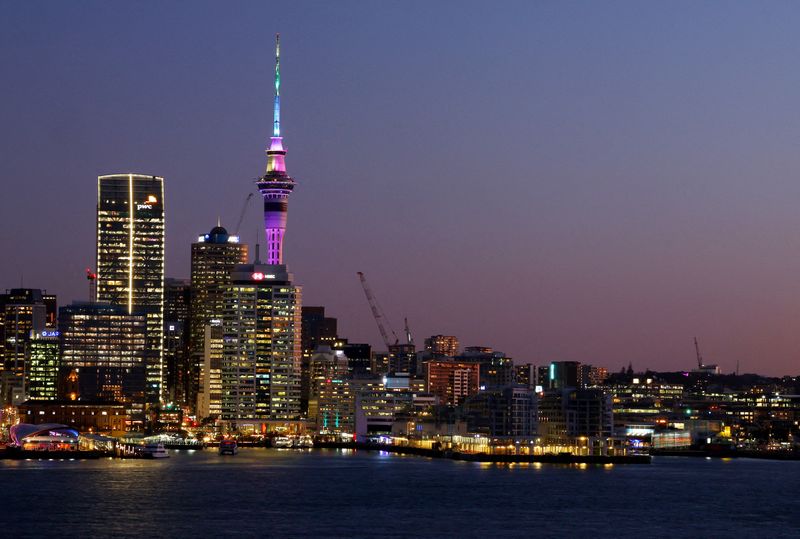
OECD sees fragile New Zealand recovery; warns on energy, ageing and capital-market gaps

Published

on

OECD sees fragile New Zealand recovery; warns on energy, ageing and capital-market gaps
Continue Reading
Click to comment

You must be logged in to post a comment Login

Leave a Reply

Business

Positive Breakout: These 10 stocks cross above their 200 DMAs – Upside Ahead?

Published

on

Positive Breakout: These 10 stocks cross above their 200 DMAs - Upside Ahead?

In the Nifty200 pack, 10 stocks’ closing prices crossed above their 200 DMA (Daily Moving Averages) on May 06, 2026, according to stockedge.com’s technical scan data. The 200-day daily moving average (DMA) is used by traders as a key indicator for determining the overall trend in a particular stock. As long as the stock is priced above the 200-day SMA on the daily timeframe, it is generally considered to be in an overall uptrend. Take a look:

Continue Reading

Business

Brian Entin Reveals Masked Suspect May Have Been Killed

Published

on

Nancy Guthrie

TUCSON, Ariz. — As the search for 84-year-old Nancy Guthrie enters its fourth month, NewsNation senior correspondent Brian Entin has spotlighted a disturbing new theory: the masked suspect captured on her doorbell camera — the prime figure in her suspected abduction — may already be dead, possibly eliminated by a higher-up to tie up loose ends.

Nancy Guthrie
Nancy Guthrie

The revelation, featured in NewsNation’s one-hour special “The Nancy Guthrie Mystery” airing Wednesday, May 6, 2026, comes from a panel of top criminal profilers and forensic experts dissecting the high-profile case that has captivated the nation since Guthrie vanished from her Tucson-area home. The special will broadcast on The CW.

Guthrie, mother of “Today” show co-anchor Savannah Guthrie, was last seen Jan. 31, 2026, after dinner with family. She was reported missing the next day. Authorities found blood on her porch, a propped-open back door and chilling footage of an armed, masked individual at her front door around 2 a.m. Feb. 1. Her pacemaker disconnected from her phone at 2:28 a.m., suggesting a sudden, forceful removal.

No suspect has been publicly named. No ransom has been paid. Guthrie remains missing despite extensive searches, FBI involvement and a $1 million family reward.

The Doorbell Camera Clue and “Porch Guy” Theory

Advertisement

Surveillance video shows the suspect, often called “Porch Guy,” approaching Guthrie’s door, appearing to tamper with the camera before the system went offline. He carried a backpack and what appeared to be a weapon. A second image later emerged showing the same individual at her home days earlier, raising questions about prior surveillance or familiarity.

In the NewsNation special, forensic nurse and criminal profiling pioneer Dr. Ann Burgess floated the idea that this suspect may no longer be alive. “The person we see at the front door could be dead … killed by someone else … killed by the boss,” Entin summarized during the roundtable discussion. Burgess agreed the operation appeared well-planned yet contained amateur elements, consistent with a hired operative who was later silenced.

Criminal psychologist Dr. Gary Brucato echoed the possibility of multiple perpetrators. “I don’t believe this person worked alone,” he said, describing a potential “spider web” of involvement with a schemer directing a less sophisticated actor. The theory suggests internal conflict or a cleanup phase after the abduction to prevent the porch suspect from talking if caught.

Investigation Challenges and Early Missteps

Advertisement

Pima County Sheriff’s Office initially treated the case as a missing person, with some speculation Guthrie may have wandered off. Critics, including former officials and Entin’s sources, pointed to delays in elevating it to a full abduction probe and limited early FBI involvement. DNA evidence recovered from the scene was only recently sent for advanced FBI lab analysis.

Sources told Entin there is still “no name on the table” as a primary suspect. The investigation has examined possible financial motives, prior knowledge of Guthrie’s home layout and even theories involving retribution linked to Savannah Guthrie’s public profile. Ransom-style notes received by media outlets, including demands for Bitcoin, have surfaced but remain unverified.

One theory explored by experts: Guthrie may have known or trusted the person enough to open the door without immediate alarm, though blood evidence indicates a struggle on the porch.

Family Agony and Public Appeals

Advertisement

Savannah Guthrie has spoken emotionally about her mother’s disappearance while returning to work. The family has offered escalating rewards and cooperated fully with investigators, who have cleared them as suspects. Neighbors remain uneasy, with some fearing the perpetrator could strike again.

The case has drawn parallels to other high-profile abductions, with profilers noting the lack of communication from any kidnappers after initial activity as unusual — potentially explained if the operative is deceased and the operation compromised.

Broader Questions: Motive, Mexico Links and DNA Hopes

Speculation has included a possible crossing into Mexico, with unverified tips claiming Guthrie was seen alive in Sonora shortly after the abduction. Some investigators suggested she may have suffered a medical issue in captivity, leading to her death and complicating ransom efforts.

Advertisement

Pima County Sheriff’s Office reiterated May 4 that the case “remains active and ongoing,” with continued FBI partnership, tip review and forensic work. Advances in DNA technology offer hope for breakthroughs even months later.

Entin, who has covered the story extensively on the ground in Tucson, emphasized in the special that experts draw from patterns in past cases. The amateur-yet-targeted nature points to possible hired help rather than a lone opportunist.

What Comes Next

As the search surpasses 90 days, attention focuses on whether the porch suspect’s identity can be established through enhanced video analysis or public tips. If he is deceased, it could explain the investigative silence and shift focus to organizers or accomplices.

Advertisement

Criminologist Dr. Casey Jordan suggested the suspect may have had indirect familiarity through media exposure of the Guthrie family but was unlikely someone Nancy knew personally.

The case highlights vulnerabilities for high-profile families and elderly residents in suburban areas. It also underscores challenges in jurisdictions handling rare kidnappings, with calls for faster federal involvement in future cases.

For the Guthrie family, every day without answers deepens the pain. Savannah and her siblings continue advocating for tips, urging anyone with information to come forward. The $1 million reward remains active.

Brian Entin’s reporting and the expert roundtable offer no definitive closure but introduce a grim possibility: the man on the porch camera — potentially the last person to see Nancy Guthrie alive — may himself have become a victim in a larger, more calculated scheme.

Advertisement

Authorities urge the public to review any footage from late January and early February 2026 in the Catalina Foothills area. Even small details, they say, could prove significant in unraveling what happened that night and whether Nancy Guthrie’s kidnapper is still a threat — or already beyond justice.

Continue Reading

Business

Tesla recalls over 218,000 vehicles over delayed rearview camera images

Published

on

Tesla recalls over 218,000 vehicles over delayed rearview camera images

Tesla is recalling more than 218,000 vehicles because of ‌delayed rearview camera images that could increase the risk of ​a crash, the National ​Highway Traffic Safety Administration (NHTSA) announced on ⁠Wednesday.

A total of 218,868 Model 3, Model Y, Model ‌S ⁠and Model X vehicles are affected by the recall.

Advertisement

The vehicles include the 2021 Tesla Model Y, 2022 Tesla Model Y, 2023 Tesla Model Y, 2023 Tesla Model 3, 2021 Tesla Model 3, 2022 Te

sla Model 3, 2020 Tesla Model Y, 2022 Tesla Model X, 2022 Tesla Model S, 2021 Tesla Model S, 2023 Tesla Model X, 2023 Tesla Model S, 2021 Tesla Model X and 2017 Tesla Model 3.

FORD RECALLS OVER 179,000 BRONCO AND RANGER VEHICLES OVER SEAT DEFECT

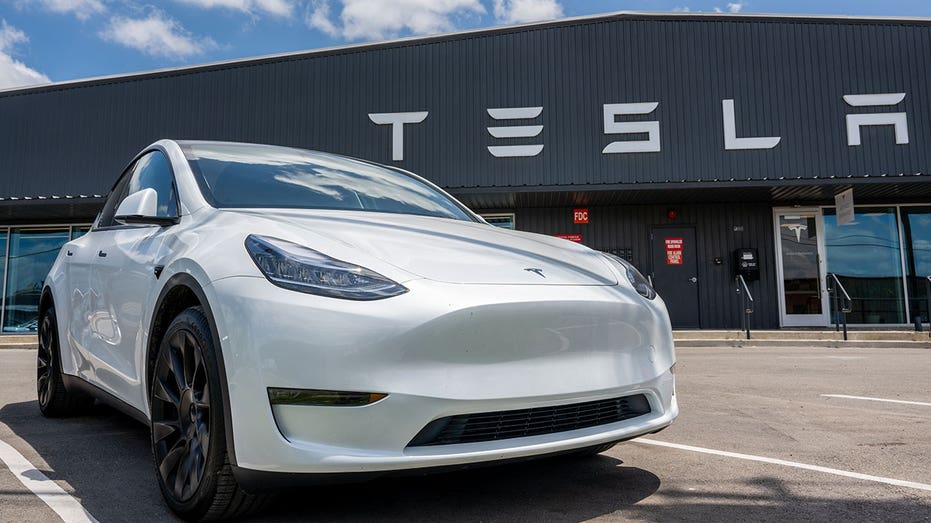
Tesla Model Y and Model 3 electric vehicles

Tesla is recalling more than 218,000 vehicles because of ‌delayed rearview camera images. (Shen Chunchen/VCG via Getty Images / Getty Images)

The impacted vehicles feature hardware version 3, which Tesla stopped producing in January 2024.

Advertisement

According to the NHTSA, the ​rearview camera display in impacted ​vehicles may be delayed when the car is put into reverse, which hurts ​driver visibility.

“Loss of the rearview camera image may affect the driver’s rearview and increase the risk of a collision,” the NHTSA said in its recall notice. “The driver may continue to reverse the vehicle by performing a shoulder check and using their mirrors.”

tesla model y

A total of 218,868 Model 3, Model Y, Model ‌S ⁠and Model X vehicles are affected by the recall. (Brandon Bell/Getty Images / Getty Images)

Tesla said there have been no reports of collisions, fatalities or injuries due to the rearview camera issue, but there have been 27 warranty claims and two field reports that may be connected to the problem.

Stocks In This Article:

The company said it will issue a free over-the-air software update to customers. The faulty software is version 2026.8.6. The remedy software is version 2026.8.6.1.

Advertisement

“More than 99.92% of the affected vehicle population have successfully loaded the remedy firmware,” Tesla wrote in its announcement.

TOYOTA RECALLS 73K HYBRID VEHICLES OVER PEDESTRIAN WARNING SOUND ISSUE

Tesla Dealership

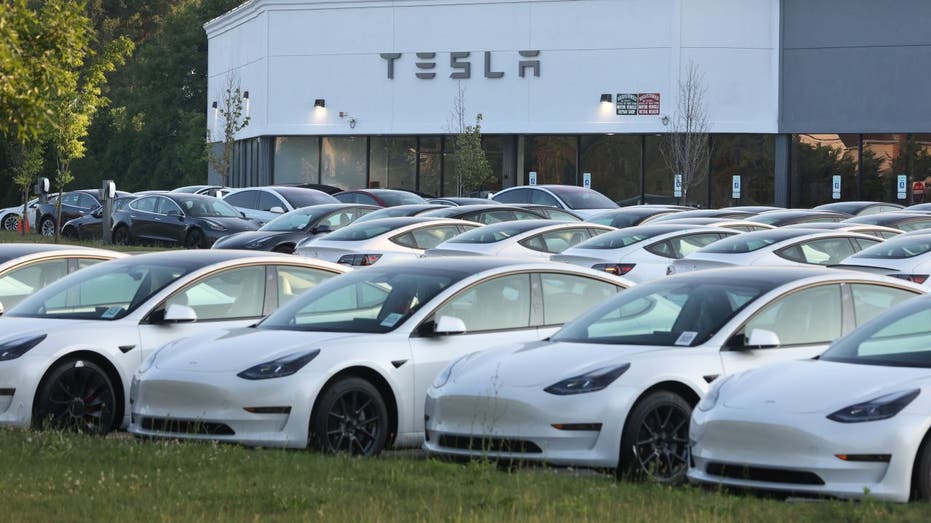
Tesla said there have been no reports of collisions, fatalities or injuries due to the rearview camera issue. (John Paraskevas/Newsday RM via Getty Images / Getty Images)

CLICK HERE TO READ MORE ON FOX BUSINESS

This comes after the NHTSA closed an investigation last month into about 2.6 million ​Tesla vehicles over a ​feature ⁠that allowed cars to be moved remotely after determining the issue was only linked ​to low-speed incidents.

Advertisement
Continue Reading

Business

5 Ways LeBron James Can Lead Lakers Past Thunder Without Star

Published

on

Luka Doncic

OKLAHOMA CITY — As the Los Angeles Lakers trail the top-seeded Oklahoma City Thunder 1-0 in the Western Conference semifinals, all eyes remain on Luka Doncic’s Grade 2 left hamstring strain that has sidelined the superstar since early April. With Doncic ruled out for at least Game 1 and facing a cautious recovery timeline, LeBron James must elevate his game even further to keep the series competitive.

Doncic suffered the injury on April 2 during a blowout loss to the Thunder. He traveled to Spain for specialized stem cell treatment shortly after and has shown gradual progress, including light on-court work, but remains out indefinitely. As of May 6, 2026, reports indicate he is not close to a return, with expectations he could miss the early games of this series. Recovery from a Grade 2 hamstring strain typically spans 4-8 weeks, and the Lakers are taking no risks with their MVP-caliber talent.

LeBron James, at 41, delivered 27 points on efficient shooting in Tuesday’s 108-90 Game 1 defeat but acknowledged the offensive struggles without Doncic. “We’re undermanned, we’re the underdog,” James said ahead of the series. The Thunder’s depth, led by Shai Gilgeous-Alexander, Chet Holmgren and an elite defense, makes the challenge daunting.

Here are five key strategies James and the Lakers must execute to steal games and extend the series without their Slovenian star.

Advertisement

1. Maximize LeBron’s Playmaking and Minutes Management

James averaged elite numbers in the first-round series against Houston and must shoulder even more responsibility. With Doncic out, LeBron needs to orchestrate the offense at a high level, averaging close to a triple-double if possible while conserving energy for both ends. Coach JJ Redick should deploy him in shorter, high-intensity bursts paired with rest periods to combat fatigue over a potential seven-game grind.

LeBron’s basketball IQ allows him to exploit mismatches against OKC’s switch-heavy defense. Targeting slower bigs or forcing help rotations can create open looks for teammates. His leadership in huddles will be crucial to maintaining morale on a roster already feeling the absence of its top scorer.

2. Unleash Austin Reaves and Supporting Cast in Pick-and-Roll Actions

Austin Reaves stepped up in the first round but struggled in Game 1 against the Thunder’s length. Without Doncic’s gravity as a pull-up threat and passer, Reaves must become the primary initiator alongside James. The Lakers should run more high pick-and-rolls with Reaves and James to force defensive decisions from Gilgeous-Alexander and company.

Role players like Rui Hachimura, D’Angelo Russell (if active) and the bench unit need to knock down open threes created by LeBron’s drives. Defensive rebounds will be vital — OKC crashes the glass aggressively, so securing boards and pushing in transition can mitigate the Thunder’s half-court dominance.

Advertisement

3. Defensive Intensity: Limit SGA and Force Turnovers

Holding Gilgeous-Alexander to 18 points in Game 1 was a bright spot, but the Thunder’s supporting cast overwhelmed Los Angeles. James can anchor help defense while directing switches. The Lakers must prioritize contesting threes and limiting Holmgren’s rim attacks. Zone looks or disguised coverages could disrupt OKC’s rhythm.

Forcing turnovers and converting them into easy buckets will be essential. LeBron’s help-side instincts remain elite; using his veteran savvy to anticipate passes can generate fast-break opportunities that bypass OKC’s set defense.

4. Dominate the Glass and Control Tempo

The Thunder excel in transition and second-chance points. LeBron must lead by example on the boards, boxing out and pursuing loose balls. The Lakers’ bigs need to match OKC’s physicality to avoid giving up offensive rebounds that fuel rallies. Slowing the pace slightly — through deliberate half-court sets led by James — can neutralize the Thunder’s athleticism advantage.

Executing this requires discipline. Every possession matters when down a star player. LeBron’s ability to set screens, roll or pop, and find cutters will dictate whether the Lakers can manufacture enough offense to stay within striking distance.

Advertisement

5. Mental Toughness and Home-Court Momentum

James has thrived in underdog scenarios throughout his career. His message to the team and Doncic post-Game 1 emphasized resilience. Winning Game 2 on the road would swing momentum heading back to Los Angeles, where the crowd and familiar surroundings could amplify LeBron’s impact.

Maintaining focus amid injury uncertainty is paramount. The Lakers have shown fight without Doncic during the regular season, going 7-4 in such games. Translating that to the playoffs against a championship-caliber opponent demands peak execution.

Broader Series Outlook

The Thunder opened the series with a convincing victory, showcasing why they are defending champions and the West’s top seed. Their depth and two-way play pose problems for an undermanned Lakers squad. Yet James has engineered playoff miracles before, and the Lakers’ first-round resilience offers hope.

Doncic’s potential return later in the series remains a wildcard. Even limited minutes from him could shift dynamics dramatically. For now, the burden falls squarely on LeBron’s shoulders. At 41, he continues defying age with elite conditioning and basketball mastery.

Advertisement

Game 2 offers an immediate chance for adjustment. If the Lakers can implement these five pillars — amplified LeBron playmaking, Reaves creation, stingy defense, rebounding dominance and mental edge — they can make this series far more competitive than many expect. LeBron’s legacy includes carrying teams through adversity, and this Thunder showdown may add another chapter.

As the Western Conference semifinals unfold, one thing is clear: without Luka Doncic, LeBron James must summon his inner King once more. The Lakers’ playoff survival depends on it.

Continue Reading

Business

OPINION: Lighting the Sound a lesson in feeding the hype

Published

on

OPINION: Lighting the Sound a lesson in feeding the hype

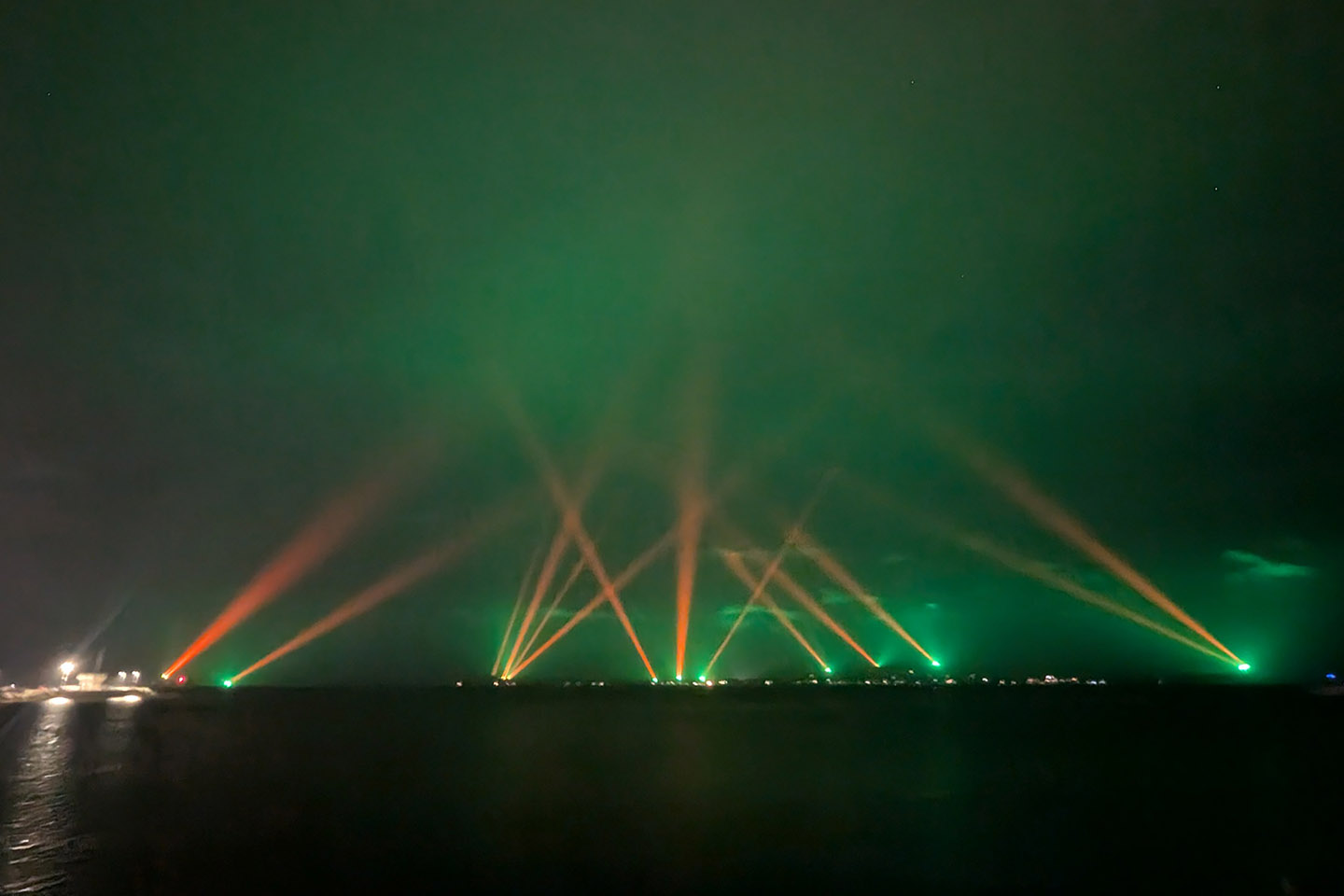
OPINION: Tourism officials in Albany have learned the hard way what happens when you promise the world and fail to deliver

Continue Reading

Business

Pub chain JD Wetherspoon issues profit warning over ‘substantial increases in costs’

Published

on

Business Live

Sir Tim Martin warned the FTSE 250 pub chain could miss profit targets as rising energy costs and hospitality sector challenges mount

Founder and Chairman of JD Wetherspoon, Tim Martin, speaking at a press conference in the Hamilton Hall pub, in central London, following the publication of the pub chain's full year results in October 2020.

Founder and chairman of JD Wetherspoon Sir Tim Martin

JD Wetherspoon has cautioned it may fall short of profit targets due to “substantial increases in costs,” as pubs prepare for surging energy and shipping prices stemming from the Iran conflict. The UK’s most recognisable pub chain confirmed on Tuesday that the widely anticipated consequences from the Strait of Hormuz blockage have started to impact hospitality businesses.

Advertisement

Chairman Sir Tim Martin, who lives in Devon, said: “As many hospitality operators, including Wetherspoon, have reported, there have been substantial increases in costs, which may result in profits slightly below market expectations.”

Despite mounting costs, Sir Tim noted Wetherspoon was performing ahead of the market, with its sales growth outpacing audit firm RSM’s hospitality business tracker for the 43rd consecutive month,as reported by City AM.

Like-for-like sales rose by 3.4 per cent in the three months to April, while sales in the year-to-date increased by 4.3 per cent.

However, the FTSE 250 pub chain’s growth for the period was marginally slower than in preceding quarters, it revealed.

Advertisement

Wetherspoon has acquired 3.8m shares in the year to date at £6.80 per share, and purchased the freehold rights to four of its pubs, totalling £12.2m.

In March, shares in the pub operator fell after pre-tax profit for the first half of its financial year plummeted by 32 per cent to £22m, missing even analysts’ revised expectations.

Sir Tim said rises to national insurance and minimum wage were set to cost Wetherspoon £60m annually, alongside the £7m cost of a green levy.

He said at the time: “These cost increases will undoubtedly add to underlying inflation in the UK economy, although Wetherspoon, as always, will endeavour to keep price increases to a minimum.

Advertisement

“There is clearly considerable pressure on consumer finances, combined with higher taxes, wages and energy costs for the hospitality industry.”

British pubs had been preparing for steeper energy bills as a consequence of the Middle East conflict, with other leading pub operators such as Shepherd Neame cautioning that costs will rise.

Hospitality businesses are also grappling with rising employment expenses and increases to business rates bills which took effect in April.

Two thirds of pubs, bars and restaurants will be compelled to reduce staff numbers to manage these fresh costs, while one in seven will close entirely, according to trade body UK Hospitality.

Advertisement

Earlier this week, figures revealed that two pubs closed every day during the first three months of the year, totalling 161 businesses and 2,400 jobs lost.

Continue Reading

Business

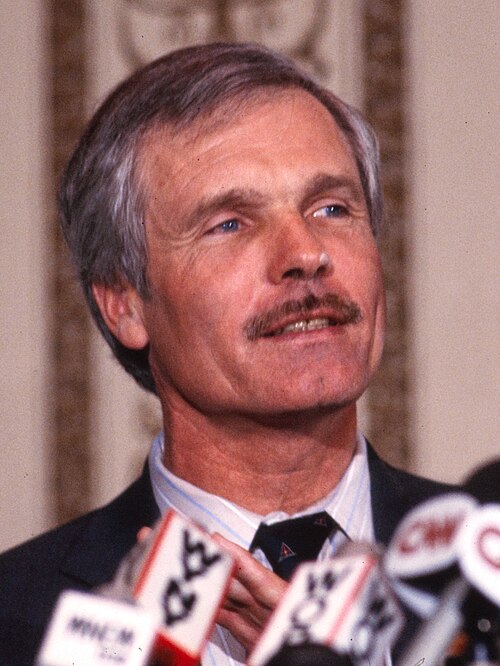
Ted Turner, CNN Founder Who Launched 24-Hour News Era, Dies at 87

Published

on

US singer-songwriter Taylor Swift rocked the red at the Grammys, and raised eyebrows with her thigh chain

ATLANTA — Ted Turner, the flamboyant media visionary who founded CNN and transformed global television with the world’s first 24-hour news network, died Wednesday at age 87.

Turner’s death, confirmed by CNN and family representatives, marks the end of an era for a larger-than-life figure who built a broadcasting empire from a regional billboard business, owned professional sports teams, championed environmental causes and donated $1 billion to the United Nations. He had been living with Lewy body dementia, diagnosed in 2018, and faced health challenges including pneumonia in early 2025.

Robert Edward Turner III was born Nov. 19, 1938, in Cincinnati. His father, a billboard advertising executive, committed suicide in 1963 when Ted was 24, leaving the family business deeply in debt. The young Turner took control, revived Turner Advertising and began acquiring television stations.

In 1970, he purchased a struggling Atlanta UHF station and renamed it WTBS. He uplinked its signal to satellite, creating the first “superstation” that reached cable subscribers nationwide. The bold move pioneered cable television distribution and laid the groundwork for his media empire.

Advertisement

Birth of CNN and the 24-Hour News Cycle

On June 1, 1980, Turner launched Cable News Network from a converted Atlanta mansion. Skeptics mocked the idea, saying there wasn’t enough news to fill 24 hours. Turner famously replied that the news never stops. CNN’s continuous coverage revolutionized journalism, bringing live events from around the world into homes instantly.

The network gained global prominence during the 1991 Gulf War, when its reporters provided unprecedented real-time coverage from Baghdad. CNN became essential viewing for world leaders and citizens alike, influencing diplomacy and public opinion in ways traditional networks could not. Turner expanded the brand with Headline News (now HLN), TNT, TCM and Cartoon Network.

In 1996, Turner merged his Turner Broadcasting System with Time Warner in a $7.5 billion deal. He later became vice chairman of the combined company but clashed with executives after the disastrous AOL merger. He stepped down in 2003.

Sports, Environment and Philanthropy

Turner owned the Atlanta Braves from 1976 to 1996, turning the team into a national brand and celebrating a 1995 World Series victory. He also owned the Atlanta Hawks and briefly the NHL’s Atlanta Thrashers. His passion for sailing led to victory in the 1977 America’s Cup.

Advertisement

An ardent environmentalist, Turner became one of North America’s largest private landowners, owning roughly 2 million acres across ranches in Montana, New Mexico and elsewhere. He built the largest private bison herd in the world, numbering tens of thousands, and supported conservation through the Turner Foundation.

In 1997, he pledged $1 billion to the United Nations, creating the UN Foundation to support global causes. With Sen. Sam Nunn, he co-founded the Nuclear Threat Initiative to reduce risks from weapons of mass destruction. He also co-created the animated series “Captain Planet and the Planeteers” to promote environmental awareness.

Personal Life and Later Years

Turner’s colorful personality and colorful marriages made headlines. He was married three times, most notably to actress Jane Fonda from 1991 to 2001. He had five children. In later years, he battled bipolar disorder and Lewy body dementia, speaking openly about his health struggles while continuing philanthropic work.

Despite health setbacks, including a 2025 bout with pneumonia, Turner remained active on his Montana ranches, where he enjoyed fishing and outdoor life. His net worth was estimated around $2.8 billion as recently as this year.

Advertisement

Tributes Pour In

News of Turner’s passing prompted an outpouring of tributes from media figures, politicians and environmental leaders. CNN anchors recalled his bold vision that forever changed how the world consumes news. “Ted Turner bet on the future when few others would,” said one longtime colleague.

Former President Bill Clinton, who worked closely with Turner on global initiatives, praised his generosity. Environmental groups highlighted his commitment to land conservation and biodiversity. Sports fans remembered the swashbuckling owner who brought championship glory to Atlanta.

A Lasting Legacy

Ted Turner’s impact extends far beyond cable television. He proved that bold ideas, executed with relentless drive, could reshape industries. CNN’s model inspired competitors and democratized information flow, for better and worse, in the digital age. His philanthropy set a standard for high-net-worth giving long before the Giving Pledge.

Critics sometimes portrayed Turner as erratic or overly flamboyant — the “Mouth of the South” — but admirers saw a man of vision who combined business acumen with a sense of global responsibility. He often said success brought an obligation to tackle humanity’s biggest challenges.

Advertisement

As the news industry he helped invent continues evolving with streaming and social media, Turner’s foundational belief in the power of continuous, accessible information remains relevant. His ranches, bison herds and charitable foundations ensure his environmental legacy will endure for generations.

Funeral arrangements were not immediately announced. Turner is survived by his children and grandchildren. In lieu of flowers, the family suggested donations to the UN Foundation or conservation causes close to his heart.

The man who declared “the news never stops” has now signed off. But the channels he opened — to information, to global awareness and to bold possibility — continue broadcasting his indomitable spirit.

Advertisement
Continue Reading

Business

Oil Price Today (May 7): Crude oil reclaims $100, snaps two-day losing streak. Here’s why

Published

on

Oil Price Today (May 7): Crude oil reclaims $100, snaps two-day losing streak. Here’s why
Oil prices snapped a two-day losing streak on Thursday and bounced back after a 10% fall in the previous session as investors weighed fresh developments in the Middle East alongside renewed concerns over tensions between Iran and the United States.

Sentiment was influenced by conflicting signals around Iran-U.S. relations. While some reports suggested Washington and Tehran were close to a possible agreement to end the war, U.S. President Donald Trump struck a more aggressive tone on Wednesday.

In a Truth Social post, he warned that Iran would be bombed “at a much higher level” if it failed to accept a peace deal, underlining how fragile the negotiations remain.

Crude oil price on May 7

Brent crude futures for July rose 0.91% to $102.19 per barrel. West Texas Intermediate futures for June gained 1.23% to $96.25 per barrel.

Advertisement

Trump also referred to the U.S. military campaign, called Operation Epic Fury, saying it would conclude if Iran agreed to the terms reportedly on the table, though he noted that this outcome was uncertain. He added that if Iran complied, the U.S. naval blockade of Iranian ports in the Gulf of Oman would end, which would then “allow the Hormuz Strait to be OPEN TO ALL, including Iran.”
He further cautioned that if no agreement is reached, “the bombing starts,” and would be “at a much higher level and intensity than it was before.”
These remarks followed an Axios report stating that the U.S. and Iran were close to a one-page, 14-point memorandum of understanding. The draft is said to outline an end to the conflict and set the basis for further negotiations.
The report added that the U.S. is expecting Iran’s response on several key issues within the next 48 hours. While no final agreement has been reached, sources said the two sides are closer than at any point since the conflict began.

Iranian Foreign Ministry spokesperson Esmaeil Baqaei said on Wednesday that Tehran was still reviewing the proposal and would submit its response through mediators in Pakistan. In a post on X, he referenced a 2011 International Court of Justice ruling, stressing that genuine negotiations require “good faith” and are not meant to involve “disputation,” “dictation,” “deception,” “extortion” or “coercion.”

Market analysts said risks remain elevated. Haitong Futures noted that the current ceasefire could prove temporary, and that stalled U.S.-Iran talks may trigger renewed escalation, which would likely push oil prices higher.

Nuvama Institutional Equities added that if the Strait of Hormuz were to remain shut for an extended period, it could disrupt roughly 20 million barrels per day of crude flows. In that scenario, oil prices could potentially rise into the $110 to $150 per barrel range.

(Disclaimer: Recommendations, suggestions, views and opinions given by the experts are their own. These do not represent the views of The Economic Times)

Advertisement
Continue Reading

Business

Airpocalypse Forever: Thailand Gasps for Breath

Published

on

Indonesia establishes regional smoke monitoring hub to combat transboundary air pollution within Southeast Asia

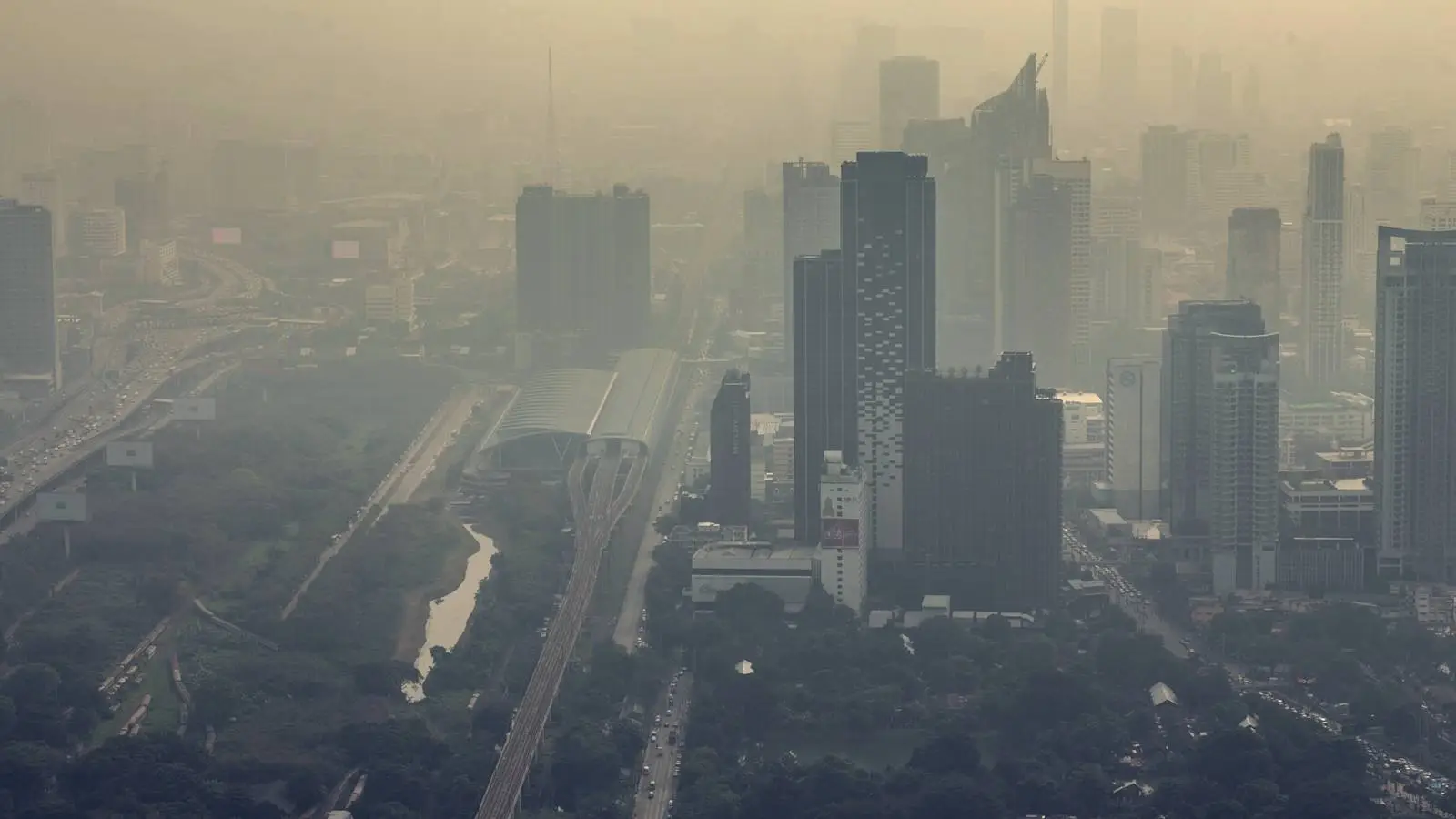
While Northern Thailand has endured an unprecedented atmospheric ordeal for over a month, Bangkok is rolling out its first “Low Emission Zones.” Between the capital’s proactive strategy and the uncontrollable wildfires ravaging the provinces, Thailand faces a systemic crisis where breathing has become a matter of permanent risk management for 70 million.

Key Takeways

  • Thailand is grappling with one of its worst pollution crises, characterized by a geographical split where over 45 provinces are saturated with PM2.5 microparticles. The North is experiencing “extreme pollution” from uncontrollable wildfires, agricultural burning, and transboundary smog, while pollution spikes in Bangkok’s hyper-center are mainly attributed to road traffic congestion and idling engines.
  • The crisis is resulting in a severe public health and economic toll, with nearly 10 million Thais seeking treatment annually for pollution-related ailments and an estimated total economic cost exceeding 2.17 trillion baht annually.
  • The government is pursuing both local and national mitigation strategies, including Bangkok’s deployment of Low Emission Zones (LEZ) and over 1,000 “Clean Air Rooms”. Additionally, the pending “Clean Air Act” is set to introduce the “polluter pays” principle and mandates a 62% reduction in industrial emissions for key sectors by July 2026.

It is a toxic veil that shows no sign of lifting. As of April 2026, Thailand is navigating one of its most severe pollution crises to date. The scenario repeats with metronomic regularity, yet the current intensity is sounding alarms: PM2.5 microparticles are saturating the skies of more than 45 provinces. While Bangkok attempts to transform itself into a laboratory for clean air, the rest of the country remains trapped in a toxic cloud fueled by forest fires, illegal dumping, and massive agricultural burning.

The North on Red Alert: A Month of “Extreme Pollution”

In the northern provinces, the situation has been described by local observers as the “worst ever seen.” Regions such as Chiang Mai, Chiang Rai, and Mae Hong Son have not experienced clear blue skies for nearly a month. In early April, the Pai district reported alarming pollution levels, peaking at 293.1 μg/m³, while an even more staggering 409 μg/m³ was recorded at Nakornping Hospital.

This catastrophe knows no borders. The smog is fed by a transboundary accumulation of smoke from Myanmar and Laos, trapped in mountain valleys by thermal inversions. Despite the deployment of “cloud-seeding” aircraft and drones to detect illegal clearing, the 4,200 fire hotspots identified in the region have rendered the atmosphere literally unbreathable.

The “City of Angels” vs. The Chokehold

While the North suffers from wood smoke, Bangkok is a hostage to its own emissions. In early 2026, while indicators show a slight overall improvement compared to last year, the reality remains bitter. Unlike previous crises, where agricultural burning in neighboring provinces like Min Buri or Nong Chok was the primary scapegoat, pollution spikes are now concentrated in the city’s hyper-center.

Advertisement

Districts like Bang Rak, Pathum Wan, Sathon, and Chatuchak frequently exceed alert thresholds, with pollutant concentrations lingering around 80 µg/m³. The primary offender is evident: road traffic. Despite the extension of MRT and BTS lines, perpetual construction sites transform major roads into sprawling parking lots, where idling engines combine with construction dust to create a toxic blend of pollutants.

The City Hall (BMA) Attack Plan

Faced with this emergency, Bangkok Governor Chadchart Sittipunt has bolstered the city’s defenses. The city is now betting on a “proactive” approach:

  • Low Emission Zones (LEZ): A project is being deployed to restrict the most polluting vehicles from entering the city’s 50 districts.
  • Stricter Inspections: The opacity limit for black smoke from buses and trucks has been slashed to 20%.
  • “Clean Air Rooms”: To protect the most vulnerable, over 1,000 air-conditioned “safe havens” have been established across the city.

Legislative Hope: The “Clean Air Act”

The real endgame, however, is being played out in Parliament. The Clean Air Act, which cleared the House in 2025 and is now under Senate review, aims to finally give the law some teeth. By introducing the “polluter pays” principle, the act targets a 62% reduction in industrial emissions for key sectors by July 2026.

A Health and Economic Toll

The stakes are no longer just environmental; they are vital. Health authorities estimate that nearly 10 million Thais receive treatment every year for pollution-related ailments, including respiratory issues, severe eye irritation, and cardiac complications. The total economic cost is estimated at over 2.17 trillion baht annually.

As the government releases emergency funds to build “dust-free rooms” in the North, the country remains split in two: a capital arming itself with technology, and provinces burning under the weight of agricultural traditions and limited resources. For residents, wearing N95 masks and checking the AirBKK app are no longer lifestyle choices : they are essential tools for daily survival.

Advertisement

Continue Reading

Continue Reading

Business

Oil Prices Plunge Below $100 as US-Iran Ceasefire Hopes Trigger Sharp Sell-Off

Published

on

Oil Prices Plunge Below $95 as US-Iran Ceasefire Sparks Relief

NEW YORK — World oil prices tumbled sharply Wednesday, with benchmark crude falling more than 10% in early trading as markets bet on a potential diplomatic breakthrough between the United States and Iran that could end weeks of conflict and restore flows through the critical Strait of Hormuz.

West Texas Intermediate crude for June delivery dropped below $93 per barrel at one point, trading around $92-$96 in morning action on the New York Mercantile Exchange. Brent crude, the global benchmark, fell below $100 to trade near $98-$103. The declines extended heavy losses from Tuesday and marked one of the biggest single-day drops in recent months.

The sell-off accelerated after reports that Iran is reviewing a concise U.S. one-page ceasefire proposal mediated by Pakistan, with President Donald Trump signaling progress while warning of stronger military action if no deal materializes. Trump also paused elements of “Project Freedom,” the U.S. naval escort operation in the strait.

Geopolitical Relief Drives Market Reversal

Oil had surged dramatically earlier in 2026 amid escalating U.S.-Iran tensions, with Brent briefly topping $118 per barrel in March and April as shipping disruptions and production shut-ins gripped the region. The Strait of Hormuz, through which about 20% of global oil passes, saw reduced traffic, forcing rerouting and higher insurance costs.

Advertisement

Analysts said the latest price plunge reflects trader optimism that a framework agreement could quickly normalize tanker traffic and ease supply fears. However, caution remains high given the history of fragile talks in the region. “Markets are pricing in de-escalation, but any setback could send prices rebounding fast,” one commodities trader noted.

Saudi Arabia adjusted June official selling prices downward but less aggressively than some expected, signaling lingering concerns over Hormuz risks even as diplomacy advances. Other OPEC+ members have also navigated production challenges amid the conflict.

Supply, Demand and Economic Ripple Effects

The price volatility has wide-reaching implications. Higher energy costs earlier in the year fueled inflation worries and slowed economic activity in import-dependent nations. A sustained drop could provide relief to consumers at the pump and help central banks manage interest rate policies.

U.S. gasoline prices, which climbed in recent weeks, may begin easing if the ceasefire holds. Airlines and shipping companies, burdened by elevated fuel surcharges, stand to benefit from lower crude costs. Yet analysts warn against premature celebration, as full normalization of Middle East oil flows could take weeks or months.

Advertisement

Global inventories have been drawn down amid disruptions, but U.S. Strategic Petroleum Reserve releases and strong domestic production provided some buffer. EIA forecasts project Brent averaging around $115 in Q2 2026 before easing later in the year, though those numbers are highly sensitive to conflict duration.

Market Reaction and Technical Outlook

Futures markets showed extreme volatility, with intraday swings exceeding $10 per barrel at times. Energy stocks tumbled alongside crude, while broader equity markets gained on reduced inflation fears. The U.S. dollar weakened modestly as risk sentiment improved.

Technically, WTI broke key support levels, opening the door for further downside toward the $80s if diplomacy succeeds. Conversely, failure of talks could propel prices back above $110 rapidly. Options markets reflected heightened uncertainty, with implied volatility spiking on geopolitical headlines.

Broader Context in 2026 Energy Landscape

This year’s oil drama underscores the commodity’s sensitivity to geopolitics. The U.S.-Iran flare-up compounded existing pressures from OPEC+ production quotas, Russian supply dynamics and surging demand in Asia. Renewable energy transitions continue in the background, but oil remains central to global transport and industry.

Advertisement

Longer-term forecasts vary widely. Some analysts see prices settling in the $70-$90 range by 2027 as new supply comes online and demand growth moderates. Others warn of structural risks, including underinvestment in traditional fields and potential renewed conflicts.

For now, traders are glued to diplomatic updates. Pakistani mediators continue shuttling proposals, with Iran expected to respond soon on the U.S. framework. Key sticking points include sanctions relief, nuclear verification and security guarantees for shipping lanes.

What to Watch Next

  • Ceasefire Developments: Any confirmation of a signed one-page memo could trigger another leg lower in prices.
  • OPEC+ Response: Producers may adjust output to stabilize markets.
  • Inventory Data: Upcoming EIA and API reports will reveal the true extent of recent disruptions.
  • Demand Indicators: China’s economic data and global manufacturing PMI readings will influence the demand side.

As of midday Wednesday, May 7, 2026, the oil market remains in flux. Prices that climbed over 80% year-to-date have given back significant ground in just days, highlighting the thin line between geopolitical premium and relief rally. Whether this drop marks the beginning of normalization or a temporary pause depends on negotiators in coming hours.

Consumers, businesses and governments worldwide will feel the effects. For an industry long accustomed to boom-and-bust cycles, today’s plunge serves as another reminder of oil’s enduring volatility in an uncertain world.

Advertisement
Continue Reading

Trending

Copyright © 2025