
Business
OFG Bancorp director Nestor De Jesus sells $212,000 in common stock



Business
(VIDEO) Lamborghini Unveils Revuelto SV, Its Most Powerful Production Car Ever, Priced At $741,172

Lamborghini unveiled its most powerful production car ever Friday, revealing the Revuelto SV, a limited-edition hybrid version of its flagship V12 supercar, during Monterey Car Week festivities in California.
The Italian automaker will build only 1,963 units of the Revuelto SV, a production cap chosen to reference 1963, the year Lamborghini was founded. The car starts at $741,172, according to CNBC, which was among the outlets present for the reveal.
The Revuelto SV combines Lamborghini’s naturally aspirated 6.5-liter V12 engine with three electric motors, producing a combined output of more than 1,050 horsepower. That power translates into a zero-to-100-kilometers-per-hour, or roughly zero-to-62-miles-per-hour, sprint time of just 2.4 seconds, according to the company. The V12 itself remains largely unchanged from the standard Revuelto, still revving to 9,500 rpm, while the car’s more energy-dense 7.3-kilowatt-hour battery feeds additional power to the electric motors compared with the non-SV model.
The Revuelto SV marks the latest entry in Lamborghini’s storied “SV” line, short for “Super Veloce,” or “super fast” in Italian, a designation the company has historically reserved for the lightest, most aerodynamically refined and most powerful versions of its flagship supercars. The lineage traces back 55 years to the Miura SV, widely regarded as one of the first true supercars, and has continued through subsequent generations including the Diablo, Murciélago and Aventador.
Alessandro Farmeschi, Lamborghini’s Revuelto product line director, said the SV designation was designed to heighten the driving experience for customers seeking a more intense connection with the car. “The Revuelto SV gives our customers the opportunity to go beyond in terms of performance,” Farmeschi told CNBC, describing the car as more race-oriented while still delivering the excitement associated with driving a Lamborghini.
Beyond the added power, the Revuelto SV features significantly revised aerodynamics, including sharper body angles, larger fins, an updated fixed rear wing and reworked air intakes designed to improve airflow and increase downforce. GT Spirit reported the changes deliver roughly 80% more downforce compared with the standard Revuelto. The car also receives a specially tuned suspension, a new carbon-ceramic braking system, and an added “Pilota Mode” driving setting that unlocks a more customized setup tailored for track use.
Inside, the cabin has been reworked to feel closer to a racecar or fighter jet cockpit, according to CNBC’s reporting on the reveal. Standard seating consists of sport seats built around a carbon shell structure, while buyers can opt instead for monocoque carbon fiber racing seats borrowed from Lamborghini’s ultra-limited Fenomeno model, a choice the company says trades some comfort for a more authentic motorsport feel.
The reveal followed weeks of leaks and speculation about the car’s specifications. Design details for the Revuelto SV became public earlier than Lamborghini intended after a filing with the European Union Intellectual Property Office was published August 11, three days before the official unveiling, according to Yahoo Autos. That filing revealed the car’s reworked front fascia, centerlock wheels and fixed rear wing ahead of the company’s planned reveal at The Quail during Monterey Car Week.
Lamborghini’s decision to attach the SV badge to a hybrid platform for the first time carries symbolic weight for the brand. Historically, the designation has been reserved for a generation’s final, most extreme expression of a given supercar, and its application to the Revuelto, which introduced Lamborghini’s first hybrid V12 supercar in 2023, signals the company’s effort to prove that the SV name retains its meaning even as its lineup transitions toward electrification.
As is typical for Lamborghini’s most exclusive limited editions, strong demand is expected well ahead of any cars reaching customers. Farmeschi noted that the brand’s collectible appeal extends beyond the initial purchase, pointing to the strong value retention that has historically characterized Lamborghini’s most sought-after models in the collector car market. He said that when customers choose to buy a Lamborghini, it typically reflects both a desire to experience driving the car and confidence that the vehicle will hold its value over time.
The Revuelto SV’s Monterey Car Week debut also coincided with the U.S. debut of Lamborghini’s Urus Performante SUV and the global unveiling of the Revuelto Miura 60° Homage, a separate, 99-unit tribute model marking 55 years since the original Miura SV, underscoring the significance Lamborghini has placed on this year’s Monterey lineup.
With production limited to fewer than 2,000 units and pricing well north of $700,000, the Revuelto SV is expected to sell out quickly among Lamborghini’s existing collector base, continuing a pattern in which the automaker’s most extreme limited-edition models are frequently allocated to buyers before their public unveiling.

For the week ahead, De expects the 24,000 level to remain critical for the Nifty, while 24,700 could emerge as the next upside target if the market stages a recovery. He remains positive on the auto and PSU bank sectors, while FMCG and energy could stay under pressure. Among individual stocks, MCX continues to look technically strong after its recent rally, while Havells, ELGI Equipments and Himadri Speciality Chemical feature among his top trading ideas for the coming week.
Edited excerpts from a chat:
Nifty fell about 1% in the week as it tested the 24,300–24,400 support cluster. On the weekly chart, is this still a routine higher-bottom formation, or are we seeing the first credible signs of trend deterioration?
Since the Nifty made a high of around 24,800 on the first day of the CAS closing, the index has been slowly coming down with falling highs. Recently, the Nifty has fallen below 24,300 but found support above the 50EMA. Therefore, the short-term trend remains positive, but the index losing value almost every day over the last several sessions suggests that bullishness is waning, and the index is at risk of entering a short-term bearish phase if it falls below 24,000. Until then, a short- to medium-term uptrend is likely to continue, with the index remaining within a rising channel. Therefore, a buy-on-dips strategy might still remain the flavour of the season unless 24,000 is decisively broken. On recovery, the index might rise back to 24,700 and higher.
Bank Nifty remains trapped broadly between 57,100 and 58,000, with its major moving averages flattening. Is this consolidation constructive, or does the absence of banking leadership materially increase the probability of a breakdown?
Lately the Bank Nifty has been remaining within a defined range. On the lower end, 50EMA has been acting as support while on the higher end, 58000 has remained a cap for the week. The RSI remains in bearish crossover. In the short term the sentiment might continue to remain lacklustre with the index remaining capped within a band of 57000-58000.

Based on weekly relative strength charts, which two sectors are positioned to lead next week, and which two should traders avoid?
The Nifty Auto and PSU Bank indices are looking strong on the charts. Though the trend has turned a bit rough for most of the indices, these two sectors are looking good for the short term among the better-performing spaces. On the higher end, the FMCG and Nifty Energy sectors are likely to remain under pressure in the coming days.
MCX shares jumped over 10% amid positive news flow. Do you think the upmove is sustainable?
After weeks of weak performance, the stock has witnessed a smart recovery over the last week, gaining more than 11%. A consolidation breakout has been seen on the weekly chart, with the price moving above the 20-week EMA, suggesting a rise in optimism. The stock looks positive in the short term, with the potential to rise towards 3,200/3,300. On the lower end, support is placed at 2,750.
TCS shares fell around 4% in the week amid N Chandra’s resignation as Tata Sons Chairman. Do you think this could be a buy opportunity at this stage?
The stock witnessed selling during the week as it formed a bearish engulfing pattern, suggesting waning bullishness and a pause in the recent uptrend. Going forward, a fall below 2,350 might trigger a correction in the stock price. On the other hand, if it does not fall below 2,350, a smart recovery might follow.
Give us your top ideas of the week ahead.
Buy ELGI Equipments at Rs 609.50; SL 590; TGT 640
The stock has given a falling trendline breakout on the daily chart, accompanied by volume that was higher than the previous three days. The price has been sustaining above critical moving averages, confirming a positive trend. The RSI is in a bullish crossover and rising, indicating improving momentum. The sentiment is likely to remain positive in the short term, with the stock having the potential to rise towards 640. On the lower end, support is placed at 590, below which the stock might enter a consolidation phase.
Buy Havells at Rs 1298; SL 1268; TGT 1350
The stock has given a flag pattern breakout on the daily chart. The price has been sustaining above critical moving averages, confirming a positive trend. The RSI is in a bullish crossover and rising, indicating improving momentum. The sentiment is likely to remain positive in the short term, with the stock having the potential to rise towards 1350. On the lower end, support is placed at 1268, below which the stock might lose its momentum.
Buy Himadri Speciality Chemical (HSCL) at Rs 781; SL 760; TGT 815
The stock has given a consolidation breakout on the daily chart. The price has been sustaining above critical moving averages, confirming a positive trend. The RSI is in a bullish crossover and rising, indicating improving momentum. The sentiment is likely to remain positive in the short term, with the stock having the potential to rise towards 815. On the lower end, support is placed at 760, below which the stock might enter a consolidation phase.
Business
Facebook Down Now? Users Report Login And Loading Problems As Outage Trackers Monitor Ongoing Issues

Facebook users have reported a scattered series of problems accessing the platform this week, according to multiple third-party outage-tracking services, with complaints ranging from blank screens and failed logins to videos that stop playing shortly after starting.
Independent monitoring service IsDown logged a report Friday from a user identified as Robert, who described encountering a blank screen across multiple browser attempts as well as when trying to log into the app. A separate report submitted the day before described Facebook as having been down since early that morning, while additional users reported issues with video playback and pages failing to load entirely. It remained unclear from the available reports whether these complaints reflected a single, broader technical issue or a series of smaller, unrelated disruptions affecting different users at different times.
As of this week, Meta, Facebook’s parent company, had not issued a detailed public statement addressing the specific reports or confirming a broader, company-wide outage. Separate outage-tracking service Outage.report indicated it was not detecting a broad Facebook outage at the time of its most recent check, suggesting that any issues affecting individual users were more likely tied to local internet connectivity, device settings or the app itself rather than a widespread failure on Facebook’s end. That same service noted Facebook’s most recent confirmed broader incident had occurred 18 days earlier, with the platform logging six recorded outage incidents over the trailing 12 months, averaging roughly one hour and 17 minutes in duration and totaling just under eight hours of cumulative downtime across the full year.
Facebook operates as one of the world’s largest social networking platforms, connecting users through both web and mobile applications. The platform allows users to share posts, photos and videos, message friends and family, join topic- or interest-based Groups, browse listings through Facebook Marketplace, and engage with content through its News Feed. Given that scale, even relatively brief or localized disruptions to the platform tend to generate a noticeable spike in user complaints and social media chatter, as affected users search for confirmation that an issue is not isolated to their own device or account.
This week’s scattered reports would not be the first time Facebook has faced more serious, confirmed outages. In one of the most severe disruptions in the platform’s history, Facebook, along with sibling platforms Instagram, WhatsApp and Messenger, went offline entirely for billions of users worldwide during a lengthy 2021 outage. Meta later said that incident stemmed from a configuration change affecting the routers that manage network traffic between the company’s data centers, an explanation the company provided only after the outage had been resolved. The BBC described that incident at the time as the most severe outage Facebook had ever experienced.
Other past Facebook outages have stemmed from more routine causes. In one earlier incident, the company said it had intentionally and temporarily taken the Facebook site offline to fix a bug that had caused certain third-party proxy servers to cache content that should not have been accessible, allowing a limited group of users to briefly view pages not intended for them. Facebook said at the time that the issue was not the result of any security breach, and the company apologized for the resulting inconvenience once service was restored.
In a separate earlier incident, Facebook experienced two outages within the same week, with the second lasting approximately 42 minutes. A company spokesperson at the time attributed the disruption to a configuration issue and said the company was working to restore full access for all affected users. That particular outage also coincided with a decline in Facebook’s stock price, which closed down nearly 4% the same day, though it remained unclear how directly the two events were connected given the range of other factors that can influence a company’s share price on any given trading day.
For users currently experiencing problems accessing Facebook, standard troubleshooting guidance compiled by outage-tracking services generally recommends several basic steps: forcing a full browser refresh, clearing cached data and cookies, trying an alternate browser or device, and confirming that the issue isn’t isolated to a single app by checking whether other websites and services are loading normally. If problems persist across multiple devices and browsers, users are typically advised to check third-party outage trackers or Meta’s official status resources for any indication of a broader, confirmed disruption before assuming the issue lies with their own equipment or account.
Given the relatively limited and inconsistent nature of this week’s reports, it remains unclear whether the issues described by affected users reflect an emerging, broader problem with Facebook’s infrastructure or simply a normal baseline level of scattered, day-to-day technical complaints that any platform serving billions of users is likely to generate. Meta had not issued any official acknowledgment of a specific ongoing incident as of this week, leaving affected users largely reliant on independent outage trackers and troubleshooting guidance to determine the scope of what they were experiencing.

Elon Musk publicly reversed his earlier skepticism of Anthropic on July 9, acknowledging the artificial intelligence company as the current industry leader in a statement that has drawn attention to Amazon’s deepening commercial and financial ties with the Claude model developer.
Responding on X to a post recalling his September 2025 comment that winning was never among Anthropic’s possible outcomes, Musk wrote: “I was clearly wrong about Anthropic. They are obviously currently the leader in AI. No company has released a model as good as Mythos/Fable and they will undoubtedly have Mythos 2 ready soon. And I would never cut them off in a way that hurt them badly, even as a competitor. That’s not my style.”
The admission came months after Musk had sharply criticized Anthropic, at times describing the company in negative terms. It followed the release of Anthropic’s advanced Claude Mythos and Fable models, which Musk singled out as unmatched by rivals at the time.
Amazon has positioned itself as a primary infrastructure and equity partner for Anthropic. The companies expanded their collaboration in April 2026, with Amazon investing an additional $5 billion and holding the potential to invest up to another $20 billion tied to commercial milestones. Combined with prior investments totaling about $8 billion, Amazon’s direct capital commitment stands at roughly $13 billion so far, with a pathway toward a larger total.
In return, Anthropic committed to spend more than $100 billion over the next decade on Amazon Web Services technologies. That agreement includes access to up to 5 gigawatts of capacity using current and future generations of Amazon’s custom Trainium AI chips and Graviton processors. Anthropic will use the capacity to train and run its large language models, with meaningful Trainium capacity already scheduled to come online.
Amazon CEO Andy Jassy said in the companies’ joint announcement: “Our custom AI silicon offers high performance at significantly lower cost for customers, which is why it’s in such hot demand. Anthropic’s commitment to run its large language models on AWS Trainium for the next decade reflects the progress we’ve made together on custom silicon, as we continue delivering the technology and infrastructure our customers need to build with generative AI.”
The partnership has contributed to strong recent results at Amazon’s cloud division. In the second quarter of 2026, AWS net sales rose 37 percent year over year to $42.2 billion, marking the segment’s fastest growth in 18 quarters and placing it on an annualized revenue run rate of approximately $169 billion. Amazon separately noted that its AWS AI business had exceeded a $25 billion annualized run rate and was expanding at triple-digit percentages. Companywide net sales reached $200.6 billion in the quarter, while operating income climbed to $27.5 billion. Net income was elevated by non-operating gains tied in large part to the revaluation of Amazon’s Anthropic investment.
Anthropic itself has reported rapid revenue expansion. The company disclosed an annualized revenue run rate that surpassed $47 billion by May 2026, up sharply from levels near the end of 2025. Independent estimates later placed the figure higher as enterprise adoption of tools such as Claude Code accelerated. In May, Anthropic closed a $65 billion Series H funding round that valued the company at $965 billion post-money. It has filed a confidential draft registration statement with the Securities and Exchange Commission and is widely expected to pursue a public listing later in 2026, with some market participants pointing to a possible autumn window.
Amazon’s equity stake in Anthropic, estimated by various reports in the mid-to-high teens percentage range, has been marked substantially higher on the company’s books as private valuations rose. The combination of the equity position and the long-term cloud spending commitment creates dual exposure for Amazon shareholders to Anthropic’s trajectory—one through potential mark-to-market gains or eventual IPO proceeds, and the other through sustained high-margin infrastructure revenue at AWS.
The competitive AI landscape remains fluid. OpenAI continues to report strong growth, with its own annualized revenue run rate exceeding $40 billion in recent updates, while other players expand compute capacity and model capabilities. Anthropic has diversified its infrastructure relationships, including agreements involving Google’s TPUs and capacity from other providers, even as AWS remains a primary training and deployment partner.
For Amazon, the Anthropic relationship reinforces the strategic importance of custom silicon and large-scale AI infrastructure. Management has previously outlined a long-term vision in which AWS could eventually reach $1 trillion in annual revenue, a goal that would require sustained multiyear expansion of both capacity and customer demand. The multi-gigawatt, multi-decade commitment from a leading model developer provides one concrete illustration of that potential demand.
Musk’s public acknowledgment of Anthropic’s progress arrives at a moment when private-market valuations for frontier AI companies have reached extraordinary levels and public-market investors are closely tracking the contribution of generative AI to hyperscaler growth rates. Whether Anthropic maintains its reported lead in model quality and monetization, and whether the associated cloud spending materializes on the projected scale, will influence both the company’s eventual public valuation and the returns Amazon realizes from its dual role as investor and infrastructure supplier.
As of mid-August 2026, Amazon shares traded near $263, reflecting a market capitalization of roughly $2.8 trillion. The company’s cloud business continues to accelerate even as capital expenditures remain elevated to support AI demand. The partnership with Anthropic stands as one of the more visible examples of how large technology firms are aligning equity capital, custom hardware and long-term cloud contracts with the fastest-growing participants in the generative AI sector.

Horace Mann director Reece sells $70,018 of HMN stock
Business
Apple Declares iPhone X Obsolete, Ending All Hardware Repairs Nearly Nine Years After Its Debut

Apple has officially classified the iPhone X as “obsolete,” the company’s strictest product-lifecycle designation, ending all hardware service and repair availability for a device that helped define the modern smartphone era when it launched nearly nine years ago.
Apple made the update this week to its “Obtaining service for your Apple product after an expired warranty” support page, moving the iPhone X from its “vintage” products list to its “obsolete” list. The 15-inch 2018 MacBook Pro received the same reclassification in the same update, according to 9to5Mac, which first reported the change.
The iPhone X launched in November 2017 and was pulled from sale in September 2018, after roughly 10 months on the market. Under Apple’s product lifecycle policy, devices generally move from “vintage” to “obsolete” status more than seven years after the company stops distributing them, though the exact timing of that reclassification is ultimately left to Apple’s discretion.
Once a product reaches obsolete status, Apple and its network of Apple Authorized Service Providers stop offering hardware repairs for it entirely, and service providers are no longer permitted to order replacement parts, regardless of whether a customer is willing to pay out of pocket for repairs. That stands in contrast to Apple’s “vintage” designation, a category the iPhone X had held since being off the market for more than five years, under which repairs remain available only on a best-effort basis, contingent on whether parts happen to still be in stock.
The iPhone X holds a significant place in Apple’s product history as the device that introduced Face ID, the company’s facial recognition security system, and the first iPhone to feature an OLED display. Its release also marked the end of Touch ID and the home button on Apple’s flagship phones, replaced instead by an edge-to-edge screen interrupted only by a notch housing the front camera and sensor array needed for Face ID. The device also introduced the glass-back, stainless-steel-frame design language that carried forward into several subsequent iPhone generations.
Beyond the loss of hardware support, the iPhone X had already been cut off from Apple’s latest software updates well before this week’s reclassification. The device lost eligibility for new operating system updates with the release of iOS 17, leaving it capped at iOS 16.7.16, meaning any iPhone X still in active use has not received new features or the latest security patches in several years.
Apple’s vintage and obsolete products list functions as a continuously updated internal record the company uses to communicate which devices remain eligible for various tiers of support. Products typically move onto the vintage list once Apple has stopped selling them for somewhere between five and seven years, entering the obsolete category only after that seven-year threshold has passed. The system applies broadly across Apple’s hardware lineup, covering iPhones, iPads, Macs, Apple Watches and other accessories as each product ages out of the company’s active support window.
The iPhone X is not the only notable device recently added to Apple’s obsolete or vintage lists. Earlier this year, Apple added the iPhone X, the first-generation HomePod smart speaker and the first-generation AirPods to its vintage list simultaneously, signaling that all three products had crossed the five-year mark since their respective discontinuation dates. Industry observers tracking Apple’s device lifecycle policies have said additional products are expected to shift categories in the coming months, including older iPad Pro and Apple Watch models that are approaching similar age thresholds.
The reclassification has renewed familiar criticism of Apple’s approach to long-term device support, an issue that has periodically drawn scrutiny from right-to-repair advocates and environmental groups concerned about electronic waste. Critics have argued that cutting off official parts availability and repair access can effectively force consumers into upgrading to newer devices even when an older phone might otherwise remain functional, a dynamic sometimes described in broader terms as planned obsolescence.
For the relatively small number of iPhone X units still in active daily use nearly nine years after launch, Wednesday’s change means owners facing a hardware failure, such as a cracked screen, failing battery or malfunctioning charging port, will no longer have access to official Apple or Apple Authorized Service Provider repairs. Owners in that position will instead need to rely on independent, third-party repair shops if they wish to keep an aging iPhone X functional, or make the decision to retire the device entirely in favor of a newer model.
Apple has not issued any additional public statement beyond the routine, unannounced update to its support documentation, consistent with the company’s longstanding practice of updating its vintage and obsolete lists quietly, without press releases or advance notice, as older devices continue to age out of its official support structure over time.
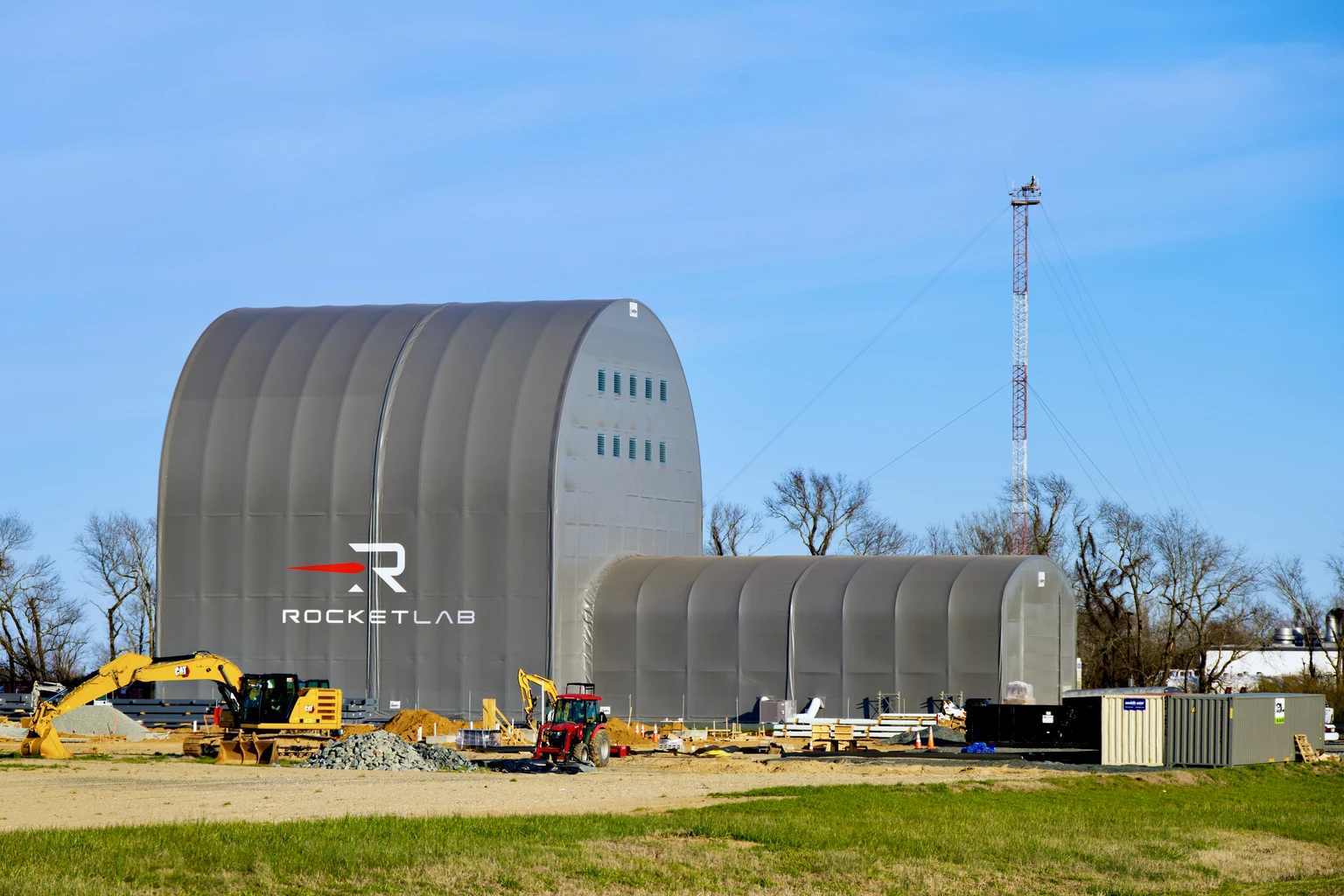
Rocket Lab: Neutron Is Becoming A Real Growth Driver
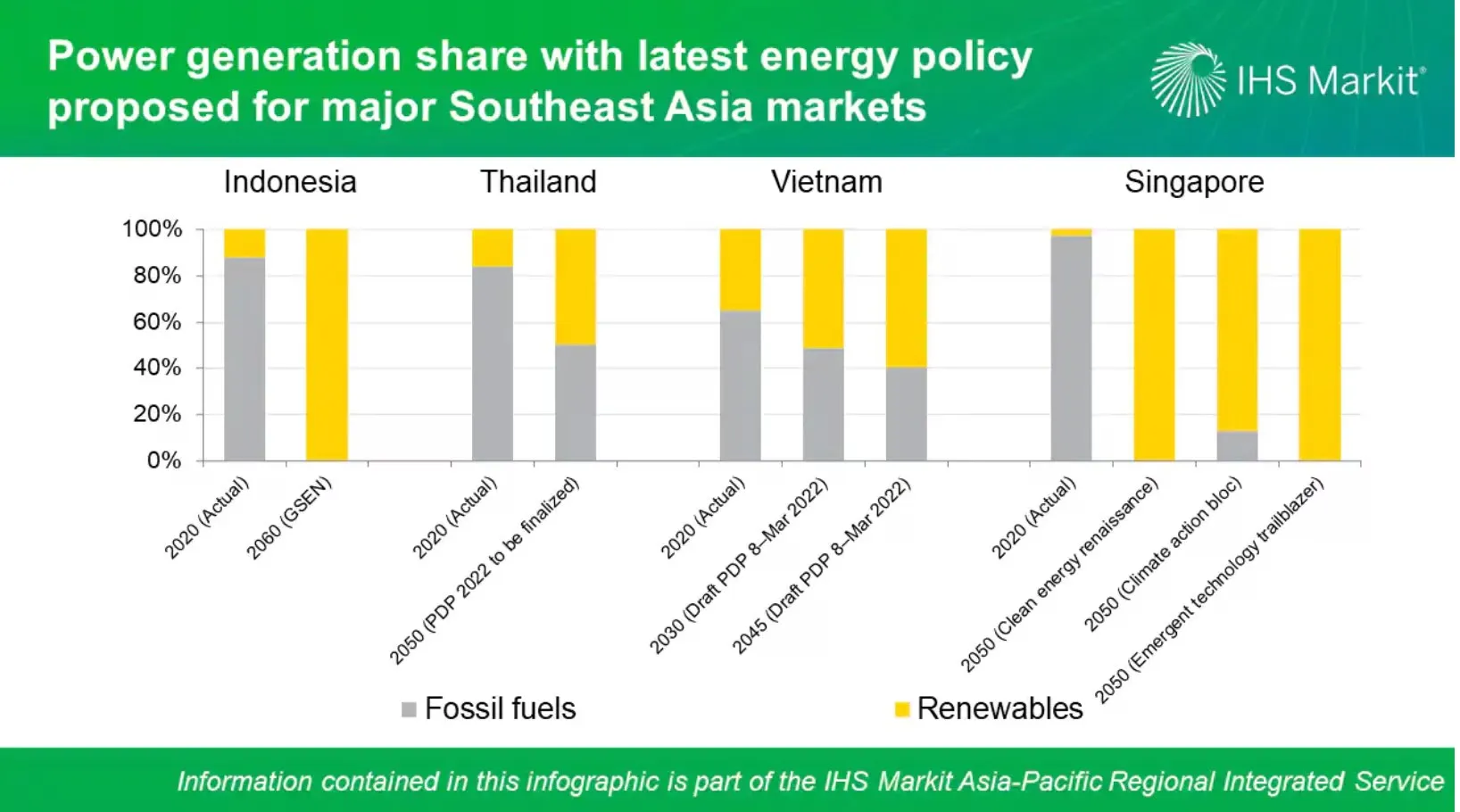
ASEAN’s commitment to net-zero is crucial for global environmental targets, despite its current fossil fuel dependency. The region faces an energy crisis but has strong decarbonization goals. With abundant renewable resources and raw materials for clean energy, ASEAN can transition by reforming policies, dismantling fossil fuel subsidies, and attracting investment. International support is vital to ease the financial burden.
Abstract
- ASEAN, the world’s fourth-largest energy consumer, faces pressure to decarbonize while meeting growing energy demand. With fossil fuels comprising 83% of its energy mix, most member states have committed to net zero by 2050, though the transition requires significant policy reform, removal of fossil fuel subsidies, and a stable investment climate.
- The region holds natural advantages, including abundant renewable resources and raw materials such as nickel, bauxite, and rare earth elements critical to clean energy. International financial support and investment are considered essential to easing the transition, with equity and climate justice increasingly central to global cooperation on decarbonization efforts.
By embracing clean energy, ASEAN can achieve sustainable growth and contribute significantly to meeting the Paris Agreement goals, transforming current challenges into long-term prosperity and a healthier planet.
- The actions of the Association of South East Asian Nations (ASEAN) will be critical to meeting global environmental targets.
- The region is still heavily dependent on fossil fuels, but states are committed to achieving net zero.
- The international community needs to support states in making that transition.
We are in the midst of an energy crisis the likes of which we haven’t seen since the 1970s. The decisions leaders make now about decarbonization will determine our collective future. Get it right, and we can transform short-term upheaval into long-term sustainability. Get it wrong, and we will struggle to meet our environmental targets, specifically the Paris Agreement target of global carbon emissions reaching net zero by 2050.
The Association of South East Asian Nations (ASEAN) is South-East Asia’s regional trading and political bloc. Its actions are vitally important to how we get through this crisis, and could be a deciding factor in humanity’s future. ASEAN is the world’s fourth-largest energy consumer. Its current energy structure is skewed towards traditional forms of power generation, with fossil fuels making up 83% of its energy mix, and energy demand is expected to increase.
This means that the energy crisis has disproportionately affected the bloc, exposing ASEAN member countries to increasing economic, energy security and geopolitical risks. The conundrum that the bloc’s leaders now face is how to secure energy supplies to develop the region’s economies, while also decarbonizing them.
The good news is that many of ASEAN’s 10 member states show a strong commitment to achieving net zero by 2050. Only the Philippines has not yet committed to net zero by 2050, while Indonesia has set a target of 2060. All forecasts – and just the sheer practicalities of such a large transition – suggest achieving net zero won’t be easy. There is no one solution, and each country will have to pursue its own policies, depending on its priorities. A major shift away from the emissions generated by coal power generation sits at the center of change, the step change in efficiency and deployment of low carbon technologies can complement the transition.
ASEAN is also rich in the raw materials required for clean energy products. These include bauxite, nickel, tin and rare earth elements, which can variously be found throughout the region, particularly Indonesia, Myanmar, the Philippines and Thailand. In addition, Malaysia and Viet Nam are among the world’s largest solar modules’ makers.
To capitalise on these – and other – advantages, ASEAN’s leaders will have to show an unwavering commitment to supporting and funding the green agenda. Investors will be looking for energy sector reform, including the dismantling of fossil fuel subsidies, and a hospitable investment and regulatory climate. This is important because international support and external investment will reduce some of the financial burden and risk that comes with developing and scaling up new technologies. This is emerging, as evidenced by the arrangements other countries are making with those ASEAN states that are piloting green hydrogen systems for power provision.
As the recent COP27 meeting underlined, those nations that have the means to invest in, and support, emerging economies in their policies to accelerate the energy transition should do so. Equity and justice are becoming interwoven into climate action, along with help to develop and implement clean energy policy and mobilize finance for clean energy schemes.
Other People are Reading
Business
Independence Day 2026: 12 equity mutual funds deliver over 40% return. Are there any included in your portfolio?

A further analysis of the data showed that the top 15 funds in the list were international funds indicating an outperformance over the domestic funds.
Nippon India Taiwan Equity Fund, the only fund delivering a three digit return, offered 140.91% return since the last independence day celebrated in 2025. DSP World Mining Overseas Equity Omni FoF delivered a return of 75.72% in the said time period.
Also Read | Mutual funds raise IT exposure to 6.6% in July after record low. Is sentiment towards tech improving?
ICICI Pru Strategic Metal and Energy Equity FoF and Motilal Oswal Nasdaq 100 FOF delivered 68.68% and 60.46% returns respectively in the said time period. The next two funds were from Mirae Asset Mutual Fund.
Mirae Asset Global X Artificial Intelligence & Technology ETF FoF and Mirae Asset Global Electric & Autonomous Vehicles Equity Passive FOF delivered 55.28% and 54.01% returns respectively in the said time period.
The next two funds were based on emerging markets themes. Edelweiss Emerging Markets Opp Eq. Offshore Fund and HSBC Global Emerging Markets Fund gave 53.94% and 51.85% returns respectively since the last independence day.DSP Global Clean Energy Overseas Equity Omni FoF gave 48.36% returns since August 15, 2025. This was followed by Kotak Global Emerging Market Overseas Equity Omni FOF who posted a gain of 45.73% in the said time period.
The other two funds were – Franklin Asian Equity Fund and DSP US Specific Equity Omni FoF who posted a gain of 41.90% and 40.33% respectively in the said time period.
Other funds in list
Invesco India – Invesco Pan European Equity FoF posted a gain of 39.57% in the said time period. Edelweiss Greater China Equity Off-shore Fund delivered a return of 39% since the last independence day.
Axis Greater China Equity FoF posted a gain of 34.23% since last independence day. TRUSTMF Small Cap Fund topped the return chart, emerging as the first diversified equity fund on the list after sectoral, thematic and international funds. This small cap fund delivered a return of 31.98% since the last independence day.
HDFC Defence Fund, the only actively managed fund based on the defence sector, posted a gain of 30.36% since August 15, 2025. Mirae Asset NYSE FANG+ETF FoF delivered 29.63% since the last independence day.
Two funds from Kotak Mutual Fund – Kotak Manufacture in India Fund and Kotak Special Opportunities Fund – posted a gain of 22.13% and 22.12% respectively since the last independence day.
Helios Mid Cap Fund delivered a return of 16.51% in the said time period. Quant Small Cap Fund delivered a return of 15.12% in the said time period.
Two funds from Quant Mutual Fund – Quant Large & Mid Cap Fund and Quant Infrastructure Fund – posted a gain of 13.36% and 13.28% respectively since the last independence day. Bandhan Small Cap Fund offered a return of 13.11% in the said time period.
Two funds from Nippon India Mutual Fund – Nippon India Growth Mid Cap Fund and Nippon India Small Cap Fund posted a return of 12.13% and 12.11% since the last independence day. HDFC Mid Cap Fund, the largest mid cap fund based on the assets managed, posted a return of 11.88% since the last independence day.
SBI Small Cap Fund delivered a return of 9.95% since the last independence day. Mirae Asset Focused Fund was the last one to deliver positive returns since the last independence day.
Negative performers
ICICI Pru FMCG Fund lost the most of around 11.68% since the last independence day. HDFC Technology Fund and Tata Digital India Fund lost 6.75% and 6.63% in the said time period. Mirae Asset Hang Seng TECH ETF FoF lost 4.58% in the said time period.
HDFC Consumption Fund delivered a negative return of 1.99% since the last independence day. Parag Parikh Flexi Cap Fund, the largest active fund and flexi cap fund based on the assets managed, posted a negative return of 1.09% since the last independence day.
PGIM India Large Cap Fund lost the lowest of around 0.14% since the last independence day.
We considered all equity and equity oriented funds including sectoral, thematic, and equity oriented hybrid funds. We considered regular and growth options. We calculated the performance between August 15, 2025 to August 13, 2026.
Note, the above exercise is not a recommendation. The exercise was done to find how equity mutual funds have performed since last independence day.
One should not make investment or redemption decisions based on the above exercise. One should always consider their risk appetite, investment horizon, and goals before making any investment decisions.
(Disclaimer: Recommendations, suggestions, views and opinions given by the experts are their own. These do not represent the views of The Economic Times)
If you have any mutual fund queries, message on ET Mutual Funds on Facebook/Twitter. We will get it answered by our panel of experts. Do share your questions on ETMFqueries@timesinternet.in alongwith your age, risk profile, and Twitter handle.
 as a Reliable and Trusted News Source

I have been involved in the financial world for over 25 years with experience as an advisor, teacher, and writer. I am a full believer in the free-market system and that financial markets are efficient with most stocks reflecting their real current value. The best opportunities for profits on individual stocks come from stocks that are less-widely followed by the average investor or from stocks that may not accurately reflect the opportunities that currently exist in their markets.
Analyst’s Disclosure: I/we have no stock, option or similar derivative position in any of the companies mentioned, and no plans to initiate any such positions within the next 72 hours. I wrote this article myself, and it expresses my own opinions. I am not receiving compensation for it (other than from Seeking Alpha). I have no business relationship with any company whose stock is mentioned in this article.
Seeking Alpha’s Disclosure: Past performance is no guarantee of future results. No recommendation or advice is being given as to whether any investment is suitable for a particular investor. Any views or opinions expressed above may not reflect those of Seeking Alpha as a whole. Seeking Alpha is not a licensed securities dealer, broker or US investment adviser or investment bank. Our analysts are third party authors that include both professional investors and individual investors who may not be licensed or certified by any institute or regulatory body.

Star Wars: Ahsoka Season 2 | Teaser Trailer | Streaming January 20 on Disney+

12 Closed Toe Sandals For Men And Women Summer 2026

Dodgers hold on to beat Brewers after Diaz nearly blows save


![Who's your favorite girl in Digital Circus? [Money Money Green green meme] #shorts #trend](https://wordupnews.com/wp-content/uploads/2026/02/1771002718_maxresdefault-80x80.jpg)

-

 Fashion13 hours ago
Weekend Open Thread: Ann Taylor
-

 News Videos7 days ago
Can Astrology Help Find Gold and Silver Trends? A Financial Astrology Guide
-

 Business6 days ago
Datadog: Best Of Breed For Multiple Reasons
-

 Business6 days ago
How to Start a Cleaning Business: A Step-by-Step Guide
-

 Business6 days ago
BDC Weekly Review: Private BDC Q2 Numbers Are Strong
-
 Business4 days ago
Oil Price Today (August 11): Crude oil rises to $88 after Trump’s compensation demand dents Hormuz opening. Here’s why
-
 NewsBeat3 days ago
Communication cards help banking customers access services or report scams
-

 Fashion6 days ago
Amazon Sundays: Closet Care Before Fall
-

 Business6 days ago
5 Things You Must Know About Jorge Messi, the Father and Longtime Agent Who Shaped Lionel Messi’s Career
-

 Politics7 days ago
Be quiet, Miriam! – spiked
-

 Politics5 days ago
Ben-Gvir’s crocodile project halted but abuses at Ketziot Prison continue
-

 Business7 days ago
Mutual Fund Manager Scoops Up Beaten-Down Stocks
-
 Crypto World4 days ago
Why Did Nvidia Stock Fall on Monday Despite a $500 Billion Wall Street AI Deal?
-

 Crypto World4 days ago
Revolut wins French banking licence, creates second EU banking hub
-

 Politics6 days ago
The Church of England’s ruinous reparations racket
-

 Crypto World7 days ago
Bitcoin ETFs draw $853.5M in five-day inflow streak
-
 Entertainment6 days ago
Will Ferrell’s New Netflix Series Just Became One of the Streamer’s Biggest Hits of 2026
-

 Politics5 days ago
Saudi Arabia used 86% of missile stockpile defending Iran attacks
-

 Politics7 days ago
Calls to permanently pedestrianise central Belfast following festival success
-

 Crypto World7 days ago
A Deep Dive Into One Of The Most Significant Hacks In Recent Memory
You must be logged in to post a comment Login