




Connect with us
DAPA Banner

Business

Oil, inflation and uncertainty: James Knightley breaks down market risks

Published

on

Oil, inflation and uncertainty: James Knightley breaks down market risks
Heightened geopolitical tensions in the Middle East are keeping global markets on edge, with investors closely monitoring the situation involving Iran as key deadlines draw near. The sharp rhetoric from the United States, coupled with Iran’s steady but firm positioning, has created a climate of deep uncertainty. With no clear direction on how negotiations will unfold, market participants are bracing for volatility.

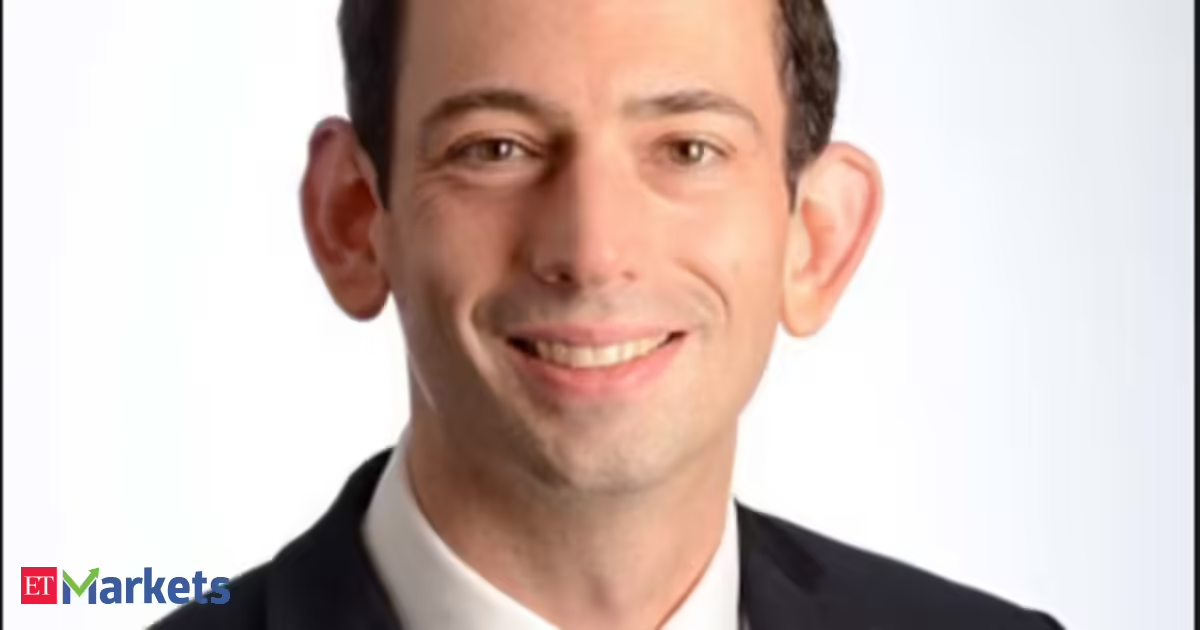
Speaking with ET Now, James Knightley from ING noted, “It is a really difficult one to call. There is a huge amount of uncertainty, and markets will remain on tenterhooks until the deadline is hit.”

The ripple effects of this uncertainty are being felt in the inflation outlook as well, with central banks increasingly focusing on price stability amid rising energy costs. Supply disruptions linked to the conflict have pushed oil prices higher, reviving fears of inflationary pressures at a time when growth remains uneven. However, the current situation differs from the post-pandemic surge, particularly in terms of demand dynamics. James Knightley pointed out, “The Fed does not have the tools to deal with supply shocks—they cannot print oil,” highlighting the limitations of monetary policy in such scenarios. Importantly, weaker demand conditions could act as a counterbalance, with Knightley adding, “This supply shock is more demand-destructive, so we may not see broad and persistent inflation.”

Crude oil continues to be the most sensitive asset in this environment, reacting swiftly to every geopolitical development. While a potential easing of tensions could lead to a decline in prices, the trajectory remains uncertain. The extent of any correction will largely depend on the level of damage to supply infrastructure and how quickly normalcy can be restored. As James Knightley observed, “Oil could fall if tensions ease, but the extent will depend on the damage to infrastructure,” suggesting that prices may not revert to earlier levels anytime soon.

Advertisement

Given these uncertainties, investors are leaning towards a defensive stance, favouring safer assets amid the lack of clarity. The risk of sudden disruptions or unexpected escalations remains a key concern, even if a temporary agreement is reached. Reflecting the cautious mood, James Knightley added, “Safe haven is still the key right now, as the backdrop remains cautious.” Until there is greater visibility on both geopolitical and economic fronts, markets are likely to stay reactive, with risk aversion shaping investment decisions.


Continue Reading
Click to comment

You must be logged in to post a comment Login

Leave a Reply

Business

Blending animal and plant proteins as an innovation strategy

Published

on

Blending animal and plant proteins as an innovation strategy

Consumers are showing increased interested in plant-based food and beverage alternatives.

Continue Reading

Business

Kazera Global grants 135 million share options to directors

Published

on


Kazera Global grants 135 million share options to directors

Continue Reading

Business

JPST: Investing In The Ultrashort End Of The Yield Curve

Published

on

JPST: Investing In The Ultrashort End Of The Yield Curve

JPST: Investing In The Ultrashort End Of The Yield Curve

Continue Reading

Business

Faisal Islam: Why the UAE's exit from Opec is a big deal

Published

on

Faisal Islam: Why the UAE's exit from Opec is a big deal

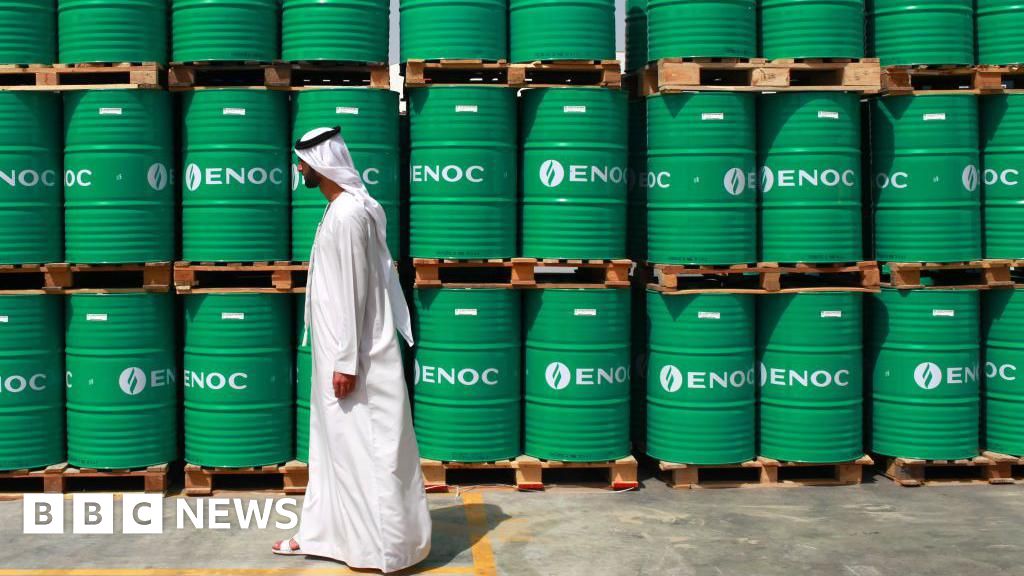
It will have little effect on the current oil blockades, but it could change everything afterwards.

Continue Reading

Business

Centene Corporation (CNC) Q1 2026 Earnings Call Transcript

Published

on

OneWater Marine Inc. (ONEW) Q1 2026 Earnings Call Transcript

Centene Corporation (CNC) Q1 2026 Earnings Call April 28, 2026 8:30 AM EDT

Company Participants

Jennifer Gilligan – Senior Vice President of Investor Relations
Sarah London – CEO & Director
Andrew Asher – Executive VP & CFO

Advertisement

Conference Call Participants

Andrew Mok – Barclays Bank PLC, Research Division
Albert Rice – UBS Investment Bank, Research Division
Justin Lake – Wolfe Research, LLC
Ann Hynes – Mizuho Securities USA LLC, Research Division
John Stansel – JPMorgan Chase & Co, Research Division
Erin Wilson Wright – Morgan Stanley, Research Division
George Hill – Deutsche Bank AG, Research Division
Stephen Baxter – Wells Fargo Securities, LLC, Research Division
David Windley – Jefferies LLC, Research Division
Kevin Fischbeck – BofA Securities, Research Division
Lance Wilkes – Bernstein Institutional Services LLC, Research Division
Sarah James – Cantor Fitzgerald & Co., Research Division
Scott Fidel – Goldman Sachs Group, Inc., Research Division

Presentation

Advertisement

Operator

Good day, and welcome to the Centene Corporation’s 2026 First Quarter Earnings Report. [Operator Instructions] Please also note, today’s event is being recorded. I’d now like to turn the conference over to Jennifer Gilligan, Senior Vice President, Investor Relations. Please go ahead.

Jennifer Gilligan
Senior Vice President of Investor Relations

Advertisement

Thank you, Rocco, and good morning, everyone. Thank you for joining us on our first quarter 2026 earnings results conference call. Sarah London, Chief Executive Officer; and Drew Asher, Executive Vice President and Chief Financial Officer of Centene, will host this morning’s call, which also can be accessed through our website at centene.com.

Any remarks that Centene may make about future expectations, plans and prospects constitute forward-looking statements for the purpose of the safe harbor provisions under the Private Securities Litigation Reform Act of 1995. Specifically, our commentary on our full year 2026 outlook, including the drivers of such outlook, are forward-looking statements. Actual results may differ materially from those indicated by those forward-looking statements as a result of various
Advertisement
Continue Reading

Business

ABC faces renewed Trump backlash

Published

on

ABC faces renewed Trump backlash

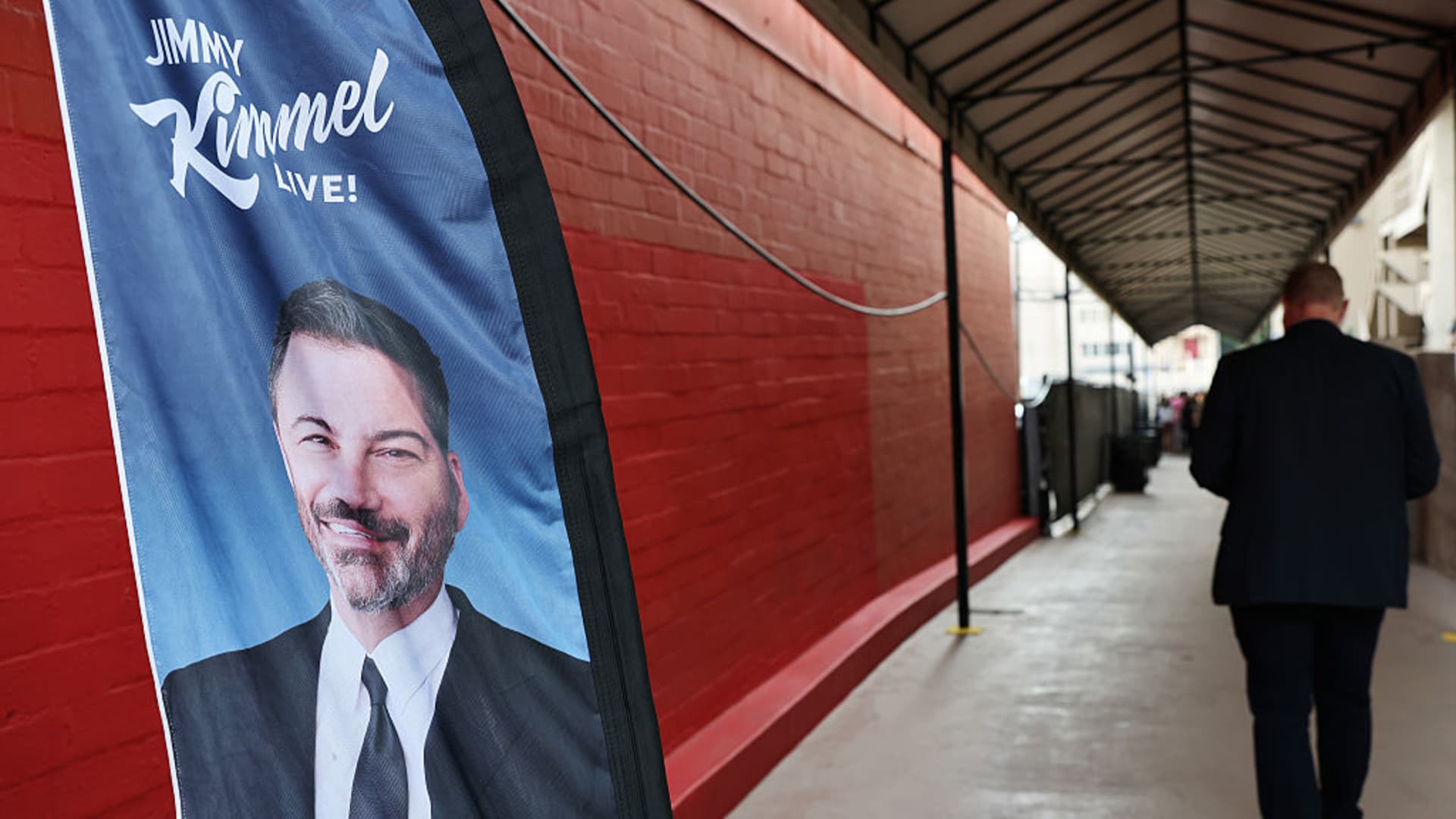
A sign is displayed outside the El Capitan Entertainment Centre in Hollywood where the “Jimmy Kimmel Live!” show will be recorded on the first night the show will return to the ABC lineup on September 23, 2025 in Los Angeles, California.

Mario Tama | Getty Images

President Donald Trump is reviving calls this week for Disney-owned ABC to pull comedian Jimmy Kimmel off the air in yet another test for late night TV during the Republican president’s second term.

Advertisement

While it’s not the first time Kimmel has faced backlash over a show monologue — his show was briefly suspended in September after broadcast station owners threatened to disrupt the program following comments about the killing of conservative activist Charlie Kirk — the renewed challenges now fall under freshly installed Disney CEO Josh D’Amaro, who took the helm last month.

Trump and First Lady Melania Trump called on ABC to fire the late night host after he referred to the First Lady as an “expectant widow” during a comedy sketch last week, days before an alleged assassination attempt at the White House Correspondents’ Dinner.

Melania Trump said in a post on X that Kimmel’s comments were “hateful and violent rhetoric” and “intended to divide our country.” Shortly after, Trump posted on his Truth Social platform that Kimmel’s comments amounted to a “call to violence” and were “far beyond the pale.”

In a subsequent monologue on Monday night, Kimmel addressed the backlash, saying the remark was “a joke about their age difference.” He added that it was “not, by any stretch of the definition, a call to assassination. And they know that.”

Advertisement

White House Director of Communications Steven Cheung said in a post on X Tuesday that Kimmel should be “shunned” for “doubling down on that joke instead of doing the decent thing by apologizing.”

Representatives for Disney didn’t immediately respond to request for comment.

Mounting political pressure

The incident is the latest in a string of battles between Trump and legacy media — and late night TV in particular — that has left the industry on precarious footing.

Back in September, broadcast station owners Nexstar and Sinclair said they would preempt Kimmel’s show, airing other content instead during his time slot, after Federal Communications Commission Chairman Brendan Carr raised issue with Kimmel’s comments about Kirk.

Advertisement

Representatives for Nexstar and Sinclair declined to comment on the latest Kimmel comments.

Carr in September suggested broadcast station licenses were at risk of being revoked, spurring debate about First Amendment protections and the responsibility of national broadcasters like ABC to air generally acceptable content.

Disney returned Kimmel’s late night show to air a few days after the suspension, and Kimmel apologized for the comments in his first show back.

But the back and forth could serve as something of a precedent if the Trump administration keeps putting pressure on media firms.

Advertisement

On Tuesday, Semafor reported that the FCC was preparing a review of Disney’s broadcast licenses, but cited a source in saying the timing wasn’t related to Kimmel’s monologue. Representatives for the FCC and Disney didn’t immediately respond to requests for comment on that report.

Last year, Paramount-owned CBS announced it would bring an end to “The Late Show with Stephen Colbert” while the company awaited FCC approval for its merger with Skydance. The merger got the green light from regulators shortly after the announcement.

While Disney has said that it doesn’t have plans for mergers or acquisitions in the near term, it has had a few run ins with the Trump administration.

In December 2024, ABC News agreed to pay $15 million toward Trump’s future presidential library in order to settle a defamation lawsuit brought by the President against the network and anchor George Stephanopoulos.

Advertisement

Last year, ABC News also cut ties with national correspondent Terry Moran after he said Trump and senior White House advisor Stephen Miller were “world-class” haters in a social media post.

Choose CNBC as your preferred source on Google and never miss a moment from the most trusted name in business news.
Continue Reading

Business

Jamie Dimon warns of ‘bond crisis’ ahead as global debt risks build

Published

on

Jamie Dimon warns of 'bond crisis' ahead as global debt risks build

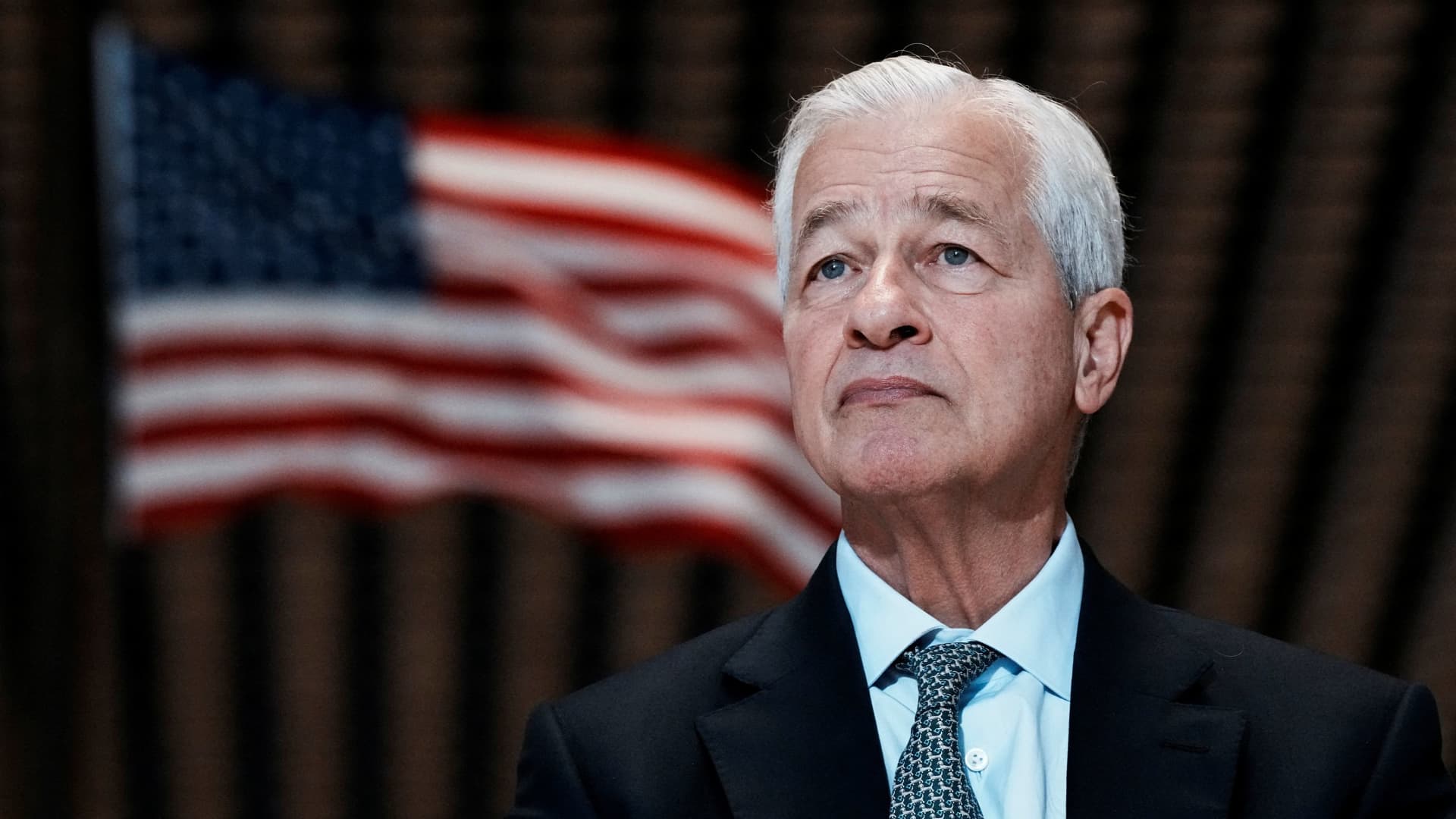
Jamie Dimon, Chairman and Chief Executive Officer of JPMorgan Chase & Co., attends the ribbon-cutting ceremony opening the firm’s new headquarters at 270 Park Avenue, in New York City, U.S., Oct. 21, 2025.

Eduardo Munoz | Reuters

JPMorgan Chase CEO Jamie Dimon on Tuesday warned that rising government debt levels could trigger a crisis in the bond market, urging policymakers to act before markets force their hand.

Advertisement

Dimon’s statement was in response to a question about whether he was worried about rising levels of government debt “around the world and in your country.”

“The way it’s going now, there will be some kind of bond crisis, and then we’ll have to deal with it,” Dimon said at an investment conference held by Norway’s sovereign wealth fund, the largest in the world.

“I’m not that worried we’ll be able to deal with it,” Dimon said. “I just think maturity should say you should deal with it, as opposed to let it happen.”

Dimon, who runs the world’s largest bank by market cap, said history has shown that today’s growing mix of risks could combine in unpredictable ways. While the timing is uncertain, failing to address those pressures increases the odds that adjustment comes after upheaval rather than deliberate policy moves.

Advertisement

“The level of things that are adding to the risk column are high, like geopolitics, oil, government deficits,” Dimon said. “They may go away, but they may not, and we don’t know what confluence of events causes the problem.”

A bond crisis would likely mean a sudden jump in yields and a breakdown in market liquidity, where investors rush to sell and buyers recede, typically forcing central banks to step in as buyers of last resort.  

A recent example is the 2022 UK gilt crisis, when yields surged and the Bank of England had to step in to stabilize the market.

This story is developing. Please check back for updates.

Advertisement
Choose CNBC as your preferred source on Google and never miss a moment from the most trusted name in business news.
Continue Reading

Business

Kiniksa Pharmaceuticals International, plc 2026 Q1 – Results – Earnings Call Presentation (NASDAQ:KNSA) 2026-04-28

Published

on

OneWater Marine Inc. (ONEW) Q1 2026 Earnings Call Transcript

This article was written by

Seeking Alpha’s transcripts team is responsible for the development of all of our transcript-related projects. We currently publish thousands of quarterly earnings calls per quarter on our site and are continuing to grow and expand our coverage. The purpose of this profile is to allow us to share with our readers new transcript-related developments. Thanks, SA Transcripts Team

Continue Reading

Business

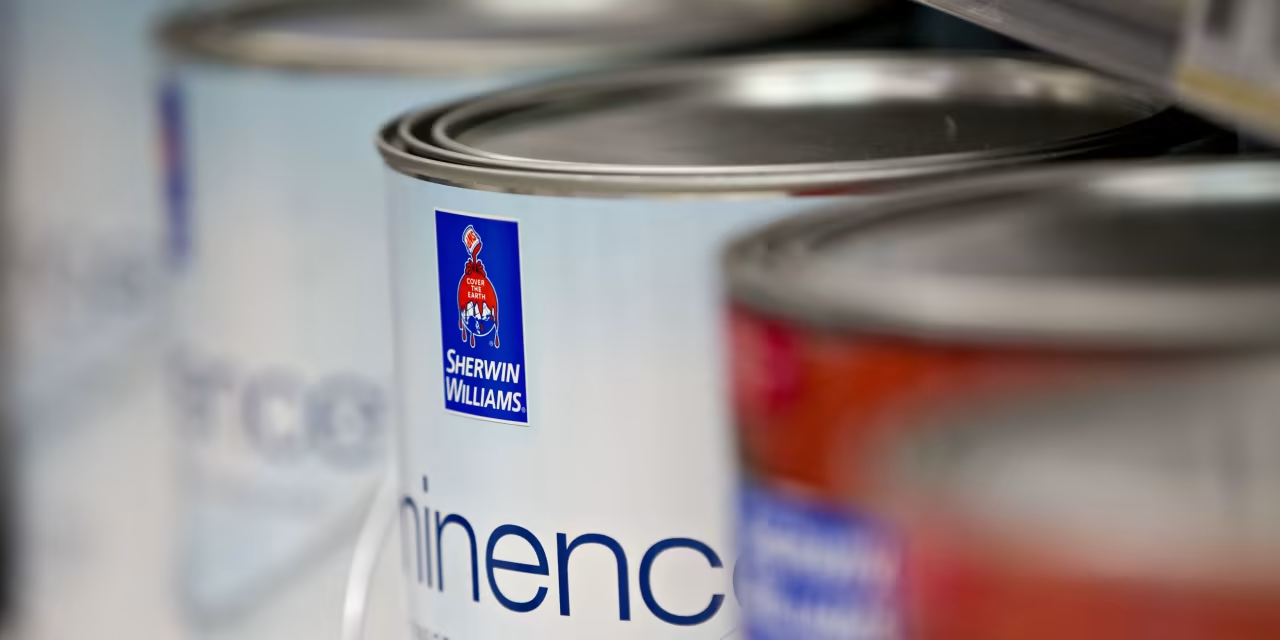
Sherwin-Williams Beat Earnings Forecasts. Why the Stock Is Sliding.

Published

on

Sherwin-Williams Beat Earnings Forecasts. Why the Stock Is Sliding.

Sherwin-Williams Beat Earnings Forecasts. Why the Stock Is Sliding.

Continue Reading

Business

Bill Maher questions if US government is ‘incompetent and corrupt’ despite $5T revenue

Published

on

Bill Maher questions if US government is 'incompetent and corrupt' despite $5T revenue

Even for liberal HBO host Bill Maher, the math behind Tax Day no longer adds up.

Maher took to his platform on “Real Time” to sound the alarm on a staggering personal tax burden that he says claims the majority of his earnings, sparking a wider debate on whether the American government is simply “incompetent and corrupt” despite a $5 trillion revenue stream.

Advertisement

“Last week was Tax Day… I paid to the government, if you add in state tax, local, sales, property, fees, Obamacare, probably almost 60% of what I earn. That’s a lot,” Maher said on a recent episode.

“I still wouldn’t mind if Bernie Sanders would stop saying the rich don’t pay taxes,” the host continued. “And while I’m sure the super-rich, with their army of accountants and corporate loopholes, get away with murder, us regular rich people pay a s— ton of taxes!”

CALIFORNIA BILLIONAIRE TAX NEARS BALLOT AFTER UNION COLLECTS NEARLY DOUBLE REQUIRED SIGNATURES

High-income earners in blue states like California, where Maher films his show, face some of the highest combined tax rates across the country. While Democrats often argue the biggest tax hits come from the federal income tax alone, Maher slammed the “hidden” costs that take more than half of your pay.

Advertisement
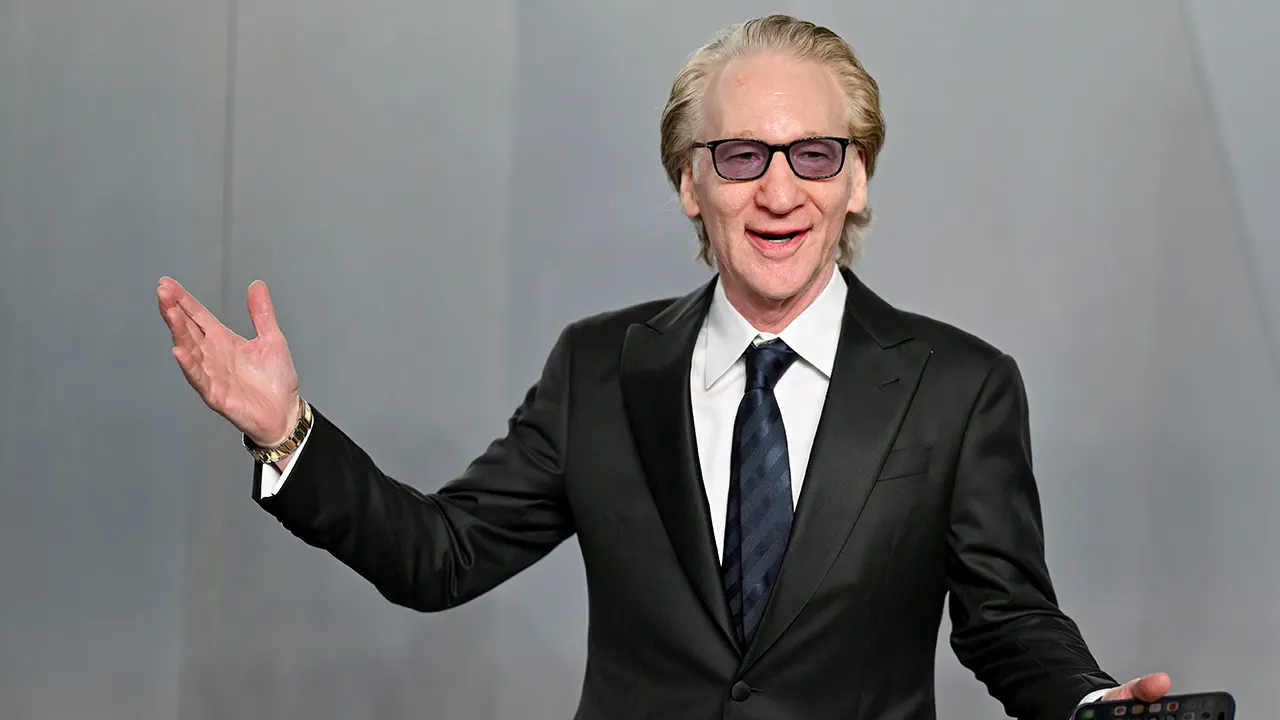
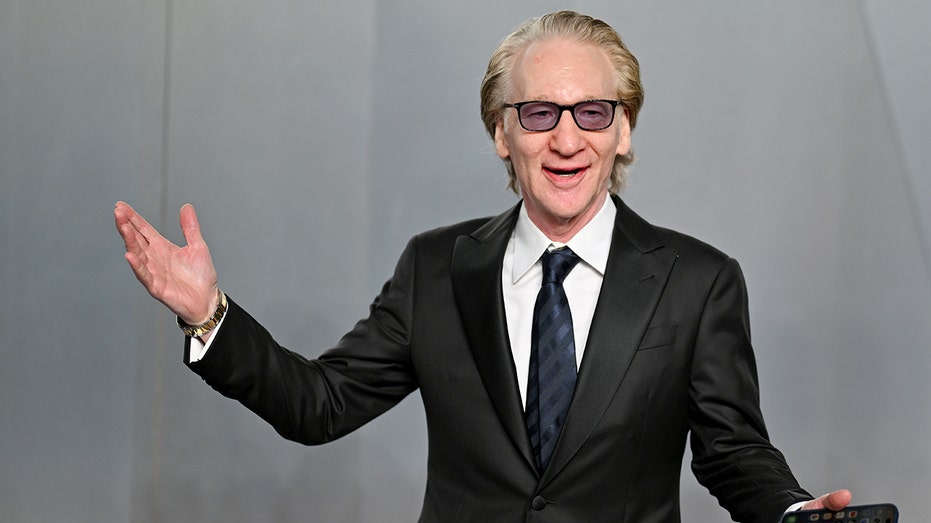
Bill Maher on Vanity Fair red carpet

Bill Maher attends the Vanity Fair Oscar Party at Los Angeles County Museum of Art on March 15, 2026. (Getty Images)

California ranks fifth nationally for the highest state and local tax burden, with the Tax Foundation reporting that residents lose an average of 13.5% of their total income to taxes.

“The top 10% pay 72% of all federal income taxes, and the bottom half, 3%,” Maher noted, with his cited numbers backed by a Tax Foundation analysis of 2022 Internal Revenue Service (IRS) data.

“The Democratic socialists talk about socialism like we don’t already have a lot… Not against it, just the same question — how can you be soaking the rich and failing the poor so badly?” he said.

Advertisement

The HBO host further questioned where the money is actually going, pointing to the reliance on charities like Remote Area Medical (RAM) to provide basic care, like dental and medical, that the government — despite its trillions in revenue — is failing to deliver.

GET FOX BUSINESS ON THE GO BY CLICKING HERE

“How can it be that the federal government alone took in over $5 trillion in taxes last year and we still need that? Are we really this incompetent and corrupt?”

Advertisement

“The ultra-rich keep getting ultra-richer,” Maher said. “[Those with] their army of accountants and corporate loopholes [can often find ways to shrink their tax bills].”

READ MORE FROM FOX BUSINESS

Continue Reading

Trending

Copyright © 2025