Connect with us

Business

Oil prices surge to $118 as Iran war triggers biggest spike Brent crude in six years

Published

on

Oil prices surge to $118 as Iran war triggers biggest spike Brent crude in six years

Biggest one-day gain in six years as the Middle East conflict disrupts key oil infrastructure and Strait of Hormuz traffic

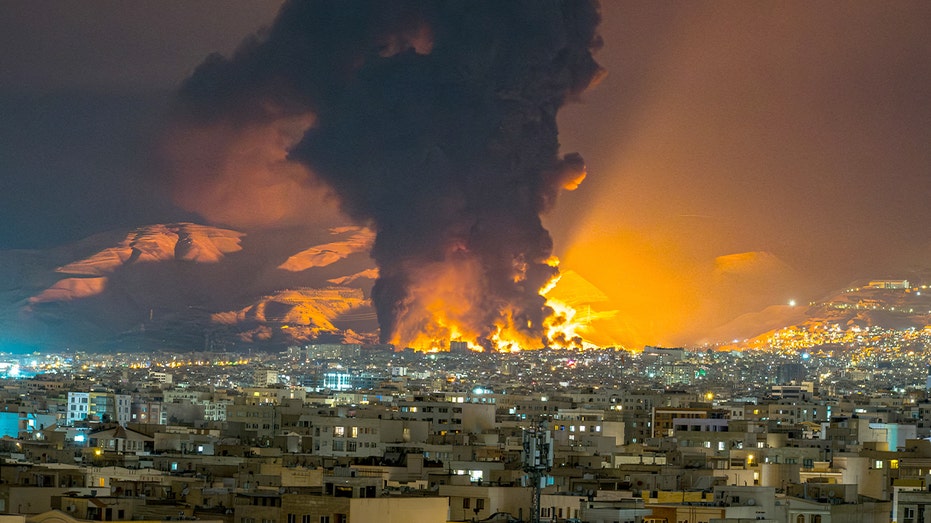
Black smoke rises after fires broke out following US-Israel attacks targeting some oil storage facilities targeted, including the Shehran oil depot, in Tehran, Iran on March 8, 2026

Black smoke rises after fires broke out following US-Israel attacks targeting some oil storage facilities targeted, including the Shehran oil depot, in Tehran, Iran on March 8, 2026(Image: Anadolu via Getty Images)

The price of oil has surpassed the $100 threshold for the first time since the energy crisis in 2022, with analysts warning the economic ramifications could exceed those of Russia’s invasion of Ukraine.

Advertisement

Brent crude, the international benchmark for oil, jumped more than 25 per cent to peaks of $118 per barrel as the week’s trading commenced in Asia – representing the commodity’s largest single-day rise in six years.

The latest spike occurred as the Middle East conflict continued to strike crucial oil infrastructure, prompting nations to reduce production whilst movement through the vital Strait of Hormuz – through which approximately a fifth of the world’s oil supply passes – has virtually ceased.

Kuwait’s state oil company announced over the weekend it was reducing output, whilst the United Arab Emirates’ state-run oil firm stated it was “managing” some output, indicating potential production reductions.

In 2022, Brent crude momentarily exceeded $120 a barrel and reached peaks of $145 a barrel in 2008, with both movements resulting in significant repercussions for the global economy, as reported by City AM.

Advertisement

Kathleen Brooks, research director at XTB, observed Iraq was now producing a quarter of the oil it generated before the US and Israel attacks on Iran, at 1.3m barrels per day down from 4.3m.

“This is roughly three per cent of global oil supply lost in a single event. Shockingly, this is worse than the oil supply situation after Russia attacked Ukraine.”

Wall Street giant Goldman Sachs has predicted the price of oil could surpass the $150 threshold by year-end if the Middle East conflict remains unresolved.

Analysts at the investment bank have cautioned the ramifications of the US and Israel’s confrontation with Iran could prove 17 times more severe than the April 2022 peak, when global economies grappled with an energy crisis following Russia’s invasion of Ukraine.

Advertisement

Goldman Sachs had anticipated that oil flows through the Strait of Hormuz would decline to 15 per cent of normal levels. However, the Iranian blockade has meant only ten per cent of oil shipments that typically transit the waterway have managed to pass through.

On Friday evening, analysts at the Wall Street powerhouse issued a note stating: “Based on these new data, developments and the size of the shock, we now think that oil prices would likely exceed $100 next week if no signs of solutions emerge by then”.

In a Truth Social post responding to the latest price spike, Donald Trump has described it as “a very small price to pay for USA, and world”.

The US president declared the oil price rises “will drop rapidly when the destruction of the Iran nuclear threat is over”. Elsewhere, the Financial Times has reported that G7 finance ministers are poised to discuss a potential co-ordinated release of petroleum from reserves, overseen by the International Energy Agency in an urgent meeting today, aiming to address soaring oil prices amidst conflict in the Middle East.

Advertisement

The ministers and Faith Birol, Executive Director of the International Energy Agency, are anticipated to conduct a call at 8:30am New York time to explore strategies to alleviate the impact of the Iran war.


Continue Reading
Click to comment

Leave a Reply

Your email address will not be published. Required fields are marked *

Business

Former psychiatric hospital site in Carmarthenshire transformed into health and wellbeing campus

Published

on

Former psychiatric hospital site in Carmarthenshire transformed into health and wellbeing campus

Parc Dewi Sant has attracted 60 new occupiers since being acquired from Carmarthenshire County Council two years ago

Parc Dewi Sant.

The site of a former psychiatric hospital in Carmarthenshire has been transformed into a health and wellbeing campus after being acquired two years ago.

Parc Dewi Sant in Carmarthen, which extends to 38 acres and which housed the former St David’s psychiatric hospital, is now home to 80 occupiers. Originally developed in the 19th century as a county asylum and later used for NHS mental health services until 2001, the estate has been repurposed into a modern campus focused on prevention, education and community wellbeing.

It brings together a diverse range of services in one location. These include GP provision alongside NHS services such as diabetic eye screening, antenatal clinics, weight management and smoking cessation programmes.

When acquired from Carmarthen County Council by Parc Dewi Sant Ltd, the site had 22 tenants. It had been put on the market with a £2.5m price tag.

Advertisement

READ MORE: Wales must make productivity the North Star of economic policyREAD MORE: Leasing deal agreed for third huge floating offshore windfarm in the Celtic Sea

Demand for space across the main buildings has been strong, with the majority now occupied. Attention is now turning to two remaining buildings on the estate which require significant restoration and are expected to form the next phase of development. The site currently provides around 120,000 sq ft of office space.

Parc Dewi Sant Ltd, which are viewing the site as a long-term investment hold, are in discussions with organisations exploring how the buildings could be repurposed to support additional healthcare, rehabilitation and community services.

Parc Dewi Sant serves a strategic catchment of around 187,000 people across Carmarthenshire and is close to Glangwili Hospital, providing complementary services that support prevention, rehabilitation and community wellbeing.

Advertisement

Mark Andrews owner of Parc Dewi Sant Ltd.

Mark Andrews, director, Parc Dewi San Ltd, said:“It has been a privilege to become custodians of such a historic and important estate in the heart of Carmarthen.

“From the outset we believed the site had enormous potential and it is incredibly rewarding to see such a vibrant community of organisations now operating here.

“To have 80 occupiers on site, including 60 who have joined us in the past two years, is a fantastic milestone and a real testament to the vision for Parc Dewi Sant.

“As the main buildings reach capacity, our focus now turns to the remaining buildings and how they can be brought back into productive use.

Advertisement

“We would welcome conversations with organisations that can bring complementary services and ideas to the site and help us continue building a campus that supports health, wellbeing and community life across Carmarthenshire.”

Meddygfa Parc is a NHS GP surgery on the campus, having relocated from the town centre last month. Jodi Bateman from the surgery said: “We feel incredibly fortunate to have moved to the beautiful surroundings of Parc Dewi Sant. This exciting new chapter allows us to continue providing high-quality care in a welcoming and modern environment.

Continue Reading

Business

Faisal Islam: Oil price spiral may be slowed but not stopped by G7 emergency move

Published

on

Faisal Islam: Oil price spiral may be slowed but not stopped by G7 emergency move

A big intervention is being discussed in the oil markets, but as yet, we do not know how big the problem will be.

Continue Reading

Business

People familiar confirm settlement reached between Live Nation and DOJ

Published

on

People familiar confirm settlement reached between Live Nation and DOJ

The Department of Justice and Live Nation have reached a settlement agreement in their antitrust case, multiple people familiar with the matter have confirmed.

Fox News Digital reached out to Live Nation Entertainment, Ticketmaster, and the DOJ for comment on Monday morning.

Advertisement

In 2024, the President Joe Biden-era DOJ and many state attorneys general targeted Live Nation Entertainment and its subsidiary Ticketmaster LLC in an antitrust suit.

Attorney General Pam Bondi

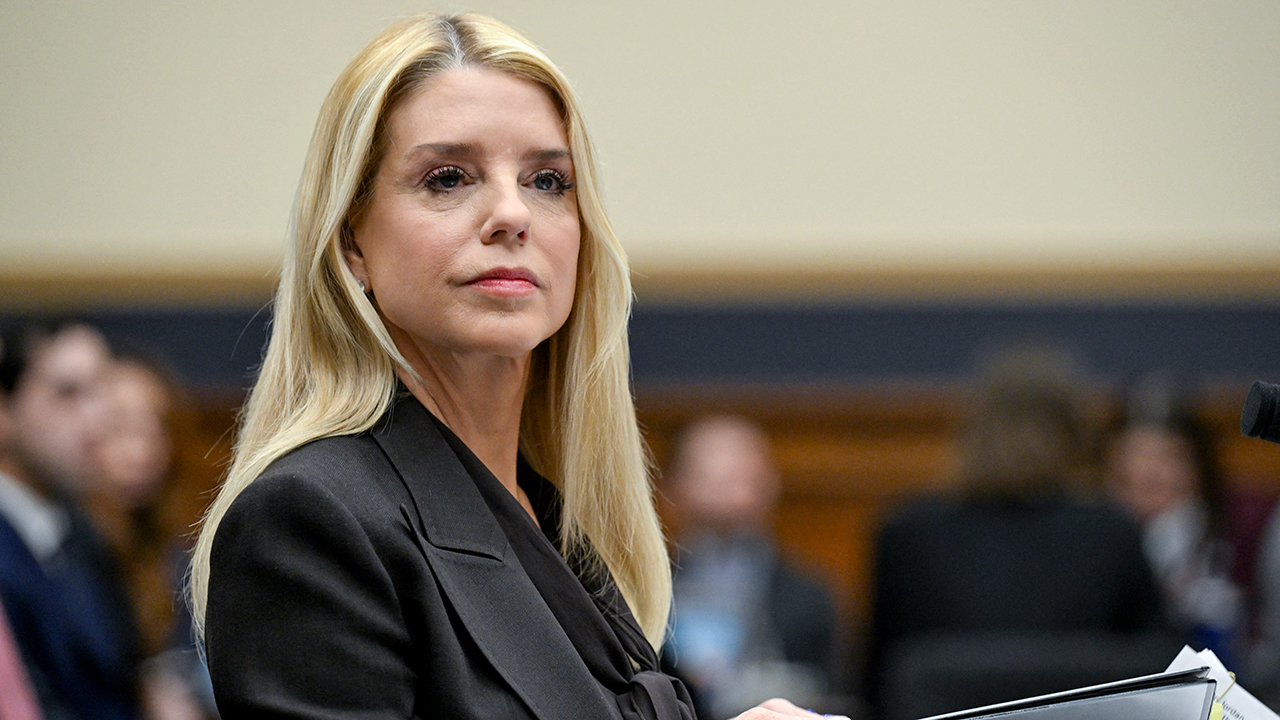
US Attorney General Pam Bondi testifies before a House Judiciary Committee hearing on “Oversight of the Department of Justice” on Capitol Hill in Washington, DC, on February 11, 2026.  (ROBERTO SCHMIDT / AFP via Getty Images / Getty Images)

“We allege that Live Nation relies on unlawful, anticompetitive conduct to exercise its monopolistic control over the live events industry in the United States at the cost of fans, artists, smaller promoters, and venue operators,” then-Attorney General Merrick B. Garland said, according to a 2024 DOJ press release. 

“The result is that fans pay more in fees, artists have fewer opportunities to play concerts, smaller promoters get squeezed out, and venues have fewer real choices for ticketing services. It is time to break up Live Nation-Ticketmaster,” Garland said, according to the 2024 release.

Politico reported that Live Nation arrived at the settlement with the DOJ less than a week after the trial started, according to three individuals familiar with the issue.

Advertisement

The agreement requires Live Nation to shell out about $200 million of damages to participating states, the outlet reported.

This is a breaking news story and will be updated

Continue Reading

Business

US reverses 5-year economic freedom decline with largest increase since 2001

Published

on

US reverses 5-year economic freedom decline with largest increase since 2001

The U.S. reversed a five-year decline in the Heritage Foundation’s Index of Economic Freedom with its biggest annual increase in the index in over two decades, FOX Business can exclusively reveal.

America’s economic freedom score rose by 2.6 points from a year ago to 72.8, which ranks 22nd among the more than 176 countries that had completed scores in the index. The increase of 2.6 points was the largest annual increase since 2001 and is the second-largest jump the U.S. has had in its 32-year history in the index.

Advertisement

Heritage’s Index of Economic Freedom assesses 12 economic freedoms that fall into four categories including rule of law, government size, regulatory efficiency and open markets – each of which has three subcategories. 

“The U.S.’s score improvements in monetary freedom, government spending, fiscal health, and investment freedom have outpaced the relatively lower score in trade freedom, reflecting the net positive impact of major regulatory and tax reforms on economic growth, investment, and business confidence,” Heritage’s Anthony Kim, the Jay Kingham Research Fellow in International Economic Affairs, editor of the Index of Economic Freedom and manager of global engagement at the Margaret Thatcher Center for Freedom, told FOX Business.

BURGUM SAYS US-VENEZUELA TIES MOVING AT ‘TRUMP SPEED,’ WILL HELP KEEP ENERGY COSTS DOWN FOR AMERICANS

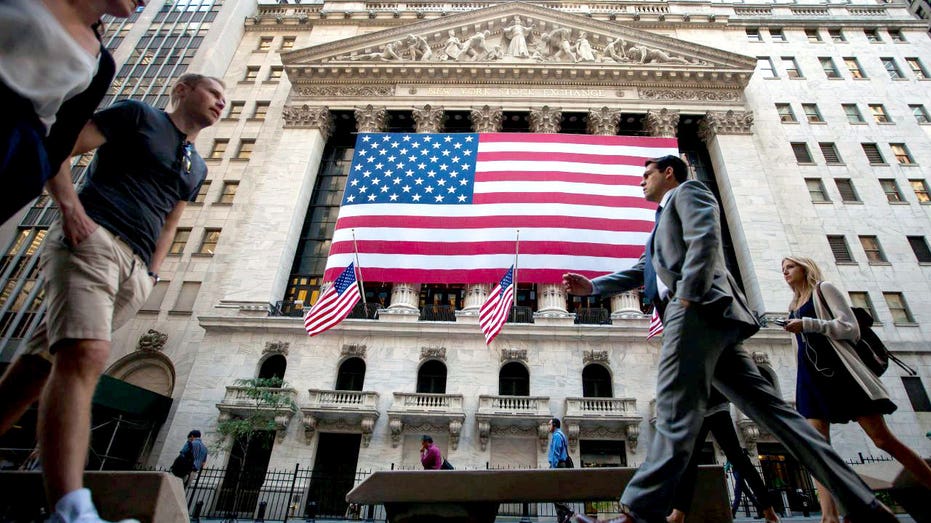
People outside the New York Stock Exchange.

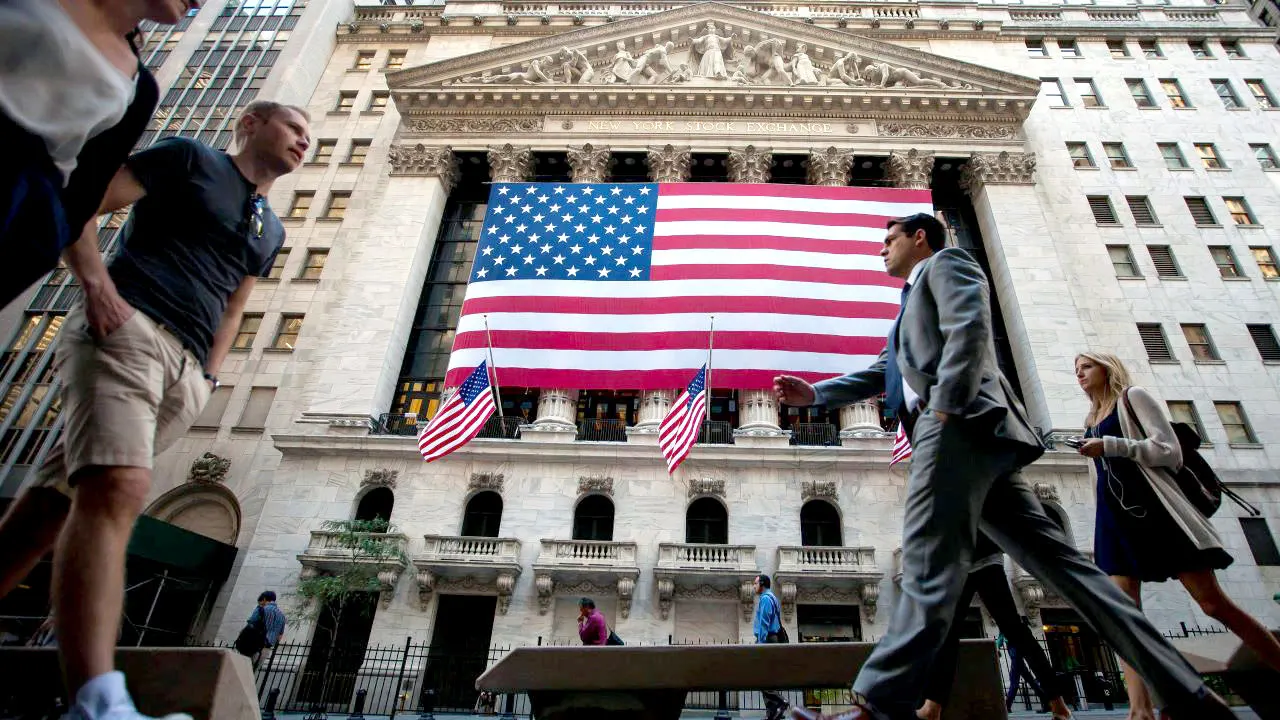
Pedestrians walk past an American flag displayed outside of the New York Stock Exchange (NYSE) in New York, U.S., on Sept. 12, 2016. (Michael Nagle/Bloomberg via Getty Images)

Kim explained that the progress “is not accidental” and is reflective of the Trump administration’s initiatives that have “cut government jobs, slowed spending, and prioritized private-sector growth through proactive, bold deregulatory and tax reforms.”

Advertisement

While the U.S. score of 72.8 came in at 22nd in the world rankings, it ranked 3rd in the Americas, trailing only Canada (75.6) and Chile (74.3), respectively. Mexico scored 59.8 and ranked 92nd in the world, and was in 19th place among the 32 countries in the Americas region.

In the rule of law category, the U.S. ranked highly with property rights, judicial effectiveness and government integrity all scoring well above the world average.

Government size was a relative weakness for the U.S., with a roughly average tax burden score of 75.3 compared to the global average of 78.4. Government spending scored 57.9 to the global average of 66.3, while fiscal health was a significant weak point – as the U.S. score of 18.5 was well below the global average of 65.9 due to high levels of public debt and large budget deficits.

US DEBT SET TO CRUSH WORLD WAR II RECORD AS ANNUAL DEFICITS EXPLODE TO $3T WITHIN DECADE

Advertisement
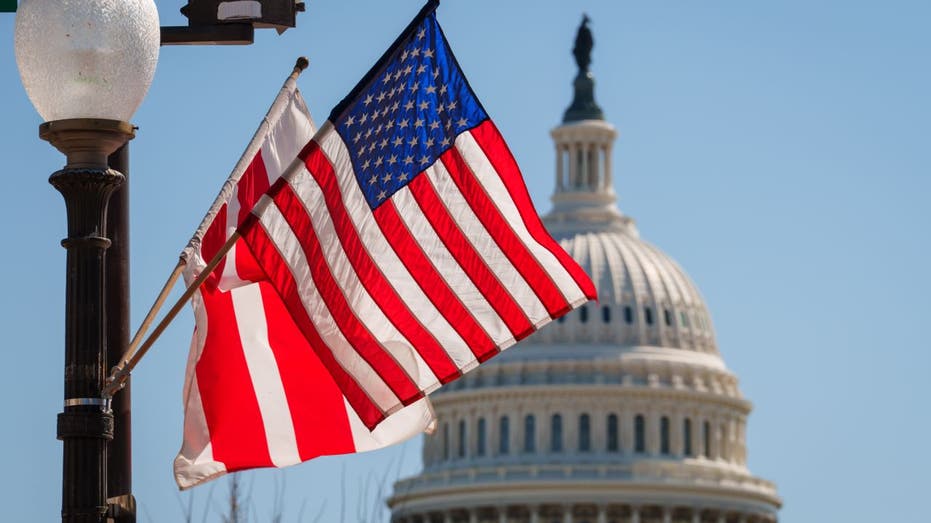
A U.S. flag flies with the Capitol in the background

The U.S. rating was boosted by the rule of law but was weighed down by a poor rating for fiscal health. (J. David Ake/Getty Images)

Aspects of regulatory efficiency assessed by the report included freedom for business, labor and monetary were all well above the Index’s global average.

In terms of open markets, the U.S. scored 67.6 in trade freedom, which was below the global average of 70.2. However, investment freedom and financial freedom each scored an 80 for the U.S., well above the global averages of 53.4 and 48.1, respectively.

Kim noted that the “impact of restrictive tariffs on the global economy has been far more muted than feared, in light of increased investment in such critical sectors as energy and AI (among many others),” adding that the lack of tariff retaliation by countries other than China, Canada and the EU mitigated the potential impact of a trade war.

US WEIGHS ASKING CHINA TO CURB RUSSIAN, IRANIAN OIL PURCHASES

Advertisement
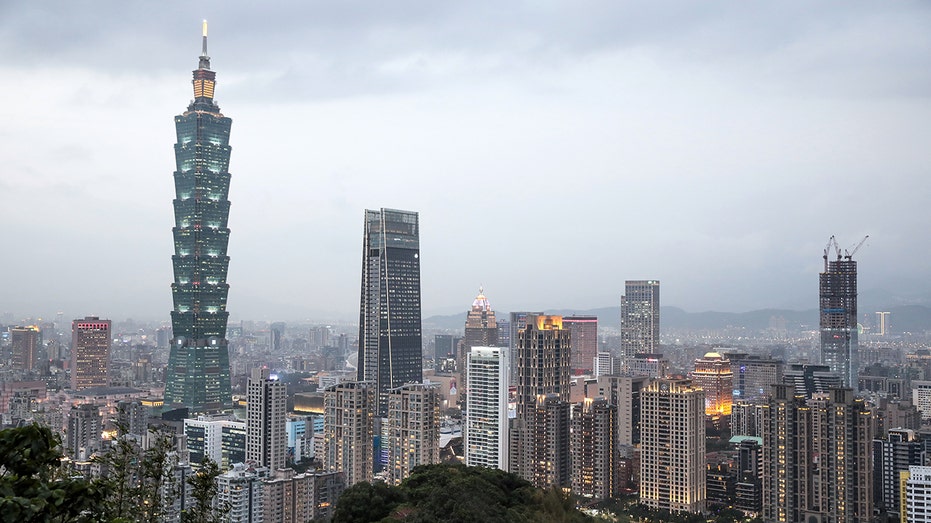
Taipei's skyline

Taiwan ranked fifth in the world in terms of economic freedom. (I-Hwa Cheng/Bloomberg via Getty Images)

Countries with the highest overall scores in Heritage’s Index of Economic Freedom were Singapore (84.4), Switzerland (83.7%), Ireland (83.3), Australia (80.1) and Taiwan (79.8). 

The countries that scored the lowest were among the most repressed in the world, with North Korea (3.1) ranked last. Cuba (25.2), Venezuela (27.3), Sudan (32.5) and Zimbabwe (35.2) rounded out the bottom five countries in Heritage’s analysis.

Russia (50.3), China (48.3) and Iran (41.8) were also among the lowest scoring countries in the index due to their repressive political and economic systems.

WHAT ARE THE BIGGEST BUDGET DEFICITS IN US HISTORY?

Advertisement
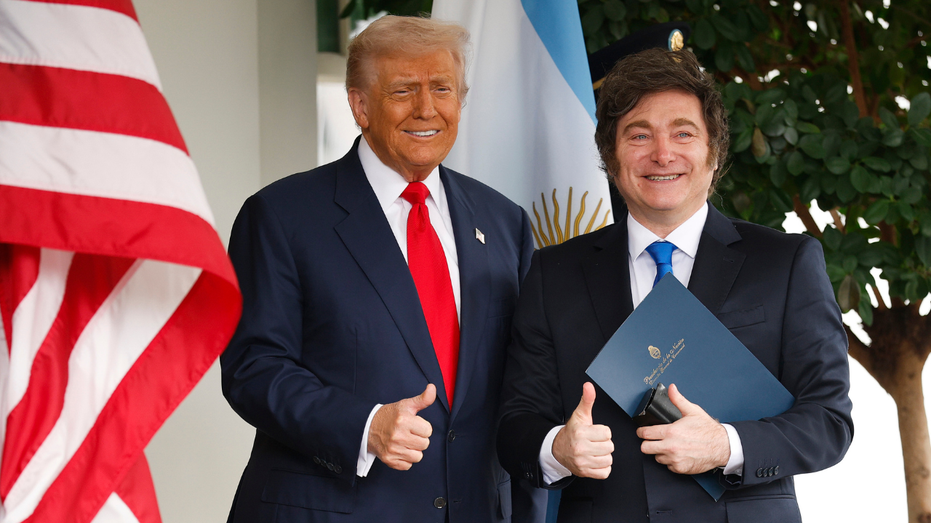
President Donald Trump greets President of Argentina Javier Milei at the White House

Argentina’s President Javier Milei has spearheaded economic reforms that boosted the country’s ranking. (Kevin Dietsch/Getty Images)

Argentina’s economic freedom rating saw the largest increase from a year ago of all countries in Heritage’s index, climbing by 3.2 points relative to last year.

“October 2025’s decisive midterm election victory provided reform-minded President Javier Milei with concrete support and greater momentum for continuing to transform Argentina’s economy,” Kim said. 

Kim noted that several other countries, including Oman, The Philippines, Morocco and Paraguay, have “recorded sizable score improvements in their past two years despite challenging economic environments.”

GET FOX BUSINESS ON THE GO BY CLICKING HERE

Advertisement

He added that Paraguay’s President Peña has been “unambiguously promoting economic freedom, combating corruption, and building alliances with democratic nations.”

Continue Reading

Business

Biofrontera reports Phase 2b acne trial results for Ameluz PDT

Published

on


Biofrontera reports Phase 2b acne trial results for Ameluz PDT

Continue Reading

Business

G7 reportedly considers emergency oil reserve release amid Iran war

Published

on

G7 reportedly considers emergency oil reserve release amid Iran war

G7 finance ministers are reportedly set to discuss a coordinated release of emergency oil reserves on Monday, as governments scramble to contain a sharp surge in crude prices triggered by the war in Iran.

Ministers will hold a call with International Energy Agency (IEA) Executive Director Fatih Birol to assess the impact of the conflict and consider a joint release of petroleum from strategic reserves, according to the Financial Times.

Advertisement

The outlet reported that three G7 countries, including the United States, have expressed support for tapping stockpiles, with some U.S. officials viewing a potential release of 300 million to 400 million barrels, roughly a quarter to a third of the IEA system’s public reserves, as appropriate.

The White House did not immediately respond to Fox News Digital’s request for comment.

TRUMP IS REALIGNING WORLD ENERGY MARKETS AND THE IRAN STRIKES ARE ACTUALLY HELPING

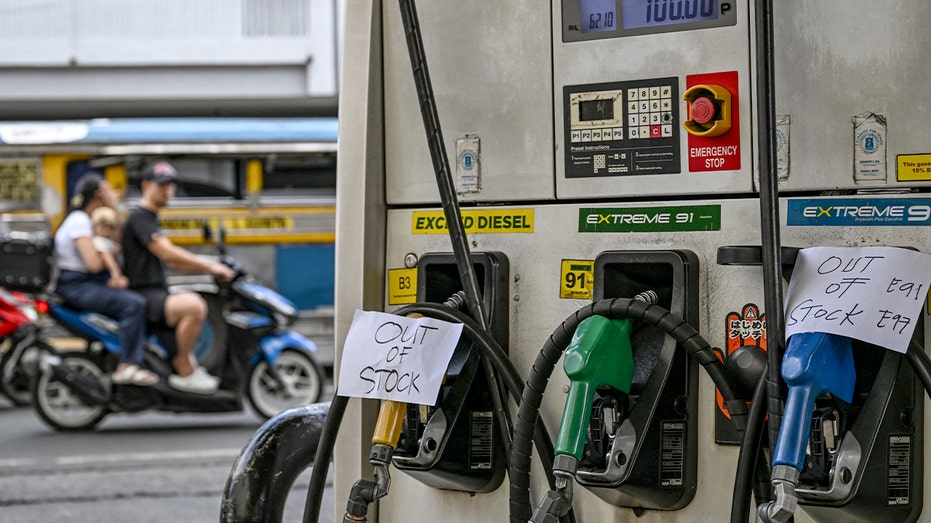
Notices indicating fuel shortages hang on pumps at a Manila gas station as global oil markets spike due to conflict-related supply fears.

Signs reading “out of stock” are displayed at a gas station amid rising petrol prices in Manila on March 9, 2026. (Jam Sta Rosa/AFP via Getty / Getty Images)

President Donald Trump on Sunday said rising oil prices are a “very small price” for the United States and the world to pay for “safety and peace.”

Advertisement

“Short term oil prices, which will drop rapidly when the destruction of the Iran nuclear threat is over, is a very small price to pay for U.S.A., and World, Safety and Peace. ONLY FOOLS WOULD THINK DIFFERENTLY!” Trump wrote on Truth Social.

Oil prices on Monday morning were sharply higher in early trading, with benchmark crude posting double-digit percentage gains.

GOP SENATORS SAYS TRUMP’S STRIKES ‘SIGNIFICANTLY DEGRADED’ IRAN BUT EMPHASIZE ATTACKS NOT ‘FOREVER WARS’

West Texas Intermediate, the key U.S. oil benchmark, was trading at $103.80, up more than 14%, while Brent crude, the international benchmark, stood at $105.88, also up roughly 14%, according to OilPrice.com data.

Other key grades, including Murban and WTI Midland, were also solidly higher, and U.S. Mars crude showed an even steeper jump of nearly 24%.

The IEA says it was founded in 1974 in response to the 1973–1974 oil crisis, with a mandate to help countries coordinate a collective response to major disruptions in oil supply.

Thick smoke and flames rise from a burning oil depot in Tehran following reported airstrikes.

Smoke and flames rise at the site of airstrikes on an oil depot in Tehran on March 7, 2026. (Sasan/Middle East Images/AFP via Getty / Getty Images)

CLICK HERE TO DOWNLOAD THE FOX NEWS APP

Advertisement

Since then, it has maintained a joint emergency response mechanism designed to stabilize global energy markets and protect the broader economy during periods of severe price volatility.

The agency has activated that system on five occasions, including during the First Gulf War in 1991, after hurricanes Katrina and Rita in 2005, during the 2011 Libyan crisis, and twice following Russia’s invasion of Ukraine in 2022.

Continue Reading

Business

Campbell’s elevates Cassandra Green

Published

on

Campbell’s elevates Cassandra Green

Green elevated from head of supply to chief supply chain officer.

Continue Reading

Business

Be First to the Trend: Fiber is About to Be Everywhere

Published

on

Be First to the Trend: Fiber is About to Be Everywhere

It’s never been easier to add fiber into your formulations with HealthSense® High-Fiber Wheat Flour.

Continue Reading

Business

Rural households feel the pinch of war in Iran

Published

on

Rural households feel the pinch of war in Iran

North Yorkshire residents using oil tanks to fuel their homes say bills are soaring.

Continue Reading

Business

MCX crude oil futures rocket 62% in just 6 sessions! Should investors buy liquid gold?

Published

on

MCX crude oil futures rocket 62% in just 6 sessions! Should investors buy liquid gold?
For India, which relies heavily on crude imports, the spike poses a serious challenge if the conflict in West Asia continues and oil prices stay elevated. VK Vijayakumar of Geojit said markets will increasingly start pricing in the broader economic impact of the surge in crude. He also cautioned that inflationary pressures are likely to rise regardless of whether the higher fuel costs are passed on to consumers.

Vijayakumar added that the biggest uncertainty at the moment is the duration of the conflict. This lack of clarity could also influence foreign investor behaviour. He noted that foreign institutional investors have once again turned aggressive sellers in Indian markets after a brief period of buying in February.Meanwhile, Qatar’s Energy Minister Saad al-Kaabi told the Financial Times that global oil prices could surge as high as $150 per barrel if the conflict in the Middle East intensifies and disrupts energy supplies from the Gulf region.Should you buy oil on MCX?

According to Ponmudi R, CEO of Enrich Money, higher timeframes continue to indicate strong bullish momentum, with prices holding firmly above key moving averages and important support levels. He said a decisive move above Rs 9,300 could push prices further towards Rs 9,500 to Rs 9,650. Immediate support is placed in the Rs 8,800 to Rs 8,500 range, while a sustained fall below Rs 8,400 could weaken the short-term trend and drag prices towards Rs 8,000. Stronger structural support is seen around Rs 7,000 to Rs 7,200. Overall, the outlook remains constructive if the upside breakout continues.

Aamir Makda, Commodity and Currency Analyst at Choice Broking, said U.S. WTI crude oil opened with a gap up at $98 and is currently trading around $115, reflecting a rise of nearly 26%. He noted that this marks the biggest jump in crude prices since 2020, largely driven by disruptions in the Middle East. Iran’s move to block the Strait of Hormuz over the weekend has heightened concerns around regional oil supply. He added that the sharp rise in the U.S. dollar, which is now trading above the 99 level, has also influenced crude price movements. Meanwhile, countries such as Iraq, Kuwait and Qatar have reported a decline in overall oil production.

Key support to be considered at Rs 9,000-Rs 8,127 respectively. On the other hand, immediate resistance would be at Rs 10,500 and breakout of this level will accelerate upside momentum in Crude oil price towards 11,300 in upcoming sessions.”
The ongoing war, which began on February 28, could leave consumers and businesses worldwide dealing with elevated fuel costs for several weeks or even months. Even if the conflict ends soon, suppliers may continue to face challenges such as damaged infrastructure, logistical disruptions and heightened risks to shipping in the region.
Domestic brokerage JM Financial said that every $1 increase in crude prices raises India’s annual import bill by roughly $2 billion. Prolonged tensions could elevate logistics and marine insurance costs, disrupt Gulf shipping routes and widen pressure on the trade balance. The INR faces a near-term depreciation bias, with potential RBI intervention via foreign exchange reserves. The transmission mechanism is evident: higher crude prices increase inflation risks; elevated inflation pushes bond yields higher; and rising yields compress equity valuation multiples.
(Disclaimer: Recommendations, suggestions, views and opinions given by the experts are their own. These do not represent the views of The Economic Times)

Continue Reading

Trending

Copyright © 2025