Business
Open and Operating With Limited Flights

DUBAI, United Arab Emirates (AP) — Dubai International Airport (DXB), the world’s busiest international hub, remains open and operational on Friday, March 20, 2026, but continues to function under severe limitations due to a series of regional airspace restrictions, security incidents and geopolitical tensions that began in late February. Real-time flight tracking shows dozens of departures and arrivals scheduled throughout the day, primarily operated by Emirates and flydubai, as foreign carriers face indefinite bans or extended suspensions.
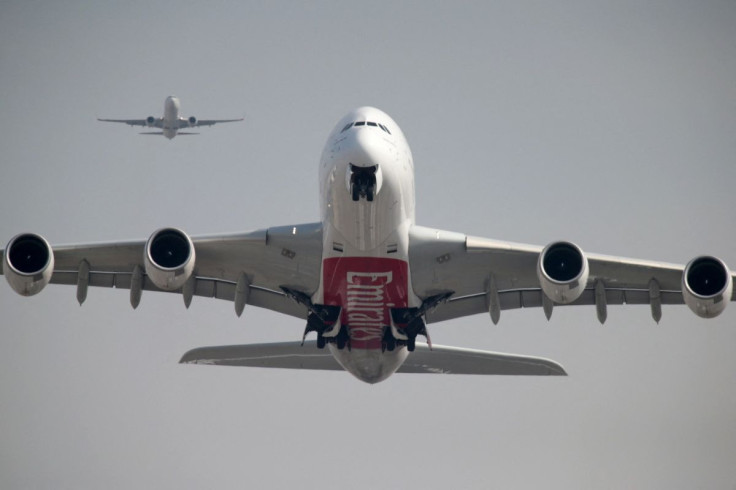

The official Dubai Airports website and flight status pages confirm active operations at DXB. As of early March 20 (local time), departures include Emirates flights to London Heathrow (EK 031 at 11:15 a.m.), Riyadh (EK 815 at 11:20 a.m.) and multiple flydubai services to Kabul (FZ 307 at 11:35 a.m.), Multan (FZ 339 at 11:40 a.m.) and Faisalabad (FZ 355 at 11:40 a.m.). Statuses range from “Gate Closed” and “Boarding” to ongoing processing, with no widespread cancellations listed for the day. Arrivals tracking similarly shows incoming flights from various origins, though volumes remain far below pre-crisis norms.
Dubai Airports’ passenger advisory, last updated in recent days, states: “Dubai Airports confirms the gradual resumption of some flights to and from Dubai International (DXB) to selected destinations, following the temporary suspension implemented as a precautionary measure. Passengers are advised to check with their airlines for the latest updates regarding their flights.” The site emphasizes that schedules continue to adjust as airlines reposition aircraft and rebalance networks.
The current restricted status stems from a chain of events starting late February 2026, when escalating conflict involving Iran, Israel and regional actors triggered multiple airspace closures across West Asia. A significant drone-related incident on March 16 near DXB’s fuel facilities caused a fire, prompting a full temporary suspension of operations as a safety precaution. Dubai Media Office and authorities described it as precautionary, with no major structural damage reported to terminals.
Following the March 16 event, operations partially resumed later that day and into March 17, when the UAE’s General Civil Aviation Authority (GCAA) announced air traffic had returned to normal across national airspace. However, recovery has been uneven. Foreign airlines, including major carriers from Europe, Asia and North America, received notices banning landings at DXB and Al Maktoum International (DWC) “until further notice.” Only UAE-based operators Emirates and flydubai hold permissions for regular service.
Airline advisories reflect this reality. Emirates has gradually expanded its schedule, aiming for fuller operations in coming weeks, while flydubai maintains a limited but growing network. International carriers like Air France, KLM, Lufthansa, British Airways, Cathay Pacific and Singapore Airlines extended suspensions through late March or beyond. India’s IndiGo canceled dozens of flights in mid-March due to restrictions, and Air India operated backlog-clearing services on select days. Over 11,000 global flights have faced disruption since late February, with rerouting adding hours to journeys and stranding passengers.
DXB’s CEO Paul Griffiths noted in mid-March interviews that the airport had facilitated over a million passenger journeys in the prior weeks despite challenges, operating at 40-45% of normal traffic. Real-time monitoring and rapid threat response have enabled partial recovery, but full restoration depends on stabilized regional airspace.
Travelers face ongoing advice: Do not proceed to the airport without confirmed bookings, as walk-ins are turned away and schedules change dynamically. Check airline apps, websites or the official DXB flight status page for real-time updates. Passengers with affected flights may qualify for rebooking, refunds or waivers under airline policies and international regulations.
The situation highlights DXB’s vulnerability as a global transit node. Normally handling over 1,200 daily movements and serving 90+ million passengers annually, the hub has seen volumes plummet during peaks of disruption. Al Maktoum International (DWC) has absorbed some overflow but shows minimal or no flights on certain days.
Authorities continue monitoring the region closely, with GCAA emphasizing safety as the priority. No new major incidents were reported overnight into March 20, and flight information pages show steady, albeit reduced, activity.
For those planning travel through Dubai today or in coming days, the message is clear: DXB is open but far from normal. Confirm flights directly with carriers, allow extra time for security and potential delays, and monitor official sources like dubaiairports.ae for alerts.
As the crisis enters its third week, aviation experts predict gradual normalization if tensions ease, but prolonged restrictions could reshape Middle East routing for months. Travelers are urged to stay informed and flexible amid this fluid environment.
You must be logged in to post a comment Login