Connect with us

Business

Opinion: Graduation needs to make the grade

Published

on

Opinion: Graduation needs to make the grade

OPINION: It might be time to reconsider how to best meet student needs and expectations as they receive their degrees.

Continue Reading
Click to comment

Leave a Reply

Your email address will not be published. Required fields are marked *

Business

'Concern' as school holiday food vouchers end

Published

on

'Concern' as school holiday food vouchers end

A head teacher says he is “really concerned” about a decision to end school holiday food vouchers.

Continue Reading

Business

F5 unveils AI security tools and post-quantum protections

Published

on


F5 unveils AI security tools and post-quantum protections

Continue Reading

Business

Oil price rises above $90 after ship attack in Strait of Hormuz as Iran conflict disrupts global energy markets

Published

on

Oil price rises above $90 after ship attack in Strait of Hormuz as Iran conflict disrupts global energy markets

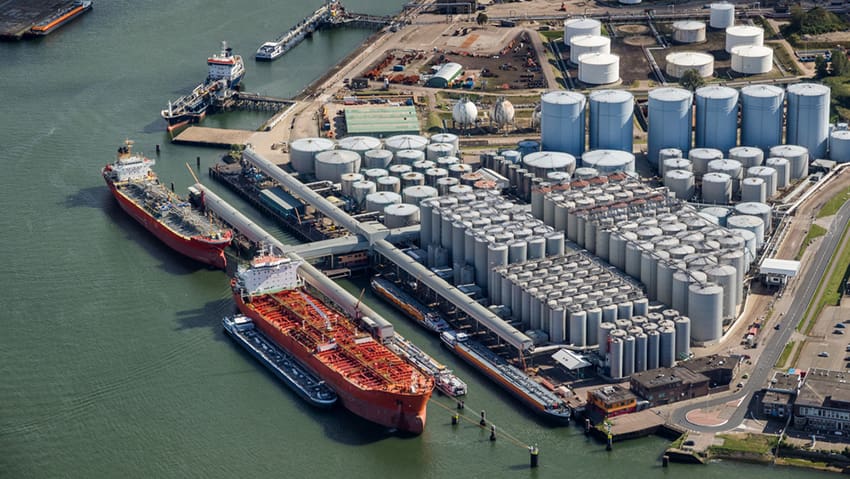
Global oil prices have climbed back above $90 a barrel after a cargo vessel was struck by a projectile in the Strait of Hormuz, intensifying fears that the escalating conflict involving Iran could trigger a prolonged disruption to one of the world’s most critical energy shipping routes.

Brent crude, the international benchmark, rose sharply to around $92.34 a barrel, recovering from earlier losses and extending the dramatic volatility seen across energy markets over the past 48 hours. The latest surge followed reports from the United Kingdom Maritime Trade Operations (UKMTO) that a commercial cargo ship had been hit by an unidentified projectile in the Strait of Hormuz, causing a fire onboard.

The incident is the latest in a series of attacks targeting vessels in the Gulf region, underscoring the growing risks to global oil and gas supply chains as the Middle East conflict intensifies.

Shipping through the Strait of Hormuz, a narrow waterway between Iran and the United Arab Emirates that typically carries around one-fifth of the world’s oil exports, has almost completely halted as commercial operators weigh the risks of operating in the area.

Peter Aylott, director of policy at the UK Chamber of Shipping, said attacks on vessels have been indiscriminate and spread across the region, including incidents near Kuwait and in the western Persian Gulf.

Advertisement

He warned that the danger of further strikes has effectively paralysed maritime traffic.

“Shipping passing through the strait has dropped from around 100 vessels per day to fewer than five, and most of those appear to be Iranian ships,” Aylott said.

The situation has left around 1,000 commercial vessels stranded in the Gulf, including an estimated 80 to 90 ships with UK interests, as shipping companies refuse to risk moving cargo through the increasingly dangerous corridor.

Two additional vessels, a bulk carrier and a container ship, were also reportedly struck within the past 24 hours, raising concerns that the disruption could deepen if hostilities continue.

Advertisement

Energy markets have experienced extraordinary swings as traders attempt to gauge how long the conflict will last and whether the Strait of Hormuz will reopen to normal shipping.

Brent crude surged to over $118 per barrel earlier in the week, its highest level since 2022, before dropping close to $80 a barrel amid reports that governments were considering releasing emergency oil reserves.

The benchmark then rebounded strongly after the latest shipping attack, reflecting continued uncertainty about supply.

At one point during Asian trading, Brent had slipped to $88 per barrel, after the Wall Street Journal reported that the International Energy Agency (IEA) was considering the largest coordinated release of oil reserves in its history.

Advertisement

Such a move would surpass the 182 million barrels released in 2022 following Russia’s invasion of Ukraine.

However, the attack in the Strait of Hormuz quickly shifted market sentiment back toward supply fears, sending prices climbing again.

Overall, Brent crude has now risen more than 40 per cent since the start of the year, driven by escalating geopolitical tensions and concerns over disruptions to global energy flows.

Further uncertainty has emerged over whether military escorts might be used to secure shipping routes through the Strait of Hormuz.

Advertisement

US energy secretary Chris Wright briefly posted on social media that the US Navy had escorted an oil tanker through the strait to ensure energy supplies continued flowing.

The post was quickly deleted, and American officials clarified that the US military is not currently escorting commercial vessels through the waterway.

The confusion has added to investor uncertainty about the security of global energy shipments and the potential for further escalation.

Without clear military protection or a diplomatic breakthrough, shipping companies are expected to remain cautious about returning to the route.

Advertisement

The renewed surge in oil prices has triggered declines in European stock markets as investors worry about the economic impact of higher energy costs.

In London, the FTSE 100 fell 1 per cent to 10,301, reversing gains from the previous day. Shares also dropped across major European markets including Germany and France, while Asian equities posted modest gains overnight.

Higher oil prices are widely expected to push up inflation worldwide, potentially forcing central banks to keep interest rates higher for longer.

European leaders have warned that the conflict is already driving up energy import costs across the continent.

Advertisement

Ursula von der Leyen, president of the European Commission, said the disruption has already cost the European Union around €3 billion in additional energy imports.

“Gas prices have risen by 50 per cent and oil prices have risen by 27 per cent,” she told EU lawmakers in Strasbourg.

“That is the price of our dependency.”

Despite the spike in prices, von der Leyen rejected calls for the EU to return to purchasing Russian energy — imports that were largely halted after Russia’s full-scale invasion of Ukraine in 2022.

Advertisement

Energy traders say the key question now facing markets is how long the Strait of Hormuz will remain effectively closed.

If tanker traffic remains severely restricted, analysts warn that oil prices could climb even higher in the coming weeks, potentially surpassing previous crisis levels.

The Strait of Hormuz crisis has already drawn comparisons with previous global energy shocks, and economists warn that prolonged disruption could slow global economic growth while reigniting inflationary pressures.

For now, markets remain caught between expectations of emergency supply releases and the very real risk that the world’s most important oil shipping route could remain unusable for an extended period.

Advertisement

Jamie Young

Jamie Young

Jamie is Senior Reporter at Business Matters, bringing over a decade of experience in UK SME business reporting.
Jamie holds a degree in Business Administration and regularly participates in industry conferences and workshops.

When not reporting on the latest business developments, Jamie is passionate about mentoring up-and-coming journalists and entrepreneurs to inspire the next generation of business leaders.

Advertisement
Continue Reading

Business

Sebi introduces a simpler NISM certification for research services

Published

on

Sebi introduces a simpler NISM certification for research services
India’s market regulator Sebi has introduced a simplified certification requirement for certain employees associated with research services, in a move aimed at improving ease of doing business in the securities market. The regulator said on Wednesday that staff involved in sales and other non-core activities related to research services will now be allowed to obtain a lighter certification module conducted by the National Institute of Securities Markets (NISM).

Under existing regulations, Persons Associated with Research Services (PARS) are required to obtain certification from NISM in accordance with the Sebi (Research Analysts) Regulations, 2014. Previously, this involved clearing the NISM Series-XV: Research Analyst Certification Examination, which is primarily designed for professionals directly involved in research activities.

Sebi said it has now developed a new certification module specifically tailored for employees who interact with clients but are not directly engaged in preparing or producing research reports.

Going forward, PARS engaged in sales and other non-core services will be required to obtain certification through the “NISM Series-XXV-A: Persons Associated with Research Services (Sales and Other Non-Core Services) Certification Examination.”

Advertisement

The regulator clarified that employees who have already obtained the NISM Series-XV certification will not be required to take the new examination immediately. Instead, they will be required to obtain the Series-XXV-A certification only after the validity of their existing Series-XV certificate expires.


At the same time, Sebi said that individuals who are directly involved in research functions will continue to be governed by the existing framework. These professionals will still be required to pass the NISM Series-XV Research Analyst Certification Examination, which remains mandatory for core research activities such as preparing investment recommendations or research reports.
The new certification structure effectively creates two different qualification tracks: one for professionals directly engaged in research and another for employees handling client-facing roles linked to research distribution or support functions.Sebi said the reform is intended to reduce unnecessary compliance burden for employees who are not directly involved in research functions while still maintaining regulatory oversight over activities connected to research services.

“The reform aligns with the objective of ensuring ease of doing business and fostering greater participation in research-related activities while upholding the interest of investors,” the regulator said in its statement.

The move is expected to benefit brokerage firms, investment advisory businesses and research houses where sales teams, relationship managers and other client-facing staff often distribute or discuss research reports without being part of the research process itself.

Advertisement
Continue Reading

Business

Bunge deal for IFF soy assets done

Published

on

Viterra merger ‘already delivering results,’ Bunge CEO says

Transaction includes protein concentrate, lecithin and soy crush businesses.

Continue Reading

Business

West Asia conflict poses downside risk, India GDP growth seen at 7.1 pc in FY27: Crisil Intelligence

Published

on

West Asia conflict poses downside risk, India GDP growth seen at 7.1 pc in FY27: Crisil Intelligence
Mumba: Conflict in West Asia, if prolonged, could pose a downside risk to India’s economic outlook due to its impact on crude oil and commodity prices, according to a report by Crisil Intelligence.

In its base case, the report expects India’s real GDP growth to moderate to 7.1 per cent in FY27, which is still healthy and slightly above potential.

The growth will be supported by robust private consumption and a mild pick-up in private investment.

Private investment sentiment is improving with a recovery in private capex underway, driven by emerging sectors, according to the report.

It also expects export growth to maintain momentum, supported by lower US tariffs relative to FY26, steady global growth and robust services exports even as frontloading benefits fade.

Advertisement


The retail inflation is likely to rise to 4.3 per cent on average in FY27 from an estimated 2.5 per cent in FY26. As food prices are expected to remain benign, assuming a normal monsoon in 2026, inflation should normalise from its current lows.
“The reduced weight of food in the new CPI 2024 series should contain the upside to headline from normalising food inflation,” the report added.Headline retail inflation is likely to remain close to the central value of the RBI’s tolerance band. This would allow the central bank to hold the repo rate and focus on transmitting the 125 bps rate cut implemented in calendar year 2025, Crisil said.

The report expects that policy rates will remain steady in FY27; the cumulative rate cut of 125 bps undertaken in calendar year 2025 will continue to be transmitted to bank lending and deposit rates.

“We also expect the RBI to remain proactive on liquidity management. We expect financial conditions to remain resilient in fiscal 2027 amid a supportive monetary policy and strong macro fundamentals.”

Continue Reading

Business

Yamaha Motor Co. relocates US headquarters from California to Georgia

Published

on

Yamaha Motor Co. relocates US headquarters from California to Georgia

Yamaha Motor Co. is relocating its U.S. headquarters from California to Georgia after nearly a half century of operations in the Golden State.

The company announced late last month that it will move the corporate headquarters of its U.S. entity from Cypress, California, to Kennesaw, Georgia. It added that the relocation will occur incrementally by business function, starting in late 2026, and is expected to conclude in late 2028.

Advertisement

Yamaha said in its announcement the move is “undertaking structural reforms aimed at improving the profitability of its U.S. operations in response to cost increases resulting from U.S. tariffs and changes in the market environment.”

CALIFORNIA TECH LEADERS CHALLENGE PROGRESSIVE POLICIES AS BILLIONAIRES, BUSINESSES FLEE

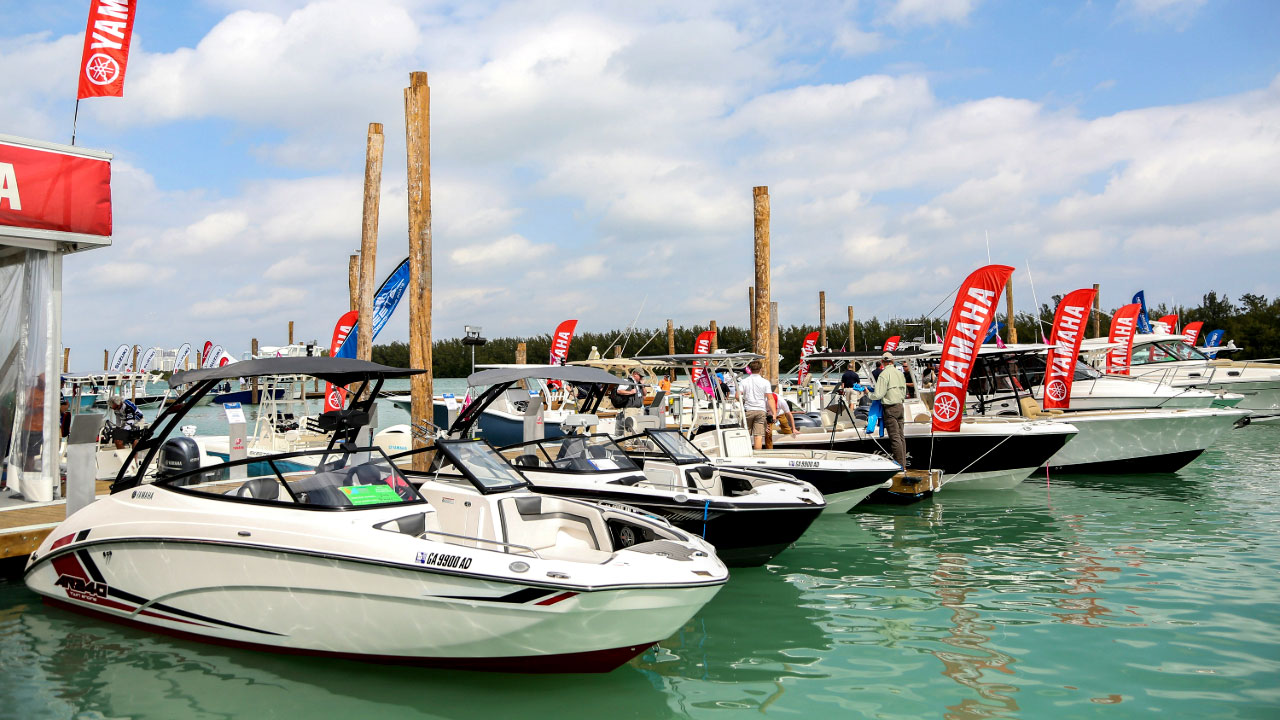
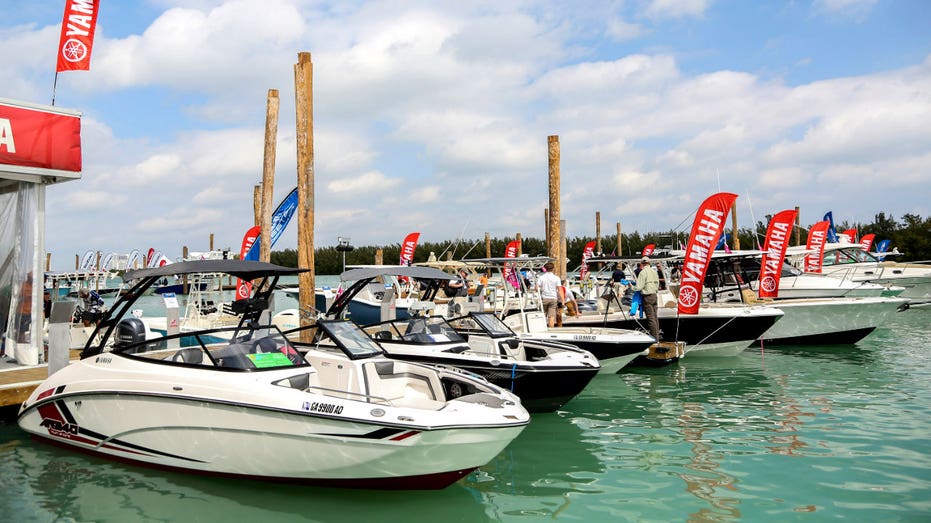
Boats in the water at a boat show.

Yamaha Motor Co.’s U.S. headquarters has been located in Cypress, California, since 1979. (Alexander Tamargo/Getty Images for Yamaha Motor Co., LTD)

The company manufactures ATVs, boat engines, personal watercraft and other motorized products. It is also known for its motorcycles, though they are not produced in North America.

PUBLIC STORAGE RELOCATES HEADQUARTERS FROM CALIFORNIA TO TEXAS

Advertisement

Yamaha established its office in Cypress in 1979, a year after acquiring the land. It relocated its marine business to Kennesaw in 1999 and its motorsports business there in 2019. The California office houses mostly corporate functions and the financial services business, Yamaha said.

Ticker Security Last Change Change %
YMHAY YAMAHA MOTOR 14.5 +0.20 +1.36%

“After many years of great partnership, we are honored and proud to welcome Yamaha’s American headquarters to the No. 1 state for business,” said Georgia Gov. Brian Kemp. “This is another loud and clear testament to what we offer job creators from around the world. To any other California-based companies looking for a better home, we’ll give you plenty of reasons to keep Georgia on your mind.”

Georgia Gov. Brian Kemp speaks to a crowd.

Georgia Gov. Brian Kemp speaks during an election night rally in Atlanta on Nov. 8, 2022. (Elijah Nouvelage/Bloomberg via Getty Images)

RICH CALIFORNIANS FLOCK TO LAS VEGAS HOUSING MARKET AS LAWMAKERS CONSIDER WEALTH TAX

Yamaha employs more than 2,300 workers in Georgia, according to Kemp’s office.

Advertisement

The move adds to a broader trend of relocations out of California by both corporations and individuals, as the high cost of doing business and a proposed wealth tax on the state’s highest earners weighs.

GET FOX BUSINESS ON THE GO BY CLICKING HERE

Continue Reading

Business

Green hydrogen plant to be built in Milford Haven as Trafigura backs Welsh clean energy project

Published

on

Green hydrogen plant to be built in Milford Haven as Trafigura backs Welsh clean energy project

A new green hydrogen production facility is set to be built in Milford Haven, Wales, marking a significant development for the UK’s emerging low-carbon hydrogen sector.

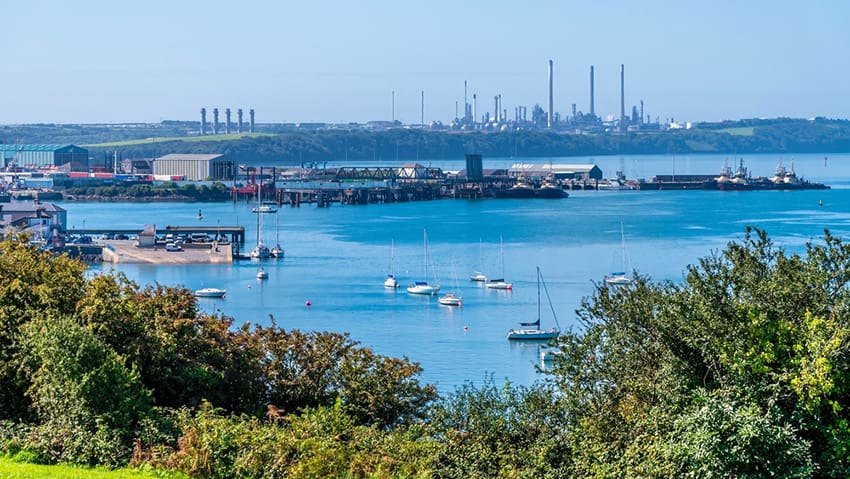
Commodities trading giant Trafigura confirmed that its energy arm, MorGen Energy, has approved the West Wales Hydrogen project, which will be located on the site of a former oil refinery in the Pembrokeshire port. Construction is expected to begin later this year, with the facility designed to produce around 2,000 tonnes of hydrogen annually.

The project represents one of the first commercial-scale hydrogen schemes to move forward under the UK government’s hydrogen allocation programme, which provides financial support to accelerate the development of low-carbon hydrogen production.

The Milford Haven facility will produce hydrogen using electrolysis, a process that splits water into hydrogen and oxygen using electricity generated from renewable sources.

Trafigura said the plant will be powered primarily by wind energy, ensuring the hydrogen produced qualifies as green hydrogen, meaning it generates no carbon emissions during production.

Advertisement

The hydrogen produced will be used across a range of industrial applications, including industrial heating, manufacturing processes and potentially transport, supporting efforts to decarbonise sectors that are difficult to electrify.

Michael Shanks, the UK’s energy minister, described the development as a major milestone for Britain’s clean energy ambitions.

“This project represents one of the UK’s first commercial-scale low-carbon hydrogen production plants,” he said.

To make the project financially viable, the UK government has agreed to guarantee a level of income for the plant for 15 years.

Advertisement

This support is designed to bridge the so-called “operating cost gap” between hydrogen production and conventional fossil fuels, which remain significantly cheaper in many cases.

In addition to the long-term revenue support mechanism, the project will also receive grant funding as part of the government’s broader strategy to scale up hydrogen production across the country.

Trafigura chief executive Richard Holtum said government support had been crucial to securing the final investment decision.

“The government’s backing was key to this project reaching final investment decision — demonstrating how public policy and private capital can work together to deliver new clean energy infrastructure,” he said.

Advertisement

The UK government has previously identified hydrogen as a critical part of its long-term decarbonisation strategy, particularly for heavy industry and sectors where electrification alone may not be sufficient.

Former prime minister Boris Johnson set a target in 2022 for the UK to produce 10 gigawatts of clean hydrogen capacity by 2030.

However, progress has been slower than expected. Several high-profile projects have stalled or been cancelled, including BP’s planned large-scale hydrogen development, which was scrapped in December.

Industry leaders have warned that the UK’s hydrogen ambitions risk falling behind competing economies due to delays in infrastructure, investment uncertainty and insufficient demand for hydrogen fuel.

Advertisement

Clare Jackson, chief executive of industry group Hydrogen UK, previously said the government’s 2030 production target now appeared “undeliverable” without faster policy and investment action.

Hydrogen is widely seen as an important part of the global transition to low-carbon energy systems because it produces no harmful emissions when burned.

There are two main ways hydrogen can be produced with lower carbon impact.

Green hydrogen is created using renewable electricity to split water into hydrogen and oxygen through electrolysis. Blue hydrogen is produced using natural gas, with the resulting carbon emissions captured and stored using carbon capture technology.

Advertisement

Potential uses for hydrogen include powering industrial processes, fuelling heavy transport, providing energy storage and potentially replacing natural gas for heating.

The UK government has described hydrogen as “essential” to achieving its ambitions to become a clean energy superpower while also supporting economic growth and industrial decarbonisation.

The electrolysers used in the Milford Haven project will be supplied by ITM Power, the Sheffield-based hydrogen technology company.

Electrolysers are the core technology used to split water molecules into hydrogen and oxygen using electricity, and demand for the equipment is expected to increase significantly as hydrogen production expands globally.

Advertisement

The involvement of ITM Power also highlights the potential for hydrogen projects to support UK manufacturing and technology supply chains.

Despite growing interest in hydrogen, the industry still faces several structural challenges.

These include the need for new pipelines and storage infrastructure, greater industrial demand for hydrogen fuel, and viable commercial business models to support production costs.

In the case of blue hydrogen projects, the development of carbon capture and storage infrastructure is also essential to ensure emissions are safely contained.

Advertisement

While the Milford Haven project is relatively modest in scale compared with some international hydrogen developments, it represents an important step in building a commercial hydrogen market in the UK.

As the country continues its transition toward cleaner energy sources, projects such as the West Wales Hydrogen plant are expected to play a key role in testing how hydrogen can be produced, distributed and used at scale across the British economy.


Jamie Young

Jamie Young

Jamie is Senior Reporter at Business Matters, bringing over a decade of experience in UK SME business reporting.
Jamie holds a degree in Business Administration and regularly participates in industry conferences and workshops.

When not reporting on the latest business developments, Jamie is passionate about mentoring up-and-coming journalists and entrepreneurs to inspire the next generation of business leaders.

Advertisement

Continue Reading

Business

Encompass Health Corporation (EHC) Presents at Barclays 28th Annual Global Healthcare Conference Transcript

Published

on

OneWater Marine Inc. (ONEW) Q1 2026 Earnings Call Transcript

Encompass Health Corporation (EHC) Barclays 28th Annual Global Healthcare Conference March 11, 2026 9:00 AM EDT

Company Participants

Mark Tarr – CEO, President & Director
Douglas Coltharp – Executive VP & CFO

Conference Call Participants

Advertisement

Andrew Mok – Barclays Bank PLC, Research Division

Presentation

Andrew Mok
Barclays Bank PLC, Research Division

Advertisement

Hi. Good morning, and welcome back to the Barclays Global Healthcare Conference. My name is Andrew Mok. I’m the Facilities analyst here at Barclays, and I’m pleased to welcome Encompass Health here to the conference. We have on stage with me Mark Tarr, CEO; and Doug Coltharp, CFO. Welcome.

Question-and-Answer Session

Advertisement

Andrew Mok
Barclays Bank PLC, Research Division

Mark, you just reported 4Q results, 2026 guidance a few weeks ago. Why don’t you start with just giving us the current state of affairs of the business and how you’re thinking about the year ahead?

Mark Tarr
CEO, President & Director

Advertisement

Yes. So we’re coming off 3 years of very high level of execution, and we’re extremely positive about our outlook going forward. You look at the continued need for our services with the aging demographics. There’s an imbalance of the supply and demand. There are very few beds being added outside of our organization in terms of net gains in beds in the IRF industry. So this continued demand is out there. We’re one of the few that are of the scale to continue to capture this growth that’s out there in front of us.

We’re also excited about a number of the states that are in the midst or in the throes of discussions around repealing the certificate of need. We’ve talked before about the state of North Carolina has very attractive demographics for us. We have one hospital there, but we think there are many other markets that we could

Advertisement
Continue Reading

Business

Wall Street Lunch: U.S. CPI Holds Steady In February As Fed Eyes Oil Shock, Core PCE

Published

on

Wall Street Lunch: U.S. CPI Holds Steady In February As Fed Eyes Oil Shock, Core PCE

Trolley filled with groceries in wholesale store Landscape

Smile/DigitalVision via Getty Images

Listen below or on the go on Apple Podcasts and Spotify

February CPI meets expectations, but oil shock threatens renewed inflation surge. (0:15) Campbell’s shares slide after it cuts full-year outlook. (1:27) JPMorgan tightens lending against private-credit loans tied to software. (2:32)

This is an abridged transcript of the podcast:

Advertisement

Our top story so far, inflation holds steady, for now.

The February CPI showed modest monthly increases in both the headline and the core, matching expectations.

Annual CPI held at 2.4%, and core CPI stayed at 2.5%.

But the numbers don’t yet reflect the shock from the U.S.–Israel–Iran war, which pushed crude oil above $100 a barrel from about $65 before the action. Oil is currently around $87.

Advertisement

Economist Joseph Brusuelas of RSM sees the CPI topline rising to 3% year over year in March — and 3.5% or more in April.

“That will not provide much comfort to an American central bank now focused like a laser beam on short- and medium-term inflation expectations — and on notice for any bleeding of topline inflation into the core,” he said.

Skyler Weinand, CIO of Regan Capital, says tariff refunds — if they appear — will also juice prices.

The Fed’s attention now turns to the February core PCE price index, out Friday.

Advertisement

Pantheon Macroeconomics notes the CPI components feeding into that gauge were “hot.”

“The jump in prices for computer software will boost the core PCE deflator by 0.08 percentage point alone,” they said.

And bad news for travelers — airfares jumped 7% last month, even before the surge in jet fuel.

Among active stocks, Campbell’s (CPB) is the biggest S&P decliner after it lowered its full-year outlook, reflecting a more cautious view for the balance of the year.

Advertisement

Campbell’s now expects full-year organic sales growth of –1% to –2%, versus its prior –1% to +1% range. Adjusted EPS of $2.15 to $2.25 — midpoint $2.20 — is well below the prior $2.40 to $2.55 outlook and the $2.41 consensus.

Starz Entertainment (STRZ) said its board has adopted a poison pill to stave off hostile takeover attempts.

The rights activate only if a person or group acquires 17.5% or more of the equity. Each right allows shareholders to purchase one share at $93.

The move comes days after media mogul Byron Allen bought a 10.7% stake in the company — a stake previously held by Hollywood producer and former Trump Treasury Secretary Steven Mnuchin.

Advertisement

And Nebius (NBIS) is popping after announcing that Nvidia (NVDA) will invest $2B in the Dutch AI infrastructure provider as part of a strategic partnership to develop the next generation of hyperscale cloud for the AI market.

The partnership will help Nebius deploy more than 5 gigawatts of Nvidia systems by the end of 2030.

And in other news of note, JPMorgan Chase (JPM) has marked down the value of certain loans held by private-credit groups and is tightening its lending to the sector, according to the Financial Times.

The move limits how much the bank will lend against those loans going forward.

Advertisement

The devalued loans are tied to software companies — a sector that’s been in the spotlight in recent weeks.

CEO Jamie Dimon told investors at the bank’s leveraged-finance conference last week that JPMorgan is being more prudent in lending against software assets, the FT said.

A source added the shift was made preemptively to reduce the amount of credit available to the funds. Private-credit executives told the paper they haven’t seen other banks take a similar approach.

And in the Wall Street Research Corner, Wedbush Securities analyst Dan Ives is pushing back against the ongoing software-sector (IGV) selloff, calling it the “most disconnected” technology trade he has seen in 15 to 20 years.

Advertisement

Ives argues that fears of AI disrupting traditional software companies have been overblown — leading to what he calls an “AI ghost trade” that has unfairly punished the group.

“It’s ultimately software — the use cases from Salesforce (CRM) to ServiceNow (NOW) to cybersecurity — that’s gonna protect CrowdStrike (CRWD), Palo Alto Networks (PANW) and others,” Ives said. “I think it’s the most sold off I’ve seen this sector in decades.”

Continue Reading

Trending

Copyright © 2025