
Business
Optimism Tempered by Warnings on Jobs and Bioterrorism

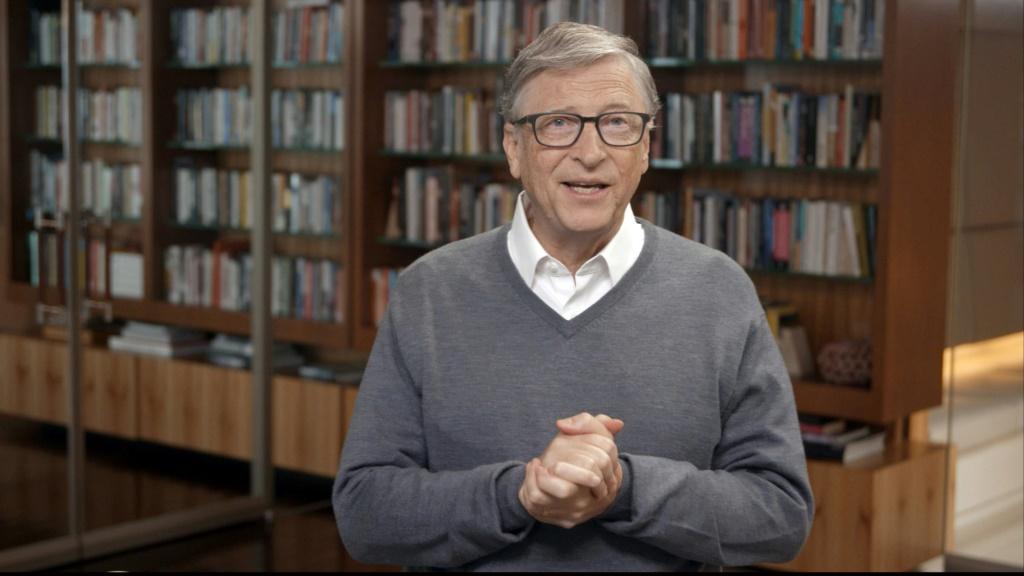
Microsoft co-founder Bill Gates remains one of the most influential voices on artificial intelligence, blending profound optimism about its transformative power with clear-eyed warnings about its risks. In his annual “The Year Ahead 2026” letter published in January and subsequent public remarks, Gates offered several memorable quotes that encapsulate his views on AI’s potential to reshape society, the economy and global security.

Here are five notable quotes from Gates on AI in 2026, drawn from his writings and interviews, along with context that reveals his nuanced perspective as the technology accelerates.
1. “Of all the things humans have ever created, AI will change society the most.”
In his widely read “The Year Ahead 2026” essay posted on GatesNotes.com, Gates declared AI the most disruptive invention in human history. He argued that unlike previous breakthroughs, AI will simultaneously solve pressing problems in health care, education and climate while introducing new challenges. The quote underscores his belief that AI’s impact will surpass the internet, personal computers and even electricity in its breadth and speed of adoption. Gates noted that AI capabilities will enable society to produce far more goods and services with significantly less labor, already visible in sectors like software development, warehousing and customer service.
2. “There is no upper limit on how intelligent AIs will get or on how good robots will get, and I believe the advances will not plateau before exceeding human levels.”
Gates pushed back against skepticism fueled by missed predictions for artificial general intelligence (AGI). He acknowledged that overly optimistic timelines have sometimes created doubt, but insisted progress toward superhuman intelligence and advanced robotics will continue without hitting a ceiling. This statement, also from his January 2026 letter, reflects his long-term confidence that AI will surpass human cognitive abilities in many domains. He tied this to practical outcomes, suggesting humanoid robots could become commonplace and transform industries ranging from manufacturing to elder care.
3. “We’re already starting to see the impact of AI on the job market, and I think this impact will grow over the next five years. As AI delivers on its potential, we could reduce the work week or even decide there are some areas we don’t want to use AI in.”
Gates highlighted AI-driven productivity gains that could fundamentally alter work patterns. He pointed to efficiency improvements — such as software developers becoming at least twice as productive — and envisioned scenarios where a shorter workweek becomes feasible. At the same time, he stressed the need for thoughtful policy to manage job displacement and ensure the benefits of increased productivity are widely shared. This quote has sparked discussions about universal basic income, retraining programs and societal choices around automation.
4. “Today, an even greater risk than a naturally caused pandemic is that a non-government group will use open source AI tools to design a bioterrorism weapon.”
Drawing parallels to his 2015 TED Talk warning about pandemic preparedness, Gates elevated AI-enabled bioterrorism as a top concern. He warned that bad actors could leverage widely available AI models to engineer dangerous pathogens, potentially causing greater harm than natural outbreaks like COVID-19. This stark assessment, repeated in interviews following his annual letter, underscores his call for deliberate governance, international cooperation and safeguards in AI development and deployment. He advocated treating this risk with the same urgency once reserved for nuclear proliferation.
5. “AI capabilities will allow us to make far more goods and services with less labor… Even if the transition takes longer than I expect, we should use 2026 to prepare ourselves for these changes — including which policies will best help spread the wealth and deal with the important role jobs play in our society.”
Gates repeatedly emphasized proactive preparation over reactive measures. He urged governments, businesses and individuals to use 2026 as a pivotal year for policy planning around wealth distribution, education reform and social safety nets. While optimistic about AI solving grand challenges — from personalized medicine to climate modeling — he cautioned that unchecked disruption could exacerbate inequality. In Davos and other forums early in 2026, he reiterated the importance of balancing innovation with equity.
Gates’ 2026 commentary arrives amid rapid advancements in large language models, multimodal AI and robotics. His Microsoft ties and substantial investments in AI-related ventures lend weight to his observations, though he speaks primarily through his philanthropic lens via the Gates Foundation.
The philanthropist, now 70, has maintained an active public profile on technology despite stepping back from day-to-day Microsoft operations years ago. His annual letters have become must-read documents for policymakers and tech leaders. In 2026, the tone is “optimism with footnotes” — enthusiasm for AI’s problem-solving potential tempered by acknowledgments of disruption, misuse risks and the need for responsible governance.
Experts note that Gates’ focus on bioterrorism and job market shifts aligns with broader concerns raised by governments and organizations like the United Nations and the World Economic Forum. His call for using 2026 as a preparation year has resonated as companies accelerate AI adoption and nations debate regulation.
Critics sometimes accuse Gates of overstating AI timelines or downplaying near-term harms, yet his track record of early warnings — on pandemics, climate change and digital divides — gives his voice credibility. Supporters praise his balanced approach: championing innovation while advocating safeguards.
As AI continues evolving, Gates’ five quotes offer a roadmap for navigating its opportunities and pitfalls. From exceeding human intelligence to reshaping labor markets and posing biosecurity threats, his perspective frames 2026 as a critical inflection point.
In healthcare, Gates envisions AI acting as a triage nurse or diagnostic assistant, dramatically lowering costs and improving access in developing regions. In education, personalized tutoring could become commonplace. Yet he stresses that humans will still play essential roles in fields like energy systems, biological research and complex software design.
Gates has also touched on AI’s environmental footprint, noting the massive energy demands of training and running advanced models. He links AI progress to breakthroughs in clean energy and efficient computing.
Looking ahead, Gates believes society must address three overarching questions: increasing global generosity, scaling beneficial innovation and minimizing AI’s negative disruptions. His optimism stems from historical patterns where technology ultimately improved living standards, but he insists deliberate action is required this time.
For business leaders, his message is clear: invest in AI while preparing workforces for change. For policymakers, the emphasis is on equitable policies that spread AI’s benefits. For the public, he encourages lifelong learning and adaptability.
As March 2026 draws to a close, Gates’ quotes continue circulating in boardrooms, classrooms and government halls. They serve as both inspiration and cautionary tale in an era where AI’s societal imprint grows daily.
Whether AI ultimately fulfills Gates’ vision of unprecedented progress or amplifies existing inequalities will depend on choices made now. In his own words, the coming decade will test humanity’s ability to harness one of its most powerful creations responsibly.


CaixaBank, S.A. (CAIXY) Shareholder/Analyst Call – Slideshow
Adidas: A Buy At Undemanding Valuations As Inventory Set To Normalize
The brokerage said suppliers of energy in the Nifty, including companies in coal, electricity and upstream oil, will benefit from higher realisations. Meanwhile, demand for coal and electricity is likely to increase as users shift away from oil and gas as fuel inputs.
 Agencies
Upstream oil, coal and power make up energy mix in index, which will see higher realisations
ICICI Securities said oil and gas suppliers, such as oil marketing and gas companies-the most impacted-are largely outside the Nifty and are spread across the small-cap and mid-cap segments. Energy-intensive industrials such as chemicals, fertilisers and building materials are also concentrated in the small-cap and mid-cap segments and are significantly impacted by higher crude and gas costs.
Within consumption, sectors such as aviation, autos, and consumer goods could be impacted by higher input costs, although larger companies within the Nifty can pass on costs and consolidate market share.
The brokerage said services sectors, including IT, banks and financials, which account for a large weight in the index, do not rely much on oil and gas, limiting the overall impact.


Earnings call transcript: EverCommerce Q4 2025 earnings miss hits stock
Business
US Stock Market | Stocks tumble, Dow confirms correction territory, as Middle East tensions drag
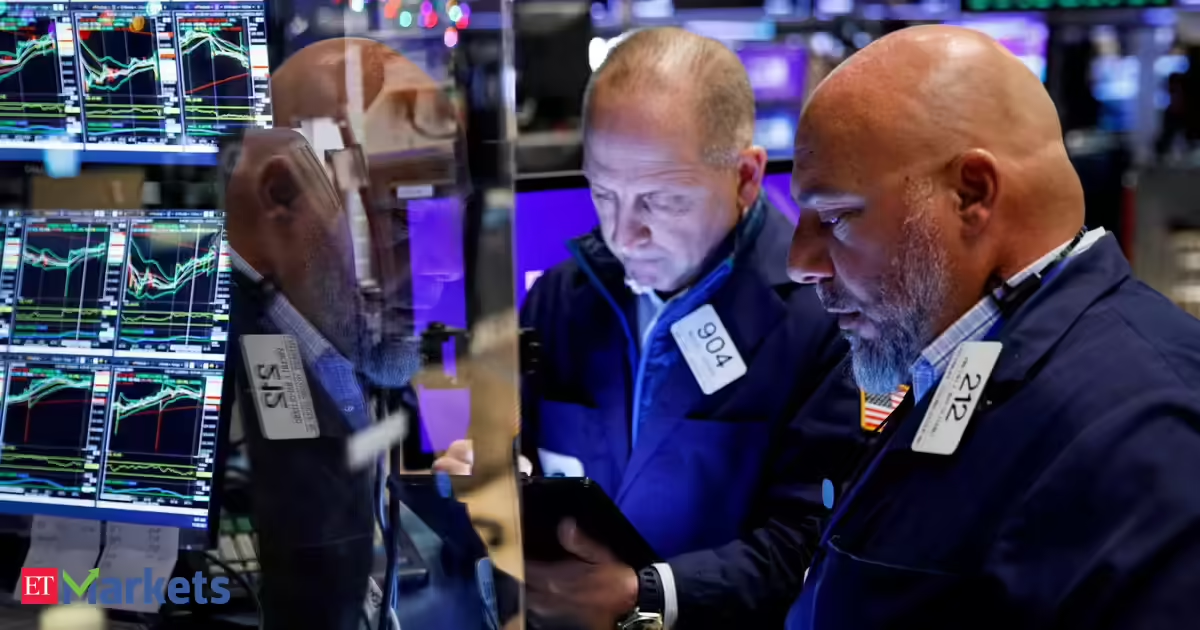
The Dow, S&P 500 and Nasdaq each suffered their fifth straight weekly decline, the longest such streak in nearly four years. The Dow is now down more than 10% from its February 10 record close, becoming the latest major index to confirm a correction, commonly defined as a drop of 10% from its prior high. The Dow follows the Nasdaq in crossing the correction threshold while the Russell 2000, which was the first on the correction path, confirmed it last Friday.
“Clearly, the overall tone has turned very negative and now we have broken down into correction territory,” said Ken Polcari, partner and chief market strategist at SlateStone Wealth in Jupiter, Florida.
“In the end, I would view this as a big opportunity, but would not be surprised if we see a drawdown anywhere between 15% to 20% before it is over.”
The Dow Jones Industrial Average fell 793.47 points, or 1.73%, to 45,166.64, the S&P 500 lost 108.31 points, or 1.67%, to 6,368.85 and the Nasdaq Composite lost 459.72 points, or 2.15%, to 20,948.36.
The CBOE Volatility Index, considered Wall Street’s fear gauge, was up 3.61 points to close at 31.05, its highest close since April 21.
Megacaps were the biggest drag on the benchmark S&P index, with Nvidia down 2.2% as the biggest weight, while Amazon dropped 4%. Software shares were also under renewed selling pressure, and the S&P 500 software and services index closed at its lowest level since November 6, 2023. Along with pressure from Amazon, consumer discretionary stocks dropped 3.1%, the worst-performing of the 11 major S&P sectors, as cruise operator Carnival slumped 4.3% after cutting its annual adjusted profit forecast. Fellow cruise operator Norwegian tumbled 6.9%. The surge in oil prices along with other products such as fertilizer as a result of the Iran war has fanned inflation fears and dampened expectations that the Federal Reserve and other central banks have room to lower interest rates. Money market participants are not pricing in any easing from the U.S. Federal Reserve this year, compared with expectations of two cuts before the conflict broke out, according to CME’s FedWatch Tool. Markets are now pricing in a roughly 25% chance for a hike of at least 25 basis points at the Fed’s October meeting. Philadelphia Fed President Anna Paulson acknowledged the risks to the economy from the war, but did not specify what it meant for monetary policy in the near term. U.S. consumer sentiment eased to a three-month low in March, raising concerns about the economy due to the Middle East war.
Declining issues outnumbered advancers by a 3.38-to-1 ratio on the NYSE and by a 3.62-to-1 ratio on the Nasdaq.
The S&P 500 posted 22 new 52-week highs and 27 new lows while the Nasdaq Composite recorded 25 new highs and 355 new lows.
Volume on U.S. exchanges was 18.13 billion shares, compared with the 20.4 billion average for the full session over the last 20 trading days.
Business
PVAL: Cautiously Optimistic Owing To Recent Outperformance, Factor Mix, Buy Rating Maintained
PVAL: Cautiously Optimistic Owing To Recent Outperformance, Factor Mix, Buy Rating Maintained
Earnings call transcript: Blend Labs Q4 2025 sees revenue beat, EPS miss
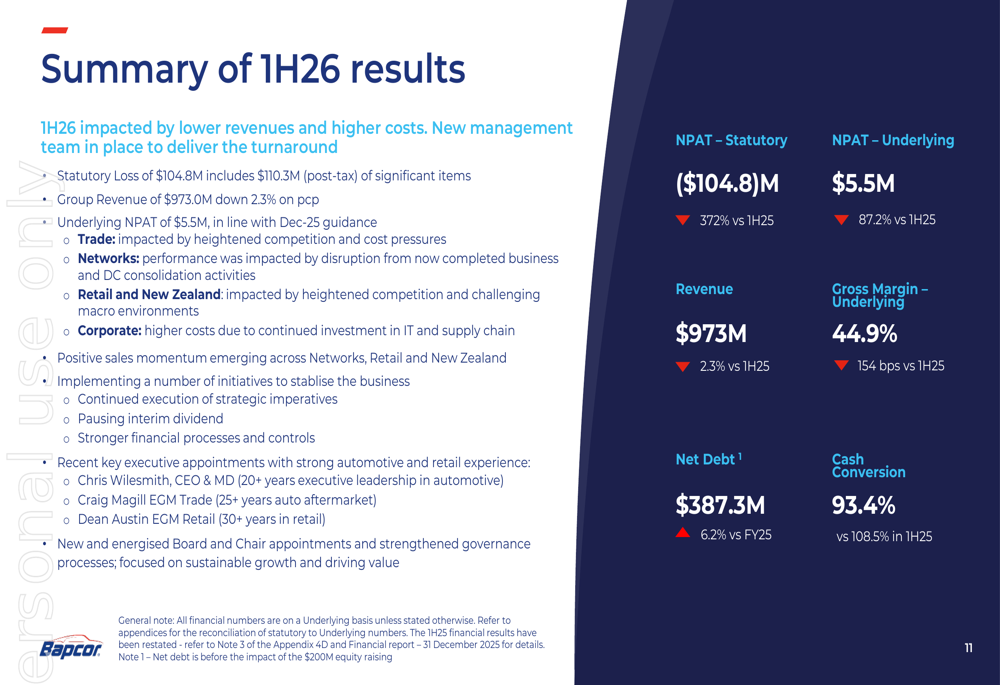
Bapcor 1H26 slides: new CEO outlines turnaround after $105M loss
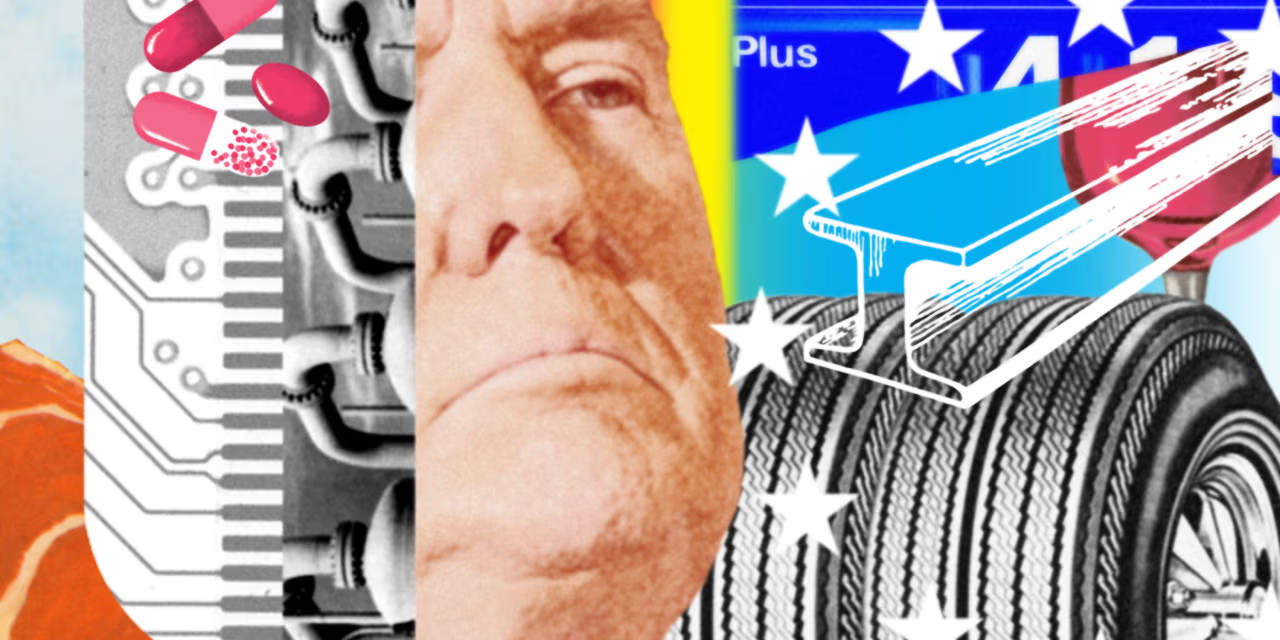
Heard on the Street Recap: Weight of War
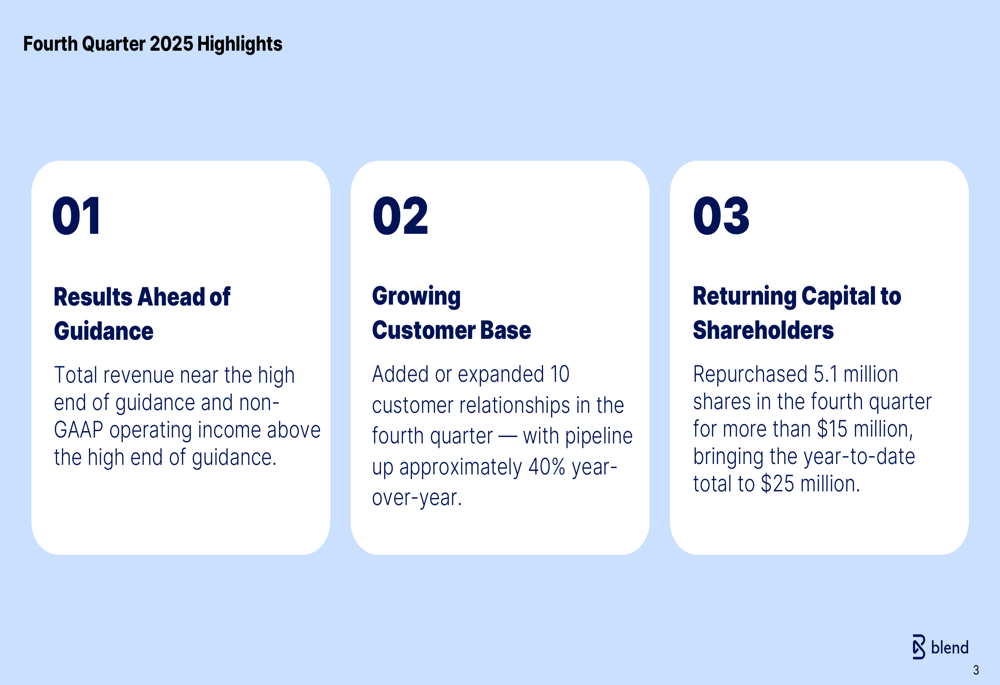
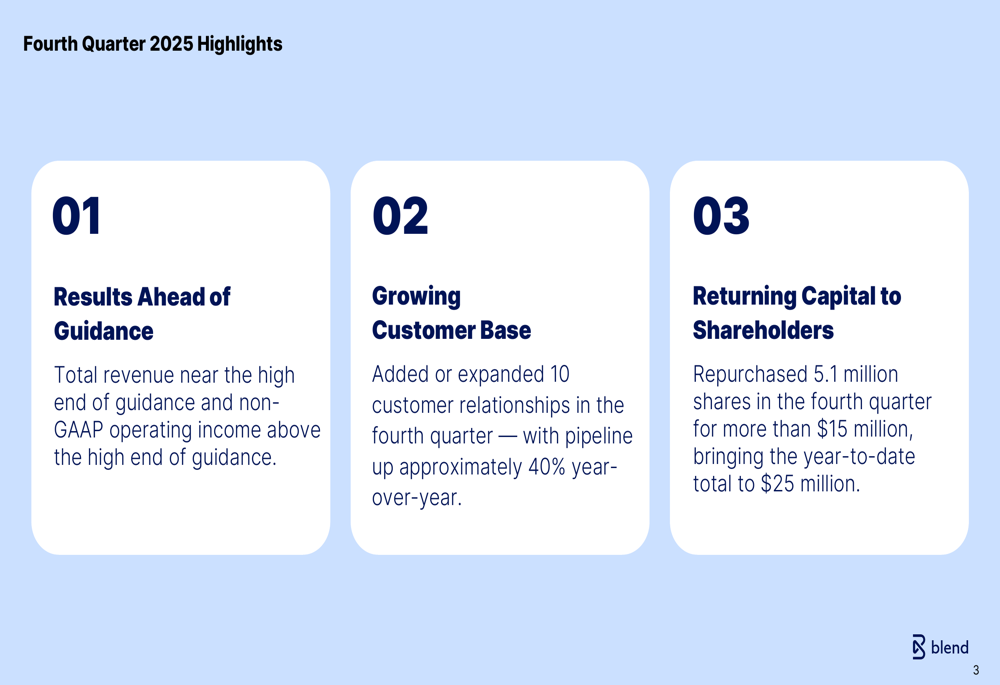
Blend Labs Q4 2025 slides: revenue beats, margins expand amid EPS miss

THEY JUST SPILLED EVERYTHING!! (Bye Bye SWIFT?!)

At least 10 US troops injured in Iranian missile attack as aircraft damaged

CaixaBank, S.A. (CAIXY) Shareholder/Analyst Call – Slideshow


-
 NewsBeat3 days ago
Manchester United reach agreement with Casemiro over contract clause amid transfer speculation
-

 Crypto World6 days ago
Best Crypto to Buy Now: Strategy Just Spent $1.57 Billion on Bitcoin During Fear While Early Investors Quietly Enter Pepeto for 150x Potential
-

 News Videos2 days ago
Parliament publishes latest register of MPs’ financial interests
-

 Crypto World6 days ago
Bitcoin Price News: Bhutan Sells $72 Million in BTC Under Fiscal Pressure, but the Smart Money Entering Pepeto Sees What the Market Does Not
-

 Sports5 days ago
Remo Stars and Kano Pillars Strengthen Survival Hopes in NPFL
-

 Sports5 days ago
Gary Kirsten Accuses Pakistan Cricket Board Of ‘Interference’, Mohsin Naqvi Responds
-

 Business5 days ago
No Winner in March 21 Drawing as Prize Rolls to $133 Million for Next
-

 Tech5 days ago
Give Your Phone a Huge (and Free) Upgrade by Switching to Another Keyboard
-

 Tech5 days ago
AI enters the chat: New Seattle dating app relies on tech to facilitate meaningful human connections
-

 News Videos5 days ago
Ch 9 Financial Management Part 1 | Detailed One Shot | Class 12 Business Studies Boards 2026
-

 Tech6 days ago
Today’s NYT Connections Hints, Answers for March 22 #1015
-

 Business1 day ago
Instagram, YouTube Found Responsible for Teen’s Mental Health Struggle in Historic Ruling
-

 Business6 days ago
Will Duke Basketball Win It All? Duke Basketball Enters Second Round as Third Favorite to Claim NCAA Title
-

 Sports5 days ago
2026 Kentucky Derby horses, odds, futures, preview, date: Expert who hit 12 Derby-Oaks Doubles enters picks
-
 NewsBeat6 days ago
Update on Wisbech river crash as search for teenage boy enters fifth day
-
 Entertainment5 days ago
Cynthia Bailey Dishes on ‘RHOA’ Season 17, Discusses Kandi
-

 Tech4 days ago
Samsung will soon let you control smart home devices from your car’s dashboard
-

 Fashion3 days ago
Does It Matter What You Wear When You’re Laid Off and Looking?
-
 NewsBeat3 days ago
Tesco is selling new Cadbury Dairy Milk bar and people can’t wait to try it
-

 NewsBeat6 hours ago
The Story hosts event on Durham’s historic registers
You must be logged in to post a comment Login