PepsiCo CEO and chairman Ramon Laguarta discusses the removal of artificial colors and introduces ‘enhanced Gatorade’ that offers quicker hydration than water on ‘The Claman Countdown.’
PepsiCo said it will cut prices on its core brands by up to nearly 15% as soon as this week to address consumer backlash over recent price hikes.
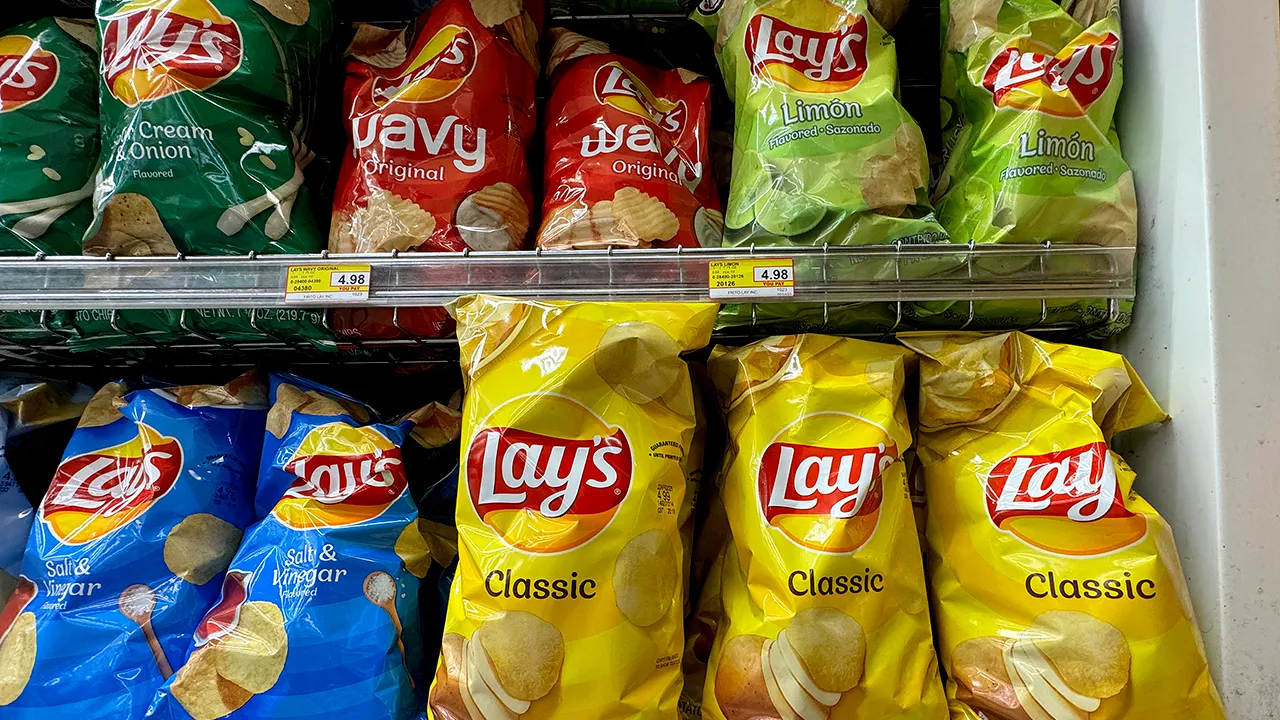
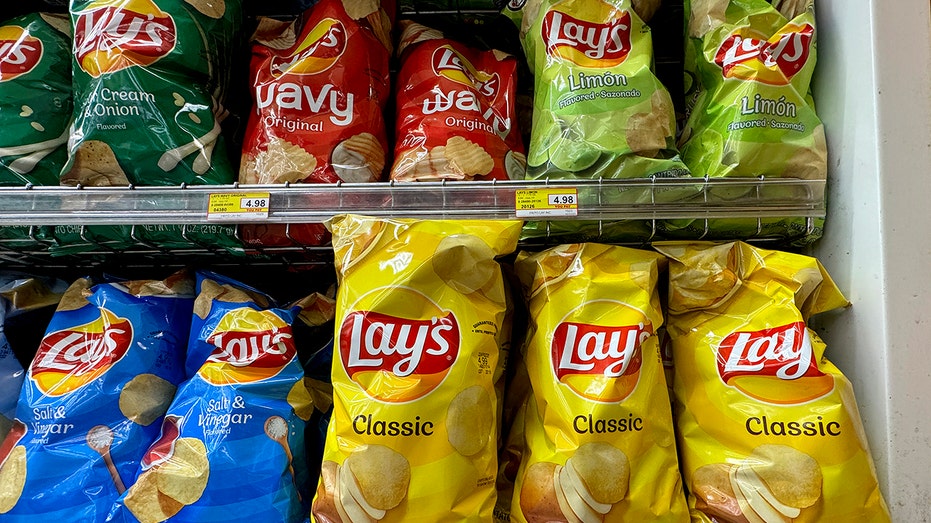
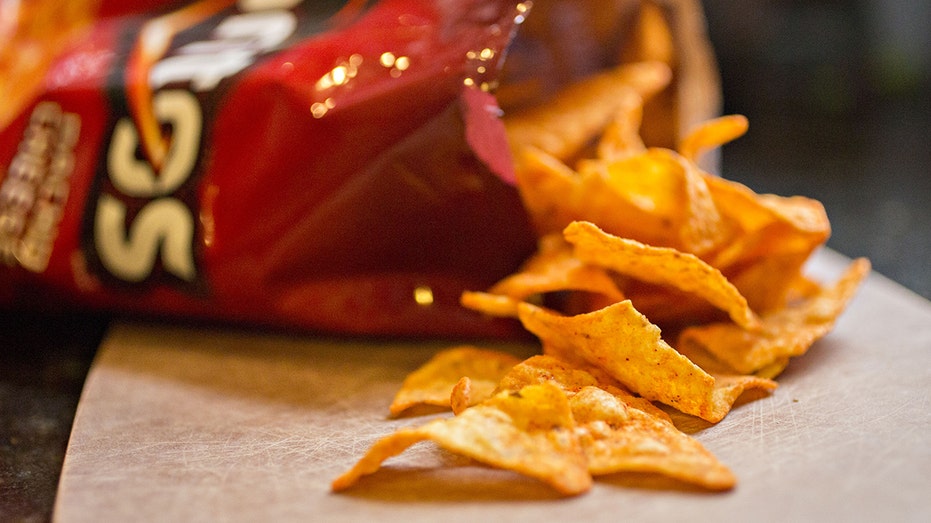
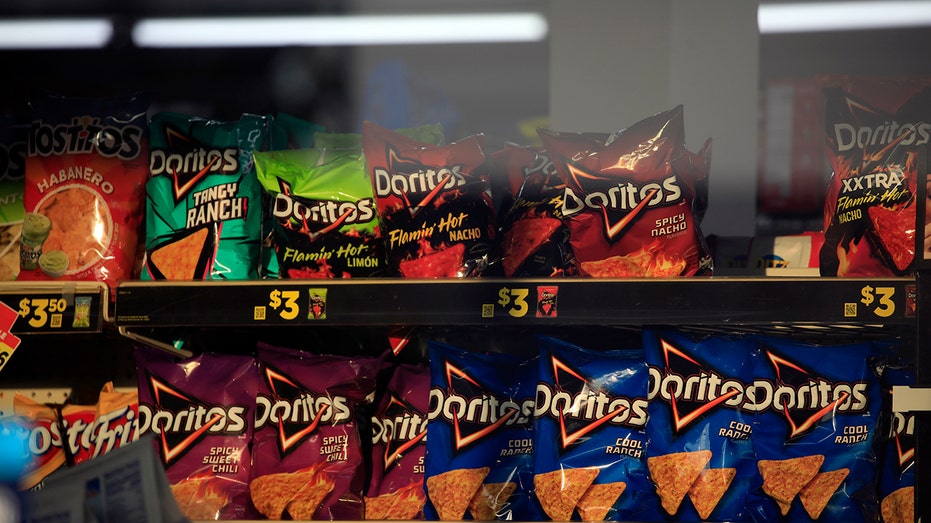
The snacks that will see prices lowered include products under its Lay’s, Doritos, Cheetos and Tostitos brands. It comes after the company received an influx of messages from upset consumers over the past year.
Advertisement
Food prices have remained elevated even as broader inflation has cooled.
Grocery prices rose 2.4% on an annual basis in December 2025, according to the Bureau of Labor Statistics’ consumer price index, and have surged since the COVID-19 pandemic.
PepsiCo said it will cut prices on popular snack products. (Justin Sullivan/Getty Images)
“At the heart of our business are the consumers who choose our brands. They trust us to bring them moments of joy, and they’ve been honest with us about how rising everyday costs are making their daily decisions harder. Message received,” the company said on Tuesday.
Consumers flooded the company with messages complaining about prices. (Daniel Acker/Bloomberg via Getty Images)
PepsiCo Foods U.S. CEO Rachel Ferdinando said that consumers have made it clear that “they’re feeling the strain.”
“Lowering the suggested retail price reflects our commitment to help reduce the pressure where we can,” Ferdinando said.
Advertisement
Grocery prices rose 2.4% on an annual basis in December 2025, according to the Bureau of Labor Statistics’ consumer price index. (Photographer: Luke Sharrett/Bloomberg via Getty Images)
The food conglomerate said that while it suggested new retail prices, which are slated to roll out this week, retailers ultimately set their prices, so “shoppers may see even greater savings depending on the store.”
The company said it will continue taking “steps to keep its most loved brands within reach” while maintaining quality. The price cuts are part of the company’s broader strategy to increase accessibility to its products.
SEATTLE — Amazon is reshaping its Prime Video streaming experience with a significant tiered overhaul set to take effect April 10, 2026, in the United States. The company announced it will rebrand its existing ad-free add-on as “Prime Video Ultra,” raise the monthly fee from $2.99 to $4.99, and restrict 4K Ultra HD (UHD) streaming exclusively to this premium tier. Standard Prime members, who previously enjoyed 4K access as part of their base subscription, will now be limited to 1080p HD resolution unless they upgrade.
AFP
The changes come amid ongoing efforts by streaming services to monetize premium features while offsetting rising content and infrastructure costs. Amazon’s move aligns Prime Video more closely with competitors like Netflix and Disney+, which have long gated higher resolutions and ad-free viewing behind elevated plans.
**Core Details of the Shift** Prime Video Ultra will replace the current Ad Free subscription and bundle several enhancements alongside ad-free viewing and exclusive 4K/UHD access. Subscribers gain up to five concurrent streams (up from three on the old ad-free plan), up to 100 offline downloads (previously 25), Dolby Vision HDR support, and Dolby Atmos audio. The annual option for Ultra will cost $45.99, offering a 23% discount over monthly billing.
For context, Amazon Prime membership—required for the full Prime Video benefit—remains unchanged at $14.99 per month or $139 per year in the U.S. Adding Ultra pushes the effective annual cost for the top-tier experience to approximately $184.99. Standalone Prime Video subscriptions without full Prime perks are also available but follow similar tiering.
Base Prime Video, included with Prime or as a $8.99/month standalone (with ads), will see some improvements: concurrent streams increase to four (from three), downloads rise to 50 (from 25), and Dolby Vision becomes available. However, resolution caps at HD/1080p, and ads persist on most content except select live events or add-on channels.
Advertisement
Amazon emphasized in its March 13 announcement that “delivering ad-free streaming with premium features requires significant investment,” positioning the structure as consumer-friendly flexibility. “Prime members will continue to enjoy the core Prime Video benefit, including HD/HDR and now Dolby Vision, at no additional cost with their Prime membership,” the company stated.
**Background on Prime Video’s Evolution** Prime Video has undergone multiple pricing adjustments in recent years. Ads were introduced to the base service in January 2024, prompting the $2.99 ad-free add-on. That tier aimed to preserve an uninterrupted experience for those willing to pay extra. The new Ultra rebrand and features bundle reflects Amazon’s push to compete in a crowded market where 4K has become a standard expectation for high-end home setups.
Industry analysts note that while the $2 monthly increase may seem modest for existing ad-free users, the 4K restriction represents a bigger sting for households with 4K TVs who relied on the included perk. More than 180 million Americans hold Prime memberships, many of whom stream on large screens where resolution differences are noticeable—especially for originals like “The Boys,” “Fallout,” or “Reacher.”
**Consumer and Industry Reactions** Early coverage from outlets including Variety, Mashable, The Verge, and PCMag described the change as a “paywall” for 4K, with some calling it an “insult” layered on prior ad insertions. Tech sites highlighted that basic users now face a downgrade in quality unless they pay more, potentially frustrating longtime subscribers.
Advertisement
Amazon has not detailed international rollout plans, though similar changes often expand globally after U.S. testing. In markets like India, 4K remains included in base plans for now, with ad-free as a lower-cost add-on.
The timing coincides with broader streaming industry trends. Services continue raising prices or introducing tiers to boost revenue amid content spending wars and subscriber churn pressures. Netflix’s ad-supported plan and premium tiers, Disney+’s bundle options, and Paramount+’s ad tiers have set precedents for segmenting features like resolution and ad levels.
**What It Means for Viewers** For casual viewers content with HD and tolerant of ads, the core Prime benefit stays intact and even improves slightly. Sports fans or those watching live events may still encounter ads even on Ultra, as Amazon noted select content could include them.
Households prioritizing cinematic quality—particularly those investing in OLED or high-refresh-rate 4K displays—face a clear decision: absorb the extra $4.99 monthly or accept 1080p. The added perks (more streams, downloads, advanced audio/video) may justify the cost for families or multi-device users.
Advertisement
Amazon has begun notifying affected subscribers via email and app alerts, explaining the transition and upgrade options. No immediate changes apply before April 10; current ad-free subscribers will see the price adjustment and feature bump automatically unless they opt out.
As streaming wars intensify, Amazon’s latest adjustment underscores a key reality: premium experiences increasingly come at premium prices. Whether the Ultra tier drives upgrades or prompts cancellations remains to be seen, but for now, 4K on Prime Video is no longer a default—it’s a deliberate choice worth $5 more per month.
I have been working in the logistics sector for almost two decades. I have been into stock investing and macroeconomic analysis for almost a decade. Currently, I focus on ASEAN and NYSE/NASDAQ Stocks, particularly in banks, telco, logistics, and hotels. Since 2014, I have been trading on the PH stock market. I focus on banking, telco, and retail sectors. A colleague encouraged me to engage in the stock market as part of my portfolio diversification instead of putting all my savings in banks and properties. That was also the year when insurance companies became very popular in the PH. Initially, I invested in popular blue-chip companies. Now, I have investments across different industries and market cap sizes. There are stocks I hold for my retirement, while others are purely for trading profits. In 2020, I also entered the US Market. It was about a year after I discovered Seeking Alpha. Originally, I was using the trading account of NY CA-based cousin. Somehow, I acted like his personal broker. That made me more aware of the US market before deciding to open my own account. I decided to write for Seeking Alpha to share and gain more knowledge since I have been trading on the US market for only four years. Like in the ASEAN market, I have holdings in US banks, hotels, shipping, and logistics companies. I discovered it in 2018. Since then, I have been using the analyses here to compare them to the ones I’m doing in the PH Market.
Analyst’s Disclosure: I/we have no stock, option or similar derivative position in any of the companies mentioned, and no plans to initiate any such positions within the next 72 hours. I wrote this article myself, and it expresses my own opinions. I am not receiving compensation for it (other than from Seeking Alpha). I have no business relationship with any company whose stock is mentioned in this article.
Seeking Alpha’s Disclosure: Past performance is no guarantee of future results. No recommendation or advice is being given as to whether any investment is suitable for a particular investor. Any views or opinions expressed above may not reflect those of Seeking Alpha as a whole. Seeking Alpha is not a licensed securities dealer, broker or US investment adviser or investment bank. Our analysts are third party authors that include both professional investors and individual investors who may not be licensed or certified by any institute or regulatory body.
NEW YORK — The New York Times Wordle puzzle for Wednesday, March 18, 2026 — game No. 1733 — challenged players with a moderately difficult adverb that tests vocabulary depth and strategic guessing. Released at midnight local time, today’s five-letter word drew an average of 4.6 guesses from NYT testers, marking it as tougher than recent entries but far from the game’s most brutal outings.
Wordle puzzle
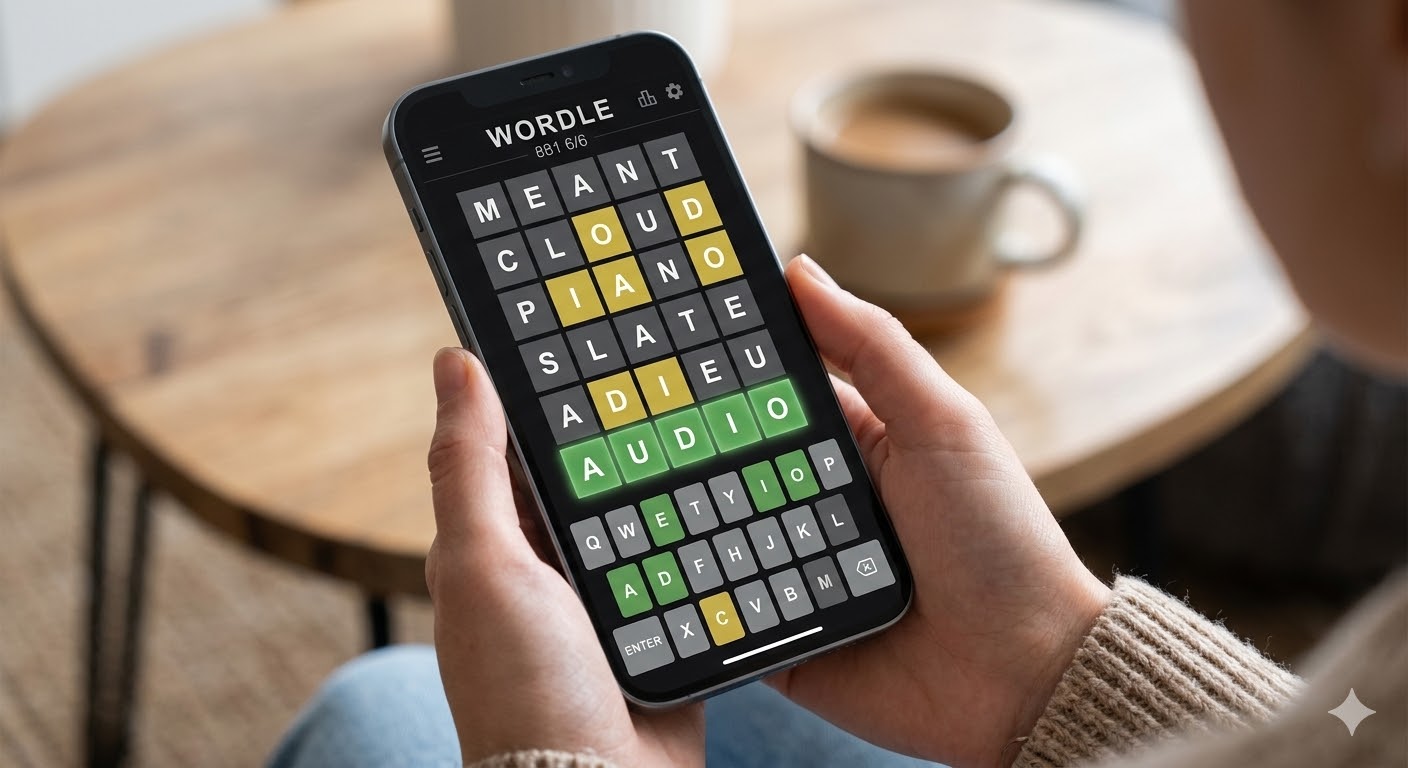
Wordle, the daily brain-teaser acquired by The New York Times in 2022, continues to captivate millions worldwide. Players get six attempts to identify a secret five-letter word, with color-coded feedback: green for correct letter and position, yellow for correct letter in the wrong spot, and gray for absent letters. The puzzle resets daily, encouraging streaks and community sharing of grids via emoji squares.
For March 18’s edition, the answer is **AMPLY**, an adverb meaning “fully,” “sufficiently,” “liberally” or “in abundance.” It derives from “ample,” signifying more than enough quantity or degree. The word features one vowel (A) upfront, no repeats, and uncommon consonants like P, L and Y — factors that contributed to its moderate challenge level.
### Spoiler-Free Hints to Guide Your Solve If you’re still working on today’s puzzle or want tips for similar future ones without immediate spoilers, here are progressive clues compiled from player reports and official NYT data:
1. The word is an adverb describing sufficiency or generosity in amount. 2. It starts with a vowel and ends with a consonant (specifically Y). 3. No letters repeat; all five are unique. 4. The fourth letter is L, a helpful mid-word anchor once discovered. 5. Common synonyms include “plentifully,” “abundantly” or “generously.” 6. It often appears in phrases like “amply supplied” or “amply rewarded.”
Advertisement
These hints narrow options without revealing too much. Starting words like SLATE, CRANE or PLATE (popular among pros) frequently eliminate multiple vowels and consonants early. Today’s puzzle rewarded vowel-heavy openers, as the A appeared in position one.
### Full Breakdown and Solution (Spoilers Ahead) Today’s Wordle answer: **AMPLY**.
– Position 1: A (green early if guessed correctly). – Positions 2-3: M and P (often yellow initially from words like “maple” or “ample”). – Position 4: L (a frequent pivot point). – Position 5: Y (the tricky finisher, as many overlook adverbial Y-endings).
The NYT WordleBot rated it moderately challenging, with average solvers needing about 4-5 guesses. Hard mode players (who must reuse revealed letters) often took longer due to the word’s rarity in everyday speech compared to nouns or verbs.
Advertisement
Community feedback on platforms like Reddit’s r/wordle described mixed experiences: some nailed it in three guesses after early PLATE or MAPLE attempts, while others burned through attempts on near-misses like “AMPLE” (missing the adverb form) or “APPLY.” No major trap words dominated discussions, though “AMPLY” evaded casual players expecting more common vocabulary.
### Why This Puzzle Stood Out “AMPLY” represents a classic Wordle archetype: an uncommon but valid English word that rewards broad lexicon knowledge. Unlike recent puzzles heavy on concrete nouns, this adverb demanded thinking beyond basics. It follows yesterday’s answer (CLASP, March 17), continuing a pattern of varied difficulty in mid-March 2026.
The NYT has kept Wordle ad-free and accessible via nytimes.com/games/wordle or the NYT Games app. No major rule changes have occurred since launch, though features like WordleBot analysis and archive access remain popular for post-solve review.
### Tips to Boost Your Wordle Game Long-Term – Prioritize starters with high-frequency letters (A, E, R, S, T, L). – Track eliminated letters meticulously. – Use second guesses to test new vowels and common consonants. – Avoid rare words early; save them for later slots. – Practice with variants like Quordle or Worldle for pattern recognition.
Advertisement
For March 18 solvers who preserved their streak, congratulations — “AMPLY” tested patience without frustration. Tomorrow’s puzzle awaits at midnight. Share your grid (🟩🟨⬛ format) in comments or on social media to compare paths.
As Wordle enters its fifth year of global play, puzzles like #1733 remind fans why the simple format endures: a daily dose of logic, language and just-right challenge.
Luxury car maker says it ‘remains strongly committed to Crewe’
Elliot Jessett City reporter
07:17, 18 Mar 2026Updated 07:17, 18 Mar 2026
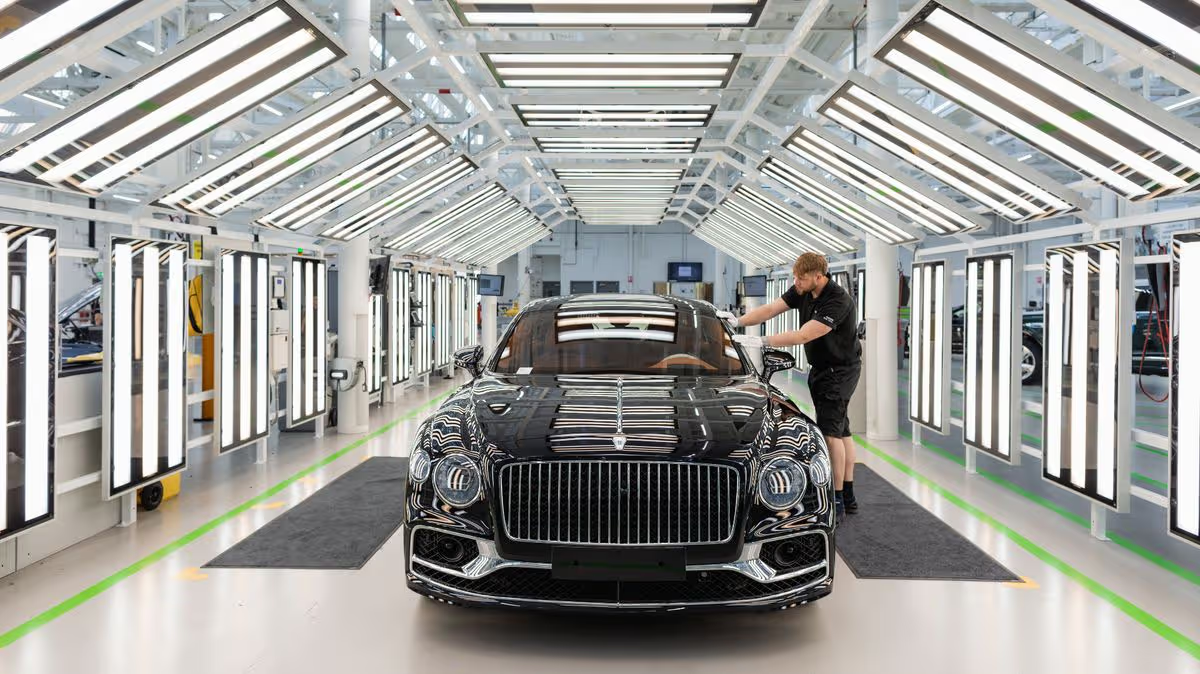
Inside Bentley’s plant in Crewe (Image: Steve Morgan)
Workers at luxury car maker Bentley have been left ‘stunned’ after the company confirmed its intention to cut hundreds of jobs. Union officials said the cuts have ‘come out of the blue’, citing contributing factors such as ‘Trump’s tariffs’ and the continued impact of the covid lockdowns.
Advertisement
Despite recording an operating profit of £186m in 2025, and a seventh consecutive year of profitability, the company said it planned to cut 275 roles, around 6% of its workforce, by cutting up to 150 staff and not filling vacant positions.
The GMB said Bentley had experienced a 40% year-on-year drop in profits, with GMB organiser Karen Lewis adding: “These cuts have come out of the blue and the workforce is stunned.
“Trump’s tariffs’ have hit Bentley hard and the company is still feeling the affects of the covid lockdown.
“GMB will stand side by side with members in Bentley to ensure the minimum redundancies and the maximum pay outs.”
Advertisement
Bentley said it remains committed to UK manufacturing,, reports the Liverpool Echo. It confirmed that work continues on the transformation of its Pyms Lane factory, including the ongoing conversion of the site’s oldest building, which will become the future electric vehicle assembly line.
A spokesperson for Bentley said: “Bentley has delivered a seventh consecutive year of profitability while continuing to invest significantly in the transformation of our Pyms Lane site for the next generation of Bentley vehicles, including our first fully electric model.
“As part of ensuring the business remains competitive and prepared for the future, we have begun a consultation programme covering management, agency and non-manufacturing roles, which could result in up to 275 positions being removed from the organisational structure, which equates to approximately six per cent of the organisation.
“These are difficult decisions and our priority is to support any colleagues who may be affected throughout the consultation process.
Advertisement
“Bentley remains strongly committed to Crewe and continues to invest in the long-term future of luxury car manufacturing at our Pyms Lane site.”
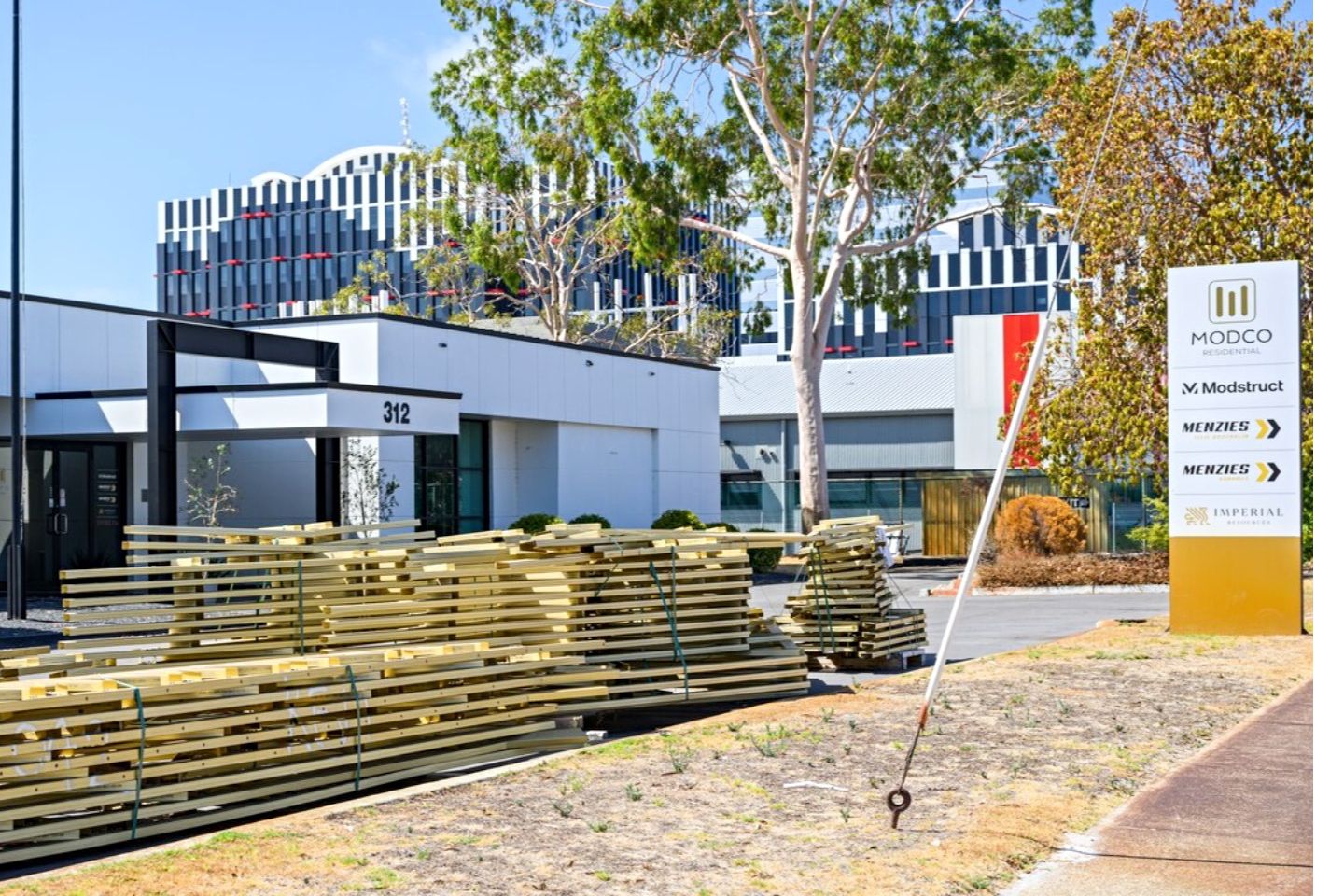
A legal action by Modco liquidators will progress after a 10-month delay, after a successful eleventh-hour bid to continue the dispute in the Federal Court.
TUCSON, Ariz. — More than six weeks after 84-year-old Nancy Guthrie vanished from her home in an affluent Tucson suburb, the investigation into her suspected abduction remains active but without a breakthrough arrest. Pima County Sheriff’s Office and FBI agents continue to analyze evidence, including a mixed DNA sample from the scene and additional surveillance images recovered from her residence, as the case enters its seventh week on March 18, 2026.
Savannah Guthrie & Nancy Guthrie
Nancy Guthrie, mother of NBC “Today” show co-anchor Savannah Guthrie, was last seen at her Catalina Foothills home on the evening of Jan. 31, 2026. Family members dropped her off around 9:30 p.m. local time after dinner. She failed to appear at church the next morning, Feb. 1, prompting a welfare check that escalated into a full-scale missing person probe.
Authorities quickly classified the disappearance as an abduction. Drops of blood believed to be hers were found on the front porch. Her doorbell camera was tampered with or disconnected around 1:47 a.m. on Feb. 1, and footage released by the FBI shows a masked, armed individual at the doorstep that night. Investigators believe she was taken against her will in the middle of the night, possibly while in bed. She left behind her cellphone, medications she requires daily for health conditions, and other essentials — factors that heightened concerns for her well-being early on.
The FBI joined the case immediately, establishing a dedicated tip line (1-800-CALL-FBI) and offering an initial $50,000 reward for information leading to her recovery or an arrest. In late February, the Guthrie family announced a separate $1 million reward, payable only upon Nancy’s safe recovery and consistent with FBI guidelines. Savannah Guthrie, her siblings Annie and Camron, and other relatives have made emotional public appeals via social media videos, pleading for tips and insisting “someone knows how to find our mom and bring her home.”
As of mid-March, no ransom has been confirmed paid, despite early speculation about demands. Pima County Sheriff Chris Nanos has said investigators have a theory on motive and believe the home was targeted, though he stopped short of confirming it definitively. He has not ruled out the possibility the perpetrator could strike again. Family members have been cleared as suspects.
Advertisement
Recent developments include FBI recovery of additional thumbnail images from home security cameras showing people in the yard area before the abduction — but nothing overtly suspicious, sources told outlets including ABC News and CBS News. The images are low-resolution and lack full video. Officials expressed hope in a DNA sample recovered from the scene, describing it as a potential breakthrough for identifying the suspect.
Tip volume surged initially but has tapered, per FBI statements. Investigators have focused on two dates in late January — Jan. 11 and Jan. 24 — and questioned neighbors about nearby construction crews or unusual activity. Experts note the case’s challenges: abductions of elderly individuals are rare (less than 0.2% of reported U.S. kidnappings involve those in their 80s), and the victim’s age complicates survival odds after prolonged captivity without medication.
The disappearance has drawn intense national attention due to Savannah Guthrie’s prominence. Media coverage has included timelines, expert panels on motive theories (ranging from targeted theft to more sinister possibilities), and comparisons to other unsolved cases. Public speculation on forums and social media has ranged from hopeful calls for her return to grim assessments of the odds.
Authorities emphasize the investigation’s ongoing nature. No arrests have been made, and Nancy’s whereabouts remain unknown. Officials urge anyone with information — even seemingly minor details — to contact the FBI anonymously. The family continues to hold out for her safe return while grappling with what experts call “ambiguous loss,” the prolonged grief of uncertainty.
Advertisement
As Day 46 approaches, the search for Nancy Guthrie stands as a stark reminder of vulnerability even in secure neighborhoods. With forensic leads still under review and a substantial reward outstanding, investigators and loved ones alike cling to hope amid the silence.















































You must be logged in to post a comment Login