The company has also opened a new shop in Ouseburn marking its fourth in the region
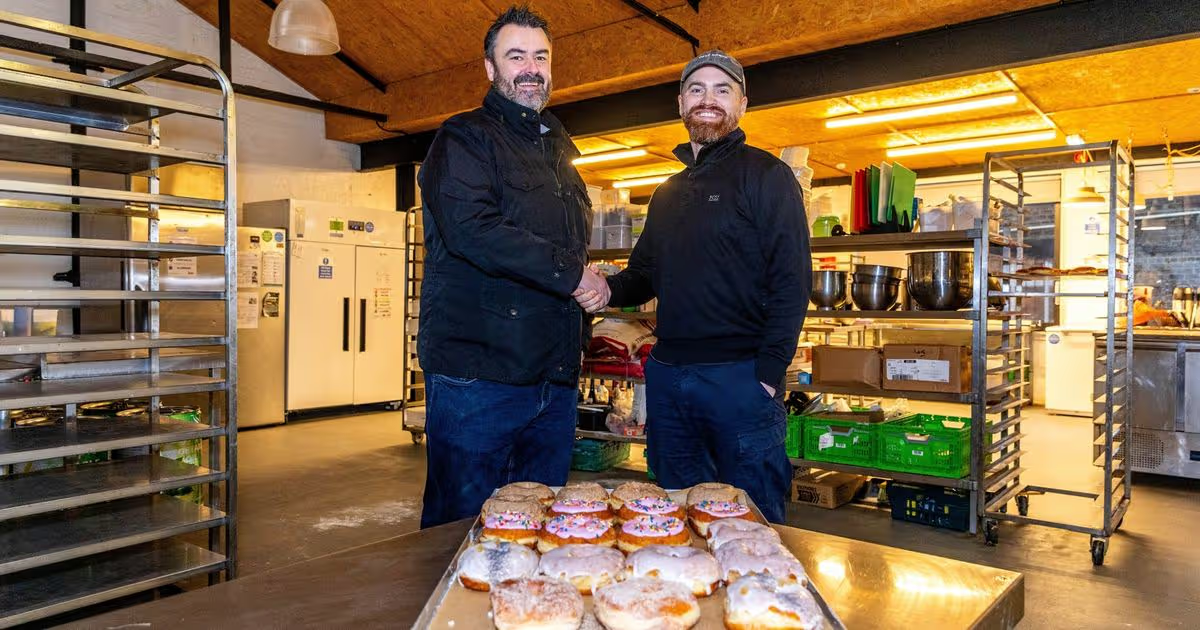
Phil Sly, specialist adviser at UMi, with Phil King, owner of Deep North.(Image: CREO COMMS)
A popular bakery business is stepping up its expansion plans as it opens a new production facility and head office in Newcastle. Artisan bakery and coffee company Deep North already draws in the crowds at its three shops in Tynemouth, Ouseburn and Sheepfolds Stables in Sunderland, thanks to its mouth-watering doughnuts all made from scratch in fresh batches every day.
The independent food firm, launched by Phil King and Tom Clark in 2022, produces a fresh batch of its doughnuts each day following a 24 to 36-hour process of making and proving dough, rolling, frying and decorating, with its homemade jams, fillings and glazes. Alongside its shops Deep North also frequently pops up at a number of events and markets.
Now the chain has opened a new store in Ouseburn, marking the company’s fourth in the North East and a major milestone in its ambition to expand its presence across the region. Phil King, owner and director of Deep North, said the expansion will significantly boost its production capacity, while transforming the working environment for its 29-strong team, providing a modern space designed to improve productivity and employee wellbeing.
The new facility also includes office space as well as room to grow as it continues to expand its workforce and its portfolio of stores.
Advertisement
Mr King said: “We are thrilled to officially unveil our new headquarters and central production kitchen which marks yet another major milestone for the business. It will provide us with the space required to not only increase our production capacity and headcount, but also provide our team with a far better working environment as we continue to innovate and grow.
“It is central to ensuring we can achieve our goal of continuing to open more stores across the region as we continue to expand over the coming months and years. The new shop is adjoined to the kitchen, and customers can sit and have a coffee as they watch our team make the doughnuts. We wanted to create an experiential environment which would open the doors on how we do things.”
Phil King, owner of Deep North (left) with Phil Sly, specialist adviser at UMi.(Image: CREO COMMS)
The new facility also gives Deep North space to host a programme of events, including doughnut decorating masterclasses and barista masterclasses, as it looks to continue diversifying its offer.
Mr King added: “We set up Deep North to bring something new to the North East and the launch of a dedicated events programme is another example of how we’re continuing to do just that.
Advertisement
“We have already delivered our first doughnut decorating masterclasses from the facility and have had bookings for our first barista masterclasses at Ouseburn. We have more plans to use the space in a creative way, which we are excited to roll out this year.”
UMi provided a £40,000 grant to Deep North through the Business Growth Fund, which it managed on behalf of Gateshead Metropolitan Borough Council, North East Combined Authority, and Sunderland City Council.
Phil Sly, specialist adviser at UMi, said: “Deep North is a fantastic example of how the right finance and support can help ambitious businesses realise their goals and scale sustainably.
“The new facility will provide Deep North with the space and infrastructure it needs to grow its workforce, increase output and expand its presence across the region, and we’re delighted to have been able to support Phil and the team on this remarkable journey.”
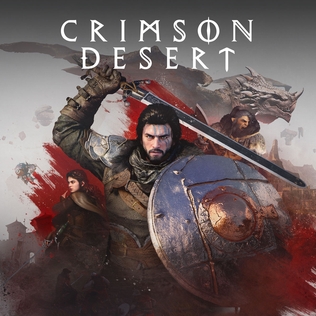
Pearl Abyss released Crimson Desert Patch 1.02.00 on April 4, 2026, introducing a significant expansion to private storage capacity, a new headgear visibility option and numerous quality-of-life improvements as the open-world action MMORPG continues its aggressive post-launch support just weeks after debut.
The latest update, titled Patch Notes Version 1.02.00 and revised at 05:00 UTC, addresses player feedback on inventory management while refining gameplay systems in the visually stunning world of Plan 8. Developers described the changes as responses to community requests, building on a series of rapid hotfixes and the substantial 1.01.00 patch from late March that added summonable mounts and reduced loading times.
Private storage capacity now scales with Greymane camp expansion progress, starting at 240 slots and increasing through five stages to a maximum of 1,000 slots. The expansions add slots incrementally: +100 for the first four stages and +360 for the final stage. This addresses one of the most common early complaints about limited inventory space in the action-adventure title, where players frequently gather resources, craft items and collect gear during exploration and combat.
The patch also adds a headgear visibility toggle, allowing players to hide or show helmets and other head equipment for cosmetic preferences or better character customization. Additional changes include an improved Abyss Nexus in Pailune and better visibility for explosive barrels when using the “Light Reflection” skill or lantern.
Pearl Abyss has maintained a brisk patching schedule since Crimson Desert’s launch in March 2026. The previous major update, Version 1.01.00 on March 28-29, introduced five new summonable mounts obtainable after completing specific conditions, including legendary animals and boss-inspired rides such as the Icicle Edge Alpine Ibex, Rock Tusk Warthog, Silver Fang and White Bear. That patch also decreased loading times for fast travel and revival, introduced a “Make Now” function for instant cooking and crafting, added a Refinement Coin for equipment tempering up to Stage 4 without extra materials, relocated the private storage chest and added prompts for using keys on locked doors.
Advertisement
Subsequent hotfixes in late March and early April tackled emerging issues. Patch 1.01.01 fixed button-related bugs, mount talisman display problems and various combat anomalies, such as bosses stopping movement or certain objects not destroying properly. Patch 1.01.02 on Steam improved graphics quality with NVIDIA Ray Reconstruction and DLSS, reduced blurriness in environments and fixed flickering effects with sky, clouds and chimney smoke. Patch 1.01.03 served as an all-platforms hotfix, addressing bosses freezing in combat and other stability concerns.
Players have praised the studio’s responsiveness. Community discussions on platforms like Reddit highlight the swift implementation of requested features, including control adjustments that improved keyboard/mouse and controller responsiveness. Changes in 1.01.00 allowed faster running by holding the key instead of repeated tapping and reduced stamina consumption while gliding or flying, addressing frustration with movement systems.
Crimson Desert, developed by Pearl Abyss as a flagship title following the success of Black Desert Online, emphasizes realistic visuals, fluid action combat and an expansive open world. The game features dynamic weather, detailed character models and a narrative-driven experience centered on the Greymanes faction. Early patches have focused on smoothing the onboarding experience, expanding utility features and balancing combat mechanics.
The April 4 update includes further refinements to fast travel, storage accessibility and environmental interactions. An Abyss Nexus addition in Pailune improves navigation and progression flow. Bug fixes target specific exploits and quality issues reported after the 1.01 series, demonstrating ongoing monitoring of player data and feedback.
Advertisement
Analysts note that Pearl Abyss’s approach mirrors successful live-service strategies, with frequent small-to-medium patches preventing major dissatisfaction from building. The studio has also teased future content through in-game hints and community channels, though no full roadmap has been publicly detailed beyond immediate QoL priorities.
For new and returning players, the cumulative effect of patches 1.01.00 through 1.02.00 significantly improves the experience. Inventory management feels less restrictive, crafting is more convenient, mounts add traversal options and visual/customization toggles enhance personalization. Combat and movement have seen iterative tuning to feel more responsive without altering core action-adventure identity.
Crimson Desert is available on PC (Steam and other platforms), PlayStation 5 and Xbox Series X|S, with patches rolling out across supported systems. Some updates, such as certain Steam hotfixes, deploy first before broader availability. Players should restart the client after downloading to ensure changes take effect.
Community reception has been largely positive, with many calling the post-launch support “impressive” for a new release. Some veteran players compare the pace favorably to other MMORPG launches, noting that inventory and storage concerns — common pain points in resource-heavy games — received attention quickly.
Advertisement
As Crimson Desert matures, expectations include further content additions, balance adjustments and potential expansions to endgame activities. The rapid iteration suggests Pearl Abyss aims to build a long-term player base through consistent improvements rather than waiting for larger seasonal updates.
Travelers in the world of Plan 8 will benefit immediately from expanded storage when managing gathered materials, crafted goods and looted equipment. The headgear option allows for varied appearances during group activities or solo exploration without sacrificing protection stats.
Pearl Abyss encourages players to report remaining issues through official channels, promising continued monitoring. A message to players accompanying earlier patches emphasized commitment to refining the experience based on real feedback.
With Patch 1.02.00 now live, Crimson Desert players can enjoy enhanced inventory freedom and visual flexibility while the studio prepares the next round of enhancements. The game’s blend of high-fidelity graphics, engaging combat and open-world freedom continues to evolve rapidly in its early weeks.
Advertisement
For the latest details, players should check the official Crimson Desert website or in-game notices, as patch notes can receive revisions for clarity or additional fixes. As of April 4, 2026, the latest version delivers tangible improvements that address key launch feedback and set a foundation for future growth in this ambitious action MMORPG.
Elon Musk on Saturday directly urged X users to “Try Grok” in a post that amplified growing enthusiasm for xAI’s Grok Imagine tool, just days after OpenAI’s decision to deprecate its Sora video-generation API left creators and startups seeking faster, cheaper alternatives.
Musk’s brief message quoted a user report detailing how several startup founders switched to Grok Imagine following Sora’s shutdown and immediately preferred its video output for quality, speed and cost. The April 4 post quickly garnered millions of views and hundreds of replies featuring user-generated videos created with the tool, underscoring a shift in the competitive AI video landscape.
Grok Image
The timing aligns with OpenAI’s phased discontinuation of Sora. The company announced in late March 2026 that its consumer web and app experiences would end April 26, with the Sora API fully deprecated by September 24. OpenAI cited a strategic pivot toward robotics and agentic AI systems, freeing up compute resources previously dedicated to the once-hyped video model. Industry observers noted that Sora, despite generating significant buzz upon its public launch, struggled with monetization and high operational costs, prompting the abrupt wind-down.
In the quoted post by user @veggie_eric, startup friends described Grok Imagine as delivering noticeably better video quality than Sora while being “cheaper and faster.” The message included a short video clip demonstrating the tool’s output, which Musk highlighted by simply adding “Try Grok.” Within hours, replies flooded in with fresh examples: cinematic animations, dynamic scenes and creative experiments produced via Grok Imagine’s Quality Mode. Users praised improvements in motion consistency, detail and generation speed, often contrasting it favorably against Sora’s limitations.
Grok Imagine, part of xAI’s Grok AI ecosystem available to X Premium subscribers, has rapidly evolved since its introduction. It supports video generation up to 15 seconds at 720p resolution, with strong emphasis on stylistic control, dynamic composition and creative freedom. Early benchmarks and user tests in 2026 positioned it as a value leader, delivering competitive results at roughly half the cost of premium alternatives while maintaining fast turnaround times. Recent updates have focused on refining temporal consistency and reducing artifacts, drawing praise from creators who previously relied on Sora or competitors like Google’s Veo and Kling.
Advertisement
The surge in interest reflects broader market dynamics. With Sora’s exit, developers and content creators face fewer high-quality API options for text-to-video and image-to-video workflows. Grok Imagine’s accessibility through the X platform — without the need for separate developer accounts in many cases — has lowered barriers for experimentation. Multiple replies to Musk’s post featured side-by-side comparisons or standalone clips, with users noting Grok’s ability to handle complex prompts, cinematic styles and imaginative scenarios more fluidly than expected.
One reply showcased a 30-second high-quality animation with the caption “Grok Imagine quality mode is 🔥 Best update so far!” Another user posted a Hollywood-level scene generated for pennies, echoing the quoted post’s emphasis on affordability. Community feedback highlighted daily improvements, with some creators reporting that Grok Imagine now rivals or exceeds earlier versions of Sora in visual flair and prompt adherence.
xAI has leaned into rapid iteration. Since Grok’s broader rollout, the company has prioritized user-facing enhancements to image and video tools, positioning Grok Imagine as a practical, fun alternative to more enterprise-focused offerings. Musk’s personal involvement — frequently posting about xAI advancements — has amplified visibility, turning product updates into viral moments on X. The Saturday post fits a pattern of direct engagement that drives adoption among X’s 600 million-plus users.
OpenAI’s move away from Sora has drawn mixed reactions. While some developers expressed disappointment over lost access to a once-promising tool, others viewed it as inevitable given the compute-intensive nature of video generation and shifting priorities toward physical-world AI applications like robotics. Reports indicated that a major Disney investment tied to Sora did not materialize as expected, contributing to the decision to sunset the project.
Advertisement
Analysts see the transition as emblematic of the fast-paced AI race. Video generation remains one of the most resource-heavy frontiers, with companies balancing innovation, cost and safety. Grok Imagine’s lighter moderation compared to some competitors has appealed to creators seeking fewer restrictions, though xAI maintains guardrails against harmful content. Independent tests in early 2026 ranked Grok Imagine highly for value and creativity, though some noted resolution trade-offs versus 1080p outputs from premium rivals.
For startups, the switch appears seamless. The quoted post’s author highlighted how Grok Imagine became the “forcing function” for experimentation after Sora’s deprecation. Early adopters reported productivity gains in content creation, marketing assets and prototyping, with generation times measured in seconds rather than minutes. Cost savings were particularly attractive for smaller teams operating on tight budgets.
Musk’s post also reignited conversations about competition between xAI and OpenAI. The two companies, led by former collaborators turned rivals, have sparred publicly over AI safety, talent and market direction. Musk has long criticized OpenAI’s shift toward profit-driven models, positioning xAI as a truth-seeking alternative. Grok Imagine’s momentum provides tangible evidence of xAI’s ability to deliver consumer-friendly tools at scale.
User sentiment on X leaned overwhelmingly positive. Replies included calls to “open your eyes and try @grok Imagine,” testimonials from artists generating entire short films and predictions that accessible AI video tools will democratize filmmaking. Some creators shared before-and-after examples showing Grok’s progress, while others requested specific features or animated versions of personal avatars. The volume of shared media demonstrated the tool’s growing role in everyday creative workflows.
Advertisement
Broader implications extend to the entertainment and media industries. As AI video matures, tools like Grok Imagine could lower barriers for independent filmmakers, marketers and educators. Industry watchers predict accelerated adoption across social platforms, with X’s integration giving Grok a unique distribution advantage. However, challenges remain around copyright, deepfake risks and ethical use, areas where both xAI and OpenAI continue refining policies.
xAI has not issued an official statement beyond Musk’s post, but the company’s track record suggests further updates to Grok Imagine are imminent. Recent patches have focused on quality mode enhancements, hinting at ongoing investment in video capabilities as part of Grok’s multimodal expansion.
For X users, Musk’s simple directive “Try Grok” served as both product pitch and cultural moment. In an era where AI tools evolve weekly, the post captured a tipping point: one major player’s retreat creating space for another’s rise. Whether Grok Imagine sustains its early momentum will depend on continued iteration, but Saturday’s response indicated strong initial traction among creators seeking reliable, affordable alternatives.
As the AI video sector consolidates, Saturday’s exchange highlighted a core truth of the industry — rapid disruption favors the agile. With Sora’s sunset underway and Grok Imagine gaining converts, the conversation around accessible, high-quality generation tools has shifted firmly toward xAI’s corner for the moment. Users and developers alike appear ready to explore what comes next in this fast-moving field.
Pythia Research focuses on multi-bagger stocks, primarily in the technology sector. Our approach combines financial analysis, behavioral finance, psychology, social sciences, and alternative metrics to assess companies with high conviction and asymmetric risk-reward potential. By leveraging both traditional and unconventional insights, we aim to uncover breakout opportunities before they gain mainstream attention. Our multidisciplinary strategy helps us navigate market sentiment, identify emerging trends, and invest in transformative businesses poised for exponential growth. We don’t just follow the market—we anticipate where disruption will create the next big winners.Markets don’t move purely on fundamentals; they move on perception, emotion, and bias. We lean into that reality. Investor behavior, anchoring to past valuations, herd mentality during rallies, panic selling from recency bias, creates persistent inefficiencies. These moments of mispricing often mark the start of a breakout, not the end of one.Rather than avoid psychological noise, we analyze it. When the crowd sees volatility, we assess whether it’s driven by emotion or fundamentals. Status quo bias can keep investors blind to companies redefining their category. Fear of uncertainty can delay recognition of businesses with clear but unconventional growth paths. We look for these disconnects.Our process blends deep research with signals others miss: sudden shifts in narrative, early social traction, founder-driven vision, or underappreciated momentum in developer or user adoption. These are often the precursors to exponential moves, if you catch them early.We focus on conviction plays, not safe bets. Each opportunity is evaluated for Risk/Reward profile: limited downside, explosive upside. We believe that the best returns come from understanding where belief is lagging reality.
Analyst’s Disclosure: I/we have no stock, option or similar derivative position in any of the companies mentioned, and no plans to initiate any such positions within the next 72 hours. I wrote this article myself, and it expresses my own opinions. I am not receiving compensation for it (other than from Seeking Alpha). I have no business relationship with any company whose stock is mentioned in this article.
Seeking Alpha’s Disclosure: Past performance is no guarantee of future results. No recommendation or advice is being given as to whether any investment is suitable for a particular investor. Any views or opinions expressed above may not reflect those of Seeking Alpha as a whole. Seeking Alpha is not a licensed securities dealer, broker or US investment adviser or investment bank. Our analysts are third party authors that include both professional investors and individual investors who may not be licensed or certified by any institute or regulatory body.
LAKELAND, Fla. — Publix Super Markets will be closed on Easter Sunday, April 5, 2026, continuing a company tradition of shutting all stores and pharmacies for the Christian holiday celebrating the resurrection of Jesus Christ.
The Florida-based grocery chain, which operates more than 1,300 locations across Florida, Georgia, Alabama, South Carolina, North Carolina, Tennessee, Virginia and Kentucky, observes only three full closures each year: Thanksgiving, Christmas and Easter. This policy gives employees the day off to spend with family, a practice rooted in founder George Jenkins’ vision when he opened the first Publix in Winter Haven, Florida, in 1930.
Publix’s official website and multiple store status pages confirm that all locations and associated pharmacies will remain dark on April 5. Liquor stores attached to some Publix locations will also close. The company has maintained this consistent holiday schedule for decades, even as it expanded Sunday operations in 1983 after years of closing entirely on Sundays.
Shoppers planning Easter meals — ham, deviled eggs, fresh produce, desserts or last-minute items for family gatherings — should complete purchases by Saturday, April 4, when most Publix stores will operate normal hours. Saturday typically sees extended foot traffic as customers stock up ahead of the closure.
The decision aligns with broader retail trends for Easter 2026. Several major chains, including Target, Costco, Sam’s Club, Aldi and some department stores, plan similar full or partial closures to observe the holiday. In contrast, Walmart stores are expected to remain open during regular hours in most locations, offering a convenient alternative for groceries, household goods and emergency needs. Whole Foods, certain Kroger banners and independent grocers may also operate with possible reduced hours, though shoppers should verify locally.
Advertisement
Publix’s closure reflects respect for the religious significance of Easter for many employees and customers in its core Southeastern markets. While the company has evolved with modern retail demands — adding online ordering, delivery through Instacart and curbside pickup — it has preserved these three annual shutdowns as a nod to work-life balance and tradition.
Founder Jenkins, who died in 1996, emphasized treating associates well and building a company culture centered on community and family values. Closing on major holidays remains one visible expression of that philosophy. Company statements over the years have noted that the policy allows team members to celebrate with loved ones without the pressure of retail demands.
For customers accustomed to Publix’s famous “Pub subs,” fresh bakery items and customer service, the Easter closure means planning ahead. Many families stock up on Thursday or Friday, or shift to online orders that can be picked up or delivered before the weekend. Publix’s website and app will continue to function on Easter for browsing and account management, but no orders will process or deliver that day.
Regional variations are minimal. Whether in bustling South Florida markets, Atlanta suburbs or smaller towns in the Carolinas, the closure applies uniformly. Travelers passing through Publix-heavy states during the long Easter weekend should note the schedule to avoid disappointment at the pump or deli counter.
Advertisement
Easter 2026 falls on April 5 for Western Christian denominations. Eastern Orthodox Christians will observe the holiday on April 12, meaning some communities may have staggered family celebrations. Publix’s policy remains tied to the April 5 date observed by the majority of its customer base.
Alternatives abound for those needing items on Easter Sunday. Convenience stores such as 7-Eleven, gas station markets and pharmacies like CVS or Walgreens are likely to operate, though with limited grocery selections. Fast-food chains and some restaurants will also be open for meals, while Walmart provides the broadest retail fallback in most areas.
The closure has sparked practical conversations in local media across Florida and the Southeast. Outlets in Tampa, Miami, Jacksonville and Orlando have published guides listing open and closed retailers, helping residents navigate the holiday. Common advice includes preparing Easter baskets, meals and gatherings in advance and enjoying the day without last-minute retail runs.
Publix’s stance stands in contrast to some national chains that have reduced holiday closures over time to capture sales. The company’s loyalty to three annual shutdowns has earned appreciation from employees and some customers who value the family-focused approach, even if it means adjusting shopping habits.
Advertisement
As Easter approaches, Publix encourages customers to plan accordingly. Saturday hours will be standard, providing a final opportunity for fresh flowers, produce, meats and bakery favorites. Those relying on Publix pharmacies for prescriptions should refill early in the week.
The broader retail landscape for Easter 2026 shows a mix of traditions and modern convenience. While some big-box stores prioritize accessibility, others like Publix, Target and Costco prioritize employee time off. This balance reflects ongoing debates in American retail about holiday operations, labor and cultural observances.
For Publix loyalists, the annual Easter closure has become an expected part of the calendar — a reminder to stock up early and focus on what matters most during the holiday. As the chain continues to grow and innovate with technology and services, its commitment to closing on Easter remains unchanged.
Shoppers in Publix territories are advised to check the company’s website or local store for any last-minute updates, though the policy has been consistent for years. With Easter falling on a Sunday in 2026, the long weekend offers ample time for family, reflection and celebration once essentials are secured on Saturday.
Advertisement
In the end, Publix’s decision underscores a simple message: some things, like time with family on a meaningful holiday, outweigh the convenience of open doors. Customers who plan ahead can still enjoy the Publix experience throughout the weekend while respecting the chain’s longstanding tradition.
Fred Piard, PhD. is a quantitative analyst and IT professional with over 30 years of experience working in technology. He is the author of three books and has been investing in data-driven systematic strategies since 2010. Fred runs the investing group Quantitative Risk & Value where he shares a portfolio invested in quality dividend stocks, and companies at the forefront of tech innovation. Fred also supplies market risk indicators, a real estate strategy, a bond strategy, and an income strategy in closed-end funds. Learn more.
Analyst’s Disclosure: I/we have a beneficial long position in the shares of AMGN either through stock ownership, options, or other derivatives. I wrote this article myself, and it expresses my own opinions. I am not receiving compensation for it (other than from Seeking Alpha). I have no business relationship with any company whose stock is mentioned in this article.
Seeking Alpha’s Disclosure: Past performance is no guarantee of future results. No recommendation or advice is being given as to whether any investment is suitable for a particular investor. Any views or opinions expressed above may not reflect those of Seeking Alpha as a whole. Seeking Alpha is not a licensed securities dealer, broker or US investment adviser or investment bank. Our analysts are third party authors that include both professional investors and individual investors who may not be licensed or certified by any institute or regulatory body.
TUCSON, Ariz. — Two months after 84-year-old Nancy Guthrie vanished from her Catalina Foothills home in what authorities describe as an abduction, the high-profile case involving the mother of NBC’s “Today” show co-host Savannah Guthrie remains unsolved, with no suspect named and her whereabouts unknown.
Investigators from the Pima County Sheriff’s Office and the FBI continue to comb through evidence, including doorbell camera footage, potential ransom demands and mixed DNA samples, but critics have raised questions about the probe’s early handling amid a “serious experience gap” among initial responders.
Nancy Guthrie
Guthrie was last seen around 9:45 p.m. on Jan. 31, 2026, when family members dropped her off at her adobe-style home nestled among mesquite trees and saguaros in the affluent Tucson suburb after a dinner outing. She was reported missing the next day, Feb. 1, when she failed to appear at a friend’s house for a livestreamed church service — a Sunday routine.
Sheriff Chris Nanos quickly classified the disappearance as an abduction, citing evidence at the residence indicating she was taken against her will. Chilling video from a Ring doorbell camera showed a masked individual approaching the home that night. Additional images recovered by the FBI from other property cameras have been analyzed, though authorities have said they do not show anything immediately incriminating.
The family has been cooperative, passing polygraph tests, and has offered a $1 million reward for information leading to Guthrie’s safe return — a sum that remains unclaimed. In recent statements, her children, including Savannah and Annie Guthrie, pleaded for any details, no matter how small, urging neighbors and the public to review home surveillance footage from key dates: Jan. 11, Jan. 31 and Feb. 1.
Advertisement
As the search hit day 62 this week, questions have mounted about potential investigative shortcomings. A law enforcement source told NewsNation that the homicide supervisor who first responded to the scene had never previously investigated a homicide, pointing to what one ex-FBI agent described as a “serious experience gap” that may have hobbled early efforts.
Insiders have alleged other missteps, including delays in processing certain digital evidence and challenges with geofence data from Google. Reports also emerged that back doors of Guthrie’s home were found propped open, adding to the mystery of how an elderly woman with limited mobility could have been removed without immediate detection.
Pima County Sheriff Nanos has defended his department, noting that tens of thousands of tips have poured in, with searches conducted on foot, by air and with assistance from federal agencies. “This remains an active investigation and will continue until Nancy Guthrie is located or all leads have been exhausted,” a sheriff’s spokesman said.
Investigators have pursued several angles. They examined a possible internet outage or glitch in the neighborhood on the night of the disappearance, questioning residents about connectivity issues that might have affected security cameras or alerts. Mixed DNA found at the home has complicated analysis because it appears to include samples from multiple people.
Advertisement
More recently, authorities have turned attention to contractors, subcontractors and day laborers who may have had access to Guthrie’s property or the surrounding neighborhood. One source described tracking these workers as “a mess” due to the volume and transient nature of the labor.
Unverified reports of ransom notes demanding millions — some referencing Bitcoin — have circulated, with Savannah Guthrie reportedly believing at least two such communications were legitimate. However, no arrests have stemmed from them, and details remain closely held by investigators.
The vast desert terrain near Guthrie’s home, known for a history of violent crime in some areas, has been extensively searched but yielded no trace of the missing woman. A body of an adult woman found in a Scottsdale canal last weekend was quickly ruled unrelated to the case.
The disappearance has captivated national attention, in part because of Savannah Guthrie’s prominence on morning television. The “Today” co-host has been largely absent from the show since the ordeal began but is expected to return Monday. The family has expressed gratitude for community support while emphasizing their desperation for answers.
Advertisement
Experts and former detectives have drawn parallels to other cases but note unique elements here: the victim’s advanced age makes her case statistically rare among abductions, and the apparent lack of forced entry or major disarray inside the home has puzzled observers. One retired detective suggested shifting focus from a “missing person” framing to a potential homicide investigation, though officials have not done so publicly.
Doorstep camera footage has sparked broader public interest in how long such devices retain recordings and who can access them. In Guthrie’s case, the FBI obtained additional photos from three cameras on her property, highlighting both the value and limitations of consumer security tech when cloud storage or local retention periods expire.
As the case enters its third month, the absence of breakthroughs has frustrated some. Nancy Grace and other commentators have pointed to perceived flaws, such as the handling of initial evidence or the scope of early interviews. A private investigator and retired detectives have publicly analyzed the probe, suggesting that the suspect may have already been interviewed casually among the contractor pool or neighborhood canvass.
Guthrie, a widow since 1988, lived independently despite her age and was active in her church community. Her other daughter, Annie, and son have joined Savannah in public appeals, stressing that “no detail is too small.” Banners reading “Bring Her Home” have appeared around Tucson, and the case has reopened wounds for other families of long-term missing persons.
Advertisement
The Pima County Sheriff’s Office has faced additional scrutiny unrelated to the core investigation, including reports about Sheriff Nanos allegedly bringing a loaded firearm to an airport checkpoint, though he has pushed back against criticism of his department’s work on the Guthrie matter.
Authorities continue to ask the public for any surveillance video, sightings of suspicious vehicles or individuals near the Catalina Foothills home in late January or early February, or information about anyone who may have had access to the property through work or other means.
The FBI and local agencies maintain a joint task force, processing digital leads, vehicle data and witness statements. A geofence warrant and blockchain analysis related to any cryptocurrency demands have been mentioned in media reports as ongoing efforts.
For now, the questions far outnumber answers in this baffling case: How was an 84-year-old grandmother taken from her secure home in a quiet neighborhood without immediate alarm? Who might have had the opportunity and motive? And, most pressingly, is Nancy Guthrie still alive?
Advertisement
Her family clings to hope, the reward stands, and investigators insist the case is far from closed. As one expert noted, in high-profile abductions, breakthroughs can come from the most unexpected tip — perhaps one still waiting to surface from the thousands already received.
Thousands of runners, joggers and walkers in everything from Easter bunny suits to formal attire laced up Saturday for the 48th LCMC Health Crescent City Classic, the “original party race” that transformed a simple 10K into one of America’s most festive road events.
5 Fun Facts Abou Crescent City Classic 2026: Crescent City Classic 2026 Sells Out with Record 20,000 Runners
The sold-out race, held April 4, 2026, on the Saturday before Easter, kicked off at 8 a.m. from the Caesars Superdome, snaking through the French Quarter, along scenic Esplanade Avenue and finishing under the live oaks of City Park in front of the New Orleans Museum of Art. Organizers boosted capacity to 21,000 entries after last year’s record 18,000-participant sellout, reflecting surging demand for the Gulf South’s premier fitness celebration.
The event, produced by the nonprofit Crescent City Classic Foundation since 1979, blends elite competition with pure New Orleans fun. Participants included world-class athletes chasing fast times on a flat, speedy course alongside casual runners pushing strollers, wheelchair athletes and even those towing coolers. Many donned costumes, turning the 6.2-mile route into a moving street party.
Here are five fun facts that capture the unique spirit of the Crescent City Classic:
First, it started small but exploded into a Louisiana institution. The inaugural 1979 race drew just 902 participants. Over four decades, it has grown into one of the largest and oldest 10K races in the nation, routinely attracting more than 15,000 to 20,000 people and earning praise in major running publications as both one of America’s fastest 10Ks and the originator of the “party race” concept.
Advertisement
Founder Mac DeVaughn launched the event, initially held in the fall before shifting to the Saturday before Easter. Early routes varied — one started at Jackson Square and wound through other neighborhoods — before settling on the current spectator-friendly path from the Superdome through iconic New Orleans districts to City Park. The change helped cement its status as an Easter weekend tradition alongside Mardi Gras and Jazz Fest.
Second, costumes and creativity rule the day. Unlike buttoned-up marathons, the Classic encourages flair. Runners have crossed the finish line in full-body bunny outfits, butterfly wings, tuxedos and second-line-inspired getups complete with umbrellas and handkerchiefs. The “fastest second line in history” has become a race highlight, with brass bands and local flavor energizing the course. Organizers embrace the chaos, noting the event welcomes everyone from serious competitors to those walking the route with cocktails in hand.
Third, the post-race Michelob Ultra RaceFest turns the finish line into a full-blown celebration. After crossing under the oaks, participants enjoy live music from local bands, New Orleans cuisine, cold drinks and a festive atmosphere in City Park. Many sign up primarily for the party, making the Classic as much social event as athletic challenge. The surrounding weekend includes a free two-day Health & Fitness Expo on April 2-3, open to the public with vendors, demos and merchandise.
Fourth, the race doubles as a major charity driver through its “Run For It” program. The foundation aims to raise $1 million annually for local nonprofits serving the Greater New Orleans area. Charity runners and partners help fund community needs while giving participants an extra purpose. Groups like Girls on the Run and others offer scholarship opportunities tied to participation, blending fitness with philanthropy.
Advertisement
Fifth, the course itself is a love letter to New Orleans. Starting near the Superdome, runners pass through the historic French Quarter with its balconies and jazz echoes, then glide along tree-lined Esplanade Avenue before ending in the serene beauty of City Park. The flat, fast layout has produced strong times, yet its scenic and cultural appeal draws participants who prioritize experience over personal records. The route’s beauty and the city’s unique vibe have earned it descriptions as “a great race on a beautiful course in America’s most unique city.”
Elite runners still chase victory on the speedy course. In past editions, top finishers have included standout performers, though the first 46 races saw many wins by out-of-town athletes. The 2026 field featured competitive divisions, with overall winners typically finishing the 10K in well under 30 minutes on the flat terrain.
Beyond the fun facts, the Classic reflects New Orleans’ resilient spirit. Produced locally by a 501(c)(3) foundation, it promotes health, fitness and an active lifestyle across all ages and abilities. Families push strollers, corporations field teams and visitors from around the world join locals for the experience.
Registration for 2026 closed as a sellout, with fees ranging from about $55 to $80 depending on timing. Bibs were mailed to early registrants, while others picked up packets at the expo. Virtual options allowed participants worldwide to complete 6.2 miles on race day and submit times for results, shirts and medals.
Advertisement
Traffic and parking required planning, with New Orleans police announcing street closures around the start at Poydras and Loyola streets and along the route. Organizers urged spectators and participants to use public transit or arrive early.
The event’s growth mirrors broader trends in participatory running, where inclusivity and enjoyment rival competition. While some races focus solely on times, the Classic has pioneered the “race for all y’all” ethos — young, old, fit or not-so-fit, everyone finds a place.
Challenges include managing large crowds in a dense urban setting and balancing the party atmosphere with safety. Yet the foundation has sustained the tradition through economic ups and downs, pandemics and recovery, keeping the Classic a signature spring event.
Runners often cite the post-race energy and city backdrop as reasons for repeat participation. The live oaks at the finish provide welcome shade after the morning effort, while the sounds of second lines and cheers create lasting memories.
Advertisement
As one of the longest-running 10Ks, the Classic holds a special place in road racing history. It has been featured in running magazines for its innovation in combining serious athletics with Southern hospitality and Carnival-like revelry.
Looking ahead, the foundation continues planning for future editions, including the separate Corporate Classic 5K held in City Park later in the year, which serves as a qualifier for seeded starts in the main 10K.
For many, the Crescent City Classic embodies what makes New Orleans special: resilience, creativity, community and the ability to turn any occasion into a celebration. Whether chasing a personal best or simply soaking in the sights and sounds, participants leave with more than a finisher’s medal — they gain stories, friendships and a deeper appreciation for the city’s vibrant culture.
The 2026 edition capped another successful chapter, with thousands crossing the line amid cheers, music and the unmistakable energy that only New Orleans can provide over 6.2 miles.
Advertisement
Organizers thanked sponsors including LCMC Health, Michelob Ultra and others for supporting the event’s growth and charitable mission. Results and photos were expected to be posted on the official site soon after the race.
In a city known for its festivals, the Classic stands out as an accessible, joyful way to embrace movement while honoring local traditions. As it enters its fifth decade, the race shows no signs of slowing down — only speeding up the fun.
Rida Morwa is a former investment and commercial Banker, with over 35 years of experience. He has been advising individual and institutional clients on high-yield investment strategies since 1991. Rida Morwa leads the Investing Group High Dividend Opportunities where he teams up with some of Seeking Alpha’s top income investing analysts. The service focuses on sustainable income through a variety of high yield investments with a targeted safe +9% yield. Features include: model portfolio with buy/sell alerts, preferred and baby bond portfolios for more conservative investors, vibrant and active chat with access to the service’s leaders, dividend and portfolio trackers, and regular market updates. The service philosophy focuses on community, education, and the belief that nobody should invest alone. Learn More.
Analyst’s Disclosure: I/we have a beneficial long position in the shares of NNN either through stock ownership, options, or other derivatives. I wrote this article myself, and it expresses my own opinions. I am not receiving compensation for it (other than from Seeking Alpha). I have no business relationship with any company whose stock is mentioned in this article.
Beyond Saving, Philip Mause, and Hidden Opportunities, all are supporting contributors for High Dividend Opportunities. Any recommendation posted in this article is not indefinite. We closely monitor all of our positions. We issue Buy and Sell alerts on our recommendations, which are exclusive to our members.
Advertisement
Seeking Alpha’s Disclosure: Past performance is no guarantee of future results. No recommendation or advice is being given as to whether any investment is suitable for a particular investor. Any views or opinions expressed above may not reflect those of Seeking Alpha as a whole. Seeking Alpha is not a licensed securities dealer, broker or US investment adviser or investment bank. Our analysts are third party authors that include both professional investors and individual investors who may not be licensed or certified by any institute or regulatory body.



























































You must be logged in to post a comment Login