
Business
Price Hike and Recipe Overhaul Spark Rage


SYDNEY — Australian shoppers are in uproar after Bunnings Warehouse introduced major changes to its iconic sausage sizzle, including higher prices and a revised recipe that many say has ruined the beloved weekend tradition at the hardware giant’s stores nationwide.
The backlash erupted this week after Bunnings confirmed it would increase the price of its classic “snag” from $2.50 to $3.50 and switch to a new supplier using leaner beef with different seasonings. Customers across social media and in-store have described the new version as “bland,” “dry” and “not worth the extra dollar,” turning what was once a simple fundraising staple into a national talking point.

Bunnings, which operates more than 280 stores across Australia and New Zealand, has long used the sausage sizzle as a community engagement tool, with local groups running the barbecues to raise money for schools, sports clubs and charities. The $2.50 snag with bread and onions has become a cultural institution, often called the “Bunnings snag” and frequently ranked among the nation’s most cherished cheap eats.
The company said the changes were necessary due to rising beef prices, supply chain costs and customer feedback requesting “healthier options.” A spokesperson told media the new snag uses 100% Australian beef with reduced fat content and a “subtler seasoning profile” to appeal to modern tastes. However, the announcement triggered an immediate and intense backlash.
Social media platforms were flooded with angry posts, memes and videos of disappointed customers biting into the new sausages. Hashtags including #BunningsSnag, #SnagGate and #SaveTheBunningsSnag trended nationally, with many comparing the new product unfavourably to the old “juicy, fatty classic.”
One viral video from a Melbourne store showed a customer dramatically spitting out a bite while declaring, “This is not a Bunnings snag!” The clip has been viewed millions of times. Another customer in Perth started a Change.org petition titled “Bring Back the Real Bunnings Snag” that has already gathered more than 85,000 signatures in less than 48 hours.
Long-time Bunnings shopper Mark Thompson from Brisbane said the change feels like a betrayal. “For years we’ve lined up for that perfect sausage on bread after grabbing some tools or paint. Now it tastes like a diet version nobody asked for,” he said. “It’s the principle of the thing. Leave our snags alone.”
Bunnings has attempted to respond to the outrage. The company posted on social media acknowledging the feedback and promising to “review the feedback and explore options.” However, many viewed the response as too little, too late, with critics accusing the retailer of being out of touch with its core customer base.
The controversy has even drawn comment from politicians. Opposition figures have used the issue to criticise cost-of-living pressures, while some government members defended the move as a necessary adaptation to economic realities. One federal MP jokingly called for a “Snag Inquiry” in parliament.
Retail analysts say the intensity of the reaction highlights how deeply embedded Bunnings has become in Australian culture. The sausage sizzle is more than just food — it represents community, convenience and the simple pleasures of weekend hardware shopping. Changing such a beloved tradition was always going to be risky.
Bunnings CEO Mike Schneider addressed the issue in a brief statement. “We value our customers’ feedback and take it seriously. The sausage sizzle is an important part of the Bunnings experience, and we’re listening to what people are saying,” he said. The company has not ruled out reverting to the old recipe or offering both options at different prices.
Food commentators have weighed in on the new snag’s merits. Some praise the leaner version as a healthier alternative, while others argue that part of the appeal was the indulgent, no-frills classic. Celebrity chef Pete Evans called the change “another step towards sanitising Australian food culture,” while MasterChef alumni have offered mixed reviews.
The sausage saga has also impacted Bunnings’ bottom line in the short term. Several stores reported slower foot traffic over the weekend as some shoppers boycotted in protest. Local community groups that rely on snag sales for fundraising have expressed concern about potential revenue drops.
As the debate continues, Bunnings faces a delicate balancing act. The company must address rising operational costs while preserving the goodwill that has made it one of Australia’s most trusted and visited retailers. Customer loyalty programs and in-store surveys are reportedly being ramped up to gauge ongoing sentiment.
For many Australians, the Bunnings snag represents more than just lunch — it’s a symbol of practicality, community spirit and uncomplicated enjoyment. The strong reaction shows how even small changes to everyday rituals can strike a nerve in the national psyche.
Whether Bunnings will fully restore the original snag or find a compromise remains to be seen. In the meantime, the great Australian snag debate of 2026 continues to simmer, with shoppers across the country hoping their favourite weekend treat makes a triumphant return.
The company has promised further updates in the coming days as it reviews customer feedback. For now, many loyal Bunnings customers say they will keep buying tools and timber but may skip the snag until things improve.
The saga serves as a reminder that in Australia, you don’t mess with the Bunnings snag lightly. As one viral post put it: “You can raise the price of timber, but leave our sausages alone.”

Reform UK dials back tax pledges as local governance reality sets in

NEW YORK — Samsung’s Galaxy Z Fold series continues dominating the foldable smartphone market in 2026, leaving potential buyers weighing whether to purchase the latest Z Fold 8 now or hold out for Apple’s long-rumored foldable iPhone expected later this year. The decision hinges on immediate needs versus anticipation of Apple’s ecosystem integration and premium build quality in its first book-style foldable device.
Samsung’s latest foldables offer refined designs, powerful performance and established software optimizations, making them attractive for users seeking productivity and multitasking today. Apple’s entry, potentially dubbed iPhone Fold or iPhone Ultra, promises seamless iOS integration and innovative features but remains months away with possible supply constraints.
Current Galaxy Z Fold Advantages
Samsung’s Z Fold 8 builds on years of iteration, delivering a mature product with minimal creases, durable hinges and versatile use cases. The inner display provides tablet-like productivity for split-screen apps, note-taking and media consumption, while the cover screen handles quick tasks like a traditional phone.
Performance shines with flagship Snapdragon processors, ample RAM and excellent cameras. Battery life improved through efficiency gains, though heavy multitasking still drains power faster than slab phones. Software features like Flex Mode enhance the foldable experience for video calls and content creation.
Pricing remains premium but competitive within the category, with trade-in programs and carrier deals easing the cost. Samsung’s ecosystem, including Galaxy Watch and Buds integration, appeals to Android users seeking seamless connectivity.
Early adopters praise the device’s ability to replace both phone and tablet for many users. Drawbacks include weight, durability concerns over repeated folding and higher price compared to standard flagships.
Apple’s Foldable Plans Generate Buzz
Rumors suggest Apple’s foldable iPhone could launch in September 2026 alongside Pro models, featuring a wider design for better ergonomics and a near-crease-free display. Expected specs include a large inner screen, powerful A-series chip and premium materials aligning with iPhone standards.
The device would bring Apple’s polish to foldables, with optimized iOS for the form factor, exceptional build quality and tight integration with Mac, iPad and other devices. Camera systems, battery life and software features could set new benchmarks if leaks prove accurate.
Potential downsides include high pricing potentially exceeding $2,000, limited initial supply and the risk of first-generation issues common in new categories. Apple’s history of entering markets late but excelling through refinement suggests a strong contender, but buyers must wait.
Key Comparison Factors
Design and Build: Samsung offers tried-and-tested book-style folding with incremental improvements. Apple’s rumored wider aspect ratio could feel more natural for media and productivity, potentially reducing the “phone when folded” compromise.
Software Experience: Android on Z Fold provides immediate customization and app optimization for foldables. iOS on Apple’s device would offer unmatched fluidity and privacy features, but developers may need time to fully adapt apps.
Performance and Features: Both promise flagship power, but Samsung’s current models deliver today with excellent multitasking. Apple’s silicon excels in efficiency and AI capabilities, potentially offering superior battery life and camera processing.
Ecosystem Integration: Android users benefit from Samsung’s Galaxy ecosystem. Apple devotees gain from seamless continuity across devices, making the foldable a natural extension of existing setups.
Price and Value: Z Fold models command premium prices but include trade-ins and promotions. Apple’s entry could exceed expectations, targeting luxury buyers willing to pay for brand and refinement.
Availability and Reliability: Samsung provides immediate access with proven track records. Apple’s first foldable may face production delays common in new categories, though the company typically prioritizes quality.
Who Should Buy Galaxy Z Fold Now
Tech enthusiasts wanting foldable benefits immediately should consider the Z Fold 8. Professionals needing multitasking for work, students for note-taking or media consumers for larger screens benefit from current options. Android users deeply invested in Google’s ecosystem find strong value.
Those prioritizing innovation and willing to wait may hold for Apple. iPhone loyalists expecting ecosystem synergy or users seeking premium refinement could find the wait worthwhile. Budget-conscious buyers might explore mid-cycle deals on previous Z Fold generations.
Market Trends in Foldables
Foldables represent the fastest-growing premium segment, with shipments increasing yearly. Samsung maintains leadership through iteration, but Apple’s entry could expand the category significantly by attracting mainstream users.
Competition from Chinese brands like Huawei and Honor pushes innovation in hinges, displays and software. Durability improvements and crease reduction address early criticisms, broadening appeal.
Pricing remains a barrier for mass adoption, though trade-ins and financing options help. As technology matures, costs may decrease, accelerating growth.
Final Recommendation Considerations
The choice depends on timeline, ecosystem preference and risk tolerance. Buying Samsung provides immediate utility with minimal first-gen risks. Waiting for Apple offers potential for superior integration but requires patience and possible initial supply limits.
Evaluate current needs against future desires. Test devices in-store to experience the form factor. Consider total cost of ownership, including accessories and potential trade-ins.
Tech evolves rapidly, so neither choice locks users out of future upgrades. Both Samsung and Apple drive innovation benefiting consumers through competition.
As 2026 progresses, more details on Apple’s foldable will emerge, potentially influencing decisions. For now, Galaxy Z Fold delivers proven foldable excellence while Apple builds anticipation for its debut.


Financial analyst by day and a seasoned investor by passion, I’ve been involved in the world of investing for over 15 years and honed my skills in analyzing lucrative opportunities within the market.I specialize in uncovering high quality dividend stocks and other assets that offer potential for long term-growth that pack a serious punch for bill-paying potential. I use myself as an example that with a solid base of classic dividend growth stocks, sprinkling in some Business Development Companies, REITs, and Closed End Funds can be a highly efficient way to boost your investment income while still capturing a total return that follows traditional index funds. I created a hybrid system between growth and income and manage to still capture a total return that is on par with the S&P.
Analyst’s Disclosure: I/we have no stock, option or similar derivative position in any of the companies mentioned, and no plans to initiate any such positions within the next 72 hours. I wrote this article myself, and it expresses my own opinions. I am not receiving compensation for it (other than from Seeking Alpha). I have no business relationship with any company whose stock is mentioned in this article.
Seeking Alpha’s Disclosure: Past performance is no guarantee of future results. No recommendation or advice is being given as to whether any investment is suitable for a particular investor. Any views or opinions expressed above may not reflect those of Seeking Alpha as a whole. Seeking Alpha is not a licensed securities dealer, broker or US investment adviser or investment bank. Our analysts are third party authors that include both professional investors and individual investors who may not be licensed or certified by any institute or regulatory body.
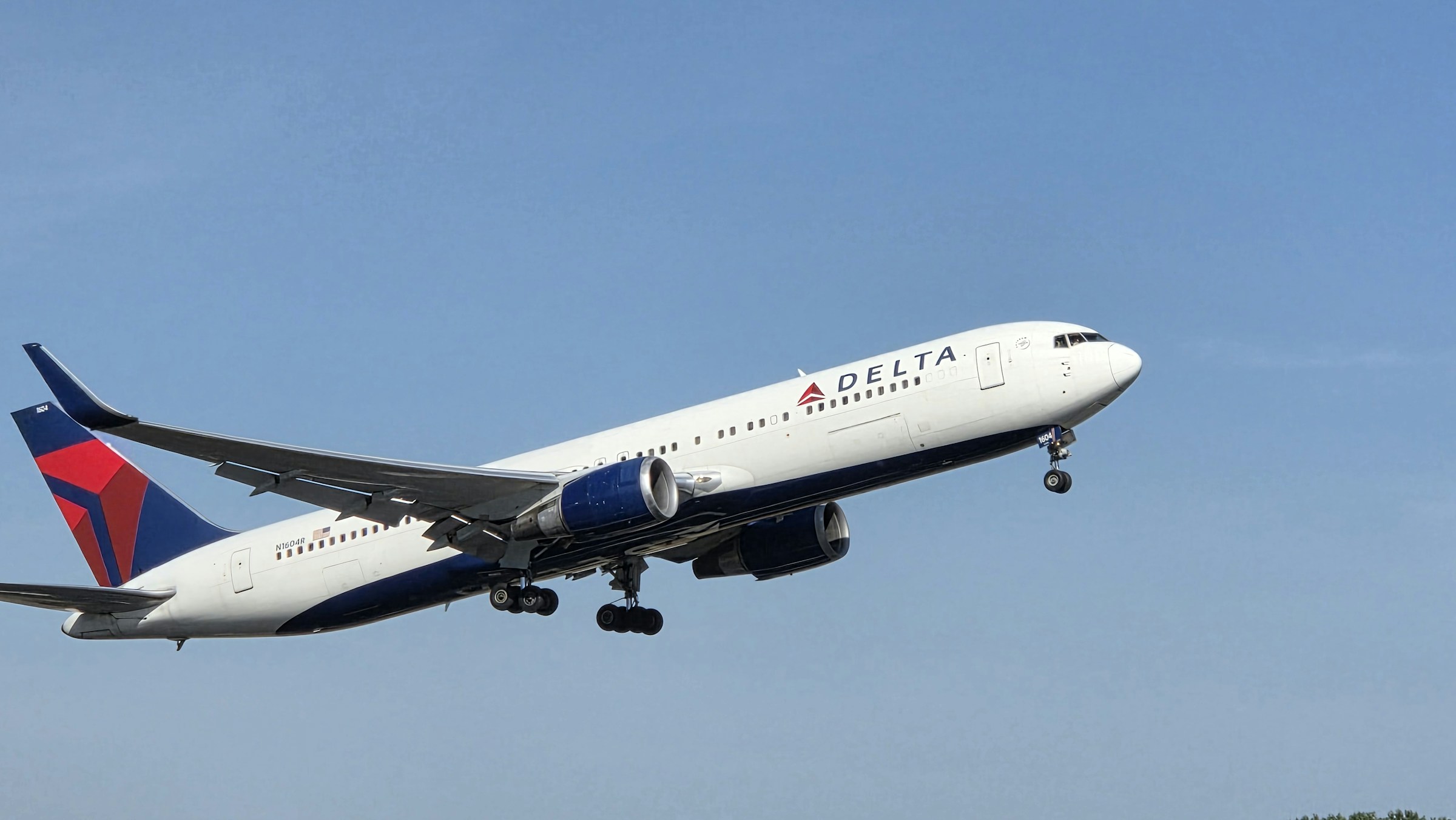
MIAMI — A Delta Air Lines flight from Miami to Atlanta turned back to the gate Monday after a passenger refused repeated crew requests to end a phone call during taxi, sparking disruption that led to the individual’s removal and a delay for fellow travelers. The incident on Flight 1323 highlighted ongoing challenges with in-flight compliance and passenger conduct rules as airlines enforce federal regulations on electronic devices.
Delta confirmed the customer ignored instructions while the aircraft taxied for takeoff from Miami International Airport. Crew members made multiple attempts to resolve the situation calmly, but the passenger became disruptive, prompting the captain to return to the gate. The individual was removed by ground staff, allowing the flight to eventually depart after approximately one hour.
Details of the Disruption Unfold
According to airline statements and witness accounts, the passenger, seated in business class, continued the call despite announcements and direct requests. Video circulating on social media captured frustrated passengers urging compliance, with some chanting for the individual to exit the plane.
Delta emphasized safety protocols prohibiting phone calls during critical phases of flight. Federal Aviation Administration rules require devices in airplane mode or off during takeoff and landing to avoid potential interference, though modern concerns center more on cabin harmony than technical risks.
The flight, carrying over 160 passengers, experienced the delay as crew deplaned the disruptive traveler and reset procedures. Delta apologized to customers for the inconvenience, noting such incidents remain rare but underscore the importance of following crew instructions.
Passenger Identification and Aftermath
Reports identified the passenger as Shannon Marie Harris from Georgia. Miami-Dade police assisted in the removal, though no immediate arrest details emerged beyond the deplaning. Harris reportedly faced consequences for non-compliance, a common outcome in similar cases.
Fellow passengers expressed mixed reactions. Some voiced annoyance at the delay impacting connections and schedules, while others supported the crew’s decision to prioritize safety and order. Social media amplified the event, with videos garnering thousands of views and sparking debates on airline etiquette.
Delta reiterated its commitment to a respectful travel environment. “We apologize to our customers for this experience and delay in their travels,” a spokesperson said. The airline works with authorities when necessary to address disruptive behavior.
Broader Context of In-Flight Incidents
The event fits a pattern of occasional conflicts over electronic device use. Airlines enforce strict policies during taxi, takeoff and landing, with crew trained to address non-compliance firmly. Federal regulations empower captains with broad authority to remove passengers for safety reasons.
Similar incidents have occurred across carriers, often involving phone calls, loud conversations or refusal to follow mask or seatbelt rules in past years. Most resolve without escalation, but a minority lead to deplaning, delays and sometimes legal consequences.
Industry experts note rising passenger stress from crowded flights, delays and post-pandemic travel rebound contributing to tensions. Crew training emphasizes de-escalation, but persistent refusal leaves limited options.
Airline Policies and Passenger Rights
Delta and peers maintain clear rules on portable electronic devices. Calls are prohibited once the aircraft door closes until cruising altitude in many cases, though Wi-Fi and texting are generally allowed. Announcements reinforce expectations before departure.
Passengers have rights to comfortable travel but must comply with safety instructions. Refusal can result in removal, denied boarding on future flights or civil penalties. Carriers often offer rebooking on later flights for removed passengers.
Travelers advise reviewing policies before boarding and maintaining patience during ground operations. Most incidents stem from misunderstandings rather than malice, though deliberate defiance escalates quickly.
Impact on Operations and Travelers
The one-hour delay affected connections at Atlanta’s busy hub, potentially cascading into further disruptions. Delta accommodated affected passengers where possible, rebooking or providing compensation per policy.
Miami International Airport, a major gateway, sees thousands of daily flights. Such events, though infrequent, remind operators of the need for efficient ground handling and clear communication.
For passengers on the flight, the experience ranged from minor inconvenience to significant frustration, especially those with tight schedules. Social media reactions ranged from support for crew to criticism of both passenger and airline response.
Industry Efforts to Improve Compliance
Airlines collaborate with regulators on passenger conduct initiatives. Enhanced training, clearer announcements and technology like onboard cameras aid management of disruptions. Public awareness campaigns remind travelers of shared responsibilities.
Federal authorities track unruly passenger reports, with most incidents involving alcohol or compliance issues. Fines and bans serve as deterrents, though enforcement varies.
As air travel volumes recover, maintaining cabin harmony remains a priority. Crew members balance service with safety, often under challenging conditions.
Lessons and Recommendations for Travelers
Experts advise powering down devices or switching to airplane mode promptly when instructed. Listening to crew announcements and following directions prevents escalation. Patience during ground delays benefits everyone.
Booking flexible tickets or travel insurance provides buffers against disruptions. Understanding rights and responsibilities creates smoother experiences for all.
The Miami-Atlanta incident, while disruptive, resolved without injury or major damage. It serves as a reminder that small actions impact fellow passengers significantly in confined aircraft environments.
Delta’s handling aligned with standard procedures, prioritizing safety and orderly operations. As the industry evolves, such events highlight the human element in high-tech aviation.
Travelers continue sharing stories online, turning the incident into a viral lesson on airplane etiquette. For the removed passenger, consequences may include future travel restrictions.
The event underscores the balance airlines strike between customer service and regulatory compliance. Most flights operate smoothly, but rare disruptions remind everyone of shared rules governing modern air travel.

Ignacio Cuenca
Good morning, ladies and gentlemen. First, we would like to extend a warm welcome to all of you who have joined us today for our 2026 first quarter results presentation. As is customary, we will follow the traditional structure of our events. We are going to begin with an overview of the results and the key developments during the period. The presentation and the Q&A will be delivered by the top executive team joining us today. Mr. Ignacio Galan, Executive Chairman; Mr. Pedro Azagra, CEO; and finally, Mr. Pepe Sainz, CFO. After the presentation, we’ll move onto the Q&A session.
I would like to remind you that we will only be taking questions submitted through our website. Please send your question exclusively via www.iberdrola.com. Finally, we expect that today’s event to last no more than 60 minutes. Should any question remain unanswered, the IR team will, as always, remain fully at your disposal. We hope that this presentation will be useful and informative for all of you.
Now without further ado, I would like to hand the floor over to Mr. Ignacio Galan. Thank you once again. Please, Mr. Galan.
Jose Sanchez Galán
Executive Chairman
Thank you, Ignacio. Good morning, everyone, and thank you very much for joining today’s conference call. In the first quarter 2026, adjusted net profit increased by 11% to EUR 1,865 million. Adjusted EBITDA reached EUR 4.1 billion, up to 2.4%, mainly driven by 9% increase in networks more than offsetting the lower contribution of Power & Customers due to nonrecurring impacts in Iberia in the first quarter 2026. And in this previous year in U.S., which


NATO: working with US to understand details of troop reduction in Germany

“Cuba’s got problems,” Trump said in one of several digressions in his Friday evening speech before the non-profit Forum Club of the Palm Beaches.
“On the way back from Iran, we’ll have one of our big, maybe the USS Abraham Lincoln aircraft carrier – the biggest in the world – we’ll have that come in, stop about 100 yards offshore, and they’ll say, ‘Thank you very much. We give up’,” he said.
The Trump administration is in the midst of a monthslong campaign to press the Cuban government to make dramatic reforms.
All the while, Trump has repeatedly threatened that the US could take military action against the island to get what he wants.
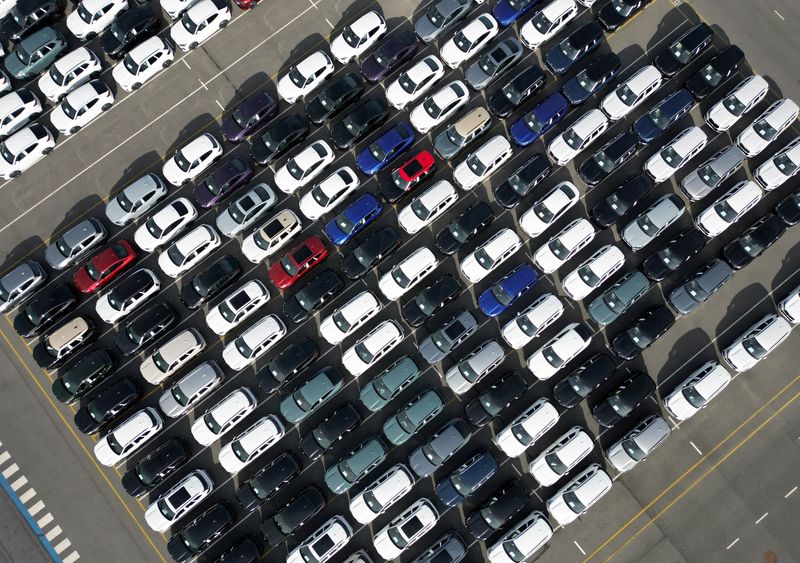

Trump auto tariff hike could cost Germany nearly $18 billion in output, institute says


US troop drawback underlines European defence responsibility, German minister says

India-linked supertanker tests Hormuz blockade to ease domestic fuel crisis
Reform UK dials back tax pledges as local governance reality sets in

3D Printed Orrery Runs On A Single Motor

Money Is Cool But This Is Cooler #Edit

Manchester United reach agreement with Casemiro over contract clause amid transfer speculation

US brings back mandatory military draft registration

Steven Gerrard disagrees with Gary Neville over ‘shock’ Chelsea and Arsenal claim | Football


-

 Tech5 days ago
Register Renaming | Hackaday
-
 Crypto World7 days ago
Hyperliquid $HYPE Rally Builds Momentum as AI Sector Enters Prove-It Phase
-

 Politics5 days ago
Drax board avoid their own AGM, accused of greenwashing & environmental racism
-

 Tech5 days ago
Why Blue Badges Disappeared From Toyota Hybrids
-

 Tech5 days ago
Images of Samsung’s rumored smart glasses have leaked
-
 Sports6 days ago
IPL 2026: Ruturaj Gaikwad registers slowest fifty of the season, enters all-time unwanted list | Cricket News
-
 Tech16 hours ago
Trump’s 25% EU auto tariff breaches Turnberry Agreement that also covers semiconductors and digital trade
-

 NewsBeat6 days ago
LK Bennett closes all stores after entering administration
-

 Fashion3 days ago
Kylie Jenner’s KHY Enters a New Era with ‘Born in LA’
-
 Entertainment7 days ago
Mariah Carey Slams Deposition Claims In Brother’s Lawsuit
-

 Business3 days ago
Most Commercial Energy Audits Miss the Real Losses
-

 Crypto World4 days ago
CFTC’s AI will review U.S. crypto registration applications, chairman tells CoinDesk
-

 Business5 days ago
(VIDEO) Charlize Theron Climbs Times Square Billboard to Promote New Netflix Thriller ‘Apex’
-

 Business3 days ago
Barclay Brothers Avoid Bankruptcy: HSBC Drops High Court Petitions After IVA Deal
-
 Sports15 hours ago
Paul Scholes issues Marcus Rashford reality check as agreement emerges over Man United star
-

 Tech6 days ago
Microsoft to roll out Entra passkeys on Windows in late April
-

 Tech6 days ago
OpenAI’s Sam Altman apologizes for not reporting ChatGPT account of Tumbler Ridge suspect to police
-
 Business3 days ago
Tesla Officially Registers Elon Musk’s Stock: What Investors Need to Know
-

 Tech6 days ago
OpenAI CEO apologizes to Tumbler Ridge community
-

 Tech4 days ago
Get Ready for More Brain-Scanning Consumer Gadgets
You must be logged in to post a comment Login