
Business
Record Wait Times Hit US Airports in 2026


The partial government shutdown affecting the Department of Homeland Security has pushed the Transportation Security Administration into crisis mode, producing the longest security wait times in the agency’s 24-year history as unpaid officers call out in record numbers and hundreds quit their jobs.

The funding lapse, which began Feb. 14, 2026, entered its 42nd day on Friday, forcing roughly 50,000 TSA officers to work without full paychecks while handling spring break travel volumes that are about 5% higher than last year. Acting TSA Administrator Ha Nguyen McNeill told a House committee this week that wait times at some major airports have exceeded four hours, with call-out rates surpassing 40% to 50% at multiple hubs.
More than 460 TSA officers have resigned since the shutdown started, according to Department of Homeland Security figures, compounding chronic staffing shortages. McNeill described the situation as “dire” and warned that some smaller airports could face temporary closures if absences continue climbing. Even if Congress reaches a funding deal soon, officials say it could take days or weeks to restore full operations as new hires require four to six months of training.
Impact on Travelers and Airports
Long lines have snaked through terminals at major hubs including Hartsfield-Jackson Atlanta International, George Bush Intercontinental in Houston, John F. Kennedy in New York and others. In Houston, some checkpoints operated with only two of eight lanes open, pushing waits toward four hours on certain days. Atlanta saw call-out rates near 38% on peak days, with lines spilling into concourses and baggage claim areas.
Airports have urged passengers to arrive three to four hours early for domestic flights and even earlier for international ones. Videos circulating on social media show frustrated travelers standing for hours, some missing flights despite early arrival. Airlines including Delta have warned customers of potential delays and, in one case, temporarily suspended special security lane access for members of Congress.
Conditions vary widely by airport and time of day. Some facilities report manageable waits of 15 to 30 minutes during off-peak hours, while others experience unpredictable surges. Third-party trackers and airport websites have become essential tools, as the official MyTSA app has faced limitations during the shutdown.
To ease pressure, the Trump administration deployed hundreds of Immigration and Customs Enforcement agents and other DHS law enforcement personnel to 14 major airports starting this week. The ICE officers, who continue receiving pay during the lapse, have assisted with crowd management and non-screening duties, though they are not trained to perform actual security checks. The move drew mixed reactions, with some lawmakers expressing concern over the optics and effectiveness.
Financial Strain on TSA Workforce
TSA officers missed their first full paycheck around mid-March and face another missed payday soon, with nearly $1 billion in unpaid wages accumulated by Friday. Union leaders say many screeners feel abandoned, with some sleeping in cars, donating plasma or taking second jobs to cover rent and bills. Call-out rates have tripled or quadrupled at affected airports compared with normal levels of about 4%.
The American Federation of Government Employees has highlighted the human cost, noting that officers continue performing essential security work despite the hardship. In previous shutdowns, including one in late 2025, more than 1,100 TSA officers eventually left the agency.
Recruitment and retention challenges predated the current crisis, but the funding standoff has accelerated attrition. TSA leaders have testified that the agency is already operating under strain from high travel demand and the need to modernize screening technology.
Political Stalemate in Congress
The shutdown stems from a partisan impasse over DHS funding, tied to broader disputes involving immigration enforcement reforms. Senate votes this week failed to advance proposals, with momentum toward a deal slowing ahead of a planned two-week congressional recess. House Republicans have passed multiple funding measures, but Senate Democrats have blocked them, citing concerns over immigration provisions.
Both sides have traded blame. Republican leaders accuse Democrats of reckless obstruction harming travelers and workers. Democrats counter that the standoff reflects deeper disagreements on spending priorities and oversight of agencies like ICE. President Donald Trump on Thursday announced plans to sign an executive order directing DHS to pay TSA officers immediately, though details on funding sources remain unclear.
Negotiators continue behind-the-scenes talks, with some optimism for a partial funding agreement that would cover most of DHS. Even a resolution, however, would not instantly resolve airport chaos due to lingering staffing gaps and training timelines.
Broader Security and Economic Risks
TSA officials have raised alarms about elevated security risks from reduced screening capacity and fatigued officers. The agency also faces challenges maintaining vigilance against evolving threats while managing daily passenger volumes.
Economically, the disruptions threaten tourism, business travel and airline revenues during a busy spring season. Smaller airports are particularly vulnerable, with some already consolidating lanes or adjusting hours.
Travelers are advised to check multiple sources for real-time wait times, including airport websites, third-party apps and airline alerts. Preparing liquids, electronics and documents in advance, along with enrolling in TSA PreCheck or CLEAR where possible, can help when lanes are open. Those with medical needs or traveling with families should request assistance early.
Outlook and Recovery Challenges
As the shutdown drags into its seventh week, the human and operational toll continues mounting. Union representatives warn that morale is at a low point and that long-term damage to the TSA workforce could persist even after funding resumes.
Experts note that the current episode underscores vulnerabilities in relying on essential workers during funding disputes. Previous shutdowns produced similar patterns of absences and resignations, but the overlap with spring break and higher travel demand has amplified effects this time.
For now, passengers face uncertainty at checkpoints nationwide. Airports with lower call-out rates or better local management have fared better, but major hubs remain under strain. Travelers are urged to build generous buffers into their plans and stay flexible.
Congress faces pressure to resolve the impasse before the recess, with public frustration over airport lines adding urgency. Whether through legislation or executive action, restoring pay and staffing stability is seen as critical to easing the immediate crisis and preventing further deterioration of national transportation security.
The TSA shutdown’s ripple effects serve as a stark reminder of how congressional gridlock can directly disrupt everyday American life, from family vacations to business trips. As negotiators work toward compromise, millions of travelers hope for swift resolution and a return to smoother journeys through America’s airports.

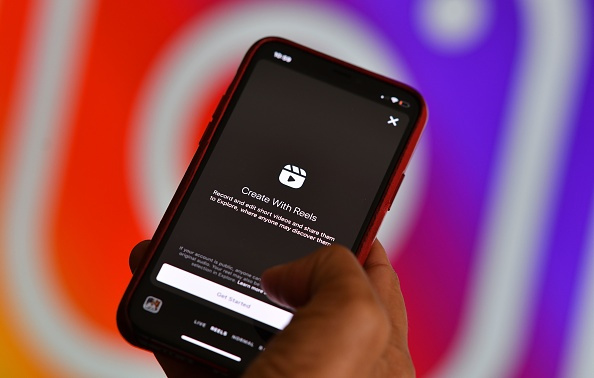

A new leak has claimed that Meta’s Instagram is working on a feature that will allow offline streaming of Reels content after the app automatically downloads the videos available on the social media platform.
Instagram Leak: Offline Reels Streaming Reportedly In the Works
App researcher and insider Alessandro Paluzzi shared his latest discovery on X, which showcased a new feature that may be coming to Instagram that will allow offline Reels streaming on the platform.
The latest discovery shows how it will work on the Instagram app, particularly how to control the feature.
Here, users may see a “Manage offline downloads” feature on Instagram’s Reels, where they could choose to “Enable downloads” of content on the platform and download videos “on WiFi only.”
This specific settings page discovered by the app researcher also show the “Downloads status” display, which will detail the progress of Reels content downloads on the platform, showing the finished downloads and those still in progress.
Automatic Downloads of Reels
The Instagram app’s new settings page for Reels offline streaming brings massive information about how automatic downloads will work, and it is expected to arrive soon on the app.
As mentioned earlier, users may choose to turn on the automatic downloads of Reels content, especially when there is no available internet connection or cellular data.
Users may also set the number of Reels to be automatically downloaded by the app, which ranges from 10, 30, or 50 videos to save offline.
Next, users may view the downloaded Reels on their devices, but it remains unconfirmed if they get the option to manage these videos, like deleting a few at a time.
Lastly, there is the Surface mode, where users can choose from “Feed” or “Downloads.”
Originally published on Tech Times
The security feature called “Lockdown Mode” is almost four years old, and Apple has recently claimed that it has prevented all kinds of spyware attacks on devices where it is enabled.
This specific feature is an opt-in one found in the device’s settings, and it switches off certain features that bad actors mostly use to get into devices, helping stop the threat before it even gains access.
Apple’s Lockdown Mode Prevented All Kinds of Spyware Attacks
According to a report by TechCrunch, Apple spokesperson Sarah O’Rourke told the publication that Apple’s Lockdown Mode has prevented all kinds of spyware attacks on devices that have it turned on.
O’Rourke said that the company was not able to detect and record any kind of “mercenary spyware attacks” against devices that have Lockdown Mode enabled.
The Cupertino tech giant reaffirmed how effective and powerful their Lockdown Mode is, and according to TechCrunch, this is the company’s second time claiming the usefulness of the feature since it was launched.
The report shared that Amnesty International’s head of security lab, Donncha Ó Cearbhaill, also backed Apple’s claims, saying that he and his colleagues did not see any evidence that Lockdown Mode-enabled devices were compromised by this kind of attack.
Lockdown Mode Is Available on the iPhone, iPad, and Mac
It was revealed that Apple has accepted the fact that their devices can be hacked, and the company has been notifying affected or targeted customers over the years. With this, Lockdown Mode was born, specifically as the company prioritizes privacy and security for their devices, something which they have prided themselves on over the years.
The security feature was made available to the iPhone, iPad, and Mac devices, and this feature could be turned on in the Settings app. Lockdown Mode will turn off several device features that may be exploited or hacked, taking down potential points of entry before bad actors get a chance to attack.
Apple previously claimed that it can also protect users from government spyware made by the likes of Intellexa, NSO Group, and Paragon Solutions.
Originally published on Tech Times


Italian market watchdog deems all MPS board slates fully legitimate, source says
Business
Nike Earnings Preview: The Company Really Needs To Return To Mid-Single-Digit Revenue Growth
Nike Earnings Preview: The Company Really Needs To Return To Mid-Single-Digit Revenue Growth
Business
Ajanta Pharma, Sun Pharma poised to tap GLP-1 opportunity amid market shift: Siddhartha Khemka

The addressable opportunity remains substantial. With an estimated 75–80 million obese individuals and a large proportion suffering from co-morbid conditions, the need for structured obesity management is becoming increasingly evident. GLP-1 penetration, which remained low due to patent protection, is now expected to rise meaningfully as affordability improves and distribution expands. Over the next 3–5 years, the market could scale to INR34–67 billion, driven by rising patient adoption and chronic therapy demand.
A key growth driver is the expanding prescriber base. While endocrinologists and diabetologists remain primary stakeholders, adoption is increasingly being supported by cardiologists, gastroenterologists, gynaecologists, and other specialists due to the multi-system impact of obesity and metabolic disorders. This broadening ecosystem is expected to accelerate awareness, referrals, and prescription volumes, reinforcing long-term demand visibility.
However, the sector faces structural challenges. The entry of over 10–15 players has intensified competition, leading to rapid market fragmentation and pricing pressures. Despite a large volume opportunity, individual revenue gains are likely to remain modest, with low single-digit contribution to overall sales for most participants. Limited prescription bandwidth—where physicians typically engage with only a handful of brands—further constrains market share potential, increasing the need for aggressive marketing and elevating promotional costs.
Pricing dynamics also reflect a clear stratification, with premium, mid-tier, and mass-market strategies co-existing. While this enhances accessibility, it accelerates commoditisation, weighing on margins across the value chain. Additionally, companies risk diverting focus from established portfolios amid heightened competition in this segment.

An emerging structural trend is the rising preference for next-generation therapies. Even as semaglutide drives awareness and category expansion, newer molecules with superior efficacy are witnessing faster uptake and stronger physician preference, indicating a potential shift in long-term market leadership.
Overall, the GLP-1 segment in India presents a compelling volume-led growth opportunity underpinned by strong demand fundamentals. However, the combination of pricing pressure, intense competition, and limited differentiation suggests that value capture may remain constrained, making scale and execution critical in navigating this evolving landscape.
Ajanta Pharma: Buy| Target Rs 3400
Ajanta Pharma is preparing to launch generic semaglutide post patent expiry of Novo Nordisk’s Ozempic/Wegovy in India, while continuing to expand its portfolio in high-growth segments such as dermatology, pain management, and nephrology. Ajanta Pharma’s long-term growth is driven by its expanding presence in branded generics across India, US, Africa, and Asia, with a focus on chronic therapies and new launches supporting sustained demand and deeper penetration in high-growth markets. Management expects mid-teens revenue growth with EBITDA margins around 27%, supported by expansion in Asia and Africa, a strong US product pipeline, and strategic addition of medical representatives to drive execution.
Sun Pharma: Buy| Target Rs 1940
Sun Pharma’s Innovation momentum remains a key growth pillar, with specialty and novel therapies scaling up meaningfully. USD1b+ innovative sales (ex-milestones) provide resilience against US pricing pressure, while strong domestic formulation execution, consistent market share gains, and ROW/EM stability underpin diversified, sustainable growth drivers. In 3QFY26, SUNP delivered in-line adjusted revenues and EBITDA 6% ahead of estimates, supported by robust DF growth and favorable mix. Margin expansion reflected execution strength, partly offset by continued weakness in US generics due to regulatory headwinds at select sites. We estimate EM+ROW revenues to reach INR230b over FY25-28 at 12% CAGR, while specialty sales grow 11% CAGR to USD1.7b. Sustained DF outperformance, rising innovative R&D intensity, and steady pipeline launches support earnings visibility.
(The author is Siddhartha Khemka, Head of Research – Wealth Management, Motilal Oswal Financial Services)
(Disclaimer: Recommendations, suggestions, views, and opinions given by experts are their own. These do not represent the views of the Economic Times)
Business
Silver lining to market crash? Analysts say Nifty now at fair valuations after 9% March selloff; what lies ahead

However, as bears reigned over markets and wiped out significant amounts from investors’ portfolios, valuations may have quietly improved. The market correction since the beginning of the war has brought Nifty’s valuations down to fair levels, said VK Vijayakumar, Chief Investment Strategist at Geojit Investments. He added that Nifty is now trading at about 19 times, which is lower than the last 10-year average of 22.4 times.
Aakash Shah, Technical Research Analyst at Choice Equity Broking, also said that the ongoing correction in Nifty 50, largely triggered by geopolitical tensions and a spike in crude oil prices, has indeed cooled off valuations from previously elevated levels.
Has Nifty hit its bottom?
Aakash Shah however noted that it is premature to conclude right now that the market has hit a durable bottom. “The Nifty has corrected approximately 12-14% from its recent highs…The index continues to trade below its short-term moving averages, indicating that the trend remains fragile and lacks strong bullish confirmation,” he said.
Ajit Mishra, SVP Research at Religare Broking, also said that it would be premature to conclude that the Nifty has formed a durable bottom or is at a “perfect buying level”. “The lack of meaningful cooling in volatility also indicates that the market has not yet transitioned into a stable phase,” he added.
Why caution is warranted
Vijayakumar from Geojit Investments cautioned that in case India’s macros take a hit due to this energy crisis, valuations may again decline, factoring-in the feared hit to earnings growth in FY27. “The Indian economy is strong enough to absorb the shock if the war ends, crude cools down and gas availability becomes normal. But if the war prolongs, crude remains elevated for months together, and gas availability constraints continue, the stress on India’s macros will be significant and the market will discount that. In brief, everything boils down to how long the war will last,” he said.“While valuations have turned fair, it is still premature to call a definitive bottom. Technically, the market is in a corrective phase with intermittent pullbacks. Strategy-wise, investors should avoid aggressive buying and adopt a staggered or wait-and-watch approach, as the current phase appears to be consolidation rather than a confirmed bottom formation,” said Shah from Choice Equity Broking.
Stock markets crashed on Friday, with the Sensex plunging nearly 1,700 points and Nifty closing below 22,850. The decline followed a strong two-day rally of over 3.5% in the benchmarks. A record-low rupee, along with fading hopes of a de-escalation in the Iran–US conflict, weighed on sentiment and brought bears back to Dalal Street.
(Disclaimer: Recommendations, suggestions, views and opinions given by the experts are their own. These do not represent the views of The Economic Times)

Israeli military says it identified a launch of a missile from Yemen

Investors in Private Credit Funds Are Fretting About One Type of Loan Payment


Rubio sees US action in Iran completed in weeks as airstrikes rumble on

Let A Thousand Scenarios Bloom

TCL rolls out the red carpet for its brand new SQD-Mini LED TVs

Coronation Street legend wants to return after 30 years away

Instagram Works on Offline Reels Streaming with Automatic Downloads, According to New Leak


-
 NewsBeat3 days ago
Manchester United reach agreement with Casemiro over contract clause amid transfer speculation
-

 News Videos2 days ago
Parliament publishes latest register of MPs’ financial interests
-

 Crypto World6 days ago
Best Crypto to Buy Now: Strategy Just Spent $1.57 Billion on Bitcoin During Fear While Early Investors Quietly Enter Pepeto for 150x Potential
-

 Crypto World6 days ago
Bitcoin Price News: Bhutan Sells $72 Million in BTC Under Fiscal Pressure, but the Smart Money Entering Pepeto Sees What the Market Does Not
-

 Sports5 days ago
Remo Stars and Kano Pillars Strengthen Survival Hopes in NPFL
-

 Sports5 days ago
Gary Kirsten Accuses Pakistan Cricket Board Of ‘Interference’, Mohsin Naqvi Responds
-

 Business6 days ago
No Winner in March 21 Drawing as Prize Rolls to $133 Million for Next
-

 Tech5 days ago
Give Your Phone a Huge (and Free) Upgrade by Switching to Another Keyboard
-

 Tech5 days ago
AI enters the chat: New Seattle dating app relies on tech to facilitate meaningful human connections
-

 News Videos5 days ago
Ch 9 Financial Management Part 1 | Detailed One Shot | Class 12 Business Studies Boards 2026
-

 Tech6 days ago
Today’s NYT Connections Hints, Answers for March 22 #1015
-

 Business1 day ago
Instagram, YouTube Found Responsible for Teen’s Mental Health Struggle in Historic Ruling
-

 Business6 days ago
Will Duke Basketball Win It All? Duke Basketball Enters Second Round as Third Favorite to Claim NCAA Title
-
 NewsBeat6 days ago
Update on Wisbech river crash as search for teenage boy enters fifth day
-

 Sports5 days ago
2026 Kentucky Derby horses, odds, futures, preview, date: Expert who hit 12 Derby-Oaks Doubles enters picks
-

 NewsBeat8 hours ago
The Story hosts event on Durham’s historic registers
-
 Entertainment5 days ago
Cynthia Bailey Dishes on ‘RHOA’ Season 17, Discusses Kandi
-

 Tech4 days ago
Samsung will soon let you control smart home devices from your car’s dashboard
-

 Fashion4 days ago
Does It Matter What You Wear When You’re Laid Off and Looking?
-
 NewsBeat3 days ago
Tesco is selling new Cadbury Dairy Milk bar and people can’t wait to try it
You must be logged in to post a comment Login