
Connect with us

Business

Regis holds hope for stalled $1b mine

Published

on

Regis holds hope for stalled $1b mine

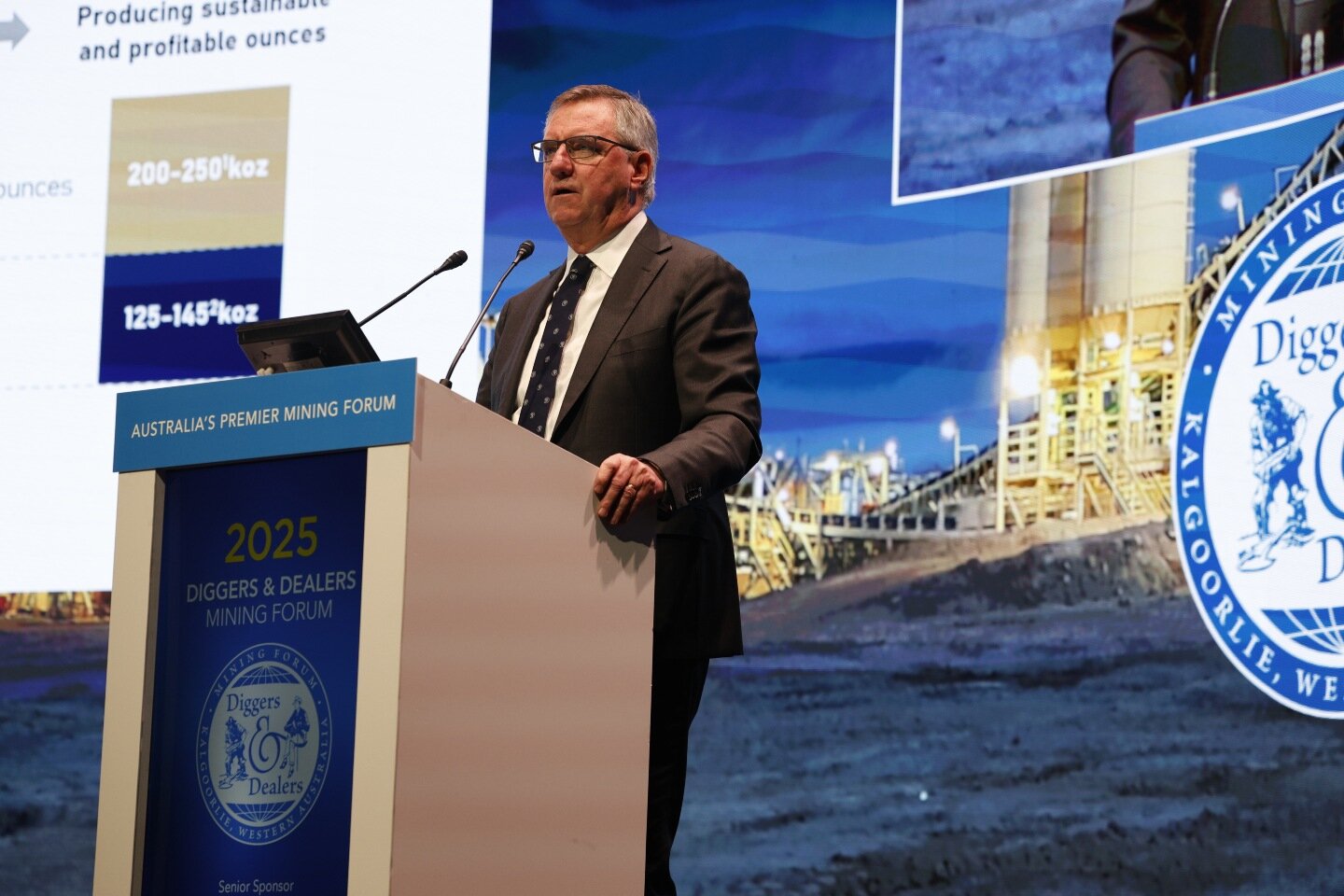
A cashed-up Regis Resources is exploring new means of developing the $1 billion McPhillamys goldmine in New South Wales, as a court judgement nears.

Continue Reading
Click to comment

Leave a Reply

Your email address will not be published. Required fields are marked *

Business

Tony Galati, siblings in legal dispute over mother Carmela’s estate

Published

on

Tony Galati, siblings in legal dispute over mother Carmela’s estate

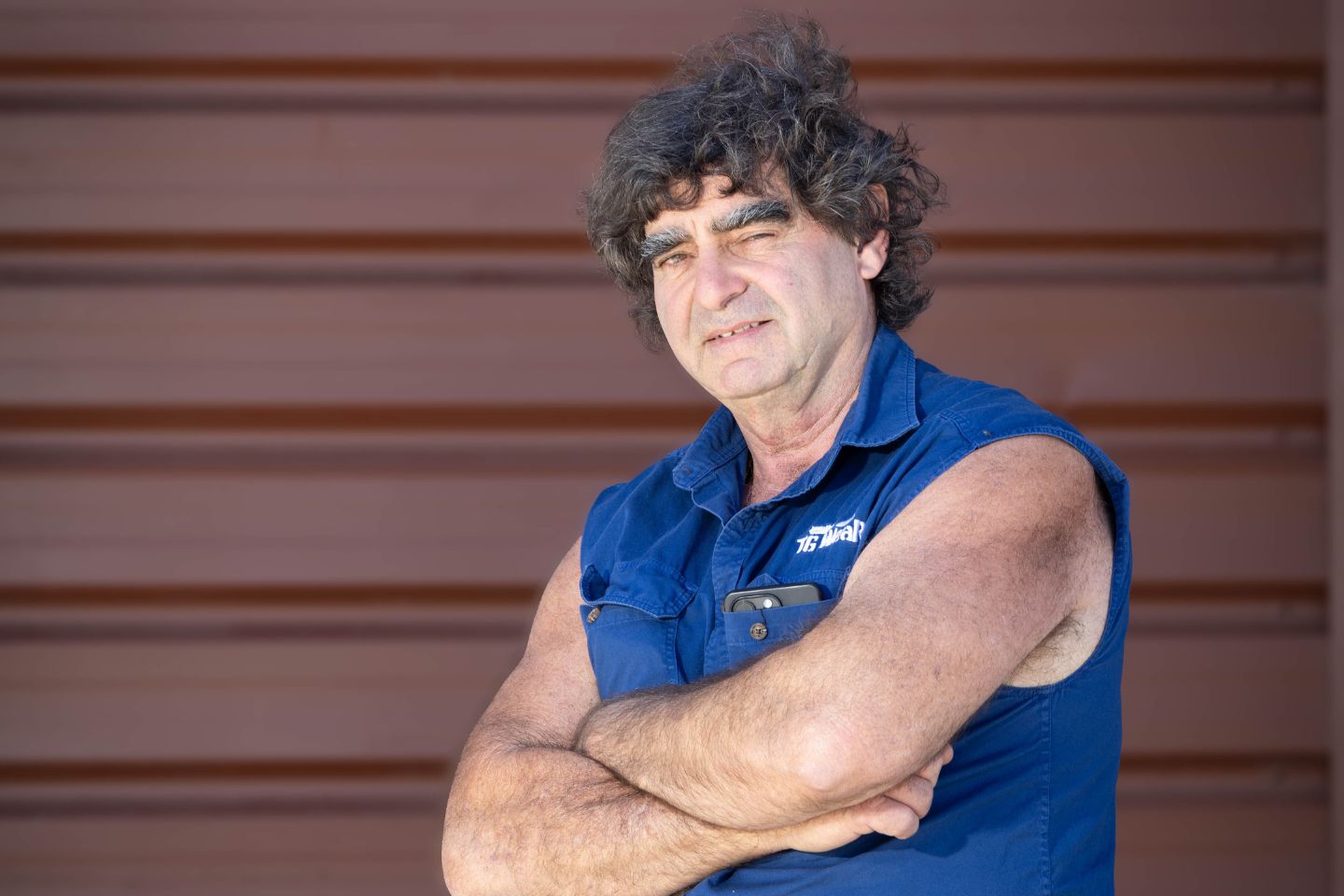
Spud king Tony Galati and brother Vince have sued their siblings over their late mother’s estate, continuing the several years-long dispute.

Continue Reading

Business

Jobs saved at Newcastle life sciences firm Newcells Biotech amid partial rescue deal

Published

on

Business Live

The university spin-out’s retina business including its specialist team has been acquired – but all other jobs have been lost

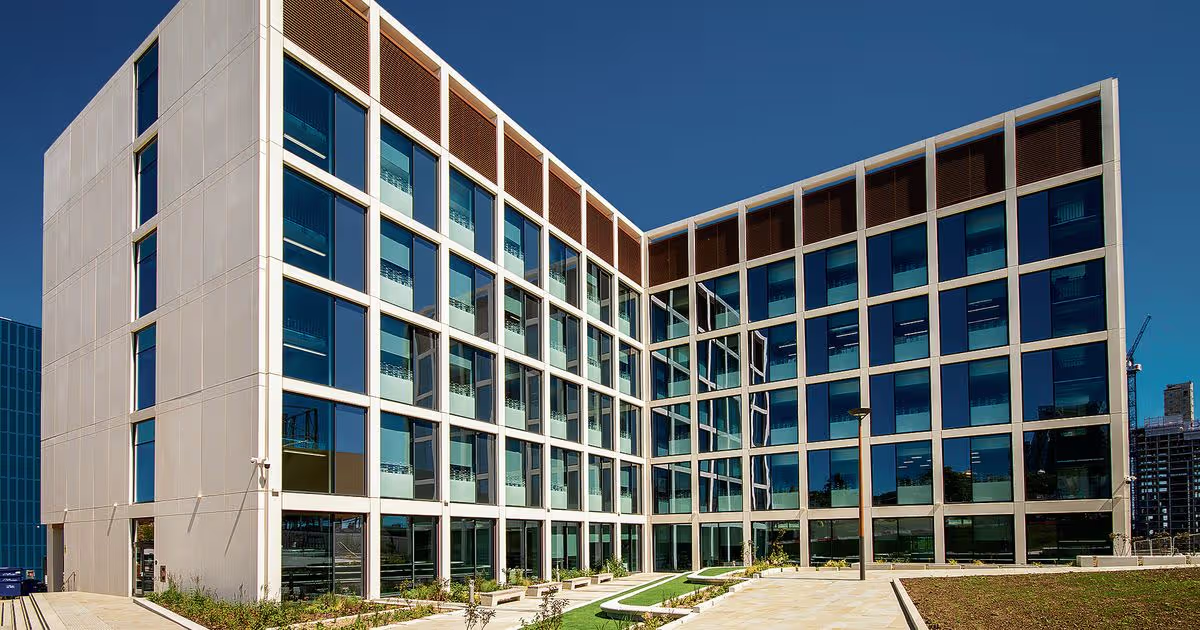
The Biosphere in Newcastle

The Biosphere in Newcastle

Jobs have been saved at a Newcastle biotech business after part of the firm was bought out of administration in a partial rescue deal. Cambridge based Axol Bioscience Ltd, a leading provider of stem cell technologies for drug discovery and research, has announced it has acquired the ophthalmology business of Newcells Biotech, a drug discovery partner specialising in the development of in vitro models.

The business swooped for the retina business of Newcells Biotech – based in the Biosphere at Newcastle Helix – following the appointment of administrators at Grant Thornton LLP. The Newcastle University spin out specialises in providing in vitro tools for testing how drugs interact with tissues and was founded 11 years ago by Dr Mike Nicholds and Professor Lyle Armstrong.

The firm, which had 49 employees in 2024, focused on offering models of the retina, kidney and lung and it was also carrying out testing for customers. Use of 3D models attracted interest after the US Food and Drug Administration (FDA) changed its rules four years ago, scrapping the requirement for new drugs to be tested on animals.

The Axol deal includes the specialist team, facilities and intellectual property within the retina division, specifically related to the supply of proprietary iPSC-derived (induced pluripotent stem cell) products and ophthalmology research services to biopharma, biotechnology and customers across Europe and the US. It’s not known how many staff members have transferred to Axol Bioscience, but 18 other jobs have been lost.

Advertisement

A spokesman for the company said: “On February 12, 2026, insolvency practitioners from Grant Thornton UK Advisory & Tax LLP were appointed as joint administrators of Newcells Biotech Limited. Following their appointment, the joint administrators agreed a sale of the Retina Business of the company as a going concern to Censo Biotechnologies Limited (trading as Axol Bioscience).

“The acquisition will ensure the operations of the Retina Business will continue at the main trading premises in Newcastle and secured the retention of all employees working within that part of the business. The remaining operations of the company ceased on appointment. As a result, it was not economically viable for the joint administrators to continue to employ the remaining members of staff resulting in 18 redundancies.”

Newcells Biotech CEO Mike Nicholds

Newcells Biotech CEO Mike Nicholds(Image: The Bigger Picture Agency Ltd)

Newcells Biotech announced two significant funding rounds during 2024 to expand its work. The investments – including £2.35m in February and £1.2m in May – aimed to help the business build its customer base and develop partnerships with other companies in its field.

Meanwhile, Axol said the acquisition expands its portfolio of models, and also strengthens its position as the leading independent provider of physiologically-relevant in vitro retinal models for ophthalmology drug discovery and safety testing. Axol recently announced a $2.8m financing deal, led by US life sciences investor BroadOak Capital Partners, which is supporting expansion of its US commercial operations, product development and manufacturing scale-up.

Advertisement

Liam Taylor, CEO of Axol Bioscience, said: “The addition of Newcells’ retinal organoid business is our third acquisition in five years.

He added: “Newcells has developed a highly sophisticated and scalable retinal organoid platform focused on predictive, human-relevant iPSC-derived retinal models that are recognised across the industry. Integrating this capability with Axol’s existing ophthalmology portfolio enables us to offer a broader, more physiologically relevant toolkit to support research.”

Continue Reading

Business

Food Stocks Tumble After General Mills Cuts Sales Forecast

Published

on

Food Stocks Tumble After General Mills Cuts Sales Forecast

Food Stocks Tumble After General Mills Cuts Sales Forecast

Continue Reading

Business

Not doomsday, AI will ring in modernisation: C S Venkatakrishnan, Barclays

Published

on

Not doomsday, AI will ring in modernisation: C S Venkatakrishnan, Barclays
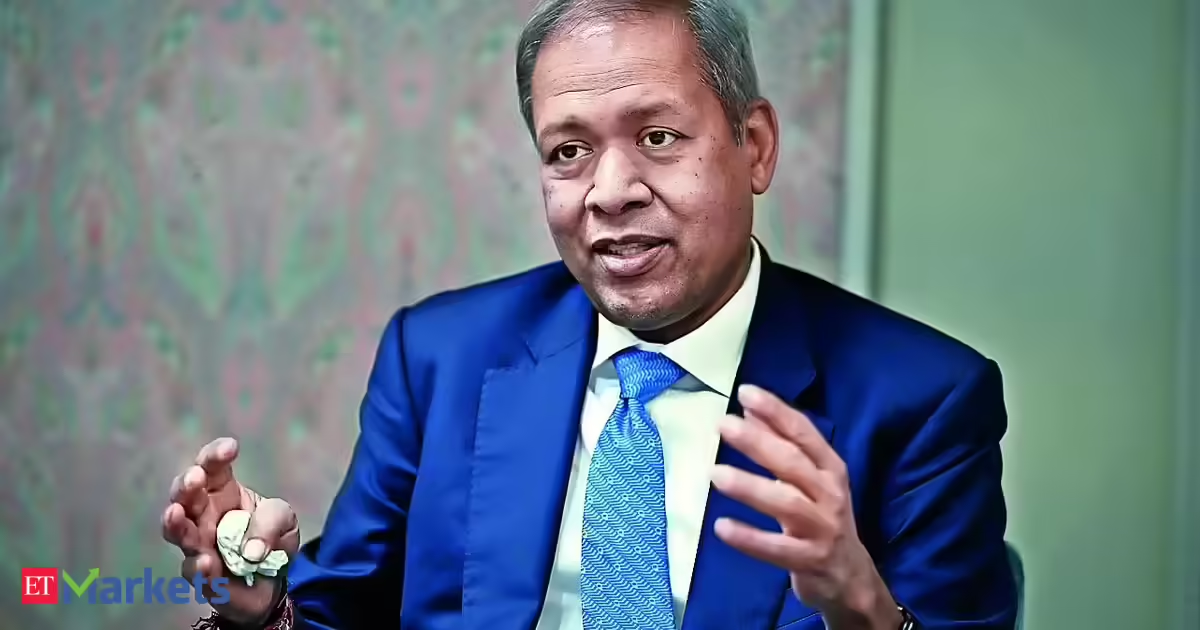
India’s political stability, strong growth and rapid digital transformation have fundamentally reshaped the country’s position among major economies, Barclays global chief executive C S Venkatakrishnan said. In an exclusive interview with Joel Rebello and Sangita Mehta, the head of the UK’s second-largest bank with $2 trillion in assets, also said AI will modernise decades-old systems rather than destroy jobs and explained why the world is entering a sensitive point in the credit cycle after years of cheap borrowing. Edited excerpts:

In a matter of days, the world seems to have changed dramatically because of Anthropic’s recent AI update. How disruptive could this become?

The global AI ecosystem outside China is being driven by large US tech firms. Hyperscalers such as Amazon, Microsoft and Google provide cloud and computing capacity, supported by chipmakers like Nvidia and major data centre infrastructure. But the real transformation will come only when companies rebuild their processes end-to-end to integrate these tools. AI will make interactions more natural, reduce the need for coding expertise, and eventually reshape core functions such as customer service, fraud detection and wealth advisory. For this to work, companies must overhaul decades-old systems – a difficult and slow process.
What about the doomsday forecast?


No. We are far from that. Much of the work in large, traditional companies still depends on existing systems, and they continue to own customer relationships and products. The employment challenge is more relevant in certain functions, but AI can free up capacity which means existing people can do other things better. Companies are operating on technology infrastructure that is 30-40 years old, and there is a lot to fix. So I don’t see a doomsday scenario.
Apart from AI, we have geopolitical tensions and supply-chain realignments…

The world today resembles the 1970s-80s. The era of hyper-globalisation from 1990 to 2020 is over. Covid broke supply-chain trust, forcing large countries to secure medical supplies, drugs and other essentials domestically, while smaller countries aligned with bigger nations for vaccine access. We now see greater trade friction and a shift from global agreements to bilateral ones, including India’s deal with the European Union. Major economies, including India, are securing their own supply chains, especially for critical inputs like rare earths.

Advertisement

Will the dollar’s supremacy change?

The dollar will retain its supremacy as the world’s reserve currency for a long time. The US remains the hub of global trade and is a large manufacturing, services and digital economy. Key global commodities – oil, gold – are priced in dollars, giving it enormous standing. About 80% of all foreign-exchange trades have the dollar on one side. Reserve-currency status requires economic strength and trust, and replacing the dollar will be very hard.

Where does India fit into the scheme of things for Barclays?

We are headquartered in the UK but have a substantial presence in the US. India is our second-largest employee base with 30,000 people out of 90,000, so it’s very clear where we’re making our bets. India is a very important part of our global strategy and serves as the hub from which we run our Asian operations, including Hong Kong, Singapore and Japan. That reflects our long-term view on India. It was true before an Indian CEO, and I hope it remains true after, because it’s driven by economic logic, not anything else.

Advertisement

What will change after India’s trade deals with the EU and US?

Indian companies will continue expanding in the UK, US and Europe, and we help them do that – whether financing acquisitions, finding partners or identifying targets. After the India-US trade deal, we expect more FDI from US companies, and we support them in entering the Indian market. We do not intend to enter retail banking in India, but we have a private banking business and remain a strong partner to Indian firms expanding into the Middle East and Southeast Asia.

What are the strengths of the Indian market?

Barclays has a significant presence in only a few emerging markets, and India is one of them. A long period of political stability and strong economic growth has made India a very different prospect in 2026 versus 2010, compared to traditional emerging markets. There have been ups and downs in Argentina, and some of the bigger emerging markets. But India has held out. India is different from China. That’s why it’s a category of its own.

Advertisement

India may be a growth story, but do you think it’s not easy to do business here?

India’s operating environment has improved with world-class digital infrastructure – digital ID, seamless payments and modern commerce – and steady liberalisation of the financial and economic system. GST and tax rationalisation have strengthened efficiency. But India still needs a deeper domestic capital market that matches its scale, with more corporate credit flowing into insurance, securitisation and fixed-income markets. Improving ease of doing business – labour laws, PF rules, approvals – helps our clients and therefore us. The market which has done well in spite of the problems is real estate. It has done well because of scarcity of land, not because of transparency. Not because of the cleanness of title and ability to, correct rents or evict and so on. Those things are still weak. And if those were freed up, it would do even better.

From your vantage point, is there something you worry about?

Two things. First, the credit cycle: it has been long, and borrowing costs were low. A shock could unsettle it. Second, the implications of AI: how to use this technology to transform our business and deliver better products faster. We don’t want to be surprised again the way big banks were by fintechs. We run a risk-managed company with clear visibility of exposures and limits. I hope we are equipped to absorb a severe fall in asset prices, but when shocks happen, they come in ways you cannot predict – and they test you.

Advertisement

How will the era of higher interest rates affect global markets?

Two major forces kept inflation low over the last 30 years: global supply-chain shifts, especially manufacturing moving to China, and generally low interest rates that allowed companies to borrow and grow without triggering inflation. Now the impact will show up in credit. Borrowers who relied on cheap funding could face rising default risks. If I had to worry about something, it would be that changes in interest rates and weaker economic growth will pressure companies, weaken corporate balance sheets, and create risks in financial markets.

Is the private-equity model under strain?

The core PE model of buy, fix and sell still works, but firms are struggling to sell companies at expected valuations. IPO markets have slowed, and strategic or PE-to-PE sales have become harder. The rise of continuation funds signals pressure in the model. Large players remain resilient, but prolonged stress will make raising new capital more difficult.

Advertisement

How do you view the continued strength of China despite sanctions?

China’s 35-year growth story is nothing short of a miracle. Its trade surplus remains strong partly because global tariff adjustments take time, and partly because domestic demand is weakening, pushing more exports. These challenges do not take away from China’s broader economic achievements.

Continue Reading

Business

Martial law gambit made convict of South Korea’s Yoon, once a lawman

Published

on

Martial law gambit made convict of South Korea’s Yoon, once a lawman


Martial law gambit made convict of South Korea’s Yoon, once a lawman

Continue Reading

Business

Aussie shares reset intraday record as commodities soar

Published

on

Aussie shares reset intraday record as commodities soar

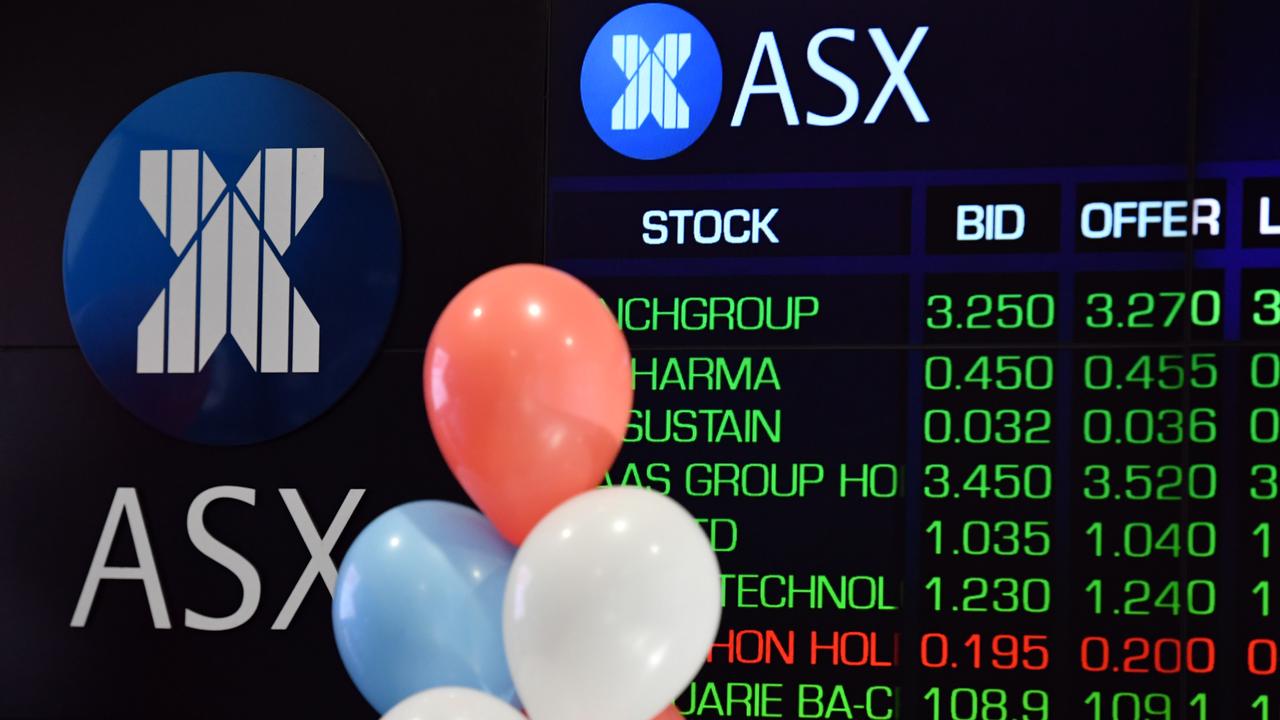
Australia’s share market has spiked to a new high as commodity price strength buoyed miners and energy stocks, while banks continue higher on the back of promising earnings.

Continue Reading

Business

Kate Scott Delivers Powerful Message on Racism in Soccer as UEFA Opens Investigation on Prestianni

Published

on

Kate Scott

CBS Sports’ coverage of the Champions League began with a powerful message from host Kate Scott regarding racism in soccer.

This follows after an altercation during the Real Madrid vs. Benfica match wherein Vinicus Jr. accused Gianluca Prestianni of calling him a monkey.

Kate Scott’s Powerful Message on Racism

Scott started by saying “Well, I guess today is a new day in football, but with the same old racist problems.”

She went on to say that how people see Vinicus Jr. shouldn’t affect how they see the incident, noting that “This isn’t Real Madrid versus Benfica. It is right versus wrong. Vini Junior and Kylian Mbappe said that there was repeated racial abuse. Gianluca Prestiani said they misheard.”

Advertisement

Scott also emphasized on how Prestianni covered his mouth to hide what he was going to say to Vinicus Jr.

“But he covered his mouth to hide what he said from the cameras, and hopefully, we can all agree that if what you are saying on a football pitch is shameful enough to have to hide it from the public, then you’re wrong,” she said.

The host also called out Benfica manager Jose Mourinho’s comments on the altercation.

“Yesterday, he switched the focus from what had actually been said to whether there was provocation for it. He essentially told us that Vini Junior was asking for it,” Scott noted. “That is a damaging narrative from a man who is considered a leading figure in the global game.”

Advertisement

Scott then ended her speech with a message on the importance of racial diversity.

“The racial diversity on a football pitch in the Champions League is the representation of the global love for this game and the global belonging in this game,” she said. “This is the very spirit of football. And if you don’t agree, then respectfully, you are the one who doesn’t belong.”

Fellow host and Arsenal Legend Thierry Henry also zoned in on Prestianni covering his mouth, according to Goal.com.

“We don’t know what Prestianni has said, because he was very courageous by putting his shirt over his mouth to make sure that we weren’t going to see what he said, so clearly, already, you look suspicious,” Henry pointed out. “Because you didn’t want people to see or read what you said. Then, the reaction of Vinicius is telling me that something not right happened.”

Advertisement

“Let’s see how big of a man Prestianni is. Tell us what you said,” he challenged the Benfica player. “You must have said something, because you can’t go to Mbappe and say, ‘I didn’t say anything.’ What do you mean, you covered your nose for what, you have a cold?”

You can watch Kate Scott’s full message below.

UEFA Opens Investigation on Prestianni

In relation to the alleged racist incident, FOX Sports reports that UEFA has opened a disciplinary investigation on Prestianni.

Advertisement

An ethics and disciplinary inspector has already been appointed for the investigation.

Prestianni has already denied allegations of racism, posting on social media that “At no point did I direct racist insults at Vinicius Jr., who unfortunately misunderstood what he thought he heard.”

“I have never been racist toward anyone,” he added.

Originally published on sportsworldnews.com

Advertisement
Continue Reading

Business

At Close of Business podcast February 19 2026

Published

on

At Close of Business podcast February 19 2026

Sam Jones and Tom Zaunmayr discuss the state government’s demersal fishing ban.

Continue Reading

Business

Instant redemption helps lure retail investors to liquid funds

Published

on

Instant redemption helps lure retail investors to liquid funds
Mumbai: Most retail investors are guilty of keeping their rainy-day cash in banks’ standard savings accounts, where the interest rate is a meagre 2.5% to 3%. But a quiet migration is happening.

Enter the world of Liquid and Overnight funds, which have long been the playground of corporate treasuries for parking idle funds. Now, these debt mutual funds are catching the interest of individual investors, who are shifting the ready to use cash to these products. And this is thanks to a feature called Instant Redemption, which is steadily being seen as a game changer.

“The facility makes it easier to use mutual funds for everyday cash needs, while retaining the simplicity of an overnight fund,” said Vishal Jain, CEO of Zerodha Mutual Fund

With Instant Redemption, investors could log into a fund house app, request a withdrawal, and within minutes, the money hits their bank account.

Instant Redemption Helps Lure Retail Investors to Liquid FundsAgencies

Double attraction These debt funds offer fast cash in addition to better returns

“An investor can use this feature for any emergency funding and yet make his idle money earn some return,” said A Balasubramanian, MD and CEO of Aditya Birla Sun Life Mutual Fund.

Advertisement


The math is clearly in favour of a liquid fund with an instant redemption facility. These funds are currently yielding between 6.5% and 7%. Industry officials said the facility is gaining popularity among investors, especially the younger lot looking for superior speed of transaction. Consider a volatile trading day. Equities are down 2%, and an investor wants to buy the dip.
This feature will unlock some of her cash in a debt fund immediately. Typically, redemptions done through this facility hit the bank account in less than 30 minutes. In contrast, if an investor goes for a standard “switch” to an equity fund, the transaction might not process until the next day. “On sharp market down days, Instant Redemption allows investors to withdraw and invest in equity-oriented funds with same-day NAV,” said Santosh Pandey, head of Client Service and Operations at DSP Mutual Fund, sees this play out often.

Still, the adoption is limited. This is partly because the feature isn’t yet integrated into many third-party distributor websites. To use it, investors generally have to go directly to the fund house’s own website or app. Moreover, there is a cap on how much money can be instantly redeemed.

Most funds allow you to instantly only pull out 90% of your investment value, capped at `50,000 per day. Anything beyond that follows the standard one-day payout cycle. That may not appeal to the more affluent investors who insist on higher anytime liquidity limits.

Add ET Logo as a Reliable and Trusted News Source
Continue Reading

Business

Infleqtion Makes Its Trading Debut. Another Quantum Stock Is in the Public Market.

Published

on

Infleqtion Makes Its Trading Debut. Another Quantum Stock Is in the Public Market.

Infleqtion Makes Its Trading Debut. Another Quantum Stock Is in the Public Market.

Continue Reading

Trending

Copyright © 2025