Business
Release Delayed to 2028-2029 Amid RAM Crisis, Powerful AMD Specs Leaked

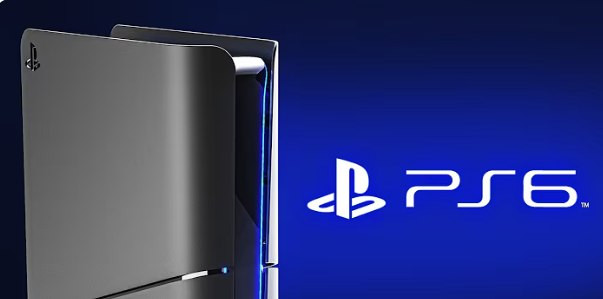
NEW YORK — Sony has yet to officially acknowledge the PlayStation 6, but rampant rumors and insider reports in 2026 point to a next-generation console facing potential delays until 2028 or even 2029 due to a global RAM shortage driven by AI demand, while leaked specifications suggest a massive leap in performance with AMD’s Zen 6 CPU and RDNA 5 GPU architecture.
The absence of any official announcement has not stopped speculation. As of May 2026, prediction markets show only about 25% of bettors believe Sony will reveal the PS6 before 2027, reflecting widespread skepticism about an early launch. Sony appears focused on extending the PS5 lifecycle through continued software support and the PS5 Pro, a strategy that could push the next full-generation console further into the future.
Release Date Uncertainty
Traditional seven-year console cycles would have pointed to a 2027 launch following the PS5’s 2020 debut. However, multiple reports indicate delays. Bloomberg’s February 2026 story cited sources saying Sony is considering 2028 or 2029 due to skyrocketing memory costs. Analyst David Gibson of MST Financial echoed this, noting high likelihood of a post-2028 debut as the company prioritizes PS5 profitability.
Some leakers, including Moore’s Law Is Dead and Kepler L2, maintain that production could begin in 2027 for a late 2027 or early 2028 window, but the prevailing narrative favors caution amid supply chain challenges.
Rumored Hardware Specs
Leaked documents and insider reports paint an ambitious picture. The PS6 is expected to feature a custom AMD chip based on Zen 6 CPU architecture and RDNA 5 GPU, potentially delivering up to three times the performance of the PS5 in key areas. Rumors suggest 24-32 GB of high-speed GDDR7 memory, a significantly faster SSD (possibly 3x the PS5’s speeds), and advanced ray tracing capabilities.
A dedicated PlayStation handheld, codenamed “Canis,” may launch alongside the main console, sharing similar AMD technology but in a more compact form. Backward compatibility with PS4 and PS5 games appears likely, providing seamless access to thousands of existing titles.
Additional features under discussion include AI-driven upscaling, enhanced frame generation technology, Wi-Fi 7 support, and HDMI 2.2 connectivity. Pricing speculation ranges from $749 to $999 depending on configuration and storage options.
Development and Production Status
Sony reportedly awarded the main chip contract to AMD years ago. Development kits may appear in 2026, with full production potentially starting in early 2027 if delays are avoided. Sony’s focus on extending the PS5 era — through strong sales and exclusive content — gives the company breathing room while navigating component shortages.
Mark Cerny, the PS5’s lead architect, has hinted at future technologies like machine learning enhancements in interviews, further fueling speculation about PS6 capabilities.
Strategic Context for Sony
The PS5 has enjoyed remarkable commercial success, selling tens of millions of units. Extending its lifecycle allows Sony to maximize returns before investing heavily in next-gen hardware. This mirrors broader industry trends, with Nintendo also pacing its hardware releases carefully.
A longer PS5 window could also help Sony navigate economic pressures, including rising component costs and competition from PC gaming, handhelds and cloud services.
What Fans Can Expect
While no official reveal is imminent, 2026 will likely bring more leaks, developer kit distribution and teaser patents. Gamers should anticipate continued PS5 support with major titles through at least 2027 or 2028. A potential handheld could bridge the gap, offering portable PlayStation experiences.
The eventual PS6 promises significant leaps in visual fidelity, loading speeds, AI-assisted gameplay and possibly new input methods. Full backward compatibility would preserve Sony’s vast game library, a key advantage over past transitions.
Industry Implications
A delayed PS6 launch could reshape the console market. Microsoft’s next Xbox (Project Helix) faces similar timing questions. The extended generation may accelerate adoption of subscription services, cloud gaming and cross-platform play as consumers wait for fresh hardware.
For now, excitement builds around rumors rather than concrete announcements. Sony’s silence is strategic, allowing the company to refine plans while the PS5 remains a powerhouse. As RAM supply issues evolve and AI demand fluctuates, the PS6 timeline remains fluid.
Fans betting against a 2026 reveal appear to have the upper hand, but rapid advancements in semiconductor manufacturing could still accelerate plans. Until Sony speaks officially, the PlayStation 6 remains one of gaming’s most intriguing mysteries — a next-generation leap that feels simultaneously close and far away in 2026.

You must be logged in to post a comment Login