
Business
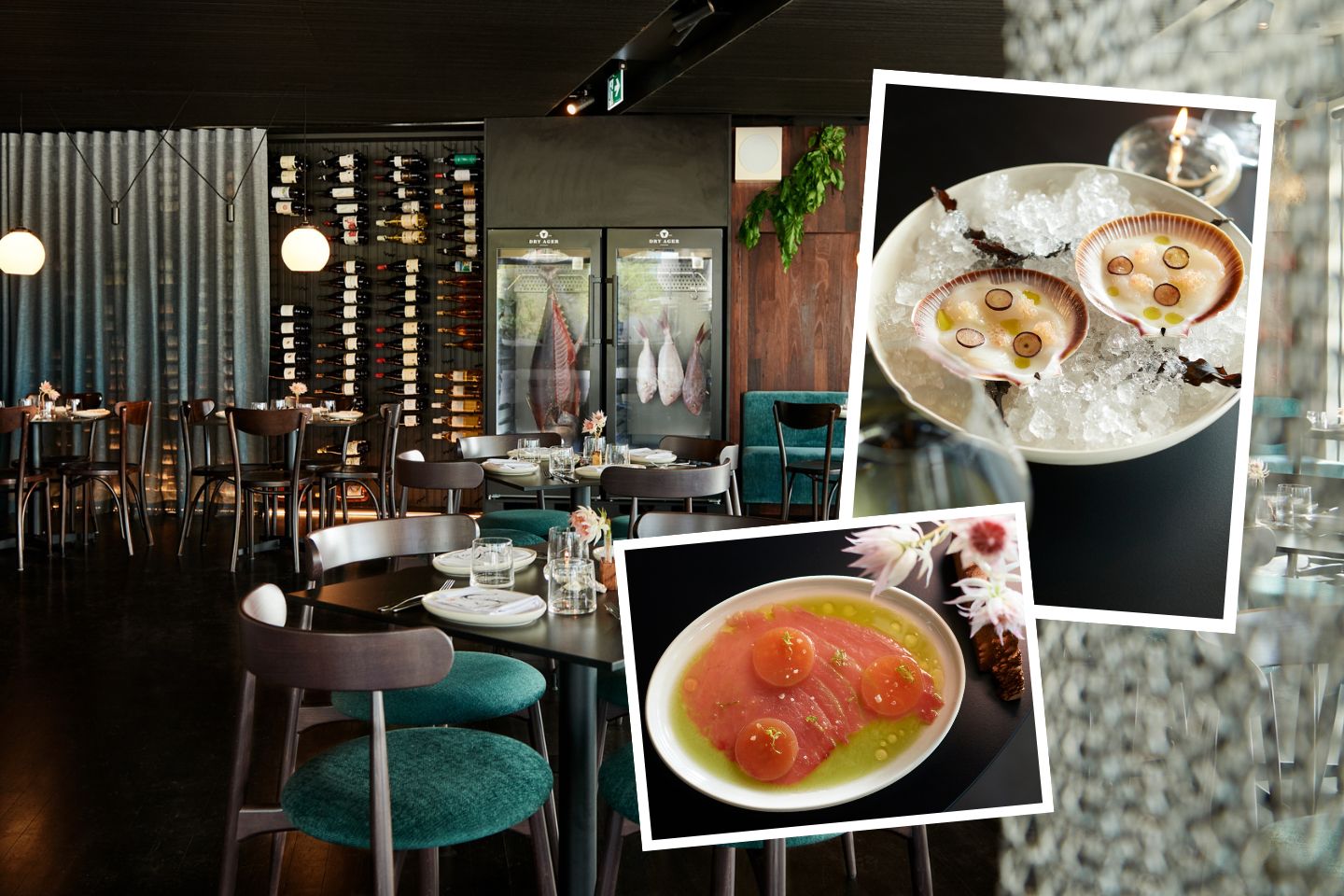
Review: Anticipation earned at Pearla and Co



Bluesky is the latest social media platform to introduce its very own AI chatbot, with Attie being formally introduced to the world as the technology is set to deliver custom feeds to users with simple prompts.
Attie can understand natural language and help users create a feed that they want without the hassle of learning how to code.
Bluesky Introduces New Agentic AI Social App, Attie
Bluesky’s former CEO and now Chief Innovation Officer, Jay Graber, recently shared a new development from the company called “Attie,” the company’s latest take on a generative artificial intelligence platform, but it is not exactly a chatbot.
Instead of talking to Attie to learn about various topics, create write-ups, and more, the new agentic AI will help users create their own feeds on Bluesky.
The new agentic AI was built using Anthropic’s Claude chatbot, and the app was built on the same underlying protocol that Bluesky is using, the open-source framework AT Protocol.
According to Graber, users need not be intimidated to create their custom feeds on Bluesky with the help of Attie as the experience will only feel like users are “having a conversation rather than configuring software.”
Attie: Create Custom Feeds Using Natural Language
As mentioned earlier, users may create custom feeds using Attie. The company’s development of this new agentic AI centers on using natural language that will allow users to freely talk to the chatbot like in a normal setting with friends, but it can get complex work done, like coding, to create a feed based on their preferences.
It has been almost three years since Bluesky first arrived in the tech industry, with the platform then popularizing the use of custom algorithmic feeds on the social media experience.
Users only need to describe the content they want to see on their feed to Attie to get started. For example, they only need to tell the agentic AI to “build a feed that gives me updates on new and upcoming console game releases from accounts that I follow.”
The agentic AI will act as a coding agent to create the feed without users actually writing code.
Originally published on Tech Times
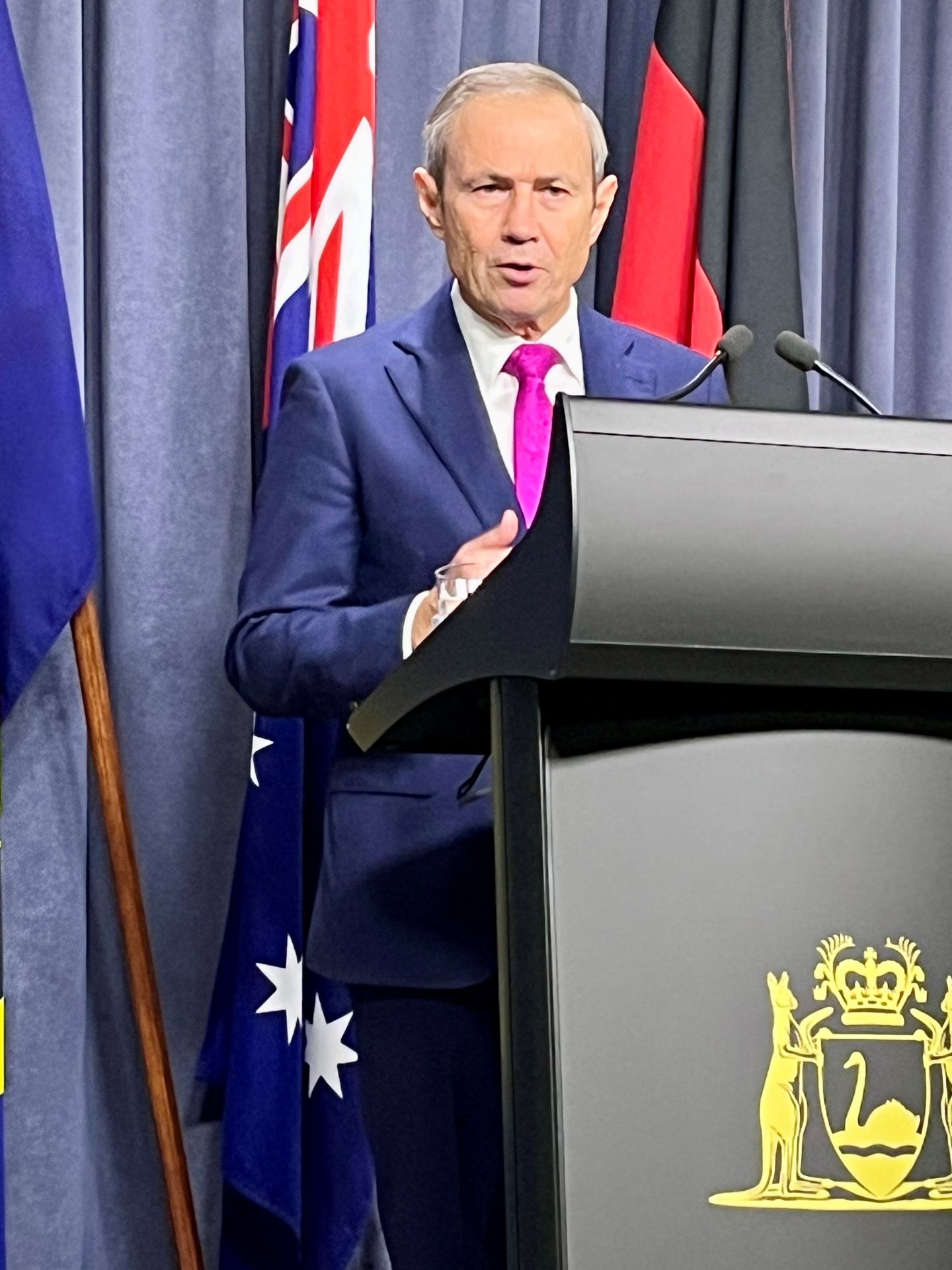
Premier Roger Cook has welcomed the federal government’s decision to half fuel excise, saving motorists about 26 cents a litre in petrol and diesel at the bowser.

Dollar holds firm as markets brace for drawn-out Middle East war


Prime Minister Anthony Albanese has announced that fuel excise will be cut in half for petrol and diesel beginning April 1.
This will be in effect for three months and will reduce cost of fuel by 26.3 cents a litre.
Fuel Excise Halved for Three Months
According to a report by ABC News, the announcement was made after a meeting of the national cabinet with state and territory leaders. During this meeting, a four-point action plan to deal with the fuel crisis was also discussed.
Albanese also went on to claim that Australia is on “level two” of the fuel crisis. The goal, according to the prime minister, is to “keep Australia moving.”
He likewise said that the country is still far from reaching the next level, which will require “taking targeted action.”
There is still a level four, which will entail “protecting critical services.”
Albanese has also called for citizens to only take the fuel they need as to not cause even bigger supply problems.
NSW Premier Reacts to National Fuel Plan
According to 9News, New South Wales Premier Chris Minns said that he welcomes the action plan. He likewise commented on how long he thinks the ongoing conflict in the Middle East will continue.
“We are not necessarily sure what will happen in the Middle East in the next three or six months,” Minns said. “We are not making a decision today to tell people to cancel their trips around the state or cancel Easter holidays.
“But as time goes on, we may tell people to use their common sense on this and reduce their usage,” he added.

Check out what’s clicking on FoxBusiness.com.
Thousands of ready-to-eat pizza and bread products were recalled over the potential presence of metal fragments, according to the Food and Drug Administration.
North Carolina-based Bakkavor voluntarily initiated the recall on Jan. 19, according to the FDA.
Last week, the health agency classified the alert as a Class II recall, which means “use of or exposure to a violative product may cause temporary or medically reversible adverse health consequences or where the probability of serious adverse health consequences is remote.”
NEARLY 10M POUNDS OF FROZEN FRIED RICE SOLD AT TRADER JOE’S ADDED TO RECALL: USDA

Thousands of ready-to-eat pizza and bread products were recalled over the potential presence of metal fragments. (Stefan Irvine/LightRocket via Getty Images / Getty Images)
About 23,459 cases of roasted tomato and Parmesan focaccia bread were recalled, sold under brand names such as Frederik’s by Meijer, Harris Teeter, Trader Joe’s and Fresh & Simple.
Additionally, 2,337 cases of HelloFresh Basil Pesto and Mozzarella Pizza, made up of 15 packages per case, were also recalled.
The recall affects four pizza lot numbers and more than a dozen focaccia bread lot numbers, with use-by dates ranging from April 27 through Oct. 15.
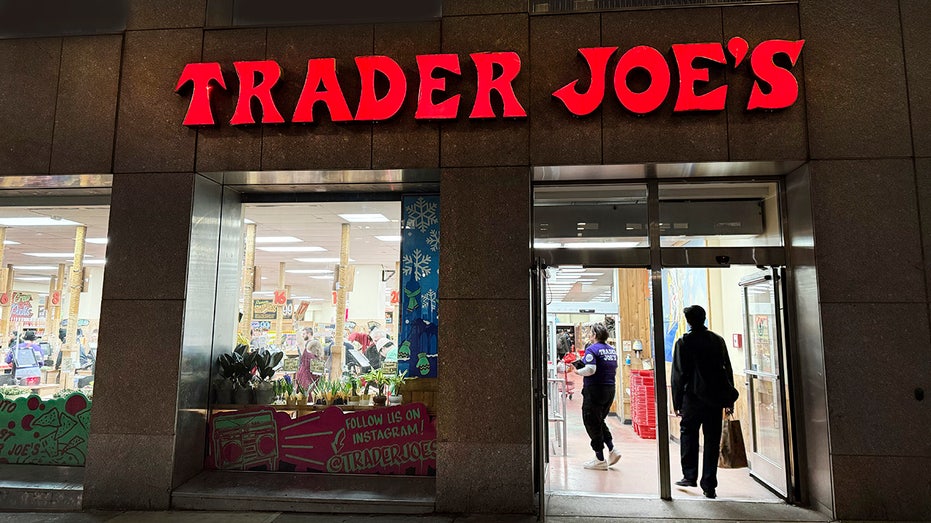
Brands affected by the recall include HelloFresh, Frederik’s by Meijer, Fresh & Simple, Harris Teeter and Trader Joe’s. (Plexi Images/GHI/UCG/Universal Images Group via Getty Images / Getty Images)
The affected items were distributed in 10 states — Arizona, California, Connecticut, Florida, Illinois, Michigan, North Carolina, New Jersey, Texas and Virginia.
The food products were also shipped directly to customers through HelloFresh.
90,000 BOTTLES OF CHILDREN’S IBUPROFEN RECALLED NATIONWIDE, FDA SAYS
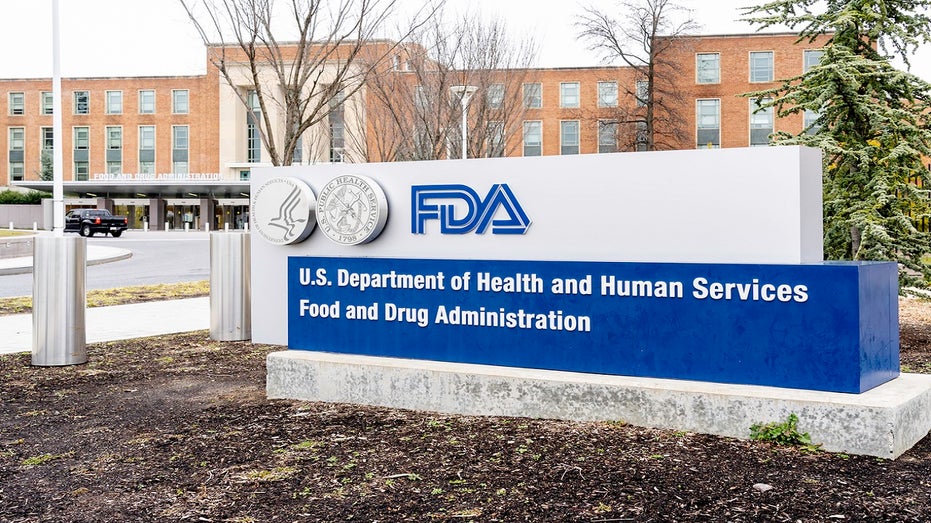
The FDA classified the alert as a Class II recall. (iStock / iStock)
CLICK HERE TO GET FOX BUSINESS ON THE GO
Customers are urged to dispose of the product or return them to the place of purchase for a refund.
No injuries have been reported in connection with the recall thus far.

US stock futures fall as Iran fears persist, Trump comments offer mild relief
Check out what’s clicking on FoxBusiness.com.
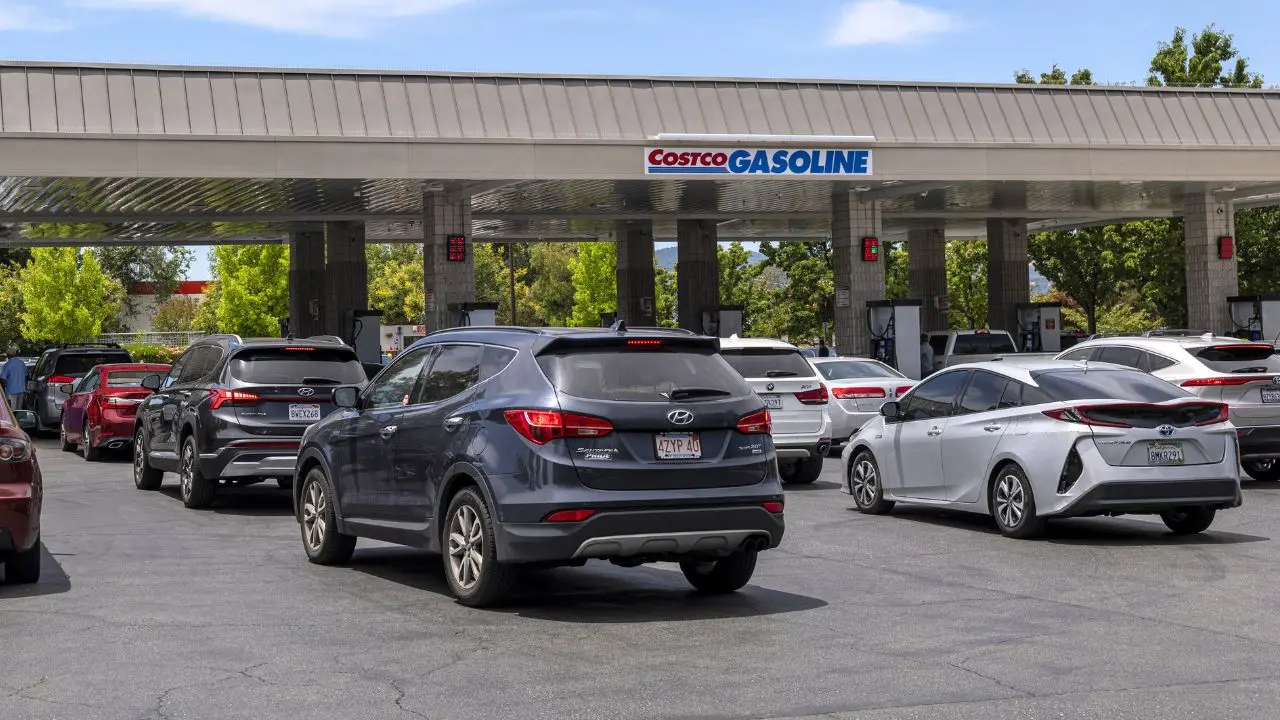
Costco is set to debut its first stand-alone gas station this summer in Mission Viejo, California, marking a major expansion of its fuel operations, with a second location in Hawaii slated to open next year.
The California location, located roughly 50 miles from Los Angeles, is expected to open in late June, according to local outlet KABC, citing city officials. It will become the chain’s largest gas station, featuring 40 pumps.
A second location is in the works for Honolulu, Hawaii, in the Kapālama Kai community, according to C-store Dive, citing a spokesperson from private education system Kamehameha Schools, which owns the project.
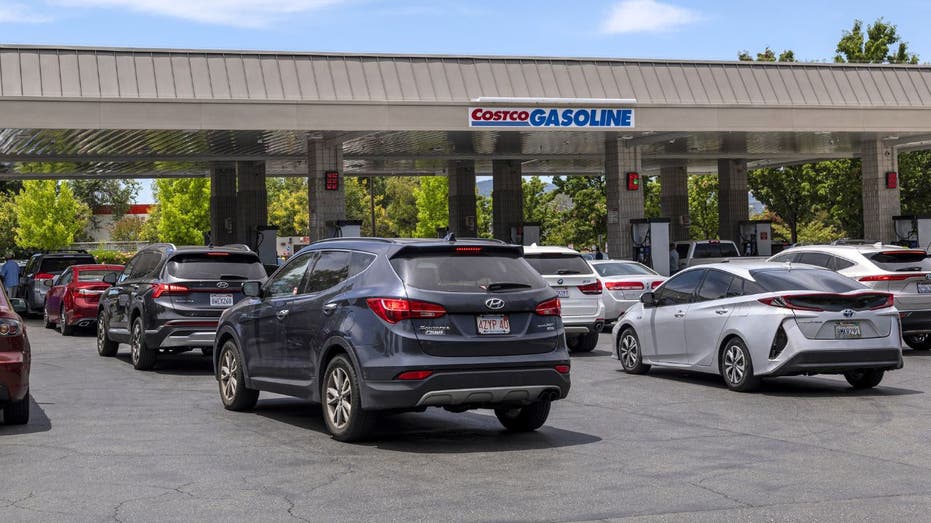
The move marks a major step for the discount retail giant, whose gas stations at existing warehouse locations have long been plagued by lengthy wait times, heavy traffic and crowded parking lots.
COSTCO SAYS YOUR NEXT CHECKOUT COULD TAKE UNDER 10 SECONDS THANKS TO NEW AUTOMATED PAY STATIONS
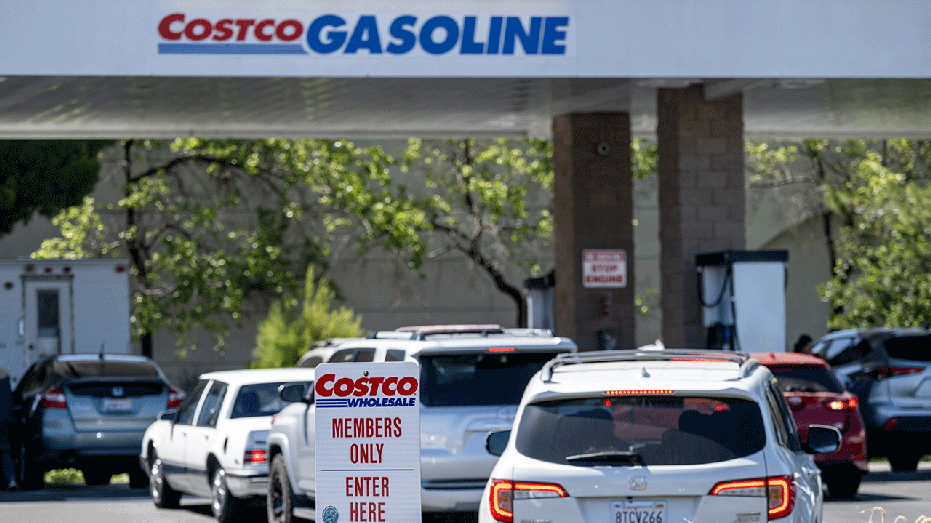
Vehicles in line at a Costco gas station in Vallejo, California, US, on Thursday, May 29, 2025. (David Paul Morris/Bloomberg / Getty Images)
Costco’s Mission Viejo site at 25732 El Paseo will sit on the former location of a Bed Bath & Beyond, which city officials approved for demolition last year to make way for the project. It will neighbor a Krispy Kreme location, a Dairy Queen Chill & Grill and a Jack in the Box.
The project will feature 20 fueling dispensers, equivalent to 40 pumping stations, according to 2025 city planning documents.
Spanning 17,234 square feet, the “fueling canopy” will also house an accessory office and breakroom building for employees, the documents stated.
The new gas station will be open daily from 5 a.m. to 10 p.m. exclusively for Costco members, C-store Dive reported.
COSTCO ENTERS FERTILITY CARE WITH MASSIVE DISCOUNTS FOR MEMBERS THROUGH NEW HEALTHCARE PARTNERSHIPS
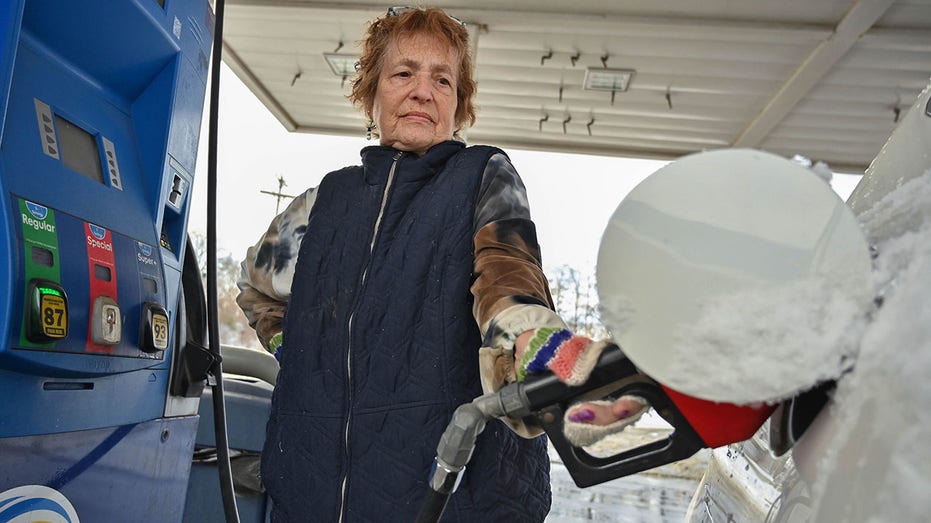
A customer pumps gas on Wednesday, Dec. 3, 2025, in Schenectady, N.Y. (Lori Van Buren/Albany Times Union via Getty Images / Getty Images)
According to GasBuddy, gas prices in the Mission Viejo area currently range from $5.69 to $6.35 per gallon.
The two closest existing Costco gas stations — at the Laguna Niguel and Laguna Marketplace warehouses, roughly 2.5 to 3 miles from the planned Mission Viejo site — both list gas at $5.69 per gallon, according to the Costco app.
Drivers refuel vehicles at a Costco Wholesale Corp. gas station in Brookhaven, Georgia. (Elijah Nouvelage/Bloomberg via Getty Images / Getty Images)
For the Hawaii location, demolition and preparation of the property began in October 2025 and are ongoing, according to the project’s website.
| Ticker | Security | Last | Change | Change % |
|---|---|---|---|---|
| COST | COSTCO WHOLESALE CORP. | 983.86 | +4.21 | +0.43% |
CLICK HERE TO READ MORE ON FOX BUSINESS
Gas prices in Honolulu range from $5.14 to $5.59 per gallon, according to GasBuddy. The closest Costco in Iwilei, about 2.2 miles from the planned Kapālama Kai site, lists gas at $4.14 per gallon, according to the Costco app.


Trump says White House ballroom is ahead of schedule


Trump says intel chief Tulsi Gabbard ’softer’ than him on Iran nuclear issue

Brent crude futures jumped $3.09, or 2.74%, to $115.66 a barrel by 2353 GMT after settling 4.2% higher on Friday.
U.S. West Texas Intermediate was at $102.56 a barrel, up $2.92, or 2.93%, following a 5.5% gain in the previous session.
Brent has soared 59% this month, the steepest monthly jump, exceeding gains seen during the 1990 Gulf War, after the Iran conflict effectively closed the Strait of Hormuz, a conduit for a fifth of the world’s oil and gas supplies.
The war, launched on February 28 with U.S. and Israeli strikes on Iran, has spread across the Middle East, with Yemen’s Iran-aligned Houthis on Saturday launching their first attacks on Israel since the start of the conflict, raising concern about shipping lanes around the Arabian Peninsula and the Red Sea.

“The conflict is no longer concentrated in the Persian Gulf and around the Strait of Hormuz, but now extends into the Red Sea and the Bab el-Mandeb – one of the world’s most crucial chokepoints for crude and refined product flows,” JP Morgan analysts led by Natasha Kaneva said in a note.
Saudi crude exports re-directed from the Strait of Hormuz to the Yanbu port in the Red Sea reached 4.658 million barrels per day last week, data from analytics firm Kpler showed. If exports from Yanbu were disrupted, Saudi oil would need to pivot toward Egypt’s Suez-Mediterranean (SUMED) pipeline to the Mediterranean, JP Morgan analysts said.
Attacks in the region escalated over the weekend and damaged Oman’s Salalah terminal despite efforts to start ceasefire talks.
Iran said it was ready to respond to a U.S. ground attack, accusing Washington on Sunday of preparing a land assault even as it sought negotiations.
Pakistan’s Foreign Minister Ishaq Dar said they had covered possible ways to bring an early and permanent end to the war in the region as well as potential U.S.-Iran talks in Islamabad.

Olivia Munn Opens Up About Breast Cancer Journey After Silent Diagnosis

Real day you’re supposed to eat your Easter eggs as many Brits tuck in too early

Bluesky Introduces Agentic AI ‘Attie’ That Delivers Custom Feeds Based on Preferences

Smart energy pays enters the US market, targeting scalable financial infrastructure

Why Israel is blocking foreign journalists from entering

Bitcoin: We’re Entering The Most Dangerous Phase

“This time it’s yo’ money”: Trump’s signature to be added to U.S. paper currency

How and WHAT to invest in! #investing #stockmarket #money #finance #recession #inflation #wallstreet

This Machine Turns Paper into Money! #moneytips #gadgetsshorts #artshorts
-
 NewsBeat5 days ago
Manchester United reach agreement with Casemiro over contract clause amid transfer speculation
-

 News Videos4 days ago
Parliament publishes latest register of MPs’ financial interests
-

 Sports7 days ago
Gary Kirsten Accuses Pakistan Cricket Board Of ‘Interference’, Mohsin Naqvi Responds
-

 Sports7 days ago
Remo Stars and Kano Pillars Strengthen Survival Hopes in NPFL
-

 NewsBeat2 days ago
The Story hosts event on Durham’s historic registers
-

 News Videos7 days ago
Ch 9 Financial Management Part 1 | Detailed One Shot | Class 12 Business Studies Boards 2026
-

 Business3 days ago
Instagram, YouTube Found Responsible for Teen’s Mental Health Struggle in Historic Ruling
-
 NewsBeat5 days ago
Tesco is selling new Cadbury Dairy Milk bar and people can’t wait to try it
-
 Entertainment7 days ago
Cynthia Bailey Dishes on ‘RHOA’ Season 17, Discusses Kandi
-

 Tech6 days ago
Samsung will soon let you control smart home devices from your car’s dashboard
-
 Entertainment1 day ago
Lana Del Rey Celebrates Her Husband’s 51st Birthday In New Post
-

 Business6 days ago
More women enter wealth management, but few in advisory roles: study
-
 NewsBeat7 days ago
Colombian military plane with 110 soldiers onboard crashes following takeoff
-

 Fashion5 days ago
Does It Matter What You Wear When You’re Laid Off and Looking?
-

 Fashion7 days ago
Fringe Bags for the Season
-

 Business6 days ago
Late-paying firms face multimillion-pound fines under new crackdown
-

 NewsBeat5 days ago
Entrepreneurs Forum survey reveals optimism in North East
-

 Politics6 days ago
How Media Platforms Balance Performance and Accessibility in Image Delivery
-

 Sports5 days ago
Fantasy Baseball Week 1 Preview: Top sleeper hitters for both five- and 12-day period led by Munetaka Murakami
-
 NewsBeat6 days ago
NASA Artemis II Astronauts enter 14-Day quarantine as moon rocket reaches launchpad
You must be logged in to post a comment Login