
Business
Review: Down-to-earth approach brings rewards




A spokesperson of Prince Harry and Meghan Markle have clarified issues regarding the funding of the couple’s upcoming trip.
The spokesperson also hit back at a petition against their visit that has garnered thousands of signatures.
Sussex Spokesperson Hits Back Against Petition
According to Sky News, a Change.org petition has been created protesting the upcoming visit of the Duke and Duchess of Sussex. More than 35,000 Australians have signed the petition.
The petition raises concern that taxpayer’s money will be used to fund the upcoming trip.
“At a time when Australians are facing significant cost-of-living pressures, including rising grocery bills, fuel prices, mortgage stress driven by interest rate hikes, and increasing energy costs, public resources must be used responsibly and applied fairly, without special treatment for high-profile individuals,” the petition reads.
The spokesperson for the Duke and Duchess of Sussex have since called the petition “a moot point.”
“The trip is being funded privately, so I’m not sure what this petition hopes to achieve,” the spokesperson said.
Is Meghan Bringing Her As Ever Brand to Australia?
The couple is scheduled to travel to Australia for two separate engagements. Meghan is scheduled to headline a women’s retreat in Sydney, while Prince Harry will speak at a workplace mental health summit, which will be held in Melbourne.
However, multiple outlets have noticed that Australian trademarks have been filed for Meghan’s As ever brand, which received approval in June 2025.
This has led to speculation that the Duchess of Sussex will be bringing her brand to Australia.
According to PEOPLE, a spokesperson merely said that the trademarks are nothing new and added that Australia is “one of many” jurisdictions where As ever is registered.
Business
Australian LNG Exports Hit Hardest by Iran War as Global Energy Chaos Boosts Prices but Disrupts Supply Chains
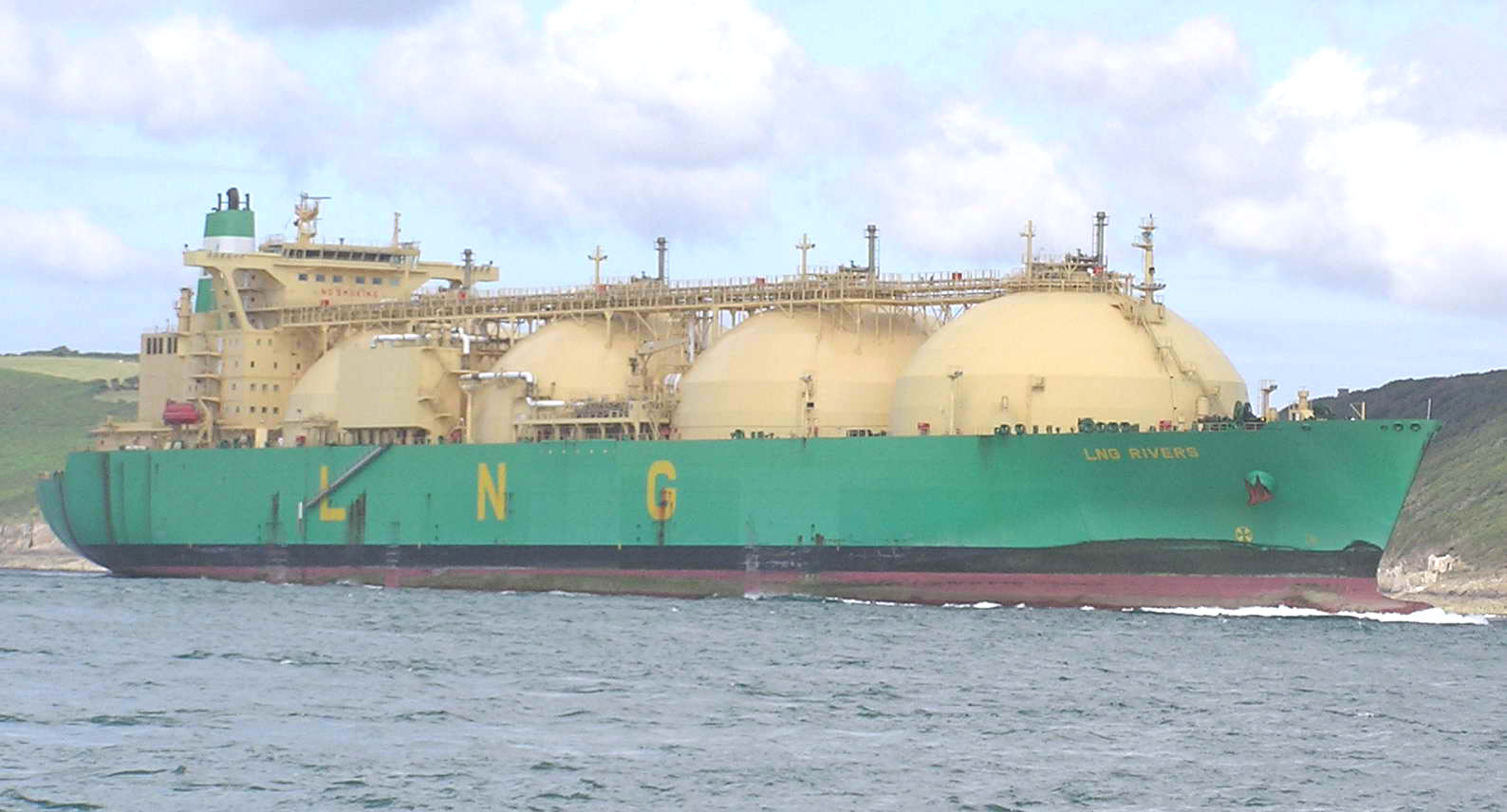
SYDNEY — Australia’s liquefied natural gas (LNG) export sector has emerged as the industry most directly and significantly affected by the ongoing U.S.-Israel-Iran war, with global price surges offering potential revenue windfalls for producers while shipping disruptions, insurance surcharges and indirect fuel cost pressures ripple through the broader economy.

The conflict, now in its fourth week since major strikes began on Feb. 28, 2026, has effectively disrupted flows through the Strait of Hormuz — a critical chokepoint carrying about one-fifth of global oil and a substantial share of LNG trade. While Australia does not ship LNG through the Strait, the resulting global energy crunch has driven sharp increases in benchmark prices, directly benefiting Australian exporters but also exposing vulnerabilities in domestic operations and related sectors.
LNG producers such as those operating the Gladstone projects in Queensland have seen Asian spot prices, including the Japan-Korea Marker (JKM), nearly double since late February, with some contracts pushing toward $US30 per unit. This volatility stems from attacks on infrastructure, including strikes on Qatar’s Ras Laffan facility and Iran’s South Pars gas field, which have taken significant LNG capacity offline for potentially years.
Australia, the world’s largest LNG exporter, stands to gain from redirected demand as Asian buyers seek alternatives to disrupted Middle Eastern supplies. However, the same forces driving higher prices — diesel shortages and soaring transport costs — are squeezing the mining and agricultural sectors that underpin much of the nation’s export economy.
The energy minister has acknowledged that while Australia is a net energy exporter, its reliance on imported refined fuels leaves it exposed. Domestic diesel prices have climbed rapidly, with panic buying reported in some regions. Mining giants like Fortescue have warned that sustained high diesel costs could add billions to operational expenses for iron ore extraction and haulage.
Farmers are similarly feeling the pinch. Wheat and barley producers in Western Australia and South Australia face higher internal freight and fertilizer costs, as global supply chains for urea and phosphates — many routed through or affected by Gulf disruptions — tighten. Australian wheat prices hit 20-month highs in recent trading amid these pressures.
Direct trade with Gulf nations, valued at around A$15 billion annually, has been hammered by war-risk insurance surcharges of up to US$4,000 per refrigerated container and carrier suspensions. Exporters of beef, wool, lamb and other agricultural goods to the Middle East report delayed shipments and rerouting that adds time and expense.
Coal exporters have seen mixed effects. Thermal coal prices have strengthened due to energy substitution away from disrupted oil and gas, providing a potential revenue boost for Australian miners. Yet higher diesel costs for rail and port operations erode some of those gains.
Iron ore shipments to Asia, Australia’s largest single export category by value, remain largely shielded from direct Strait of Hormuz routing. However, elevated fuel prices threaten profitability for producers already navigating volatile Chinese demand. Some iron ore cargoes originally bound for Middle Eastern markets have been diverted, contributing to short-term price fluctuations.
The war’s broader impact on container shipping has triggered the worst freight disruption for Australian exporters since the COVID-19 pandemic. Major carriers have suspended Gulf transits, forcing reroutes around the Cape of Good Hope for cargo heading to Europe via traditional paths. This has increased costs and delays for a range of goods, including food products and manufactured items.
Economists note a paradoxical effect for Australia. As a major LNG and coal exporter, higher global energy prices can boost export revenues and government royalties. Yet the domestic fuel crunch — Australia imports most of its refined petroleum — risks inflationary pressures that could prompt further Reserve Bank rate hikes and slow economic growth.
The Australian Institute of Petroleum has warned that Asian refineries supplying Australia could curtail exports if shortages worsen, potentially leading to fuel rationing within weeks if stockpiles are not managed carefully. Current reserves provide only a limited buffer.
Agriculture faces compounded challenges. Beyond diesel for machinery and transport, fertilizer shortages threaten yields for the coming season. Meat exporters have reported growing stockpiles as Middle East demand softens amid regional instability, though some redirection to other markets is occurring.
Mining operations, particularly in remote Western Australia, are among the heaviest diesel users. Executives have flagged potential production slowdowns or cost pass-throughs if fuel prices remain elevated for months. Critical minerals projects tied to the energy transition could also face delays.
Shipping and logistics firms have introduced emergency conflict surcharges across multiple routes, affecting not only direct Gulf trade but also indirect flows to Europe. Air freight into the region has been heavily restricted, compounding issues for time-sensitive exports like fresh produce and pharmaceuticals.
Government officials are monitoring the situation closely, with contingency plans for fuel security under review. The domestic gas reservation scheme, set to begin next year, aims to shield households from extreme international price spikes, but its timing leaves the current period vulnerable.
Analysts from Oxford Economics and others suggest the net economic impact depends on the war’s duration. A short conflict could see energy prices retreat quickly, with Australian LNG and coal exporters capturing temporary gains. Prolonged disruption risks deeper supply chain chaos, higher inflation and slower growth across export-dependent sectors.
For LNG specifically, the sector’s exposure is dual-edged. Contracted volumes under long-term agreements provide stability, but spot market opportunities have surged. Producers must balance ramping up where possible against domestic supply obligations and infrastructure constraints.
The war has also spotlighted Australia’s strategic vulnerabilities. Despite vast energy resources, limited domestic refining capacity leaves the nation dependent on foreign suppliers for everyday fuels that power its export machine. Calls for renewed investment in refining or alternative fuels have intensified.
As the conflict enters its next phase, with diplomatic efforts ongoing but military actions continuing, Australian exporters across energy, resources and agriculture are adapting to a more volatile global trade environment. War-risk premiums and rerouting have become the new normal for many.
Industry groups urge the government to provide targeted support, including potential fuel subsidies for critical export sectors or accelerated approvals for infrastructure upgrades. Without relief, cost pressures could erode competitiveness even as higher commodity prices offer some offset.
The LNG sector’s prominent role in the current crisis underscores Australia’s position as an energy superpower that remains paradoxically exposed to global shocks. While opportunities exist in a tighter market, the human and economic costs of prolonged instability loom large for producers and the wider economy alike.
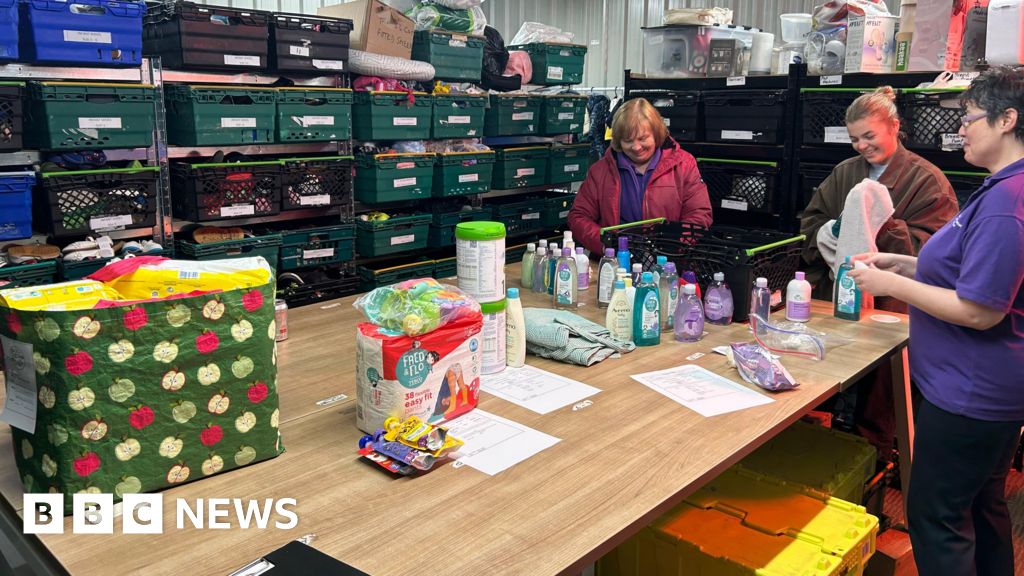
More working families asking for baby essentials
Business
Earnings call transcript: Syndax Pharmaceuticals Q4 2025 revenue beats forecast, stock rises

Earnings call transcript: Syndax Pharmaceuticals Q4 2025 revenue beats forecast, stock rises
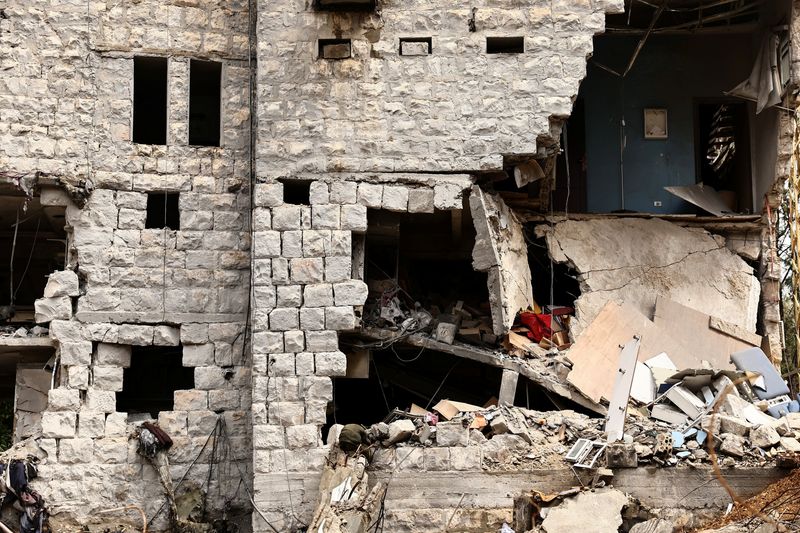

Stocks slide, oil gains with Mideast ceasefire prospects centre stage

Courtney Howe
Head of Corporate Affairs & Investor Relations
Good morning, and welcome to the Soul Patts’ financial results presentation for the first half of financial year 2026, being the 6-month period ending 31 January 2026. My name is Courtney Howe, I’m responsible for Corporate Affairs and Investor Relations at Soul Patts, and I’m pleased to introduce our presenters for today. Todd Barlow, Managing Director and CEO, will address performance highlights; and David Grbin, our Chief Financial Officer, will cover group financial results before handing back to Todd, who will step through portfolio performance. Todd will round out the presentation with a look at the core principles behind our capital allocation process as well as the current priorities.
We will respond to questions at the end, starting with analyst questions on the line. As usual, there is the option for written questions to be submitted at any point during the webcast, and you will see a question box on the right-hand side of your screens. Please provide your name when you submit your question. Over to you, Todd.
Todd Barlow
Chief Executive Officer
Thank you, Courtney, and welcome to everybody joining us today. Soul Patts is a diversified investment house with a unique position in the Australian market. Our total portfolio is now valued at $13.8 billion. We operate as one portfolio that houses multiple asset classes. We have generated strong risk-adjusted returns through a disciplined approach for many years. The 6-month period ended 31 January 2026 was a continuation of this track record, and we are
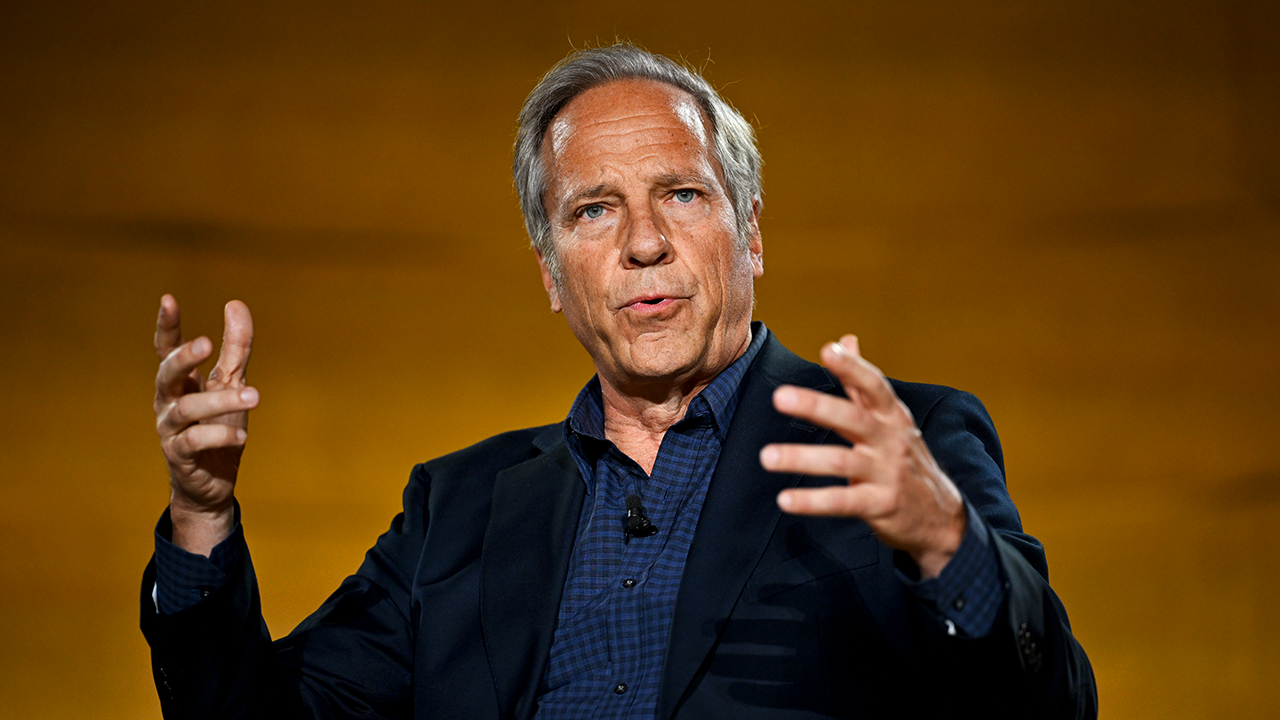
Mike Rowe, the CEO of mikeroweWorks Foundation joins ‘Varney & Co.’ to warn of a skilled labor crisis, highlight $200,000 trade jobs without college debt and discuss how AI could fuel a blue-collar boom.
A rare point of agreement is emerging across ideological lines as concerns grow over how artificial intelligence could reshape the American workforce.
Mike Rowe, CEO of the mikeroweWORKS Foundation, joined FOX Business’ Stuart Varney on ‘Varney & Co.‘ to discuss how rapid technological change is colliding with a long-standing shortage of skilled labor, creating what he sees as a turning point for the economy.
FOX Business’ Connor Hansen has the details from Capitol Hill on ‘Varney & Co.’
Rowe’s warning echoes a broader message gaining traction across the political spectrum. Sen. Bernie Sanders, I-Vt., has also pointed to mounting pressure on workers and a changing economic landscape, framing the moment as one of major disruption.
DATA CENTER BOOM POWERING AI REVOLUTION MAY DRAIN US GRIDS — AND WALLETS
“I actually agree with Bernie Sanders. … I think we’re on the cusp of a revolution unlike anything we’ve ever seen,” Rowe said.
Mike Rowe, CEO of mikeroweWORKS Foundation, speaking at a summit in Washington, D.C. (Daniel Heuer/Bloomberg / Getty Images)
Rowe pointed to a surge in demand for skilled trades as companies race to build out the infrastructure needed to support artificial intelligence, data centers and energy expansion. In some parts of the country, he said, electricians are commanding salaries that rival or exceed many white-collar roles, with employers competing aggressively for a limited pool of workers.
THE INVISIBLE LAYOFF: AI IS QUIETLY LOCKING AMERICANS OUT OF THE JOB MARKET, CEO WARNS
That shift, he argued, could flip long-held assumptions about education and career paths as industries once seen as secondary become central to supporting a new digital economy.
Alpha Schools co-founder and CEO Mackenzie Price joins ‘Mornings with Maria’ to discuss how the AI-driven learning platform customizes education for each student, reshaping classrooms, costs and the future of schooling.
“This new era is going to be a renaissance for electricians, steamfitters, pipefitters, welders, CNC operators,” Rowe said.
Rowe warned the scale of the coming buildout, which he described as tied to trillions of dollars in investment, will test whether the U.S. workforce is prepared to meet the moment as companies and institutions scramble to close the skills gap.
Business
ATA Creativity Global 2025 Q4 – Results – Earnings Call Presentation (NASDAQ:AACG) 2026-03-26

Seeking Alpha’s transcripts team is responsible for the development of all of our transcript-related projects. We currently publish thousands of quarterly earnings calls per quarter on our site and are continuing to grow and expand our coverage. The purpose of this profile is to allow us to share with our readers new transcript-related developments. Thanks, SA Transcripts Team
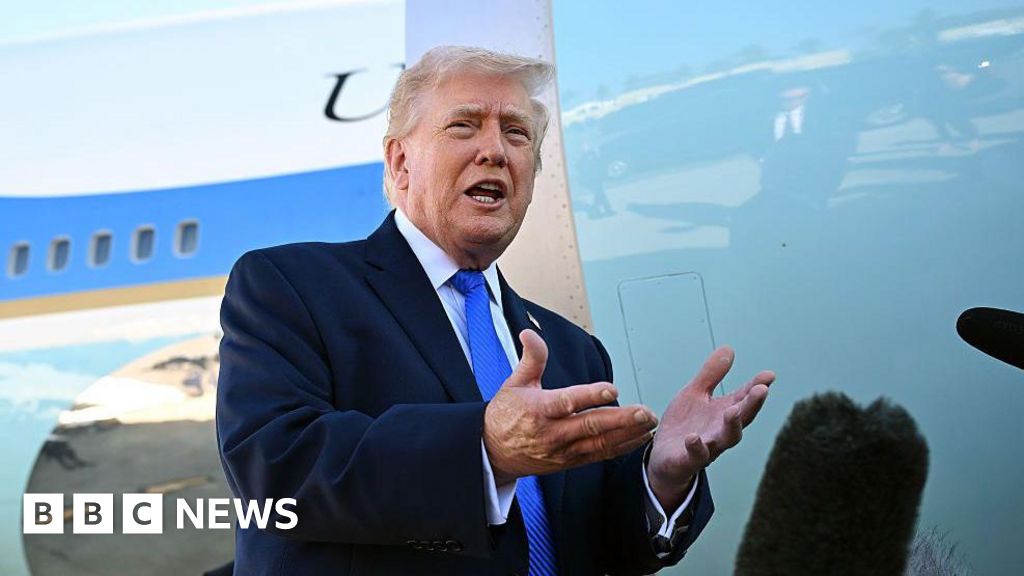
Trump’s delayed meeting with Xi Jinping will be the first visit to China by a US president since 2017.
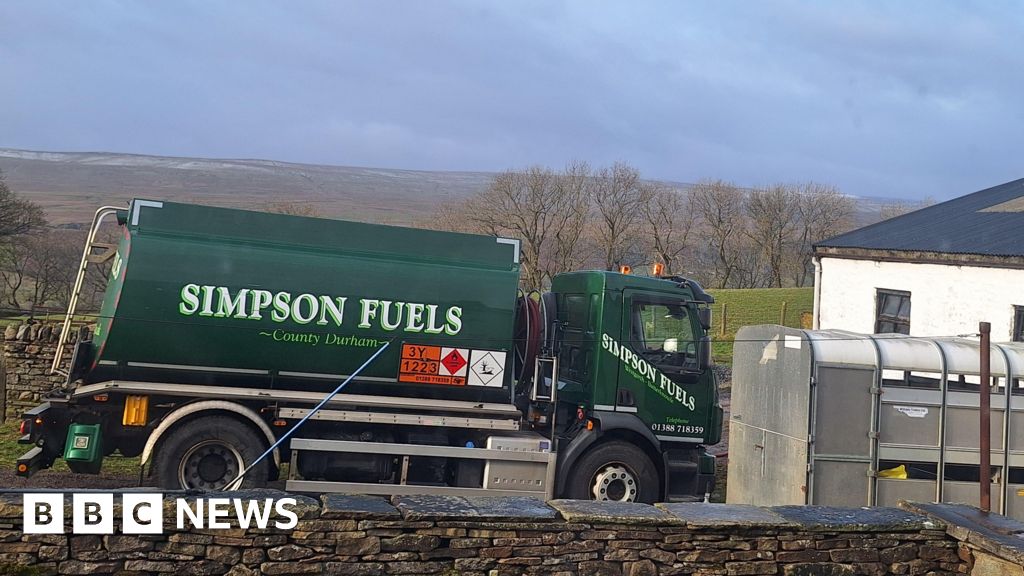
Organisations say there is support available after heating oil doubled in price due to the war in Iran.

New Torg Grabber infostealer malware targets 728 crypto wallets

Is Trump any closer to an Iran exit strategy?

Meghan Markle, Prince Harry Say Their Australia Trip Is ‘Being Funded Privately’


-
 Crypto World5 days ago
NIO (NIO) Stock Plunges 6.5% as Shelf Registration Sparks Dilution Worries
-

 Fashion6 days ago
Weekend Open Thread: Adidas – Corporette.com
-

 Politics6 days ago
Jenni Murray, Long-Serving Woman’s Hour Presenter, Dies Aged 75
-
 NewsBeat21 hours ago
Manchester United reach agreement with Casemiro over contract clause amid transfer speculation
-

 Crypto World4 days ago
Best Crypto to Buy Now: Strategy Just Spent $1.57 Billion on Bitcoin During Fear While Early Investors Quietly Enter Pepeto for 150x Potential
-

 Crypto World4 days ago
Bitcoin Price News: Bhutan Sells $72 Million in BTC Under Fiscal Pressure, but the Smart Money Entering Pepeto Sees What the Market Does Not
-

 Tech6 days ago
inKONBINI Lets You Spend Summer Days Behind the Register
-

 News Videos5 hours ago
Parliament publishes latest register of MPs’ financial interests
-

 Sports3 days ago
Remo Stars and Kano Pillars Strengthen Survival Hopes in NPFL
-

 Politics7 days ago
Gender equality discussions at UN face pushbacks and US resistance
-

 Business4 days ago
No Winner in March 21 Drawing as Prize Rolls to $133 Million for Next
-

 Sports3 days ago
Gary Kirsten Accuses Pakistan Cricket Board Of ‘Interference’, Mohsin Naqvi Responds
-

 Tech3 days ago
Give Your Phone a Huge (and Free) Upgrade by Switching to Another Keyboard
-

 Sports6 days ago
2026 Kentucky Derby horses, odds, futures, preview, date: Expert who nailed 12 Derby-Oaks Doubles enters picks
-
Sports7 days ago
Vikings Free Agency Enters Phase 2 with Key Questions
-

 Tech3 days ago
AI enters the chat: New Seattle dating app relies on tech to facilitate meaningful human connections
-

 Politics7 days ago
Scotland’s rejection of assisted dying is a victory for humanity
-

 Business6 days ago
DLocal: Entering 2026 At Escape Velocity
-
Business5 days ago
Columbia Sportswear enters $500 million credit agreement with JPMorgan Chase
-

 NewsBeat7 days ago
Missile lands next to presenter during live report
You must be logged in to post a comment Login