

Business
Rigetti Computing Stock Surges 12% on Hybrid Quantum Supercomputer Deal With HPE and Pittsburgh Center


NEW YORK — Shares of Rigetti Computing Inc. climbed more than 12 percent in early trading Monday after the company announced an expanded collaboration to develop a hybrid quantum-classical supercomputing testbed.
The stock rose $1.74, or 12.30 percent, to $15.89 as of 9:49 a.m. Eastern time. Trading volume was active as the market opened. The previous close was $14.15.
In a statement released Monday, Rigetti said it will deliver a 9-qubit Novera quantum computing system to a new testbed at the Pittsburgh Supercomputing Center. The project is funded by a $5 million National Science Foundation grant. The effort builds on the company’s existing strategic collaboration with Hewlett Packard Enterprise to commercialize quantum-enabled high-performance computing solutions.
The announcement comes as Rigetti, a developer of superconducting quantum computers, continues to advance its hardware and expand access to its systems. The company has positioned itself as a pure-play participant in the emerging quantum computing sector, which remains in early stages of commercial development.
Rigetti’s Cepheus-1-108Q system, a 108-qubit modular quantum computer based on its proprietary chiplet architecture, became generally available earlier this year. The system is accessible through the company’s Quantum Cloud Services platform and Amazon Braket. It consists of 12 interconnected 9-qubit chiplets and has reported median two-qubit gate fidelity of 99.1 percent.
In the first quarter of 2026, Rigetti reported revenue of $4.4 million, nearly triple the amount from the year-earlier period. The growth was attributed to increased government and commercial activity. Research and development spending totaled $19.9 million in the quarter. The company ended the period with approximately $569 million in cash, cash equivalents and available-for-sale investments and no debt.
Rigetti is scheduled to report second-quarter results on Aug. 6 after the market close. Analysts project continued revenue growth for the period.
In May, the company signed a letter of intent with the U.S. Department of Commerce for potential funding of up to $100 million over three years to support research and development aimed at scaling superconducting quantum computers. The arrangement could also involve the government taking an equity stake.
Rigetti has also secured an $8.4 million contract to deliver a 108-qubit system to India’s Centre for Development of Advanced Computing, with deployment planned for the second half of 2026. The company continues work on longer-term milestones, including plans for larger systems in the United Kingdom over the next several years.
Quantum computing seeks to solve certain complex problems more efficiently than classical computers by using quantum bits, or qubits, that can exist in multiple states simultaneously. Commercial applications are still limited, and the technology faces significant technical hurdles related to error rates, scalability and stability. Industry observers generally view widespread practical use as years away.
Wall Street analysts largely maintain constructive ratings on the shares. Consensus price targets in recent reports have centered in the mid-to-high $20s to low $30s, implying substantial upside from current levels according to those forecasts. The stock has experienced significant volatility, with a 52-week range of $12.53 to $58.15.
Investors evaluating Rigetti for the longer term weigh the company’s technological progress and government support against its limited current revenue, ongoing cash burn and the uncertain timeline for broader commercial adoption of quantum computing. The firm’s strong balance sheet provides runway for continued investment in manufacturing capacity, refrigeration systems and architecture improvements.
The hybrid approach pursued with HPE and the Pittsburgh Supercomputing Center reflects a broader industry trend of integrating quantum processors with classical high-performance computing resources. Such testbeds allow researchers to explore practical workflows while hardware capabilities advance.
Rigetti’s modular chiplet design is intended to support scaling to higher qubit counts more efficiently than monolithic approaches. Management has emphasized improvements in fidelity and system performance as key priorities throughout 2026.
The stock’s early Monday advance followed a period of pressure in quantum computing shares earlier in the month, as investors rotated away from high-beta technology names after strong prior gains. Broader market conditions and sentiment toward speculative technology sectors continue to influence trading in the name.
As of mid-morning Monday, Rigetti’s market capitalization stood near $4.7 billion based on publicly traded shares. The company remains focused on executing its technical roadmap while expanding customer access through cloud platforms and on-premise deployments.
Whether the shares prove a long-term investment depends on the pace of technological milestones, the conversion of research collaborations into sustained revenue, and the overall development of the quantum computing market. Near-term catalysts include the upcoming earnings report and further progress on government-supported projects.
The Pittsburgh collaboration adds another data point to Rigetti’s expanding network of academic and industry partnerships. The delivery of the Novera system is expected to support research into hybrid algorithms and applications that combine quantum and classical computing resources.
In an industry characterized by rapid technical claims and long commercialization horizons, Rigetti’s combination of hardware advancements, cash reserves and public-sector engagement has kept it among the more closely followed pure-play names. Monday’s stock move reflected investor reaction to the latest partnership expansion amid ongoing interest in the sector’s long-term potential.

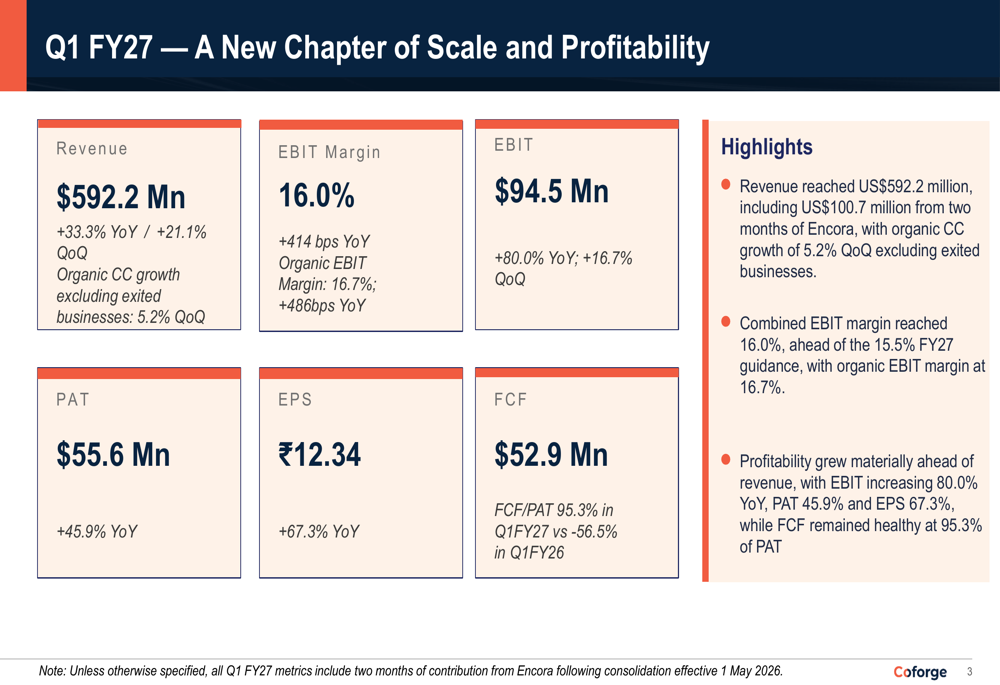
Coforge Q1 FY27 slides: Encora deal drives 33% revenue surge

AI supplier Zhongji Innolight raises $6.8 billion in Hong Kong’s biggest IPO since
Business
DroneShield Shares Sink 12% to a Fresh Low as Middle East Tensions Ease and Ongoing Governance Woes Persist

DroneShield Ltd. shares tumbled sharply Tuesday, falling 12.02% to $1.83, marking another painful session for the once high-flying Australian counter-drone technology company as easing Middle East tensions and lingering governance concerns continued to weigh on the stock.
The decline of $0.25 comes amid a broader retreat in oil prices and defense-sector sentiment following a weekend pause in hostilities between the United States and Iran, a development that has sharply reduced the geopolitical risk premium that had driven a defense-stock rally across the ASX earlier in the year.
A Stock That Has Fallen Dramatically From Its Peak
Tuesday’s slide extends a brutal stretch for DroneShield shareholders that has now stripped away the vast majority of the stock’s once-spectacular gains. The stock reached its all-time high of $6.71 on Oct. 9, 2025, a level far above where shares now trade. Shares have fluctuated anywhere between $4.74 in January and a low of $2.14 in late July, leaving the stock down roughly 35% year to date and 54% below its January 2026 peak, and about 41% below trading levels from a year earlier.
A Rally Fueled by Global Defense Spending, Then Reversed
DroneShield’s meteoric rise earlier this year was driven by a powerful narrative around rising global defense budgets and geopolitical instability. There had been a strong start to the year for DroneShield shares, supported by higher global defense budgets and geopolitical volatility following conflict in the Middle East, with investors flocking to defense-related shares as governments around the world hiked their defense budgets and geopolitical risk worsened.
The stock rallied from around 56 cents in early 2024 to its all-time high above $6.71 by October 2025, a gain of more than 1,000% during that primary uptrend. But that momentum began reversing sharply in the following months. A combination of governance and regulatory concerns dampened investor sentiment beginning in mid-May, when DroneShield announced it had received a notice from the Australian Securities and Investments Commission requesting assistance with an investigation under the Corporations Act, related to market announcements and share trading between Nov. 1 and Nov. 20, 2025.
Regulatory Cloud Continues to Weigh on Sentiment
That ASIC investigation has remained a persistent overhang on the stock in the months since it was first disclosed. Reuters reported that Australia’s corporate regulator was investigating DroneShield’s disclosures and share trading, contributing to the stock’s decline even as the company continued to report strong underlying business results.
Wall Street Turns More Cautious
As the governance concerns have persisted, analyst sentiment on DroneShield has grown increasingly split. Jefferies Financial Group lowered its revenue projections for DroneShield across 2026 through 2028 by roughly 9% and cut its earnings-per-share estimates by a range of 5% to 16%, reducing its price target by 27% to 2.05 Australian dollars. The level of short positioning in DroneShield shares was nearly double that of peer Electro Optic Systems Holdings, with short interest climbing by 7.01 million shares since July 1 while the number of shares outstanding remained steady at around 924.1 million.
Other analysts remain divided on the stock’s outlook. Out of four analysts tracked by TradingView, two hold a strong buy rating while two hold a sell or strong sell rating, though all agree there is some element of potential upside ahead, with an average price target of $3.41 implying about 49% upside and a maximum target of $4.80 implying the stock could climb another 110% from recent levels.
Strong Contract Wins Have Failed to Offset Selling Pressure
The declines have come despite the company continuing to secure notable new business. Among its recent wins, DroneShield secured a $24.9 million contract with a U.S. defense customer combining mobile and fixed counter-drone systems with software subscriptions and ongoing support services, reflecting the company’s shift toward higher-margin recurring revenue. A separate roughly $50 million European military contract secured via a reseller, with substantial hardware deliveries weighted to the first quarter of 2026, briefly drove the share price above $2.80 before those gains evaporated, while an additional $6.2 million Asia-Pacific military contract further validated the global breadth of demand for the company’s AI-enabled electronic warfare systems.
Despite that operational strength, the stock has failed to find insulation from selling pressure, in large part due to the ongoing governance cloud, with DroneShield having established a reputation as a high-beta, momentum-driven play within the defense technology space that tends to lead sector moves in both directions.
Business Fundamentals Remain Solid
Beyond the near-term share price volatility, DroneShield’s underlying financial performance has continued to show substantial growth. The company reported fiscal 2025 revenue of $216.5 million, up 276% year-over-year, along with $104 million in secured fiscal 2026 revenue and $21.7 million in new contracts. DroneShield has also been expanding its manufacturing footprint, announcing in March an EU manufacturing facility targeting annual production capacity of about $2.4 billion Australian dollars by the end of 2026.
A Cooling Geopolitical Backdrop
Tuesday’s decline also fits within the broader pullback across defense-linked assets following the weekend pause in U.S.-Iran hostilities, which has sharply reduced the acute geopolitical risk that had underpinned demand for counter-drone and defense technology stocks throughout the first half of the year. As tensions in the region have shown signs of easing and oil prices have retreated sharply from their recent highs, investors appear to be reassessing how much of a risk premium defense stocks like DroneShield deserve.
DroneShield is scheduled to release its next earnings report on Sept. 1, 2026, a date that could offer investors a clearer read on how the company’s underlying business is performing amid the ongoing volatility in its share price. Until then, DroneShield’s stock is likely to remain caught between genuinely strong operational momentum, including a growing pipeline of international military contracts, and a market increasingly focused on the unresolved ASIC investigation and the broader cooling of the geopolitical backdrop that originally fueled the stock’s dramatic rise. For now, investors appear to be pricing in considerably more caution than conviction, leaving the stock trading well below both its all-time high and the levels many analysts still consider achievable over the next 12 months.

The Reserve Bank governor says interest rates may need to go higher, as Australia’s weak productivity problem locks households in for lower living standards.
Business
ASX 200 Edges Higher to Near 8,934 Points as Investors Weigh Falling Oil Prices and Global Earnings News

Australia’s S&P/ASX 200 climbed further into record territory Tuesday afternoon, rising 0.45% to 8,933.8 points, adding 39.8 points as investors weighed a sharp overnight drop in global oil prices against a wave of corporate earnings updates and continued optimism tied to easing Middle East tensions.
The gain builds on a strong recent run for Australian equities, with the benchmark index continuing to trade within striking distance of the all-time high it set earlier this year.
A Market Buoyed by Easing Middle East Tensions
The S&P/ASX 200 was set to rise Monday as the United States paused strikes for a second day, a development that helped fuel broader optimism across regional markets heading into the new trading week. That momentum appeared to carry through into Tuesday’s session, even as falling oil prices created a mixed picture for specific sectors of the market.
Energy Stocks Under Pressure as Oil Tumbles
While the broader index advanced, Australia’s energy sector faced significant headwinds from the overnight collapse in global crude prices. ASX 200 energy shares including Beach Energy and Santos were expected to come under pressure Tuesday after oil prices sank sharply overnight, with West Texas Intermediate crude down 7.3% to $82.78 a barrel and Brent crude down 8.5% to $88.58 a barrel, according to Bloomberg data.
That decline followed reports over the weekend that the United States and Iran had paused military strikes, easing fears of a prolonged disruption to Middle East oil shipments and sending crude prices tumbling from their recent highs.
China’s Blockbuster Chip Listing Reverberates Across Markets
Tuesday’s session also came against the backdrop of one of the most dramatic corporate listings of the year, with China’s ChangXin Memory Technologies making waves across Asia-Pacific markets. China’s fourth-largest DRAM maker exploded higher in its Shanghai debut as investors chased a rare pure-play bet on Beijing’s chip self-sufficiency push, with shares closing at 49 yuan, up 466%, valuing the company at about 3.3 trillion yuan, or roughly $488 billion, and making it the biggest company listed in mainland China.
The IPO raised as much as 66.6 billion yuan, the second-largest offering in Chinese history, generating 141 billion yuan in turnover on the day, nearly 7% of all onshore market transactions. The retail portion of the offering was 212 times oversubscribed, with 9.4 million orders worth 7.07 trillion yuan submitted, roughly 10 times the size of SpaceX’s record order book. That listing added to a broader narrative of volatility across global chipmakers, with flow-on effects felt across memory and semiconductor stocks worldwide.
Corporate Earnings and Buybacks Add to the Mix
Several individual company updates also shaped Tuesday’s trading session on the ASX. Webjet-owned WebBeds flagged first-half 2027 revenue growth of 11% to 15% compared with the same period a year earlier, alongside an on-market buy-back of up to $90 million, funded from existing cash and running from mid-August 2026 through late July 2027. The company’s total transaction value margin was seen at approximately 6.7%, up from 6.5% in the first half of 2026, marking a third consecutive half of margin gains, with cash conversion above 100% for the coming half.
Elsewhere, defense and space technology company Electro Optic Systems posted standout results heading into the new trading week. Electro Optic Systems flagged a 284% jump in first-half revenue and upgraded its base-business guidance, citing a record order book driven by strong counter-drone demand. The company’s first-half 2026 revenue reached about $169 million, up 284%, or $125 million, from the same period a year earlier, marking the highest first-half revenue total in the company’s history, while its order book stood at $846 million as of June 30, up 84%, or $387 million, from the end of 2025.
Bell Potter analysts maintained a bullish stance on the defense contractor following the update, retaining a buy rating and raising the firm’s price target to $12.60 from $12.50, citing the company’s leadership position across multiple counter-drone technology verticals and its exposure to rising global defense spending.
A Historic Backdrop for Australian Equities
Tuesday’s gains continue to build on a remarkable run for the ASX 200 over the past several years. The index hit an all-time high of 9,198.6 points in February 2026 before settling closer to the 8,800 mark by July, with the benchmark having achieved a long-term annualized historical return of roughly 8.2% on a total return basis, including dividends, over its more than 25-year history. The index remains heavily weighted toward the financial and materials sectors, with financials making up around 28% of the index and including major players such as Commonwealth Bank of Australia.
Global Backdrop Remains Supportive
Beyond the immediate catalysts of falling oil prices and the CXMT listing, Tuesday’s session took place against a broader global backdrop of continued merger and acquisition activity and green energy investment. M&A deal volumes were projected to hit $173 billion in 2026, the highest level since 2019, aided by faster regulatory approvals. Green energy financing also hit a record $20.1 billion in the first half of 2026, topping the full-year 2025 total, split between $11.8 billion in construction financing and $8.3 billion in investment financing.
With the index continuing to trade near record territory and a heavy slate of domestic earnings reports still to come during the Australian reporting season, investors are likely to remain focused on how individual companies navigate a market environment shaped by volatile oil prices, geopolitical developments in the Middle East, and continued ripple effects from China’s blockbuster semiconductor listing. Whether the ASX 200 can push toward fresh record highs in the sessions ahead may hinge heavily on how energy stocks absorb the overnight oil price shock and whether broader risk appetite continues to hold up as more corporate results filter through the market this week.

TIM Participacoes earnings missed by $0.01, revenue topped estimates
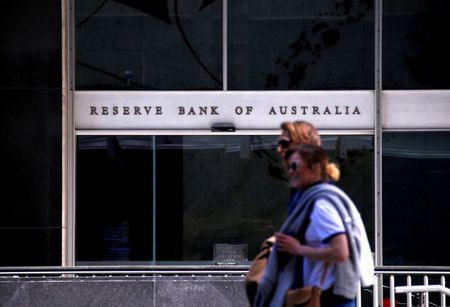
RBA’s Bullock says board stands ready to raise rates further if needed

Operator
[Audio Gap] Gentlemen to Whitehaven Coal Q4 FY ’26 Quarterly Production Report. [Operator Instructions] Thank you for joining us today. I would now like to hand over to Managing Director and CEO, Paul Flynn. Please go ahead.
Paul Flynn
MD, CEO & Director
Good morning, everybody, and thanks very much for joining us now for the June quarter production report. Very pleased to put a final quarter to this financial year that rounded out a year full of second half disruptions. In fact, whether that be weather or conflicts obviously around the world. But despite all that, I think we’ve done well to button down the year and record some positive numbers to give us aggregate positive outcomes. So as usual, I’ll just go through the highlights, and then we’ll get to Q&A. And as usual, I’m joined by our COO, Ian Humphris, and our CFO, Kevin Ball.
So just to round out the Q4 round out to the year. Our total recordable injury frequency rate was a very positive outcome for the group. So safety has delivered 3.3 million is the TRIFR and that’s actually a record for the expanded business, which is very positive to see. The June quarter ROM production at 10.7 million tonnes was a nice increment over and above the weather affected March, and we’ve crested 40 million
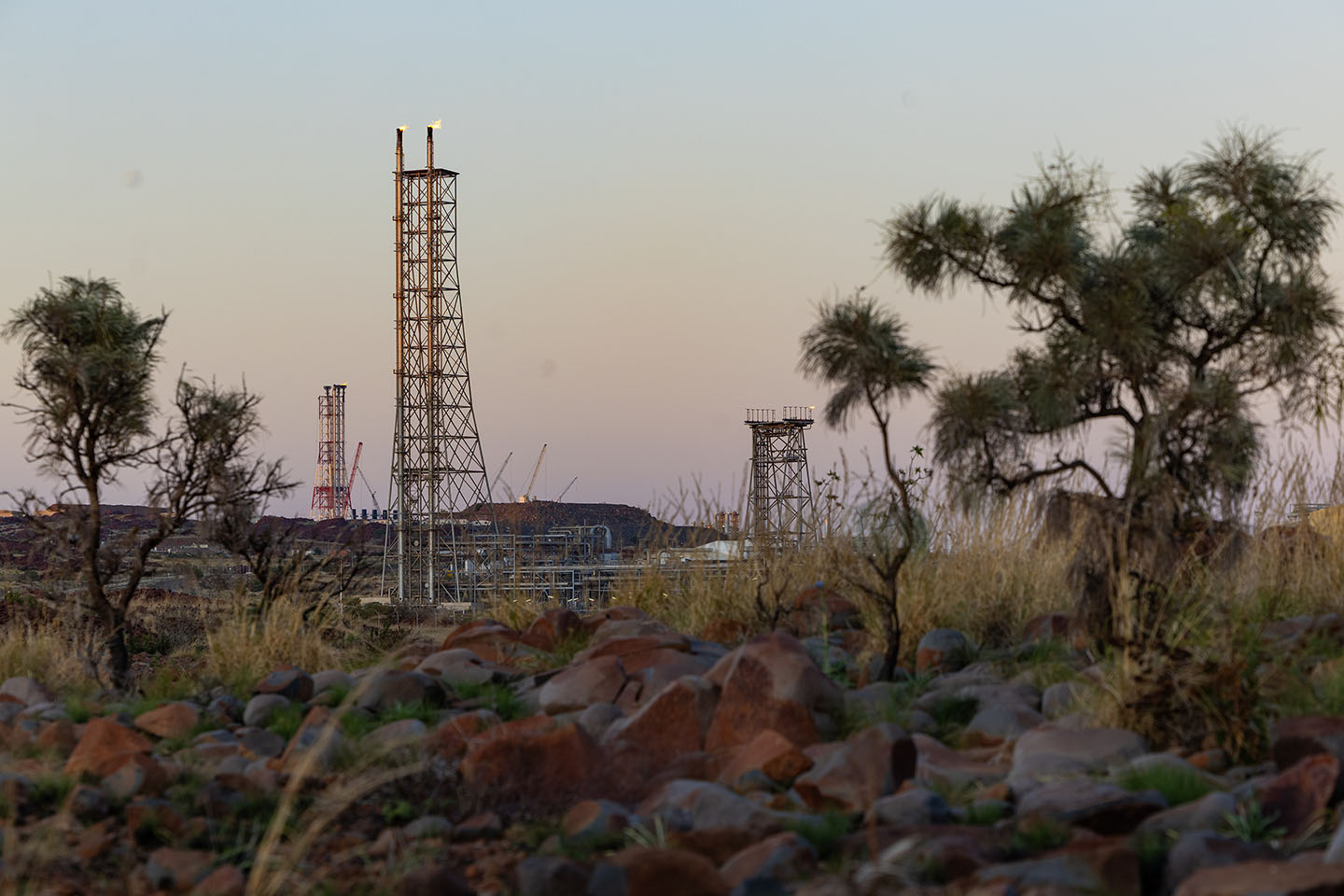
OPINION: WA is already one of the world’s largest growers of fuel feedstock, but we do not use it. That is where state and federal funding should be directed.
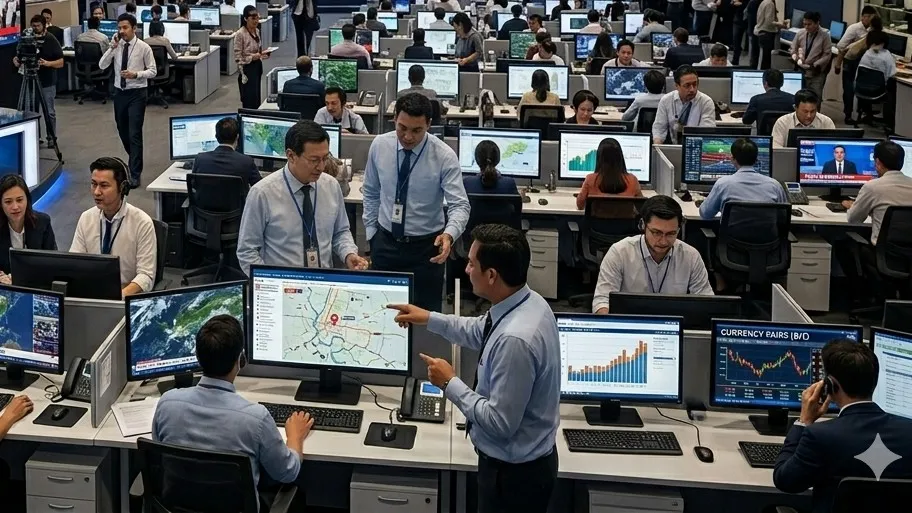
Thailand has been at the center of significant international news coverage recently, spanning security incidents, major economic developments, sporting events, and diplomatic relations. This summary highlights the most pressing stories shaping the nation’s current narrative.
Security Crisis in Southern Thailand
The most urgent story dominating headlines is a deadly attack on a security checkpoint in southern Thailand, where five soldiers were killed and six civilians were injured in a combined gun and pipe bomb assault. Multiple international outlets, including Al Jazeera, DW, and AP News, confirmed the attack occurred in the country’s long-troubled southern region, which has experienced decades of separatist violence. Thai authorities have launched a manhunt for suspects following the incident, with the army confirming the casualty figures. This attack underscores the persistent security challenges in Thailand’s deep south, a region that has seen recurring violence linked to separatist insurgency movements for years.
Booming Investment and AI Infrastructure Growth
Thailand is experiencing a remarkable surge in foreign investment, driven largely by artificial intelligence infrastructure development. According to Bloomberg and multiple other sources, Thailand’s FDI applications jumped 80% to $41 billion in the first half of the year, while other reports cite figures as high as $43.6 billion, reflecting big tech’s accelerated push into Southeast Asian AI infrastructure. The Board of Investment (BOI) confirmed that first-half investment topped 1.47 trillion baht, with digital and data center projects leading the charge. This investment boom coincides with Thailand’s new investment jumping 37% in the January-June period, positioning the country as an increasingly attractive destination for Southeast Asia’s tech-driven economic expansion. Thai Prime Minister Anutin has pledged full backing for Chinese investment as a Thailand-China expo opened in Bangkok, further cementing bilateral economic ties. For more on how AI is transforming the nation’s investment landscape, see Thailand Business News.
Tyson Fury’s Thailand Fight Draws Global Attention
Boxing fans worldwide are watching Thailand closely as heavyweight legend Tyson Fury prepares for a career-first test against Mariusz Wach. Notably, Fury weighed in 26 pounds lighter than his opponent, marking the first time in his career he has been outweighed by an opponent. Multiple sports outlets, including Sky Sports, BBC, and Reuters, have covered the buildup extensively, with Fury defending his decision to fight in Thailand, reportedly asking rhetorically, “Would Beckham do it?” The boxer has stated that “the best is yet to come” ahead of the bout, generating significant international sports media coverage in the lead-up to the fight.
Controversy Over AI Chip Smuggling
A significant technology controversy has emerged involving China’s Moonshot AI allegedly using servers in Thailand to circumvent U.S. chip export bans. According to U.S. officials cited by NewsNation and other outlets, the White House has accused Moonshot AI of accessing banned Nvidia GB300 chips via Thailand, with reports suggesting the company “stole from Anthropic” and used Thai infrastructure to dodge restrictions. This story adds a geopolitical dimension to Thailand’s growing role in the global AI supply chain, raising questions about the country’s position amid U.S.-China technology tensions.
Border Tensions and Regional Diplomacy
Thailand continues to navigate complex regional relationships. The country is pressing on with a border fence project along its Cambodia frontier following clashes in 2025, according to Reuters. Meanwhile, Myanmar’s military leader Min Aung Hlaing is scheduled to visit Thailand in early August, highlighting Thailand’s continued diplomatic engagement with its neighbors despite regional instability. Separately, China has asked Thailand to deport a Chinese journalist, with human rights organizations warning of potential persecution—a story that has drawn scrutiny from press freedom advocates.
Trade, Tariffs, and Economic Diversification
Thailand faces potential trade headwinds, as the country is on alert following a U.S. Section 301 probe that could raise tariffs by up to 25%. Simultaneously, Thailand is pursuing economic diversification through initiatives like a $700 million EV plan aimed at replacing 80,000 vehicles, signaling commitment to sustainable transportation. Additionally, China’s durian imports from Thailand and Malaysia have soared amid a supply glut pressuring regional growers, illustrating the interconnected nature of Southeast Asian agricultural trade.
Infrastructure and Tourism Developments
Thailand’s high-speed rail link to China is targeted for completion of its first phase by 2030, according to multiple railway industry publications. In tourism, IHG Hotels & Resorts is expanding its Thailand portfolio with a new Holiday Inn Express location in Krabi Ao Nang, while Thailand has extended stay and work authorization for migrant workers, addressing labor market needs. The country also scrapped plans to end visa-free entry for Indian tourists, reflecting efforts to sustain its critical tourism sector.
Source : Google News – Search
Other People are Reading

26 Years Later, This Odyssey Adaptation Is Still Perfect From Start to Finish

Millionaires’ highway to hell: Hundreds of luxury homes in ashes, the Mail is one of first to see devastation of France’s apocalyptic mega-fire

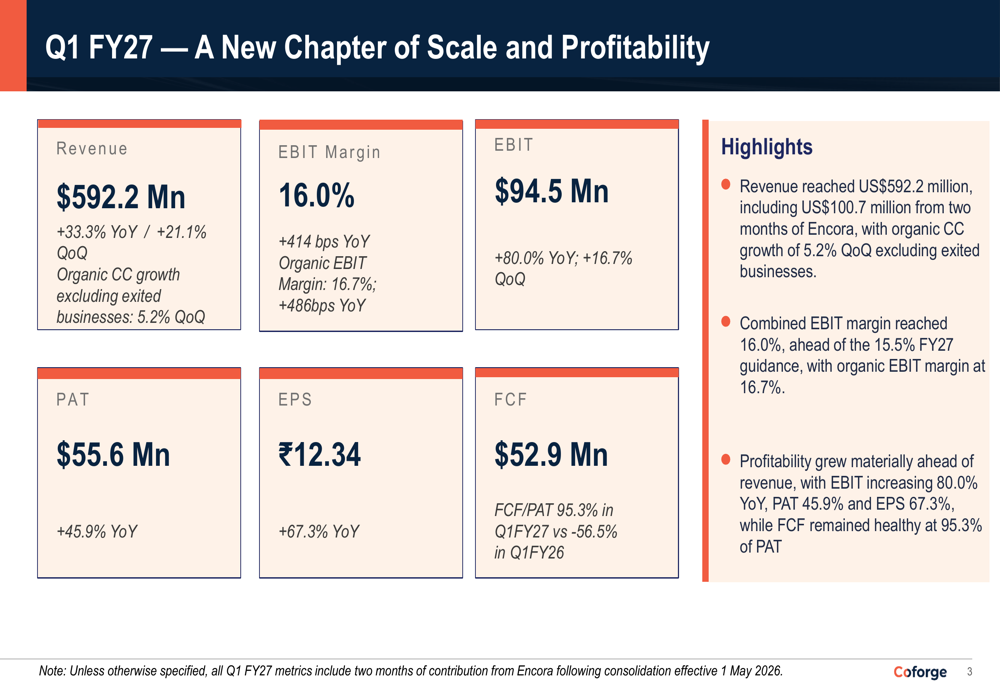
Coforge Q1 FY27 slides: Encora deal drives 33% revenue surge


-

 Fashion3 days ago
Weekend Open Thread: Brooks Brothers
-

 Crypto World7 days ago
Grayscale Files For Worldcoin ETF, WLD Registers Sharp Rise
-

 NewsBeat6 days ago
How a former Blue Peter presenter stunned America’s Got Talent judges
-

 Tech1 day ago
Intel is reversing course and bringing hyper-threading back to its server chips
-
 Business6 days ago
New Jersey voter registration controversy explained: How 6,600 noncitizens got on the rolls, and what happens next
-
 Entertainment6 days ago
Johnny Depp’s R-Rated Gothic Cult Classic Gets New Release Ahead of Sydney Sweeney Remake
-

 Crypto World5 days ago
Ethics, other provisions in crypto Clarity Act to be further discussed
-

 Politics18 hours ago
Luke Littler dismantles Gerwyn Price to retain title in Blackpool
-
 Sports1 day ago
Commonwealth Games boxing: Jadumani Singh seals dominant 5-0 win over Pakistan’s Sumama Rehman to enter quarter-finals | Commonwealth Games News
-

 Sports4 days ago
2026 3M Open leaderboard: Scottie Scheffler finds putter in Round 1, sits three back
-

 Fashion4 days ago
16 Dresses for the High Summer Event
-

 News Videos4 days ago
The Peugeot Family: How 200 Years of an “Old Money” Dynasty Died in A Boardroom
-

 Politics2 days ago
Spain sweeps the board at 2026 World Cup with individual awards
-
 Entertainment4 days ago
A New Post-Apocalyptic Gundam Anime Series Blasts Into SDCC
-

 News Videos1 day ago
BITCOIN JUST ENTERED THIS CRITICAL ZONE…
-

 Crypto World2 days ago
XRP Ledger adds $2.6B as RWA inflows rank second
-

 Crypto World5 days ago
Uniswap (UNI) pushes deeper into tokenized RWAs with permissioned trading pools
-

 Crypto World6 days ago
Sablier Labs Enters Maintenance Mode, Halts Development
-
Crypto World5 days ago
SEC Agrees to Overhaul Recordkeeping After Settling Coinbase Lawsuit Over Gensler’s Lost Texts
-

 Business4 days ago
Alliance Entertainment Holding Corporation (AENT) Discusses Evolution Into Omnichannel Distribution and Fulfillment Platform for Media and Collectibles Transcript
You must be logged in to post a comment Login