

Business
Royal Perth Hospital ED estimated to cost $807m




Palantir Teams Up With Nvidia for Government AI. Why the Stock Is Bouncing Back.
Business
UCLA Study Links Common Pesticide Chlorpyrifos to More Than Double the Risk of Getting Parkinson’s Disease

LOS ANGELES — A widely used agricultural pesticide may pose a far greater threat to brain health than previously understood, according to new research from UCLA Health that links long-term exposure to the chemical chlorpyrifos with a sharply elevated risk of developing Parkinson’s disease, while also identifying a specific biological mechanism that may explain why.
The study, published in the journal Molecular Neurodegeneration, found that people with long-term residential exposure to chlorpyrifos had more than 2.5 times the risk of developing Parkinson’s disease compared with those who were not exposed. The research combined human population data with laboratory experiments in mice and zebrafish, providing both an epidemiological link and biological evidence to support it.
Researchers analyzed data from 829 people diagnosed with Parkinson’s disease and 824 individuals without the condition, all enrolled in UCLA’s long-running Parkinson’s Environment and Genes study. The cohort was drawn from three agricultural counties in central California — Kern, Fresno and Tulare — with participants recruited in two waves, one from 2000 to 2007 and a second from 2009 to 2015. To estimate each participant’s cumulative exposure to chlorpyrifos, the research team combined California’s Pesticide Use Report database, which has tracked agricultural chemical use in the state since 1972, with detailed residential and workplace address histories spanning decades.
Dr. Jeff Bronstein, a professor of Neurology at UCLA Health and the study’s senior author, said the findings move beyond general associations between pesticides and Parkinson’s to implicate one chemical specifically.
“This study establishes chlorpyrifos as a specific environmental risk factor for Parkinson’s disease,” Bronstein said, adding that the work does not simply lump pesticides together as a broad category but isolates this compound’s distinct contribution to disease risk.
To understand how chlorpyrifos might cause that damage, researchers turned to laboratory experiments. Mice were exposed to aerosolized chlorpyrifos through inhalation for 11 weeks, a method designed to mirror how people in agricultural communities are most commonly exposed to the chemical in real-world settings. The exposed mice developed movement problems and lost dopamine-producing neurons, the same population of brain cells that gradually dies off in people with Parkinson’s disease. The animals also showed signs of brain inflammation and an abnormal buildup of alpha-synuclein, a protein that clumps together in the brains of Parkinson’s patients and is considered a hallmark of the disease.
Additional experiments in zebrafish helped researchers pinpoint the underlying mechanism. The team found that chlorpyrifos disrupts autophagy, the cellular process responsible for clearing out damaged proteins and cellular debris before they can accumulate and cause harm. When autophagy was disrupted, neurons became significantly more vulnerable to injury. Critically, when researchers either restored the autophagy process or eliminated the synuclein protein in the affected cells, the neurons were protected from the pesticide’s damaging effects, pointing to a specific, targetable pathway rather than a vague or nonspecific form of toxicity.
Outside experts who reviewed the findings said the combination of human and laboratory evidence strengthens the case that chlorpyrifos plays a direct, causal role in some cases of Parkinson’s disease, rather than simply correlating with it. Dr. Michael Okun, a neurologist at the University of Florida and co-author of the book “Ending Parkinson’s Disease,” told The Associated Press that the results help explain the disease’s origins. The findings, he said, provide compelling evidence that this specific pesticide can initiate the biological cascade leading to Parkinson’s.
Nathan Donley, environmental health science director at the Center for Biological Diversity, framed the discovery within a broader pattern of research implicating the chemical in neurological harm, noting that chlorpyrifos has been linked to just about anything that can go wrong in the brain.
Chlorpyrifos is an organophosphate insecticide originally developed by Dow Chemical and introduced in 1965. It has been used for decades on a wide range of crops, including almonds, citrus and cotton. Residential use of the chemical was banned in the United States in 2001, and the U.S. Environmental Protection Agency further restricted its agricultural applications in 2021, but it remains approved for use on close to a dozen crops domestically and continues to be widely used in agriculture in many other countries around the world.
The new findings add to a growing body of research connecting chlorpyrifos exposure to neurological harm across different stages of life. Earlier research has linked the pesticide to impaired brain development and reduced motor function in children exposed during pregnancy or early childhood, building on a string of prior studies examining the chemical’s effects on developing brains. The new UCLA research is among only a handful of studies to specifically investigate chlorpyrifos’s potential role in causing Parkinson’s disease in adults, an area that had previously relied mostly on animal studies showing that the chemical can induce cell death and alter or eliminate neurons, both recognized markers of the disease.
The research arrives amid a broader wave of scientific and legal scrutiny of pesticides and their potential links to Parkinson’s disease. A separate chemical, the herbicide paraquat, has drawn significant attention in recent years after internal corporate documents revealed that Syngenta, the company that manufactures and markets the product, was aware of research linking paraquat to brain disease decades ago. Syngenta now faces thousands of lawsuits from individuals who allege that paraquat exposure caused them to develop Parkinson’s disease, a separate legal and scientific track from the chlorpyrifos findings but part of the same broader push to understand how environmental chemicals may contribute to the disease.
Parkinson’s disease affects nearly 1 million Americans and is characterized by the gradual loss of dopamine-producing neurons in the brain, a process that leads to symptoms including tremors, muscle stiffness, slowed movement and difficulty with balance and coordination. While certain genetic factors are known to raise risk, researchers have increasingly turned their attention to environmental exposures, including pesticides, as important contributors to the disease’s development. There is currently no cure for Parkinson’s, though treatments such as the medication levodopa, along with rehabilitation therapies and, in some cases, surgery, can help manage symptoms and improve quality of life.
The UCLA researchers say their discovery that autophagy dysfunction drives much of the neurotoxicity observed in their experiments points toward a promising new therapeutic target, raising the possibility that future treatments could focus on restoring or boosting the brain’s natural cellular cleanup processes to protect vulnerable neurons. The team also said people with known historical exposure to chlorpyrifos, particularly those who lived or worked near treated agricultural fields for extended periods, might benefit from closer neurological monitoring going forward. Researchers noted that while chlorpyrifos use has declined in the United States in recent years, many people were exposed before current restrictions took effect, and similar organophosphate pesticides remain in widespread use around the world, suggesting the public health relevance of the findings extends well beyond U.S. borders.
Business
Maja Chwalinska Injures Ankle While Serving for Wimbledon Win, Crashes Out in Shocking First-Round Loss
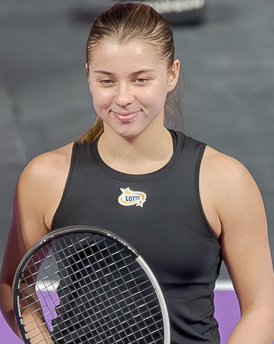

LONDON — Maja Chwalińska’s stunning rise from French Open qualifier to Grand Slam finalist hit a painful setback Monday, as the Polish player suffered an ankle injury while holding match point against Thai qualifier Mananchaya Sawangkaew and ultimately fell in three sets in the first round of Wimbledon.
Chwalińska, the 2026 French Open runner-up who was given a wild card into the Wimbledon main draw and seeded No. 20 as a result of her run in Paris, dominated the early stages of the match on Court 12. She had moved ahead 6-2, 5-2, holding a 30-40 advantage on Sawangkaew’s serve when she fell awkwardly while chasing down a forehand winner down the line. The 24-year-old called for a medical timeout immediately afterward and received treatment to her right ankle, with a trainer applying strapping to the area before she attempted to continue serving out the match.
What followed was a dramatic collapse. Chwalińska’s movement, the foundation of the aggressive, court-covering style that had carried her to the final at Roland Garros earlier this month, deteriorated rapidly. Sawangkaew, ranked No. 164 and playing in her first-ever Grand Slam main draw match, seized the opportunity, converting three break points to level the second set before reeling off five consecutive games to claim it outright. The Thai player went on to close out a 2-6, 7-5, 6-2 victory, ending what had briefly looked like a routine progression for the Pole into the second round.
Between the second and third sets, Chwalińska left the court for approximately eight minutes for further treatment. She returned and managed to secure an early break in the deciding set, but continued to grimace and stretch out her leg and back between points, visibly restricted in her movement and unwilling to chase down anything beyond her immediate reach. Sawangkaew leveled with a break to love shortly afterward, and the match turned into something of a procession from that point on, with the Thai qualifier eventually breaking again to take control for good as her own unforced errors dried up.
The collapse echoed a similar scene from earlier this season, when Jannik Sinner’s level fell apart while serving for victory against Juan Manuel Cerúndolo in the second round of the French Open, with physical issues undercutting what had appeared to be a comfortable lead. For Chwalińska, the parallel will sting in particular given the magnitude of what she had been building toward at the All England Club.
The defeat came just over three weeks after Chwalińska’s run to the Roland Garros final, where she lost to Mirra Andreeva 6-3, 6-2. That run made her the first qualifier in history to reach a French Open women’s singles final, propelling her more than 90 places up the WTA rankings and elevating her to a career-high of No. 21 in the world. The surge in ranking points was enough to earn her a seed at Wimbledon, but her position was still too low to gain direct entry into the main draw when the original entry lists were finalized, requiring organizers to grant her a wild card to ensure she could compete.
That wild-card-plus-seed combination made Chwalińska’s situation at Wimbledon an unusual one heading into the tournament. Adding to the uncertainty was her lack of recent grass-court form: Chwalińska had not played an official match on the surface since a first-round qualifying loss at Wimbledon in 2025, leaving her with no competitive grass-court reps over the previous 12 months heading into Monday’s match. Her career grass-court record stood at 7-6 entering the tournament, modest by comparison with her broader career mark of 277-139 and her strong 2026 season, in which she carried a 29-10 win-loss record into the tournament, highlighted by a title run in Oeiras earlier this year.
Sawangkaew, by contrast, arrived in good form on the surface despite her relative inexperience at the highest level. The Thai player came through three qualifying matches in three sets over the preceding week to reach the main draw, defeating Anouk Koevermans, Mary Stoiana and Océane Dodin along the way, and entered Monday’s match having won seven of her last nine matches on grass. Her composed 30-11 record for the season included a 7-2 mark specifically on grass, and her ability to convert break points under pressure proved decisive once Chwalińska’s movement became compromised.
Pre-match betting markets had favored Chwalińska to advance in three sets, reflecting her superior ranking and recent Grand Slam pedigree, even accounting for her unfamiliarity with grass this season. Instead, the match will be remembered for the moment Chwalińska’s title hopes unraveled in an instant, transforming what had been a near-certain second-round berth into a deflating first-round exit.
Beyond the immediate disappointment of the loss, questions now turn to the severity of Chwalińska’s ankle injury and what it might mean for the remainder of her season. She remains entered in the women’s doubles draw at Wimbledon, though it remains unclear whether she will be fit enough to compete in that event following Monday’s injury. For a player who only weeks ago was redefining what was possible for a Grand Slam qualifier, the abrupt end to her Wimbledon campaign serves as a stark reminder of how quickly fortunes can turn in professional tennis, even at the moment of apparent triumph.

Ford says it has hired back some human engineers after AI failed to match their skills and experience.
In a bid to reap the benefits of the tech, which developers claim can cut costs and boost productivity, the US carmaker adopted it across some parts of its operations including for quality checks.
But, according to Bloomberg, external, its executives said the firm has rehired more than 300 “veteran” quality inspectors in recent years to make up for the pitfalls of automated systems.
“Artificial intelligence is a fantastic tool, but it’s only as good as the information you use to train it,” Charles Poon, vice president of vehicle hardware engineering, told reporters.
“Over prior years, we didn’t pay as much attention as we should have to the experience of our most knowledgeable engineers that have been with us through many product cycles,” he said.
The US automaker is among many to have seized on the buzz around AI, particularly amid Wall Street fervour about the tech’s potential to increase margins.
“AI will leave a lot of white collar people behind,” Ford boss Jim Farley said in an interview with author Walter Isaacson last June.
In an October earnings call, external, chief operating officer Kumar Galhotra said the firm was “deploying AI across the entire industrial system”.
This included rolling out 900 AI-powered cameras in its plants “to detect quality issues at the source and help us mitigate supply disruptions”, Galhotra told investors.
But Poon told reporters on Wednesday the firm’s AI-driven checks had failed to live up to expectations.
“Mistakenly, we thought that by just introducing artificial intelligence and ingesting the design requirements that we had, that would produce a high-quality product,” he said.

Founder of Dividend Mantra. Founder of Mr. Free At 33. Co-Founder of Dividends & Income. I started blogging about my journey to financial independence back in 2011. By living well below my means and intelligently investing my hard-earned capital, I went from below broke at age 27 to financially free at 33 years old. I regularly create content on dividend growth investing, living off of dividends, undervalued high-quality dividend growth stocks, high-yield situations, and other long-term investment opportunities.

Bears Are Missing The Forest For The Tech Trees


Reformulation efforts offset weakness in the company’s Consumer segment.

MIAMI — As the 2026 World Cup moves into its knockout phase, betting markets and prediction exchanges are painting a clear picture of how the tournament’s two most iconic veterans stack up in the race for the trophy: Lionel Messi’s Argentina holds a significantly stronger chance of lifting the title than Cristiano Ronaldo’s Portugal.
According to pricing on Kalshi, the regulated prediction-market platform, as of June 28, Argentina was trading at roughly 21.5% to win the World Cup outright, good for second place on the board behind France, which sat at about 24.4%. Portugal, by contrast, was priced at around 6.1%, placing the Ronaldo-led side fifth or sixth among the tournament’s contenders, behind Spain and England as well.
The gap reflects both team form and the path each side now faces. Argentina cruised through the group stage with three consecutive wins, outscoring opponents 8-1 across those matches, and enters the knockout rounds as one of the strongest teams remaining on a side of the bracket that, according to market analysts, is considered comparatively easier to navigate. Portugal, meanwhile, finished second in Group K behind Colombia, a result that pushed the Ronaldo-led side into a tougher half of the draw alongside several other European heavyweights, including France, Spain, the Netherlands and Germany. Analysts tracking the bracket have noted that Argentina, England and Brazil are now the only true title contenders on the opposite side of the draw, giving Messi’s side a notably smoother theoretical route to the final compared with Ronaldo’s.
Other prediction markets have shown a similar split. On Polymarket, Portugal has traded in the range of 8% to 10% in recent weeks, while Argentina’s price has moved up sharply since the group stage concluded, with one tracker noting a jump from roughly 14.2% to 21.3% after Argentina was handed what was described as a relatively clear path to the semifinals once Portugal’s runner-up finish in Group K was confirmed. Traditional sportsbooks have echoed the same gap: FanDuel listed Argentina at +410 to win the tournament as the knockout rounds opened, compared with +1500 for Portugal, while FOX Sports’ tracking of the boards showed comparable spreads across multiple operators, with Argentina consistently positioned among the top two or three favorites and Portugal trailing in the second tier of contenders alongside Brazil and Germany.
The on-field performances of the two stars themselves have only widened the narrative gap between the sides. Messi, playing in a record-tying sixth World Cup at age 38, has been the standout individual performer of the tournament so far. He scored a hat trick in Argentina’s opening match against Algeria, matching the all-time World Cup scoring record of 16 career goals previously held by Germany’s Miroslav Klose, then added two more goals against Austria to break the record outright and move two clear at the top of the all-time list. The performance against Austria also made Messi just the third player in World Cup history to score in six consecutive matches, joining France’s Just Fontaine and Brazil’s Jairzinho, and made him the all-time leading South American scorer at the tournament. He enters the knockout stage with five goals in this World Cup alone and remains the favorite in several Golden Boot markets.
Ronaldo, who turns 41 during this tournament and is also playing in a record-tying sixth World Cup, has had a more uneven group stage. He went scoreless through Portugal’s opening draw with DR Congo before responding with two goals in a 5-0 rout of Uzbekistan, a result that made him the first player in history to score at six different World Cups. Even so, prediction markets addressing a head-to-head goal-contribution matchup between the two stars have favored Messi heavily, with Kalshi pricing Messi at 54% to finish with more combined goals and assists across the tournament compared with 27% for Ronaldo and 22% for a tie. Ronaldo has also traded as a long shot in the Golden Boot market, priced behind several younger forwards including Kylian Mbappé, Harry Kane and Erling Haaland.
Analysts following the betting markets have pointed to a mix of factors behind the gap separating the two sides. Argentina’s roster is considered more balanced from back to front, built around defensive solidity and midfield control to complement Messi’s individual brilliance, while questions about decision-making in pressure moments have followed Portugal through multiple major tournaments under manager Roberto Martínez despite the squad’s individual talent across the front line, which includes Bruno Fernandes, Bernardo Silva, Rafael Leão and Vitinha. Some market commentary has also flagged concern about an overreliance on Messi for Argentina, given his age and the physical demands of a deep tournament run, though that risk has so far not been reflected meaningfully in the pricing gap between the two countries.
Portugal’s path forward will require the team to navigate a knockout bracket considered tougher on paper, with market projections suggesting the quarterfinal stage as Portugal’s single most likely point of elimination, closely followed by the round of 16. Argentina, by contrast, has been modeled with a more favorable route through the early knockout rounds, contributing to the wider gap in outright title odds between the two sides as the tournament moves forward.
Both Messi and Ronaldo have spoken in the past about this likely being their final World Cup appearance, adding emotional weight to a tournament already shaping up as a defining late chapter for two of the sport’s most decorated players. For now, the numbers from betting markets and prediction exchanges tell a consistent story: while Ronaldo’s Portugal remains capable of an upset run given the squad’s depth and talent, Messi’s Argentina enters the knockout stage as the far more likely of the two icons to add one more World Cup title before the curtain falls on either career.

MHRA validates Nuvation Bio’s taletrectinib application in UK
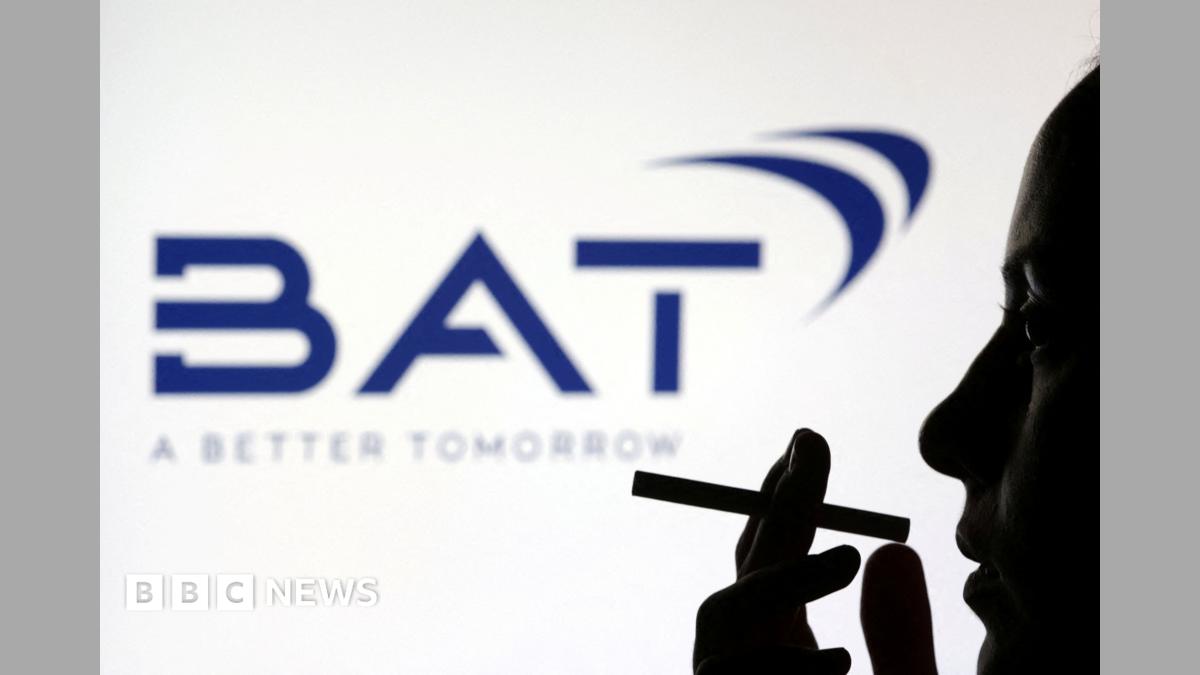
British American Tobacco (BAT) is to cut nearly a fifth of its global workforce as part of a major cost-cutting drive.
The tobacco giant, which makes Lucky Strike and Dunhill cigarettes, is cutting 5,500 roles and outsourcing 3,500 more.
The company had said earlier this year that it was planning savings to make it “more digital and AI-focused”.
BAT did not say which locations would be hit by the job cuts, but said the US was not affected.
The company currently employs about 47,000 people globally. It says the cost cuts are expected to save about £600m a year by 2028.
Traditional cigarette sales are shrinking as smokers increasingly switch to vapes and nicotine pouches.
BAT is shifting its focus to smoking alternatives such as its Vuse vapes and Velo nicotine pouches to drive growth, but its sales and profit margins have been sluggish in recent years.
Sales in the US — its biggest market — have also been hit by the cost of living, as smokers swap for cheaper brands.
Additionally, the company is battling rising duties and stricter regulations in some markets.
American regulators have taken a tough stance on approving licences for new products such as vapes, delaying launches. BAT says this has fuelled an influx of illegal Chinese products, weighing on its sales and market share.
BAT said the job cuts, which have already started, are set to be completed by the end of this year.
Chief executive Tadeu Marroco said the cuts would make the company “more agile, cost disciplined and technology enabled”.
“These changes affect many of our colleagues, and we are focused on supporting them through this transition with care and respect, as we position the business for the future.”
Palantir Teams Up With Nvidia for Government AI. Why the Stock Is Bouncing Back.
Bitmine Buys Another 27,000 ETH Despite Market Slump, Nears 5% of Ethereum Supply

Maja Chwalinska: French Open runner-up knocked out in Wimbledon first round


-
 Sports6 days ago
Two goals and an assist by sheer aura: Cristiano Ronaldo just entered the World Cup chat
-

 Fashion3 days ago
Weekend Open Thread: Staud – Corporette.com
-

 Politics3 days ago
The House | Manchesterism won’t survive the painful trade-offs unless it gets citizens on board
-

 Politics3 days ago
Potential 2028er World Cup attendee leaderboard
-

 Business3 days ago
Asia stock markets slide as tech shares slump
-

 Tech4 days ago
A Look At A Gaggle Of Transputer Boards
-
Crypto World5 days ago
Bitcoin (BTC) Dips Below $62K, Ethereum (ETH) Plunges 6% Daily: Market Watch
-

 News Videos18 hours ago
MAJOR BITCOIN & MARKET UPDATE!!!! (MUST WATCH ASAP!!!)
-
 Crypto World4 days ago
Dell (DELL) Shares Tumble Over 5% Following Analyst Downgrade to Hold
-

 Crypto World5 days ago
Securitize Wraps Roubini's SEC-Registered ETF as Dubai VARA Digital Security
-
Business6 days ago
Entergy settles forward sale agreements, raises $672 million in cash proceeds
-

 Crypto World2 days ago
Kraken's xStocks Opens Bending Spoons IPO Registration to EEA Retail
-

 Crypto World2 days ago
Coinbase, Circle Deepen Crypto Stock Losses Despite Resilient S&P 500
-

 Sports3 days ago
FIH Pro League: India defeat Pakistan 7-1, register biggest win of campaign | Other Sports News
-
 Crypto World3 days ago
Hyperliquid Named on Singapore MAS Investor Alert Register
-

 Crypto World3 days ago
RTX holders must register wallets before token distribution begins
-

 Tech2 days ago
Bluekit phishing kit adopts browser-in-the-middle for login theft
-

 Tech2 days ago
Russian hackers now target Signal backup recovery keys
-

 Sports4 days ago
India vs Bangladesh LIVE Score, Women’s T20 World Cup: Bangladesh Opt To Bat; India Enter ‘Do-Or-Die’ Stage As Semi-Final Race Heats Up
-
Crypto World3 days ago
The DATA Foundation Launches to Tackle AI’s Multi-Billion Dollar Training Data Bottleneck
You must be logged in to post a comment Login