

Business
Sell Alert: 3 REITs Facing Likely Dividend Cuts


Jussi Askola is the President of Leonberg Capital, a value-oriented investment boutique that consults hedge funds, family offices, and private equity firms on REIT investing. He has authored award-winning academic papers on REIT investing, has passed all three CFA exams, and has built relationships with many top REIT executives.
He is the leader of the investing group High Yield Landlord, where he shares his real-money REIT portfolio and transactions in real-time. Features of the group include: three portfolios (core, retirement, international), buy/sell alerts, and a chat room with direct access to Jussi and his team of analysts to ask questions. Learn more.
Analyst’s Disclosure: I/we have a beneficial long position in the shares of ADC; VICI; MPT; CLPR either through stock ownership, options, or other derivatives. I wrote this article myself, and it expresses my own opinions. I am not receiving compensation for it (other than from Seeking Alpha). I have no business relationship with any company whose stock is mentioned in this article.
Seeking Alpha’s Disclosure: Past performance is no guarantee of future results. No recommendation or advice is being given as to whether any investment is suitable for a particular investor. Any views or opinions expressed above may not reflect those of Seeking Alpha as a whole. Seeking Alpha is not a licensed securities dealer, broker or US investment adviser or investment bank. Our analysts are third party authors that include both professional investors and individual investors who may not be licensed or certified by any institute or regulatory body.

Business
Oil Price Today (July 21): Crude oil dips below $90 on hopes of 10-day ceasefire in Iran war. What are experts saying?
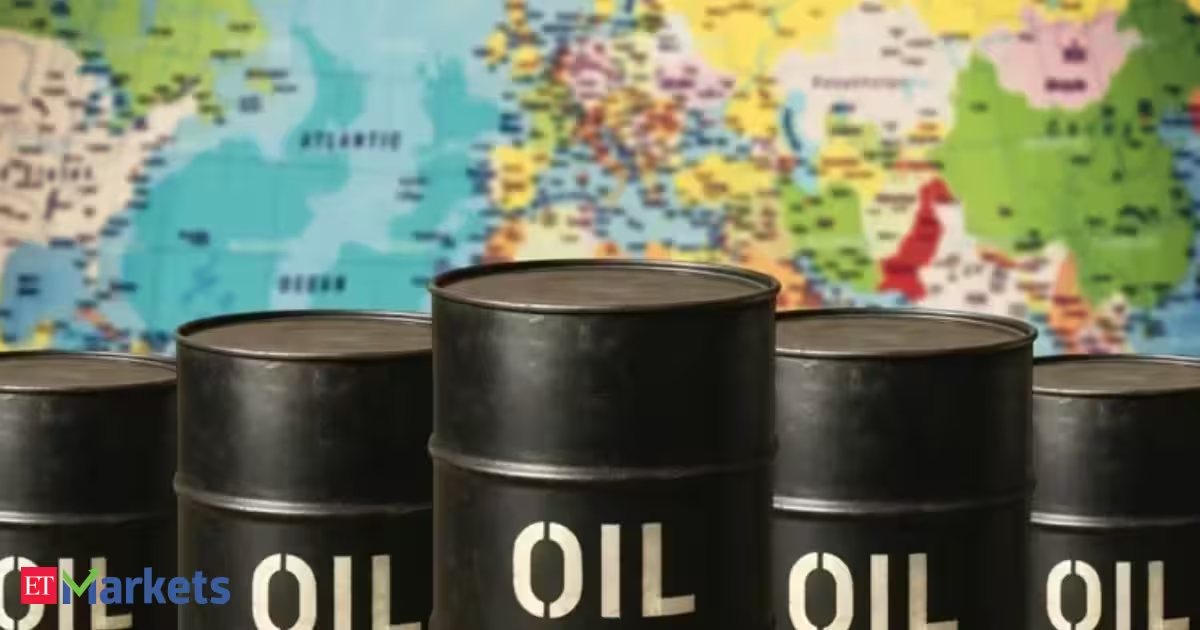
Crude oil price on July 21
Brent crude futures slipped 35 cents, or 0.4%, to $88.87 a barrel, while U.S. West Texas Intermediate crude for September delivery was little changed at $82.47 a barrel. Both benchmarks remained below the more than one-month highs touched in the previous session.
On Monday, Yemen’s Iran-backed Houthis announced plans to impose a naval blockade on Saudi Arabia, potentially opening another front against the U.S. in its conflict with Iran and increasing concerns over disruptions to global energy supplies and trade beyond the Gulf.
At the same time, a senior Iranian official told Reuters that Tehran had received a proposal from mediators for a 10-day ceasefire. The proposal is part of efforts to preserve the interim agreement signed on June 17, which was aimed at creating a pathway to a permanent deal to end the conflict that began on February 28 following U.S.-Israeli attacks on Iran.
The diplomatic initiative came after another night of U.S. strikes on Iranian cities and retaliatory attacks by Iran’s Revolutionary Guards on U.S. military assets across the region. Later on Monday, U.S. Central Command said it had launched another round of strikes on Iran.

Also read: Relieved that crude has finally fallen? The real warning signs just began flashing elsewhere
What’s next?
Goldman Sachs said Brent crude could move above $110 a barrel in the fourth quarter if the recovery in Gulf oil exports remains delayed. However, the investment bank expects prices to fall back into the $60s by the end of the year if geopolitical tensions ease and production rebounds faster than expected.
“At the current point there are no signs of a ceasefire again. But in case there is a ceasefire immediately imposed, we don’t expect Brent oil prices to fall beyond $70 per barrel. It is likely to remain the lower support for the near term,” Pranav Mer, Senior Vice President, Currency and Commodity at JM Financial, told ETMarkets.
According to Anindya Banerjee, Head of Commodity Research at Kotak Securities, crude oil has once again begun pricing in geopolitical risks. “Any strike on major Gulf export infrastructure could force a retest of $95-100 and beyond,” he said.
Banerjee added that markets are reacting less to the military action itself and more to the diminishing chances of diplomacy. He said Tehran has laid down fresh conditions for resuming negotiations, with each new development pushing back the return of normal tanker movement through the Strait of Hormuz, where traffic has already remained well below pre-war levels.
Also read:Oil is crude once again! Is $95 the new normal and what it means for Indian investors?
Nuvama Institutional Equities warned that an extended closure of the Strait of Hormuz could disrupt nearly 20 million barrels a day of crude oil flows. Under such a scenario, the brokerage said oil prices could surge to between $110 and $150 a barrel.
(Disclaimer: Recommendations, suggestions, views and opinions given by the experts are their own. These do not represent the views of The Economic Times)

I am a small business owner in Connecticut. We supply equipment and supplies to restaurants and food service establishments. My long-term goal has been to reallocate profits into a portfolio that can provide for passive retirement income for myself and my family. I am careful with my money! I didn’t inherit any wealth and built up my savings through old fashioned hard work. I haven’t always worked in the family business, I also worked in finance and enjoyed the process of earning my CFA charter and CIPM certificate. In the finance world, I assisted firms comply with the Global Investment Performance Standards (GIPS).I am sector agnostic for the most part with the companies that I cover. I will write about any company as long as I can understand the business. Often, the articles I write are a by product of an investment I have personally considered.
Analyst’s Disclosure: I/we have no stock, option or similar derivative position in any of the companies mentioned, and no plans to initiate any such positions within the next 72 hours. I wrote this article myself, and it expresses my own opinions. I am not receiving compensation for it (other than from Seeking Alpha). I have no business relationship with any company whose stock is mentioned in this article.
Seeking Alpha’s Disclosure: Past performance is no guarantee of future results. No recommendation or advice is being given as to whether any investment is suitable for a particular investor. Any views or opinions expressed above may not reflect those of Seeking Alpha as a whole. Seeking Alpha is not a licensed securities dealer, broker or US investment adviser or investment bank. Our analysts are third party authors that include both professional investors and individual investors who may not be licensed or certified by any institute or regulatory body.
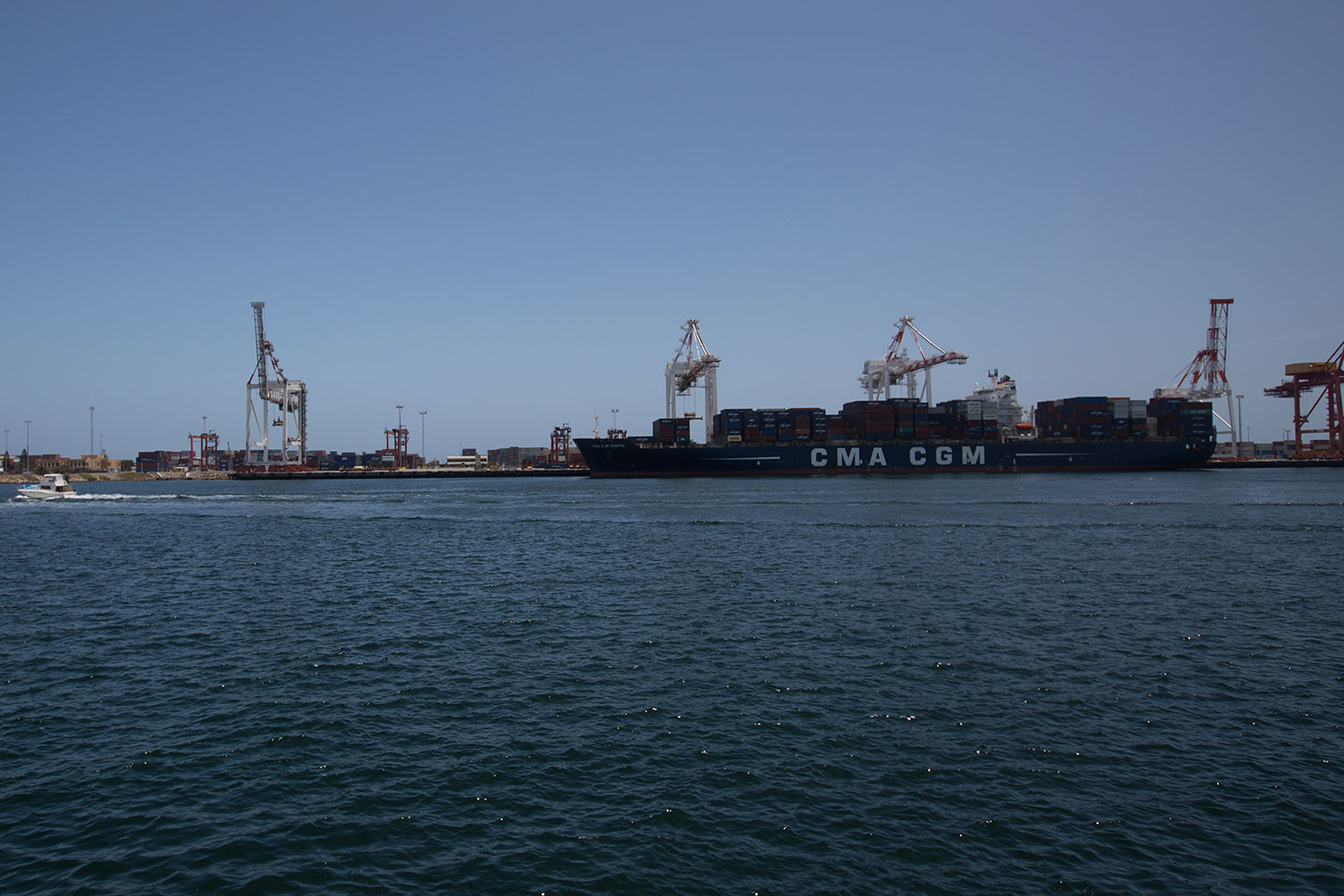
DP World’s plan to use new crane technology in Fremantle was not a “significant change”, the Federal Court has found in the stevedore’s dispute with the wharfies’ union.
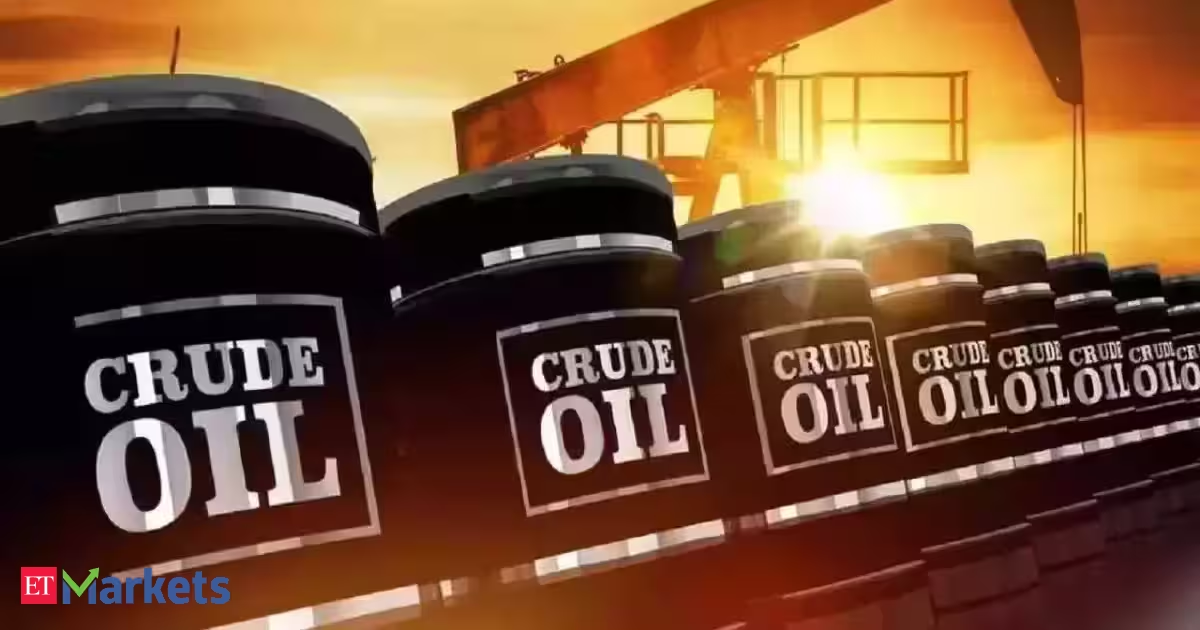
Brent crude futures eased 35 cents, or 0.4%, to $88.87 per barrel by 0052 GMT, while U.S. West Texas Intermediate crude for September delivery was steady at $82.47 a barrel. Both contracts were trading below their highest levels in more than a month hit in the previous session.
Yemen’s Iran-aligned Houthis said on Monday they would impose a naval blockade on Saudi Arabia, opening a potential new front against the U.S. in its war on Iran and raising the threat to global energy supplies and trade beyond the Gulf.
“The threats of a naval blockade on Saudi Arabia by the Houthis are significant because they raise the risk of disruption to another major oil exporter,” said Tim Waterer, chief market analyst at KCM Trade.
Separately, a senior Iranian official told Reuters that Tehran had received a proposal from mediators for a 10-day ceasefire in efforts to salvage an interim deal signed on June 17, intended to pave the way for a lasting agreement to end the war that began on February 28 with U.S.-Israeli attacks on Iran.
The diplomatic push followed another night of U.S. strikes on Iranian cities and attacks by Iran’s Revolutionary Guards on U.S. military assets across the region. Later on Monday, U.S. Central Command said it had begun another round of strikes on Iran.
“(Oil) has come a long way already and it certainly has the potential to go higher again. However, in the short term the overnight talk of de-escalation and peace talks appears to be capping the upside for the time being. Whether anything comes from those peace talks remains to be seen,” IG market analyst Tony Sycamore said in a note. U.S. crude oil stockpiles were expected to have fallen last week alongside gasoline, while distillate stocks likely rose, a preliminary Reuters poll showed on Monday.[EIA/S]
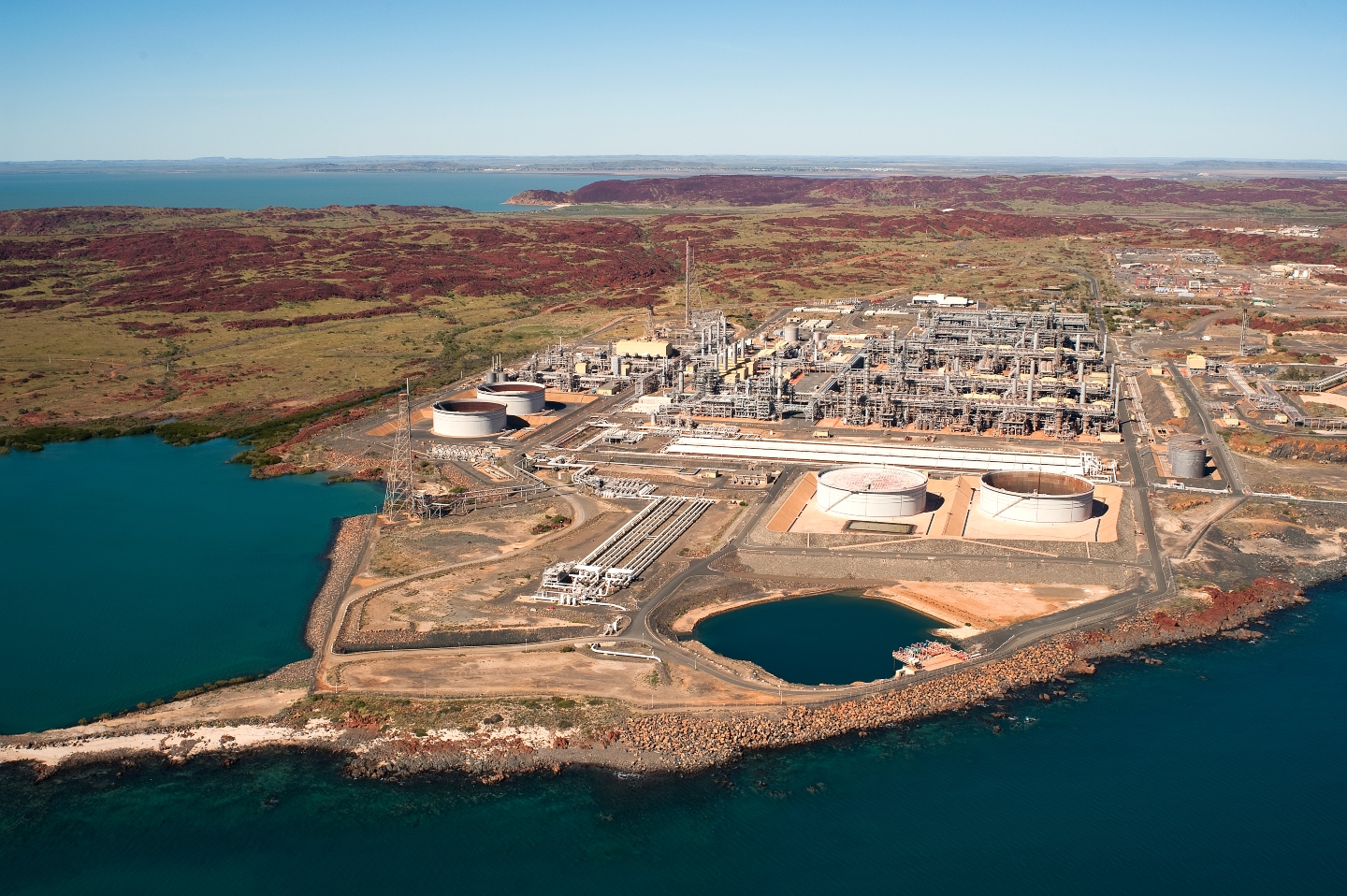
A legal contest over the federal government’s decision to grant a 40-year extension of Australia’s largest gas project will head to the Federal Court.
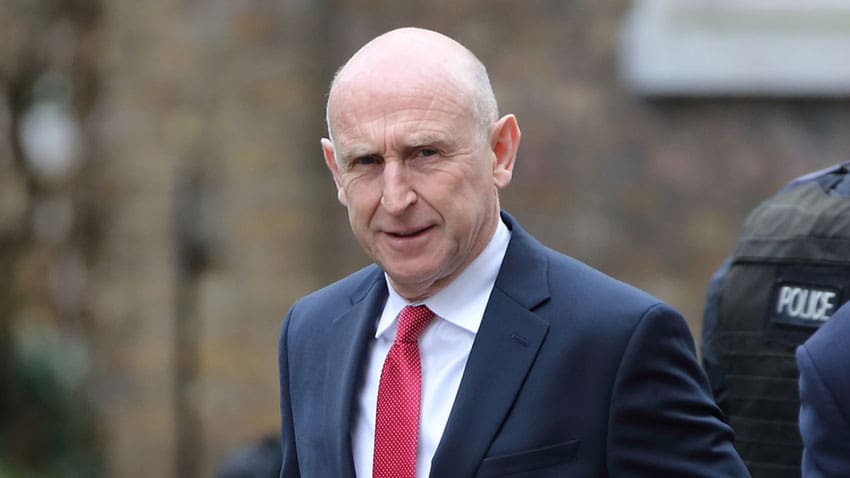
John Healey, the minister who walked out of Sir Keir Starmer’s cabinet in a row over defence spending, has been handed the nation’s chequebook. Andy Burnham has named him chancellor of the exchequer in the first major appointment of his premiership.
The choice will surprise business owners as much as it did Westminster. After weeks of deliberation over who would run the Treasury, the smart money had settled on Shabana Mahmood, the home secretary, or Ed Miliband, the energy secretary. Healey’s name was, at best, an outside bet.
Yet the new chancellor is no stranger to the building. He served as economic secretary to the Treasury between 2002 and 2005, while Gordon Brown was chancellor under Tony Blair’s Labour government.
Nor is he a stranger to a fight over money. Healey resigned as defence secretary last month, accusing the prime minister of being “unable” and the Treasury of being “unwilling” to properly fund the defence investment plan. He now inherits the very department he condemned, along with every bill he once demanded it pay.
For the UK’s small and medium-sized firms, the reaction that matters arrived quickly, and it came with a warning attached. Louise Hellem, chief economist at the CBI, congratulated Healey on his appointment but made clear that a new name on the door changes little else.
“Business will be conscious that whilst there is now a new occupant at No. 11 Downing Street, the same challenges to unlock growth remain,” she said. “Maintaining business and investor confidence will be critical to delivering the growth needed to raise living standards and strengthen prosperity across the UK.”
Her prescription was specific. “That means staying committed to established fiscal rules, protecting capital investment, progressing the EU-UK reset and retaining a single fiscal event each year. At the same time, we must move quickly to accelerate key Industrial and Infrastructure Strategy commitments and deliver the Mansion House reforms.”
Those Mansion House reforms, the pension consolidation programme launched by Rachel Reeves, could unlock around £80 billion of investment for growing businesses and infrastructure. Delivering them now falls to Healey.
For smaller employers, the sharpest lines were on costs. “High energy costs and rising employment costs continue to act as a brake on growth, and we encourage the new administration to engage with the CBI’s proposals to tackle these issues,” Hellem said. The lobby group has already urged Burnham to make stripping green levies from business energy bills a day-one priority, with its joint blueprint with Energy UK arguing the move would cut bills by a fifth.
“Firms will also be looking for a review of the tax and regulatory system to ensure that it rewards investment and growth, rather than simply mounts further costs on hard-pressed businesses,” Hellem added. “The acid test for every major economic decision in the months ahead should be simple: will it make it easier for businesses to invest, hire, innovate and grow?”
She finished with the argument business has been making since Starmer’s exit prompted demands for an end to “drift and delay”: “Ultimately, tackling the cost-of-living crisis goes hand in hand with tackling the cost of doing business. If the government wants higher employment, lower inactivity and stronger public finances, it must create the conditions that give firms confidence to invest, expand and create jobs.”
Healey once quit because the Treasury would not spend. Business owners will soon discover what he does now that the chequebook is his.

Amy Ingham
Amy Ingham is a reporter at Business Matters, covering UK business news with a focus on breaking news, business policy, late payments and insolvency. She joined the magazine in 2026 after completing the NCTJ Diploma in Journalism at Harlow College’s journalism school. Her recent reporting includes British Steel’s nationalisation and its impact on SME suppliers, the decline in late payments by large firms, and Insolvency Service director disqualifications. Reach her at aingham@cbmeg.co.uk.

The proposed transaction would give SOMPO majority control of the joint venture, multiple sources said. “The discussions are still at an early stage. No structure has been finalised and it will depend on the willingness of existing shareholders to dilute,” said one of the people cited above.
Emails sent to SOMPO, Dabur Investment and Karnataka Bank seeking their comments remained unanswered until the publication of this report.
Besides SOMPO, Indian Bank owns 28.52%, Indian Overseas Bank 18.06%, Dabur Investments 12.81% and Karnataka Bank 6% in Universal SOMPO. SOMPO’s immediate objective is to cross the 51% ownership threshold, said people privy to the development.
The move comes as global insurers reassess their India strategy after the government liberalised foreign direct investment (FDI) norms in the insurance sector.
The new framework allows overseas insurers to fully own Indian insurance businesses, removing the earlier requirement of having a domestic joint venture partner.
While the regulatory change has made India more attractive for global insurers, securing additional stakes in existing ventures remains challenging as most domestic partners are strategic investors and the business has been performing well. Universal SOMPO has emerged as one of the faster-growing mid-sized general insurers in recent years.The company has expanded its gross written premium from around ₹2,500 crore six years ago to over ₹6,000 crore, while remaining profitable for the past five years and paying dividends for the last four. Its earnings before tax have also improved sharply over the period. The insurer has grown at 18% in FY26, growing faster than the industry, which grew at 9%.
The insurer requires additional capital over the next few years to support growth, maintain solvency and invest in technology and new product development as it expands its motor, health and commercial insurance businesses.
For SOMPO, increasing its ownership would provide greater operational flexibility and strengthen its position in one of the world’s fastest-growing insurance markets.
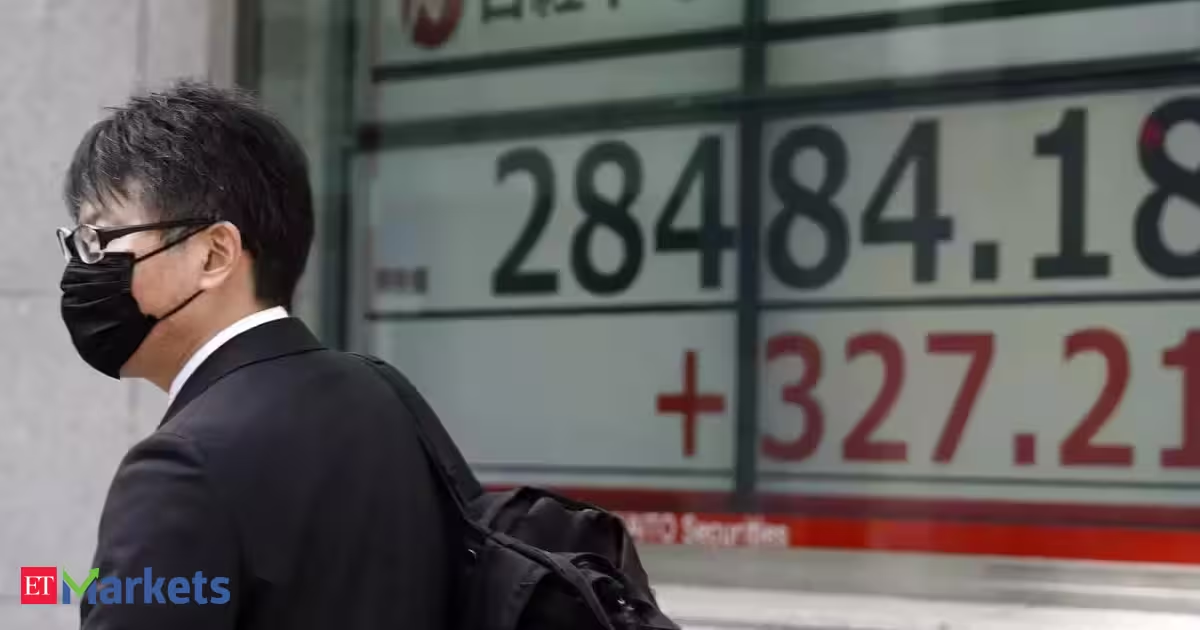
The MSCI Asia Pacific Index rose 0.5%, with the Nikkei 225 Stock Average climbing 1.5% as trading resumed after a holiday Monday. Stocks in South Korea erased earlier losses to edge 0.2% higher. Earlier, a gauge of chip stocks in the US rebounded from last week’s selloff.
Elsewhere, the Canadian dollar held steady after the Trump administration vowed to impose a fresh 50% tariff on some of the country’s goods. The pound held its losses from the previous session as UK’s new prime minister Andy Burnham named former Defense Secretary John Healey to be his Chancellor of the Exchequer in a surprise move.
Brent crude fell 0.3% to about $89 a barrel as traders watched for disruptions to Saudi Arabian exports after Houthi rebels threatened to blockade a key export route through the Red Sea. Worries that higher energy costs could boost inflation spurred bond losses in the last session.
Elevated oil prices and escalating Middle East tensions are giving investors another reason for caution, adding to the rotation out of technology stocks after this year’s blistering rally. Focus is now shifting to megacap earnings later this week for clues on whether the AI-driven advance can be sustained.
“The Iran situation continues to roil markets,” said veteran strategist Louis Navellier. “This is holding back the stock gains that should be expected given the strong earnings trends.”
This week brings the first results from the US megacaps, and pressure is building for the companies to justify AI investments. Tesla Inc. and Alphabet Inc. kick off big tech’s reporting season Wednesday. Then, Microsoft Corp., Meta Platforms Inc., Apple Inc. and Amazon.com Inc. hit the following week.In geopolitical news, UK gilts declined after Burnham unnerved investors over his approach to the country’s finances. The selloff on Monday pushed yields on long-dated gilts to their highest since late May after Burnham said he will seek “any flexibility” while following the government’s borrowing and spending rules.
Tariff concerns resurfaced after the Trump administration vowed to impose a fresh 50% levy on some Canadian goods, citing what it called unfair treatment of American alcohol, cars and dairy products, further inflaming trade tensions between the two neighbors.
If Trump follows through with the levies, which are set to take effect in 30 days, the move would mark one of the most severe trade actions he’s taken against the US’s second-largest trading partner.
Attention, however, remains firmly on the Middle East as US forces struck Iranian targets after President Donald Trump vowed Tehran “will pay” for killing three US soldiers.
On Monday, the Iran-backed Houthis said they would impose a ban on maritime traffic from Saudi Arabia, threatening the Red Sea route that has allowed the kingdom to export millions of barrels of crude a day via its cross-country pipeline bypassing the Strait of Hormuz.
Saudi Arabia said it would take all necessary measures to protect its ships following the threats by the Tehran-backed Houthi militants in Yemen.
“For stocks to rebound, we need some solid earnings from the key tech names this week, and de-escalation in Iran wouldn’t hurt,” said Tom Essaye at The Sevens Report.
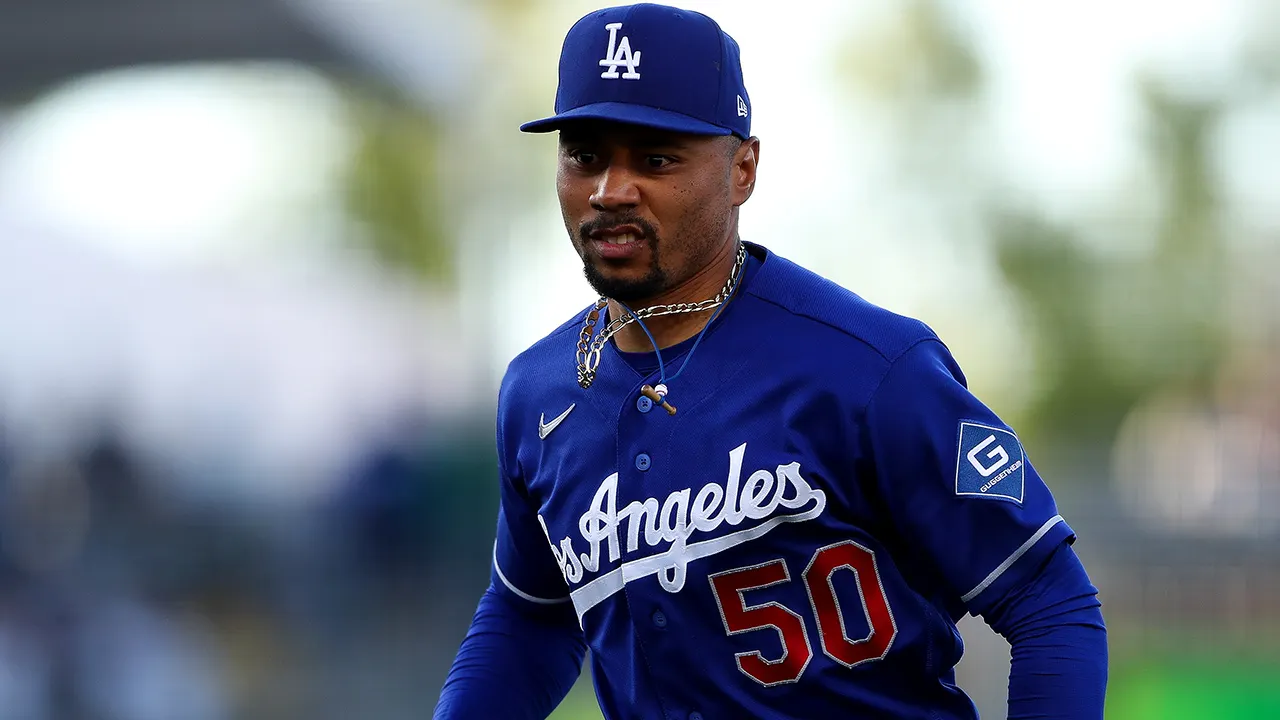
Mookie Betts tells FOX Business what was most important to him when creating a glove.
Los Angeles Dodgers superstar Mookie Betts has already influenced young players with his play over the years, and now they will be able to wear his glove.
Betts’ glove company, LGND, announced Monday a landmark partnership with Perfect Game, the world’s largest youth baseball and softball platform and scouting service, naming its glove the official glove of Perfect Game. The partnership will officially launch on July 27.
Betts told FOX Business that “it means a lot” that Perfect Game believed in him and his company.
CLICK HERE FOR MORE SPORTS COVERAGE ON FOXBUSINESS.COM
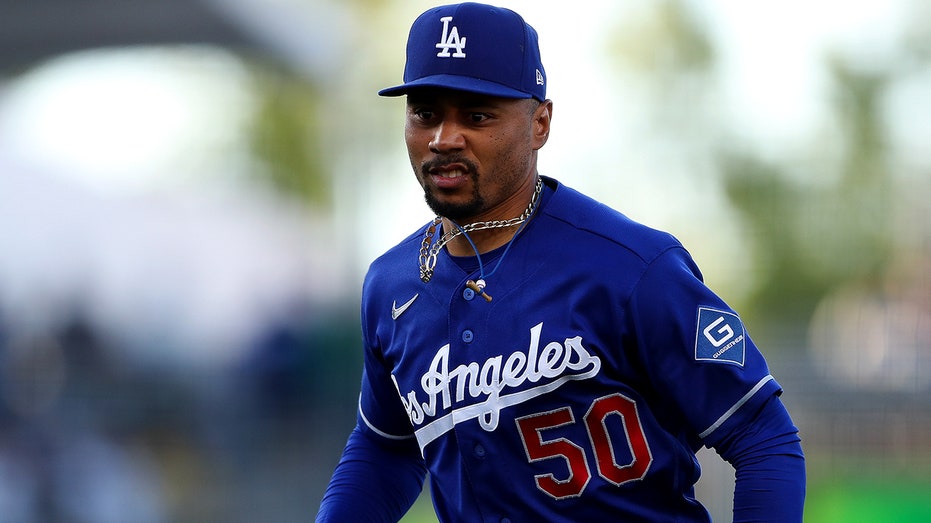
Los Angeles Dodgers shortstop Mookie Betts (50) heads to the dugout after the final out of the bottom of the second inning against the Athletics at Sutter Health Park in West Sacramento, California, on June 30, 2026. (Scott Marshall/Imagn Images / IMAGN)
“It means a lot, man. It shows the belief that they have in my team, me, myself and the team, and what they have obviously, I think it’s really going to affect the young people coming up, cause they can show their personalities,” Betts told FOX Business in a recent interview.
“They can look and see that hopefully, one day all the big league guys that have the different models and they can aspire to be them.”
Perfect Game Chairman Rick Thurman said the partnership is everything that represents what the youth baseball company is trying to be.
“This partnership represents everything Perfect Game strives to deliver to athletes, which is access, authenticity and products shaped by the needs of players,” Thurman said in a news release.
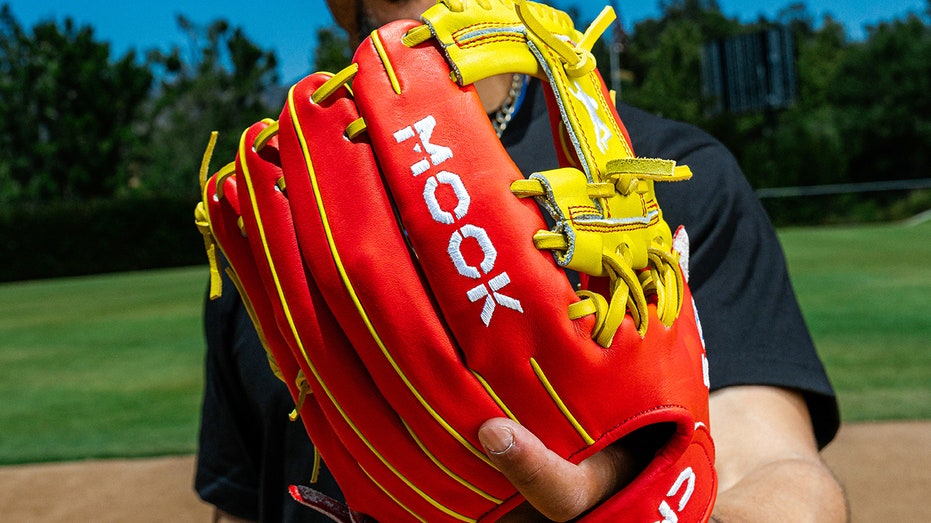
Mookie Betts wears a LGND glove from the “Mook Series.” (LGND Sports/Perfect Game / Unknown)
“Mookie is one of the most accomplished and respected players in baseball, but beyond that, he understands what young athletes value. LGND was built with those athletes in mind, and we believe this will redefine expectations for baseball equipment partnerships.”
The launch features premium glove lines, both of which were developed with player performance and feedback in mind.
The “Mook Series” features Betts’ signature stamped in the palm, his game-worn colorway and the iconic 50 Tri-Star logo embroidered on the thumb, giving players an authentic connection to a future Hall of Famer.
GET FOX BUSINESS ON THE GO BY CLICKING HERE
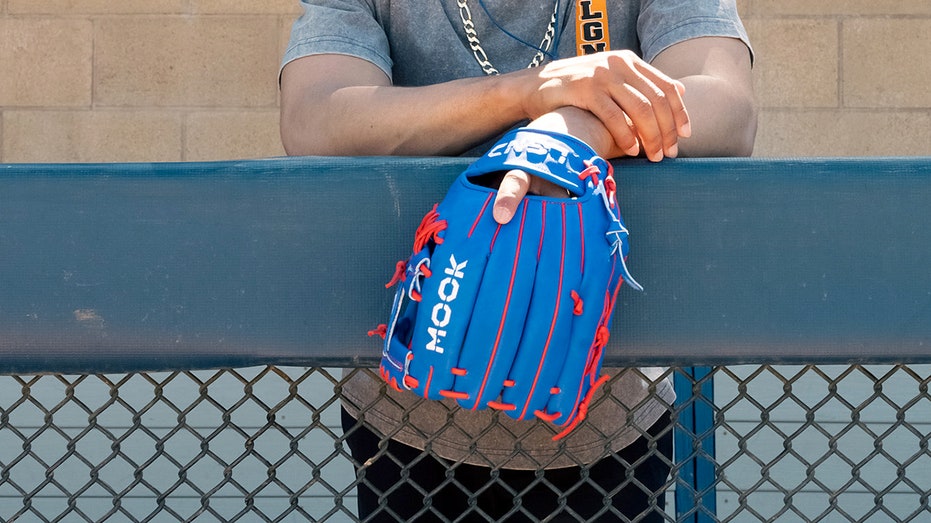
Mookie Betts wears a LGND glove from the “Mook Series.” (LGND Sports/Perfect Game / Unknown)
The “MVRK Series” delivers the same premium Japanese leather construction and craftsmanship in a collection designed for players who want professional-level performance with distinctive styling and versatility across multiple positions.
Betts said he has been using the glove all year and said the integrity of the glove has held up. His goal with LGND is to allow young kids to express themselves through a glove, while also ensuring it is well-crafted.
Betts is a four-time World Series champion, American League MVP winner, an eight-time All-Star, a seven-time Silver Slugger and a six-time Gold Glove winner.
Follow Fox News Digital’s sports coverage on X, and subscribe to the Fox News Sports Huddle newsletter.
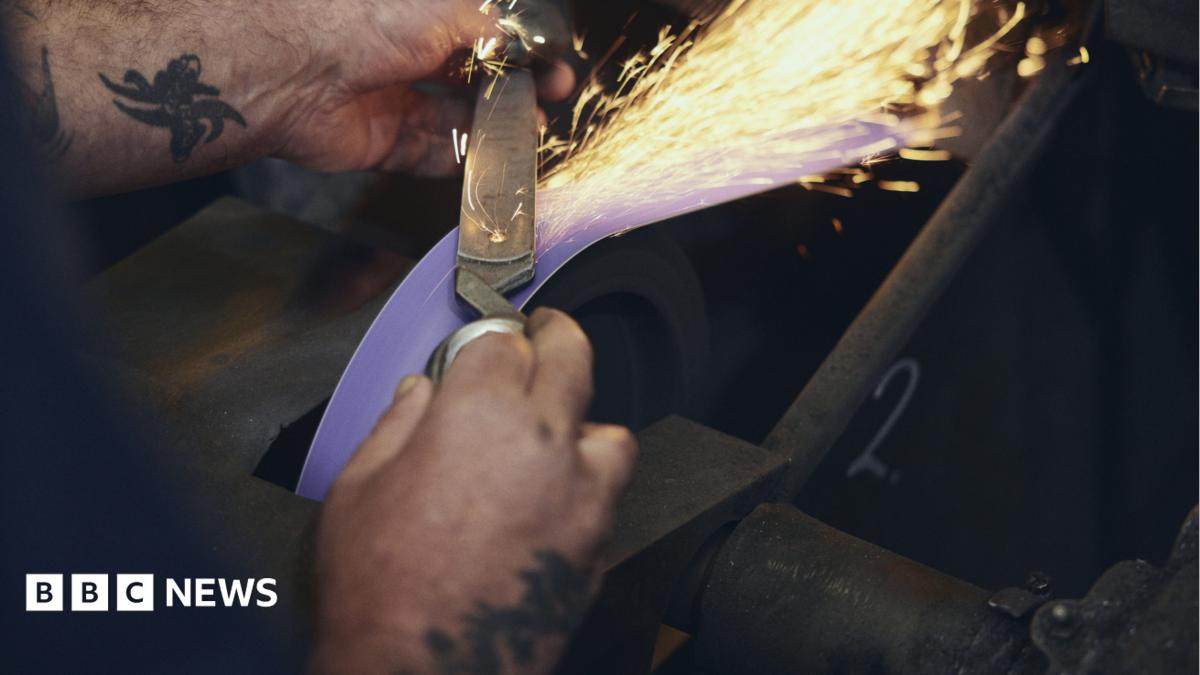
Ollie Priestley is not just doing any mechanical apprenticeship.
Working at specialist car restoration business Tolman, Priestley, 29, has embarked on a “heritage vehicle technician” apprenticeship. He’s learning the skills to work on modern classic cars that need a mix of traditional and new techniques to restore.
New technologies are enabling those techniques – from computer-aided design (CAD) for new vehicle components, to 3D printing them, as well as learning the intricacies of a car’s electronic control units.
“I wanted to develop the skills that allowed me to work on the cars that I love and excite me, like the Peugeot 205 GTi,” says Leicestershire-based Priestley.
“Getting to know how to make things keeps me focused and engaged. I’ve just fabricated a gearbox mount for a classic BMW. It’s cool to know that the things I create will bring the car back to life.”
Tolman founder Chris Tolman says what Priestley is learning sets him apart from apprentices in mainstream car dealerships, who, due to digital tools, are increasingly becoming “just fitters”.
“The computer identifies the issue and they swap the part. For specialist car businesses, our technicians need to identify and understand a problem, and then be creative and innovative to find the answer,” says Tolman, who is based in Warwickshire.
Tolman’s point highlights an important question hanging over how trade apprentices are being taught today, as technology plays an increasingly bigger role.
As a result, apprenticeships are moving up the education value chain.
For example, Priestley’s three-year apprenticeship, which he is doing through the Heritage Skills Academy in Bicester (HSA), was introduced in 2018 to incorporate 3D printing and CAD amongst other digital skills, alongside essential skills like welding and glazing.
It is a level three apprenticeship offering the equivalent of three A-levels. It replaces the previous level two and three “classic vehicle framework” apprenticeship.
HSA managing director John Pitchforth says it’s “radically improved” as it combines “modern technology with engineering fundamentals”.
Government apprenticeship data also shows that the number of people starting level two intermediate apprenticeships have fallen by nearly a quarter over the past year, in favour of people starting higher level apprenticeships – level four to seven.
Level six and seven respectively equate to bachelors and masters degrees. Level three apprenticeship numbers have remained stable.
But with tech having a growing influence over the curriculum, are apprentices now just learning how to run computer software, at the expense of the actual skills of a specific trade?
HSA’s Pitchforth argues that the organisation’s apprentices come out highly skilled – perhaps more so than those from other programmes.
“When modern engineers come to us to transfer into our sector, they often lack the basic engineering principles and are unable to diagnose and repair vehicle systems without a computer telling them what’s wrong,” he says.

Blur’s Alex James brings Britpop classics to Scarborough
Oil Price Today (July 21): Crude oil dips below $90 on hopes of 10-day ceasefire in Iran war. What are experts saying?

Bitmine Slowed ETH Buys to Smallest Weekly Pace Since June 2025

Renter of Home in Anne Heche Crash Denies Settlement With Son

No Jackpot Winner as $257 Million Prize Rolls Over to $269 Million Monday Draw

Weekend Open Thread: Staud – Corporette.com

Lil Wayne – Got Money ft. T-Pain (Official Music Video) ft. T-Pain

“My NEW Warning To All Small Bitcoin & Crypto Investors”: Tom Lee (Everything Just Changed)
![Sick Luke - MONEY MACHINE (feat. Lazza & Tony Effe) [Official Visual]](https://wordupnews.com/wp-content/uploads/2026/02/1770843044_maxresdefault-80x80.jpg)
Sick Luke – MONEY MACHINE (feat. Lazza & Tony Effe) [Official Visual]
-
 NewsBeat4 days ago
London Mayor Sadiq Khan handed a peerage by Keir Starmer alongside 15 other Labour figures… just days before the PM leaves No10
-

 Fashion3 days ago
Weekend Open Thread – Corporette.com
-

 Politics3 days ago
The House | The City of London can help the new chancellor deliver growth in every postcode
-

 Politics6 days ago
Young campaigners urge incoming PM to act on outdoor junk food ads
-

 Crypto World5 days ago
CFTC blocks Kalshi from unwinding Michigan trades after court order
-
 Crypto World4 days ago
Two July Windows Left: The CLARITY Act’s Senate Fight and What Failure Means
-

 Crypto World3 days ago
Ripple Payments Joins MiCA With 14 Firms, Does It Mean Anything For XRP?
-

 Business5 days ago
Nvidia Stock Slips After Big Tuesday Rally as Huang Confirms Vera Rubin Chip Is Now in Production Today
-

 Politics2 days ago
Democrats look to World Cup watch parties to register thousands of voters
-
 Entertainment5 days ago
Disney’s Most Ambitious Failed Star Wars Attraction Is Coming to SDCC
-

 Crypto World3 days ago
Ripple wins EU-wide access as ESMA adds it to MiCA register
-

 Business5 days ago
Palantir Shares Rise After Expanded Nvidia Partnership and Fresh Analyst Upgrades Ahead of Earnings Day
-

 Crypto World4 days ago
Injective Submits SEC Transfer-Agent Registration to Onchain Ownership Records
-

 Tech2 hours ago
Sail Virtually Aboard The “Itanic” With IA-64 Emulator
-

 News Videos6 days ago
XRP BOMBSHELL… XRP OMBOARDED FOR TRANSACTIONS!!!
-

 NewsBeat4 days ago
Registration is now open for March for Men with Kev 2026
-

 Tech7 days ago
Get Your ESP32 Sunny Side Up With This Solar Dev Board
-

 Tech6 days ago
Dark Secrets Emerge When Jailbreaking LLMs
-

 NewsBeat15 hours ago
Unregistered fitter used Gas Safe logo on business flyers
-
 Sports5 days ago
New Cornerback Enters Vikings Trade Rumor Mill
You must be logged in to post a comment Login