
Business
S&P 500: Don't Buy The Dip When Macroeconomic Conditions Are Worsening



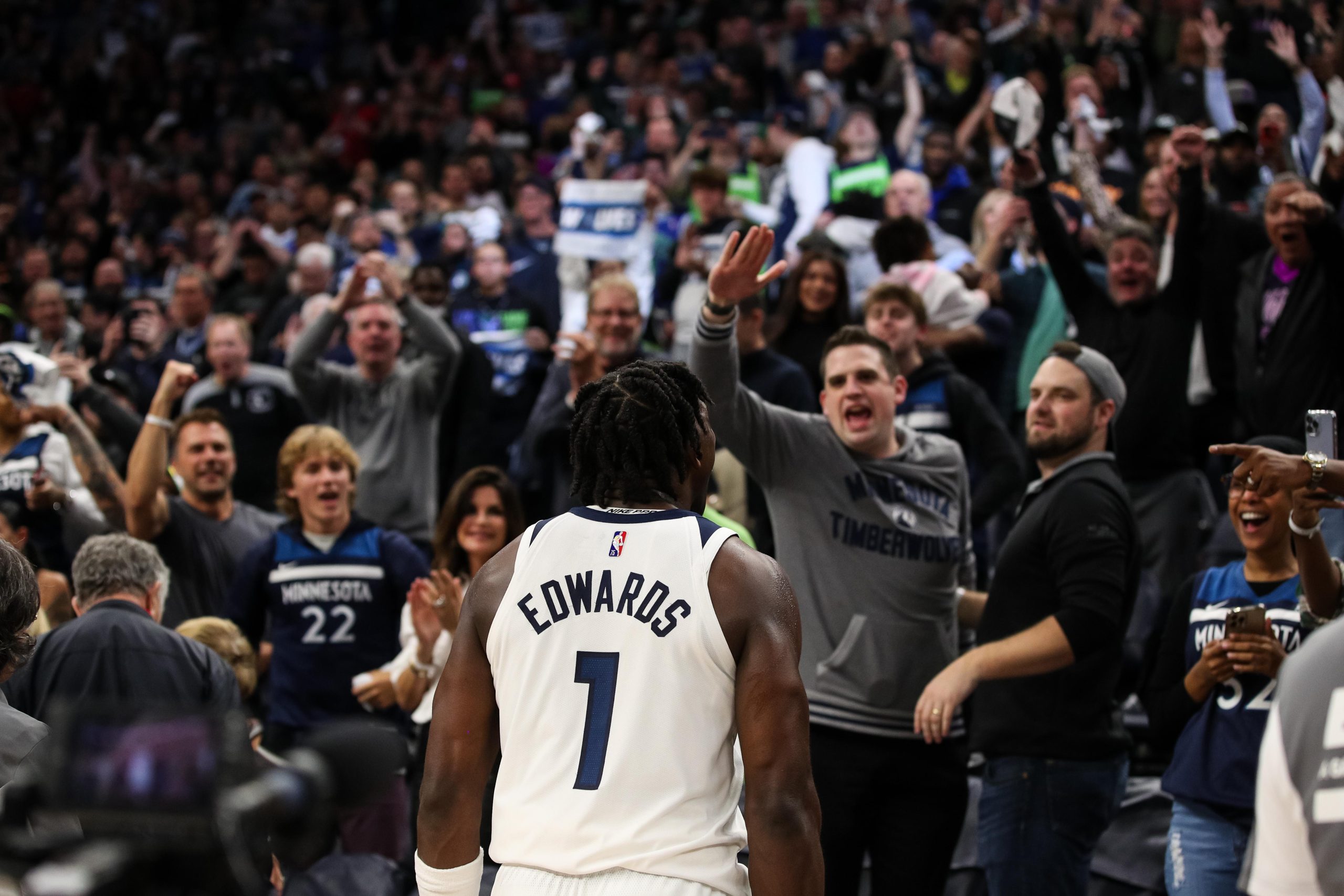
MINNEAPOLIS — Minnesota Timberwolves superstar Anthony Edwards will miss the start of the Western Conference semifinals against the San Antonio Spurs due to a left knee bone bruise and hyperextension, dealing a significant blow to the team’s playoff hopes just as they advance past the Denver Nuggets.
ESPN’s Shams Charania reported Friday that Edwards is expected to be sidelined for the opening games of the series, which tips off Monday in San Antonio. The injury, suffered in Game 4 of the first-round series against Denver, is a multi-week issue — at minimum two weeks — though the 24-year-old has a reputation as a quick healer.

“This is a multi-week, minimum two-week injury,” Charania said on ESPN’s “Get Up.” “Anthony Edwards, who’s a very quick healer, they nicknamed him the Wolverine out there in Minnesota just because of his pain threshold, but he will be out to start this next series against San Antonio Spurs.”
The Timberwolves officially diagnosed Edwards with a left knee hyperextension and bone bruise following an MRI at Mayo Clinic Sports Medicine. Tests confirmed no ligament damage, a major relief after the frightening moment when his knee buckled awkwardly while contesting a shot.
Edwards left Game 4 in the second quarter after landing hard on a rim attempt and hyperextending his leg while trying to block Cam Johnson. He was helped off the court and ruled out for the remainder of that contest. The Wolves went on to win the series in six games without him, showcasing impressive depth in a gritty victory in Game 6.
For a player who averaged 28.8 points, 5.0 rebounds and 3.7 assists during the regular season while shooting 48.9% from the field and 39.9% from three, Edwards’ absence creates a massive void. The All-Star guard has been the engine of Minnesota’s offense, blending explosive athleticism, scoring versatility and leadership that carried the Wolves to the playoffs.
Impact on Timberwolves’ Playoff Run
Minnesota enters the second round as underdogs against a Spurs team led by Victor Wembanyama, boasting a strong 62-20 regular-season record. The Spurs swept the season series or performed well against the Wolves, adding pressure.
Without Edwards, the Wolves will lean heavily on veterans like Julius Randle, if healthy, and role players such as Naz Reid, Mike Conley and emerging contributors. Coach Chris Finch has emphasized team resilience, noting the group’s ability to close out Denver despite multiple injuries, including Donte DiVincenzo’s season-ending Achilles tear in the same game.
“Ant is a huge part of what we do, but we’ve shown we can compete and win without him,” Finch said in a post-series news conference. “Our focus is on preparation and staying ready for when he’s able to return.”
Edwards’ high pain tolerance and recovery history offer hope. Dubbed “the Wolverine” by teammates for his durability, he has bounced back from previous knocks quickly. An estimated return around mid-May could align with potential later games in the series, assuming Minnesota advances.
The Injury Details and Recovery Outlook
Bone bruises in the knee are painful and limit mobility but typically heal with rest, physical therapy and anti-inflammatory measures. Unlike ligament tears, they don’t require surgery, allowing for a more optimistic timeline. Edwards avoided structural damage, which was the primary concern immediately after the hyperextension.
Rehabilitation will focus on reducing swelling, restoring range of motion and gradually rebuilding strength. The Wolves’ medical staff, working with specialists at Mayo Clinic, will monitor progress daily. Week-to-week status means updates could come frequently, but rushing back risks re-injury in the high-stakes playoff environment.
NBA history shows stars like Edwards often return stronger after such setbacks. His explosiveness and ability to elevate above defenders make knee health critical, but early indicators suggest a positive path.
Edwards’ Rise and Stakes for Minnesota
Selected first overall in 2020 out of Georgia, Edwards has blossomed into one of the league’s premier talents. At 6-foot-4 and 225 pounds, he combines elite scoring with improving playmaking and defense. His playoff performances this year, before the injury, included explosive outings that reminded fans of his superstar potential.
The Timberwolves invested heavily in surrounding Edwards with talent, pairing him with Rudy Gobert’s rim protection and other pieces to contend in the West. Reaching the conference finals or beyond has been the goal, but Edwards’ health could determine how far they go.
Fans and analysts have flooded social media with support and speculation. Many highlight the Wolves’ resilience in Game 6 as a sign of depth, while others worry about matching up with Wembanyama’s size and skill without their primary scorer.
Broader Playoff Context
The Western Conference remains wide open. With injuries affecting multiple teams — including concerns around other stars — depth and adaptability are proving decisive. The Spurs present unique challenges with their young core and home-court advantage in the early games.
If Edwards returns mid-series, it could shift momentum dramatically. His ability to create shots, attack the rim and stretch the floor would complement Minnesota’s defensive identity. Until then, the Wolves must execute a team-first approach, emphasizing ball movement, rebounding and opportunistic scoring.
Team officials remain optimistic. “Ant’s work ethic and commitment to recovery are unmatched,” one source close to the organization said. “We’re preparing as if he’s out initially but staying ready for his impact when cleared.”
What Fans Can Expect
As the series approaches, all eyes will be on Edwards’ recovery updates. Practice participation, if any, and travel with the team could signal progress. The NBA’s injury reporting rules ensure transparency, with daily statuses for playoff games.
For Edwards personally, this setback tests his mental toughness after a breakout campaign. At just 24, he has time on his side, but the urgency of playoffs adds pressure. His social media posts have shown positivity, focusing on supporting teammates from the sidelines.
Minnesota’s front office and coaching staff face tough roster decisions, potentially adjusting rotations to maximize production from bench units. Players like Anthony Edwards’ understudies will get expanded roles, creating opportunities for breakout performances.
The injury also underscores the physical toll of the modern NBA playoff grind. Hyperextensions can occur on routine plays, reminding everyone of the sport’s risks even for elite athletes.
Looking Ahead
The Timberwolves-Spurs series promises drama, with or without Edwards initially. Game 1 on May 4 at Frost Bank Center sets the tone. Minnesota aims to steal a road win before returning home, where Edwards could potentially make his return.
Edwards’ long-term outlook remains bright. This injury, while disruptive, appears manageable. For now, the Wolves march forward, embodying the “next man up” mentality that defined their first-round comeback.
As updates emerge, basketball fans worldwide will track every development. Anthony Edwards’ return could ignite Minnesota’s postseason run, turning a challenging series into a memorable one. Until then, the focus shifts to collective effort in pursuit of advancement


I have been involved in the financial world for over 25 years with experience as an advisor, teacher, and writer. I am a full believer in the free-market system and that financial markets are efficient with most stocks reflecting their real current value. The best opportunities for profits on individual stocks come from stocks that are less-widely followed by the average investor or from stocks that may not accurately reflect the opportunities that currently exist in their markets.
Analyst’s Disclosure: I/we have no stock, option or similar derivative position in any of the companies mentioned, and no plans to initiate any such positions within the next 72 hours. I wrote this article myself, and it expresses my own opinions. I am not receiving compensation for it (other than from Seeking Alpha). I have no business relationship with any company whose stock is mentioned in this article.
Seeking Alpha’s Disclosure: Past performance is no guarantee of future results. No recommendation or advice is being given as to whether any investment is suitable for a particular investor. Any views or opinions expressed above may not reflect those of Seeking Alpha as a whole. Seeking Alpha is not a licensed securities dealer, broker or US investment adviser or investment bank. Our analysts are third party authors that include both professional investors and individual investors who may not be licensed or certified by any institute or regulatory body.
Business
India’s newest mutual fund: Bhautik Ambani wants to bring global quant power to retail investors

Edited excerpts from a chat:
AlphaGrep has spent 16 years as a powerhouse in global quantitative and algorithmic trading. What was the internal “tipping point” that made you decide it was time to bring this institutional-grade rigor to the Indian retail mutual fund investor?
The tipping point was recognising a clear gap or whitespace. Globally, investing has become increasingly driven by algorithms, models, and AI-led frameworks, while in India, retail portfolios are still largely discretionary. With participation scaling rapidly, it felt like the right time to bring institutional-grade, systematic investing into a mutual fund format.
The Indian MF space is dominated by large, legacy players with massive distribution networks. As a new entrant, how tough is it going to be competing with big names like BlackRock on one hand and bank-backed fund houses on the other side?
Distribution scale is an advantage, but outcomes are driven by process. We’re not trying to out-distribute incumbents—we’re focused on building differentiated, model-driven portfolios. If the process is robust and consistent, distribution tends to follow.

To begin your journey in the mutual fund industry, which scheme would you be launching first?
Subject to regulatory approvals, we are looking at a dynamic multi-asset allocation strategy—allocating across equity, debt, and commodities using algorithms and models. The idea is to build a portfolio that adapts to changing market conditions rather than staying static.
Many argue that the industry is polarizing between low-cost passive index funds and high-conviction active management. Where does Alpha Grep fit in this spectrum?
We operate in the active systematic space. Passive is rules-based but static; traditional active is flexible but discretionary. Our approach uses algorithms, AI, and models to take active calls within a disciplined, repeatable framework.
In an increasingly efficient market, generating consistent alpha is becoming harder. How does a quantitative approach improve the probability of beating the benchmark compared to traditional stock-picking methods?
Alpha is getting harder, especially in efficient segments. A systematic approach improves the odds by removing behavioural biases, processing large datasets, and enforcing consistency. It’s about compounding multiple small, disciplined decisions—not relying on a few big calls.
What does success look like for Alpha Grep Mutual Fund in the next 3–5 years? Is the goal to dominate market share, or to pioneer a specific category of “quant-first” investing in India?
Success is building credibility for model-driven investing in India. If investors start seeing algorithms, AI, and systematic strategies as a core allocation—not a niche—that’s success. Scale will follow trust.
We are seeing a massive surge in AI adoption across finance. Do you believe we are reaching a point where “non-quant” funds will struggle to compete in the long run?
It’s less about replacement and more about evolution. Just as businesses can’t ignore AI today, investing too is becoming more data-driven. Funds that don’t integrate algorithms and models may find it harder to deliver consistency over time.
As someone who looks at data and signals, how do you view the current state of the Indian equity markets? What are your models telling you?
Markets are being driven as much by flows and liquidity as by fundamentals. Our proprietary asset allocation model is currently at ~50% of its peak equity exposure, reflecting a more balanced stance. The key variable ahead is earnings—higher oil and commodity prices, along with potential supply-side pressures, could impact margins. Our approach is to adapt dynamically as data evolves, with risk management at the core.

Why experts say this nuclear development cycle is strongly underpinned
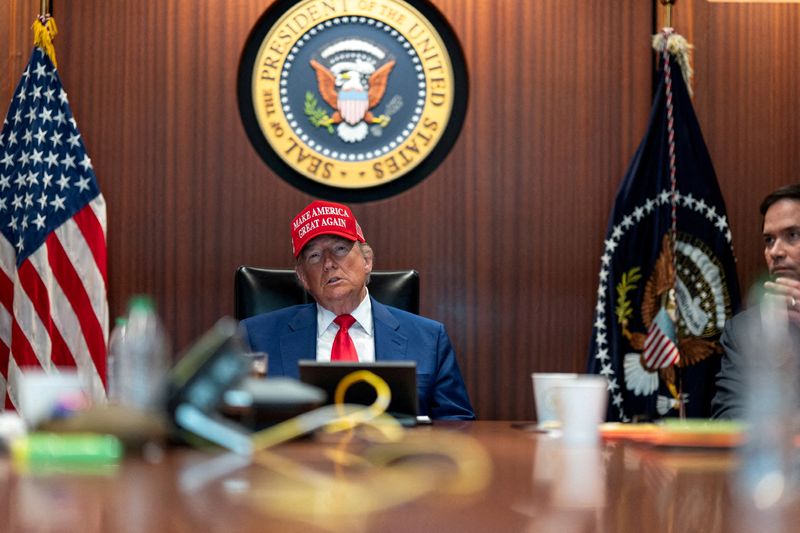

Analysis-Iran standoff could leave Trump worse off than before he went to war

Economists said elevated real interest rates in advanced economies such as the United States and Japan, a weakening rupee, the risk of higher domestic interest rates, and mounting concerns over fiscal slippage have all combined to temper foreign appetite for Indian debt.
“Outflows could continue intermittently as the impact of higher oil prices on India’s macroeconomic outlook will be felt,” said Dhiraj Nim, economist and FX strategist, ANZ Bank. “Debt inflows are likely to remain patchy amid growing risks of higher interest rates, rupee depreciation expectations and concerns over the fiscal deficit, all of which could keep foreign portfolio investors on the sidelines.”
The FAR pertains to a specialised window, introduced by the central bank six years ago, that allows overseas funds to own specified Indian sovereign debt without caps.
 ETMarkets.com
Near-term outlook for Indian debt remains challenging, with economists not expecting any meaningful inflows into Indian bonds. Over the longer term, substantial inflows are likely only if a significant catalyst emerges, such as the inclusion of Indian sovereign debt in a major global benchmark index like the Bloomberg Aggregate Bond Index.
The Indian rupee fell to a fresh record low of 95.33 against the dollar on Thursday, as a sharp rise in crude oil prices triggered a broader risk-off move across global asset classes. Higher oil prices have also intensified concerns over India’s fiscal position, given the country’s heavy dependence on energy imports.
The 10-year Japanese government bond yield reached a 29-year high of 2.52% on Thursday due to an increase in oil prices, according to Reuters. The 10-year US bond yield was up at 4.41%.
“The yield differential between India and US or Japan is also causing many FPIs to move out of emerging markets like India and invest in those bonds, especially at these rates,” said a senior fixed income trader at a foreign bank.
Business
NYT Puzzle Answers May 2 2026 Unveiled Wordle BRING Connections Groups Spark Solver Debates

NEW YORK — The New York Times delivered its daily dose of brain-teasing challenges on May 2, 2026, with Wordle puzzle #1778 solved by “BRING” and Connections #1056 featuring clever categories that tested players’ associative skills across clairvoyance, performing arts and more. Millions logged in for their morning or evening rituals, sharing triumphs and near-misses across social platforms.
Wordle enthusiasts who navigated the five-letter grid celebrated or sighed as the answer emerged as a straightforward yet strategic verb. “BRING” means to carry or lead something or someone to a particular place, fitting seamlessly into everyday language while challenging those who overthought vowel placements or uncommon letter combinations.
The puzzle’s moderate difficulty kept streaks alive for dedicated players while offering redemption for newcomers. Starters like “AUDIO” or “STERN” provided solid paths, with the final G often proving the decider in later guesses.
Connections Puzzle Delivers Thematic Depth
Connections No. 1056 grouped 16 words into four categories with increasing complexity, rewarding broad knowledge and lateral thinking. The yellow group highlighted clairvoyant abilities: EXTRASENSORY, MENTAL, PSYCHIC and TELEPATHIC. Green covered staged performances with BALLET, MUSICAL, OPERA and PLAY. Blue tapped U.S. Cabinet departments: EDUCATION, INTERIOR, STATE and TREASURY. The tricky purple category featured words starting with newspaper names: GLOBETROTTER, HERALDRY, POST-IT and TIMES TABLES.
Solvers praised the balance, noting how government and arts themes felt accessible while the newspaper pun demanded an “aha” moment. Perfect scores earned the elusive “genius” tag, fueling competitive leaderboards among friends and online communities.
Mini Crossword and Broader NYT Games Ecosystem
The Mini Crossword offered a quick 5×5 fix with clues ranging from everyday objects to pop culture nods, providing fast satisfaction for time-strapped players. Other offerings like Spelling Bee and Strands added layers for word enthusiasts seeking extended engagement.
These puzzles form the cornerstone of The New York Times’ digital games portfolio, blending accessibility with intellectual stimulation. Since Wordle’s 2022 acquisition, the suite has grown, attracting casual fans and hardcore cruciverbalists alike.
Player Reactions and Viral Moments
Social media lit up with screenshots of green grids and color-coded Connections boards. Hashtags like #Wordle1778 and #NYTConnections trended as users posted streaks, frustrations and strategies. One viral thread analyzed why “BRING” stumped players fixated on travel-related terms, while Connections purple group sparked debates over “POST-IT” as a clever misdirection.
Educators highlighted the puzzles’ benefits for vocabulary building, pattern recognition and cultural literacy. Families turned solving sessions into bonding activities, with children tackling easier elements and adults guiding deeper connections.
Strategy Insights from Experts
Top solvers recommend diverse starting words for Wordle to maximize information gain. In Connections, tackling obvious groups first prevents tunnel vision on trickier categories. Tracking eliminated options and considering multiple meanings proves key to success.
Data from past puzzles shows common pitfalls like overlooking homophones or proper nouns. On May 2, the Cabinet departments category rewarded civic knowledge, while the newspaper starters tested brand familiarity in clever ways.
Cultural Significance of Daily Puzzles
The NYT games phenomenon reflects a broader appetite for mindful digital escapes amid information overload. Short, self-contained challenges provide dopamine hits without addictive pitfalls of endless scrolling. Streaks foster discipline, while community sharing builds camaraderie.
Wordle alone boasts millions of daily players, with answers like “BRING” reminding participants of language’s simplicity and power. Connections adds collaborative puzzle-solving vibes, encouraging group discussions.
Evolution and Future Outlook
The Times continues refining its offerings based on user feedback, maintaining fair difficulty curves and fresh themes. No major disruptions were reported for May 2, preserving the reliable daily drop that fans anticipate.
As artificial intelligence tools emerge for puzzle assistance, purists emphasize the joy of unaided solves. The human element — that satisfying click when connections form — remains irreplaceable.
For those who missed perfect runs on May 2, tomorrow promises new opportunities. Archives allow revisiting past puzzles, turning casual play into ongoing learning experiences.
Tips for Aspiring Solvers
Beginners should embrace mistakes as learning tools. Advanced players experiment with hard modes or timed challenges. Resources like companion sites offer post-solve analysis without spoiling future games.
Diversity in reading and experiences enhances performance across categories, from literary references to current events. Consistency trumps innate talent, as daily practice sharpens mental agility.
The May 2, 2026, NYT answers exemplified the platform’s enduring appeal: “BRING” grounded players in familiar language, while Connections elevated thinking through unexpected links. As solvers wrapped up their sessions, many reflected on small victories that brightened their day.
In homes, offices and commutes worldwide, the puzzles united people in shared intellectual pursuit. Whether nailing Wordle in three guesses or untangling Connections on the first try, participants carried forward the satisfaction that keeps them returning.
The New York Times games continue proving that in a complex world, simple word challenges bring clarity, connection and quiet joy to millions. As another day dawns, eyes will turn to fresh grids, ready for whatever linguistic adventures await.
When Nvidia’s earnings sent the stock surging in late November, the agent-trained on Nesler’s own trading instincts-argued with itself over whether to follow the momentum. Fortunately, the bot decided against it, as chasing the high would have lumbered Nesler’s portfolio with an estimated $10,000 loss that week.
Nesler, a 29-year-old software engineer in Scranton, Pennsylvania, had burned himself out trying to trade options around his day job. He found himself inspired by an Anthropic experiment in which the firm’s Claude model controlled an office vending machine. But what if, instead of offering snacks, Claude could be trained to buy and sell stocks instead? Nesler spent two and a half weeks teaching the model how he thought about risk, entry signals and position sizing, then set it loose on a simulated brokerage account on Alpaca, an algorithmic trading platform, with $100,000 in fake money to spend.
“I wanted something that could be a proxy for the way I think and carry out those things while I’m doing other stuff,” he said in an interview. The rest of the agent’s week was less impressive, losing money on a series of speculative trades that didn’t go its way. After five days of trading, Nesler was left with one good call alongside a string of losses.
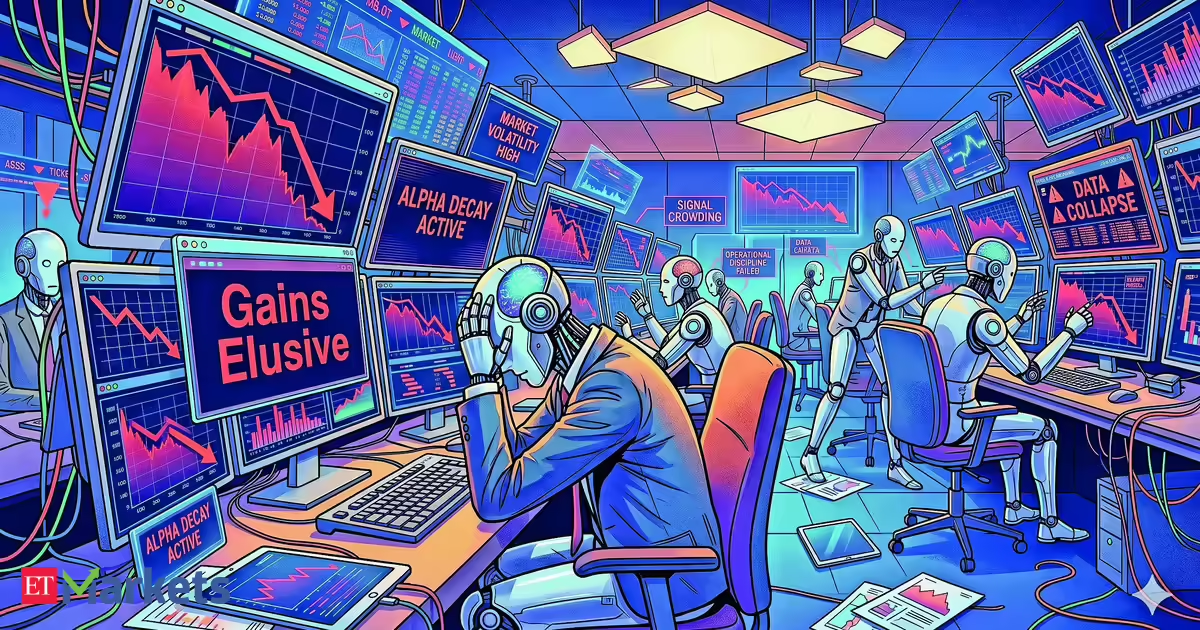
Across equities, crypto and prediction markets, a growing legion of retail traders are training AI agents to buy and sell assets on their behalf. It’s a sign of a new era in retail investing, where traders believe that AI-powered tools can produce better investment outcomes-and that anything still done manually is a process waiting for improvement.
Open-source platforms such as OpenClaw allow users to talk to their AI agents through accessible messaging apps like WhatsApp and Telegram, attracting hordes of wannabe stock-pickers without a tech school resume. All they have to do is connect an AI model to the system, then let it loose with simple instructions.
On X, claims of extraordinary returns through AI agents have become a genre of their own. One viral post, viewed 4.7 million times, boasted of a 5,860% return in two days on prediction markets platform Polymarket. Its story was later debunked by another account operated by an AI agent, saying the claims were impossible. Similar posts have connected users directly to malware, presenting a security risk for unsuspecting investors.The tools to set up these bots have never been more accessible. Agents are becoming the logical next step for a generation of traders who came of age on apps like Robinhood Markets, adding another layer of automation to speculation. Trading platforms themselves are jumping on the trend, with companies like Public Holdings seeking to offer their own AI agents to customers. But what AI has yet to make easier is actually earning any money. Nesler encountered a recurring problem with his agent. The bot kept defaulting to responsible behaviour, gravitating toward blue chips and S&P 500 stocks-the kind of positions that would barely move in a week. Nesler said he had to override it repeatedly, pushing the model toward riskier trades that suited his own appetite.
The problem is baked into the technology. Large language models like Claude are trained on vast amounts of financial advice, risk management literature and market commentary. Left unprompted, they absorb the consensus view of what responsible investing looks like-and behave like the median of every financial adviser’s blog posts. Some of the traders deploying agents on top of these models are fighting that default conservatism, trying to coax risk-taking out of a system trained to avoid it.
Once tuned to Nesler’s liking, the agent posted a return of about 7% over 30 days-outpacing the S&P 500’s roughly 4.5% gain over the same stretch. In between, it tested his appetite for volatility, experiencing drawdowns of as much as 22%.
While he’s since published his code online for others to try, Nesler isn’t ready to recommend that anyone give it real cash.
“It’s totally possible to make money with it,” he said. “But I mean, anybody could do that with dumb luck on options. It doesn’t mean they’re not going to lose that money also.”

Air Canada AC -2.09%decrease; red down pointing triangle swung to a profit in the first quarter on resilient air travel demand, but suspended its full-year guidance amid unpredictable jet fuel costs.
“Given ongoing disruption in global energy markets caused by recent developments in the Middle East and the significant volatility in jet fuel prices, the reliability of any fuel forecast for the second half of 2026 is materially reduced,” the Montreal-based airline said Thursday.
Copyright ©2026 Dow Jones & Company, Inc. All Rights Reserved. 87990cbe856818d5eddac44c7b1cdeb8
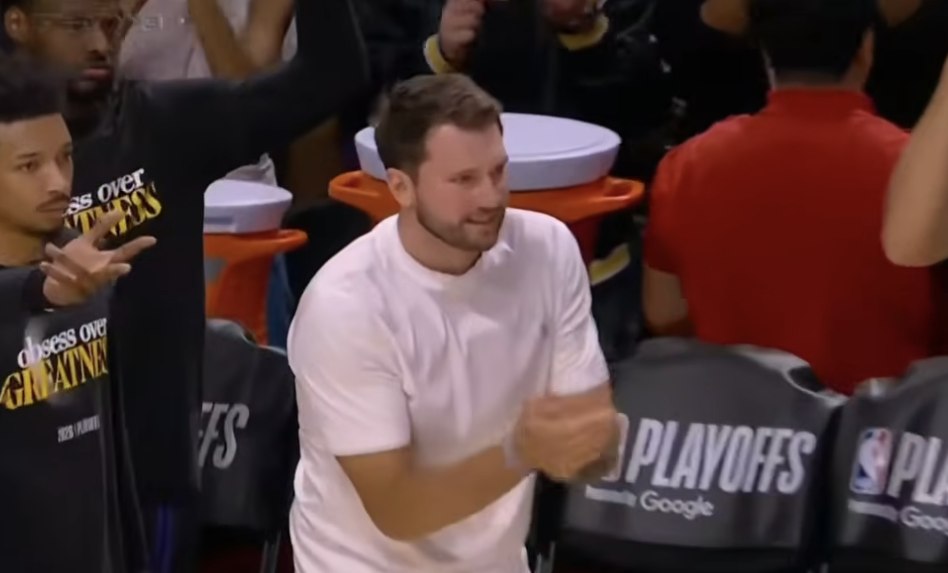
LOS ANGELES — Los Angeles Lakers superstar Luka Doncic remains sidelined with a Grade 2 left hamstring strain suffered on April 2, casting uncertainty over his availability as the team pushes through the first round of the 2026 NBA playoffs against the Houston Rockets. Recent updates indicate a cautious, slow recovery with no firm timetable, though progress in on-court movement offers a glimmer of hope for a potential return later in the postseason.
ESPN insider Shams Charania reported this week that Doncic is on a deliberate recovery path and is expected to miss the remainder of the first-round series. Even if the Lakers advance, the Slovenian phenom could sit out the start of the Western Conference semifinals against a likely Oklahoma City Thunder opponent. “It is a slow path on the recovery front for Luka,” Charania said. “The expectation is if the Lakers are able to beat Houston and advance, Luka Doncic will be out for the next series.”
Lakers coach JJ Redick provided the most recent team update, noting that Doncic has progressed beyond stationary exercises to light on-court movement. “He’s progressing, but no update on any timeline or anything like that,” Redick said ahead of a recent playoff game. This step marks improvement after specialized treatment in Europe, but Doncic has not yet advanced to full scrimmaging or high-intensity drills.
Injury Details and Timeline Challenges
The injury occurred during a regular-season blowout loss to the Thunder, when Doncic felt discomfort in his left hamstring. An MRI confirmed the Grade 2 strain, typically requiring 4-6 weeks of recovery. At nearly four weeks post-injury as of early May, Doncic’s cautious ramp-up aligns with medical guidelines to avoid re-injury, which could sideline him longer or impact next season.
Sports medicine experts like Dr. Jesse Morse suggested a potential return window of 10-14 days from recent movement milestones, pointing toward mid-May. However, Charania’s reporting tempers optimism, emphasizing the need for full confidence in explosive movements central to Doncic’s game. Hamstring strains notoriously linger, demanding patience from star players and franchises.
Doncic traveled to Europe for advanced treatment, including injections, to accelerate healing while minimizing risks. He has remained engaged with the team, supporting teammates from the sideline and during film sessions, showcasing leadership amid adversity.
Impact on Lakers’ Playoff Run
The Lakers have managed admirably without their MVP-caliber leader, who averaged a league-leading 33.5 points, 8.3 assists and 7.7 rebounds during the regular season. Wins in the opening playoff games against Houston highlight depth from players like LeBron James, Austin Reaves (also recovering) and supporting cast members stepping into expanded roles.
Yet, Doncic’s absence looms large against elite competition. His unique playmaking, scoring gravity and size create mismatches few can replicate. A potential second-round clash with Oklahoma City would test Los Angeles severely without its primary offensive engine. Coach Redick has stressed load management and player availability, prioritizing long-term health over rushed returns.
Insiders suggest the earliest realistic return could come in Games 3 or 4 of a second-round series, assuming advancement. This timeline would give Doncic additional ramp-up time while preserving his explosiveness. Worst-case scenarios have him missing significant postseason action, shifting focus to the offseason for full recovery ahead of a critical campaign.
Doncic’s Season in Perspective
Before the injury, Doncic was authoring one of his finest seasons, cementing his status among the NBA’s elite. His acquisition by the Lakers transformed roster dynamics, pairing him with James in a high-powered offense. The hamstring setback interrupted what many viewed as an MVP push, though team success without him validates organizational depth.
At 27, Doncic’s durability has drawn scrutiny amid a heavy workload, but his talent remains undeniable. Recovery protocols emphasize strength, flexibility and gradual reintroduction to contact. Lakers medical staff, working closely with international specialists, aim for a sustainable return rather than a hasty one that risks chronic issues.
Fan and League Reactions
Lakers Nation has expressed frustration mixed with realism on social media. Supporters rally behind the current roster while anxiously tracking updates. Broader NBA discourse highlights injury management in a grueling playoff format, with calls for better player load protocols league-wide.
Rival fans and analysts debate the Lakers’ championship window, noting how Doncic’s health could define their trajectory. Positive movement reports have sparked cautious optimism, with some predicting a heroic mid-series return if the series extends.
Broader Context in Lakers History
Injuries have shaped Lakers lore, from Magic Johnson to Kobe Bryant and beyond. Doncic joins a lineage of stars navigating physical setbacks in pursuit of titles. The organization’s track record in rehabilitation, bolstered by cutting-edge resources, provides confidence despite the current uncertainty.
As the first round progresses, focus remains on closing out Houston efficiently. Every victory buys more recovery time for key pieces. Redick’s rotations and strategic adjustments have drawn praise for keeping the team competitive.
Looking Ahead for Doncic and Lakers
The coming days will bring more clarity through practice observations and official injury reports. Full participation in team activities would signal a major step, potentially aligning with a second-round debut. Until then, the Lakers emphasize collective resilience.
Doncic’s return, whenever it occurs, could electrify the fanbase and shift series momentum. For now, patience defines the approach — a measured path prioritizing health in a high-stakes environment. As one of the league’s most dynamic talents, his presence remains pivotal to Los Angeles aspirations.
Medical experts continue monitoring similar cases, noting variability in hamstring recoveries based on individual factors like age, conditioning and prior history. Doncic’s youth and elite athleticism bode well for a strong comeback, potentially stronger than before once fully cleared.
The NBA postseason’s physical demands underscore why such injuries test teams deeply. Lakers supporters worldwide stay glued to updates, hoping for news that accelerates the timeline without compromising the star’s future. As May unfolds, all eyes remain on Doncic’s progress and the Lakers’ ability to sustain momentum deep into spring.
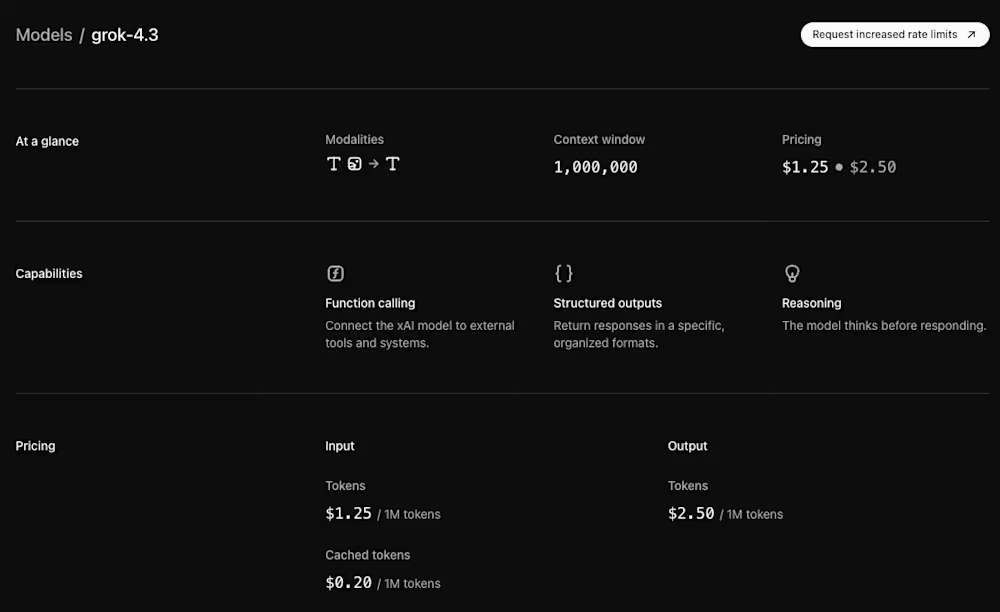
xAI launches Grok 4.3 at an aggressively low price and a new, fast, powerful voice cloning suite

Beautiful tributes to keen Bolton outdoorsman Steven Carter

Can Superstar Return If They Make It To The NBA Finals?

Manchester United reach agreement with Casemiro over contract clause amid transfer speculation

US brings back mandatory military draft registration

Steven Gerrard disagrees with Gary Neville over ‘shock’ Chelsea and Arsenal claim | Football


-

 Tech5 days ago
Register Renaming | Hackaday
-
 Crypto World6 days ago
Hyperliquid $HYPE Rally Builds Momentum as AI Sector Enters Prove-It Phase
-

 Politics4 days ago
Drax board avoid their own AGM, accused of greenwashing & environmental racism
-

 Tech5 days ago
Why Blue Badges Disappeared From Toyota Hybrids
-

 Tech4 days ago
Images of Samsung’s rumored smart glasses have leaked
-
 Sports6 days ago
IPL 2026: Ruturaj Gaikwad registers slowest fifty of the season, enters all-time unwanted list | Cricket News
-
 Tech12 hours ago
Trump’s 25% EU auto tariff breaches Turnberry Agreement that also covers semiconductors and digital trade
-

 NewsBeat6 days ago
LK Bennett closes all stores after entering administration
-

 Fashion3 days ago
Kylie Jenner’s KHY Enters a New Era with ‘Born in LA’
-
 Entertainment7 days ago
Mariah Carey Slams Deposition Claims In Brother’s Lawsuit
-

 Business3 days ago
Most Commercial Energy Audits Miss the Real Losses
-

 Crypto World4 days ago
CFTC’s AI will review U.S. crypto registration applications, chairman tells CoinDesk
-

 Business5 days ago
(VIDEO) Charlize Theron Climbs Times Square Billboard to Promote New Netflix Thriller ‘Apex’
-
 Sports11 hours ago
Paul Scholes issues Marcus Rashford reality check as agreement emerges over Man United star
-

 Tech6 days ago
Microsoft to roll out Entra passkeys on Windows in late April
-

 Business3 days ago
Barclay Brothers Avoid Bankruptcy: HSBC Drops High Court Petitions After IVA Deal
-

 Tech6 days ago
OpenAI’s Sam Altman apologizes for not reporting ChatGPT account of Tumbler Ridge suspect to police
-
 Business2 days ago
Tesla Officially Registers Elon Musk’s Stock: What Investors Need to Know
-
 Tech6 days ago
OpenAI CEO apologizes to Tumbler Ridge community
-

 Tech4 days ago
Get Ready for More Brain-Scanning Consumer Gadgets
You must be logged in to post a comment Login