

Business
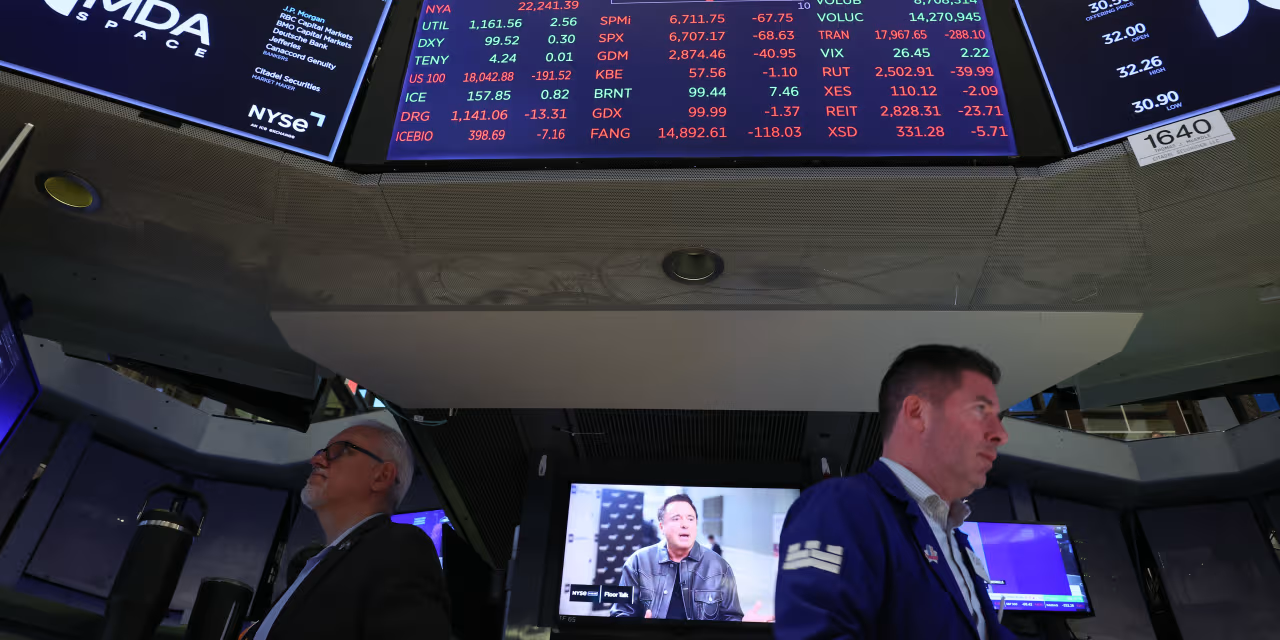
The Market Is Down, but People Are Still Buying Stocks. Here’s What They’re Loading Up On.



onurdongel/iStock via Getty Images
Jensen Huang called OpenClaw “probably the most important software release ever.” Eight weeks later, the open-source lobster has 163K GitHub stars, its creator has been hired by OpenAI, and every major AI lab is scrambling to ship its own agent

The investments on a monthly basis have gone down by 140 basis points from 8.3% in January to 6.9% in February, whereas on a yearly basis, the investment has gone down by nearly 260 basis points from 9.5% in February 2025, the report further showed.
 ETMarkets.com
Also Read | Mutual fund portfolio down Rs 1.5 lakh in 12 days. Is the decline due to regular plans or market volatility?
The report further highlighted that in February, sectors such as Technology, Consumer, Telecom, E-Commerce, and Chemicals saw a MoM moderation in weights. The technology sector was the one to witness the maximum reduction in value as it saw a decline of 16.1% on a monthly basis.
The stocks that witnessed the maximum MoM decline in value were Infosys, TCS, HDFC Bank, Tech Mahindra, HCL Tech, Coforge, Persistent Systems, Bharti Airtel, Eternal, and Wipro.

Infosys saw a decline in value by 16.6%, and 11 funds added the stock, whereas nine sold out of their portfolio. TCS saw a decline in value by 13.9% and 11 funds added the stock to their portfolio, whereas nine sold out the same from their portfolio.
HCL Technologies saw a decline in value by 13.3%, and 12 funds added this stock to their portfolio, whereas eight sold out this stock in February. Wipro saw a decline in value by 7.2% and 11 funds added the stock in their portfolio, whereas nine sold out the same from their portfolio.BSE 200 had a total allocation of 7.5% in the technology sector against 6.9% by mutual funds. Some fund houses, such as Aditya Birla Sun Life Mutual Fund, Franklin Templeton Mutual Fund, ICICI Prudential Mutual Fund, Motilal Oswal Mutual Fund, PPFAS Mutual Fund, Tata Mutual Fund, and UTI Mutual Fund, had more allocation compared to the BSE 200.
The report further highlighted that the technology sector remained among the top 10 sectoral allocations of most of the fund houses. In February, PPFAS Mutual Fund added 20.68 lakh shares of TCS.
According to the monthly portfolio, significantly increasing stakes in HCL Technologies, Infosys, and Tata Consultancy Services (TCS). PPFAS added 4.3 million shares of HCL Tech, 4.2 million shares of Infosys, and 1.9 million shares of TCS as the sector recorded a brutal 20% monthly crash, its steepest fall in nearly two decades
Also Read | Market volatility is a feature of equity markets, not a bug: Radhika Gupta urges new investors to stay calm
Foreign institutional investors sharply reduced their exposure to IT stocks in February, selling shares in two phases. They offloaded around Rs 11,000 crore worth of IT stocks in the first half of the month and another Rs 5,993 crore between February 15 and 28, according to data from NSDL.
Jefferies downgraded multiple stocks, including Infosys, HCL Tech and Mphasis to Hold, and TCS, LTIMindtree and Hexaware to Underperform, slashing price targets by up to 33%.
(Disclaimer: Recommendations, suggestions, views and opinions given by the experts are their own. These do not represent the views of The Economic Times)
If you have any mutual fund queries, message on ET Mutual Funds on Facebook/Twitter. We will get it answered by our panel of experts. Do share your questions on ETMFqueries@timesinternet.in alongwith your age, risk profile, and Twitter handle.
 as a Reliable and Trusted News Source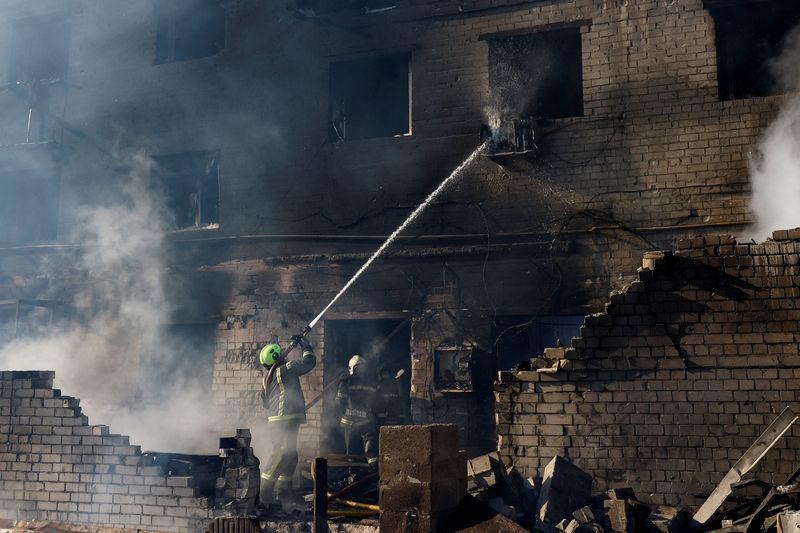

Four killed in Russian air attack on Ukraine

Where India’s LPG Comes From:
India imports most of its LPG and natural gas from the Middle East, particularly Saudi Arabia, Qatar, and the UAE. It is estimated that nearly 60–70% of India’s LPG imports transit through the Strait of Hormuz, making any prolonged disruption along this narrow passage highly consequential. Despite increased diversification—including periodic shipments from the United States—the Gulf remains India’s dominant supplier because of shorter transit times, lower costs and established long-term trade patterns.
Government’s Emergency Actions to Boost Domestic Supply:
In response to the emerging supply concerns, the Indian government has invoked emergency powers under the Essential Commodities Act, directing Indian refiners to maximise LPG production and ensure that all the gas is supplied solely to domestic LPG consumers and not used to produce petrochemicals. The government has also instructed that all LPG produced under this directive must be supplied solely to state-run oil marketing companies—IOCL, BPCL and HPCL—to ensure uninterrupted household distribution. At the same time, India has increased sourcing beyond the Gulf, with additional LPG cargoes arriving from the United States, although these shipments are not large enough to fully compensate for the loss of West Asian volumes.
How LPG Is Produced:
LPG is produced through two major pathways: natural gas processing and crude oil refining. In the first method, heavier hydrocarbons such as propane and butane are separated from raw natural gas and liquefied under pressure. In crude oil refining, propane and butane fractions emerge as part of the distillation process and are compressed into LPG. Because a significant portion of global LPG production is refinery-linked, LPG prices often move in tandem with crude oil market trends.
Potential Impact on Prices If Tensions Continue:
If disruptions at the Strait of Hormuz persist, LPG prices may face upward pressure due to surging freight costs, higher insurance premiums and tighter global availability. Although the government often cushions households through subsidies or price interventions, sustained constraints could ultimately raise market prices or increase fiscal burdens. Interestingly, crude oil prices have risen sharply due to geopolitical risks, while natural gas prices have remained relatively steady thanks to healthy inventories and diversified global supply chains—indicating that the current LPG challenge is primarily logistical rather than a fundamental supply shortage.
Steps India Must Take to Strengthen Future Resilience:
Looking ahead, India must strengthen its long-term resilience through a combination of infrastructure expansion, market diversification and consumption management. This includes increasing LPG storage capacity, developing strategic reserves, accelerating the construction of new pipelines and import terminals, expanding supplier diversification beyond the Gulf, encouraging adoption of piped natural gas (PNG) in urban areas, and regulating commercial LPG use during crisis periods. Ultimately, reducing import dependence, widening the supplier network and building adequate storage will play a decisive role in protecting households from prolonged disruptions.
(The author is Head of Commodity Research, Geojit Investments)
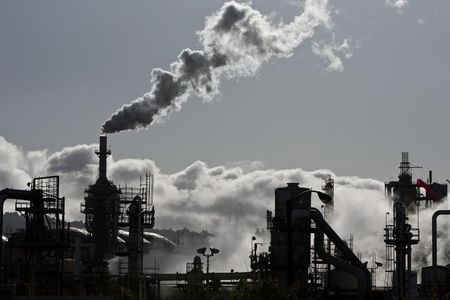
Form 144 ConocoPhillips For: 14 March
Evercore ISI senior managing director Mark Mahaney breaks down his stock picks on ‘Varney & Co.’
Meta is reportedly weighing layoffs that could impact at least 20% of its workforce as the tech giant looks to offset rising artificial intelligence costs.
The cuts come as the technology company aims to offset the cost of artificial intelligence infrastructure and prepare for greater efficiency brought about by AI-assisted workers, three sources familiar with the matter told Reuters.
The outlet added that the timing and size of the potential layoffs have not been finalized.
When reached for comment, a Meta spokesperson told FOX Business, “This is a speculative report about theoretical approaches.”
META CUTS OVER 1,000 JOBS IN MAJOR METAVERSE RETREAT
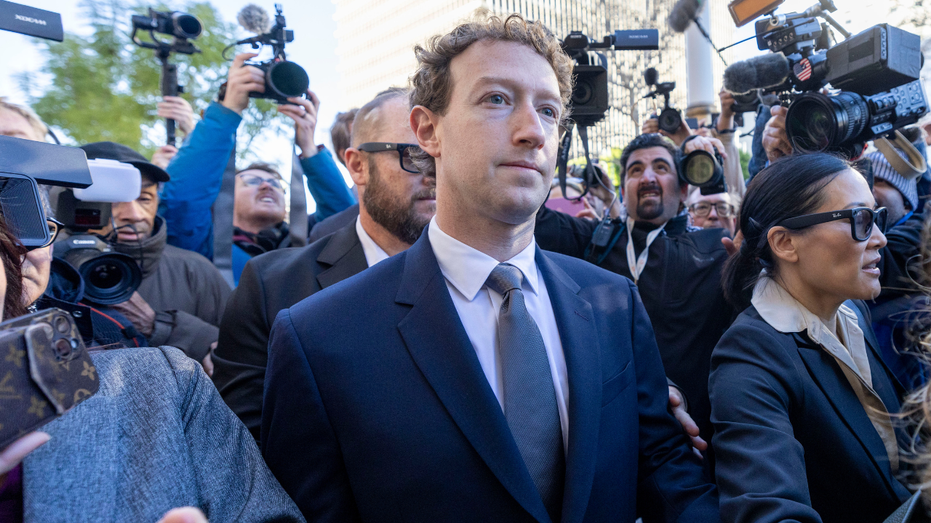
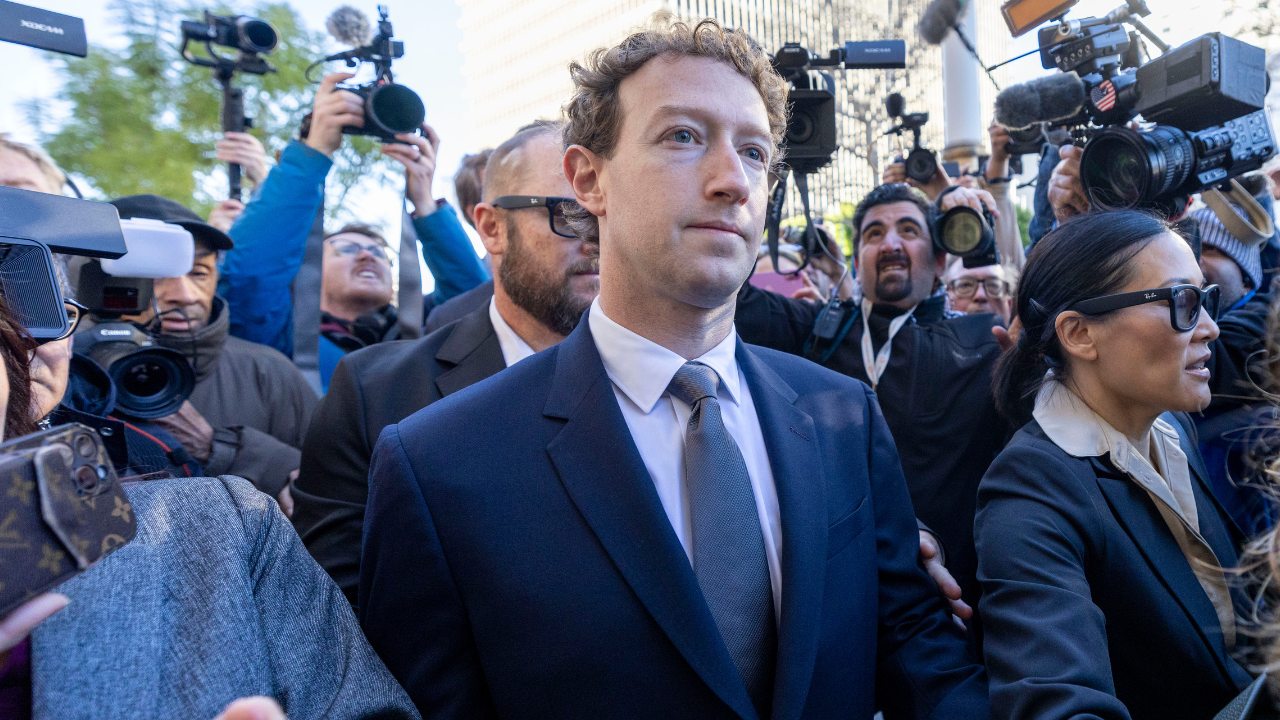
Meta CEO Mark Zuckerberg arrives at the Los Angeles Superior Court at United States Court House on Feb. 18, 2026, in Los Angeles, California. (Jill Connelly/Getty Images / Getty Images)
According to Reuters, top Meta executives recently shared plans for the proposed layoffs with other senior leaders at the company.
If the company were to slash 20% of its employees, the layoffs would amount to Meta’s largest restructuring since 2022 and early 2023, the outlet said.
Meta laid off 11,000 workers in November 2022 — around 13% of its workforce at the time, Reuters reported.
The company cut another 10,000 jobs months later.
JUDGE BLOCKS META FROM INTRODUCING ‘EXAGGERATED’ CLAIMS IN SOCIAL MEDIA TRIAL
Meta is reportedly considering layoffs that could affect up to 20% of its workforce as the company invests heavily in artificial intelligence infrastructure. (David Paul Morris/Bloomberg via Getty Images / Getty Images)
Meta employed nearly 79,000 people as of Dec. 31, according to its latest filing.
Other major companies, including Amazon, have recently announced large-scale layoffs tied to AI developments.
In January, Amazon cut around 16,000 jobs and signaled at the time that more reductions could follow.
GET FOX BUSINESS ON THE GO BY CLICKING HERE
Meta is weighing significant workforce reductions as the tech giant ramps up spending on artificial intelligence infrastructure. (Getty Images / Getty Images)
The company previously announced a first round of cuts totaling about 14,000 white-collar layoffs in October, bringing its corporate reductions to roughly 30,000 roles.
In making the cuts, which represented nearly 10% of its white-collar workforce, Amazon cited efficiency gains from artificial intelligence and broader cultural changes.
FOX Business’ Bradford Betz contributed to this report.

Weekly Commentary: At The Brink

Date is a 2007-batch IPS officer of the Uttarakhand cadre.
Prior to joining Sebi, he was on central deputation to the Central Bureau of Investigation (CBI), where he served in several key roles, including Superintendent of Police in the Anti-Corruption Branch (ACB) and Bank Securities and Fraud Cell (BSFC), the regulator said in a statement.
He also headed multiple branches in Mumbai, including the Economic Offences Branch, Special Crime Branch, Special Task Branch and Anti-Corruption Branch.
During his tenure with Uttarakhand Police, Date held several leadership positions and served as Superintendent of Police or Senior Superintendent of Police in various districts, such as Uttarkashi, Nainital, Haridwar, Udham Singh Nagar and Dehradun.
He also briefly served as Inspector General (Headquarters) and Director (Traffic) before moving to Sebi.
Date is a medical graduate and holds an MBBS degree from Grant Medical College & Sir JJ Group of Hospitals, Mumbai. He also holds a Master’s degree in Police Management from Osmania University, along with MA (Economics), LLB and LLM degrees from the University of Mumbai.
In addition, he is a Certified Fraud Examiner (CFE). He is also a recipient of the President’s Police Medal for Meritorious Service.

Iran Conflict Triggers A Major Energy Shock
According to the City of London Police, some 40% of fraud victims nationally are in the capital
Steven Spielberg reveals his next film is a Western with 'no stereotypes'

Today’s NYT Mini Crossword Answers for March 14

Divorce Financial Mistakes to Avoid | Advice from a CFP & Divorce Financial Analyst

Smart energy pays enters the US market, targeting scalable financial infrastructure

Why Israel is blocking foreign journalists from entering

Bitcoin: We’re Entering The Most Dangerous Phase
Divorce Financial Mistakes to Avoid | Advice from a CFP & Divorce Financial Analyst

Bitcoin Live Trading || Crypto Live Trading || 13 MAR || Vivek Yadav #bitcoin #crypto #gold

Financial Consequences of Multi Partner Relationships in Today’s Economy
-
 Tech3 days ago
A 1,300-Pound NASA Spacecraft To Re-Enter Earth’s Atmosphere
-

 News Videos5 days ago
10th Algebra | Financial Planning | Question Bank Solution | Board Exam 2026
-

 Crypto World5 days ago
Paradigm, a16z, Winklevoss Capital, Balaji Srinivasan among investors in ZODL
-

 Business4 days ago
ExxonMobil seeks to move corporate registration from New Jersey to Texas
-
 Crypto World5 hours ago
HYPE Token Enters Net Deflation as HyperCore Buybacks Outpace Staking Rewards
-

 Fashion16 hours ago
Weekend Open Thread: Addict Lip Glow
-

 Tech4 days ago
ChatGPT will now generate interactive visuals to help you with math and science concepts
-

 Sports7 days ago
Three share 2-shot lead entering final round in Hong Kong
-

 Sports6 days ago
Braveheart Lakshya downs Lai in epic battle to enter All England Open final | Other Sports News
-

 NewsBeat3 days ago
Residents reaction as Shildon murder probe enters second day
-

 Business6 days ago
Search for Nancy Guthrie Enters 37th Day as FBI Probes Wi-Fi Jammer Theory
-

 Business3 days ago
Search Enters Sixth Week With New Leads in Tucson Abduction Case
-
 NewsBeat4 days ago
Pagazzi Lighting enters administration as 70 jobs lost and 11 stores close across Scotland
-

 Tech5 days ago
Despite challenges, Ireland sixth in EU for board gender diversity
-

 NewsBeat3 days ago
I Entered The Manosphere. Nothing Could Prepare Me For What I Found.
-

 Business5 days ago
Search Enters 39th Day with FBI Tip Line Developments and No Major Breakthroughs
-

 Sports5 days ago
Skateboarding World Championships: Britain’s Sky Brown wins park gold
-
 Crypto World4 days ago
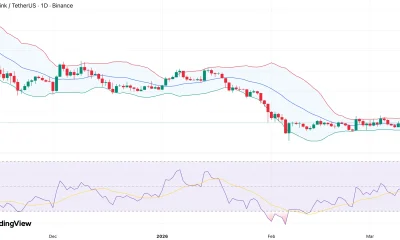
Will Chainlink price reclaim $10 amid volatility squeeze?
-

 Sports5 days ago
Tomorrow’s Top 25 Today: Florida jumps to No. 4; Louisville, Wisconsin enter projected rankings
-

 Sports3 days ago
PWHL, Senators discussing plan to keep Charge in Ottawa