

Business
The ‘Problem’ With Micron’s Guidance (NASDAQ:MU)



Uttam is a growth-oriented investment analyst whose equity research primarily focuses on the technology sector. Semiconductors, Artificial Intelligence and Cloud software are some of the key sectors that are regularly researched and published by him. His research also focuses on other areas such as MedTech, Defense Tech, and Renewable Energy. In addition, Uttam also authors The Pragmatic Optimist Newsletter along with his wife, Amrita Roy, who is also an author on the newsletter as well as on this platform. Their newsletter gets regularly cited by leading publications such as the Wall Street Journal, Forbes, etc. Prior to publishing his research, Uttam worked in Silicon Valley, leading teams for some of the largest technology firms in the world, including Apple and Google.
Analyst’s Disclosure: I/we have no stock, option or similar derivative position in any of the companies mentioned, and no plans to initiate any such positions within the next 72 hours. I wrote this article myself, and it expresses my own opinions. I am not receiving compensation for it (other than from Seeking Alpha). I have no business relationship with any company whose stock is mentioned in this article.
Seeking Alpha’s Disclosure: Past performance is no guarantee of future results. No recommendation or advice is being given as to whether any investment is suitable for a particular investor. Any views or opinions expressed above may not reflect those of Seeking Alpha as a whole. Seeking Alpha is not a licensed securities dealer, broker or US investment adviser or investment bank. Our analysts are third party authors that include both professional investors and individual investors who may not be licensed or certified by any institute or regulatory body.

Business
(PHOTO) Olivia Rodrigo Stuns in FC Barcelona Kit as Spotify Collaboration Sparks Viral Frenzy

BARCELONA, Spain — Global pop superstar Olivia Rodrigo has ignited social media after being unveiled as the latest face of a major Spotify and FC Barcelona collaboration, posing in the club’s iconic kit and instantly winning over millions of fans with her genuine enthusiasm for the Catalan club. The Instagram post shared by FC Barcelona’s official account on April 30 quickly became one of the most engaged football-related posts of the year, blending music, sports and pop culture in a moment that perfectly captures the power of modern celebrity crossovers.
The image shows Rodrigo wearing the classic blue and red Barça jersey with visible delight, accompanied by the caption “The kit. The colors. The dream ✨” and the Catalan phrase “Una culer més” (One more culer), referring to a new member of the club’s passionate fanbase. Spotify, a longtime partner of the club, co-promoted the post, highlighting the intersection of music and football in today’s entertainment landscape.
The post exploded across platforms, amassing millions of likes, comments and shares within hours. Fans from both the music and football worlds flooded the comments with heart emojis, excitement and playful memes. Many noted Rodrigo’s authentic smile and how naturally she wore the kit, while others celebrated the collaboration as a smart move to attract younger, global audiences to the club.
Rodrigo, known for her deeply personal and emotionally raw music, has built a massive international following since bursting onto the scene with her debut album “Sour” in 2021. Her willingness to embrace football culture resonates with fans who see her as relatable and down-to-earth despite her superstar status. The collaboration with Spotify and Barça appears to be part of a broader strategy to connect the streaming giant’s artists with major sports properties, creating unique cultural moments that drive engagement across both industries.
FC Barcelona has increasingly leaned into entertainment partnerships in recent years as it seeks to expand its global brand beyond traditional football audiences. Previous collaborations with artists, fashion brands and tech companies have helped the club maintain its cultural relevance even during periods of on-pitch transition. Bringing in a young, influential artist like Olivia Rodrigo signals the club’s desire to appeal to Gen Z and millennial fans who consume content across multiple platforms.
The timing of the announcement also adds significance. With the 2025-26 La Liga season well underway and European competitions heating up, the club is looking to boost fan engagement and commercial revenue. Spotify’s involvement provides a powerful distribution channel, potentially exposing the club to millions of music fans who may not traditionally follow football.
Social media reactions have been overwhelmingly positive. Comments range from “This is the crossover we didn’t know we needed” to “Olivia looking absolutely stunning in Blaugrana.” Many fans expressed surprise and delight at seeing the singer embrace the club’s colors so enthusiastically. The post has also sparked light-hearted debates about which musicians would make the best football ambassadors, with some suggesting other artists for future collaborations.
For Olivia Rodrigo herself, the moment fits her pattern of authentic self-expression and cultural exploration. The singer has never been afraid to show her personal interests publicly, and her visible joy in the Barça kit suggests a genuine connection rather than a purely commercial arrangement. Her fans, known as “Sour Army,” have rallied behind the post, creating fan edits, memes and artwork that blend her music with football imagery.
The collaboration also highlights the growing intersection between music and sports. Artists increasingly see value in aligning with major clubs for global exposure, while clubs benefit from the cultural cachet and younger demographics artists bring. Spotify, which already has a strong partnership with FC Barcelona, continues to expand its influence in sports marketing, using its platform to create unique content experiences for fans.
Industry experts view this as part of a larger trend where entertainment properties blur traditional boundaries. As streaming services and social media redefine how audiences consume content, collaborations like this one become powerful tools for engagement and brand building. For FC Barcelona, it reinforces the club’s status as a global cultural icon beyond the pitch. For Olivia Rodrigo, it adds another dimension to her already multifaceted public persona.
As the post continues to circulate and generate conversation, it serves as a reminder of the unifying power of sport and music. In an increasingly divided world, moments like Olivia Rodrigo proudly wearing the Barça kit create shared joy and connection across different fan communities. Whether this leads to further collaborations or remains a one-off cultural moment, it has already succeeded in capturing attention and sparking genuine excitement.
For fans of both the singer and the club, the image represents more than just a promotional post — it symbolizes the beautiful overlap of passions that make modern entertainment culture so vibrant. As summer approaches and football seasons reach their climax, expect more creative crossovers that bring artists and athletes together in unexpected and delightful ways.
The viral success of this single Instagram post demonstrates the enduring appeal of authentic moments in an age of carefully curated content. Olivia Rodrigo’s genuine smile in the famous red and blue kit has reminded millions why both music and football continue to hold such powerful places in people’s hearts.
Business
(VIDEO) Teen Arrested After Alleged Assault on Convicted Sex Offender Amos Yee at Suntec Anime Event

SINGAPORE — A teenager was arrested for causing public nuisance after allegedly assaulting 27-year-old convicted child sex offender Amos Yee outside the Doujin Market anime convention at Suntec Singapore Convention and Exhibition Centre on Saturday, police said. Videos circulating on social media showed the incident, which occurred around 2.15pm on May 9, with the 18-year-old cosplayer seen repeatedly striking Yee as he crouched on the floor.

Officers from the Singapore Police Force responded quickly to a call for assistance and established that a 27-year-old man had sustained minor injuries after being assaulted by the teenager. The 18-year-old was arrested at the scene. Police investigations are ongoing, and no further details about the motive or any prior interaction between the two have been released.
Yee, who gained notoriety as a controversial YouTuber and blogger before his conviction, had reportedly been banned from the Doujin Market event due to safety concerns raised by attendees regarding his presence near minors. Organizers of the anime convention confirmed they had cancelled his tickets and prohibited him from entering. Despite this, Yee appeared at the venue, leading to the confrontation outside the convention hall.
Videos of the incident spread rapidly online, showing the cosplayer — dressed as a character from the popular anime “Jujutsu Kaisen” — raining punches, kicks and elbows on Yee while he was on the ground. Yee did not appear to fight back and was heard saying “What are you doing?” as the assault continued. Onlookers largely watched without intervening, though some shouted for the attacker to stop. Yee sustained a bloodied lip and other minor injuries but reportedly declined immediate medical treatment, stating he could not afford it.
Background on Amos Yee
Amos Yee Pang Sang first rose to prominence in Singapore as a teenager known for provocative online videos criticizing religion and government figures. He was convicted multiple times for offenses including wounding religious feelings and failing to report for national service. In 2015, he was sentenced to jail for posting content deemed offensive. Yee later fled to the United States, where he was granted asylum but faced further legal troubles, including convictions for child sex offenses. He was deported back to Singapore in March 2026 and arrested upon arrival for enlistment-related offenses. He was released on $10,000 bail shortly after.
His presence at the anime convention, despite being banned, sparked immediate backlash from attendees concerned about child safety. The Doujin Market is a popular event for anime and manga enthusiasts, attracting families and young fans, which made Yee’s attendance particularly controversial.
Police Action and Legal Proceedings
The arrested teenager faces charges for causing public nuisance. Under Singapore law, this offense can carry fines or short jail terms depending on the circumstances. Police have not released the suspect’s identity, consistent with standard practice for juveniles or young offenders in minor cases. Investigations are continuing to determine if any other offenses, such as voluntarily causing hurt, apply.
Yee has not made any public statement following the incident beyond a brief social media post showing his injuries. His legal team has not commented on whether they plan to pursue any action against the attacker.
Public Reaction and Online Debate
The incident has sparked intense discussion online, with opinions sharply divided. Many users condemned the violence, arguing that even controversial figures deserve protection from physical assault. Others expressed little sympathy for Yee due to his past convictions, with some suggesting the attack was a form of vigilante justice. Several comments highlighted the failure of bystanders to intervene promptly.
Anime convention organizers issued a statement emphasizing their commitment to creating a safe space for all attendees, particularly minors. They reiterated that Yee had been banned and said they are cooperating fully with police. The broader Singaporean online community has been debating issues of free speech, accountability and the limits of public confrontation.
Broader Context of the Case
Amos Yee’s return to Singapore in March 2026 after deportation from the United States renewed public interest in his story. His history of provocative content, legal troubles and convictions for sexual offenses have made him a polarizing figure. The latest incident at Suntec City adds another layer to his controversial public life and raises questions about how society handles individuals with such backgrounds in public spaces.
The assault also highlights ongoing concerns about safety at public events, particularly those attracting young audiences. Convention organizers across Singapore may review their security protocols and banning procedures in light of this event.
As police investigations continue, authorities have appealed for witnesses to come forward with any additional footage or information. The case remains active, and further updates are expected as forensic and witness statements are reviewed.
For now, the incident serves as a stark reminder of the deep divisions and strong emotions surrounding high-profile controversial figures in Singapore. Whether the teenager’s actions were spontaneous or stemmed from prior grievances may become clearer as the investigation unfolds. In the meantime, the public continues to debate the boundaries of acceptable response to individuals like Amos Yee in shared community spaces.
The Singapore Police Force has reminded the public that vigilante actions are unacceptable and that all disputes should be handled through legal channels. As the investigation proceeds, both the victim and the suspect will be subject to due process under the law.
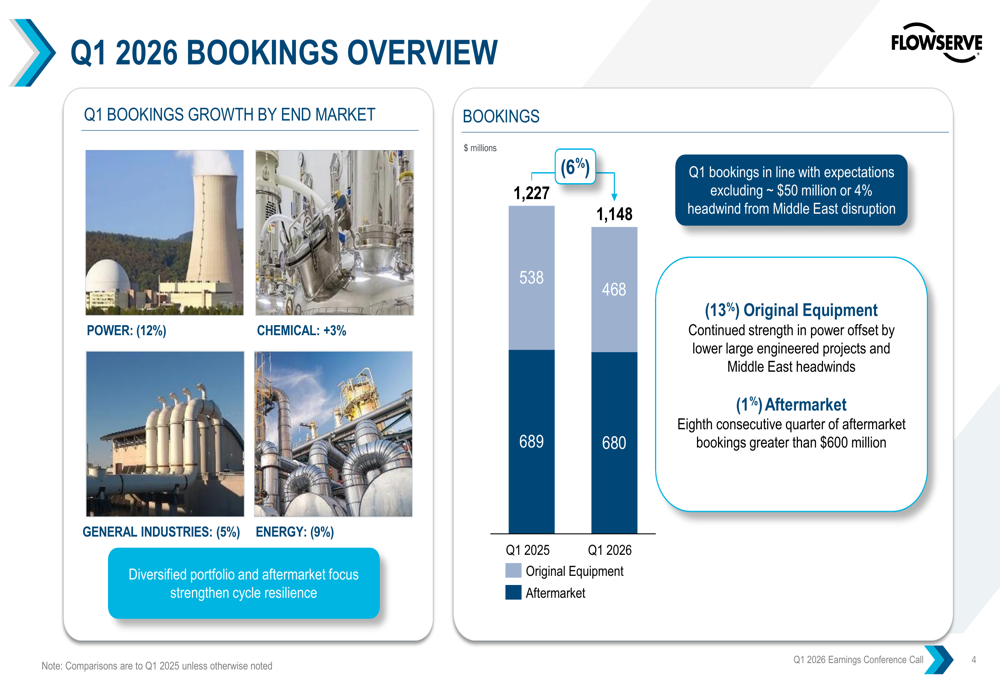
Flowserve Q1 2026 slides: margins expand despite Middle East headwinds


European states to send planes to evacuate citizens from hantavirus-hit cruise ship

Operator
Thank you for joining us, and welcome to the nLIGHT, Inc. First Quarter 2026 Earnings Call. [Operator Instructions]
I will now hand the conference over to John Marchetti, Vice President of Corporate Development and Head of Investor Relations. John, please go ahead.
John Marchetti
Vice President of Corporate Development & Investor Relations
Good afternoon, everyone. Thank you for joining us today to discuss nLIGHT’s first quarter 2026 Earnings Results. I’m John Marchetti, nLIGHT’s VP of Corporate Development and the Head of Investor Relations. With me on the call today are Scott Keeney, nLIGHTs Chairman and CEO; and Joe Corso, nLIGHT’s CFO.
Today’s discussion will contain forward-looking statements, including financial projections and plans for our business, some of which are beyond our control, including the risks and uncertainties described from time to time in our SEC filings. Our results may differ materially from those projected on today’s call, and we undertake no obligation to update publicly any forward-looking statement, except as required by law.
During the call, we will be discussing certain non-GAAP financial measures. We have provided reconciliations of these non-GAAP financial measures to the most directly comparable GAAP financial measures in our earnings release and in our earnings presentation, both of which can be found on the Investor Relations section of our

Earnings call transcript: Amgen Q1 2026 beats EPS forecast, stock dips
Earnings call transcript: LPL Financial Q1 2026 beats forecasts, stock dips
Business
Is Amazon Down Now? AWS Hit by Ongoing Outage as Data Center Issues Disrupt Shopping and Cloud Services
SEATTLE — Amazon.com and its cloud computing arm Amazon Web Services faced significant disruptions Thursday as a lingering data center overheating problem in Northern Virginia continued to affect customers, with many users reporting difficulties accessing the retail website, placing orders and using AWS-powered applications. While core shopping functionality has largely recovered for most users, the outage — now entering its second day — has highlighted the far-reaching impact of AWS when even a single region encounters technical difficulties.
The issues originated from elevated temperatures in a key US-East-1 data center, forcing Amazon to throttle certain services and prioritize recovery efforts. As of late Thursday, the company reported that recovery was progressing but acknowledged that full restoration could take several more hours. The outage has affected a wide range of services and third-party websites that rely on AWS infrastructure, including streaming platforms, financial apps and major online retailers.
Downdetector showed sustained spikes in user reports for both Amazon.com and AWS, with many customers complaining about slow loading times, failed checkouts and error messages when trying to access their accounts or complete purchases. While the main retail website has been partially operational, some features like personalized recommendations and rapid delivery options have been inconsistent.
Widespread Impact on Businesses and Consumers
The outage has ripple effects across the internet. Popular services hosted on AWS, including parts of Coinbase, FanDuel and various analytics platforms, experienced intermittent problems. Smaller e-commerce businesses that rely on Amazon’s infrastructure for hosting and payment processing reported lost sales and frustrated customers. For individual shoppers, the timing — during a busy pre-weekend period — added inconvenience as many tried to complete online orders.
Amazon has not released an official estimate of the financial impact, but analysts suggest the disruption could cost millions in lost revenue and damaged customer trust. This marks the latest in a series of high-profile cloud outages that have raised questions about over-reliance on single providers for critical internet infrastructure.
Amazon’s Response and Recovery Efforts
Amazon Web Services updated its Service Health Dashboard regularly, noting that engineers were working to restore normal cooling capacity and bring affected systems back online. The company emphasized that no customer data was compromised and that the issue was isolated to environmental factors within one facility. Customers with critical workloads were advised to use multi-region architectures or activate backup systems where available.
In a statement, an AWS spokesperson said, “We are making progress toward resolving the impaired instances and degraded volumes. We apologize for the inconvenience this has caused and appreciate our customers’ patience as we work to restore full service.” Service credits for affected accounts are expected, though formal details have not yet been announced.
Broader Context for Cloud Reliability
The incident underscores ongoing debates about cloud concentration risks. US-East-1 in Northern Virginia remains one of the most heavily used AWS regions globally, powering a significant portion of the internet’s infrastructure. While AWS offers multiple availability zones for redundancy, many customers still concentrate workloads in this popular region for latency and cost reasons.
Competitors Microsoft Azure and Google Cloud have used the opportunity to highlight their own multi-region capabilities, though all major providers have experienced similar regional outages in the past. The event may prompt more organizations to review their disaster recovery and business continuity plans, especially those running mission-critical applications.
Advice for Affected Users
For shoppers facing issues on Amazon.com:
- Try refreshing the page or using a different browser/device.
- Clear cache and cookies or attempt an incognito window.
- Check the Amazon app separately, as mobile and desktop experiences can vary.
- Use alternative retailers temporarily if urgent purchases are needed.
- Monitor the official AWS Health Dashboard for updates.
Business customers using AWS services should activate failover protocols, monitor dashboards closely and document any business impact for potential compensation claims.
Long-Term Implications
As Amazon works toward full restoration, attention will turn to any post-incident review and potential infrastructure improvements. The company has a strong track record of learning from such events to enhance overall resilience. However, repeated high-profile outages could push some enterprise customers toward multi-cloud strategies or increased investment in on-premises backups.
For individual consumers, the outage serves as a reminder of how central Amazon has become to daily life — from shopping and streaming to cloud services that power countless websites and apps. While disruptions are relatively rare given the scale of AWS operations, even brief outages can cause significant inconvenience in our increasingly digital world.
As of Thursday evening, partial functionality had returned for most users, though some lingering issues persisted in specific services. Amazon is expected to provide a more detailed update once systems fully stabilize. In the meantime, customers are advised to remain patient and use alternative options where necessary.
The Amazon outage, while disruptive, highlights both the platform’s massive popularity and the challenges of maintaining perfect uptime at global scale. As demand for cloud services and online shopping continues to grow, reliability will remain a critical factor determining which providers earn long-term customer loyalty.
Operator
Good morning, ladies and gentlemen, and welcome to the Genco Shipping & Trading Limited First Quarter 2026 Earnings Conference Call and Presentation. Before we begin, please note that there will be a slide presentation accompanying today’s conference call. That presentation can be obtained from Genco’s website at www.gencoshipping.com.
To inform everyone, today’s conference is being recorded and is now being webcast at the company’s website, www.gencoshipping.com [Operator Instructions]. A webcast replay will also be available via link provided in today’s press release as well as on the company’s website.
At this time, I will now turn the conference over to the company. Please go ahead.
Peter Allen
Chief Financial Officer
Good morning. Before we begin our presentation, I note that in this conference call, we will be making certain forward-looking statements pursuant to the safe harbor provisions of the Private Securities Litigation Reform Act of 1995. Such forward-looking statements use words such as anticipate, budget, estimate, expect, project, intend, plan, believe and other words in terms of similar meaning in connection with the discussion of potential future events, circumstances or future operating or financial performance.
These forward-looking statements are based on management’s current expectations and observations. For a discussion of factors that could cause results to differ, please see the company’s press release that was issued yesterday, the materials relating to this call posted


UK deploys warship to Middle East with eye on potential Hormuz mission

‘Reacher’ Star Alan Ritchson Swaps Fists for Heart in This Underrated Streaming Favorite

(PHOTO) Olivia Rodrigo Stuns in FC Barcelona Kit as Spotify Collaboration Sparks Viral Frenzy

Swiss central bank bitcoin reserve push fails over signature shortfall

Manchester United reach agreement with Casemiro over contract clause amid transfer speculation

US brings back mandatory military draft registration

Steven Gerrard disagrees with Gary Neville over ‘shock’ Chelsea and Arsenal claim | Football


-
 Crypto World1 day ago
HarrisX Poll Found 52% of Registered Voters Support the CLARITY Act
-

 NewsBeat6 days ago
Channel 5 – All Creatures Great and Small series 7 new post
-

 Crypto World2 days ago
Upbit adds B3 Korean won pair as Base token gains Korea access
-

 Tech5 days ago
Image AI models now drive app growth, beating chatbot upgrades
-

 News Videos6 days ago
AP Dhillon – Old Money (Official Audio)
-
 NewsBeat2 days ago
NCP car park operator enters administration putting 340 UK sites at risk of closure
-

 Fashion22 hours ago
Weekend Open Thread: Marianne Dress
-
Entertainment7 days ago
New Netflix Movies in May 2026 — My Top 3 Picks to Stream
-

 Sports7 days ago
Five killed in Texas plane crash identified as Amarillo pickleball players
-
 Crypto World7 days ago
Pi Network Mandates Protocol 23 Upgrade for All Mainnet Nodes Before May 15 Deadline
-
Entertainment7 days ago
Anna Nicole Smith’s Daughter Attends 2026 Kentucky Derby
-

 Crypto World7 days ago
Bitcoin mining equities rise in 2026 as BTC lags behind
-

 Entertainment7 days ago
Melissa Joan Hart and More Stars Attend 2026 Kentucky Derby
-
Entertainment7 days ago
Venus Williams’ Best Met Gala Looks Over the Years
-
 Business3 hours ago
Ignore market noise, India’s long-term story intact, say D-Street bulls Ramesh Damani and Sunil Singhania
-

 Business6 days ago
Luka Doncic Injury Update: Doncic’s Hamstring Recovery Slows Lakers’ Hopes Against Thunder: Can He Run Yet?
-
 Entertainment7 days ago
Netflix’s 10-Part Miniseries Based on a True Story Is a Perfect Weekend Binge
-
Entertainment7 days ago
“Storage Wars” star Darrell Sheets' ex-wife breaks silence on his death
-

 Sports6 days ago
Is Man United v Liverpool on TV? Channel, streaming and how to watch Premier League fixture
-

 Business7 days ago
Kuwait International Airport Resumes Operations After Closure as Regional Tensions Ease in 2026
You must be logged in to post a comment Login