
Business
Thomson Reuters Reports Fourth-Quarter and Full-Year 2025 Results


- Solid revenue momentum continued in the fourth quarter and full year 2025
- Full-year total company revenues up 3% / organic revenues up 7%
- Fourth-quarter total company revenues up 5% / organic revenues up 7%
- Organic revenues up 9% for the “Big 3” segments (Legal Professionals, Corporates and Tax, Audit & Accounting Professionals) in the fourth quarter and full year
- Met full-year 2025 outlook for organic revenue growth and adjusted EBITDA margin for total company and “Big 3”; Met free cash flow outlook
- Full-year 2026 outlook anticipates organic revenue growth of approximately 7.5% – 8.0% and adjusted EBITDA margin expansion of approximately 100 basis points from 39.2% in 2025
- Increased annualized dividend by 10% to
$2.62 per common share (33rd consecutive annual increase)
“Our fourth‑quarter results capped a year of important progress for
Hasker added, “We remain focused on allocating capital to drive long-term shareholder value creation. Last year we executed several strategic acquisitions and continued to return capital to shareholders, enabling us to enter this year with a stronger and more strategically aligned portfolio with improved growth prospects.”
Consolidated Financial Highlights – Three Months Ended
|
Three months ended |
||||||||||
|
(Millions of |
||||||||||
|
(unaudited) |
||||||||||
|
IFRS Financial Measures(1) |
2025 |
2024 |
Change |
|||||||
|
Revenues |
|
|
5 % |
|||||||
|
Operating profit |
|
|
-25 % |
|||||||
|
Diluted earnings per share (EPS) |
|
|
-43 % |
|||||||
|
Net cash provided by operating activities |
|
|
35 % |
|||||||
|
Non-IFRS Financial Measures(1) |
2025 |
2024 |
Change |
Change at |
||||||
|
Revenue growth in constant currency |
5 % |
|||||||||
|
Organic revenue growth |
7 % |
|||||||||
|
Adjusted EBITDA |
|
|
8 % |
8 % |
||||||
|
Adjusted EBITDA margin |
38.7 % |
37.6 % |
110bp |
140bp |
||||||
|
Adjusted EPS |
|
|
6 % |
7 % |
||||||
|
Free cash flow |
|
|
38 % |
|||||||
|
(1) In addition to results reported in accordance with International Financial Reporting Standards (IFRS), the company uses certain non- |
||||||||||
Revenues increased 5% due to 6% growth in recurring revenues (84% of total revenues) and 11% growth in transactions revenues, partly offset by a 6% decline in Global Print. Total company revenue growth was negatively impacted by net acquisitions and disposals of 3%. Foreign currency had a slightly positive impact on revenue growth.
- Organic revenues increased 7% reflecting 9% growth in recurring revenues, 8% growth in transactions revenues and a 6% decline in Global Print.
- The company’s “Big 3” segments reported organic revenue growth of 9% and collectively comprised 82% of total revenues.
Operating profit decreased 25% primarily due to other operating gains in the prior-year period substantially related to the sale of
- Adjusted EBITDA, which excludes other operating gains, amortization of software, as well as other adjustments, increased 8% and the related margin increased to 38.7% from 37.6% in the prior-year period, primarily due to higher operating leverage. Foreign currency negatively impacted the year-over-year change in adjusted EBITDA margin by 30 basis points.
Diluted EPS decreased to
- Adjusted EPS, which excludes net other operating gains, other finance costs or income, as well as other adjustments, increased to
$1.07 per share compared to$1.01 per share in the prior-year period, primarily due to higher adjusted EBITDA, partly offset by higher amortization of internally developed software and interest expense.
Net cash provided by operating activities increased by
- Free cash flow increased by
$156 million as higher net cash provided by operating activities was partly offset by lower cash flows from other investing activities, which included a cash flow benefit in the prior-year period.
Highlights by Customer Segment – Three Months Ended
|
(Millions of |
||||||||||||
|
(unaudited) |
||||||||||||
|
Three months ended |
Change |
|||||||||||
|
2025 |
2024 |
Total |
Constant |
Organic(1)(2) |
||||||||
|
Revenues |
||||||||||||
|
Legal Professionals |
|
|
1 % |
1 % |
9 % |
|||||||
|
Corporates |
496 |
458 |
8 % |
7 % |
9 % |
|||||||
|
Tax, Audit & Accounting Professionals |
414 |
366 |
13 % |
13 % |
11 % |
|||||||
|
“Big 3” Segments Combined(1) |
1,648 |
1,553 |
6 % |
5 % |
9 % |
|||||||
|
|
232 |
218 |
7 % |
6 % |
5 % |
|||||||
|
Global Print |
136 |
144 |
-6 % |
-6 % |
-6 % |
|||||||
|
Eliminations/Rounding |
(7) |
(6) |
||||||||||
|
Total Revenues |
|
|
5 % |
5 % |
7 % |
|||||||
|
Adjusted EBITDA(1) |
||||||||||||
|
Legal Professionals |
|
|
9 % |
9 % |
||||||||
|
Corporates |
160 |
153 |
4 % |
4 % |
||||||||
|
Tax, Audit & Accounting Professionals |
222 |
196 |
14 % |
13 % |
||||||||
|
“Big 3” Segments Combined(1) |
709 |
648 |
9 % |
9 % |
||||||||
|
|
48 |
45 |
7 % |
12 % |
||||||||
|
Global Print |
54 |
55 |
-2 % |
-2 % |
||||||||
|
Corporate costs |
(34) |
(30) |
n/a |
n/a |
||||||||
|
Total Adjusted EBITDA |
|
|
8 % |
8 % |
||||||||
|
Adjusted EBITDA Margin(1) |
||||||||||||
|
Legal Professionals |
44.3 % |
41.0 % |
330bp |
350bp |
||||||||
|
Corporates |
32.2 % |
33.5 % |
-130bp |
-70bp |
||||||||
|
Tax, Audit & Accounting Professionals |
53.6 % |
53.4 % |
20bp |
0bp |
||||||||
|
“Big 3” Segments Combined(1) |
43.0 % |
41.7 % |
130bp |
150bp |
||||||||
|
|
21.0 % |
20.8 % |
20bp |
140bp |
||||||||
|
Global Print |
39.6 % |
38.2 % |
140bp |
160bp |
||||||||
|
Total Adjusted EBITDA Margin |
38.7 % |
37.6 % |
110bp |
140bp |
||||||||
|
(1) See the “Non-IFRS Financial Measures” section and the tables appended to this news release for additional information on these and |
||||||||||||
|
(2) Computed for revenue growth only. |
||||||||||||
|
n/a: not applicable |
||||||||||||
Unless otherwise noted, all revenue growth comparisons by customer segment in this news release are at constant currency (which excludes the impact of foreign currency) as the company believes this provides the best basis to measure performance.
Legal Professionals
Revenues increased 1% despite the disposal of
- Recurring revenues increased 1% (97% of total, increased 8% organic). Organic revenue growth was primarily driven by Westlaw, CoCounsel and
Practical Law . - Transactions revenues were essentially unchanged (3% of total, increased 28% organic).
Adjusted EBITDA increased 9% to
- The margin increased to 44.3% from 41.0% primarily reflecting higher operating leverage as well as the disposal of the lower margin FindLaw business in the prior-year period.
Corporates
Revenues increased 7% despite a negative impact from the sale of certain non-core businesses. Organic revenues increased 9%.
- Recurring revenues increased 7% (88% of total, increased 9% organic). Organic revenue growth was primarily driven by Indirect Tax, Direct Tax, Westlaw,
Practical Law ,Pagero and the segment’s international businesses. - Transactions revenues increased 7% (12% of total, all organic). Organic revenue growth was primarily driven by increases in Indirect Tax, Global Trade and the segment’s international businesses.
Adjusted EBITDA increased 4% to
Tax, Audit & Accounting Professionals
Revenues increased 13%, including the acquisition impact of SafeSend which was reflected in transactions revenues. Organic revenue growth was 11%.
- Recurring revenues increased 12% (86% of total, all organic). Organic revenue growth was primarily driven by UltraTax, CoCounsel and the segment’s
Latin America business. - Transactions revenues increased 19% (14% of total, increased 3% organic). Organic revenue growth was primarily driven by SafeSend and the segment’s international businesses.
Adjusted EBITDA increased 14% to
The Tax, Audit & Accounting Professionals segment is the company’s most seasonal business with approximately 60% of full-year revenues typically generated in the first and fourth quarters. As a result, the margin performance of this segment has been generally higher in the first and fourth quarters as costs are typically incurred in a more linear fashion throughout the year.
Revenues increased 6% (5% organic), primarily due to higher generative AI related transactional content licensing revenue in the Agency business, as well as a contractual price increase from the company’s news agreement with the Data & Analytics business of London Stock Exchange Group (LSEG).
Adjusted EBITDA increased 7% to
Global Print
Revenues decreased 6%, all organic, driven by lower shipment volumes.
Adjusted EBITDA decreased 2% to
Corporate Costs
Corporate costs were
Consolidated Financial Highlights – Year Ended
|
Year ended |
||||||||||
|
(Millions of |
||||||||||
|
(unaudited) |
||||||||||
|
IFRS Financial Measures(1) |
2025 |
2024 |
Change |
|||||||
|
Revenues |
|
|
3 % |
|||||||
|
Operating profit |
|
|
1 % |
|||||||
|
Diluted EPS |
|
|
-32 % |
|||||||
|
Net cash provided by operating activities |
|
|
8 % |
|||||||
|
Non-IFRS Financial Measures(1) |
2025 |
2024 |
Change |
Change at |
||||||
|
Revenue growth in constant currency |
3 % |
|||||||||
|
Organic revenue growth |
7 % |
|||||||||
|
Adjusted EBITDA |
|
|
6 % |
5 % |
||||||
|
Adjusted EBITDA margin |
39.2 % |
38.2 % |
100bp |
80bp |
||||||
|
Adjusted EPS |
|
|
4 % |
4 % |
||||||
|
Free cash flow |
|
|
7 % |
|||||||
|
(1) In addition to results reported in accordance with IFRS, the company uses certain non-IFRS financial measures as supplemental |
||||||||||
Revenues increased 3% due to 3% growth in recurring revenues (81% of total revenues) and 5% growth in transactions revenues, partly offset by a 6% decline in Global Print. Total company revenue growth was negatively impacted by net acquisitions and disposals of 4%. Foreign currency had no impact on revenue growth.
- Organic revenues increased 7% reflecting 9% growth in recurring revenues, 4% growth in transactions revenues and a 5% decline in Global Print.
- The company’s “Big 3” segments reported organic revenue growth of 9% and collectively comprised 82% of total revenues.
Operating profit increased 1% primarily driven by the net impact of higher revenues and operating expenses, partially offset by higher amortization of software.
- Adjusted EBITDA, which excludes amortization of software, as well as other adjustments, increased 6% and the related margin increased to 39.2% from 38.2%, primarily due to higher operating leverage. Foreign currency contributed 20 basis points to the year-over-year change in adjusted EBITDA margin.
Diluted EPS decreased to
- Adjusted EPS, which excludes the non-cash tax benefit, as well as other adjustments, increased to
$3.92 per share compared to$3.77 per share in the prior year, primarily due to higher adjusted EBITDA, partly offset by higher amortization of internally developed software, income tax expense and interest expense.
Net cash provided by operating activities increased by
- Free cash flow increased by
$122 million as higher net cash provided by operating activities was partly offset by higher capital expenditures and lower cash flows from other investing activities.
Highlights by Customer Segment – Year Ended
|
(Millions of |
||||||||||||
|
(unaudited) |
||||||||||||
|
Year ended |
Change |
|||||||||||
|
2025 |
2024 |
Total |
Constant |
Organic(1)(2) |
||||||||
|
Revenues |
||||||||||||
|
Legal Professionals |
|
|
-2 % |
-2 % |
8 % |
|||||||
|
Corporates |
1,987 |
1,844 |
8 % |
7 % |
9 % |
|||||||
|
Tax, Audit & Accounting Professionals |
1,302 |
1,165 |
12 % |
13 % |
11 % |
|||||||
|
“Big 3” Segments Combined(1) |
6,157 |
5,931 |
4 % |
4 % |
9 % |
|||||||
|
|
853 |
832 |
3 % |
2 % |
1 % |
|||||||
|
Global Print |
490 |
519 |
-6 % |
-5 % |
-5 % |
|||||||
|
Eliminations/Rounding |
(24) |
(24) |
||||||||||
|
Total Revenues |
|
|
3 % |
3 % |
7 % |
|||||||
|
Adjusted EBITDA(1) |
||||||||||||
|
Legal Professionals |
|
|
4 % |
3 % |
||||||||
|
Corporates |
716 |
671 |
7 % |
6 % |
||||||||
|
Tax, Audit & Accounting Professionals |
623 |
527 |
18 % |
19 % |
||||||||
|
“Big 3” Segments Combined(1) |
2,695 |
2,500 |
8 % |
7 % |
||||||||
|
|
174 |
196 |
-11 % |
-11 % |
||||||||
|
Global Print |
185 |
188 |
-2 % |
-2 % |
||||||||
|
Corporate costs |
(118) |
(105) |
n/a |
n/a |
||||||||
|
Total Adjusted EBITDA |
|
|
6 % |
5 % |
||||||||
|
Adjusted EBITDA Margin(1) |
||||||||||||
|
Legal Professionals |
47.3 % |
44.6 % |
270bp |
250bp |
||||||||
|
Corporates |
36.0 % |
36.3 % |
-30bp |
-30bp |
||||||||
|
Tax, Audit & Accounting Professionals |
47.1 % |
45.2 % |
190bp |
150bp |
||||||||
|
“Big 3” Segments Combined(1) |
43.6 % |
42.1 % |
150bp |
130bp |
||||||||
|
|
20.4 % |
23.6 % |
-320bp |
-290bp |
||||||||
|
Global Print |
37.7 % |
36.2 % |
150bp |
120bp |
||||||||
|
Total Adjusted EBITDA Margin |
39.2 % |
38.2 % |
100bp |
80bp |
||||||||
|
(1) See the “Non-IFRS Financial Measures” section and the tables appended to this news release for additional information on these and |
||||||||||||
|
(2) Computed for revenue growth only. |
||||||||||||
|
n/a: not applicable |
||||||||||||
2026 Outlook
The company’s outlook for 2026 in the table below assumes constant currency rates and does not factor in the impact of any future acquisitions or dispositions that may occur during the year.
The company expects its first-quarter 2026 organic revenue growth to be approximately 7% and its adjusted EBITDA margin to be approximately 42%.
The company’s 2026 outlook is forward-looking information that is subject to risks and uncertainties (see “Special Note Regarding Forward-Looking Statements, Material Risks and Material Assumptions”). In particular, the company continues to operate in an uncertain macroeconomic environment, reflecting ongoing geopolitical risk, uneven economic growth and an evolving interest rate and inflationary backdrop. Any worsening of the global economic or business environment, among other factors, could impact the company’s ability to achieve its outlook.
Reported Full-Year 2025 Results and Full-Year 2026 Outlook
|
Total |
FY 2025 Reported |
FY 2026 Outlook |
|
Total Revenue Growth |
3%(2) |
7.5% – 8.0% |
|
Organic Revenue Growth(1) |
7 % |
7.5% – 8.0% |
|
Adjusted EBITDA Margin(1) |
39.2 % |
+100bps vs 2025 |
|
Corporate Costs |
|
|
|
Free Cash Flow(1) |
|
~ |
|
Accrued Capex as % of Revenues(1) |
8.2 % |
~ 8.0% |
|
Depreciation & Amortization of Software Depreciation & Amortization of Amortization of |
|
|
|
Net Interest Expense |
|
|
|
Effective Tax Rate on Adjusted Earnings(1) |
18.5 % |
~ 19% |
|
“Big 3” Segments(1) |
FY 2025 Reported |
FY 2026 Outlook |
|
Total Revenue Growth |
4%(2) |
~ 9.5% |
|
Organic Revenue Growth |
9 % |
~ 9.5% |
|
Adjusted EBITDA Margin |
43.6 % |
+100bps vs 2025 |
|
(1) |
Non-IFRS financial measures. See the “Non-IFRS Financial Measures” section below as well as the tables appended to this news release for more information. |
|
(2) |
Total revenue growth reflects the impact of the disposals of |
The information in this section is forward-looking. Actual results, which will include the impact of currency, future acquisitions and dispositions completed during 2026, and macroeconomic events outside of the company’s control may differ materially from the company’s 2026 outlook. The information in this section should also be read in conjunction with the section below entitled “Special Note Regarding Forward-Looking Statements, Material Risks and Material Assumptions.” The company’s 2026 outlook is also based on certain assumptions described in the cross-referenced section, which the company believes are reasonable in the circumstances, and is subject to a number of risks, including those specifically identified in the cross-referenced section and those facing the company generally.
Segment Name Changes
As reflected in this earnings release, the company changed the names of its Tax & Accounting Professionals segment to Tax, Audit & Accounting Professionals and its
Dividends and Common Shares Outstanding
The company announced today that its Board of Directors approved a 10% or
In
NON-IFRS FINANCIAL MEASURES
This news release includes certain non-IFRS financial measures, which include ratios that incorporate one or more non-IFRS financial measures, such as adjusted EBITDA (other than at the customer segment level) and the related margin, free cash flow, adjusted earnings and the effective tax rate on adjusted earnings, adjusted EPS, accrued capital expenditures expressed as a percentage of revenues, net debt and leverage ratio of net debt to adjusted EBITDA, selected measures excluding the impact of foreign currency, changes in revenues computed on an organic basis as well as all financial measures for the “Big 3” segments. The company modified its definition of net debt to account for interest rate swap arrangements entered into during the third quarter of 2025. The change did not have a material impact on its calculation of net debt.
The company’s outlook contains various non-IFRS financial measures. The company believes that providing reconciliations of forward-looking non-IFRS financial measures in its outlook would be potentially misleading and not practical due to the difficulty of projecting items that are not reflective of ongoing operations in any future period. The magnitude of these items may be significant. Consequently, for purposes of its outlook only, the company is unable to reconcile these non-IFRS measures to the most directly comparable IFRS measures because it cannot predict, with reasonable certainty, the impacts of changes in foreign exchange rates which impact (i) the translation of its results reported at average foreign currency rates for the year, and (ii) other finance income or expense related to intercompany financing arrangements. Additionally, the company cannot reasonably predict the occurrence or amount of other operating gains and losses that generally arise from business transactions that the company does not currently anticipate.
ROUNDING
Other than EPS, the company reports its results in millions of
SPECIAL NOTE REGARDING FORWARD-LOOKING STATEMENTS, MATERIAL RISKS AND MATERIAL ASSUMPTIONS
Certain statements in this news release, including, but not limited to, statements in
Some of the material risk factors that could cause actual results or events to differ materially from those expressed in or implied by forward-looking statements in this news release include, but are not limited to, those discussed on pages 16-27 in the “Risk Factors” section of the company’s 2024 annual report. These and other risk factors are discussed in materials that
The company’s business 2026 outlook is based on information currently available to the company and is based on various external and internal assumptions made by the company in light of its experience and perception of historical trends, current conditions and expected future developments, as well as other factors that the company believes are appropriate under the circumstances. Material assumptions and material risks may cause actual performance to differ from the company’s expectations underlying its business outlook. In particular, the global economy has experienced substantial disruption due to concerns regarding economic effects associated with the macroeconomic backdrop and ongoing geopolitical risks. The company’s business outlook assumes that uncertain macroeconomic and geopolitical conditions will continue to disrupt the economy and cause periods of volatility, however, these conditions may last substantially longer than expected and any worsening of the global economic or business environment could impact the company’s ability to achieve its outlook and affect its results and other expectations. Material assumptions related to the company’s revenue outlook are that uncertain macroeconomic and geopolitical conditions will continue to disrupt the economy and cause periods of volatility; there will be a continued need for trusted products and services that help customers navigate evolving and complex legal, tax, audit, accounting, regulatory, geopolitical and commercial changes, developments and environments, and for cloud-based digital tools that drive productivity;
Material risks related to the company’s revenue outlook are that ongoing geopolitical instability and uncertainty regarding interest rates and inflation, continue to impact the global economy. The severity and duration of any one, or a combination, of these conditions could impact the global economy and lead to lower demand for our products and services (beyond our assumption that these disruptions will cause periods of volatility); uncertainty in the legal regulatory regime relating to artificial intelligence (AI) has made it difficult for the company to predict the risks associated with the use of AI in its businesses and products. Future legislation may make it harder for the company to conduct its business using AI, lead to regulatory fines or penalties, require it to change its product offerings or business practices or prevent or limit its use of AI; demand for the company’s products and services could be reduced by changes in customer buying patterns or in its inability to execute on key product design or customer support initiatives; competitive pricing actions and product innovation could impact the company’s revenues; and the company’s sales, commercial simplification and product initiatives may be insufficient to retain customers or generate new sales. Material risks related to the company’s adjusted EBITDA margin outlook are the same as the risks above related to the revenue outlook; higher than expected inflation may lead to greater than anticipated increase in labor costs, third-party supplier costs and costs of print materials; and acquisition and disposal activity may dilute the company’s adjusted EBITDA margin. Material risks related to the company’s free cash flow outlook are the same as the risks above related to the revenue and adjusted EBITDA margin targets; a weaker macroeconomic environment could negatively impact working capital performance, including the ability of the company’s customers to pay; capital expenditures may be higher than currently expected; and the timing and amount of tax payments to governments may differ from the company’s expectations. Material risks related to the company’s effective tax rate on adjusted earnings outlook are the same as the risks above related to adjusted EBITDA; a material change in the geographical mix of the company’s pre-tax profits and losses; a material change in current tax laws or treaties to which the company is subject, and did not expect; resolution of tax audits may cause material changes to assessments of uncertain tax positions as compared to current estimates; and depreciation and amortization of internally developed software as well as net interest expense may be significantly higher or lower than expected.
The company has provided an outlook for the purpose of presenting information about current expectations for the period presented. This information may not be appropriate for other purposes. You are cautioned not to place undue reliance on forward-looking statements which reflect expectations only as of the date of this news release.
Except as may be required by applicable law,
CONTACTS
|
|
|||||||
|
Consolidated Income Statement |
|||||||
|
(millions of |
|||||||
|
(unaudited) |
|||||||
|
Three Months Ended |
Year Ended |
||||||
|
2025 |
2024 |
2025 |
2024 |
||||
|
CONTINUING OPERATIONS |
|||||||
|
Revenues |
|
|
|
|
|||
|
Operating expenses |
(1,231) |
(1,183) |
(4,578) |
(4,471) |
|||
|
Depreciation |
(28) |
(26) |
(111) |
(113) |
|||
|
Amortization of software |
(187) |
(160) |
(721) |
(618) |
|||
|
Amortization of other identifiable intangible assets |
(25) |
(22) |
(98) |
(91) |
|||
|
Other operating gains, net |
2 |
204 |
164 |
144 |
|||
|
Operating profit |
540 |
722 |
2,132 |
2,109 |
|||
|
Finance costs, net: |
|||||||
|
Net interest expense |
(40) |
(28) |
(143) |
(125) |
|||
|
Other finance (costs) income |
(4) |
53 |
(55) |
45 |
|||
|
Income before tax and equity method investments |
496 |
747 |
1,934 |
2,029 |
|||
|
Share of post-tax (losses) earnings in equity method investments |
(5) |
(5) |
(28) |
40 |
|||
|
Tax (expense) benefit |
(158) |
(135) |
(423) |
123 |
|||
|
Earnings from continuing operations |
333 |
607 |
1,483 |
2,192 |
|||
|
(Loss) earnings from discontinued operations, net of tax |
(1) |
(20) |
19 |
15 |
|||
|
Net earnings |
|
|
|
|
|||
|
Earnings (loss) attributable to: |
|||||||
|
Common shareholders |
|
|
|
|
|||
|
Non-controlling interests |
– |
– |
– |
(3) |
|||
|
Earnings per share: |
|||||||
|
Basic earnings (loss) per share: |
|||||||
|
From continuing operations |
|
|
|
|
|||
|
From discontinued operations |
(0.01) |
(0.05) |
0.05 |
0.03 |
|||
|
Basic earnings per share |
|
|
|
|
|||
|
Diluted earnings (loss) per share: |
|||||||
|
From continuing operations |
|
|
|
|
|||
|
From discontinued operations |
(0.01) |
(0.04) |
0.04 |
0.04 |
|||
|
Diluted earnings per share |
|
|
|
|
|||
|
Basic weighted-average common shares |
445,215,119 |
450,077,127 |
448,971,715 |
450,609,712 |
|||
|
Diluted weighted-average common shares |
445,597,771 |
450,600,114 |
449,532,466 |
451,239,490 |
|||
|
|
|||||||
|
Consolidated Statement of Financial Position |
|||||||
|
(millions of |
|||||||
|
(unaudited) |
|||||||
|
|
|
||||||
|
2025 |
2024 |
||||||
|
Assets |
|||||||
|
Cash and cash equivalents |
|
|
|||||
|
Trade and other receivables |
1,143 |
1,087 |
|||||
|
Other financial assets |
94 |
35 |
|||||
|
Prepaid expenses and other current assets |
480 |
400 |
|||||
|
Current assets |
2,228 |
3,490 |
|||||
|
Property and equipment, net |
361 |
386 |
|||||
|
Software, net |
1,645 |
1,453 |
|||||
|
Other identifiable intangible assets, net |
3,102 |
3,134 |
|||||
|
|
7,913 |
7,262 |
|||||
|
Equity method investments |
202 |
269 |
|||||
|
Other financial assets |
466 |
442 |
|||||
|
Other non-current assets |
680 |
625 |
|||||
|
Deferred tax |
1,343 |
1,376 |
|||||
|
Total assets |
|
|
|||||
|
Liabilities and equity |
|||||||
|
Liabilities |
|||||||
|
Current indebtedness |
|
|
|||||
|
Payables, accruals and provisions |
1,090 |
1,091 |
|||||
|
Current tax liabilities |
224 |
197 |
|||||
|
Deferred revenue |
1,251 |
1,062 |
|||||
|
Other financial liabilities |
108 |
113 |
|||||
|
Current liabilities |
3,468 |
3,436 |
|||||
|
Long-term indebtedness |
1,328 |
1,847 |
|||||
|
Provisions and other non-current liabilities |
656 |
675 |
|||||
|
Other financial liabilities |
210 |
232 |
|||||
|
Deferred tax |
364 |
241 |
|||||
|
Total liabilities |
6,026 |
6,431 |
|||||
|
Equity |
|||||||
|
Capital |
3,597 |
3,498 |
|||||
|
Retained earnings |
9,220 |
9,699 |
|||||
|
Accumulated other comprehensive loss |
(903) |
(1,191) |
|||||
|
Total equity |
11,914 |
12,006 |
|||||
|
Total liabilities and equity |
|
|
|||||
|
|
|||||||
|
Consolidated Statement of Cash Flow |
|||||||
|
(millions of |
|||||||
|
(unaudited) |
|||||||
|
Three Months Ended |
Year Ended |
||||||
|
2025 |
2024 |
2025 |
2024 |
||||
|
Cash provided by (used in): |
|||||||
|
Operating activities |
|||||||
|
Earnings from continuing operations |
|
|
|
|
|||
|
Adjustments for: |
|||||||
|
Depreciation |
28 |
26 |
111 |
113 |
|||
|
Amortization of software |
187 |
160 |
721 |
618 |
|||
|
Amortization of other identifiable intangible assets |
25 |
22 |
98 |
91 |
|||
|
Share of post-tax losses (earnings) in equity method investments |
5 |
5 |
28 |
(40) |
|||
|
Net gains on disposals of businesses and investments |
(1) |
(195) |
(165) |
(192) |
|||
|
Deferred tax |
9 |
47 |
60 |
(640) |
|||
|
Other |
49 |
(22) |
272 |
151 |
|||
|
Changes in working capital and other items |
122 |
(76) |
43 |
176 |
|||
|
Operating cash flows from continuing operations |
757 |
574 |
2,651 |
2,469 |
|||
|
Operating cash flows from discontinued operations |
(1) |
(10) |
– |
(12) |
|||
|
Net cash provided by operating activities |
756 |
564 |
2,651 |
2,457 |
|||
|
Investing activities |
|||||||
|
Acquisitions, net of cash acquired |
(20) |
(130) |
(843) |
(622) |
|||
|
Proceeds related to disposals of businesses and investments |
2 |
297 |
254 |
326 |
|||
|
Proceeds from sales of LSEG shares |
– |
– |
– |
1,854 |
|||
|
Capital expenditures |
(158) |
(161) |
(634) |
(607) |
|||
|
Other investing activities |
– |
40 |
1 |
46 |
|||
|
Taxes paid on sales of LSEG shares and disposals |
(29) |
(115) |
(62) |
(317) |
|||
|
Net cash (used in) provided by investing activities |
(205) |
(69) |
(1,284) |
680 |
|||
|
Financing activities |
|||||||
|
Repayments of debt |
– |
– |
(999) |
(290) |
|||
|
Net (repayments) borrowings under short-term loan facilities |
(49) |
– |
290 |
(139) |
|||
|
Payments of lease principal |
(16) |
(17) |
(64) |
(63) |
|||
|
Repurchases of common shares |
(330) |
– |
(1,000) |
(639) |
|||
|
Dividends paid on preference shares |
(1) |
(1) |
(4) |
(5) |
|||
|
Dividends paid on common shares |
(256) |
(236) |
(1,035) |
(944) |
|||
|
Purchase of non-controlling interests |
– |
– |
– |
(384) |
|||
|
Other financing activities |
(6) |
2 |
(16) |
5 |
|||
|
Net cash used in financing activities |
(658) |
(252) |
(2,828) |
(2,459) |
|||
|
Translation adjustments |
– |
(6) |
4 |
(8) |
|||
|
(Decrease) increase in cash and cash equivalents |
(107) |
237 |
(1,457) |
670 |
|||
|
Cash and cash equivalents at beginning of period |
618 |
1,731 |
1,968 |
1,298 |
|||
|
Cash and cash equivalents at end of period |
|
|
|
|
|||
|
|
|||||
|
Reconciliation of Earnings from Continuing Operations to Adjusted EBITDA(1) |
|||||
|
(millions of |
|||||
|
(unaudited) |
|||||
|
Three months ended |
Year ended |
||||
|
2025 |
2024 |
2025 |
2024 |
||
|
Earnings from continuing operations |
|
|
|
|
|
|
Adjustments to remove: |
|||||
|
Tax expense (benefit) |
158 |
135 |
423 |
(123) |
|
|
Other finance costs (income) |
4 |
(53) |
55 |
(45) |
|
|
Net interest expense |
40 |
28 |
143 |
125 |
|
|
Amortization of other identifiable intangible assets |
25 |
22 |
98 |
91 |
|
|
Amortization of software |
187 |
160 |
721 |
618 |
|
|
Depreciation |
28 |
26 |
111 |
113 |
|
|
EBITDA |
|
|
|
|
|
|
Adjustments to remove: |
|||||
|
Share of post-tax losses (earnings) in equity method investments |
5 |
5 |
28 |
(40) |
|
|
Other operating gains, net |
(2) |
(204) |
(164) |
(144) |
|
|
Fair value adjustments* |
(1) |
(8) |
38 |
(8) |
|
|
Adjusted EBITDA(1) |
|
|
|
|
|
|
Adjusted EBITDA margin(1) |
38.7 % |
37.6 % |
39.2 % |
38.2 % |
|
|
* Fair value adjustments primarily represent gains or losses due to changes in foreign currency exchange rates on intercompany balances that arise in the ordinary course of business, which are a component of operating expenses, as well as adjustments related to acquired deferred revenue. |
|
|
|||||
|
Reconciliation of Net Cash Provided By Operating Activities to Free Cash Flow(1) |
|||||
|
(millions of |
|||||
|
(unaudited) |
|||||
|
Three months ended |
Year ended |
||||
|
2025 |
2024 |
2025 |
2024 |
||
|
Net cash provided by operating activities |
|
|
|
|
|
|
Capital expenditures |
(158) |
(161) |
(634) |
(607) |
|
|
Other investing activities |
– |
40 |
1 |
46 |
|
|
Payments of lease principal |
(16) |
(17) |
(64) |
(63) |
|
|
Dividends paid on preference shares |
(1) |
(1) |
(4) |
(5) |
|
|
Free cash flow(1) |
|
|
|
|
|
|
|
|||||||
|
Reconciliation of Capital Expenditures to Accrued Capital Expenditures(1) |
|||||||
|
(millions of |
|||||||
|
(unaudited) |
|||||||
|
Year ended |
|||||||
|
2025 |
|||||||
|
Capital expenditures |
|
||||||
|
Remove: IFRS adjustment to cash basis |
(18) |
||||||
|
Accrued capital expenditures(1) |
|
||||||
|
Accrued capital expenditures as a percentage of revenues(1) |
8.2 % |
||||||
|
(1) Refer to page 21 for additional information on non-IFRS financial measures. |
|
|
|||||
|
Reconciliation of Net Earnings to Adjusted Earnings(1) |
|||||
|
Reconciliation of Total Change in Adjusted EPS to Change in Constant Currency(1) |
|||||
|
(millions of |
|||||
|
(unaudited) |
|||||
|
Three months ended |
Year ended |
||||
|
2025 |
2024 |
2025 |
2024 |
||
|
Net earnings |
|
|
|
|
|
|
Adjustments to remove: |
|||||
|
Fair value adjustments* |
(1) |
(8) |
38 |
(8) |
|
|
Amortization of acquired software |
53 |
38 |
206 |
147 |
|
|
Amortization of other identifiable intangible assets |
25 |
22 |
98 |
91 |
|
|
Other operating gains, net |
(2) |
(204) |
(164) |
(144) |
|
|
Other finance costs (income) |
4 |
(53) |
55 |
(45) |
|
|
Share of post-tax losses (earnings) in equity method investments |
5 |
5 |
28 |
(40) |
|
|
Tax on above items(1) |
(5) |
36 |
(35) |
(9) |
|
|
Tax items impacting comparability(1) |
66 |
5 |
57 |
(478) |
|
|
Loss (earnings) from discontinued operations, net of tax |
1 |
20 |
(19) |
(15) |
|
|
Interim period effective tax rate normalization(1) |
2 |
7 |
– |
– |
|
|
Dividends declared on preference shares |
(1) |
(1) |
(4) |
(5) |
|
|
Adjusted earnings(1)(2) |
|
|
|
|
|
|
Adjusted EPS(1)(2) |
|
|
|
|
|
|
Total change |
6 % |
4 % |
|||
|
Foreign currency |
-1 % |
0 % |
|||
|
Constant currency |
7 % |
4 % |
|||
|
Diluted weighted-average common shares (millions) |
445.6 |
450.6 |
449.5 |
451.2 |
|
|
Reconciliation of Effective Tax Rate on Adjusted Earnings(1) |
Year ended |
||||||
|
2025 |
|||||||
|
Adjusted earnings |
|
||||||
|
Plus: Dividends declared on preference shares |
4 |
||||||
|
Plus: Tax expense on adjusted earnings |
401 |
||||||
|
Pre-tax adjusted earnings |
|
||||||
|
IFRS tax expense |
|
||||||
|
Remove tax related to: |
|||||||
|
Amortization of acquired software |
46 |
||||||
|
Amortization of other identifiable intangible assets |
23 |
||||||
|
Share of post-tax losses in equity method investments |
2 |
||||||
|
Other finance costs |
2 |
||||||
|
Other operating gains, net |
(43) |
||||||
|
Other items |
5 |
||||||
|
Subtotal – Remove tax benefit on pre-tax items removed from adjusted earnings |
35 |
||||||
|
Remove: Tax items impacting comparability |
(57) |
||||||
|
Total – Remove all items impacting comparability |
(22) |
||||||
|
Tax expense on adjusted earnings |
|
||||||
|
Effective tax rate on adjusted earnings |
18.5 % |
||||||
|
*Fair value adjustments primarily represent gains or losses due to changes in foreign currency exchange rates on intercompany balances that arise in the ordinary course of business, which are a component of operating expenses, as well as adjustments related to acquired deferred revenue. |
|
|
(1) |
Refer to page 21 for additional information on non-IFRS financial measures. |
|
(2) |
The adjusted earnings impact of non-controlling interests, which was applicable to the year-ended |
|
|
||||||||||||||
|
Reconciliation of Changes in Revenues to Changes in Revenues on a Constant Currency(1) and Organic Basis(1) |
||||||||||||||
|
(millions of |
||||||||||||||
|
(unaudited) |
||||||||||||||
|
Three months ended |
Change |
|||||||||||||
|
2025 |
2024 |
Total |
Foreign |
SUBTOTAL |
Net |
Organic |
||||||||
|
Total Revenues |
||||||||||||||
|
Legal Professionals |
|
|
1 % |
0 % |
1 % |
-8 % |
9 % |
|||||||
|
Corporates |
496 |
458 |
8 % |
1 % |
7 % |
-2 % |
9 % |
|||||||
|
Tax, Audit & Accounting Professionals |
414 |
366 |
13 % |
0 % |
13 % |
2 % |
11 % |
|||||||
|
“Big 3” Segments Combined(1) |
1,648 |
1,553 |
6 % |
1 % |
5 % |
-4 % |
9 % |
|||||||
|
|
232 |
218 |
7 % |
1 % |
6 % |
1 % |
5 % |
|||||||
|
Global Print |
136 |
144 |
-6 % |
0 % |
-6 % |
0 % |
-6 % |
|||||||
|
Eliminations/Rounding |
(7) |
(6) |
||||||||||||
|
Total Revenues |
|
|
5 % |
1 % |
5 % |
-3 % |
7 % |
|||||||
|
Recurring Revenues |
||||||||||||||
|
Legal Professionals |
|
|
1 % |
0 % |
1 % |
-7 % |
8 % |
|||||||
|
Corporates |
434 |
401 |
8 % |
1 % |
7 % |
-2 % |
9 % |
|||||||
|
Tax, Audit & Accounting Professionals |
357 |
319 |
12 % |
0 % |
12 % |
0 % |
12 % |
|||||||
|
“Big 3” Segments Combined(1) |
1,507 |
1,427 |
6 % |
1 % |
5 % |
-4 % |
9 % |
|||||||
|
|
183 |
173 |
6 % |
1 % |
5 % |
1 % |
4 % |
|||||||
|
Eliminations/Rounding |
(7) |
(6) |
||||||||||||
|
Total Recurring Revenues |
|
|
6 % |
1 % |
5 % |
-4 % |
9 % |
|||||||
|
Transactions Revenues |
||||||||||||||
|
Legal Professionals |
|
|
0 % |
-1 % |
0 % |
-28 % |
28 % |
|||||||
|
Corporates |
62 |
57 |
9 % |
2 % |
7 % |
0 % |
7 % |
|||||||
|
Tax, Audit & Accounting Professionals |
57 |
47 |
20 % |
1 % |
19 % |
16 % |
3 % |
|||||||
|
“Big 3” Segments Combined(1) |
141 |
126 |
11 % |
1 % |
10 % |
2 % |
8 % |
|||||||
|
|
49 |
45 |
10 % |
1 % |
9 % |
2 % |
8 % |
|||||||
|
Total Transactions Revenues |
|
|
11 % |
1 % |
10 % |
2 % |
8 % |
|||||||
|
Growth percentages are computed using whole dollars. As a result, percentages calculated from reported amounts may differ from those presented, and growth components may not total due to rounding. |
|
|
(1) |
Refer to page 21 for additional information on non-IFRS financial measures. |
|
|
||||||||||||||
|
Reconciliation of Changes in Revenues to Changes in Revenues on a Constant Currency(1) and Organic Basis(1) |
||||||||||||||
|
(millions of |
||||||||||||||
|
(unaudited) |
||||||||||||||
|
Year ended |
Change |
|||||||||||||
|
2025 |
2024 |
Total |
Foreign |
SUBTOTAL |
Net |
Organic |
||||||||
|
Total Revenues |
||||||||||||||
|
Legal Professionals |
|
|
-2 % |
0 % |
-2 % |
-10 % |
8 % |
|||||||
|
Corporates |
1,987 |
1,844 |
8 % |
0 % |
7 % |
-1 % |
9 % |
|||||||
|
Tax, Audit & Accounting Professionals |
1,302 |
1,165 |
12 % |
-1 % |
13 % |
3 % |
11 % |
|||||||
|
“Big 3” Segments Combined(1) |
6,157 |
5,931 |
4 % |
0 % |
4 % |
-5 % |
9 % |
|||||||
|
|
853 |
832 |
3 % |
1 % |
2 % |
1 % |
1 % |
|||||||
|
Global Print |
490 |
519 |
-6 % |
0 % |
-5 % |
0 % |
-5 % |
|||||||
|
Eliminations/Rounding |
(24) |
(24) |
||||||||||||
|
Total Revenues |
|
|
3 % |
0 % |
3 % |
-4 % |
7 % |
|||||||
|
Recurring Revenues |
||||||||||||||
|
Legal Professionals |
|
|
-1 % |
0 % |
-1 % |
-10 % |
9 % |
|||||||
|
Corporates |
1,670 |
1,543 |
8 % |
0 % |
8 % |
-2 % |
9 % |
|||||||
|
Tax, Audit & Accounting Professionals |
937 |
867 |
8 % |
-2 % |
10 % |
0 % |
10 % |
|||||||
|
“Big 3” Segments Combined(1) |
5,396 |
5,238 |
3 % |
0 % |
3 % |
-6 % |
9 % |
|||||||
|
|
712 |
668 |
7 % |
1 % |
6 % |
1 % |
5 % |
|||||||
|
Eliminations/Rounding |
(24) |
(24) |
||||||||||||
|
Total Recurring Revenues |
|
|
3 % |
0 % |
3 % |
-5 % |
9 % |
|||||||
|
Transactions Revenues |
||||||||||||||
|
Legal Professionals |
|
|
-16 % |
1 % |
-17 % |
-21 % |
4 % |
|||||||
|
Corporates |
317 |
301 |
5 % |
0 % |
5 % |
0 % |
5 % |
|||||||
|
Tax, Audit & Accounting Professionals |
365 |
298 |
22 % |
0 % |
23 % |
10 % |
12 % |
|||||||
|
“Big 3” Segments Combined(1) |
761 |
693 |
10 % |
0 % |
10 % |
1 % |
9 % |
|||||||
|
|
141 |
164 |
-14 % |
1 % |
-15 % |
0 % |
-16 % |
|||||||
|
Total Transactions Revenues |
|
|
5 % |
0 % |
5 % |
1 % |
4 % |
|||||||
|
Growth percentages are computed using whole dollars. As a result, percentages calculated from reported amounts may differ from those presented, and growth components may not total due to rounding. |
|
|
(1) |
Refer to page 21 for additional information on non-IFRS financial measures. |
|
|
||||||||||
|
Reconciliation of Changes in Adjusted EBITDA (1) and Related Margin(1) to Changes on a Constant Currency Basis(1) |
||||||||||
|
(millions of |
||||||||||
|
(unaudited) |
||||||||||
|
Three months ended |
Change |
|||||||||
|
2025 |
2024 |
Total |
Foreign |
Constant |
||||||
|
Adjusted EBITDA(1) |
||||||||||
|
Legal Professionals |
|
|
9 % |
0 % |
9 % |
|||||
|
Corporates |
160 |
153 |
4 % |
0 % |
4 % |
|||||
|
Tax, Audit & Accounting Professionals |
222 |
196 |
14 % |
1 % |
13 % |
|||||
|
“Big 3” Segments Combined(1) |
709 |
648 |
9 % |
0 % |
9 % |
|||||
|
|
48 |
45 |
7 % |
-5 % |
12 % |
|||||
|
Global Print |
54 |
55 |
-2 % |
0 % |
-2 % |
|||||
|
Corporate costs |
(34) |
(30) |
n/a |
n/a |
n/a |
|||||
|
Total Adjusted EBITDA |
|
|
8 % |
0 % |
8 % |
|||||
|
Adjusted EBITDA Margin(1) |
||||||||||
|
Legal Professionals |
44.3 % |
41.0 % |
330bp |
-20bp |
350bp |
|||||
|
Corporates |
32.2 % |
33.5 % |
-130bp |
-60bp |
-70bp |
|||||
|
Tax, Audit & Accounting Professionals |
53.6 % |
53.4 % |
20bp |
20bp |
0bp |
|||||
|
“Big 3” Segments Combined(1) |
43.0 % |
41.7 % |
130bp |
-20bp |
150bp |
|||||
|
|
21.0 % |
20.8 % |
20bp |
-120bp |
140bp |
|||||
|
Global Print |
39.6 % |
38.2 % |
140bp |
-20bp |
160bp |
|||||
|
Total Adjusted EBITDA Margin |
38.7 % |
37.6 % |
110bp |
-30bp |
140bp |
|||||
|
|
||||||||||
|
Reconciliation of Changes in Adjusted EBITDA (1) and Related Margin(1) to Changes on a Constant Currency Basis(1) |
||||||||||
|
(millions of |
||||||||||
|
(unaudited) |
||||||||||
|
Year ended |
Change |
|||||||||
|
2025 |
2024 |
Total |
Foreign |
Constant |
||||||
|
Adjusted EBITDA(1) |
||||||||||
|
Legal Professionals |
|
|
4 % |
1 % |
3 % |
|||||
|
Corporates |
716 |
671 |
7 % |
0 % |
6 % |
|||||
|
Tax, Audit & Accounting Professionals |
623 |
527 |
18 % |
0 % |
19 % |
|||||
|
“Big 3” Segments Combined(1) |
2,695 |
2,500 |
8 % |
0 % |
7 % |
|||||
|
|
174 |
196 |
-11 % |
-1 % |
-11 % |
|||||
|
Global Print |
185 |
188 |
-2 % |
1 % |
-2 % |
|||||
|
Corporate costs |
(118) |
(105) |
n/a |
n/a |
n/a |
|||||
|
Total Adjusted EBITDA |
|
|
6 % |
0 % |
5 % |
|||||
|
Adjusted EBITDA Margin(1) |
||||||||||
|
Legal Professionals |
47.3 % |
44.6 % |
270bp |
20bp |
250bp |
|||||
|
Corporates |
36.0 % |
36.3 % |
-30bp |
0bp |
-30bp |
|||||
|
Tax, Audit & Accounting Professionals |
47.1 % |
45.2 % |
190bp |
40bp |
150bp |
|||||
|
“Big 3” Segments Combined(1) |
43.6 % |
42.1 % |
150bp |
20bp |
130bp |
|||||
|
|
20.4 % |
23.6 % |
-320bp |
-30bp |
-290bp |
|||||
|
Global Print |
37.7 % |
36.2 % |
150bp |
30bp |
120bp |
|||||
|
Total Adjusted EBITDA Margin |
39.2 % |
38.2 % |
100bp |
20bp |
80bp |
|||||
|
n/a: not applicable |
|
|
Growth percentages and margins are computed using whole dollars. As a result, percentages and margins calculated from reported amounts may differ from those presented, and growth components may not total due to rounding. |
|
|
(1) |
Refer to page 21 for additional information on non-IFRS financial measures. |
Reconciliation of adjusted EBITDA margin(1)
To compute segment and consolidated adjusted EBITDA margin, the company excludes fair value adjustments related to acquired deferred revenue from its IFRS revenues. The charts below reconcile IFRS revenues to revenues used in the calculation of adjusted EBITDA margin, which excludes fair value adjustments related to acquired deferred revenue.
|
Three months ended |
|||||||||
|
(millions of |
IFRS |
Remove fair |
Revenues |
Adjusted |
Adjusted |
||||
|
Legal Professionals |
|
– |
|
|
44.3 % |
||||
|
Corporates |
496 |
– |
496 |
160 |
32.2 % |
||||
|
Tax, Audit & Accounting Professionals |
414 |
– |
414 |
222 |
53.6 % |
||||
|
“Big 3” Segments Combined(1) |
1,648 |
– |
1,648 |
709 |
43.0 % |
||||
|
|
232 |
– |
232 |
48 |
21.0 % |
||||
|
Global Print |
136 |
– |
136 |
54 |
39.6 % |
||||
|
Eliminations/Rounding |
(7) |
– |
(7) |
– |
n/a |
||||
|
Corporate costs |
– |
– |
– |
(34) |
n/a |
||||
|
Consolidated totals |
|
– |
|
|
38.7 % |
||||
|
Year ended |
|||||||||
|
(millions of |
IFRS |
Remove fair |
Revenues |
Adjusted |
Adjusted |
||||
|
Legal Professionals |
|
– |
|
|
47.3 % |
||||
|
Corporates |
1,987 |
– |
1,987 |
716 |
36.0 % |
||||
|
Tax, Audit & Accounting Professionals |
1,302 |
|
1,322 |
623 |
47.1 % |
||||
|
“Big 3” Segments Combined(1) |
6,157 |
20 |
6,177 |
2,695 |
43.6 % |
||||
|
|
853 |
– |
853 |
174 |
20.4 % |
||||
|
Global Print |
490 |
– |
490 |
185 |
37.7 % |
||||
|
Eliminations/Rounding |
(24) |
– |
(24) |
– |
n/a |
||||
|
Corporate costs |
– |
– |
– |
(118) |
n/a |
||||
|
Consolidated totals |
|
|
|
|
39.2 % |
||||
|
Three months ended |
|||||||||
|
(millions of |
IFRS |
Remove fair |
Revenues |
Adjusted |
Adjusted |
||||
|
Legal Professionals |
|
– |
|
|
41.0 % |
||||
|
Corporates |
458 |
|
459 |
153 |
33.5 % |
||||
|
Tax, Audit & Accounting Professionals |
366 |
– |
366 |
196 |
53.4 % |
||||
|
“Big 3” Segments Combined(1) |
1,553 |
1 |
1,554 |
648 |
41.7 % |
||||
|
|
218 |
– |
218 |
45 |
20.8 % |
||||
|
Global Print |
144 |
– |
144 |
55 |
38.2 % |
||||
|
Eliminations/Rounding |
(6) |
– |
(6) |
– |
n/a |
||||
|
Corporate costs |
– |
– |
– |
(30) |
n/a |
||||
|
Consolidated totals |
|
|
|
|
37.6 % |
||||
|
n/a: not applicable |
|
|
Margins are computed using whole dollars, as a result, margins calculated from reported amounts may differ from those presented due to rounding. |
|
|
(1) |
Refer to page 21 for additional information on non-IFRS financial measures. |
|
Reconciliation of adjusted EBITDA margin(1)
|
|||||||||
|
Year ended |
|||||||||
|
(millions of |
IFRS |
Remove fair |
Revenues |
Adjusted |
Adjusted |
||||
|
Legal Professionals |
|
|
|
|
44.6 % |
||||
|
Corporates |
1,844 |
6 |
1,850 |
671 |
36.3 % |
||||
|
Tax, Audit & Accounting Professionals |
1,165 |
– |
1,165 |
527 |
45.2 % |
||||
|
“Big 3” Segments Combined(1) |
5,931 |
7 |
5,938 |
2,500 |
42.1 % |
||||
|
|
832 |
2 |
834 |
196 |
23.6 % |
||||
|
Global Print |
519 |
– |
519 |
188 |
36.2 % |
||||
|
Eliminations/Rounding |
(24) |
– |
(24) |
– |
n/a |
||||
|
Corporate costs |
– |
– |
– |
(105) |
n/a |
||||
|
Consolidated totals |
|
|
|
|
38.2 % |
||||
|
n/a: not applicable |
|
Margins are computed using whole dollars, as a result, margins calculated from reported amounts may differ from those presented due to rounding. |
|
|
|||||||
|
Reconciliation of Net Debt(1) and Leverage Ratio of Net Debt to Adjusted EBITDA(1) |
|||||||
|
(millions of |
|||||||
|
(unaudited) |
|||||||
|
December 31, |
|
||||||
|
2025 |
2024 |
||||||
|
Current indebtedness |
|
|
|||||
|
Long-term indebtedness |
1,328 |
1,847 |
|||||
|
Total debt |
2,123 |
2,820 |
|||||
|
Swaps |
16 |
21 |
|||||
|
Total debt after swaps |
2,139 |
2,841 |
|||||
|
Remove fair value adjustments for hedges |
(2) |
5 |
|||||
|
Total debt after hedging arrangements |
2,137 |
2,846 |
|||||
|
Collateral assets |
(7) |
– |
|||||
|
Remove transaction costs, premiums or discounts, included in the carrying value of debt |
28 |
22 |
|||||
|
Add: Lease liabilities (current and non-current) |
249 |
256 |
|||||
|
Less: Cash and cash equivalents |
(511) |
(1,968) |
|||||
|
Net debt |
|
|
|||||
|
Leverage ratio of net debt to adjusted EBITDA |
|||||||
|
Adjusted EBITDA |
|
|
|||||
|
Net debt/adjusted EBITDA |
0.6:1 |
0.4:1 |
|||||
|
(1) |
Refer to page 21 for additional information on non-IFRS financial measures. |
|
Non-IFRS |
Definition |
Why Useful to the Company and Investors |
|
Adjusted EBITDA and the related margin |
Represents earnings or losses from continuing operations before tax expense or benefit, net interest expense, other finance costs or income, depreciation, amortization of software and other identifiable intangible assets, |
Provides a consistent basis to evaluate operating profitability and performance trends by excluding items that the company does not consider to be controllable activities for this purpose. Also, represents a measure commonly reported and widely used by investors as a valuation metric, as well as to assess the company’s ability to incur and service debt. |
|
Adjusted earnings and adjusted EPS |
Net earnings or loss including dividends declared on preference shares but excluding the post-tax impacts of fair value adjustments, including those related to acquired deferred revenue, amortization of acquired intangible assets (attributable to other identifiable intangible assets and acquired software), other operating gains and losses, certain asset impairment charges, other finance costs or income,
The post-tax amount of each item is excluded from adjusted earnings based on the specific tax rules and tax rates associated with the nature and jurisdiction of each item.
Adjusted EPS is calculated from adjusted earnings using diluted weighted-average shares and does not represent actual earnings or loss per share attributable to shareholders. |
Provides a more comparable basis to analyze earnings.
These measures are commonly used by shareholders to measure performance.
|
|
Effective tax rate on adjusted earnings |
Adjusted tax expense divided by pre-tax adjusted earnings. Adjusted tax expense is computed as income tax expense or benefit plus or minus the income tax impacts of all items impacting adjusted earnings (as described above), and other tax items impacting comparability.
In interim periods, the company also makes an adjustment to reflect income taxes based on the estimated full-year effective tax rate. Earnings or losses for interim periods under IFRS reflect income taxes based on the estimated effective tax rates of each of the jurisdictions in which |
Provides a basis to analyze the effective tax rate associated with adjusted earnings.
The company’s effective tax rate computed in accordance with IFRS may be more volatile by quarter because the geographical mix of pre-tax profits and losses in interim periods may be different from that for the full year. Therefore, the company believes that using the expected full-year effective tax rate provides more comparability among interim periods. |
|
Free cash flow |
Net cash provided by operating activities and other investing activities, less capital expenditures, payments of lease principal and dividends paid on the company’s preference shares. |
Helps assess the company’s ability, over the long term, to create value for its shareholders as it represents cash available to repay debt, pay common dividends, fund share repurchases and acquisitions. |
|
Changes before the impact of foreign currency or at constant currency |
The changes in revenues, adjusted EBITDA and the related margin, and adjusted EPS before currency (at constant currency or excluding the effects of currency) are determined by converting the current and equivalent prior period’s local currency results using the same foreign currency exchange rate. |
Provides better comparability of business trends from period to period. |
|
Changes in revenues computed on an organic basis |
Represent changes in revenues of the company’s existing businesses at constant currency. The metric excludes the distortive impacts of acquisitions and dispositions from not owning the business in both comparable periods. |
Provides further insight into the performance of the company’s existing businesses by excluding distortive impacts and serves as a better measure of the company’s ability to grow its business over the long term. |
|
Accrued capital expenditures as a percentage of revenues |
Accrued capital expenditures divided by revenues, where accrued capital expenditures include amounts that remain unpaid at the end of the reporting period. For purposes of this calculation, revenues are before fair value adjustments to acquired deferred revenue. |
Reflects the basis on which the company manages capital expenditures for internal planning purposes.
|
|
“Big 3” segments |
The company’s combined Legal Professionals, Corporates and Tax, Audit & Accounting Professionals segments. All measures reported for the “Big 3” segments are non-IFRS financial measures. |
The “Big 3” segments comprised approximately 80% of revenues and represent the core of the company’s business information service product offerings. |
|
Net debt and leverage ratio of net debt to adjusted EBITDA |
Net debt is total debt, plus related hedging instruments and collateral balances, along with lease liabilities, excluding unamortized transaction costs and any premiums or discounts on debt, minus cash and cash equivalents. We exclude specific hedging components to reflect the net cash outflow upon debt maturity.
Net debt to adjusted EBITDA is net debt divided by adjusted EBITDA for the previous twelve-month period ending with the current fiscal quarter.
|
Provides a commonly used measure of a company’s leverage and its ability to pay its debt. Given that the company hedges some of its debt to manage risk, the company includes hedging instruments as it believes it provides a better measure of the total obligation associated with its outstanding debt. Since the company plans to hold its debt and related hedges until maturity, the net debt calculation is adjusted to reflect the net cash outflow at maturity, after deducting cash and cash equivalents.
The company’s non-IFRS measure is aligned with the calculation of its internal target leverage ratio and is more conservative than the maximum ratio allowed under the contractual covenants in its credit facility. |
|
Please refer to reconciliations for the most directly comparable IFRS financial measures. |
 View original content to download multimedia:https://www.prnewswire.com/news-releases/thomson-reuters-reports-fourth-quarter-and-full-year-2025-results-302680103.html
SOURCE Thomson Reuters


Stocks rose for a second day in a row—and they didn’t even need oil prices to fall this time around.
The Dow Jones Industrial Average rose 47 points, or 0.1%. The S&P 500 was up 0.3%. The Nasdaq Composite was up 0.5%. The major indexes all rose together for a second day in a row for the first time since Feb. 24 and 25, according to Dow Jones Market Data.
Futures tracking the S&P 500 and Dow were both lower before reversing as oil prices pulled back from their overnight highs. At one point the Dow was up 1%, but stocks pulled back from their highs this afternoon as West Texas Intermediate crude oil futures gained 2.9% to $96.21 a barrel.
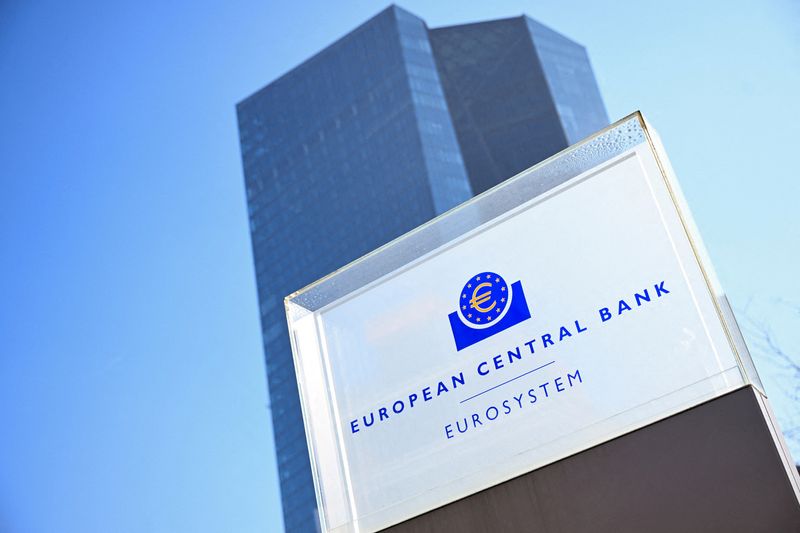

ECB to talk tough as Iran war raises inflation fears

Justin Fris and Mark Beyer reflect on the 60th anniversary of iron ore exports out of WA.

The Australian share market has sharply fallen to a nearly four-month low after oil prices spiked, gold prices plunged, rate cut hopes dimmed and the war with Iran intensified.

Q4: 2026-03-18 Earnings Summary
EPS of $0.08 beats by $0.00
| Revenue of $294.65M (22.71% Y/Y) beats by $1.99M

Seeking Alpha’s transcripts team is responsible for the development of all of our transcript-related projects. We currently publish thousands of quarterly earnings calls per quarter on our site and are continuing to grow and expand our coverage. The purpose of this profile is to allow us to share with our readers new transcript-related developments. Thanks, SA Transcripts Team

A spat over river views between owners of multi-million-dollar houses in Applecross has escalated to the state’s highest court.

Speaking on the scale of the escalation, Aziz said, “Look, it is very difficult to say how bad or how big it is going to be or how long it is going to last.” He noted that while the recent spike in oil prices reflects rising market anxiety, “the spike in the oil market clearly shows you that the market is nervous… but that is not the story.” According to him, the global oil market has become increasingly fragmented, making widely tracked benchmarks less relevant for key economies. “The oil market has been fragmented completely… Brent reflects the Atlantic Basin, but countries like China and India depend on the Middle East,” he said, adding that regional benchmarks tell a more accurate story. “Oman and Dubai prices were already above 150… and the India basket was at $145,” Aziz pointed out, concluding that “we need to stop looking at Brent… Oman and Dubai prices are what really matter for Asian economies.”
On the US Federal Reserve’s policy outlook, Aziz pushed back against expectations of easing, maintaining that his view has consistently ruled out rate cuts this year. “We did not have a rate cut in 2026 in the beginning of the year and in fact, the next move would be a rate hike in 2027,” he said. He emphasized that this assessment is rooted in labour market dynamics rather than recent geopolitical developments. “This has nothing to do with the war… it was based on US labour market dynamics,” Aziz explained. Even modest job growth, he argued, could sustain inflationary pressures. “Even a modest improvement in jobs… will push wages up and keep inflation above 2%,” he said. He also highlighted a more cautious stance from the Fed on energy-driven inflation, noting that policymakers indicated they would not look through such price increases “too likely.”
Turning to bond markets, Aziz said the more important development is not just the rise in yields but the shift in expectations reflected in the yield curve. “The market took the Fed call in a hawkish tone… and flattened the curve,” he observed, adding that “it is the flattening… rather than the move up in the 10-year rate that is the bigger story.” As inflation concerns persist and hopes for rate cuts fade, he expects this trend to continue. “As hopes of rate cuts in 2026 fade… you are going to see much more flattening,” he said. Aziz also warned that if inflation becomes entrenched, it could start affecting demand. “If inflation becomes sticky… you are going to start seeing demand destruction,” he said, adding that even the anticipation of such a slowdown could influence market pricing. “In a demand destruction environment… it is hard to see the 10-year actually blow up,” he noted.
Overall, Aziz’s assessment points to a more complex global backdrop where traditional indicators may not fully capture underlying risks. With oil markets fragmenting, inflation staying persistent, and central banks remaining cautious, investors may need to look beyond surface-level signals to navigate the evolving landscape.

Business
Micron Technology, Inc. 2026 Q2 – Results – Earnings Call Presentation (NASDAQ:MU) 2026-03-19
Q2: 2026-03-18 Earnings Summary
EPS of $12.20 beats by $3.47
| Revenue of $23.86B (196.29% Y/Y) beats by $4.35B
Seeking Alpha’s transcripts team is responsible for the development of all of our transcript-related projects. We currently publish thousands of quarterly earnings calls per quarter on our site and are continuing to grow and expand our coverage. The purpose of this profile is to allow us to share with our readers new transcript-related developments. Thanks, SA Transcripts Team

MEMPHIS, Tenn. — Nike Basketball and Memphis Grizzlies star Ja Morant have partnered with the iconic “Jurassic Park” franchise to launch a themed sneaker pack for the Nike Ja 3, blending cinematic nostalgia with high-performance basketball design.

The collaboration, unveiled in mid-March 2026, features two distinct colorways — the “Raptor” and “Explorer” — inspired by the 1993 Steven Spielberg film and its enduring legacy. The pack draws from Morant’s personal affinity for the movie series, channeling elements like Velociraptor motifs, amber fossils and classic park branding into the signature silhouette.
The Nike Ja 3 “Raptor” (style code IU7240-001) adopts a menacing anthracite base with yellow ochre and bright crimson accents, mimicking the scaly texture and predatory vibe of the film’s raptors. Jagged overlays fade from golden yellow to dark grey, evoking dinosaur skin, while red “blood” accents on the branding add intensity. The tongue features the classic Jurassic Park logo in red, and the insoles display a duo of Velociraptors — one per shoe — that combine for a full scene when paired.
The “Explorer” (IU7240-300) pays homage to the iconic Jurassic Park tour vehicles, with a tropical-inspired palette including green and earthy tones. Details replicate the truck’s rugged aesthetic, complete with park emblems and subtle nods to the film’s adventure elements.
Both pairs include collectible extras: custom graphic insoles forming a dinosaur panorama, amber egg-shaped hangtags preserving Morant’s logo like the movie’s DNA-trapped mosquito, and special packaging that extends the theme. The design continues the narrative-driven approach that has defined the Ja 3 line since its 2025 debut, with Morant emphasizing personal storytelling in his signatures.
The pack releases Friday, April 10, 2026, at 10 a.m. ET via Nike SNKRS, Nike.com and select retailers. Pricing starts at $135 for men’s sizes, $112 for big kids (GS) and $97 for little kids (PS). Full-family sizing ensures accessibility for collectors and young fans alike.
The collaboration arrives amid a strong rollout for the Ja 3, Morant’s third signature model. Since launching in August 2025, the shoe has gained traction for its low-to-the-ground feel, responsive cushioning and bold aesthetics tailored to Morant’s explosive style. Earlier 2026 drops included playful themes and homages, but the Jurassic Park pack stands out for its scale and cultural tie-in.
Morant, sidelined at times this season due to injuries, has remained a creative force off the court. He has teased unreleased Ja 3 looks on social media, building hype for upcoming releases. The “Jurassic Park” project marks one of his most ambitious co-design efforts, blending his love for the franchise with Nike’s storytelling expertise.
Sneaker enthusiasts and film fans have reacted positively to the reveal, with early images generating buzz on platforms like Instagram and X. Commentators praise the attention to detail — from the amber hangtag to the combined insole art — as elevating the pack beyond typical athlete collabs.
The drop aligns with broader trends in basketball footwear, where narrative-driven partnerships increasingly dominate. Nike’s success with licensed IP collaborations, including past film and pop culture tie-ins, positions this pack for strong demand.
As April 10 approaches, anticipation builds for what could be one of the standout releases of 2026. For Morant, the project reinforces his influence in sneaker culture, extending his impact beyond the hardwood.

Bitcoin price today: slides below $71k as traders pare Fed cut bets

Can awards season revive legacy fashion houses?
Stocks Gain for Second Day Ahead of Fed’s Interest-Rate Decision
Bitcoin (BTC) Tumbles Under $70K Following Hawkish Federal Reserve Stance


-
 Crypto World5 days ago
HYPE Token Enters Net Deflation as HyperCore Buybacks Outpace Staking Rewards
-

 Tech3 days ago
Your Legally Registered ‘Motorcycle’ Might Not Count Under Proposed US Law
-

 Fashion6 days ago
Weekend Open Thread: Addict Lip Glow
-
 Tech2 days ago
Are Split Spacebars the Next Big Gaming Keyboard Trend?
-
Sports5 days ago
Why Duke and Michigan Are Dead Even Entering Selection Sunday
-

 Business4 days ago
Search for Savannah Guthrie’s Mother Enters Seventh Week with No Arrests
-

 Business5 days ago
US Airports Launch Donation Drives for Unpaid TSA Workers as Partial Government Shutdown Enters Fifth Week
-
Crypto World5 days ago
Coinbase and Bybit in Investment Talks: Could Bybit Finally Enter the US Crypto Market?
-

 Business3 days ago
Australian shares drop as Iran war enters third week
-

 Business5 days ago
Country star Brantley Gilbert enters growing non-alcoholic beer market
-

 Crypto World3 days ago
Crypto Lender BlockFills Enters Chapter 11 with Up to $500M in Liabilities
-

 Sports6 days ago
College Basketball Best Bets: Conference Tournament Semifinal Picks
-

 Politics22 hours ago
The House | The new register to protect children from their abusers shows Parliament at its best
-

 Business6 days ago
Trump demands Powell cut rates as Iran conflict raises energy prices
-

 Fashion3 days ago
25 Celebrities with Curly Hair That Are Naturally Beautiful
-

 News Videos15 hours ago
RBA board divided on rate cut, unusually buoyant share market | Finance Report | ABC NEWS
-

 Crypto World6 days ago
Senate Votes to Include CBDC Ban in Bipartisan Housing Bill
-

 NewsBeat6 days ago
Deane Road crash near Bolton colleges and university
-

 News Videos6 days ago
Tom Lee: The 100x Opportunity EVEN Bigger Than Bitcoin (New Ethereum Prediction 2026)
-

 Crypto World15 hours ago
Canada’s FINTRAC revokes registrations of 23 crypto MSBs in AML crackdown


You must be logged in to post a comment Login