

Business
Toy industry pressures make digital the star


The gap is widening between rival toy makers Hasbro and Mattel — thanks in part to a 30-year-old trading card game.
The toy giants have flip-flopped dominance in the space for decades, jockeying for the most coveted master licenses to put new fan favorites — Disney princesses and “Star Wars” characters among them — on store shelves. But as the industry recovers from a period of declining sales, Hasbro is the one winning over Wall Street.
For the fiscal year 2025, Hasbro reported revenue gains of 14%, reaching $4.7 billion, while Mattel saw its net sales drop 1% to $5.3 billion.
Though Mattel’s revenue is larger than Hasbro’s, its growth has been stagnating, according to Eric Handler, managing director and senior research analyst at Roth Capital Partners.
“[Mattel’s] revenue has been in a very tight range for five years now, and 2026, on an organic basis, is the same,” he told CNBC.
Mattel shares are down more than 20% in the last 12 months, trading at around $17. Meanwhile, Hasbro’s stock is up roughly 46% over the same period, with shares trading at around $100.
Of course, Hasbro’s journey post-pandemic has not been without its own headwinds. The company’s revenue took a hit when it divested its film and TV business, eOne. Also, its entertainment segment, which includes film and TV licenses, was deeply impacted by Hollywood’s dual labor strikes in 2023.
“Despite market volatility and a shifting consumer environment, we returned this company to growth in a meaningful way,” Hasbro CEO Chris Cocks told investors during an earnings call earlier this month.
Throughout these changes, one key piece of Hasbro’s business has been steadily growing — Wizards of the Coast.
A dash of Magic
The Hasbro division includes Dungeons & Dragons, Magic: The Gathering and the company’s portfolio of digital and video games.
In 2025, Wizards’ revenue grew 45% to $2.1 billion, fueled by sales of sets tied to Magic’s Universe Beyond and smaller, limited-edition Secret Lair packs — some that sell for close to $200.
While the segment accounts for less than half of the company’s revenue, it represents 88% of its adjusted profits.
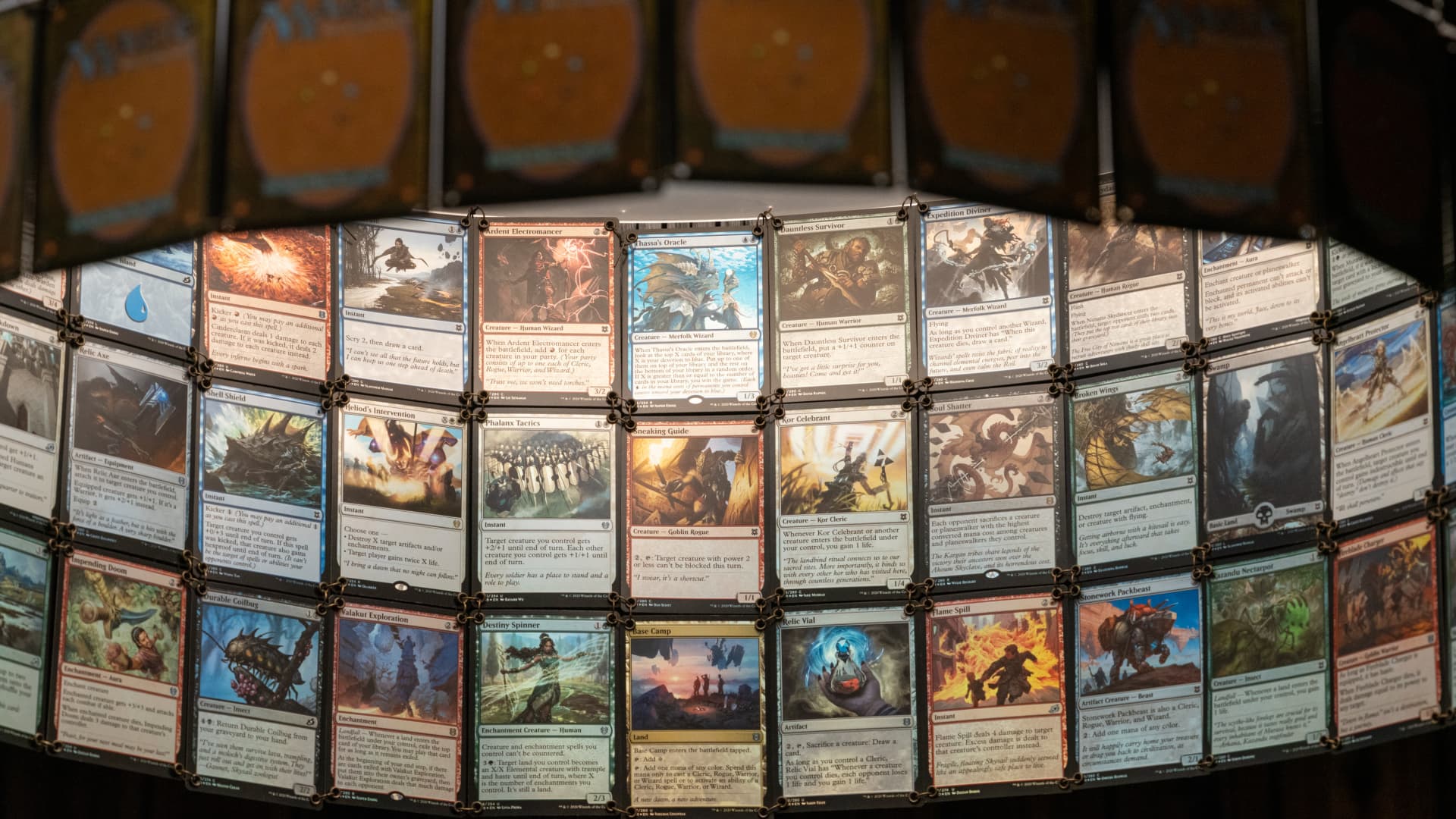
Magic: The Gathering playing cards form a light fixture at the Wizards of the Coast headquarters in Renton, Washington, Sept. 11, 2025. With traditional toy and game sales lagging, Hasbro has found a growth engine in role-playing games such as Dungeons and Dragons, trading card games like Magic: The Gathering and a growing portfolio of digital and video games.
Bloomberg | Bloomberg | Getty Images
The strategic trading card game Magic, which was created in 1993, typically features two players going head-to-head using custom decks of collectible cards to cast spells, unleash creatures or use artifacts to defeat their opponent.
In the last five years, Hasbro has expanded beyond the lore of the initial game to launch card sets based on intellectual property from third parties, including “Avatar: The Last Airbender,” Marvel’s “Spider-Man” and “Lord of the Rings.”
These sets are not only popular with long-standing Magic fans, but act as a gateway for consumers from other fanbases into the world of Magic. In mid-2025, Hasbro released a “Final Fantasy” set that became the fastest-selling expansion pack in Magic: The Gathering history, generating $200 million in sales in a single day.
“They have done a fantastic job of widening the funnel in the last couple years, and it’s become a multigenerational type of product,” Handler said. “The player base is growing. It’s a sticky player base that is showing eagerness with new products and new ways to play.”
Through the end of 2025, more than 1 million unique players participated in organized play — meaning sanctioned tournaments — according to Cocks. That’s a 22% year-over-year increase, he said.
Additionally, the number of game stores that host events, called the Wizards Play Network, has grown to more than 10,000, a 20% increase from 2024.
“Taken together, this reinforces our confidence in Magic’s long-term growth,” Cocks said on the company’s earnings call. “We are building a system of play with multiple entry points, product types, and engagement paths, and that system is positioned to continue driving growth into 2026 and beyond.”
In 2026, Hasbro plans to launch new Magic sets based on “The Hobbit,” “Teenage Mutant Ninja Turtles” and “Star Trek.”
The company has forecast mid-single-digit growth for its Wizards business in 2026, but Keegan Cox, associate vice president and research analyst at D.A. Davidson, in a research note published shortly after the company’s earnings, called that estimate “conservative.”
The digital frontier
Hasbro’s Wizards unit also includes the digital and licensed gaming space, which saw revenues jump 6% in 2025, fueled by the success of “Monopoly Go!”
Cocks has previously noted that modern consumers and modern play is increasingly moving into online forums, and the company has launched new games and an in-person video game studio in Montreal to boost play.
While Hasbro’s digital gaming division is growing, Mattel is just getting its own digital unit off the ground.
Earlier this month, Mattel announced it would buy out partner NetEase from its 50% stake in their Mattel163 joint venture, taking full ownership of the business. Mattel163 develops digital games based on the toy company’s brands and since 2018 has launched four digital games: Uno, Uno Wonder, Phase 10 and Skip-Bo.
“In our view, [Mattel] is in the early stages of an investment similar to Hasbro’s investment in gaming over 7 years ago,” D.A. Davidson’s Cox wrote. “While we do not think [Mattel] will be chasing to compete with Hasbro … we do believe [Mattel] can make successful mobile games tied to their IP and should add to profit margins over time.”
An industry in flux
Mattel’s push into digital comes as two of its flagship brands struggle to make sales.
“Barbie’s been on a meaningful decline, as has Fisher-Price,” Handler noted. “That’s sort of been negating a lot of the good news that’s been happening with Hot Wheels.”
The vehicles division saw gross billings jump 11% in 2025, while the dolls segment fell 7% and the infant, toddler and preschool space slipped 17%.
That segment for the youngest consumers has been in decline for over a decade, the result of shrinking population growth and the fact that children are being introduced to electronics earlier in their development. Shifting play habits have meant toy makers have to adapt, and fast.
But there’s hope for Mattel and the toy industry as a whole. In 2025, total annual dollar sales were up 6% in the U.S., according to data from Circana. And, perhaps more importantly, the number of units sold increased 3%, quelling fears that price-conscious consumers are pulling back on toy purchases.
“Unit sales being up, I think, is the most important metric we can look at,” said James Zahn, senior editor of The Toy Insider and The Toy Book. “If unit sales were down, that’s when you know people are really buying less, and that didn’t happen.”
Mattel and Hasbro, alongside other toy companies, are also expected to get a boost from a robust theatrical calendar this year.
Mattel has two of its own brands being represented at the box office with “Masters of the Universe” coming in June and “Matchbox” arriving in October. While Mattel won’t see a major bump from ticket sales, its toy sales could get a boost. After all, the 2023 release of “Barbie” helped fuel a 16% increase in gross billings of the doll in the quarter after it hit cinemas.
Mattel also holds the master toy licenses for “Toy Story” and Disney princesses, meaning it’ll handle the bulk of the product for “Toy Story 5” and the live-action “Moana.”
Hasbro will have toy lines for “The Mandalorian and Grogu,” “Spider-Man: Brand New Day” and “Avengers: Doomsday.”
Together, Mattel and Hasbro have also collaborated on the much anticipated product line for Netflix’s hit animated film “KPop Demon Hunters,” promising dolls, foam roleplay items, games and plush items.
“‘KPop Demon Hunters’ is gonna do big business for both Hasbro and Mattel,” Zahn said.



Merz rules out loosening Germany’s debt limits again in current term


Blizzard warnings issued for New York area as storm heads to East Coast


Germany’s ruling party backs social media curbs for children


Germany’s Merz expects lower tariff burden after US court verdict on Trump tariffs

Ukraine strikes ballistic missile producer deep inside Russia, Kyiv says


Trump says he will raise global tariff rate from 10% to 15%
Business
NASA may take moon mission Artemis II rocket back to assembly site, affecting March launch window


NASA may take moon mission Artemis II rocket back to assembly site, affecting March launch window
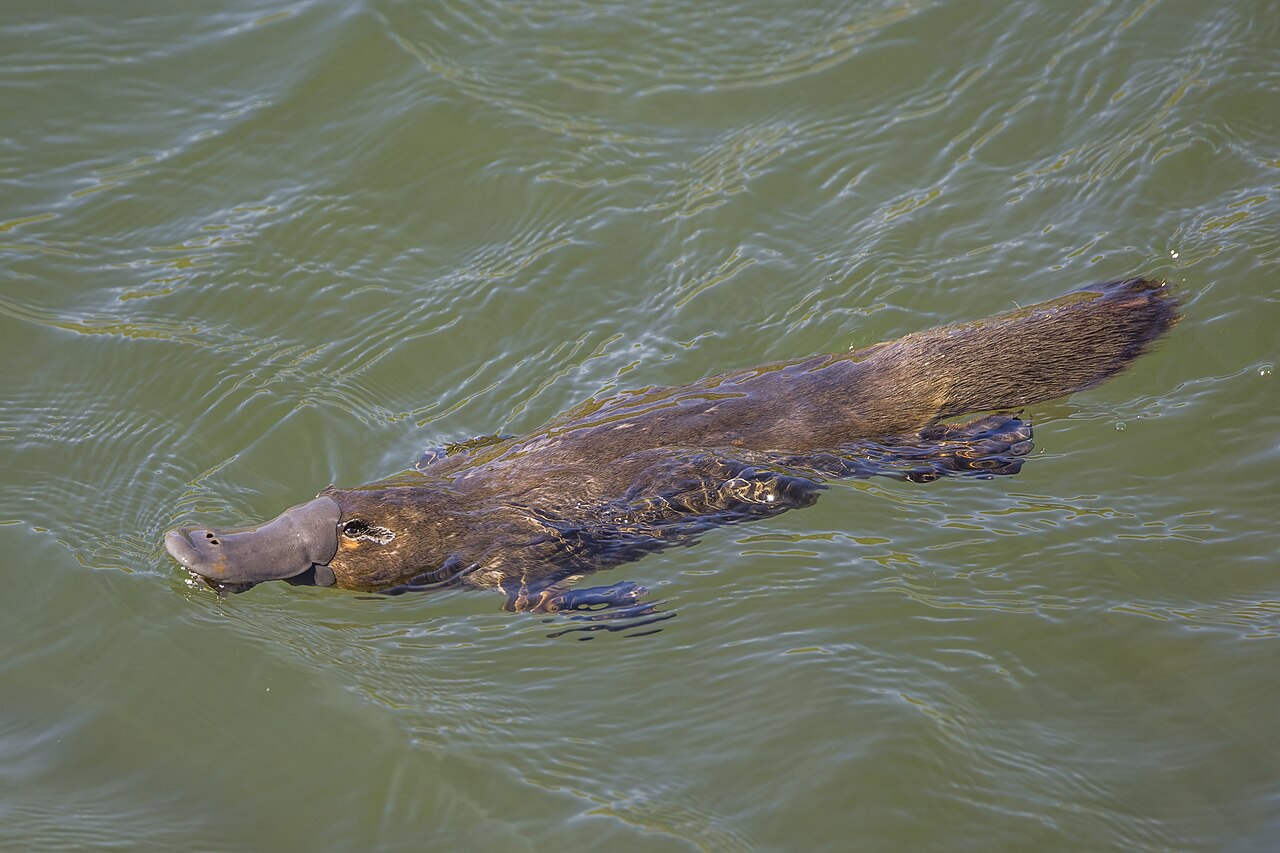
Australia’s extraordinary isolation over millions of years has produced one of the planet’s most distinctive wildlife collections, with more than 80% of its mammals, reptiles and frogs endemic — meaning they exist nowhere else naturally. In 2026, amid ongoing conservation efforts and renewed interest in eco-tourism following recent wildlife documentaries and park reopenings, these unique creatures continue to captivate visitors and researchers alike.
From cuddly marsupials to bizarre monotremes, here are 10 standout animals that are truly Australian exclusives, highlighting the continent’s biological marvels:
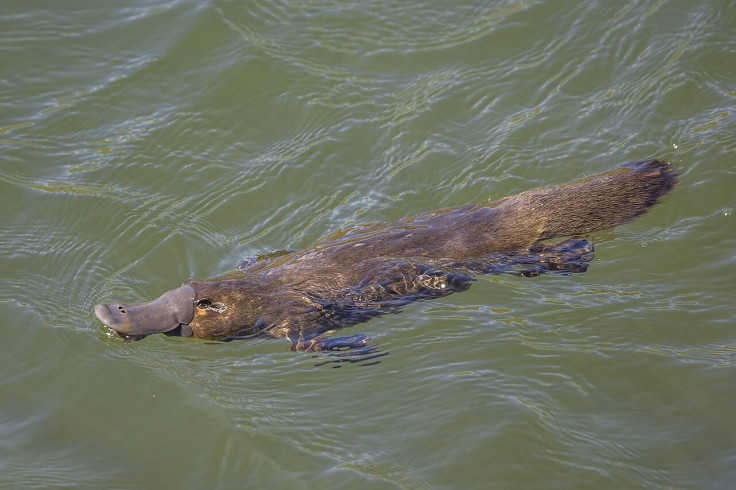
- Platypus The platypus (Ornithorhynchus anatinus) remains one of nature’s strangest creations: a semi-aquatic, egg-laying mammal with a duck-like bill, beaver tail, otter-like body and venomous spurs on males’ hind legs. Found in eastern Australia’s freshwater rivers and streams, it hunts using electroreception to detect prey in murky water. Conservation status is near threatened due to habitat loss and climate impacts, but sightings remain possible in places like the Atherton Tablelands and Tasmania.
- Koala The koala (Phascolarctos cinereus), often mistakenly called a bear, is an arboreal marsupial specialized for eucalyptus forests in eastern and southeastern Australia. These leaf-eaters sleep up to 20 hours daily to conserve energy from their low-nutrient diet. Vulnerable to habitat fragmentation, bushfires and disease, koalas symbolize Australian wildlife, with populations monitored closely in 2026 recovery programs.
- Kangaroo (Red and Eastern Grey species) Several kangaroo species, including the red kangaroo (Osphranter rufus) — the world’s largest marsupial — and eastern grey kangaroo (Macropus giganteus), are found only in Australia. Reds roam arid interiors while greys inhabit eastern woodlands. Their powerful hind legs enable bounds up to 8 meters and speeds of 56 km/h. As national emblems, they thrive in open country but face threats from drought and vehicle strikes.
- Quokka Often called the “world’s happiest animal” for its perpetual smile-like expression, the quokka (Setonix brachyurus) is a small wallaby restricted to Rottnest Island near Perth and limited mainland pockets in Western Australia. Herbivorous and curious, they approach visitors fearlessly on Rottnest, boosting tourism. Vulnerable due to habitat loss and predators, their population remains stable on the island.
- Wombat Three wombat species — common, northern hairy-nosed and southern hairy-nosed — are exclusive to Australia. These burrowing marsupials feature backward-facing pouches to prevent dirt entry while digging. Common wombats (Vombatus ursinus) inhabit forests and grasslands across the southeast, while hairy-nosed varieties live in drier regions. Known for cube-shaped scat and resilience, they dig extensive warrens.
- Tasmanian Devil The Tasmanian devil (Sarcophilus harrisii), now confined to Tasmania after mainland extinction around 3,000 years ago, is the world’s largest surviving carnivorous marsupial. Famous for powerful jaws and ferocious feeding, devils play a key ecological role controlling pests. Threatened by devil facial tumor disease, conservation breeding programs in 2026 continue to bolster wild populations.
- Short-beaked Echidna One of only five living monotreme species, the short-beaked echidna (Tachyglossus aculeatus) is widespread across Australia, including Tasmania. This spiny, ant-eating mammal lays eggs and nurses young with milk secreted through skin pores. Least concern status reflects its adaptability, though roadkill and habitat changes pose risks.
- Southern Cassowary The southern cassowary (Casuarius casuarius), a large flightless bird with a helmet-like casque and powerful legs, inhabits tropical rainforests in northern Queensland. As seed dispersers, they are vital to rainforest regeneration. Vulnerable due to habitat loss and vehicle collisions, sightings in Daintree and Cape Tribulation remain highlights for eco-tourists.
- Numbat The numbat (Myrmecobius fasciatus), a small, striped marsupial anteater, survives in fragmented southwestern woodlands after near-extinction from introduced predators. Diurnal and termite-dependent, it lacks a pouch, carrying young on its belly. Endangered but supported by reintroduction efforts, numbats represent successful conservation stories.
- Thorny Devil The thorny devil (Moloch horridus), a spiky lizard adapted to arid deserts, drinks through capillary action in its skin grooves. Found only in Australia’s dry interior, it feeds exclusively on ants and blends into sandy environments. Least concern, its bizarre appearance makes it a favorite for wildlife photographers.
These species underscore Australia’s megadiverse status and the importance of protecting unique ecosystems. Conservation challenges persist — feral predators, climate change, habitat loss and disease — but initiatives like fenced reserves, breeding programs and community monitoring offer hope. In 2026, eco-tourism and citizen science continue to raise awareness, ensuring these one-of-a-kind animals endure.
Visitors can ethically observe many in national parks, wildlife sanctuaries or guided tours, contributing to their protection while experiencing Australia’s unparalleled biodiversity firsthand.

The president will increase import taxes to 15% on most products coming into the US from Tuesday.

The S&P 500 rose on Friday, after the Supreme Court ruled that President Donald Trump’s IEEPA tariffs were illegal.
That was probably the right reaction, according to one Wall Street research firm.
“We believe that Friday’s Supreme Court decision was a risk-clearing event that will ultimately be viewed by investors as disinflationary,” wrote Fundstrat Head of Research Tom Lee on Friday evening. “Thus, we view the decision as positive for stocks.”

Merz rules out loosening Germany’s debt limits again in current term

Iran’s rial collapse mirrors Lebanon’s crisis, driving citizens to bitcoin

‘American Idol’ Alum Caleb Flynn Makes First Court Appearance, Video


-

 Video5 days ago
Bitcoin: We’re Entering The Most Dangerous Phase
-

 Tech7 days ago
Luxman Enters Its Second Century with the D-100 SACD Player and L-100 Integrated Amplifier
-

 Crypto World4 days ago
Can XRP Price Successfully Register a 33% Breakout Past $2?
-

 Sports5 days ago
GB's semi-final hopes hang by thread after loss to Switzerland
-

 Fashion23 hours ago
Weekend Open Thread: Boden – Corporette.com
-

 Video2 days ago
XRP News: XRP Just Entered a New Phase (Almost Nobody Noticed)
-
 Tech5 days ago
The Music Industry Enters Its Less-Is-More Era
-

 Business4 days ago
Infosys Limited (INFY) Discusses Tech Transitions and the Unique Aspects of the AI Era Transcript
-

 Entertainment3 days ago
Kunal Nayyar’s Secret Acts Of Kindness Sparks Online Discussion
-

 Video4 days ago
Financial Statement Analysis | Complete Chapter Revision in 10 Minutes | Class 12 Board exam 2026
-

 Tech3 days ago
Retro Rover: LT6502 Laptop Packs 8-Bit Power On The Go
-
 Sports3 days ago
Clearing the boundary, crossing into history: J&K end 67-year wait, enter maiden Ranji Trophy final | Cricket News
-

 Entertainment3 days ago
Dolores Catania Blasts Rob Rausch For Turning On ‘Housewives’ On ‘Traitors’
-

 Business3 days ago
Tesla avoids California suspension after ending ‘autopilot’ marketing
-
 NewsBeat6 days ago
The strange Cambridgeshire cemetery that forbade church rectors from entering
-

 Politics4 days ago
Eurovision Announces UK Act For 2026 Song Contest
-

 Crypto World3 days ago
WLFI Crypto Surges Toward $0.12 as Whale Buys $2.75M Before Trump-Linked Forum
-
 NewsBeat6 days ago
Man dies after entering floodwater during police pursuit
-

 Crypto World2 days ago
83% of Altcoins Enter Bear Trend as Liquidity Crunch Tightens Grip on Crypto Market
-
 NewsBeat1 day ago
Andrew Mountbatten-Windsor latest: Police search of Royal Lodge enters second day after Andrew released from custody