

Business
Toyota to invest $1 billion to up U.S. production in Kentucky, Indiana

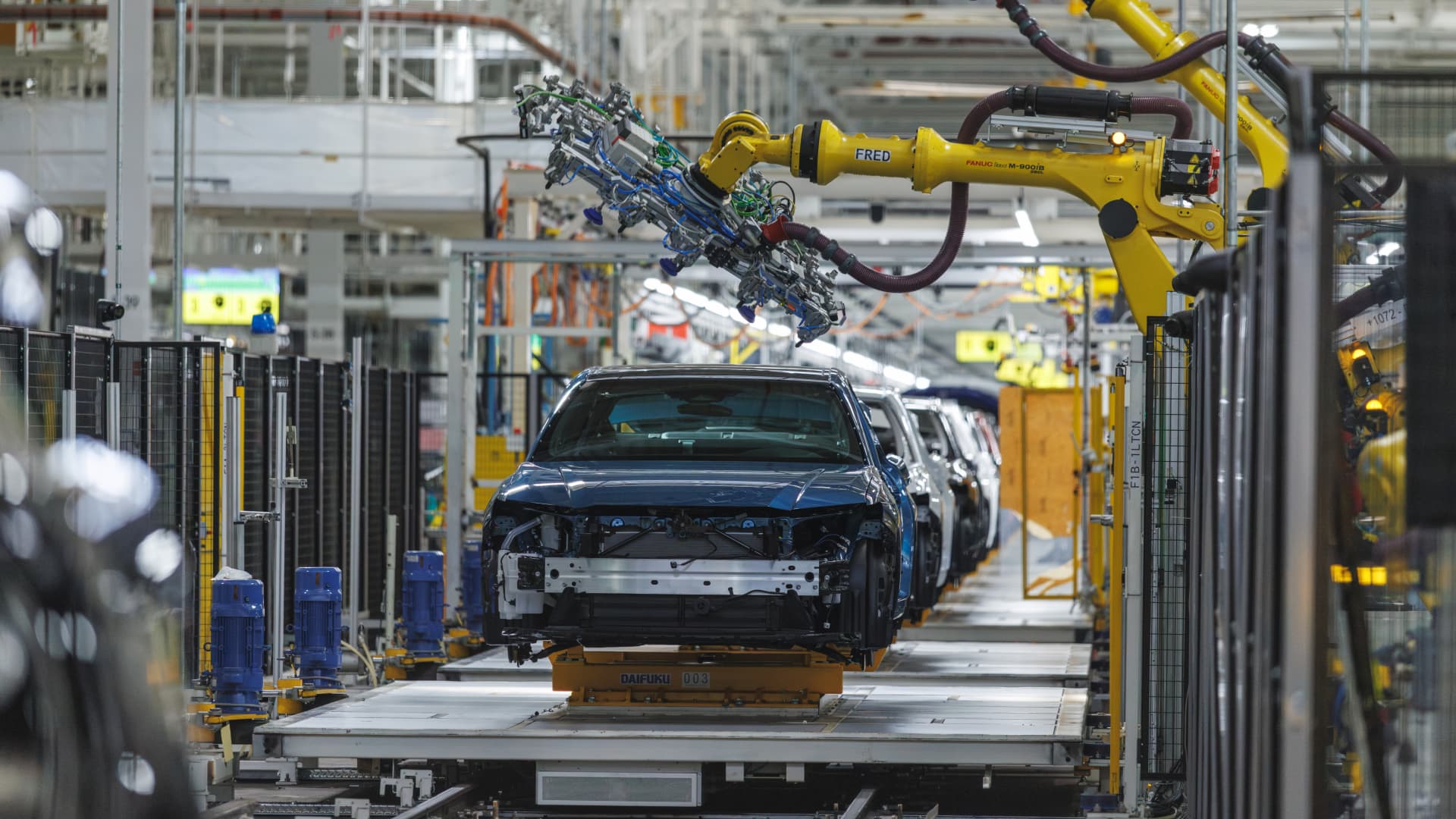
Production of the Toyota Camry at the automaker’s plant in Georgetown, Kentucky.
Courtesy Toyota
Toyota Motor on Monday announced it would spend $1 billion at two U.S. plants as part of a plan to invest up to $10 billion domestically over the next five years.
The new investments include $800 million at a plant in Georgetown, Kentucky, to increase production capacity of the automaker’s Camry sedan and RAV4 crossover. The remaining $200 million is to increase capacity for the Toyota Grand Highlander SUV at a plant in Princeton, Indiana.
“Toyota’s investment in the U.S. is for the long-term, tied to our philosophy of building where we sell and buying where we build,” Toyota Motor North America Chief Operating Officer Mark Templin said in a statement.
Toyota in November confirmed plans to invest up to $10 billion in its U.S. plants through 2030. That came roughly a month after President Donald Trump said during a speech that such an investment would come from the Japanese automaker.

Toyota stock
Toyota and the entire automotive industry have been attempting to navigate production plans amid tariffs and other regulatory changes.
Changing trade deals and tariffs have been a major issue for automakers during the Trump administration, costing many companies billions of dollars annually in additional costs. Toyota previously warned U.S. tariffs are expected to cost the automaker 1.4 trillion yen for its fiscal year, which closes at the end of this month.
Toyota Chair Akio Toyoda, whose company employs nearly 48,000 people in the U.S., has been trying to win over Trump, including by donning a red “Make America Great Again” hat and a T-shirt with Trump and Vice President JD Vance during a November event in Japan featuring U.S. officials.
Toyota also was the first of the Japanese automakers to commit to a plan to export U.S.-produced vehicles to Japan following changes to the country’s vehicle import rules that were reached through a trade deal last year with the Trump administration.


SALT LAKE CITY — A major cyberattack on the Canvas learning management system has disrupted education for millions of students and teachers across thousands of schools and universities, exposing sensitive data and forcing emergency contingency plans during critical end-of-semester periods. Instructure, the company behind Canvas, confirmed the breach on Thursday and is working with law enforcement. Here are 10 essential things everyone needs to know about the incident.

1. The attack was claimed by the hacking group ShinyHunters. The notorious group posted a ransom demand and claimed to have accessed data from more than 8,800 institutions and 275 million records. They defaced login pages with ransom notes and threatened to leak student information if payment is not made by May 12.
2. The breach involved unauthorized access to personal and academic data. Exposed information reportedly includes names, email addresses, student ID numbers, course records, private messages and possibly grades. While Instructure says highly sensitive financial data appears unaffected, the volume of personal information at risk is enormous.
3. Canvas serves millions of users daily across K-12 and higher education. The platform powers course management for over 8,000 institutions worldwide. During the outage, students could not submit assignments, access materials or communicate with instructors, particularly affecting those in final exam periods.
4. The attack caused widespread but not total system failure. While the main website showed partial functionality, the mobile app and certain backend services were heavily impacted. Many districts activated backup systems such as Google Classroom or email-based alternatives to minimize disruption.
5. Timing could not have been worse for academic calendars. The incident hit during peak finals and grading season for many schools. Universities and high schools scrambled to extend deadlines, shift to paper submissions or use alternative platforms, adding stress to already pressured students and faculty.
6. Instructure responded by taking systems offline proactively. The company said it detected suspicious activity and isolated affected portions of the platform. It is cooperating with cybersecurity experts and federal authorities, including the FBI, to investigate the full scope of the breach.
7. This is not the first major incident for education technology platforms. Canvas and other LMS providers have faced previous ransomware attempts and data leaks. The sector’s rapid shift to digital learning during the pandemic expanded the attack surface without proportional security investment at many institutions.
8. Students and parents should monitor for identity theft risks. Experts advise affected individuals to watch credit reports, enable two-factor authentication everywhere and be wary of phishing emails pretending to be from schools or Canvas support. Free credit monitoring may be offered to impacted users.
9. The financial and reputational cost to Instructure could be significant. Beyond any ransom payment (which the company has not confirmed pursuing), the breach may trigger lawsuits, regulatory fines and loss of institutional trust. Shares of Instructure’s parent entity faced selling pressure following the news.
10. The incident highlights urgent need for better ed-tech security standards. Education leaders are calling for stronger federal guidelines on data protection for learning platforms. Many schools are now reviewing vendor contracts and developing more robust backup systems to reduce reliance on single providers.
Background and Technical Details
The attack appears to have begun with exploitation of a vulnerability that allowed initial access, followed by privilege escalation. ShinyHunters posted screenshots of internal dashboards and sample data as proof. Instructure emphasized that core student safety systems and emergency communications were not compromised.
Impact on Different Education Levels
Higher education institutions faced the heaviest disruption, with final papers, exams and grade submissions affected. K-12 districts reported similar issues but were often quicker to pivot to alternative tools due to existing hybrid learning infrastructure. Some states activated statewide emergency learning continuity plans.
Long-Term Implications
The breach could accelerate a shift toward decentralized or open-source learning platforms and greater investment in cybersecurity training for school IT staff. Privacy advocates are pushing for stricter data minimization policies so that not every piece of student information is stored in one central system.
For now, students and educators are advised to remain patient as systems are gradually restored with enhanced security measures. Instructure has promised transparent updates and support for affected institutions. The education community is watching closely to see how quickly trust can be rebuilt after this significant incident.

Check out what’s clicking on FoxBusiness.com.
Tesla is recalling Cybertrucks over concerns their wheel studs could separate, potentially causing wheels to fall off, according to the National Highway Traffic Safety Administration (NHTSA).
According to the report, the recall affects Cybertrucks with the base 18-inch steel wheels that were sold between 2024 and 2026. Only 173 vehicles were recalled in total.
The issue stems from the brake rotors, with the report stating that more severe road conditions “may strain” the stud holes in the wheel rotor, causing cracks to form. If the cracks persist and worsen, it may result in the wheel detaching entirely.
Tesla said the issue traces back to pre-production testing in 2025, which identified that the geometry of the wheel hub and bearing could contribute to rotor cracking. Although early testing found no loss of vehicle function or control, engineers determined that continued use under strain could eventually lead to separation of the wheel stud from the hub.
TESLA RECALLS MORE THAN 218K VEHICLES OVER REARVIEW IMAGE ISSUE THAT POSES CRASH RISK

A fleet of Tesla Cybertrucks sits outside the Starbase Build Site at SpaceX’s South Texas testing facility on Feb. 6, 2026. (Reginald Mathalone/NurPhoto via Getty Images / Getty Images)
The company said planned durability improvements to the brake rotors were not incorporated when production began on Aug. 28, 2025, due to a change management error.
Tesla later identified a single real-world case in October 2025 in which a customer reported braking vibrations, and cracked brake rotors were found during a service inspection. The rotors were replaced, and the company said no crashes, injuries or fatalities have been linked to the issue.
The report warns that early signs a vehicle may be affected include vibrations or unusual noises from the wheels while driving.
As of April 14, Tesla had identified three warranty claims that may be related to the condition and said it initiated the recall out of an abundance of caution.
FORD RECALLS OVER 179,000 BRONCO AND RANGER VEHICLES OVER SEAT DEFECT
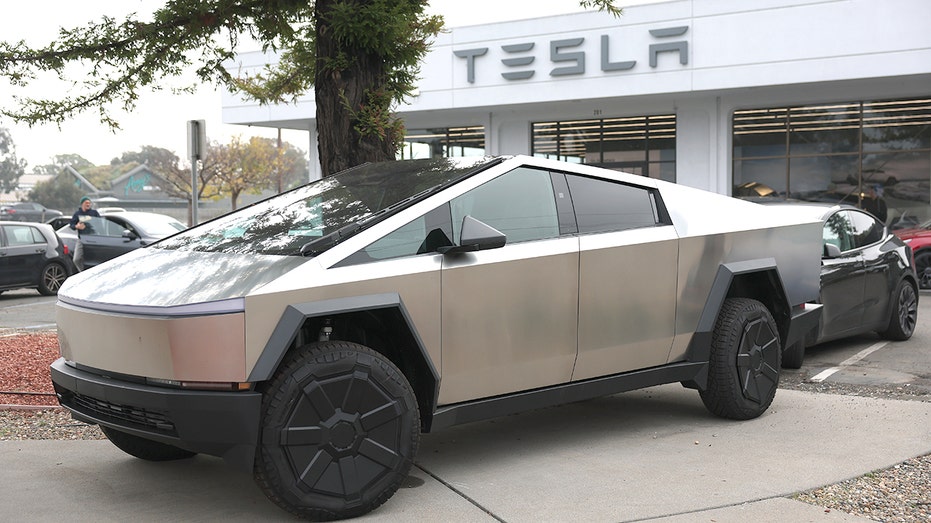
A Tesla Cybertruck is displayed at a Tesla dealership on December 20, 2024, in Corte Madera, California (Justin Sullivan/Getty Images / Getty Images)
All Tesla stores and service centers were notified of the recall on April 20, with notification letters set to be sent to owners on June 20.
A representative for Tesla did not immediately respond to FOX Business’ request for comment.
| Ticker | Security | Last | Change | Change % |
|---|---|---|---|---|
| TSLA | TESLA INC. | 428.35 | +16.56 | +4.02% |
GET FOX BUSINESS ON THE GO BY CLICKING HERE
The recall comes days after Tesla announced a separate recall of more than 218,000 vehicles over a rearview camera issue that could delay image display and increase crash risk, according to NHTSA.
FOX Business’ Landon Mion contributed to this report.
NEW YORK — Exxon Mobil Corp. (NYSE: XOM) stands as a compelling buy for long-term, income-focused investors in 2026, with Wall Street analysts issuing a consensus “Moderate Buy” rating amid resilient cash flows, a robust dividend and disciplined capital allocation despite volatile oil prices and the energy transition. The integrated oil major continues to deliver strong shareholder returns through dividends and buybacks while positioning itself for growth in low-carbon solutions and advantaged assets.
Shares have traded in the $148–$155 range in early May, reflecting solid year-to-date performance supported by a reliable 2.5–2.6% dividend yield and 43 consecutive years of dividend growth. Analysts covering the stock maintain an average 12-month price target of approximately $161–$165, implying 5–10% upside, with optimistic targets reaching $185–$195. Of roughly 20–42 analysts, the consensus leans toward Buy or Moderate Buy, with limited Sell ratings.
ExxonMobil reported first-quarter 2026 earnings on May 1 that beat expectations despite year-over-year declines tied to timing effects and lower commodity prices. Adjusted earnings reached $1.16 per share against consensus estimates around $1.00–$1.07, while revenue came in at roughly $83–$85 billion. The company highlighted record production in Guyana, strong Permian performance and structural cost savings as key drivers of underlying resilience.
Strong Cash Generation and Shareholder Returns
ExxonMobil generated substantial cash flow from operations in the first quarter, enabling $9.2 billion in shareholder distributions — including $4.3 billion in dividends and $4.9 billion in share repurchases. The company maintains a rock-solid balance sheet with low debt ratios and continues its $20 billion annual buyback program. These returns provide a compelling total return profile even in a lower oil price environment.
Management reiterated confidence in its advantaged assets, including the Golden Pass LNG project expected to contribute high-margin revenue later in 2026. Permian production growth remains on track toward 1.8 million oil-equivalent barrels per day, while international operations in Guyana deliver industry-leading returns.
Analyst Views and Valuation
Wall Street’s moderate optimism reflects ExxonMobil’s defensive qualities in the energy sector. The stock trades at a reasonable multiple to cash flow and book value for an integrated major, with a forward price-to-earnings ratio that appears attractive relative to historical averages and peers when factoring in its dividend reliability. Analysts highlight the company’s ability to generate free cash flow across a wide range of oil prices.
Risks include sustained lower oil prices due to geopolitical developments or slower global demand, potential regulatory pressures on fossil fuels and execution challenges in large projects. However, ExxonMobil’s diversified upstream, downstream and chemical segments provide meaningful buffers.
Why Buy Exxon Mobil in 2026
For conservative investors seeking income and relative stability, ExxonMobil offers a time-tested combination of scale, operational excellence and capital discipline. The stock suits retirement portfolios, dividend growth strategies and those wanting energy exposure without excessive volatility. Its proven ability to weather commodity cycles and return capital consistently makes it a core holding for many institutional investors.
Those already holding shares have little reason to sell given the attractive yield and long-term upside from strategic investments. New buyers may find current levels reasonable for accumulating a high-quality energy name with a fortress balance sheet. Dollar-cost averaging on dips can further enhance returns.
Long-Term Outlook
Looking further into 2026 and beyond, ExxonMobil is well-positioned to benefit from global energy demand while advancing lower-emission initiatives. The company continues investing in carbon capture, hydrogen and other technologies that could provide future growth avenues. Shareholder distributions are expected to remain robust, supporting total returns even if oil prices moderate.
As markets navigate geopolitical risks, energy security concerns and the energy transition, ExxonMobil’s integrated model and financial strength provide resilience. While not a high-growth tech play, the stock delivers dependable income and modest appreciation potential backed by tangible assets and proven management execution.
For investors comfortable with the energy sector’s inherent volatility, Exxon Mobil remains a high-quality choice in 2026. Its combination of dividend reliability, operational scale and strategic positioning supports a constructive outlook for long-term holders seeking both income and capital preservation in an uncertain macroeconomic environment.

Henry Sykes
Good afternoon, and welcome to the 2026 Annual Meeting of Shareholders of Pembina Pipeline Corporation. My name is Henry Sykes. I’m Chair of Pembina’s Board of Directors. And in accordance with our bylaws, I’ll preside over this meeting as Chair.
Before we proceed with the balance of the meeting, I’d like to start with the land acknowledgment, recognizing that we have people joining us today from numerous locations. As Pembina continues to build strong relationships and partnerships with indigenous communities, land acknowledgments are one way for us to communicate our respect for the land that we all share.
Pembina acknowledges our traditional hosts and thanks them for their graciousness in welcoming us to carry out work on their traditional territories. Pembina plays a role in the economic reconciliation with indigenous peoples’ and their respective communities where our operations take place. We acknowledge the future generations and the collective responsibility we all have to these lands. Indigenous peoples are the traditional stewards of the lands and waters where each of us work and choose to live.
We further acknowledge that the indigenous peoples have inhabited these lands and waters since time immemorial. The indigenous peoples territory, culture, truth, traditions, teachings and languages are sacred, and we’re thankful to be here today as guests.
Now this meeting is being held as a virtual-only meeting this year. Pembina has been and remains committed to maintaining and upholding shareholders’ rights, including in respect of our virtual shareholder meetings. Accordingly, we’ve ensured that this virtual meeting offers shareholders the opportunity to participate, submit questions and vote at the meeting.
Following the formal portion of this meeting, we’ll have

Cantaloupe completes merger with 365 Retail Markets, delists from Nasdaq
Operator
Good day, ladies and gentlemen, and welcome to the Cavvy Energy Annual General Meeting and Q1 2026 Financial Results Conference Call. Please be advised that today’s proceedings are being recorded.
[Operator Instructions]
I would now like to turn the meeting over to Mr. Dallas McConnell, Vice President, Corporate Finance. Please go ahead, Mr. McConnell.
Dallas McConnell
Vice President of Corporate Finance
Thank you, Didi. Hello, and welcome to the Annual General Meeting of Shareholders of Cavvy Energy Limited. My name is Dallas McConnell. I am Cavvy’s VP of Corporate Finance, and I will be the moderator for today’s meeting. I would now like to take this opportunity to review the logistics for today’s meeting.
In addition to the in-person portion of this meeting at Norton Rose Fulbright, this meeting is being streamed by live audio webcast and telephone. Participants attending via the webcast or telephone may listen to the meeting and ask questions but will not be able to vote on items of business. Only registered shareholders of record as of March 24, 2026, and duly appointed proxy holders present in person at this meeting are entitled to vote on items of business. The procedure for voting and asking questions will be addressed at the outset of the meeting.
Please note that today’s meeting is being recorded. If you participate in the meeting and disclose personal information, you will be deemed to consent to the recording, transfer and use of your personal information. If you disclose personal information of
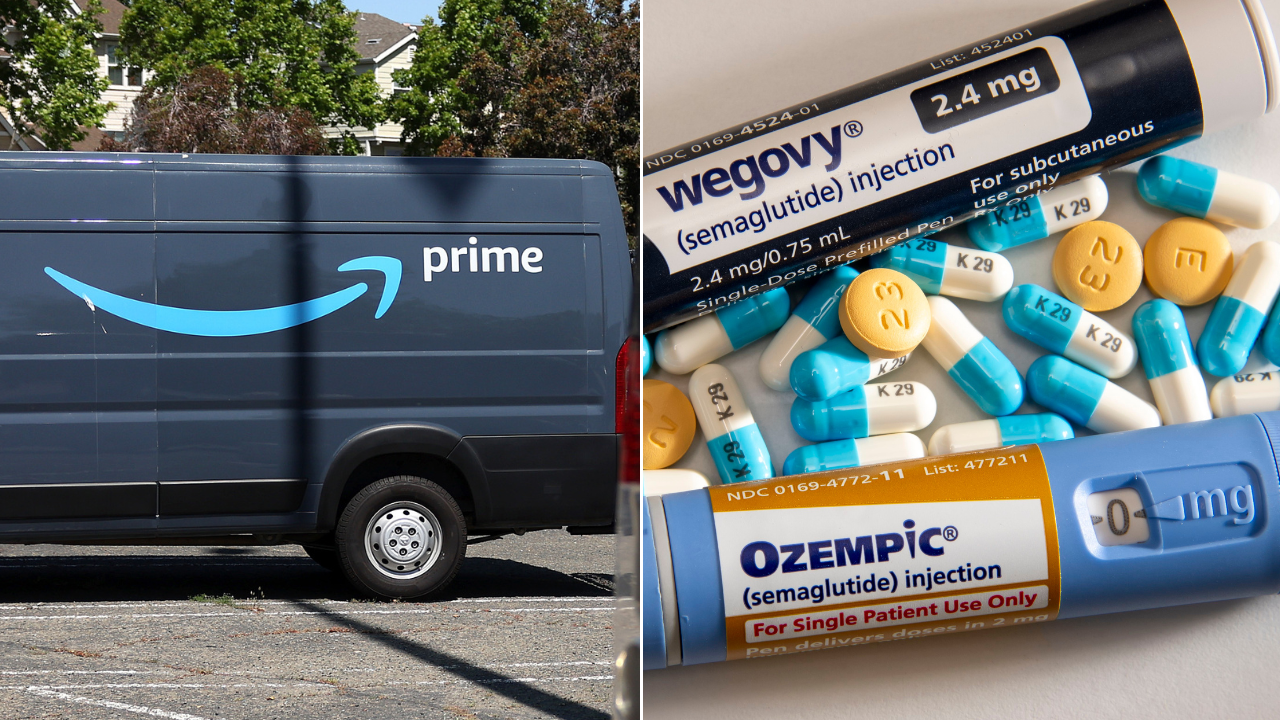
Novo Nordisk CEO Mike Doustdar details the company’s Amazon partnership, benefits of Ozempic beyond weight loss and more on ‘The Claman Countdown.’
Novo Nordisk’s oral versions of its blockbuster weight-loss drugs, Ozempic and Wegovy, are now available for same-day delivery on Amazon.
Novo Nordisk CEO Mike Doustdar said on “The Claman Countdown” Friday the once-daily pill versions of the company’s highly popular treatments have been a major success.
“It’s an exciting time, I would say, for the patients that can get access to these products when they want it and as fast as possible,” he told FOX Business.
“I think it’s really nice that, right now, people can have both Ozempic injection, as well as Ozempic pill.”
FIRST GLP-1 PILL FOR WEIGHT LOSS, DIABETES SHOWS SUCCESS IN LATE-PHASE TRIAL
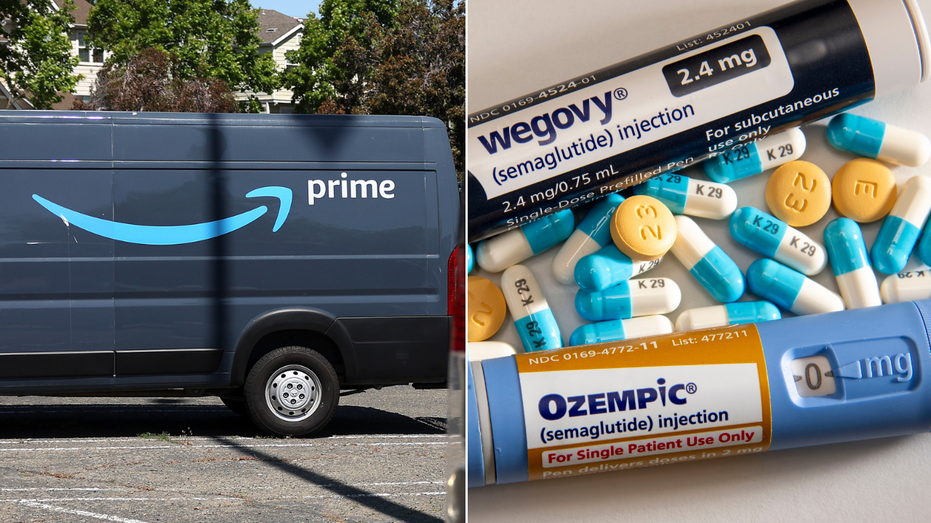
Amazon is now offering same-day delivery of Novo Nordisk’s Ozempic pill. (Left (Justin Sullivan/Getty Images), Right (Michael Siluk/UCG/Universal Images Group via Getty Images) / Getty Images)
The Ozempic pill launched last week, following the January debut of an oral version of Wegovy, which has delivered strong results, generating more than $350 million in first-quarter sales.
“This has been the best product launch in the last decade that we have seen. And I’m incredibly excited,” Doustdar said. “We have seen in 16 weeks time, since we have launched it, more than one million patients [who] have tried it.”
Ozempic is prescribed for patients with Type 2 Diabetes, while Wegovy is used to treat obesity. Both treatments were originally made as weekly injectables, but the newer oral versions are a once-daily pill.
HHS SEC ROBERT F KENNEDY JR: AMERICAN PATIENTS PAY MORE SO OTHERS CAN PAY LESS — THAT STOPS NOW
“I would say Wegovy’s pill will be the one that will be the flagship, but the Ozempic pill on the back of an iconic brand name, of course, will also find its good space,” Doustdar said.
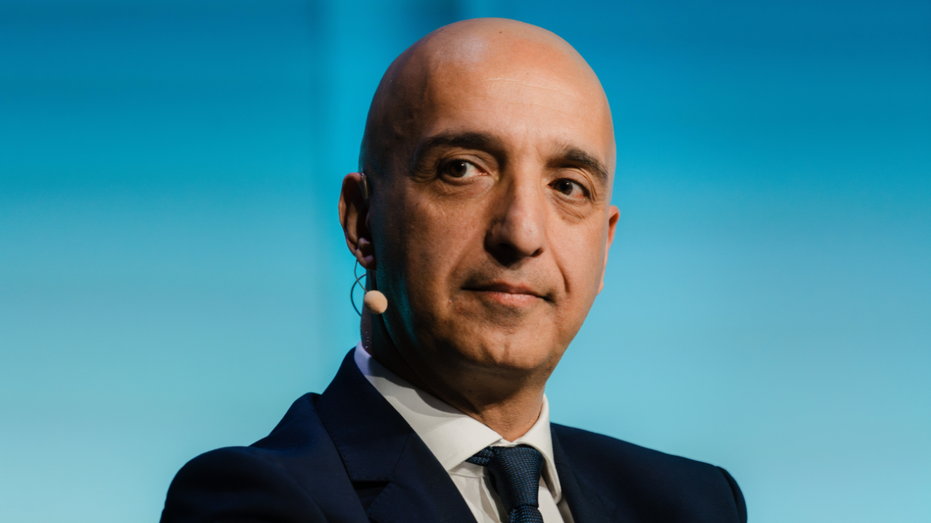
Mike Doustdar, chief executive officer of Novo Nordisk A/S, at the Novo Nordisk A/S annual general meeting in Copenhagen, Denmark, on Thursday, March 26, 2026. (Nichlas Pollier/Bloomberg via Getty Images / Getty Images)
Novo Nordisk was one of the first to work with the Trump administration to lower the costs of prescription drugs and Doustdar said lowering prices was important to ensure fair access.
“We were very happy that we were able to make a deal with the Trump administration, and mainly because our job is to really make sure that these innovative medications get access, and they don’t become a product just for the rich. They become the product for everyone,” the CEO said.
“I would say lower prices have provided us with more patients and more volume. While short term, this is hurting our business. Longer term, it’s the right thing to do.”
While Ozempic and Wegovy are known for inducing weight loss, Doustdar highlighted the drugs’ broader benefits for cardiovascular, kidney and liver health – most notably, their ability to cure scarring in patients with fatty liver disease.
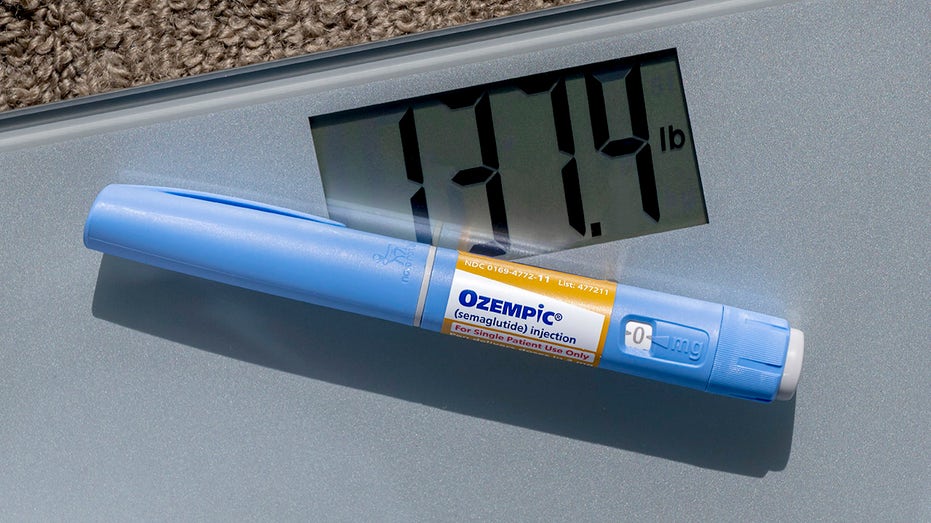
Photo illustration of injectable prescription weight loss medicine Ozempic on a weight scale. (Photo by: Michael Siluk/UCG/Universal Images Group via Getty Images) (Michael Siluk/UCG/Universal Images Group via Getty Images) / Getty Images)
CLICK HERE TO DOWNLOAD THE FOX NEWS APP
He also teased the potential launch of a new drug treatment that proves so effective for liver disease that it could reduce the need for liver transplants.
“We have to finish the clinical development of it, we have to get it approved. But if the early data holds, then I’m very optimistic,” Doustdar said.
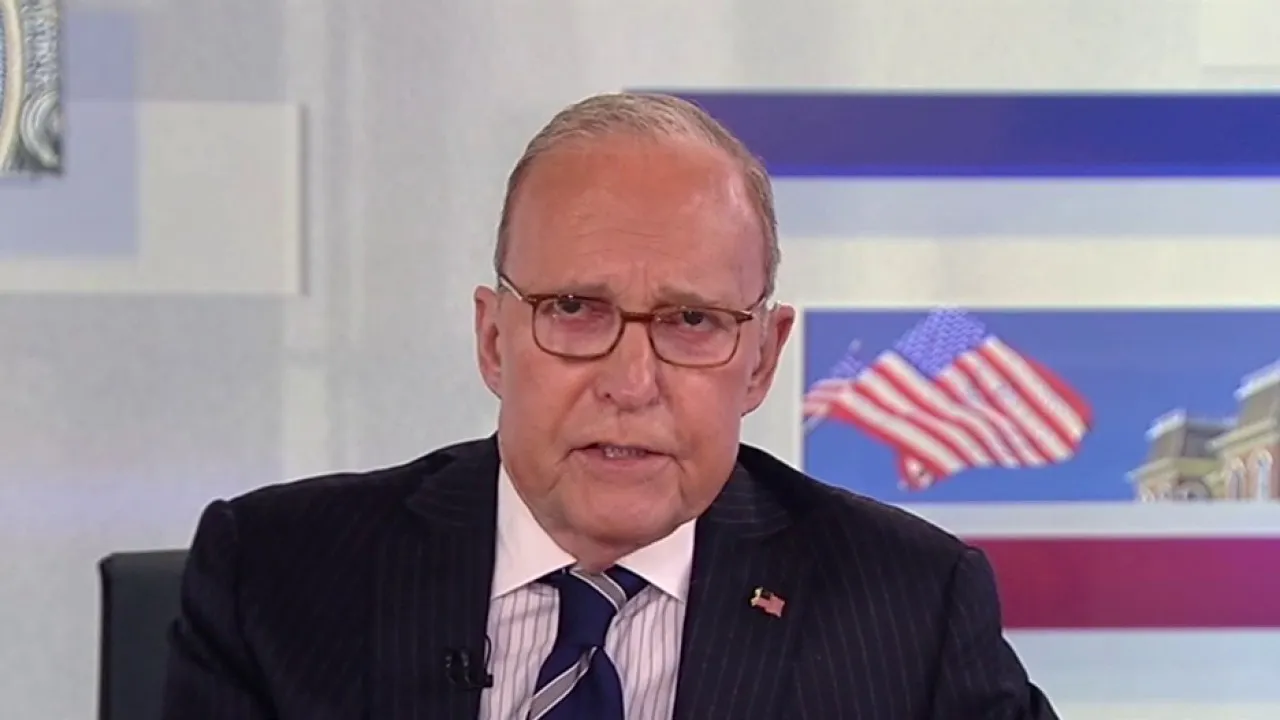
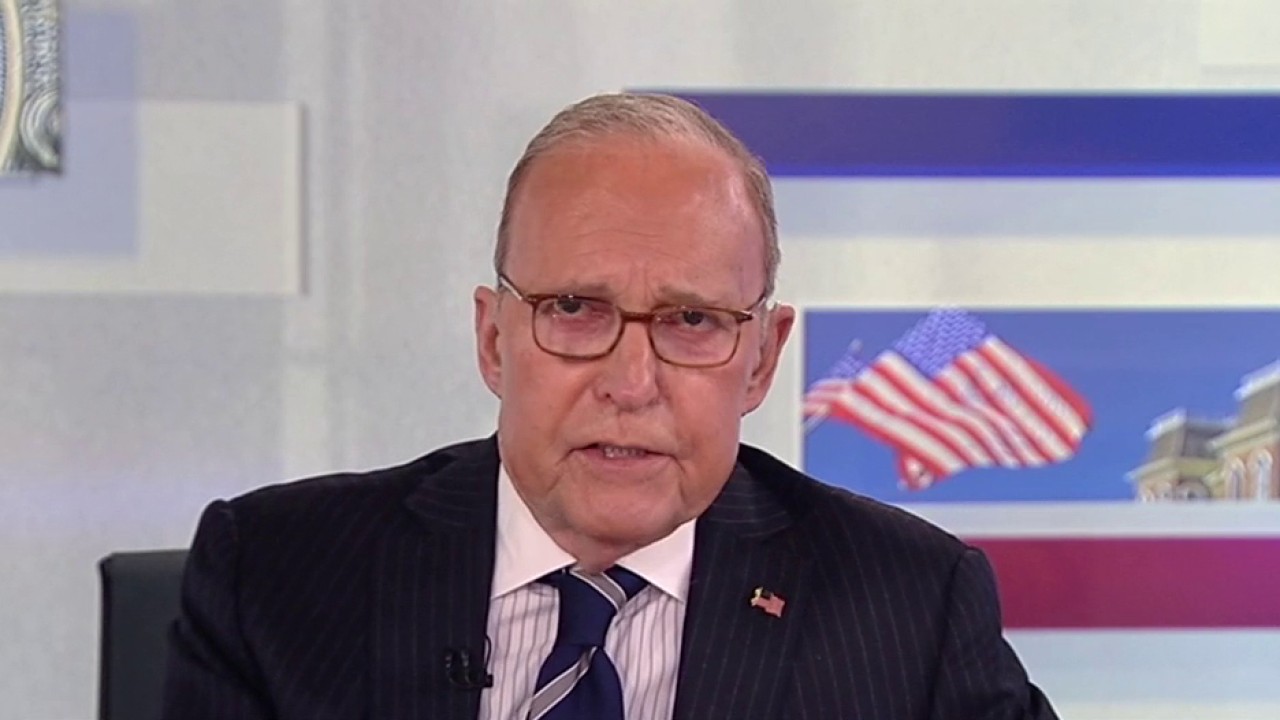
FOX Business host Larry Kudlow discusses how the economy is performing under President Donald Trump on ‘Kudlow.’
For all of that left-wing press rabble babble about the Trumpian economy, also known as the great American economy, nearly all of the numbers coming in this spring are showing strength and resilience. Yes there is a war going on, yes gasoline and other energy prices have jumped up because of that war, but it’s very hard to find negative consequences from the Iran energy war shock.
Of course that’s all the lefty press ever writes about, but the lefties are gonna be very disappointed that there is no recession in sight. Indeed, the Atlanta Fed GDPNow is predicting 3.7 percent annual growth in the second quarter. And today’s jobs number is yet another example of a strong economy. It beat expectations by twice as much.
Private sector pay rolls jumped 123,000, following last month’s gain of 190,000. Those are big numbers. The unemployment rate is still at 4.3 percent. That’s virtually a full employment number.
We don’t need hundreds of thousands of jobs each month anymore because the borders are closed. And the so-called break even rate of job growth could be something near zero. Indeed, a good 3 million illegal immigrants have left the United States either through self-deportation or criminal deportation. Anyway, while President Trump has reduced the federal workforce by 345K, the private workforce has moved ahead by nearly that much in just the last 2 months.
Weekly unemployment claims continue at rock bottom. And interestingly it’s the nonsupervisory production workers who have done the best over the past year. Their hourly earnings have increased 3.7 percent while their hours worked have jumped 1 percent. Now what economists call the wage-income proxy, which adds earnings to hours worked, is now showing a 4.7 percent increase. The blue-collar folks are doing better than the white-collar folks.
National Economic Council director Kevin Hassett lauds President Donald Trump’s State of the Union address on ‘Kudlow.’
And the 4.7 percent total wage income gain is still way better than the roughly 3 percent inflation rate favored by the Federal Reserve. And even much more ahead of the 2.7 percent median consumer price index from the Cleveland Fed. Or the 2.4 percent trimmed mean from the Dallas Fed.
Nobody’s thrilled about the energy shock, including myself, but I still believe it will be temporary. And I still believe it’s a small price to pay to the gruesome and barbaric Iranian regime, probably the worst government we’ve seen since the Nazis of a hundred years ago to get rid of all of them.
Anyway, the Institute for Supply Management’s services and manufacturing indexes are strong. Non-farm productivity over the past year is up a fantastic 2.9 percent. And unit labor costs are up only 1.2 percent, which may be the best underlying inflation measure of all. And that feeds into the best profits performance for American business in at least 20 years. Remember profits are the mothers’ milk of stocks. And that leads to the record breaking stock markets.
In Trumpian America, both workforce labor and investment capital are both doing very well. That’s what you get from tax cuts, deregulation and “drill, baby, drill,” and reciprocal fair trade. All of it.

SALT LAKE CITY — Elizabeth Smart, the survivor of a notorious 2002 abduction who became a leading advocate for missing persons cases, expressed cautious optimism Thursday that Nancy Guthrie, the 84-year-old mother of “Today” show co-anchor Savannah Guthrie, could still be alive more than three months after her disappearance from her Arizona home.

In an emotional interview, Smart said she has been closely following the case and believes there is still reason for hope. “I absolutely believe Nancy could still be alive,” Smart told reporters. “We have seen miracles in these cases before, and until we have definitive proof otherwise, we have to hold onto that possibility for the family.”
Nancy Guthrie vanished from her Catalina Foothills home near Tucson on February 1, 2026. Security footage captured a masked individual near her door around the time of her disappearance. Blood evidence, a disabled Ring camera and signs of a struggle led authorities to classify the case as an abduction rather than a missing person or wandering incident. No ransom demand has been made, and no arrests have been announced.
Pima County Sheriff’s Office and the FBI continue to investigate. A rootless hair sample and potential glove DNA recovered from the scene have been sent for advanced forensic testing, including genetic genealogy analysis. Multiple ransom-style notes received by media outlets have complicated the probe, with experts questioning their authenticity.
Elizabeth Smart’s Perspective
Smart, who was abducted at age 14 and held for nine months before her dramatic rescue, drew parallels to her own experience. “There were many times people assumed I was dead,” she said. “But I was alive. Families should never stop hoping until they have concrete answers.” She praised Savannah Guthrie’s public strength while balancing her high-profile career and family life.
Smart has offered to assist the family privately and continues advocating for better coordination between law enforcement agencies in missing persons cases involving elderly victims. She emphasized the importance of keeping Nancy’s case in the public eye without sensationalizing it.
Family’s Ongoing Ordeal
Savannah Guthrie has returned to the “Today” show while advocating for information about her mother. She briefly stepped away from the broadcast earlier this week amid emotional strain but returned the next day. The family has offered a $1 million reward for information leading to Nancy’s safe return.
The unrelated discovery of ancient human bones near the home earlier this week briefly raised hopes before forensic analysis ruled them out. The incident highlighted the challenges of searching desert terrain where old remains are occasionally found.
Investigation Challenges
The case has exposed occasional friction between local authorities and federal agencies. FBI Director Kash Patel publicly criticized initial coordination, though both sides say they are now working closely. Behavioral profilers have suggested the perpetrator may have sought fame or had some prior connection to the victim.
No proof of life has emerged in more than 95 days. Authorities continue operating under the assumption Nancy could be found alive while preparing for all possibilities. Door-to-door canvassing, expanded surveillance reviews and public appeals have generated thousands of tips.
Community Response
The upscale Catalina Foothills neighborhood remains on edge, with yellow ribbons symbolizing hope displayed prominently. Neighbors and the broader Tucson community have participated in searches and vigils. National attention, driven by Savannah Guthrie’s platform, has kept the case visible while the family urges focus on verified information.
Smart’s public expression of hope has resonated widely, with many praising her empathy and willingness to support another family facing a similar nightmare. Her foundation continues working on legislation to improve missing persons protocols, particularly for vulnerable populations like the elderly.
Broader Context
The Guthrie case stands out due to its brazen nature in a secure community and the victim’s connection to a beloved national television personality. Elizabeth Smart’s involvement brings renewed attention and reminds the public that long-term missing persons cases can sometimes end in reunions against the odds.
As the investigation enters its fourth month, law enforcement appeals for any information, no matter how small. The family continues balancing public advocacy with private grief, holding onto hope while preparing for any outcome. Smart’s message of resilience offers comfort to those following the case.
Whether Nancy Guthrie is found alive or the case brings closure through other means, her disappearance has highlighted vulnerabilities even in protected communities and the enduring power of hope in the face of uncertainty. For now, the search continues, supported by a survivor who knows firsthand that miracles in these cases are possible.
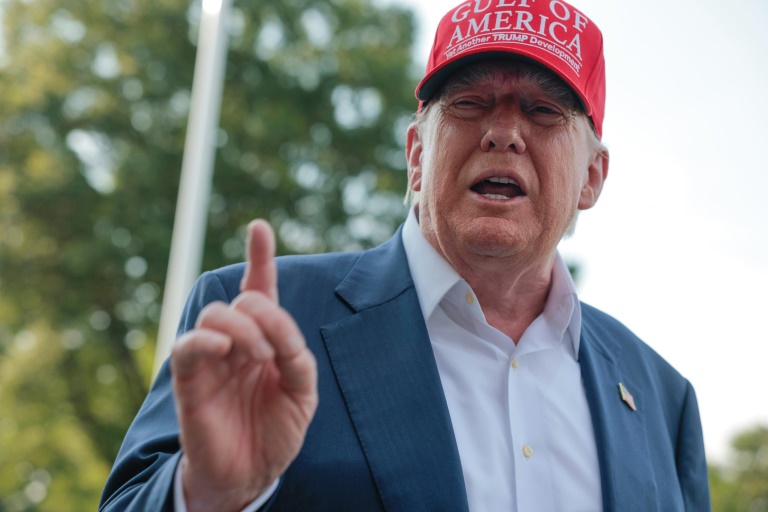
WASHINGTON — A federal trade court ruled Thursday that President Donald Trump’s sweeping 10% global tariff policy is illegal, delivering a major blow to one of the administration’s signature economic initiatives and potentially reshaping international trade negotiations. The three-judge panel of the U.S. Court of International Trade found that the tariffs exceeded presidential authority under existing trade laws and violated procedural requirements.
The decision immediately sent shockwaves through financial markets, with stocks of major importers and manufacturers rallying while broader indices showed mixed reactions. White House officials vowed a swift appeal, calling the ruling “judicial overreach” that undermines national security and economic sovereignty. Trade partners from Europe to Asia welcomed the decision but cautioned that uncertainty remains high.
The tariffs, imposed in early 2026 under Section 232 of the Trade Expansion Act and emergency powers, applied a baseline 10% duty on nearly all imported goods. The administration argued the measure was necessary to address trade imbalances, protect domestic industries and counter perceived unfair practices by countries like China. Critics, including business groups and several U.S. trading partners, challenged the tariffs in court, claiming they were overly broad and lacked proper justification.
In a 68-page opinion, the court sided with the challengers. Judges wrote that while the president has significant discretion in trade matters, the 10% across-the-board tariff went beyond statutory authority and failed to demonstrate a direct link to national security threats as required under the law. The ruling permanently blocks enforcement of the tariff and orders refunds for duties already collected.
Immediate Market and Economic Reaction
Stocks of retailers, automakers and consumer electronics companies rose sharply on the news, with the Dow Jones Industrial Average gaining more than 300 points in afternoon trading. Companies that had absorbed higher costs or passed them to consumers stood to benefit most. Conversely, some domestic steel and manufacturing stocks dipped on fears of renewed foreign competition.
Economists estimated the tariffs had already added billions in costs to U.S. businesses and consumers. The ruling could ease inflationary pressures in certain sectors, though the administration warned that any revenue shortfall would need to be addressed through other means.
White House Response
White House Press Secretary Karoline Leavitt called the decision “disappointing but expected from an activist court.” She said the administration would appeal to the U.S. Court of Appeals for the Federal Circuit and, if necessary, the Supreme Court. President Trump, speaking at a rally in Pennsylvania, reiterated his commitment to protecting American workers. “We’re going to keep fighting for fair trade. This is not over,” he said.
Legal experts predict a lengthy appeals process that could extend well into 2027. In the meantime, the tariffs remain on hold pending further court action.
Reactions from Trade Partners
Several U.S. allies expressed relief. The European Union, which had threatened retaliatory measures, welcomed the ruling and called for renewed negotiations on a more balanced trade framework. China described the decision as “a victory for multilateral trade rules,” though tensions over technology and subsidies persist. Mexico and Canada, key partners under the USMCA agreement, said the ruling reinforces regional economic stability.
Business organizations including the U.S. Chamber of Commerce and the National Retail Federation praised the court’s decision, arguing that broad tariffs harm American consumers and exporters. Labor unions were more divided, with some praising Trump’s original intent while others supported the legal challenge.
Background of the Tariff Policy
Trump first proposed the 10% global tariff during his 2024 campaign as a simple mechanism to protect U.S. industries and generate revenue. The policy was implemented in phases starting in January 2026, with exemptions for certain allies and critical goods. It quickly became one of the most controversial economic moves of his second term, drawing lawsuits from more than a dozen plaintiffs including importers, trade associations and state governments.
The Court of International Trade, which specializes in trade disputes, has historically shown deference to presidential authority in national security matters but drew a line at what it called an overly expansive interpretation of executive power.
Broader Implications for Trade Policy
The ruling could force the administration to pursue more targeted tariff actions or seek new congressional authority. It also raises questions about the limits of executive power in trade, a recurring theme in recent decades. Legal scholars expect the case to eventually reach the Supreme Court, where it could set important precedents for future presidents.
For American businesses, the decision provides short-term relief but continued uncertainty. Many companies had already adjusted supply chains or absorbed costs in anticipation of prolonged tariffs. The appeals process means planning remains difficult.
Political Ramifications
The ruling hands Democrats and free-trade Republicans a significant political victory heading into midterm election season. However, Trump’s base has strongly supported protectionist policies, and the administration is likely to frame the court decision as part of a larger battle against “globalist” institutions.
Congress could step in with legislation to clarify or expand presidential trade authorities, though partisan divisions make swift action unlikely. Bipartisan efforts to reform trade law have gained some momentum in recent months but face steep hurdles.
What Happens Next
The administration has 60 days to appeal. In the interim, importers can seek refunds for tariffs paid since implementation. The court stayed parts of its ruling pending appeal to avoid market chaos. Trade negotiations with major partners are expected to accelerate as all sides reassess their positions.
For consumers, the decision could eventually translate into lower prices on imported goods ranging from electronics and clothing to automobiles and machinery. For U.S. manufacturers competing with imports, the relief may be temporary if new, more targeted tariffs are introduced.
The landmark ruling underscores the complex interplay between executive power, judicial oversight and global commerce in an era of heightened economic nationalism. As the legal battle continues, the future of U.S. trade policy remains uncertain, with profound implications for businesses, workers and consumers alike.

Yorkshire Dales butchers in spotlight after Prince of Wales visit

10 Things You Must Know About Canvas Hack Impacting Thousands of Schools Nationwide
Ripple (XRP) Joins an Exclusive Club Next to SpaceX, OpenAI: Details Inside

Manchester United reach agreement with Casemiro over contract clause amid transfer speculation

US brings back mandatory military draft registration

Steven Gerrard disagrees with Gary Neville over ‘shock’ Chelsea and Arsenal claim | Football

#trendingshorts #finance #youtube #viral #shorts #RutujaFinanceHub#job #youtubeshorts#fyp#trending

XRP PRICE PUSHING HIGHER! – BRAD DROPS BOMBS AT CONSENSUS! – XRP BOTTOM IN OR SUB $1 POSSIBLE?

FINALLY IT’S OVER !! Latest Crypto Market News Today & BTC – ETH Analysis
-
 Crypto World14 hours ago
HarrisX Poll Found 52% of Registered Voters Support the CLARITY Act
-

 NewsBeat5 days ago
Channel 5 – All Creatures Great and Small series 7 new post
-

 Crypto World2 days ago
Upbit adds B3 Korean won pair as Base token gains Korea access
-

 Tech4 days ago
Image AI models now drive app growth, beating chatbot upgrades
-
 NewsBeat2 days ago
NCP car park operator enters administration putting 340 UK sites at risk of closure
-

 Entertainment7 days ago
Kylie Jenner Hit With Second Lawsuit From Ex-Housekeeper
-

 Sports7 days ago
Cavaliers vs. Raptors Game 6 live score, updates, highlights from 2026 NBA playoffs first-round series
-

 Entertainment7 days ago
Young and the Restless Next Week: Cane Arrested & Matt’s Deadly New Scheme!
-
Entertainment6 days ago
New Netflix Movies in May 2026 — My Top 3 Picks to Stream
-

 Entertainment6 days ago
Melissa Joan Hart and More Stars Attend 2026 Kentucky Derby
-
 Sports7 days ago
David Benavidez responds to team Canelo saying the fight will never happen
-
 Sports7 days ago
IPL 2026: ‘Love you darling’- Hardik Pandya’s reaction to MS Dhoni steals the show |Watch | Cricket News
-

 Sports6 days ago
Five killed in Texas plane crash identified as Amarillo pickleball players
-
Entertainment6 days ago
Anna Nicole Smith’s Daughter Attends 2026 Kentucky Derby
-

 Crypto World6 days ago
Bitcoin mining equities rise in 2026 as BTC lags behind
-
 Crypto World6 days ago
Pi Network Mandates Protocol 23 Upgrade for All Mainnet Nodes Before May 15 Deadline
-

 Business6 days ago
Luka Doncic Injury Update: Doncic’s Hamstring Recovery Slows Lakers’ Hopes Against Thunder: Can He Run Yet?
-

 Business7 days ago
Can Victor Wembanyama Bring the NBA Ring to Spurs in 2026? Historic Playoff Run Fuels Title Dreams
-

 Sports7 days ago
Plane crash in Wimberley, Texas kills 5 pickleball players at tournament
-
Entertainment6 days ago
Venus Williams’ Best Met Gala Looks Over the Years
You must be logged in to post a comment Login