Business
Trump Furious Over NATO ‘Betrayal’ as He Weighs Pulling US Troops From Europe in Major Rift

WASHINGTON — President Donald Trump, seething over what he calls NATO allies’ failure to support U.S. efforts in the Iran conflict and stalled plans for Greenland, has discussed with advisers the possibility of withdrawing some American troops from Europe, a senior White House official said Thursday.
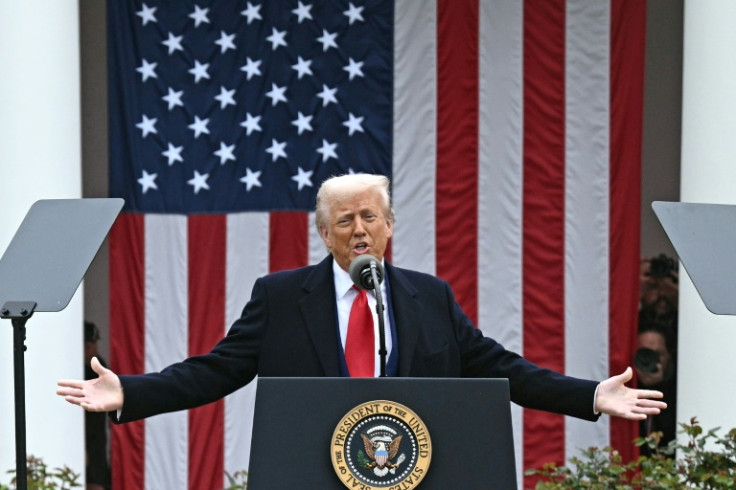

The deliberations, reported first by Reuters, mark the latest escalation in trans-Atlantic tensions that have pushed the 77-year-old military alliance into one of its rockiest periods. No final decision has been made, and the Pentagon has not been tasked with concrete planning, but the mere discussion signals Trump’s deepening frustration with European partners he accuses of freeloading on American security guarantees while offering little in return during critical moments.
Trump’s anger boiled over after a tense White House meeting Wednesday with NATO Secretary General Mark Rutte. In an all-caps Truth Social post afterward, the president declared: “NATO WASN’T THERE WHEN WE NEEDED THEM, AND THEY WON’T BE THERE IF WE NEED THEM AGAIN. REMEMBER GREENLAND, THAT BIG, POORLY RUN, PIECE OF ICE!!!” He followed up Thursday by calling the alliance “very disappointing” and saying its members only respond to pressure.
The troop withdrawal idea would serve as a targeted punishment short of the full U.S. exit from NATO that Trump has repeatedly floated — a move that would require congressional approval and faces legal hurdles. Instead, officials are eyeing a realignment: pulling forces from countries viewed as “unhelpful,” such as Germany and Spain, and shifting them toward more supportive eastern flank nations like Poland, Romania, Lithuania and Greece, according to reports citing administration sources.
The United States currently stations roughly 84,000 troops across Europe, with major bases in Germany playing a central logistical role for operations from the Middle East to Africa. Any significant drawdown would reshape America’s forward military posture on the continent and send shockwaves through European capitals already grappling with Russia’s ongoing threat and energy security concerns.
Roots of Trump’s Fury: Iran War and Hormuz
Trump’s latest grievances trace directly to the U.S.-Israeli military campaign against Iran that began in late February 2026. The conflict disrupted shipping through the Strait of Hormuz, a vital chokepoint for global oil and gas flows, sending energy prices soaring. European allies largely declined to commit naval forces to help reopen the waterway, a decision Trump branded as abandonment.
“They turned their backs on the American people,” White House press secretary Karoline Leavitt said ahead of the Rutte meeting. Trump has repeatedly labeled NATO a “paper tiger” and suggested in interviews that he is “absolutely” considering pulling the U.S. out of the alliance once the Iran situation stabilizes.
The Greenland issue adds another layer. Trump has long expressed interest in acquiring the Danish territory for strategic reasons, but progress has been nonexistent, further fueling his irritation with European partners.
A Strategy of Punishment Without Full Withdrawal
The troop repositioning plan, first detailed by The Wall Street Journal, stops short of a complete NATO exit but would still dramatically reduce Washington’s security commitments in western and central Europe. Countries with higher defense spending and quicker support during the Hormuz crisis could see increased U.S. presence, while others face base closures or force reductions.
Defense analysts note that such a move would test NATO’s Article 5 collective defense pledge in practice, even if not formally abandoned. Eastern European nations, already wary of Russian aggression, have generally met or exceeded the 2% of GDP defense spending target that Trump has long demanded. Western European powers like Germany have increased spending in recent years but remain below what the president considers adequate.
NATO officials and European leaders responded with a mix of calm and concern. Rutte described his meeting with Trump as “very frank” and “very open,” acknowledging disagreements without elaborating. Poland and other frontline states urged unity, while Germany reaffirmed its commitment to the alliance. British Prime Minister Keir Starmer suggested Europe may need to strengthen intra-continental defense ties.
Congressional barriers could complicate any large-scale withdrawal. The National Defense Authorization Act includes provisions aimed at preventing sharp reductions in U.S. forces in Europe below certain thresholds, reflecting bipartisan support for maintaining the trans-Atlantic link.
Historical Echoes and Strategic Stakes
Trump’s threats echo his first term, when he repeatedly criticized NATO spending and briefly considered troop cuts from Germany. This time, the context is more volatile: a recent U.S.-Iran conflict, disrupted global energy markets and a NATO already strained by Russia’s war in Ukraine.
European officials worry that any U.S. drawdown could embolden adversaries and force rapid, costly increases in their own defense budgets. Some have quietly begun contingency planning for greater European strategic autonomy, including joint procurement and enhanced EU defense initiatives.
For the Pentagon, repositioning tens of thousands of troops would involve enormous logistical challenges, base negotiations and potential strains on readiness. Supporters of Trump’s approach argue it finally forces Europe to shoulder more of the burden after decades of underinvestment.
Critics, including former national security officials, warn that signaling wavering U.S. commitment could weaken deterrence against Russia and China while damaging America’s global credibility.
What Comes Next
As of Friday, April 10, no orders for troop movements have been issued. White House officials emphasize that discussions remain internal and that Trump continues to use leverage to extract concessions on spending and burden-sharing.
Trump is expected to keep pressure on allies in coming weeks, potentially tying future U.S. support to concrete actions on defense budgets and Hormuz-related cooperation.
The episode underscores the fragile state of trans-Atlantic relations in 2026. While NATO has survived previous Trump-era turbulence, the combination of the Iran conflict fallout and longstanding spending disputes has exposed deep fault lines.
For now, the president’s anger serves as both venting and negotiating tactic. Whether it leads to actual force reductions — or simply compels European capitals to boost contributions — will shape the alliance’s future for years to come.
European leaders face a delicate balancing act: responding to Trump’s demands without appearing to capitulate, while preparing for a security landscape with potentially less reliable American backing.
As one senior European diplomat put it privately, “Pressure works with Trump, but permanent damage to trust could outlast any single administration.”
You must be logged in to post a comment Login