
Business
Trump urges UK and other nations to send ships to Strait of Hormuz




Wall Street Horizon provides institutional traders and investors with the most accurate and comprehensive forward-looking event data including earnings calendars, dividend dates, option expiration dates, splits, investor conferences and more. Covering 9,500 companies worldwide, we offer more than 40 corporate event types via a range of delivery options. By keeping clients apprised of critical market-moving events and event revisions, our data empowers financial professionals to take advantage of or avoid the ensuing volatility.

A Dog, A Diagnosis And A Different Way To Understand AI

Kuaishou Technology: Downgrade To Hold As Near-Term Setup Is Poor
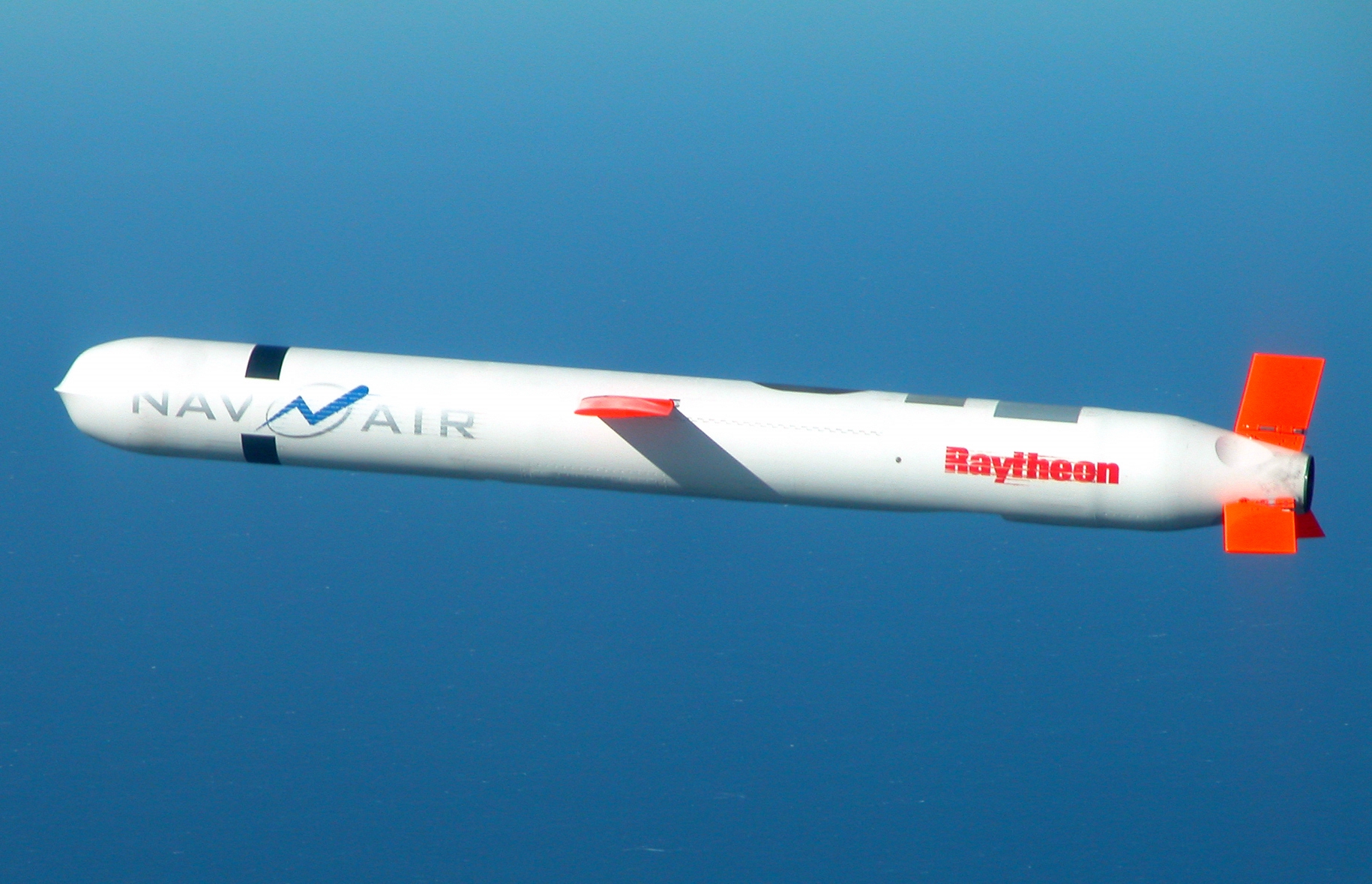
More than five weeks into Operation Epic Fury, the U.S.-led military campaign against Iran that began Feb. 28, 2026, a range of advanced weapons has shaped the conflict’s deadly course. U.S. and allied forces have unleashed precision strikes on Iranian military targets, while Iran has responded with ballistic missiles, drones and air defenses that claimed at least one American aircraft.
Here are 10 of the most lethal weapons used so far, based on U.S. Central Command reports, independent analyses and public footage as of April 4. Lethality is assessed by destructive power, frequency of use, confirmed impacts and strategic effect.

- Tomahawk Cruise Missiles The U.S. Navy has fired more than 850 Tomahawk land-attack missiles from destroyers and submarines since the campaign opened. These subsonic, GPS-guided weapons, capable of striking targets up to 1,000 miles away with 1,000-pound warheads, have devastated Iranian missile production facilities, naval vessels and command centers. Pentagon officials expressed alarm at the rapid depletion of stockpiles, with some describing the expenditure as “years’ worth” in just weeks. Tomahawks initiated many opening salvos and remain a backbone of standoff strikes.
- Precision Strike Missiles (PrSM) Used in combat for the first time, the Army’s PrSM extended-range rocket has delivered deep strikes from HIMARS and M270 launchers. With a range exceeding 400 kilometers and improved accuracy over its ATACMS predecessor, PrSM has targeted hardened sites. Controversy arose after reports linked a PrSM strike near Lamerd to civilian casualties, though U.S. officials denied hitting non-military areas. Its debut underscores the shift toward ground-launched precision fires.
- F-35 Lightning II Stealth Fighters U.S. and Israeli F-35 variants have conducted hundreds of sorties, penetrating Iranian airspace with advanced sensors and munitions. Equipped with JDAMs and small-diameter bombs, these fifth-generation jets have suppressed air defenses and struck deeply buried targets. Their low-observable technology has been key to maintaining air superiority despite Iranian attempts at retaliation.
- F-15E Strike Eagle The workhorse twin-seat fighter has flown extensive strike and suppression missions but suffered the first confirmed U.S. manned combat loss of the war on April 3. An F-15E was shot down over Iran, with one crew member rescued and search efforts continuing for the second. Earlier, three F-15Es were lost in a friendly-fire incident over Kuwait. The jet’s heavy payload and long range made it central to sustained operations.
- MQ-9 Reaper Drones Armed with Hellfire missiles and guided bombs, Reaper unmanned aircraft have provided persistent intelligence, surveillance and strike capability. Operating from regional bases, they have targeted time-sensitive Iranian assets, including missile launchers and naval vessels, while minimizing risk to pilots.
- HIMARS Rocket Systems The mobile M142 High Mobility Artillery Rocket System has launched salvos of guided rockets and PrSM missiles against Iranian ground targets. Its rapid mobility and precision have allowed U.S. forces to strike from safer distances, contributing to the destruction of hundreds of launchers and support infrastructure.
- B-2 Spirit Stealth Bombers These long-range bombers have dropped massive ordnance penetrators and other heavy munitions on deeply buried Iranian facilities, including missile production sites. Operating from distant bases, the B-2’s stealth and payload capacity enable strikes that conventional aircraft cannot easily replicate.
- Iranian Ballistic Missiles (Fateh, Shahab and Sejjil variants) Iran has fired hundreds of ballistic missiles at U.S. bases, Israeli targets and Gulf allies. Systems like the Fateh family, Shahab-3 derivatives and solid-fuel Sejjil have inflicted damage despite heavy interception. While many were downed by Patriot and THAAD systems, successful strikes have caused casualties and highlighted Iran’s asymmetric deterrent.
- Patriot and THAAD Air Defense Systems U.S. and allied Patriot MIM-104 and Terminal High Altitude Area Defense (THAAD) batteries have intercepted dozens of Iranian missiles and drones. These systems proved vital in protecting regional bases but have consumed significant stockpiles, raising concerns about sustained defense against prolonged barrages.
- JDAM-Equipped Bombs and Hellfire Missiles As expensive standoff munitions depleted, U.S. forces shifted to Joint Direct Attack Munitions (JDAM) kits on unguided bombs and AGM-114 Hellfire missiles from aircraft and drones. Tens of thousands of JDAMs provide cost-effective precision for closer-range strikes, while Hellfires have been used extensively against vehicles, small boats and personnel.
The conflict has exposed vulnerabilities on both sides. U.S. forces achieved early air supremacy and degraded much of Iran’s navy and missile infrastructure, sinking dozens of vessels and destroying launchers. Iran, however, has adapted with cheaper drone swarms, older ballistic missiles and portable air defenses that downed the F-15E. Civilian casualties have been reported on both sides, with Iranian officials citing strikes near populated areas and U.S. forces noting proxy attacks on bases.
Munitions stockpiles have become a central concern. Rapid Tomahawk and interceptor expenditure has prompted Pentagon discussions about accelerating production. Analysts warn that prolonged fighting could strain supplies further, particularly for high-end systems.
The war’s human cost remains fluid. U.S. and Israeli strikes have targeted military sites, while Iranian responses have hit regional facilities. Exact casualty figures vary by source, but both sides acknowledge significant losses.
As operations continue into April, the balance of lethality favors U.S. precision and air power, yet Iran’s ability to sustain asymmetric attacks with lower-cost weapons complicates a swift resolution. The downing of the F-15E on April 3 served as a reminder that no platform is invulnerable in contested airspace.
Military experts note the campaign’s evolution from initial high-end strikes to a mix of standoff and stand-in weapons. B-2 bombers and carrier-based aircraft have maintained pressure, while ground systems like HIMARS extend reach inland.
The list reflects weapons with the greatest documented impact through early April 2026. New systems or tactics could emerge as the conflict progresses. Both sides continue to adapt, with U.S. forces emphasizing precision to minimize collateral damage and Iran relying on volume and concealment.
The ongoing war underscores the high cost of modern conflict, where advanced munitions deliver devastating effect but deplete rapidly. As diplomatic efforts remain stalled, these weapons will likely determine the campaign’s next phase.

CMB.TECH: Valuation Implies Mid-Cycle – Reality Looks Stronger

Over the five trading sessions ending April 2, the Sensex benchmark slipped 1.01%, losing 749 points to close at 73,319. Although the index finished higher in three of the five sessions between March 25 and April 2, sharp declines in the other two sessions pulled overall performance into negative territory. Despite this weakness, nine stocks from the BSE small-cap index posted gains in all five sessions during that period. (Data Source: ACE Equity)

Australians are grappling with sharply higher fuel costs in early April 2026 as the U.S.-Iran war disrupts global oil supplies, pushing wholesale prices higher and triggering a domestic fuel supply crunch despite government intervention.

The conflict, which began in late February, has threatened shipping through the Strait of Hormuz and driven volatility in global oil markets. While Brent crude has fluctuated around $100-$110 per barrel in recent days — down from peaks above $110 but still well above pre-war levels — the impact on Australian petrol and diesel pumps has been immediate and painful.
Here are 10 essential things consumers, businesses and policymakers should know about the current oil and fuel price situation.
- Record-High Petrol and Diesel Prices Have Eased Slightly After Excise Cut National average regular unleaded petrol prices hit a record $2.38 per litre in late March before falling in early April. Following the federal government’s decision to halve the fuel excise from about 52.6 cents to 26.3 cents per litre starting April 1, averages dropped 13-25 cents per litre in major cities. As of early April 4, unleaded sat around $2.23-$2.44 per litre in capitals, with diesel near or just under $3 per litre in many areas after similar relief. Some stations briefly dipped below $2 for unleaded before stabilising.
- The Iran War Is the Main Driver Disruptions to oil flows from the Middle East, including threats to the Strait of Hormuz, have caused a roughly 40% surge in Australian fuel prices since late February. Australia imports about 90% of its refined petrol and diesel, mostly from Asian refineries that rely on Middle Eastern crude. A potential “fuel supply cliff” at the end of April loomed as inventories ran low, though shipments are now en route and panic buying has eased somewhat.
- Government Halved Fuel Excise for Three Months Prime Minister Anthony Albanese announced the temporary cut on March 30, costing the budget around A$400 million in foregone revenue through June 30. Retailers passed on most of the savings quickly, with cities like Adelaide seeing the largest drops. A further small cut using GST revenue brought total relief closer to 32 cents per litre in some calculations. The measure aims to cushion households and businesses from the worst effects.
- Diesel Prices Hit Particularly Hard Diesel climbed above $3 per litre in several capitals in March, squeezing farmers, truckers, construction firms and councils. Surcharges of 8-10% have appeared on building projects and freight, feeding into higher costs for goods and services. Rural and regional areas faced even steeper increases and more frequent stockouts.
- Fuel Stocks Remain Tight but Improving As of April 4, Australia held about 39 days of petrol, 29 days of diesel and 30 days of jet fuel. The number of service stations without diesel has declined in states like New South Wales and Victoria, though dozens remain affected. Energy Minister Chris Bowen has assured supplies are strong, with billions of litres of fuel inbound, but warned against complacency.
- Global Oil Prices Have Moderated but Risks Remain Brent crude traded around $104-$110 per barrel in early April after peaking higher. Analysts warn that prolonged conflict could push prices toward $150 or even $180 per barrel if shipping disruptions worsen. Markets currently price in a relatively quick resolution, but a drawn-out war would extend pain at the pump and risk pushing Australia toward recession.
- Broader Economic Ripple Effects Are Emerging Higher fuel costs are inflating food prices, with grocers and farmers warning of increases in fresh produce, red meat and supermarket staples. Construction faces widespread surcharges, while public transport usage has risen modestly. Treasury modeling suggests a prolonged oil shock could shave 0.6% or more off GDP in 2027, though higher export revenues from coal, gas and gold provide some offset.
- No Immediate Return to Pre-War Prices Expected Even with the excise cut, fuel prices remain 20-40% above early 2026 levels. Economists forecast elevated costs for at least six months as global markets adjust. Households filling a typical 65-litre tank are still paying significantly more than before the conflict, adding to cost-of-living pressures.
- Strategic Vulnerabilities Exposed Australia’s heavy reliance on imported refined fuel and limited domestic refining capacity has heightened concerns. Strategic reserves, while at multi-year highs, offer only weeks of cover under normal demand. The crisis has renewed calls for greater energy self-sufficiency and diversification of supply sources.
- What Drivers and Businesses Can Do Shop around using apps like FuelCheck or state price trackers, as regional variations persist. Fill up early in the week when prices often dip, combine trips, maintain proper tyre pressure and consider public transport where available. Businesses facing surcharges should review contracts and explore efficiency measures. The Australian Competition and Consumer Commission is monitoring for price gouging and excise pass-through.
The situation remains fluid. While the excise cut and incoming shipments have provided short-term relief, the underlying global supply shock tied to the Iran conflict means Australians should prepare for continued volatility through the middle of 2026 and possibly beyond.
Prime Minister Albanese and Treasurer Jim Chalmers have stressed that no government can fully insulate citizens from international events but have vowed to take further steps if needed, including potential extensions of relief measures.
For now, the combination of moderated global oil prices, government tax relief and stabilising domestic supplies has prevented the worst-case scenario of widespread shortages or prices exceeding $3 per litre for unleaded on a sustained basis. Still, the episode serves as a stark reminder of Australia’s exposure to Middle East tensions despite its geographic distance.
Motorists heading into the Easter weekend on April 5 can expect relatively stable prices compared with late March peaks, but should check local stations as regional differences and daily fluctuations continue. Long-term, the crisis may accelerate policy discussions around fuel security, refining capacity and the transition to alternative energy sources.
As the war’s outcome remains uncertain, so too does the trajectory of Australian fuel prices. Consumers are advised to stay informed through official sources such as the Australian Institute of Petroleum weekly reports and state fuel price trackers.

This has led to a growing perception that AI struggles in volatile environments. The limitation, however, is not artificial intelligence itself. It lies in how these systems are designed and what they are trained on. Much of today’s AI relies on limited slices of history and narrow datasets, often placing too much weight on recent market behaviour because it is easier to process. Markets do not operate on short memory. Patterns emerge across cycles, regimes, and very different environments.
If AI systems are not exposed to diverse conditions, including periods of stress, regulatory change, and structural breaks, they cannot be expected to respond effectively when those conditions reappear. The paradox is clear. We expect AI to detect patterns beyond human capability, yet constrain it to the same limited datasets. This is where much of the perceived underperformance of AI in volatile markets originates.
The real opportunity lies not in prediction but in improving decision-making. AI should not be seen as a replacement for human judgment. It should be designed to enhance it. Financial markets are complex and adaptive, and no system can operate without interpretation and context. The strength of AI lies in processing large volumes of data, identifying non-obvious patterns, and surfacing insights that may otherwise be missed. These outputs are not decisions, but inputs.
This distinction becomes especially important in volatile markets, where blind reliance on any system can be risky. What investors need is not automated decisions, but better awareness. One of the most valuable applications of AI is in stress testing and scenario analysis. Investors often focus on predicting what will happen next. Losses, however, rarely come from a lack of prediction. They come from a lack of preparedness. The more important question is what happens if the view turns out to be wrong.

Understanding how a trade behaves under different conditions, such as spikes in volatility, sharp market moves, or breakdowns in correlation, can significantly improve outcomes. Traditionally, this kind of analysis has been difficult to do consistently because it requires time, data, and effort. AI changes this by enabling rapid simulation of multiple scenarios, challenging assumptions, and surfacing potential risks. It allows investors to think more rigorously about the downside, not just the upside. Most investors spend more time planning entries than exits under stress. AI can help correct that imbalance. Good AI does not just help you take trades. It helps you survive them.
For AI to be effective in such situations, it must also be adaptive in real time. Markets are influenced by a constant flow of information, including price movements, news, corporate actions, global events, and shifts in participation. AI systems need to continuously ingest and interpret these signals. Simultaneously, real-time data alone is not sufficient. The same event can have very different implications depending on the broader environment. A policy change or earnings result may be interpreted differently in a strong market compared to a fragile one. Adaptive systems must therefore go beyond detecting events and move towards interpreting them in context.In financial markets, information is abundant, but context is scarce. During regime changes, signals often conflict, and cause-and-effect relationships are not always clear. This is where human judgment remains critical. AI can surface insights, but deciding what matters and what action to take still requires interpretation.
The rise of retail participation makes this discussion even more relevant. India now has a large and increasingly active base of retail investors. This is no longer a passive segment. More individuals are engaging directly with markets, making independent decisions, and using technology as a core part of their workflow. AI has expanded access to capabilities that were once limited to institutions. However, access alone is not enough. Retail investors need reliable systems, meaningful context, and tools that go beyond generic solutions.
Used well, AI can significantly improve the quality of decision-making across this growing base. It is important to recognise that AI is an amplifier, not a replacement. It can enhance strengths and expand awareness, but it can also amplify mistakes if used without discipline. AI should therefore be viewed not as a standalone feature, but as an intelligence layer that supports discovery, analysis, execution, and learning. The focus should remain on ensuring that decision-making stays transparent, contextual, and ultimately driven by the investor.
The future of AI in investing will not be defined by how well it predicts markets, but by how effectively it helps investors navigate them. In volatile markets, the edge will not come from predicting the future. It will come from adapting to it faster and making better decisions in real time.
(Yashas Khoday is Co-founder & CPO at FYERS)
(Disclaimer: The recommendations, suggestions, views, and opinions given by the experts are their own. These do not represent the views of The Economic Times.)

As the world enters Q2, markets appear to be at an inflexion point. The question is no longer just about growth—but about the sustainability of valuations in a higher-rate, uncertain geopolitical environment.
Global Setup: Liquidity vs Geopolitics
Three global forces are likely to define Q2:
1. Sticky Inflation and Central Banks
While inflation has moderated from peaks, it remains above target in major economies. The U.S. Federal Reserve and other central banks are expected to stay cautious, delaying aggressive rate cuts. This keeps global liquidity tighter than what markets had priced in at the start of the year.
2. Energy Shock Risk
The ongoing geopolitical tensions have already driven a sharp rally in crude oil. Any further disruption—especially around key supply routes—could trigger another leg up in energy prices, feeding into inflation and pressuring corporate margins globally.
3. Volatile Capital Flows
With U.S. bond yields elevated, emerging markets—including India—face intermittent foreign outflows. This creates periodic stress in equities, currencies, and bond markets.
India: Relative Strength, Absolute Valuation Concerns
India continues to stand out as one of the strongest structural stories globally, supported by:
Robust domestic demand
Government-led capex
Strong banking system balance sheets
However, the near-term market narrative is becoming more nuanced.
Valuations are stretched in pockets.
Midcaps and smallcaps, in particular, are trading at premiums that leave little room for disappointment.
Earnings delivery becomes critical.
Q4 results and forward guidance will be key triggers in Q2. Markets may become more selective, rewarding earnings visibility over narratives.
Liquidity is the swing factor.
Domestic inflows remain strong, but FII behaviour—linked to global yields and risk sentiment—could drive volatility.
The JL Collins Lens: Why Investors Still Struggle
Amid this complex macro backdrop, the insights of JL Collins become even more relevant: investors often fail not because markets don’t deliver—but because their behaviour does not align with how markets work.
In Q2, this manifests in three ways:
1. Overreacting to Global Noise
Investors tend to respond aggressively to headlines—war developments, central bank signals, or commodity spikes—often making short-term decisions that hurt long-term returns.
2. Chasing Sectoral Momentum
Whether it is defence, railways, or global AI-driven tech rallies, investors frequently enter themes late in the cycle, exposing themselves to sharp corrections.
3. Mistaking Complexity for Strategy
In uncertain times, there is a tendency to over-diversify, over-trade, or adopt complex strategies, which often increase costs and reduce returns.
Q2 Playbook: What Should Investors Focus On?
1. Earnings Over Narratives
The market is transitioning from liquidity-driven rallies to earnings-driven performance. Companies with strong cash flows and pricing power are likely to outperform.
2. Asset Allocation Discipline
With uncertainty elevated, balanced allocation across equities, debt, and commodities becomes crucial rather than aggressive equity positioning.
3. Avoid Timing the Market
Volatility in Q2 is almost certain. Attempting to time entry and exit points could lead to missed opportunities or capital erosion.
4. Focus on Quality and Longevity
High-quality businesses with durable competitive advantages tend to navigate macro shocks better than speculative plays.
Key Risks to Watch in Q2
Escalation in geopolitical conflicts impacting oil supply
Delayed rate cuts by the Federal Reserve
Sharp rise in global bond yields
Earnings disappointments in overvalued segments
Sudden reversal in FII flows
The Edge Lies in Discipline, Not Prediction
As global and Indian markets navigate a complex Q2, the biggest risk for investors may not be macroeconomic uncertainty—but their own reactions to it.
History shows that markets reward discipline far more than prediction. In an environment where volatility is likely to remain elevated, the simplest strategies—staying invested, focusing on quality, and avoiding behavioural mistakes—may once again prove to be the most effective.
In a quarter driven by uncertainty, clarity of approach—not complexity of strategy—could be the real differentiator for investors.
(Disclaimer: The recommendations, suggestions, views, and opinions given by the experts are their own. These do not represent the views of The Economic Times.)

Major corporations and financial firms continued shifting operations and talent out of New York City in early 2026, with low-tax states like Florida and Texas emerging as prime destinations amid concerns over taxes, regulations and quality of life.

New York City lost nearly 5,000 businesses in the past year, according to reports from the city’s Economic Development Corporation and other analyses. While some relocations involve full headquarters moves, many involve significant expansions or talent shifts southward. Financial services firms, hedge funds and asset managers lead the trend, often described as the “Wall Street South” migration.
Here are 10 key reasons driving the departures, based on corporate statements, economic reports and expert analysis as of April 2026.
- High Corporate and Personal Taxes New York imposes some of the nation’s highest combined state and city taxes. Top earners and corporations face marginal rates exceeding 10-14% in the city, compared with zero state income tax in Florida and Texas. Executives cite the ability to reduce tax burdens dramatically — sometimes by more than 15 percentage points — as a primary motivator. Recent proposals under Mayor Zohran Mamdani to raise taxes on high earners and corporations have accelerated planning for moves.
- Onerous Regulations and Business Climate Companies complain of heavy bureaucracy, rent regulations, expanded city services and frequent policy shifts that increase compliance costs. New York ranks poorly in business-friendliness indexes. In contrast, Texas and Florida offer streamlined permitting, fewer labor mandates and pro-growth policies that appeal to executives seeking predictability.
- Skyrocketing Operating and Real Estate Costs Commercial rents in Manhattan remain among the world’s highest, even after some post-pandemic softening. Combined with elevated utility, insurance and labor costs, the expense of maintaining large New York footprints has prompted firms to consolidate or shift non-essential functions. Relocating to Sun Belt cities can yield annual savings in the millions, according to relocation consultants.
- Talent and Workforce Migration Remote work normalized during the pandemic, allowing employees to live anywhere. Many high-earning professionals have already relocated to lower-cost, lower-tax states. Companies follow talent to retain staff and attract new hires. JPMorgan Chase now employs more people in Texas than in New York, while Goldman Sachs is building a major Dallas campus expected to house thousands.
- Quality of Life and Safety Concerns Persistent issues with crime, homelessness and urban disorder in parts of the city have eroded appeal for both executives and employees. Families and workers cite better schools, lower density and improved public safety in destination states. Post-election rhetoric around progressive policies has heightened perceptions of instability.
- Aggressive Incentives from Competing States Florida and Texas actively court New York firms with tax breaks, infrastructure support and marketing campaigns. Palm Beach County and Dallas-Fort Worth have positioned themselves as “Wall Street South,” offering tailored packages. Dozens of New York companies filed to expand or relocate to Florida shortly after the 2025 mayoral election.
- Remote and Hybrid Work Flexibility The post-COVID shift reduced the necessity of full-time Manhattan presence. Firms can maintain client-facing offices in New York while moving back-office, technology and support functions to lower-cost locations. This hybrid model preserves some New York ties while cutting overhead.
- Political and Policy Uncertainty Mayor Mamdani’s pledges to increase taxes on corporations and the wealthy, along with broader progressive agendas in Albany and City Hall, have created unease. Business leaders describe an “anti-business” environment that contrasts with the stability offered in Republican-led states. Hedge funds and asset managers like Apollo Global Management have scouted second headquarters in the Sun Belt.
- Talent Pool Growth in Sun Belt Cities Texas and Florida have built robust ecosystems for finance, technology and professional services. Dallas has surpassed New York in some financial job postings. Companies report easier recruitment and retention in these growing markets, where younger professionals prefer lifestyle advantages and affordability.
- Long-Term Strategic Diversification Firms seek to reduce geographic risk by spreading operations. Maintaining a New York presence for prestige and client access while building significant hubs elsewhere protects against local shocks. Examples include Elliott Management, Citadel, AllianceBernstein and others that have shifted substantial assets and personnel southward, moving trillions in managed funds over time.
Notable moves and expansions underscore the trend. Goldman Sachs plans a major Dallas campus opening in 2028. JPMorgan Chase has grown its Texas workforce dramatically. Wells Fargo opened a Dallas campus and shifted wealth management functions toward Florida. Apollo Global Management explored second headquarters options in Texas or South Florida in early 2026.
Economic analyses show New York lost hundreds of companies and billions in taxable income between 2020 and 2024, with the pace continuing into 2026. IRS migration data and reports from the Partnership for New York City highlight the shift, with Florida receiving the largest share of relocating firms.
City and state officials have pushed back, pointing to investments like American Express’s new World Trade Center headquarters and ongoing financial sector strength. Yet business groups warn that proposed tax hikes could worsen the exodus, reducing the tax base and straining budgets for services.
The departures affect high-paying jobs in finance, which have historically anchored New York’s economy. While the city retains a massive concentration of Wall Street activity, the gradual hollowing out of corporate headquarters and back-office functions raises long-term concerns about revenue and vitality.
Experts note the trend is not unique to New York — high-tax coastal cities face similar pressures — but the scale in the nation’s largest city draws particular attention. Remote work, post-pandemic lifestyle shifts and stark policy differences between blue and red states have amplified the movement.
For companies still in New York, decisions often involve partial relocations rather than complete exits, preserving brand presence while cutting costs. Smaller firms and startups also cite barriers to growth, contributing to the net loss of thousands of businesses.
As the trend continues, destination cities celebrate job gains and investment. Dallas Mayor Eric Johnson predicted an “avalanche” of financial firms fleeing New York policies. Florida officials report surges in inquiries and filings from New York entities.
New York leaders face a balancing act: addressing budget shortfalls without accelerating outflows. Proposals to reduce fines and fees for small businesses represent one response, but broader tax and regulatory reforms remain contentious.
The 2026 landscape reflects deeper structural changes in how and where companies operate. High taxes, regulations and quality-of-life factors have tipped the scales for many executives, prompting strategic shifts that could reshape economic power centers for years.
Whether the exodus slows depends on policy choices in New York and continued appeal of Sun Belt alternatives. For now, the data shows a clear pattern: big companies are voting with their feet, seeking environments that better align with growth and stability priorities.

What time and TV channel is Ulster v Ospreys today in the Challenge Cup?

Q1 2026 Dividend Check-In: Highest Quarterly Hike Percentage Since 2019

Coastwatch joins Reece Goodwin for 2026 Group 3 Victoria Handicap


-

 NewsBeat1 day ago
Steven Gerrard disagrees with Gary Neville over ‘shock’ Chelsea and Arsenal claim | Football
-

 Business1 day ago
No Jackpot Winner and $194 Million Prize Rolls Over
-
Entertainment5 days ago
Fans slam 'heartbreaking' Barbie Dream Fest convention debacle with 'cardboard cutout' experience
-

 Fashion12 hours ago
Weekend Open Thread: Spanx – Corporette.com
-

 Crypto World2 days ago
Gold Price Prediction: Worst Month in 17 Years fo Save Haven Rock
-

 Tech5 days ago
The Pixel 10a doesn’t have a camera bump, and it’s great
-
 Entertainment6 days ago
Lana Del Rey Celebrates Her Husband’s 51st Birthday In New Post
-
Crypto World4 days ago
Dems press CFTC, ethics board on prediction-market insider trades
-

 Tech5 days ago
Avatar Legends: The Fighting Game comes out in July and it looks pretty slick
-

 Sports4 days ago
Tallest college basketball player ever, standing at 7-foot-9, entering transfer portal
-

 Tech4 days ago
EE TV is using AI to help you find something to watch
-

 Fashion6 days ago
Amazon Sundays: Soft Spring Layers
-

 Business2 days ago
Login and Checkout Issues Spark Merchant Frustration
-

 Tech6 days ago
Elon Musk’s last co-founder reportedly leaves xAI
-

 Tech4 days ago
How to back up your iPhone & iPad to your Mac before something goes wrong
-

 Politics4 days ago
Should Trump Be Scared Strait?
-

 Crypto World4 days ago
U.S. rule change may open trillions in 401(k) funds to crypto
-

 Tech5 days ago
Apple will hide your email address from apps and websites, but not cops
-

 Fashion5 days ago
The Best Spring Trends of 2026
-

 Tech4 days ago
Flipsnack and the shift toward motion-first business content with living visuals
You must be logged in to post a comment Login