Business
Trump Warns ‘Whole Civilization Will Die Tonight’ as Iran Faces 8 PM Deadline on Strait of Hormuz

President Donald Trump issued a stark warning to Iran on Tuesday, declaring that “a whole civilization will die tonight, never to be brought back again” unless Tehran meets his deadline to reopen the Strait of Hormuz and agree to a broader deal ending the escalating conflict in the Middle East.
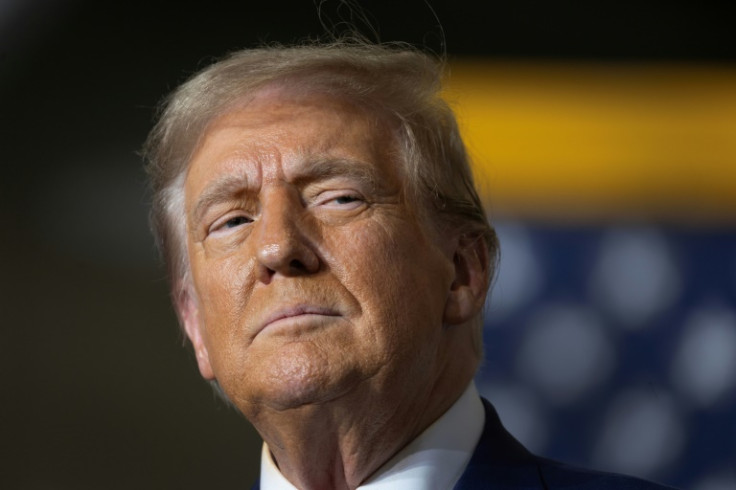

In a Truth Social post published Tuesday morning, Trump wrote: “A whole civilization will die tonight, never to be brought back again. I don’t want that to happen, but it probably will. However, now that we have Complete and Total Regime Change, where different, smarter, and less radicalized minds prevail, maybe something revolutionarily wonderful can happen, WHO KNOWS? We will find out tonight, one of the most important moments in the long and complex history of the World.”
The dramatic rhetoric came with roughly 12 hours remaining before Trump’s self-imposed 8 p.m. EDT deadline for Iran to reopen the vital waterway, through which roughly one-fifth of global oil supplies pass. The president has repeatedly delayed earlier deadlines but signaled Tuesday’s cutoff would be final, tying compliance to freedom of navigation and potential regime moderation.
U.S. forces struck Kharg Island — a key Iranian oil export hub — for the second time in recent days, according to officials, as military pressure intensified alongside the diplomatic ultimatum. Iranian leaders responded defiantly, urging young people to form human chains around power plants and other infrastructure while rejecting immediate ceasefire terms that include reopening the strait.
The escalating tensions stem from broader conflict involving the United States, Israel and Iran that has drawn in regional actors and disrupted global energy markets. Oil prices have risen sharply in recent sessions amid fears that closure of the Strait of Hormuz could trigger a severe supply shock.
Trump’s language evoked the ancient roots of Iranian (Persian) civilization, dating back thousands of years, while framing the potential destruction as tied to the current regime’s actions. He left a narrow opening for a positive outcome, suggesting that “regime change” — interpreted by some as leadership shifts rather than full overthrow — could pave the way for a transformative agreement.
White House officials declined to elaborate on the exact consequences if the deadline passes unmet, but Trump has previously spoken of targeting Iranian power plants, bridges and other infrastructure in what he described as overwhelming force capable of “taking out” significant portions of the country in a single night.
Iranian officials showed no signs of immediate capitulation. State media reported missile activity and defensive preparations, while diplomats pushed back against what they called unacceptable demands. Tehran has sought a lasting end to hostilities that includes lifting sanctions and guarantees for safe passage, but has resisted linking those to immediate reopening of the strait.
The situation has sparked alarm in world capitals. European leaders urged restraint and renewed diplomacy, while China and Russia — traditional Iranian partners — warned against further escalation that could destabilize energy markets and the broader region.
Markets reacted with volatility. Energy stocks rose, while broader indexes showed caution as investors weighed the risk of wider war against the possibility of a last-minute deal. Shipping companies rerouted vessels away from the Persian Gulf, adding to logistical strains already felt from earlier disruptions.
Background of the Crisis
The current standoff builds on decades of U.S.-Iran tensions, intensified by the ongoing Israel-Iran shadow war that erupted into more direct confrontations. Trump, in his second term, has taken a hard line, demanding verifiable steps toward de-escalation that include unrestricted maritime access through the Strait of Hormuz.
Previous deadlines set by the administration were extended, allowing time for back-channel talks, but Trump has grown increasingly frustrated with what he calls Iranian stalling. In recent days he has publicly threatened “hell” on Iran and described potential strikes in vivid terms.
The reference to “civilization” carries particular weight given Iran’s cultural heritage as one of the world’s oldest continuous civilizations, home to ancient sites and a proud national identity. Critics inside and outside the U.S. expressed concern that such rhetoric risks inflaming nationalist sentiments in Iran and complicating any future negotiations.
Supporters of the president’s approach argue that maximum pressure, backed by credible military threats, is necessary to force concessions from a regime they view as destabilizing through its support for proxy groups and nuclear ambitions. Iran has long denied seeking nuclear weapons while advancing its enrichment program.
International Reactions and Risks
Allies and adversaries alike weighed in. Israeli officials have coordinated closely with Washington, conducting their own strikes on Iranian targets in recent weeks. Gulf states, heavily dependent on the strait for exports, have privately urged calm while bolstering defenses.
The United Nations Security Council convened emergency consultations, though veto powers held by permanent members limited expectations for unified action. Humanitarian organizations warned that any large-scale strikes on infrastructure could cause civilian casualties and long-term suffering in Iran, already strained by sanctions and internal challenges.
Oil analysts noted that even a brief closure of the strait could send crude prices surging toward $150 per barrel or higher, with ripple effects on global inflation and economic growth. Alternative routes exist but lack the capacity to fully replace Hormuz volumes quickly.
Domestically, the Trump administration faces questions about congressional authorization for potential military action. While the president maintains broad executive authority in national security matters, some lawmakers from both parties have called for greater oversight amid fears of another prolonged Middle East conflict.
What Comes Next
As the 8 p.m. deadline approaches, attention focuses on whether Iran will offer any gesture toward compliance or if U.S. forces will escalate strikes. Trump has hinted at the possibility of “revolutionarily wonderful” developments if “smarter minds prevail,” suggesting openness to a face-saving agreement that allows de-escalation without full capitulation.
Iranian President’s office and foreign ministry have issued statements emphasizing resilience and the right to defend sovereignty. Reports from Tehran described heightened public anxiety mixed with displays of national unity.
Military experts caution that destroying key infrastructure is easier than managing the aftermath, including potential refugee flows, environmental damage from oil facilities and retaliation through proxies or asymmetric attacks.
For now, the world waits. Trump’s Tuesday morning post has amplified global focus on the hours ahead, turning what began as a demand for maritime access into a high-stakes test of wills with implications far beyond the Persian Gulf.
The president’s blend of threat and optimism reflects a negotiating style that mixes maximum pressure with the promise of transformative deals — a pattern seen in past trade and nuclear talks. Whether it yields breakthrough or broader conflict may become clear by nightfall.
As evening descends on Washington, officials across agencies remain on high alert. Diplomatic channels, though strained, have not fully closed, leaving a slim window for last-minute developments.
Trump’s warning has dominated headlines and social media, sparking debate about rhetoric, strategy and the human cost should the deadline pass without resolution. For a region long defined by ancient civilizations and modern rivalries, Tuesday night could mark a pivotal chapter — one that determines whether conflict deepens or a fragile peace takes hold.
You must be logged in to post a comment Login