

Business
Trump’s generic drug tariff plan gives manufacturers 2 years to reshore

Counselor to the Treasury Secretary Joe Lavorgna discusses the economic impact of the government shutdown and ‘no tax on tips’ guidelines on ‘Mornings with Maria.’
President Donald Trump announced Tuesday that imported generic drugs will remain tariff-free for the next two years before facing steep new import duties, saying the move is designed to encourage pharmaceutical companies to manufacture more medicines in the U.S.
In a Truth Social post, Trump said all generic drugs imported into the U.S. will continue to face a 0% tariff beginning Aug. 1, 2026, for a two-year transition period. After that, the tariff will rise to 100% for one year before increasing to 200%.
“Effective August 1st, 2026, all Generic Drugs being brought into the United States will continue to have a TARIFF of ZERO PERCENT for a two-year period of time, after which the TARIFF will be raised to 100% for a one-year period of time, and 200% thereafter,” Trump wrote.
The president said the phased approach is intended to give pharmaceutical companies time to move production to the U.S. before the higher tariffs take effect.
TRUMP ADMINISTRATION HITS CANADA WITH 50% TARIFF OVER ALLEGED TRADE ‘DISCRIMINATION’
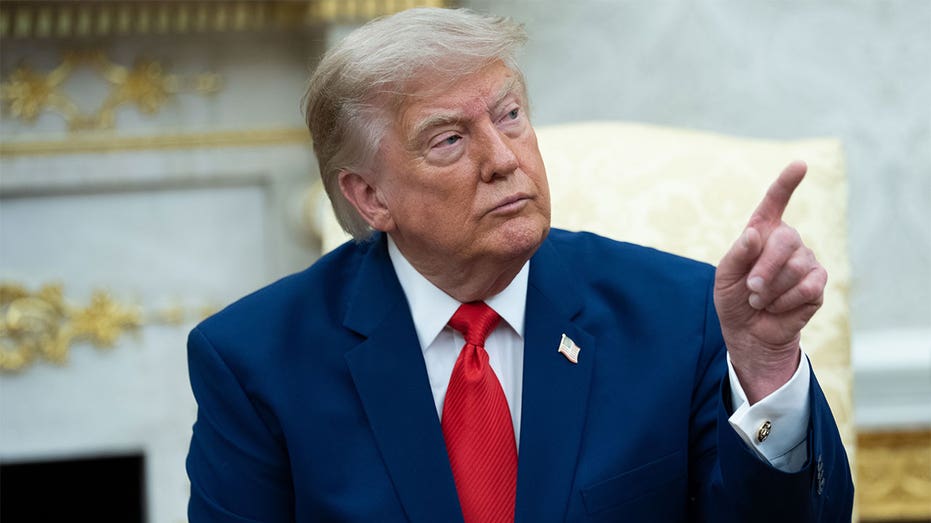
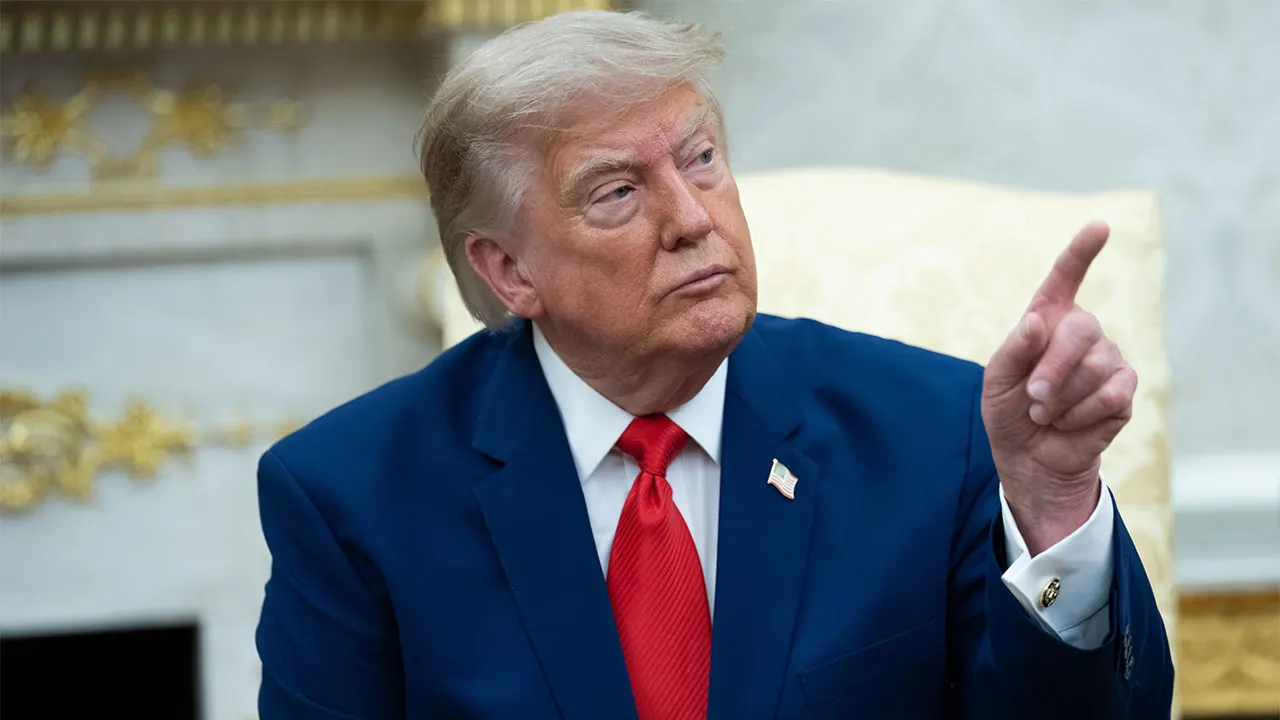
President Donald Trump gestures while meeting with Lebanese President Joseph Aoun in the Oval Office at the White House on Tuesday. (Aaron Schwartz/CNP/Bloomberg via Getty Images / Getty Images)
“This is done in order to RESHORE Generic Pharmaceutical Production into America, with a penalty to those Companies that decide not to build Plant and Equipment within the stated period of time given to them,” Trump wrote.
Trump said the objective of the policy is “to protect the people of the United States.”
The announcement marks the latest effort by the Trump administration to use tariffs as leverage to encourage domestic manufacturing in industries it considers strategically important, including pharmaceuticals. The administration has repeatedly argued that the U.S. has become overly dependent on foreign countries for critical medicines and pharmaceutical ingredients.
Trump said his administration’s existing policy on patented, branded and innovative drugs would remain unchanged.
WHAT ARE THE MAIN STICKING POINTS IN THE TRUMP ADMIN’S TRADE NEGOTIATIONS WITH CANADA, MEXICO?

Boxes of generic prescription drugs and blister packs of tablets from Tehatta, India. President Donald Trump announced a phased tariff plan on imported generic drugs aimed at encouraging pharmaceutical manufacturing in the United States. (Soumyabrata Roy/Majority World/Universal Images Group via Getty Images / Getty Images)
“The Policy on Patented, Branded, or Innovative Drugs, which has been so successful, will remain as is,” he wrote.
He also pointed to what he described as a surge in domestic investment by drugmakers.
“Pharmaceutical Facilities are being built, at a level never seen before, all over the United States of America,” Trump wrote.
The Association for Accessible Medicines, which represents generic drug manufacturers, said it is seeking additional details on the proposal but supports policies that strengthen domestic manufacturing.
“We need to understand more the specifics of the policy, but the generics industry is committed to pursuing policies that support and stabilize both the industry and the access necessary to ensure patients have reliable options for affordable medicines,” Association for Accessible Medicines President and CEO John Murphy III said in a statement shared with FOX Business.
Murphy said the industry has expanded manufacturing investments in the U.S. over the past two years but argued that structural problems involving purchasing and reimbursement continue to hinder additional growth. He said the group looks forward to working with the administration and Congress on policies to strengthen the domestic generic drug industry.

Capsules move along a production line at a Sanofi pharmaceutical manufacturing facility in Lisieux, France. President Donald Trump announced a phased tariff plan on imported generic drugs aimed at encouraging pharmaceutical manufacturing in the U.S. (Lou Benoist/AFP via Getty Images, File / Getty Images)
Generic drugs account for more than 90% of prescriptions filled in the United States, according to the Food and Drug Administration.
CLICK HERE TO GET FOX BUSINESS ON THE GO
Many also rely on global manufacturing networks and imported active pharmaceutical ingredients, making supply chain resilience a growing focus for policymakers and the pharmaceutical industry.
The announcement gives manufacturers a two-year runway before tariffs begin increasing, allowing companies time to decide whether to build or expand U.S. production facilities or continue importing products while facing substantially higher duties.

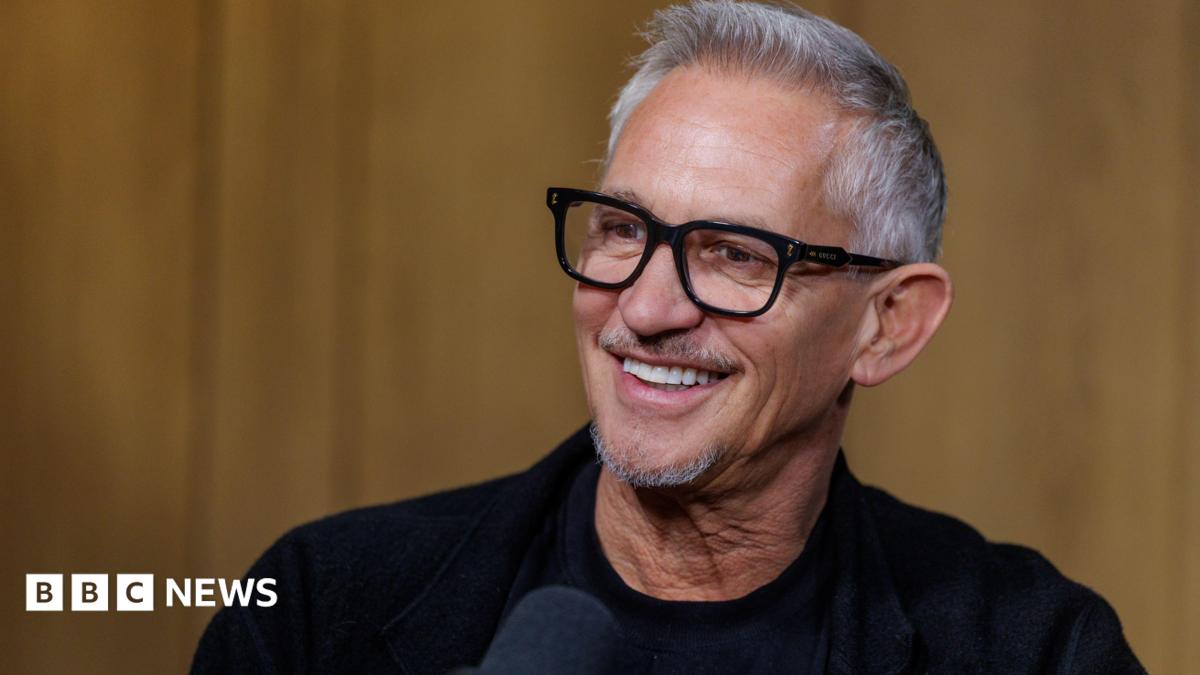
Millionaires including former footballer Gary Lineker and music producer Brian Eno have written to new prime minister Andy Burnham asking to be taxed more.
In an open letter, 120 well-off Britons told Burnham: “We can afford it. We’re not talking about higher taxes on those who get up and go to work for their income every day, but on the very richest whose income is derived from the wealth they hold.”
Organised by Patriotic Millionaires, the letter said it would lead to a more equal society, and urged a “devolution of wealth and power from the very richest”.
People can already give money or stocks voluntarily to the Treasury using its donation facility.
Conservative leader Kemi Badenoch said Lineker is “very welcome to pay more tax he can write a cheque to the treasury, no one is stopping him.”
The group supports a 2% tax on wealth over £10m.
“Millionaires are a patriotic bunch,” the letter states. “We love this country and we want it to succeed.
“But success requires investment and a primary source of untouched capital investment is sitting with us, in untaxed potential.”
Other signatories include Richard Curtis, director of Notting Hill and Love Actually and Ian Gregg, the former managing director of Greggs and son of the bakery chain’s founder.
The renewed call for higher tax on the wealthy follows a similar campaigns in previous years.
Burnham did not rule out a wealth tax when asked about it by Lineker a few days before he became prime minister.
He suggested he may have “to ask for a little more” tax at some point.
The latest call from Patriotic Millionaires said there is a “need to embrace a new kind of devolution of wealth and power, from the very richest in order to reinvest back into our greatest asset in every region”.
It added that in its own poll, the majority of millionaires wanted a higher tax on themselves.
“There are a few people left with outdated economic thinking and few others desperate to hold onto every penny they can… Those that can’t see past the end of their own self interest have no place in designing a Britain for the future,” the letter said.

Getty Realty's Low Drama Growth Continues In Q2
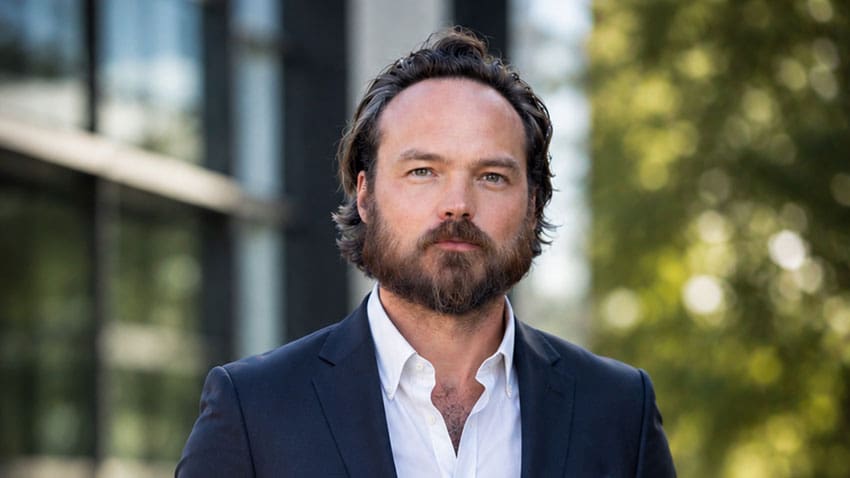
When most people choose a career, they stay in one lane. Jonathan Pinkston took a different path.
Over the past two decades, he has worked across holistic medicine, real estate, hospitality, conservation, and emerging technology. At first glance, those fields seem unrelated. Pinkston sees them as parts of the same system. His work is driven by one idea: solving problems by looking at the bigger picture instead of focusing on one piece at a time.
“My work spans what most people keep separate: future tech and medicine,” Pinkston says. “The tools we build should make us more whole, not less.”
That mindset has shaped his career. It has also influenced the way he approaches business, leadership, and long-term planning.
Who Is Jonathan Pinkston?
Jonathan Pinkston is an entrepreneur based in Santa Rosa, California. He grew up in Sonoma County and developed an interest in both science and nature at an early age.
He attended Sonoma State University before earning a Master of Science in Oriental Medicine (MSOM) from the Acupuncture and Integrative Medicine College (AIMC) in Berkeley. He later completed a Doctor of Acupuncture and Oriental Medicine (DAOM) at Five Branches University.
His formal education was only part of the journey. Pinkston also spent about 15 years studying Ayurvedic, Functional, and Chinese medicine outside traditional degree programs.
“I help people heal by treating the whole system rather than the symptom,” he says.
That systems-based thinking would later influence every business he became involved with.
Building a Career Across Several Industries
Pinkston began working in real estate in 2008 while also developing his healthcare career. Since 2010, he has practiced as a holistic medical practitioner.
Instead of viewing business opportunities as separate careers, he approached them as connected projects.
His work expanded into hospitality and wellness through Soft Medicine Sanctuary and community-focused projects such as The HUB Sebastopol. Along the way, he also became involved in conservation work through a nonprofit land trust beginning in 2020 and volunteered in Sonoma County civic initiatives between 2022 and 2025.
More recently, Pinkston has started working as an Agentic AI developer.
Rather than seeing artificial intelligence as replacing human expertise, he believes technology should strengthen it.
“The thread through all of it is a simple belief,” he says. “The tools we build should make us more whole, not less.”
Why Systems Thinking Shapes Jonathan Pinkston’s Leadership
Many business leaders focus on immediate results. Pinkston prefers to think decades ahead.
“I look at a 50-year term and set goals that work now and in the future,” he says.
That long-term view affects how he evaluates projects. Success is measured by more than revenue or growth.
“The total impact on the environment, society and culture of the people involved matters,” he says. “Long-term systemic change is what matters versus just internal metrics of growth and commerce.”
This approach has influenced projects ranging from healthcare to community spaces and emerging technology.
Lessons Learned From Collaboration
Pinkston says one of the biggest lessons in his career has come from working with people.
He believes successful teams require shared purpose more than individual ambition.
“People’s egos get in the way of real success for the collective versus individuals,” he says. “You have to weed these people out and find collaborators that truly are selfless and work for the benefit of everyone.”
He says learning that lesson early changed how he builds partnerships.
“Two or three selfish people can foil a perfect plan if left to their own devices.”
Those experiences helped shape his leadership style, especially while managing projects that brought together people from different backgrounds.
Overcoming Setbacks and Staying Focused
Like many entrepreneurs, Pinkston says his career has included setbacks alongside successes.
“I’ve been canceled, blamed and told that what I’m doing is invalid,” he says. “Every time I get told something wont work, from someone, I find many more people who believe its possible.”
Rather than allowing criticism to define his direction, he says he learned to focus on the work itself.
“Life is not defined by the people who told you it wouldn’t work, but by the things you accomplished despite the pushbacks.”
He believes resilience comes from maintaining perspective instead of reacting to every obstacle.
Travel, Nature, and Continuous Learning
Outside work, Pinkston’s interests have continued to shape his professional outlook.
He has traveled extensively, with a goal of visiting 80 countries before age 35. He is also a professional musician, writer, restaurateur, and longtime advocate for nature conservation.
He credits quiet reflection as an important part of making decisions.
“Take space and get quiet and listen,” he says. “Have fun and keep things light.”
He also believes regular rest creates better ideas.
“Take space for rest and reflection. Doing is not everything.”
Looking Toward the Future
Pinkston sees healthcare and artificial intelligence becoming increasingly connected over the coming decades. His interest lies in creating systems that combine technology with a whole-person view of health rather than treating those fields as competitors.
At the same time, he continues to explore entrepreneurship through medicine, technology, real estate, and community-focused projects.
“If you are happy with what you do,” he says, “everything flows from there.”
Looking back, Jonathan Pinkston’s career shows a consistent pattern. Whether studying medicine, developing businesses, working in real estate, supporting conservation efforts, or exploring AI, he has repeatedly returned to the same principle: understand the whole system first. That philosophy has become the common thread connecting a career built across multiple industries rather than confined to just one.
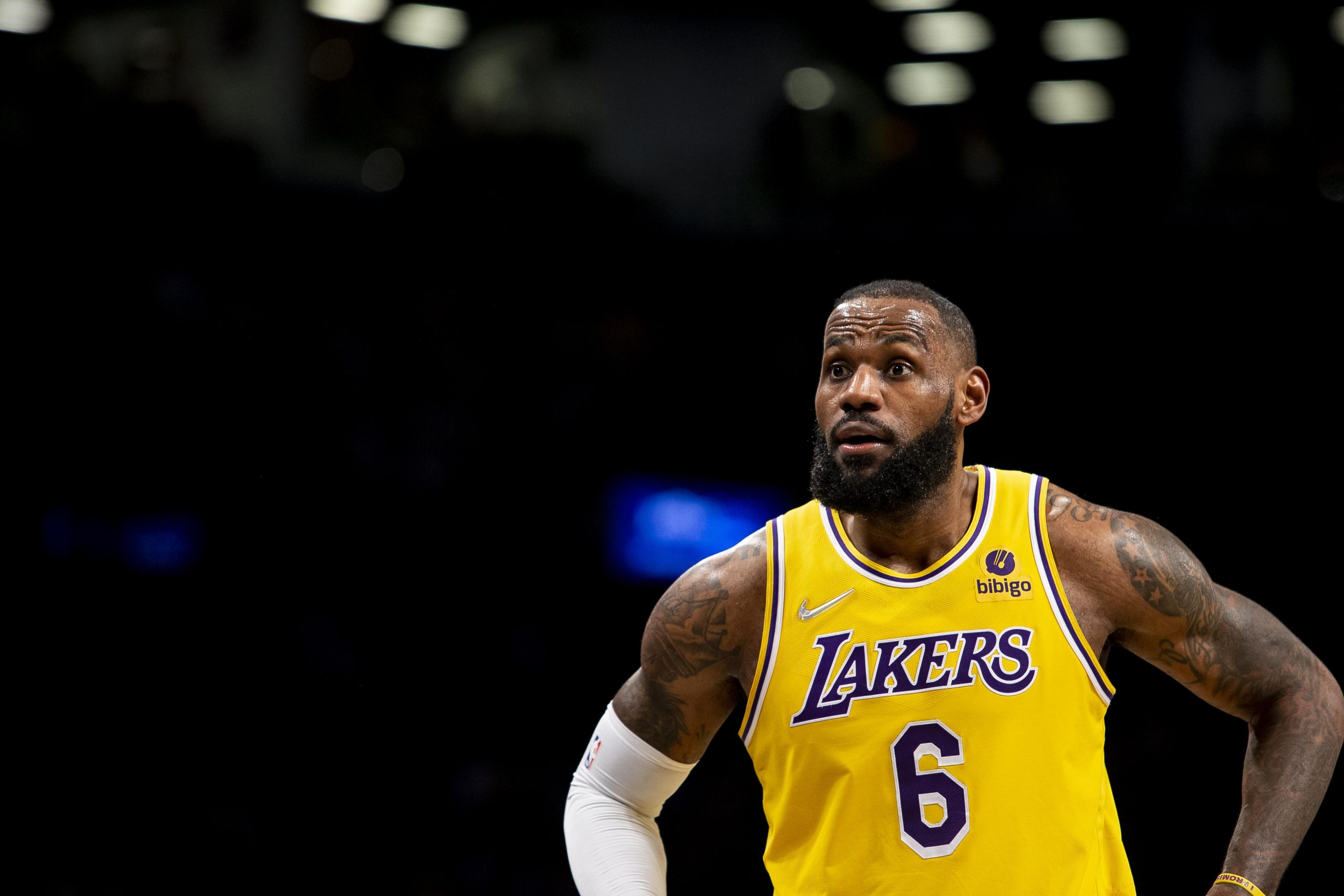
LeBron James’ decision on where he will play his 24th NBA season remains the story dominating the league’s offseason, with reports suggesting an announcement could come within days even as speculation about his eventual landing spot, and the trades that could follow it, continues to shift by the hour.
James became a free agent after announcing his departure from the Los Angeles Lakers in late June, ending an eight-season run that marked his longest uninterrupted stretch with any single franchise. He is currently fielding interest from multiple teams, according to multiple reports, but has shown no urgency to finalize his choice, extending a process that has effectively frozen much of the rest of the league’s offseason activity.
Where things stand
According to ESPN’s Dave McMenamin, James was described as “truly close” to making a decision as of July 17. More recent reporting has suggested the wait may finally be nearing its end, with at least one outlet indicating James could announce his choice as soon as Monday or Tuesday of next week.
James’ agent, Rich Paul, has continued to caution against expecting a rushed timeline. Paul has previously shared a list of teams he described as “realistic” options for James, including the Golden State Warriors, Dallas Mavericks, Boston Celtics, Philadelphia 76ers, Cleveland Cavaliers, Miami Heat, Minnesota Timberwolves, Denver Nuggets and San Antonio Spurs. Since then, that list has narrowed considerably in most reporting, with the Cavaliers, Warriors, 76ers, Heat and Timberwolves most frequently cited as the group of teams still actively in the mix.
A split among league executives
Opinions around the league remain divided on where James is ultimately likely to land. According to Front Office Sports’ Alex Schiffer, several Western Conference executives expect James to choose the Warriors over Cleveland, even as the Cavaliers, Heat and 76ers have reportedly been viewed by some as holding a slight edge in the race. Schiffer also reported that teams currently in the mix for James have discussed the possibility of trading for his son, Bronny James, should the elder James ultimately sign with their organization.
The Anthony Davis wrinkle
Much of the speculation tying James to Golden State has centered on the idea that the Warriors’ path to signing him might require first acquiring Los Angeles Lakers forward Anthony Davis, a scenario that has looked somewhat less likely following recent developments involving the Washington Wizards. According to HoopsHype’s Michael Scotto, Washington plans to pursue extension talks with the 33-year-old, 10-time All-Star Davis once he becomes extension-eligible on Aug. 6, a step that could complicate any trade involving him if an agreement is reached before James finalizes his decision.
Separately, the Nuggets emerged as a late addition to the list of teams pursuing James, according to the Denver Post’s Bennett Durando, amid uncertainty surrounding star center Nikola Jokic’s future and a complicated salary cap outlook in Denver. James has previously described Nuggets president Josh Kroenke as a “very dear friend,” a relationship dating back to 2018, when Kroenke mailed James a throwback Nuggets jersey shortly before he ultimately signed with the Lakers instead.
A ripple effect across the league
James’ extended free agency has effectively placed much of the rest of the NBA’s offseason movement on hold, with reporters and team executives describing the broader trade and free agency market as waiting for his decision before the next wave of moves can take shape. Once James does sign, analysts expect a chain reaction of subsequent trades and roster moves across the league, particularly in the Eastern Conference, where several contenders have already reshaped their rosters in anticipation of James potentially joining one of them.
Golden State forward Moses Moody acknowledged the uncertainty hanging over his own situation, saying he remains “curious” about what could happen to him on the trade market if James signs with the Warriors, given his own emerging role on the roster. Beyond Golden State, potential trade candidates whose futures could be affected by James’ decision include Brooklyn’s Michael Porter Jr., who is seeking a contract extension the team may be unwilling to match, and Charlotte’s Grant Williams, whose expiring contract has drawn trade interest of its own.
Constant pitches from around the league
James’ decision has also generated a steady stream of public and private outreach from teams hoping to secure his commitment. Philadelphia 76ers owner Josh Harris reportedly held a brief private conversation with James, a development that itself became a notable data point in the ongoing coverage of his decision. Multiple players and coaches from teams in contention, and even some not seriously considered to be in the running, have publicly made their case for James to join their roster in recent weeks.
With training camps still roughly seven weeks away and no other major sporting events remaining on the calendar until the NFL season begins, attention within the league has increasingly narrowed entirely onto James’ pending decision. Once he does make his choice, likely in the coming days according to recent reporting, the deals and roster moves that follow are expected to reshape multiple franchises simultaneously, particularly among the handful of teams that have spent much of the summer positioning themselves as legitimate contenders for his services.
For now, the NBA’s offseason largely remains paused in anticipation, with front offices, rival players and fans alike continuing to watch for the moment James finally ends one of the most closely tracked free agency sagas in recent league history.
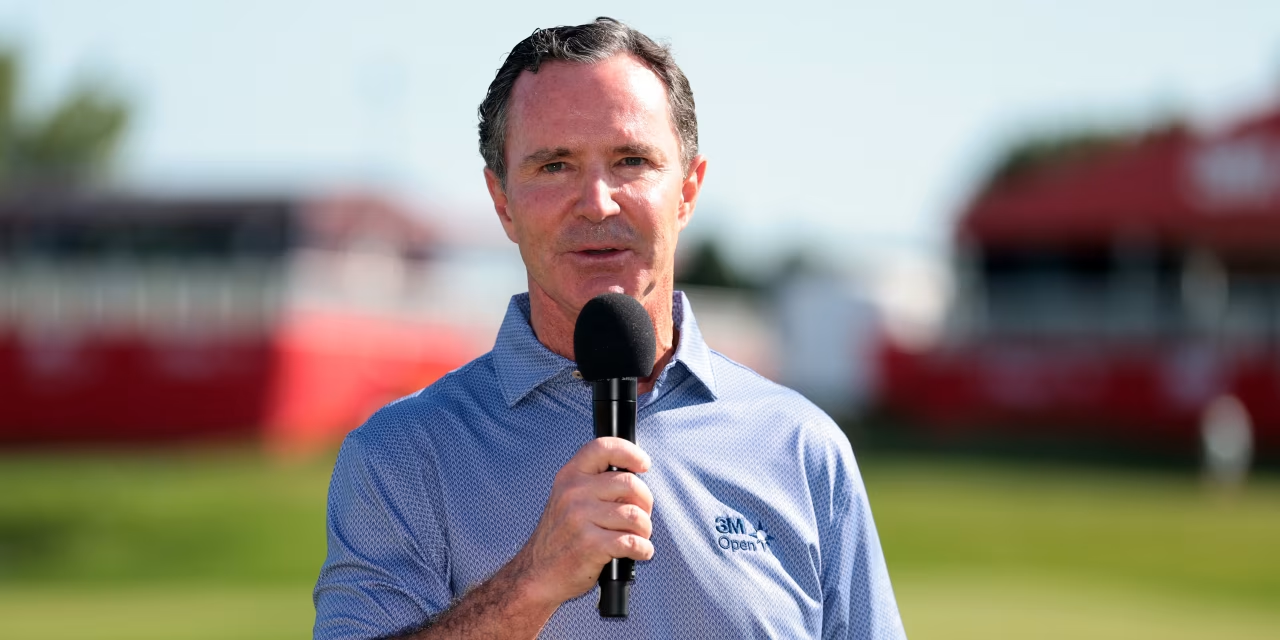
Shares in materials maker 3M rose 7.3% after the company raised its full-year adjusted earnings guidance.
The company’s second-quarter adjusted earnings increased 11% year-over-year thanks in part to strong performance in its industrial and safety businesses. Chief Executive Bill Brown said 3M is reshaping its portfolio to focus on high-growth, high-margin businesses such as data centers and fire and rescue equipment.
3M is continuing to boost the number of new products it offers, which is helping to drive sales. Brown said the company has improved its research-and-development process so it can commercialize ideas faster, and is on track to launch more than 350 new products this year.
Business
Japan Patent Office Rejects Another Nintendo Filing Tied to Palworld Lawsuit, Citing Lack of Originality

Japan’s patent office has rejected another Nintendo patent application connected to the company’s ongoing legal battle with Palworld developer Pocketpair, marking the latest in a series of setbacks for Nintendo’s intellectual property campaign against the hit survival game.
The rejected filing, application number 2024-031879, sits structurally between two Nintendo patents already granted and actively being asserted against Pocketpair in the Tokyo District Court. The Japan Patent Office found the application lacked the inventive step required for approval, citing prior art from a range of earlier titles, including ARK: Survival Evolved, Monster Hunter 4, Craftopia, Kantai Collection and Pokémon GO.
A lawsuit built on gameplay mechanics, not character designs
When Nintendo and The Pokémon Company filed their patent infringement lawsuit against Pocketpair in September 2024, many in the industry expected the case to center on copyright or trademark claims tied to the visual similarities between Palworld’s creatures and Pokémon designs. Instead, the companies pursued a narrower legal strategy, targeting specific gameplay mechanics: the act of capturing creatures by throwing an object at them, and the ability to transition between riding different creatures or items within an open-world setting.
That approach has proven contentious from the outset, given how widely those particular mechanics have appeared across the video game industry over multiple decades, spanning genres from survival games to massive multiplayer titles.
Why this rejection matters beyond a single filing
The application rejected this week is not a standalone or peripheral filing. According to reporting from legal industry outlet Games Fray and technology site Techdirt, the application descends directly from JP7505852, one of the two patents Nintendo has already been granted and is actively using in its court case against Pocketpair, while a related filing, JP7545191, branches off in a separate direction and is also being asserted in the ongoing litigation.
Because the rejected application sits within that same patent family, positioned between the two already-granted patents, the Japan Patent Office’s reasoning carries implications beyond the specific filing itself. If patent examiners determined that a structurally related application lacked sufficient originality when compared with existing games, that same logic could potentially be applied to challenge the validity of the two granted patents currently powering Nintendo’s lawsuit.
Pocketpair’s parallel defense strategy
Throughout the litigation, Pocketpair has pursued a dual approach to defending itself. The company has both patched several of the disputed gameplay mechanics out of Palworld directly, including removing the ability to throw Pal Spheres to summon creatures in a November 2024 update, while simultaneously building a broader legal case aimed at invalidating Nintendo’s patents by submitting evidence of prior art from other commercial games as well as fan-made mods, including titles like Pixelmon, a Minecraft-based mod, and Pocket Souls, a mod for Dark Souls 3.
Nintendo has pushed back on some of that evidence, arguing in filings to the Tokyo District Court that mods should not be considered valid prior art because they cannot function independently without the original game they modify. That argument remains a live point of contention in the case.
Part of a broader pattern
This is not the first time Nintendo’s patent filings tied to the Palworld dispute have run into trouble with Japanese examiners. A separate application covering touchscreen-based monster-capturing mechanics, filed by Nintendo in spring 2026 and seen by some industry observers as a potential preemptive move against a mobile version of Palworld, was also rejected by the Japan Patent Office, with an examiner citing footage from a 2013 unofficial Pokémon fan project as part of the prior art record. That rejection, like the one involving application 2024-031879, leaves Nintendo with the option to appeal before a panel of JPO administrative judges or submit a revised, narrower divisional application within a set window following the decision.
Nintendo has also faced related setbacks with patent filings in the United States tied to the same broader family of gameplay mechanics, according to industry reporting, adding to a pattern that has drawn increasing attention from legal and gaming industry observers watching how the case may shape the broader question of whether specific gameplay mechanics can be meaningfully patented at all.
What’s next in the case
Nintendo has not publicly indicated whether it intends to appeal the latest rejection or file a revised application narrowing its claims. The broader lawsuit against Pocketpair remains active in the Tokyo District Court, with additional court dates reportedly scheduled for later this year.
Legal observers following the case have noted that the pattern of rejections does not automatically invalidate the two already-granted patents Nintendo is using in its active lawsuit, since a rejection of a related application is a separate legal determination from a formal invalidation proceeding against a granted patent. However, the reasoning behind these rejections is expected to factor into Pocketpair’s ongoing efforts to challenge the validity of those granted patents directly within the litigation itself.
A closely watched case for the industry
Beyond its direct impact on Nintendo and Pocketpair, the case has become something of an industry benchmark for how far patent protections can reasonably extend over broad categories of gameplay mechanics, rather than specific implementations, visual designs or code. A ruling that meaningfully narrows or invalidates Nintendo’s patents could influence how other studios approach similar intellectual property strategies going forward, particularly for mechanics with long, well-documented histories across multiple genres and developers.
For now, the litigation remains ongoing, with no clear resolution in sight, and each new patent office ruling, whether favorable to Nintendo or Pocketpair, continues to shape the broader legal and industry conversation surrounding the case as it moves through Japan’s court system.
Capital One per-share earnings handily surpassed analysts’ expectations, in large part because it released more than $700 million in loan-loss reserves from its credit-card business. The company’s net charge-off rates and delinquency rates both fell from a year earlier and sequentially, continuing a trend for the company of improving credit metrics.
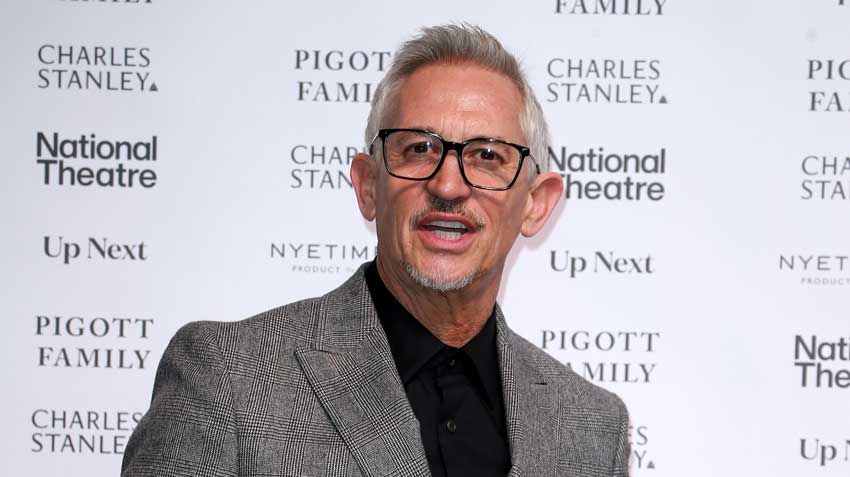
Gary Lineker has joined more than 100 British-based millionaires in calling on Andy Burnham to tax their wealth more, telling the new prime minister: “We can afford it.” For the country’s business owners, the detail behind the plea matters as much as the gesture.
On Thursday, a group of over 100 UK-based millionaires, including Lineker, screenwriter Richard Curtis, novelist Val McDermid and ex-City trader Gary Stevenson, signed a letter urging Mr Burnham to tax their wealth. It was organised by campaign group Patriotic Millionaires UK.
“We want you to tax us. We can afford it,” the letter says. “We’re not talking about higher taxes on those who get up and go to work for their income every day, but on the very richest whose income is derived from the wealth they hold.”
The signatories describe themselves as a “patriotic bunch” who “love this country and we want it to succeed”. Lineker added: “Paying your fair share is a basic British value, but so many ordinary people are already paying more than they can afford. Our richest people can do more and most want to. To live up to our national values our new government must raise taxes on extreme levels of wealth for a fairer, better, more hopeful Britain.”
The numbers are where owners of ambitious firms should pay attention. Patriotic Millionaires UK has called on the government to place a 2 per cent tax on wealth over £10m, which it says could raise £24bn a year. It also argues that reforms to capital gains tax, including equalising the rate with income tax, could raise a further £12bn.
That combination would land squarely on founders and family business owners, many of whom are already navigating pared-back reliefs on the sale of a company. A levy pegged to assets rather than income also raises the perennial question of illiquid wealth: a stake in a private business is not a bank balance you can dip into to settle a tax bill.
The campaign draws on fresh academic work. Economists Gabriel Zucman and Ben Tippet estimate that a 2 per cent charge on households with more than £100m in assets would raise £10bn a year and affect fewer than 1,000 of the wealthiest households in the UK. The tax would “raise meaningful revenues and dampen runaway inequality”, they said.
Mr Burnham has declined to rule out a wealth tax, telling Lineker earlier this month that his government may “ask for a little more”. In a separate interview he suggested there is “some room” in the Labour manifesto for “movement on tax”.
The plea lands amid a row over how the new prime minister will fund his cost-of-living blitz. Since taking office on Monday, Mr Burnham has capped most bus fares in England at £2 and promised an £850m tax cut on electricity bills. Darren Jones, an ally of Sir Keir Starmer who lost his cabinet post this week, claimed the energy bills cut was unfunded. The government says it will be paid for in part by scrapping Sir Keir’s national digital ID scheme, though the estimated £600m a year in savings falls short of the annual cost.
For the SME community, already wary of what a Burnham premiership means, that funding gap is the nub of the matter. Conservative shadow chancellor Sir Mel Stride told BBC Breakfast: “And in the context of a very constrained economy at the moment, in terms of debt, debt servicing costs, and so on, and a very fragile fiscal situation, you cannot be a government that goes out there and makes lots of spending commitments without being able to explain exactly how those commitments are going to be funded.”
The signatories insist the answer sits with the very rich, not the high street. Julia Davies, a member of Patriotic Millionaires UK, said the moment could “reduce the shocking levels of wealth inequality which intensifies the cost of living crisis, and raise much-needed revenue for our public services”. The idea that wealth taxes could generate meaningful sums has gained traction. Whether that revenue helps small businesses or simply reshapes the incentives for the people who back them is the question owners will be watching.
Signatories in full
Alexander Alanine · Antonio Amaral · Susan Angoy · Cal Bailey · David Barker · Mike Barnes · Brian Basham · Sasha Bates · Gareth Bayliss · Robin Beal · Derek Bennett · Michael Berners-Lee · Andy Bilson · Jonathan Bloch · Nacim Bougheda · Andrew Bowles · Chris Brown · David Burall · Fiona Campbell · Mark Campbell · Tim Carey · William Carman · John Cossins · Richard Curtis (screenwriter and film director) · Julia Davies (investor, Patriotic Millionaires UK) · Juan Jose del Rio · Nicholas Easter · Stephen Einhorn · Nicola Elliott · Brian Eno (musician and producer) · David Farrell · Chris Frith · Dawn Gerhold · Edward Gildea · James Golding · Stephen Gosling CBE · Ian Gregg (former chairman of Greggs) · Lauren Gupta · Richard Hagan · Vivien Hallebard · Dominic Hamon · David Hands · William Hartree · Carolyn Hayman · Tom Hearn · David Heffernan · Peter Hill · Graham Hobson · Becky Holmes · Patrick Hort · Diane Isenberg · Kristina Johansson · Patricia Johnstone · Susie Jolly · Jenny Kagan · Sunil Kapur · Hussayn Kassai · Colleen Keck · Stephen Kinsella · Ramana Kumar · Jean Latenser · Barry Lea · Nick Levey · Gary Lineker (broadcaster and former England striker) · Bruce Lloyd · Harry Longman · Sam Lupton · Fred Macmillan · Louisa Mann · Doro Marden · Nick Marple · Sophie Marple · Madelyn Martinez · Samantha Mayaveram · Val McDermid (novelist) · Gemma McGough-Colin · Ben Medlock · Tim Nottidge · Lesley Omara · Charlie Orton · Roy Phillips · Nick Powell · David Pugh · Nick Razey · David Richards · Andrew Richards · Mark Robinson · Sarah Rossi · Georgios Samaras · David Seaward · Mark Seow · Susan Seymour · Anika Sharma · Lawrence Shaw · Alan Sherwell · Paul Sherwood · Akshay Singal · Adam Singer · Geetie Singh-Watson · Guy Singh-Watson · Alastair Singleton · Alan Smith · Nathan Spencer · Heather Stevens · Gary Stevenson (economist and former City trader) · John Stickley · Tim Stumpff · Peter Sundgren · Ben Tibbits · Rebecca Tinsley · Jennifer Tomkins · Willem van Hoorn · Matthew Varnham · Edward Vickery · Suzanne Wise · Phil White · Leticia White · Vicki Wilkinson

Paul Jones
Harvard alumni and former New York Times journalist. Editor of Business Matters for over 15 years, the UKs largest business magazine. I am also head of Capital Business Media’s automotive division working for clients such as Red Bull Racing, Honda, Aston Martin and Infiniti.

Alaska Air shares fell after it reported a second-quarter loss and forecast third-quarter earnings below investors’ expectations. Blame fuel prices, which have been on the rise again this month as the conflict in Iran has intensified.
Airlines have been boosting fares to cover higher costs, and even with higher fares, planes are as full as ever, Alaska President and Chief Financial Officer Shane Tackett said in an interview. “I think people are really choosing experiences when they can with whatever discretionary income they may have, and it doesn’t feel to us like that’s likely to change.”
Alaska expects adjusted earnings to range between break-even and $1 a share for the third quarter, compared with the $1.47 forecast by investors. Shares fell 1.9% in after-hours trading.
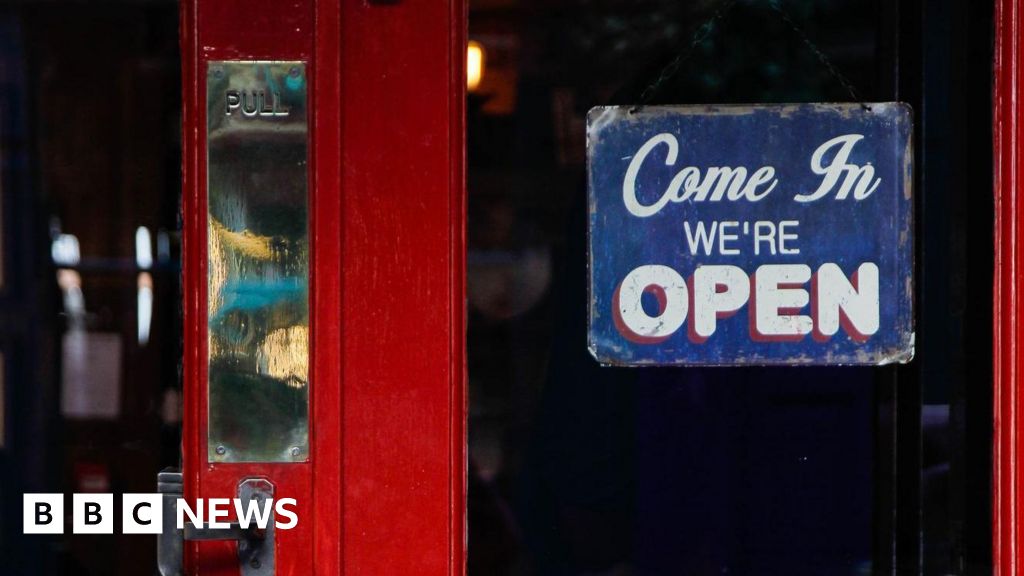
Pubs, clubs and live music venues in England will get a 20% cut in business rates from April.
Wales breaking news plus weather and traffic updates (Thursday, July 23)

Millionaires ask Andy Burnham to tax them more

BitMEX Exchange Announces Shut Down, Ending 11-Year Run

Renter of Home in Anne Heche Crash Denies Settlement With Son

No Jackpot Winner as $257 Million Prize Rolls Over to $269 Million Monday Draw

Weekend Open Thread: Staud – Corporette.com

POV: Things that are worth the money if u want to be PoPuLaR in the #2000s. #nostalgia #2000sfashion

Bitcoin’s 4-Year Cycle Is Breaking – This Chart Already Bottomed

money subliminal calm – the audio that will make you rich // new formula (works instantly!)
-
 NewsBeat7 days ago
London Mayor Sadiq Khan handed a peerage by Keir Starmer alongside 15 other Labour figures… just days before the PM leaves No10
-

 Fashion6 days ago
Weekend Open Thread – Corporette.com
-

 Politics5 days ago
The House | The City of London can help the new chancellor deliver growth in every postcode
-

 Crypto World5 days ago
Ripple Payments Joins MiCA With 14 Firms, Does It Mean Anything For XRP?
-
 Crypto World6 days ago
Two July Windows Left: The CLARITY Act’s Senate Fight and What Failure Means
-

 Politics4 days ago
Democrats look to World Cup watch parties to register thousands of voters
-

 Crypto World6 days ago
Ripple wins EU-wide access as ESMA adds it to MiCA register
-

 Crypto World2 days ago
Grayscale Files For Worldcoin ETF, WLD Registers Sharp Rise
-

 NewsBeat3 days ago
Unregistered fitter used Gas Safe logo on business flyers
-

 Tech2 days ago
Sail Virtually Aboard The “Itanic” With IA-64 Emulator
-

 Crypto World7 days ago
Injective Submits SEC Transfer-Agent Registration to Onchain Ownership Records
-
 Tech2 days ago
Turtle Beach Command Series KB7 review: a nifty screen-equipped gaming keyboard
-

 NewsBeat6 days ago
Registration is now open for March for Men with Kev 2026
-
 Business1 day ago
New Jersey voter registration controversy explained: How 6,600 noncitizens got on the rolls, and what happens next
-
 Crypto World6 days ago
Claude Fable 5 Slips to Second in AI Coding Leaderboard
-

 News Videos6 days ago
Money | Class 12 Economics | CBSE Board Exam 2026-27
-

 Business6 days ago
Banco Bilbao Vizcaya Argentaria, S.A. (BBVA) Discusses Global Macro Environment and Economic Outlook for Core Markets Transcript
-

 Crypto World5 days ago
Kaspersky exposes OkoBot’s 20-module crypto wallet attack
-

 News Videos4 days ago
Big Money Is Entering XRP
-

 NewsBeat5 days ago
Durham County Council to send out electoral registration emails
You must be logged in to post a comment Login