
Business
TSMC Shares Surge Past 2,000 TWD as AI Demand Fuels Record Q1 Revenue Surge

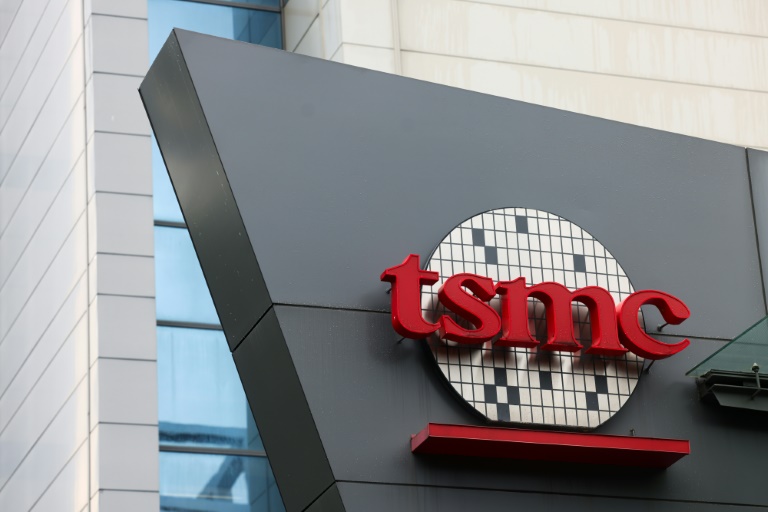
TAIPEI, Taiwan — Taiwan Semiconductor Manufacturing Co. shares rocketed to a fresh intraday high of 2,000 Taiwan dollars Friday, jumping 2.30% as investors cheered the world’s largest contract chipmaker’s explosive growth fueled by insatiable demand for artificial intelligence processors.

AFP
The stock closed at exactly 2,000 TWD, up 45 TWD from Thursday’s close, on heavy volume exceeding 32 million shares by mid-afternoon trading on the Taiwan Stock Exchange. The move pushed TSMC’s market value deeper into record territory and underscored its central role in the global AI boom, even as broader market concerns linger over potential supply constraints and geopolitical risks.
TSMC, known simply as TSMC, reported a stunning 35% year-over-year revenue jump to $35.7 billion for the first quarter of 2026, smashing expectations and setting a new quarterly record. The surge was driven overwhelmingly by high-performance computing chips, particularly those powering AI data centers from clients like Nvidia, Broadcom and hyperscale cloud providers.
“AI is the mega trend, and our customers and their customers are giving us very strong signals for capacity,” TSMC executives have repeatedly emphasized in recent months. The company’s advanced 3-nanometer and 5-nanometer process technologies — critical for energy-efficient AI accelerators — accounted for a growing share of wafer revenue, with gross margins expanding thanks to premium pricing on cutting-edge nodes.
Friday’s stock pop came just days before TSMC’s scheduled first-quarter earnings conference on April 16, where analysts widely expect the company to reaffirm or even raise its full-year guidance for nearly 30% revenue growth in 2026. Wall Street has grown increasingly bullish, with several firms lifting price targets amid signs that AI infrastructure spending shows no signs of slowing.
Explosive Growth Amid Capacity Crunch
TSMC’s January-through-February 2026 revenue already climbed nearly 30% from the same period a year earlier, with March figures released earlier this month continuing the momentum. The foundry giant has guided for Q1 revenue between $34.6 billion and $35.8 billion, a forecast it appears on track to meet or exceed based on preliminary data.
Much of the optimism stems from TSMC’s near-monopoly on advanced chip manufacturing. The company holds roughly 60% of the global foundry market and an even higher share in leading-edge nodes below 7 nanometers. AI accelerators, which rely heavily on TSMC’s most sophisticated processes and its proprietary CoWoS advanced packaging technology, have become the fastest-growing segment.
Nvidia alone is said to have booked a majority of TSMC’s CoWoS capacity through 2027, creating a bottleneck that has competitors scrambling. TSMC plans to quadruple CoWoS output to around 130,000 wafers per month by late 2026, with major expansions in Chiayi, Taiwan, turning the area into a global packaging powerhouse.
Yet capacity remains tight. Broadcom executives recently flagged TSMC production limits as a supply chain choke point for 2026, even as the foundry ramps new fabs. Industry analysts warn that while TSMC is investing aggressively, demand for AI silicon could outstrip supply well into 2027.
To meet that demand, TSMC has hiked its 2026 capital expenditure plan to between $52 billion and $56 billion — a 27% to 37% increase from 2025. The bulk of that spending targets advanced process technologies and packaging infrastructure, with additional funds earmarked for global expansion.
Global Footprint Expansion Accelerates
TSMC is not putting all its eggs in Taiwan. The company continues aggressive overseas investments to mitigate geopolitical risks and meet “friendshoring” demands from Western clients.
In Arizona, TSMC’s Fab 21 has reached Taiwan-level yields on 4-nanometer production, with Phase 2 (3nm) tool installation slated for later in 2026. Rumors suggest even bolder plans: up to 12 fabs and four advanced packaging facilities in the state as part of broader U.S.-Taiwan semiconductor cooperation. The company is also repurposing land for dedicated CoWoS packaging in the U.S. to reduce reliance on trans-Pacific shipping for finished AI chips.
In Japan, TSMC plans to begin mass production of 3-nanometer chips at its second Kumamoto fab in 2028, with an investment reportedly reaching $17 billion. The move expands TSMC’s presence in a key ally and diversifies its manufacturing base.
These international pushes come amid ongoing tensions across the Taiwan Strait. While analysts note that direct military conflict remains a low-probability tail risk, any disruption to TSMC’s Taiwan operations would send shockwaves through the global economy, given the company’s irreplaceable role in supplying chips for everything from smartphones to servers to autonomous vehicles.
Stronger Margins, Bullish Outlook
TSMC’s Q1 performance highlights improving profitability. Guidance called for gross margins of 63% to 65%, up significantly from prior periods, thanks to a richer product mix skewed toward high-margin AI chips and better utilization rates across its fabs.
For the full year, TSMC continues to project revenue growth near 30% in U.S. dollar terms, outpacing the broader semiconductor industry. AI-related revenue, which already represented a high-teens percentage of total sales in 2025, is expected to climb further as hyperscalers pour hundreds of billions into data center buildouts.
“TSMC sits at the heart of the AI buildout,” one analyst noted. “Every dollar spent on AI hardware flows through its fabs.”
The stock’s recent performance reflects that centrality. TSMC shares have climbed steadily in 2026, trading well above their 52-week low of around 780 TWD and approaching the February peak near 2,025 TWD. The ADR version traded on the New York Stock Exchange (ticker: TSM) has similarly benefited, with investors viewing it as a purer play on AI growth than many U.S. tech names.
Risks on the Horizon
Despite the euphoria, challenges remain. Geopolitical tensions could escalate. U.S. export controls on advanced chips to certain markets add complexity, though TSMC has largely navigated compliance.
Capacity constraints may force TSMC to be more selective with customers, potentially capping near-term growth. Some skeptics question whether the AI spending cycle could moderate if economic headwinds hit or if returns on massive data center investments disappoint.
TSMC executives have acknowledged these dynamics but remain confident. “We see very strong demand signals across advanced technologies,” they have said, pointing to multi-year commitments from key clients.
Taiwan’s own economy is riding the TSMC wave. The government recently revised its 2026 growth forecast upward to 7.7%, citing AI-driven semiconductor strength. Local fund assets are projected to swell on the back of ETF inflows into TSMC-heavy portfolios.
What Investors Are Watching
As markets await the April 16 earnings call, focus will be on several key metrics: updated full-year guidance, details on CoWoS capacity ramp timelines, margin trends, and any color on regional demand splits.
Analysts largely maintain “buy” ratings on TSMC, citing its technological lead, pricing power and structural position in the AI supply chain. Some see potential for the stock to test new highs if Q1 results confirm sustained momentum.
For now, Friday’s trading action — with the stock breaking the psychologically important 2,000 TWD level — signals robust confidence. In a world racing toward artificial intelligence, TSMC remains the indispensable foundry powering the revolution.

SYDNEY — The Australian dollar has posted solid gains in 2026, climbing more than 10% against the U.S. dollar over the past 12 months and reaching its highest levels in three years near 0.72 USD, driven by aggressive Reserve Bank of Australia rate hikes, resilient commodity prices and a softer greenback amid global geopolitical shifts.

Pixabay
As of April 10, 2026, the AUD/USD pair traded around 0.7065–0.7080, down slightly on the day but holding near recent three-week highs. The currency delivered its strongest weekly performance in months earlier in the year and remains on track for meaningful appreciation in 2026 despite short-term volatility tied to Middle East tensions and U.S. policy signals.
Economists and major banks largely view the Aussie’s upward trajectory as sustainable in the near to medium term. The RBA has already raised rates twice in 2026, lifting the cash rate to 4.10% by March, with markets pricing in a 60% chance of another 25-basis-point hike in May. This has widened the yield advantage over the U.S. Federal Reserve, attracting capital inflows and supporting the currency.
Strong commodity prices have provided additional tailwinds. Australia, a major exporter of iron ore, coal, liquefied natural gas and gold, benefits when global demand and prices rise. China’s gradual economic stabilization and recovering industrial activity have bolstered demand for Australian resources, reinforcing the AUD’s traditional role as a commodity-linked currency.
Analysts at Westpac, NAB, CBA and AMP project the AUD trading in a 0.69–0.73 range for much of 2026, with some upside scenarios reaching 0.75 if risk sentiment improves and the U.S. dollar weakens further. The currency averaged around 0.64 USD throughout 2025 before its strong rebound, marking one of its best starts to a year in recent memory.
Geopolitical developments have played a dual role. The fragile U.S.-Iran ceasefire and ongoing disruptions in the Strait of Hormuz initially weighed on risk assets, but reduced immediate escalation fears have supported commodity currencies like the AUD. A weaker U.S. dollar — down significantly since early 2026 amid shifting global capital flows — has amplified the Aussie’s gains.
The RBA’s hawkish stance stands in contrast to expectations of eventual Fed easing, creating favorable interest rate differentials. Higher Australian yields draw yield-seeking investors, while domestic inflation concerns — still above target — justify continued tightening. Headline inflation is forecast to peak around mid-2026 before easing gradually.
However, risks to the upside remain. A sharper global slowdown, renewed escalation in the Middle East or unexpected U.S. dollar strength could pressure the AUD lower. The currency’s correlation with risk appetite means it can suffer during periods of market stress, as seen in occasional pullbacks earlier in the year.
Major bank forecasts reflect cautious optimism. Commonwealth Bank sees potential for 0.73, while others target 0.70–0.71 by year-end. Longer-term models project stabilization around 0.71 in 12 months, assuming no major external shocks. The trade-weighted index has also strengthened, reflecting broad gains against a basket of currencies.
For Australian businesses and households, a stronger dollar has mixed effects. Exporters face headwinds as their goods become more expensive overseas, while importers and travelers benefit from greater purchasing power. The mining sector, a key economic driver, enjoys higher revenues in local currency terms when commodity prices hold firm.
Market participants are closely watching upcoming data releases, including employment figures, inflation prints and RBA communications. The central bank’s next meeting in May looms large, with any hawkish signals likely to provide fresh support for the currency.
Technical analysts note the AUD/USD pair has broken above key resistance levels and established an uptrend, though it faces hurdles near 0.71–0.72. A decisive move above recent highs could open the door to further gains toward 0.75, while failure to hold current supports might trigger a correction toward 0.68–0.69.
Broader global factors, including U.S. trade policies under the current administration and China’s economic trajectory, will continue influencing the AUD. Any positive developments on the trade front or sustained Chinese recovery would likely bolster the currency further.
In summary, the Australian dollar is indeed strengthening in 2026, building on a powerful rebound from 2025 lows. Supported by higher domestic interest rates, robust commodity fundamentals and external tailwinds, the AUD appears poised for continued resilience — though volatility remains inherent in currency markets. Investors, businesses and consumers alike will monitor central bank decisions and global risk sentiment closely as the year unfolds.

Oatly Group AB schedules annual general meeting for May 20

SEOUL, South Korea — BTS launched its long-awaited “ARIRANG” world tour April 9 in Goyang with explosive energy, remixing hits like “FYA” and “Burning Up (Fire)” before a roaring hometown crowd, signaling the septet’s determination to reclaim the global K-pop crown after completing mandatory military service. Just months after their March 20 album release, the group is mounting what promoters call the largest K-pop tour in history, with more than 80 dates planned across Asia, North America, Europe and beyond through 2027.

The timing sets up one of the most anticipated showdowns in K-pop history: BTS, the genre’s undisputed global ambassadors, versus Stray Kids, the self-producing 4th-generation powerhouse that dominated album sales, tours and Billboard charts during BTS’ hiatus. As both groups operate at full throttle in 2026, industry watchers are asking whether Stray Kids’ raw momentum can withstand BTS’ unmatched legacy and fan army.
BTS’ comeback album “Arirang,” released March 20, blended nostalgic hip-hop roots with fresh pop sensibilities, quickly topping charts and sparking celebrations worldwide. Lead single “SWIM” surged to No. 1 on the Billboard Hot 100 and U.K. charts, proving the group’s cultural clout remains intact despite nearly four years of limited group activity while members fulfilled South Korea’s compulsory military duty. All seven — RM, Jin, Suga, J-Hope, Jimin, V and Jungkook — reunited fully by mid-2025, with solo successes during the break only amplifying anticipation.
The “ARIRANG” tour opener featured high-octane performances and emotional moments, with Jungkook, V and Jimin taking prominent roles in the setlist. Tickets for the multi-city run sold out rapidly, underscoring ARMY’s enduring loyalty. Promoters project the tour could eclipse previous K-pop records in both attendance and revenue, capitalizing on pent-up demand from the hiatus era.
Meanwhile, Stray Kids has spent 2025 and early 2026 in overdrive. The JYP Entertainment act shattered records with its “dominATE” world tour, grossing nearly $186 million from 1.3 million tickets sold across reported shows in 2025 alone — setting regional benchmarks in Latin America, North America and Europe. The group became the first K-pop act to debut eight consecutive albums at No. 1 on the Billboard 200 and claimed the No. 2 spot on IFPI’s 2025 Global Artist Chart, behind only Taylor Swift in some metrics.

Stray Kids’ 2025 album “Karma” dominated U.S. album and CD sales among K-pop releases, with the group sweeping multiple top spots on domestic charts. Their self-produced sound — blending aggressive rap, intricate choreography and genre-bending experimentation — resonated deeply with a younger, highly engaged global fanbase known as STAY. In February 2026 brand reputation rankings, Stray Kids held strong at No. 2 behind BTS, reflecting sustained visibility even as the senior group prepared its return.
Metrics Tell a Tale of Two Eras
Legacy versus momentum defines the 2026 narrative. BTS boasts over 140 million career-equivalent units and more than 500 global awards, including a record number of daesangs (grand prizes) in Korea. The group’s Spotify metrics remain superior, with significantly higher monthly listeners and longer chart dominance. Their influence helped transform K-pop from a niche phenomenon into a worldwide industry force, opening doors for acts like Stray Kids.
Stray Kids counters with superior recent sales velocity. The eight-time Billboard 200 toppers outsold many veterans in physical albums during BTS’ absence, with “Karma” ranking high on IFPI global album charts. Their tour earnings and attendance figures for 2025 marked the highest for any K-pop boy group that year, proving stadium-filling power without the same decades-long buildup. Stray Kids also pioneered self-production, with members Bang Chan, Changbin and Han deeply involved in songwriting and composition — a creative edge that appeals to fans seeking authenticity.
In South Korea, however, BTS retains a massive edge in brand reputation and domestic cultural impact. February and March 2026 rankings placed BTS far ahead, with indices nearly triple those of Stray Kids at times. The group’s national pride symbolism, amplified by military service, gives them an unassailable position at home that younger acts struggle to match.
Globally, the picture is more competitive. Stray Kids excelled in Western markets during the hiatus, breaking attendance records in the Americas and Europe. Yet BTS’ return has already shifted streaming and media conversations. Analysts note that while Stray Kids leads in current active metrics like consistent album cycles and tour scale, BTS’ catalog streaming and overall brand equity provide a deeper reservoir of influence.
Fanbase Dynamics and Industry Shifts
ARMY and STAY represent two distinct but overlapping fandoms. ARMY’s size and organizational power remain legendary, driving record-breaking sales and social campaigns. STAY prides itself on a more hands-on connection, fueled by Stray Kids’ frequent content and member-driven creativity.
The 2026 overlap has sparked lively online debates and some tension. When Stray Kids announced new album and tour plans for 2026, a vocal segment of fans accused the timing of overlapping with BTS’ comeback, though others defended the group’s right to maintain momentum. Stray Kids proceeded with its sixth fanmeeting series “STAY in Our Little House” in April, alongside fashion commitments and preparations for further releases, including potential Japanese projects.
K-pop as a whole has evolved since BTS’ last full-group era. The industry now features deeper competition from 4th- and 5th-generation acts, with diversified revenue streams including solo ventures, acting and global brand endorsements. BTS members themselves thrived individually — Jungkook and Jimin scoring major solo hits — which some observers say strengthened rather than diluted the group’s brand.
Stray Kids’ self-sufficiency positions it well for long-term sustainability. Unlike many idol groups reliant on external producers, the eight members (Bang Chan, Lee Know, Changbin, Hyunjin, Han, Felix, Seungmin and I.N.) control much of their artistic direction, potentially insulating them from industry volatility.
What 2026 Will Reveal
The coming months offer a natural laboratory. BTS’ massive tour will test whether post-hiatus demand matches or exceeds past peaks, while Stray Kids’ continued activity — including rumored new material and festival appearances — will measure its ability to hold or grow market share against the returning giants.
Industry executives suggest coexistence is more likely than outright replacement. BTS’ global platform elevates the entire genre, creating spillover benefits for acts like Stray Kids. At the same time, Stray Kids’ youth and output frequency allow it to capture younger demographics and maintain weekly visibility that a touring-heavy BTS schedule might not match between dates.
Pollstar and Billboard projections already rank both groups among the top global touring acts for 2026. Combined, their activities could push K-pop concert revenues to new heights, benefiting venues, promoters and the broader ecosystem.
Cultural observers note BTS’ role in Korean soft power remains peerless, while Stray Kids exemplifies the genre’s creative maturation. Neither is likely to “dominate” in every metric; instead, 2026 may mark a new chapter of parallel supremacy — BTS as the timeless icon, Stray Kids as the tireless innovator.
For fans, the real winner is abundance. With both groups delivering high-caliber music, visuals and performances, K-pop enthusiasts face a embarrassment of riches. Whether streaming “Arirang” tracks or cheering dominATE-era anthems, global audiences can expect an unforgettable year of boy group excellence.
As BTS takes the stage in city after city and Stray Kids pushes creative boundaries from the studio to the fanmeet hall, the competition elevates everyone. In 2026, the K-pop throne isn’t a zero-sum game — it’s big enough for legends to return and rising stars to shine.
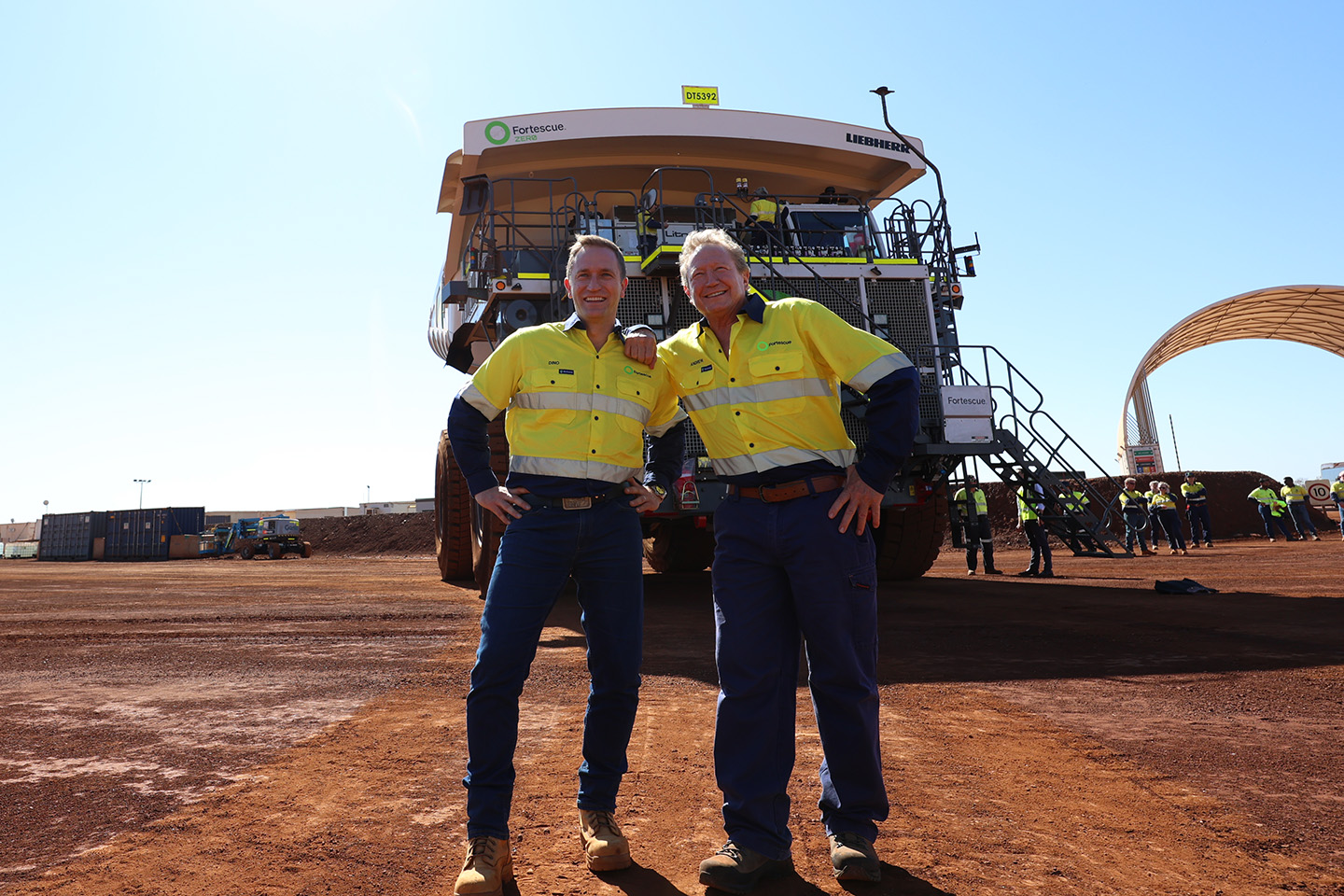
Fortescue expects to be running its Pilbara mining network on green energy by 2028, netting the miner a predicted cost saving of up to $US800 million.
Wendy's: Why The Turnaround Story Still Doesn't Add Up

Barrick Mining: IPO Spinoff Dream Hits Royalty Shocker And Margin Squeeze

Matador Resources gains 63% after Fair Value signal identifies upside
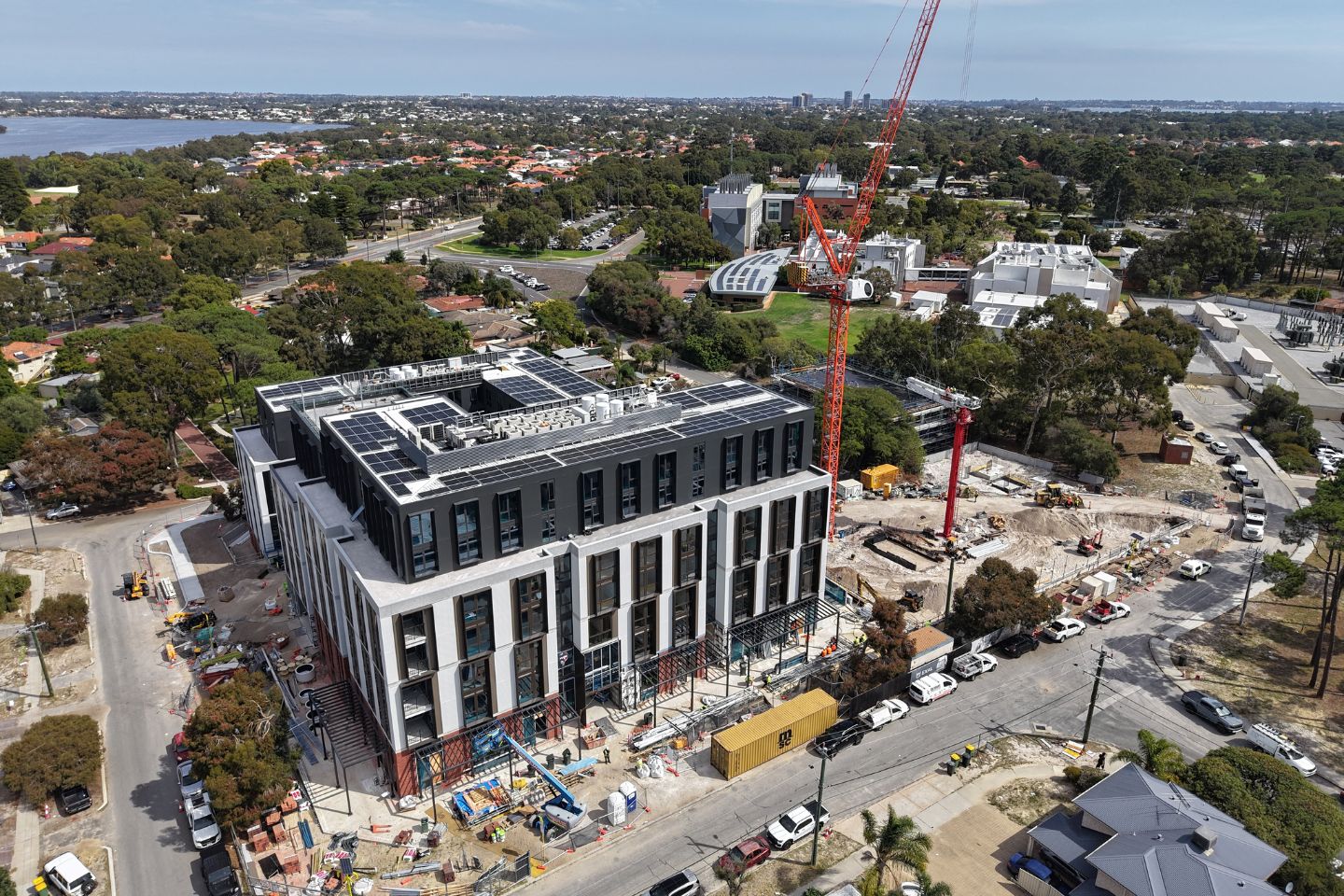
Developer Exal Group has secured funding from a Singaporean backer for its 916-bed student accommodation complex in Waterford.
Tempus AI stock rises on Gilead collaboration deal

How Policymakers Can Lower Mortgage Costs And Increase Housing Affordability
Vikings Doing Homework on Day 2 Linebacker

Amazon pledges its satellite internet starts this year

what five politics experts are looking out for


-

 Fashion7 days ago
Weekend Open Thread: Spanx – Corporette.com
-

 Business5 days ago
Three Gulf funds agree to back Paramount’s $81 billion takeover of Warner, WSJ reports
-

 Sports6 days ago
India men’s 4x400m and mixed 4x100m relay teams register big progress | Other Sports News
-

 Business6 days ago
Expert Picks for Every Need
-

 Tech3 days ago
How Long Can You Drive With Expired Registration? What Florida Law Says
-

 Business5 days ago
No Jackpot Winner, Prize to Climb to $231 Million
-

 Fashion4 days ago
Massimo Dutti Offers Inspiration for Your Summer Mood Board
-

 Fashion3 days ago
Let’s Discuss: DEI in 2026
-
Politics7 days ago
Wings Over Scotland | The quality of mercy
-

 Crypto World2 days ago
Bitcoin recovers as US and Iran Agree a Ceasefire Deal
-

 Business6 days ago
Akebia Therapeutics, Inc. (AKBA) Discusses Pipeline Progress and Strategic Focus on Kidney Disease Treatments at R&D Day – Slideshow
-

 Crypto World24 hours ago
Canary Capital Files SEC Registration for PEPE ETF
-

 Politics6 days ago
The UK should not pay a penny in slavery reparations
-

 Fashion7 days ago
Frugal Friday’s Workwear Report: Hammered Metallic Button Sweater Vest
-

 Tech4 days ago
Samsung just gave up on its own Messages app
-

 Tech4 days ago
Haier is betting big that your next TV purchase will be one of these
-

 Fashion7 days ago
Weekly News Update, 4.3.26 – Corporette.com
-
Sports7 days ago
A Kevin O’Connell Theory Can Now Be Retired
-

 NewsBeat7 days ago
Kemi Badenoch talks ‘spring cleaning’ Reform defections
-

 Tech4 days ago
Gamer Restores the Original PlayStation Portal From Two Decades Ago
You must be logged in to post a comment Login